• Skip to primary navigation
  • Skip to main content
  • Skip to primary sidebar

Earth Wise

A look at our changing environment.

  • Home
  • About Earth Wise
  • Where to Listen
  • All Articles
  • Show Search
Hide Search
You are here: Home / Archives for Cary Institute

Cary Institute

Rainforests and thunderstorms

August 6, 2025 By EarthWise Leave a Comment

Thunderstorms have a surprising impact on tree mortality

Tropical forests are dying at an alarming rate, and not just from deforestation. Even intact forests are losing trees, threatening biodiversity, carbon storage, and the global climate. While drought and rising temperatures are often blamed, new research points to a surprising culprit: thunderstorms.

These intense, short-lived convective storms, common in the tropics, are increasing due to climate change. With strong winds and lightning, they can snap trees, strip canopies, and kill even the most robust tree specimens.

In a perspective paper recently published in the journal Ecology Letters, a research team led by the Cary Institute of Ecosystem Studies argues that thunderstorms, often overlooked in carbon storage research, may be the leading cause of tree death in tropical forests. The research team estimates that storms have caused 30 to 60% of tree mortality in the past, a number that is likely rising as storm activity increases 5 to 25% each decade.

Including storm data in forest carbon studies changes the picture significantly. Earlier models showed that carbon levels dropped sharply when temperatures rose beyond a certain point. But when storm impacts were added, that pattern disappeared, suggesting that storms – not just heat – may be a key factor in carbon loss.

Understanding which species are most vulnerable is critical for reforestation and conservation efforts. Mature trees store the most carbon, so if they’re lost to storms, future forests may fall short of their carbon storage potential.

As storm activity increases each decade, the stakes grow higher.  Accounting for storms could reshape how we protect, restore, and plan for the future of our forests. 

**********

Web Links

Are the Amazon’s biggest trees dying? Forest coroners investigate

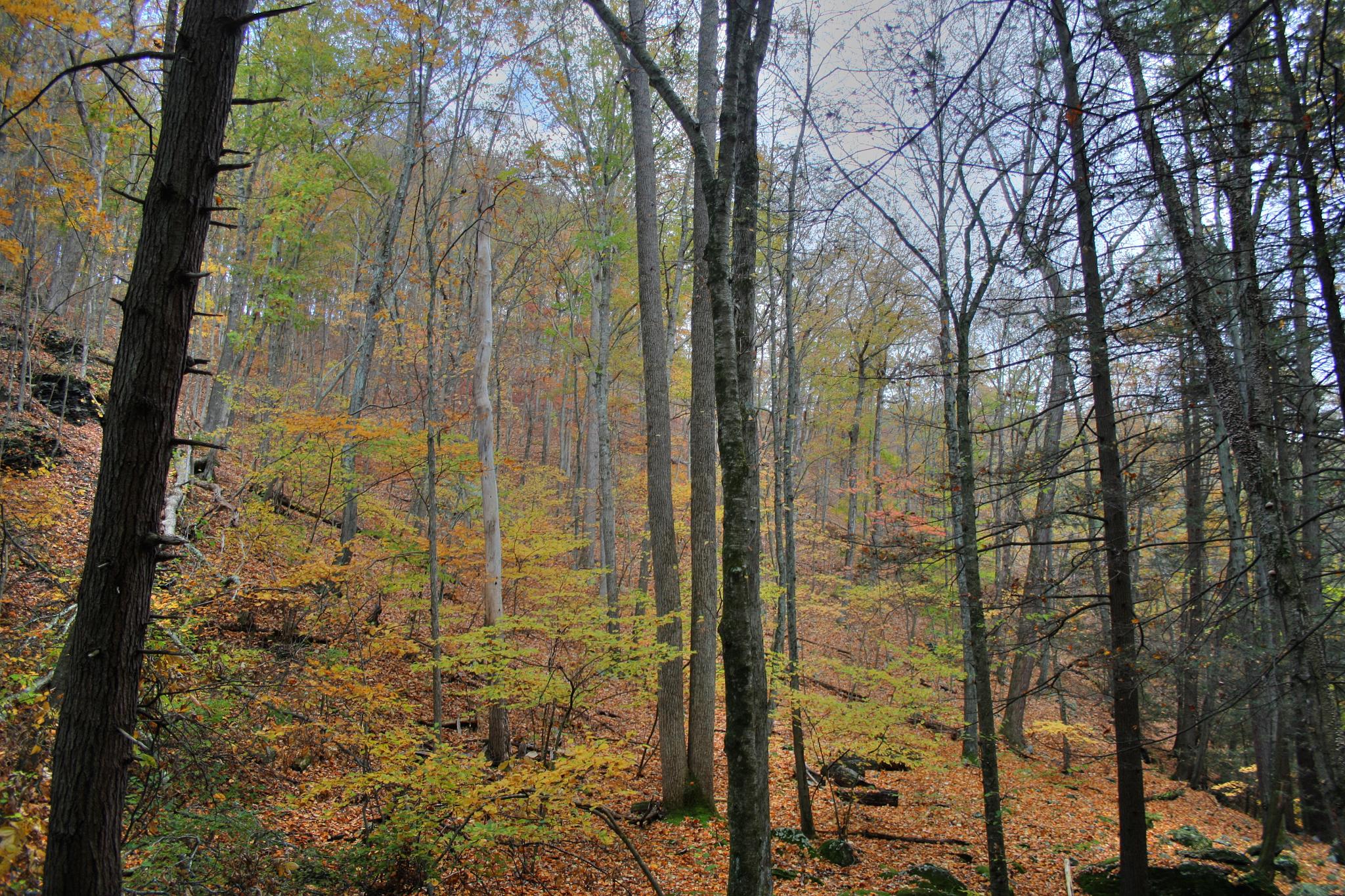
Photo, posted July 2, 2017, courtesy of Anna & Michal via Flickr.

Earth Wise is a production of WAMC Northeast Public Radio
Biomass: Renewable But Not Sustainable

July 23, 2018 By EarthWise 1 Comment

https://earthwiseradio.org/wp-content/uploads/2018/07/EW-07-23-18-Biomass-Renewable-Not-Sustainable.mp3

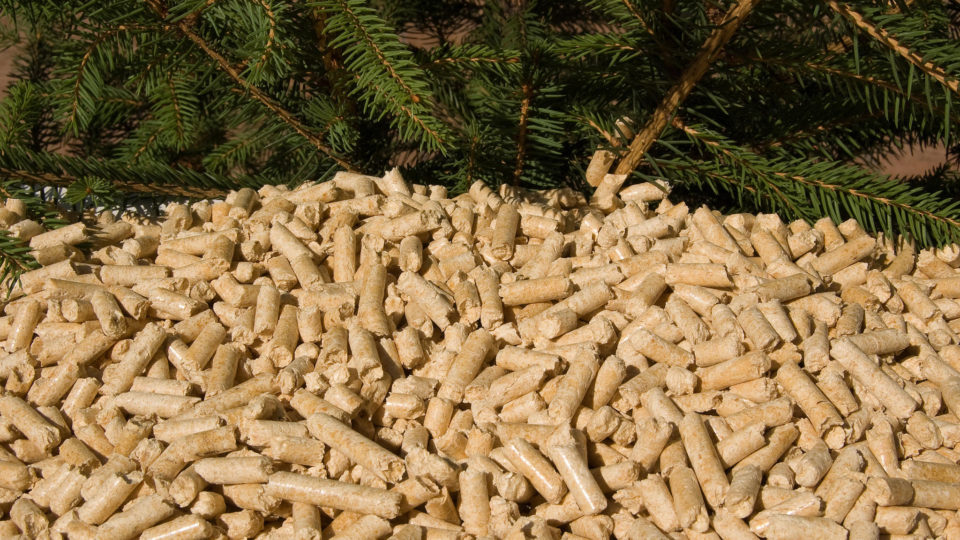
Biomass is often touted as a green energy source. Just recently, the US Environmental Protection Agency declared biomass energy to be carbon neutral – a policy already embraced by many European countries. However, burning forests for fuel has hard limitations and ecological consequences.

[Read more…] about Biomass: Renewable But Not Sustainable

Poor Neighborhoods And Mosquitoes

September 4, 2017 By EarthWise

https://earthwiseradio.org/wp-content/uploads/2017/09/EW-09-04-17-Poor-Neighborhoods-and-Mosquitoes.mp3

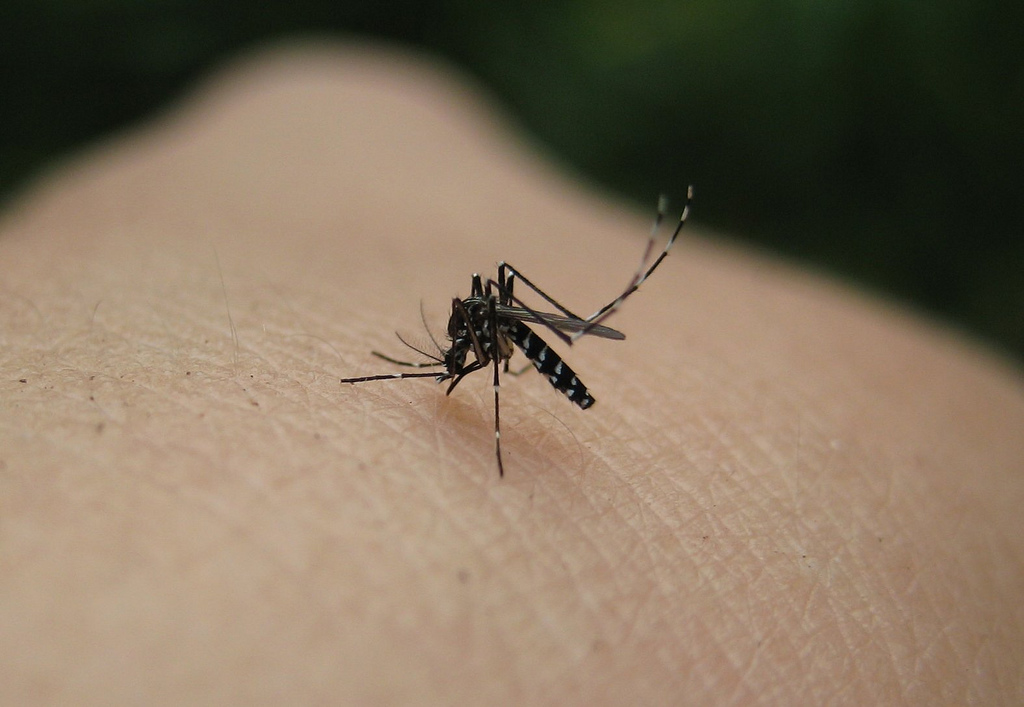
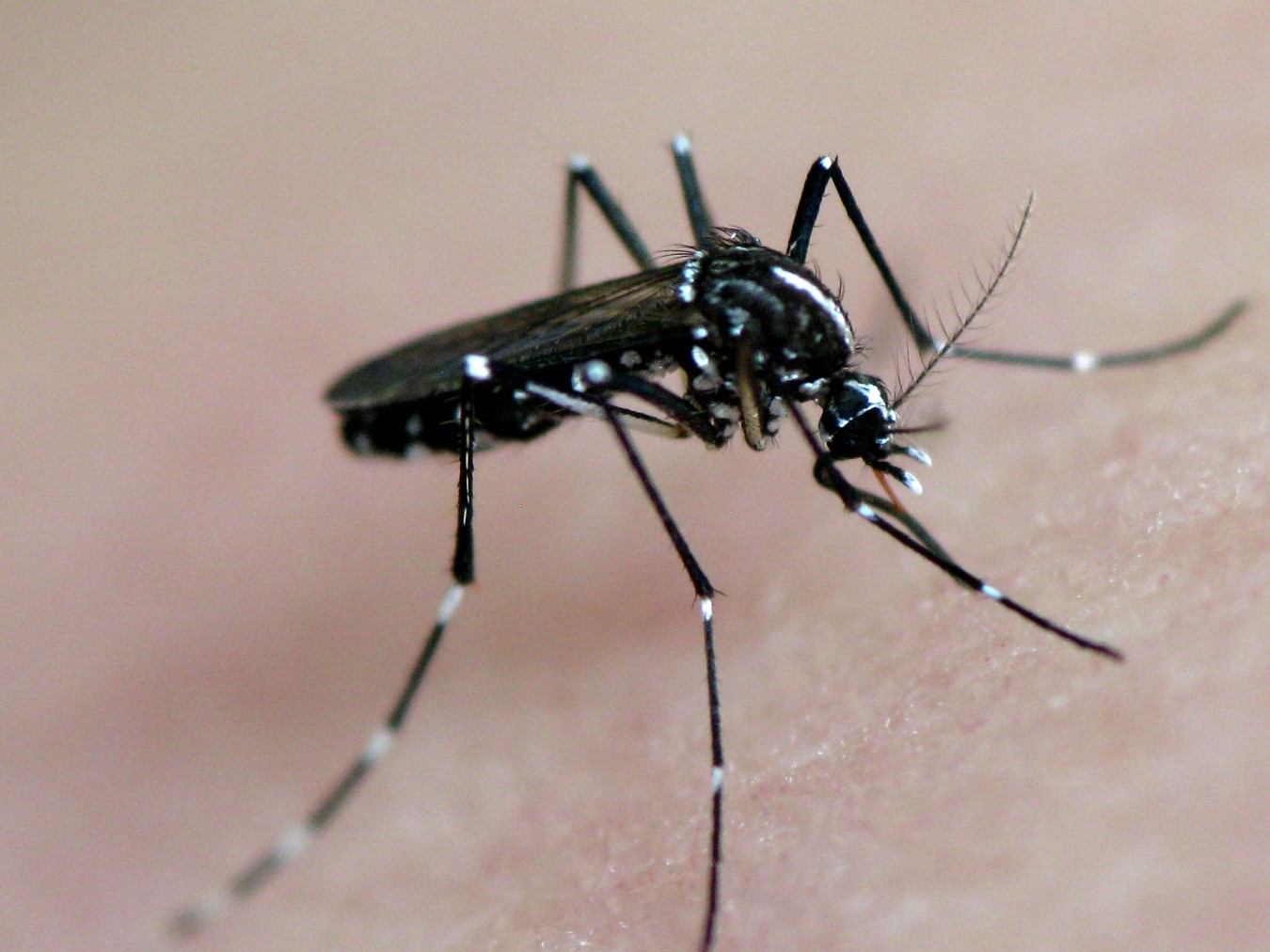
Mosquito-borne diseases pose a growing risk to public health in urban areas. Asian tiger mosquitoes are a vector of high concern as they thrive in cities, live in close association with people, and can reproduce in very small pools of water. 

[Read more…] about Poor Neighborhoods And Mosquitoes

Mapping Risk

June 6, 2017 By EarthWise

https://earthwiseradio.org/wp-content/uploads/2017/05/EW-06-06-17-Mapping-risk.mp3

The International Union for Conservation of Nature (IUCN) is the global authority for determining species’ vulnerability in the face of threats such as habitat loss and climate change. How widely a species can be found – its geographic range – is a key indicator used by the IUCN to assign an appropriate conservation status.

[Read more…] about Mapping Risk

Terrestrial Plants and Lake Ecosystems

May 4, 2017 By EarthWise

https://earthwiseradio.org/wp-content/uploads/2017/05/EW-05-04-17-Terrestial-Plants-and-Lake-Ecosystems.mp3

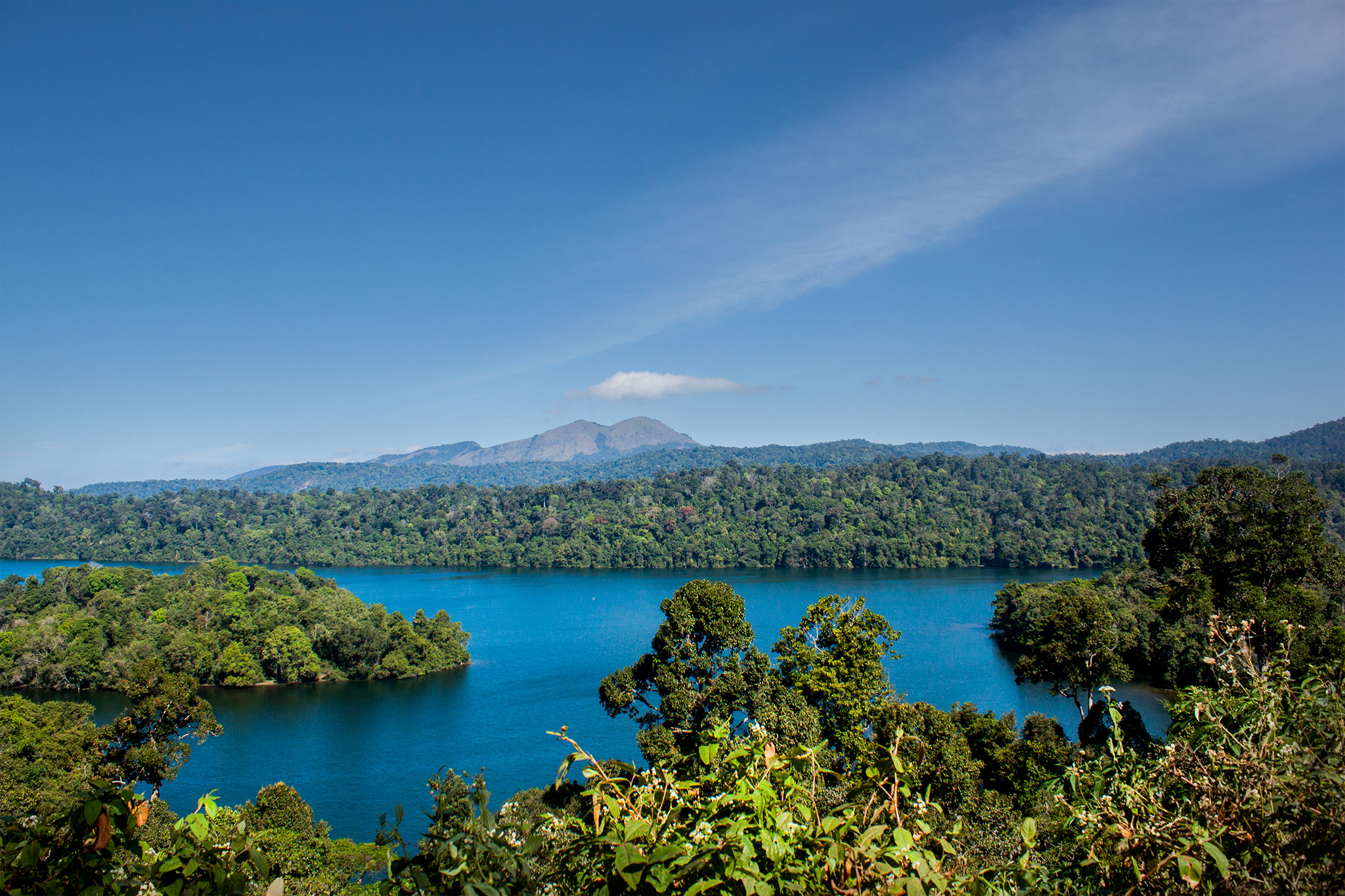
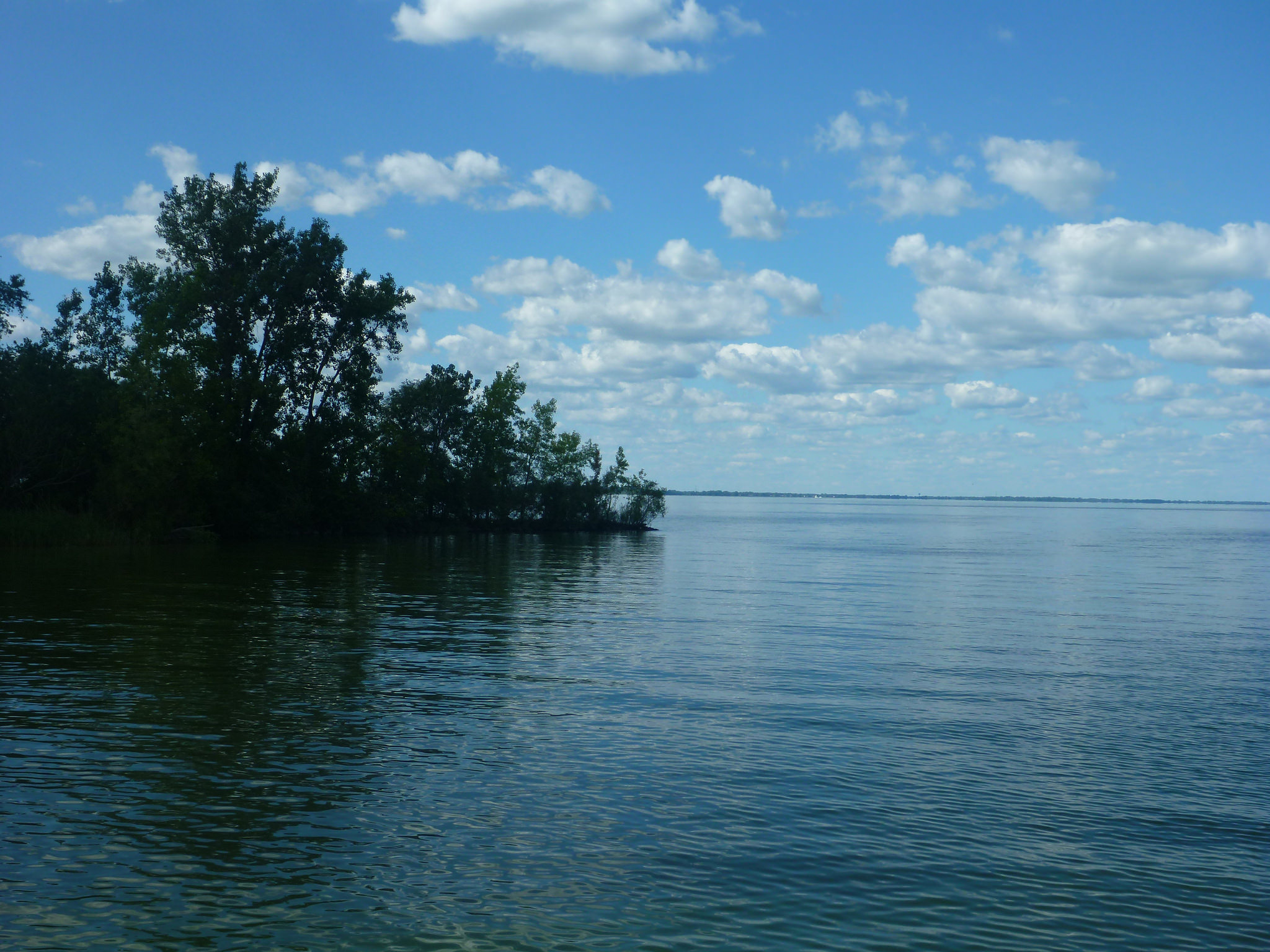
Most of the planet’s freshwater stores are found in the northern hemisphere, a region that is changing rapidly in response to human activity and shifting climate trends. A recent study analyzed 147 northern lakes and found that many rely on nutrients from tree leaves, pine needles, and other land-grown plants to feed aquatic life.

[Read more…] about Terrestrial Plants and Lake Ecosystems

The Tick Project

September 12, 2016 By WAMC WEB

https://earthwiseradio.org/wp-content/uploads/2016/08/EW-09-12-16-The-Tick-Project.mp3

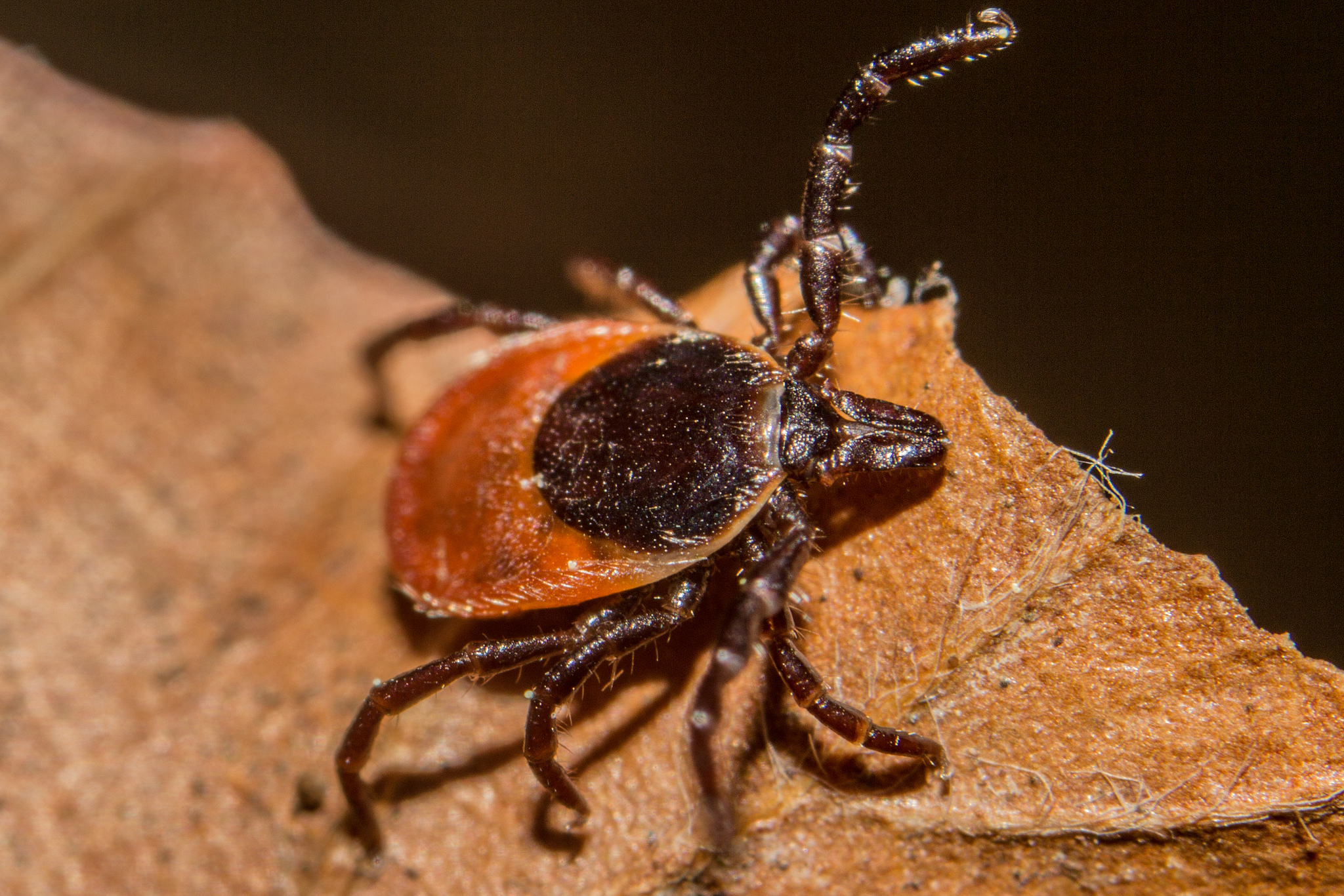
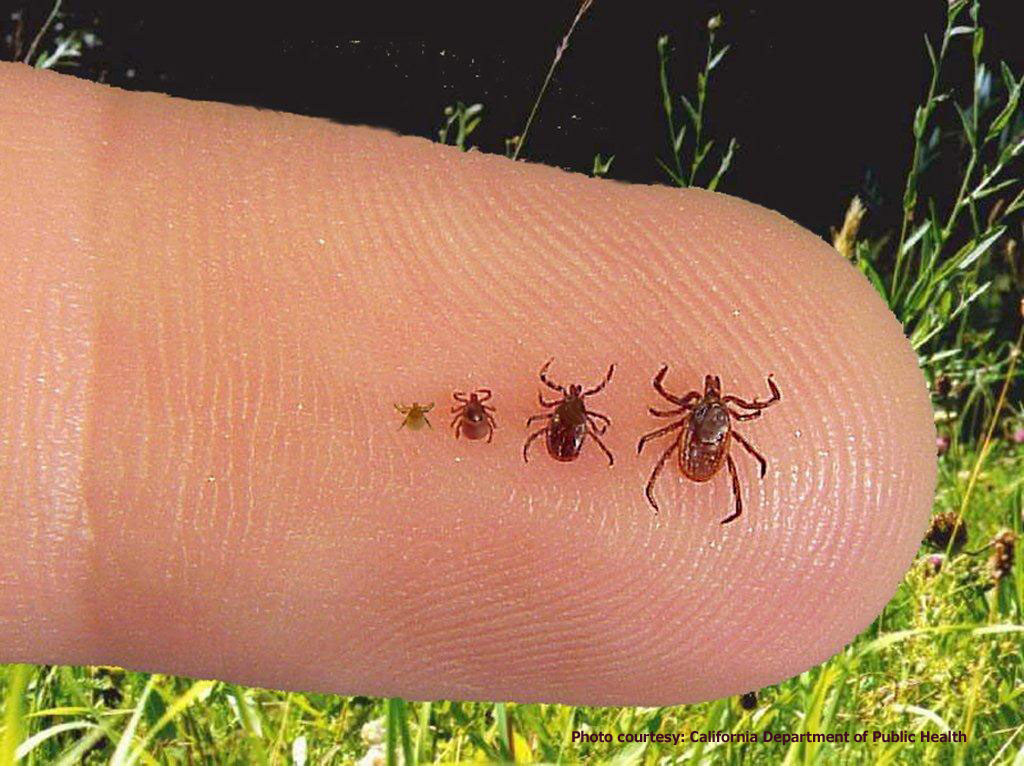
Tiny ticks are a big problem. Anyone taking a walk in the woods is advised to do a tick check. Ticks infect more than 325,000 people with Lyme disease each year, and this number continues to rise.

[Read more…] about The Tick Project

Ebola And Bats

August 29, 2016 By WAMC WEB

https://earthwiseradio.org/wp-content/uploads/2016/08/EW-08-29-16-Ebola-and-Bats.mp3

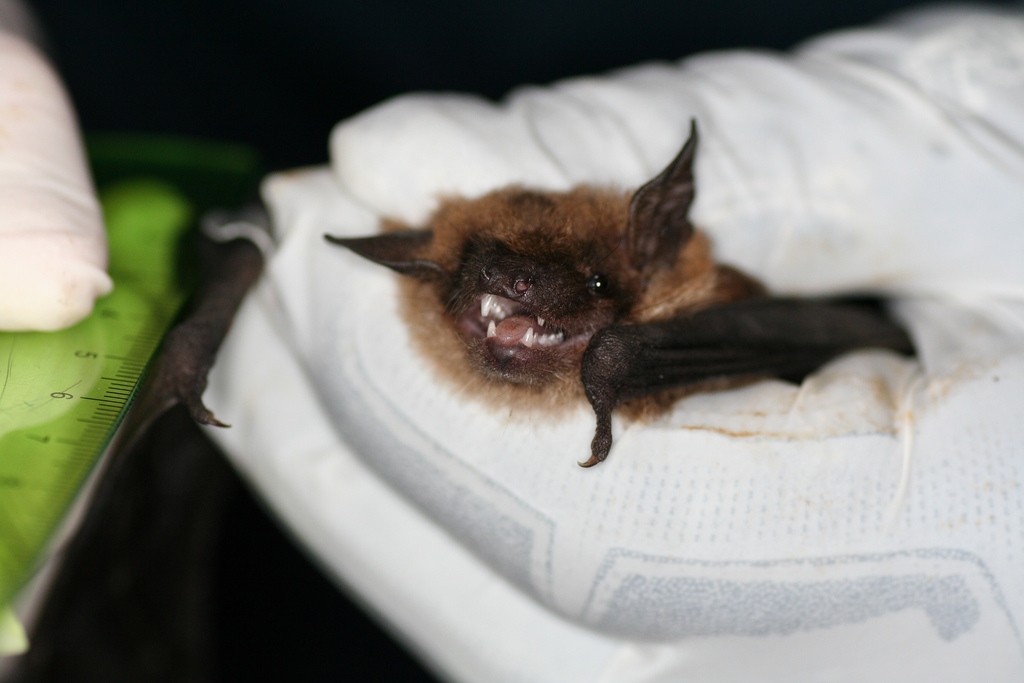
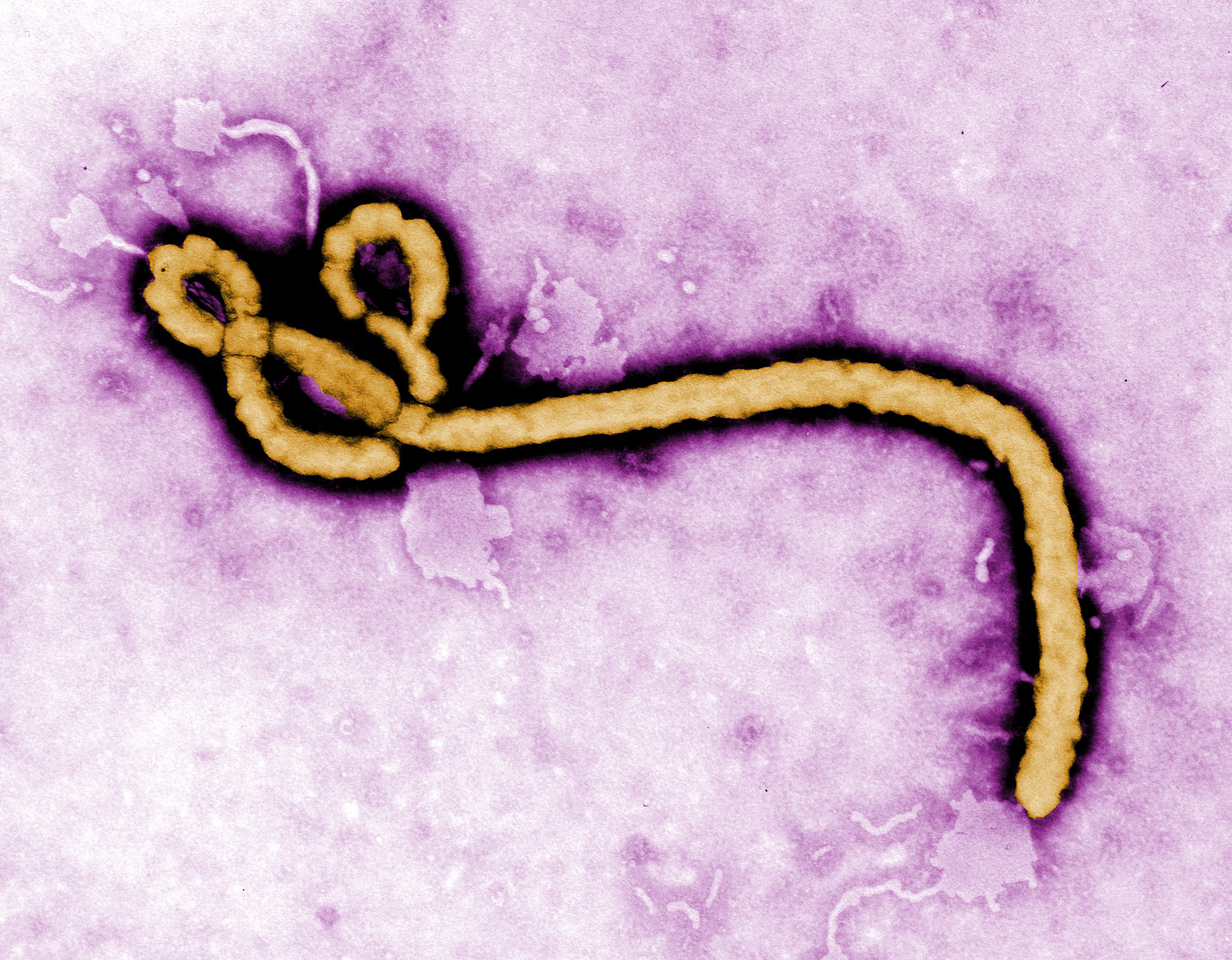
Filoviruses have devastating effects on people and primates, as evidenced by the 2014 Ebola outbreak in West Africa. For nearly 40 years, preventing spillovers has been hampered by an inability to pinpoint which wildlife species harbor and spread the viruses.

[Read more…] about Ebola And Bats

Mapping Emerging Infectious Diseases

July 12, 2016 By WAMC WEB

https://earthwiseradio.org/wp-content/uploads/2016/07/EW-07-12-16-Mammal-Map-Disease-.mp3

Ebola. Hantavirus. Lyme disease. What do they have in common? Like most emerging infectious diseases, they originated in mammals. So many debilitating pathogens make the jump from wildlife and livestock to humans, yet at the global scale little is known about where people are most at risk of outbreaks.

[Read more…] about Mapping Emerging Infectious Diseases

Big Data + Technology = Improved Global Health

June 20, 2016 By WAMC WEB

https://earthwiseradio.org/wp-content/uploads/2016/06/EW-06-20-16-Early-Warning-Disease-System.mp3

Scientists are calling for the creation of a global early warning system for infectious diseases. Such a system would use computer models to tap into environmental, epidemiological, and molecular data – gathering the intelligence needed to forecast where disease risk is high and what actions could prevent outbreaks or contain epidemics.

[Read more…] about Big Data + Technology = Improved Global Health

Mobile Apps Empower Citizen Science

June 1, 2016 By WAMC WEB

https://earthwiseradio.org/wp-content/uploads/2016/06/EW-06-01-16-Lake-Observer.mp3

Citizen scientists play a vital role in raising awareness about the health of our nation’s freshwater resources. Their efforts can help document water clarity and track harmful algal blooms and other indicators of poor water quality instrumental to sound management.

[Read more…] about Mobile Apps Empower Citizen Science

Tiny Forest Pests Cause Big Problems

May 18, 2016 By WAMC WEB

https://earthwiseradio.org/wp-content/uploads/2016/05/EW-05-18-16-Trees-Trouble.mp3

Each year, more than 25 million shipping containers enter the U.S.  All too often, highly destructive forest pests are lurking among their imported goods. Wood boring insects arrive as stowaways in wood packaging, such as pallets and crates. Other forest pests and pathogens hitchhike in on foreign-reared plants bound for American nurseries.

[Read more…] about Tiny Forest Pests Cause Big Problems

Keeping A Pulse On Our Planet

April 6, 2016 By WAMC WEB

https://earthwiseradio.org/wp-content/uploads/2016/03/EW-04-06-16-Keeping-a-Pulse-on-Our-Planet.mp3

The discovery of acid rain in North America was made possible by environmental data collected at a biological field station nestled in the White Mountains of New Hampshire. Hubbard Brook Experimental Forest is just one of the many biological field stations located around the globe that are keeping a pulse on the health of our planet.

[Read more…] about Keeping A Pulse On Our Planet

Who Needs Aedes Mosquitoes?

March 29, 2016 By WAMC WEB

https://earthwiseradio.org/wp-content/uploads/2016/03/EW-03-29-16-Aedes-Threat.mp3

There are approximately 3,500 mosquito species in the world. Of those, only a few hundred are known to bite humans. And just two have adapted to breed almost exclusively in urban environments where they are in close proximity to people.

[Read more…] about Who Needs Aedes Mosquitoes?

De-Extinction: Opening Pandora’s Box

March 21, 2016 By WAMC WEB

https://earthwiseradio.org/wp-content/uploads/2016/03/EW-03-21-16-De-Extinction.mp3

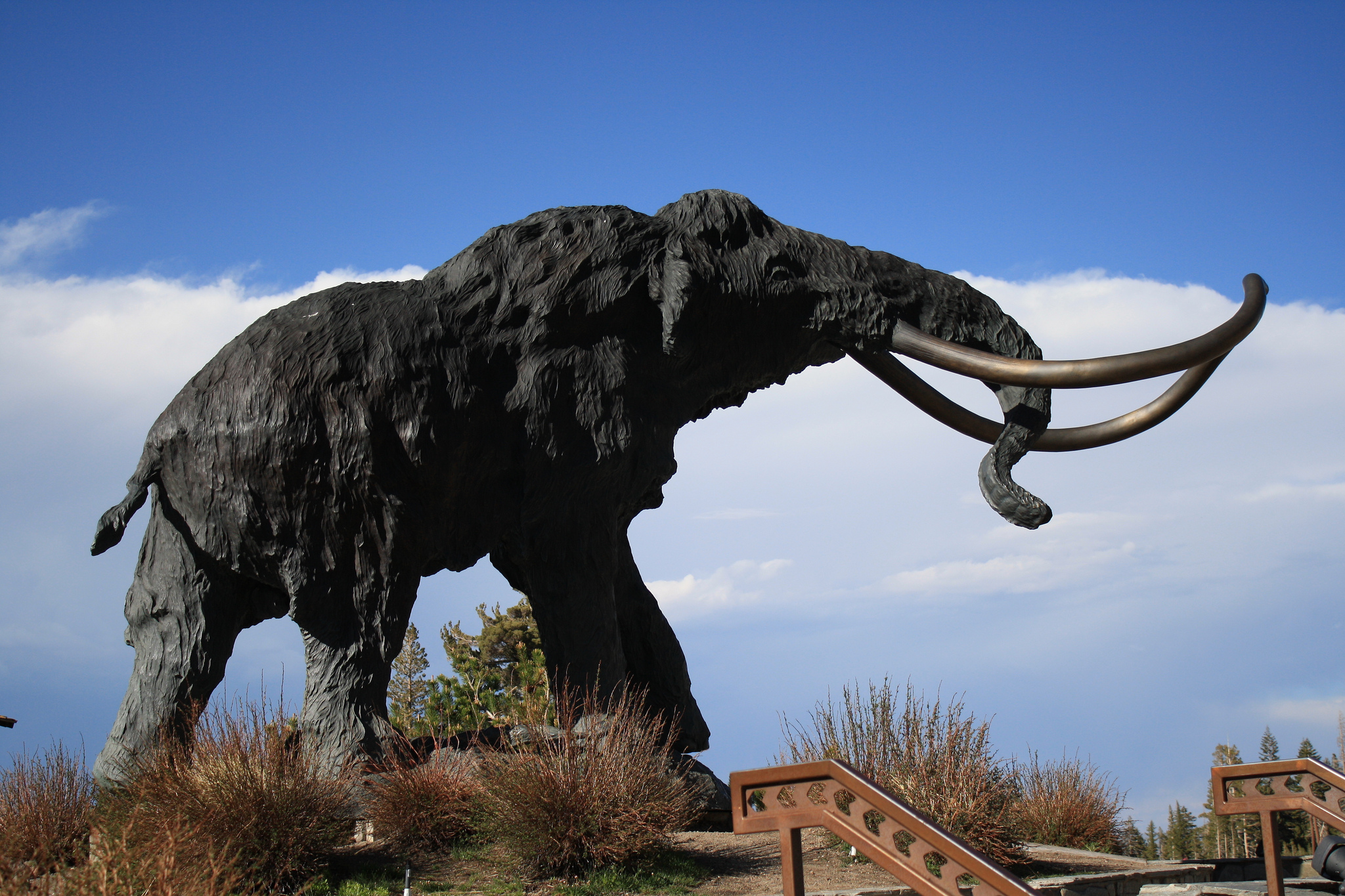
De-extinction, or the act of bringing extinct species back from the dead, has been riding a wave of enthusiasm. Nearly 2 million people have watched Steward Brand’s TED talk on the topic, and Beth Shapiro’s book How to Clone a Mammoth has received rave reviews.

[Read more…] about De-Extinction: Opening Pandora’s Box

Bolivia’s Disappearing Lake

February 25, 2016 By WAMC WEB

https://earthwiseradio.org/wp-content/uploads/2016/02/EW-02-25-16-Bolivia-Lake.mp3

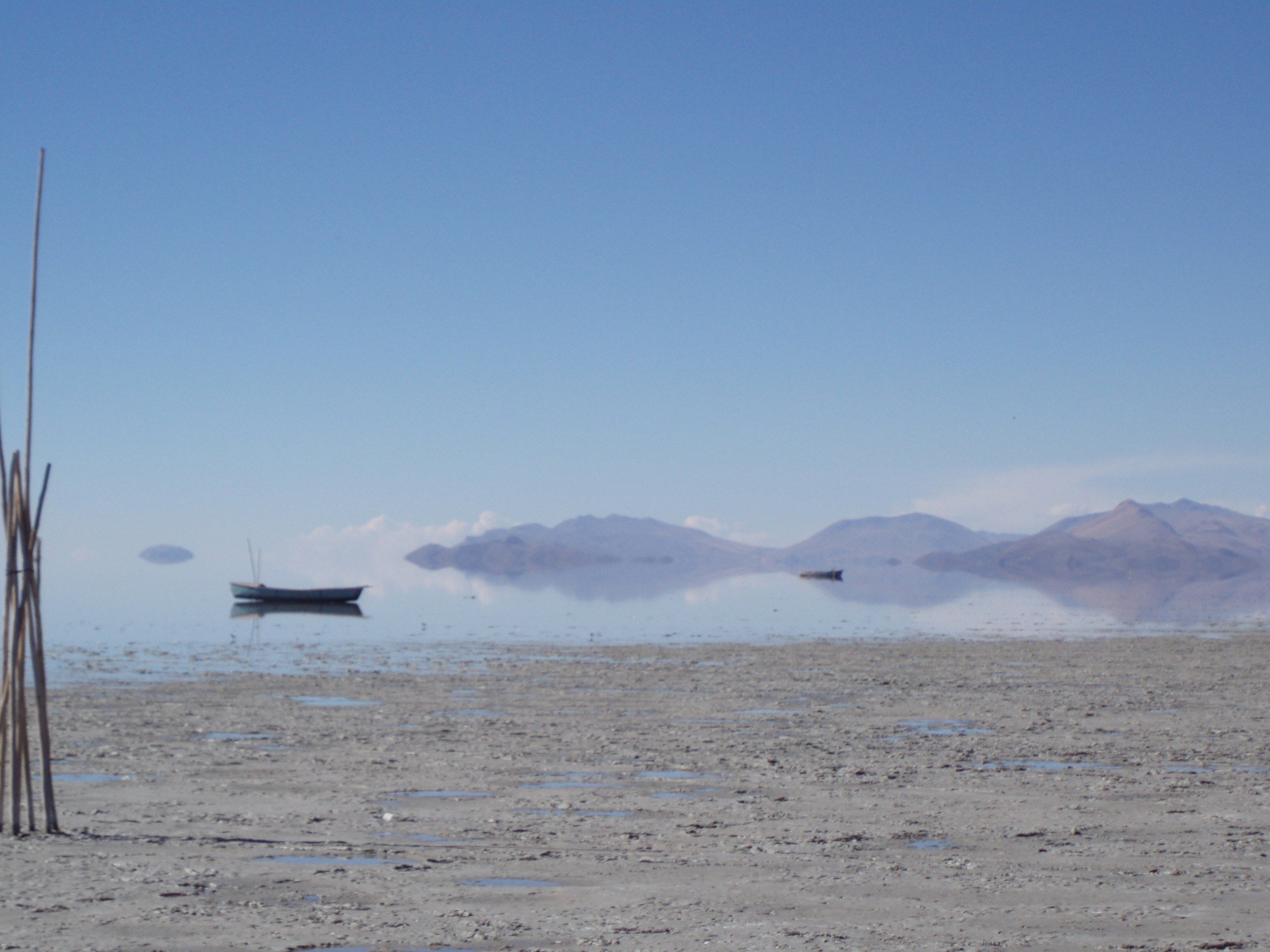
Bolivia’s second largest lake has nearly disappeared. Lake Poopó, a saltwater lake located in a shallow depression in the Altiplano Mountains, used to cover an area about the size of Los Angeles. While it’s not the first time the lake has dried out, scientists believe its recovery hangs in the balance due to the combined stress of drought, climate change, and water diversion.

[Read more…] about Bolivia’s Disappearing Lake

Go With The Flow

February 24, 2016 By WAMC WEB

https://earthwiseradio.org/wp-content/uploads/2016/02/EW-02-24-16-Go-With-The-Flow.mp3

Have you ever wondered what happens when a fish encounters a dam or a culvert? Too often, these structures are barriers to breeding and nursery sites, feeding grounds, and vital genetic mixing. In a warming world, barriers also prevent fish from seeking refuge as stream temperatures change.

[Read more…] about Go With The Flow

Acorns And Lyme Disease

November 20, 2015 By WAMC WEB

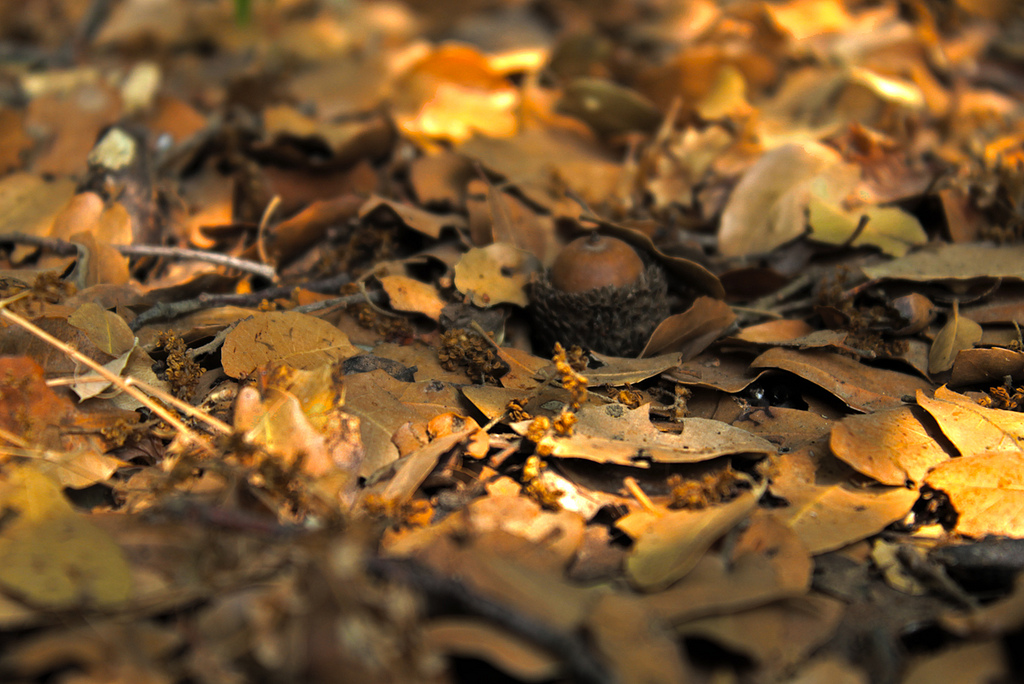
In New York’s Hudson Valley, it’s hard to go outside without stepping on an acorn. Oaks have ‘boom and bust’ acorn production cycles. In lean years, trees produce a handful of nuts. In boom years, acorns seem to rain down from the sky. We are currently experiencing an acorn bumper-crop, or what ecologists call a ‘mast’ year.

In some forests, there can be more than 100 acorns per square meter.  This is welcome news to animals like mice, chipmunks, and squirrels. They can gorge on the bounty and stock their larders. Acorn caches help wildlife avoid predators and survive the lean months of winter. They even give well-fed rodents a jump-start on the breeding season.

For this reason, acorn “mast” years are also harbingers of future Lyme disease risk. In the summer following acorn booms, white-footed mouse numbers explode. In New York’s Hudson Valley, these mice play a major role in infecting blacklegged ticks with the agents that cause Lyme disease, Babesiosis, and Anaplasmosis.

Cary Institute disease ecologist Rick Ostfeld explains.

“The ticks that are emerging as larvae in August  – just as the mice and chipmunks are reaching their population peaks – they have tons of excellent hosts to feed from.  They survive well and they get infected with tick-borne pathogens.  And that means that two years following a good acorn crop we see high abundance of infected ticks, which represents a risk of human exposure to tick borne disease.”

Predictions are based on 20 years of field studies that have confirmed the relationship among acorn mast years, mouse outbreaks, and the prevalence of infected ticks. Mark your calendars – 2017 will likely be a bad year for Lyme disease.

**********


Web Extra

Full interview with Rick Ostfeld, a disease ecologist at the Cary Institute of Ecosystem Studies 

https://earthwiseradio.org/wp-content/uploads/2015/11/Ostfeld_full_web.mp3


Web Links

The acorn connections, with Dr. Rick Ostfeld: ticks, gypsy moths, songbirds and more

Photo, posted August 16, 2012, courtesy of Rabiem22 via Flickr.

EW Extra: Interview With Rick Ostfeld

XXXXXXXXX

Primary Sidebar

Recent Episodes

  • An uninsurable future
  • Clean energy and jobs
  • Insect declines in remote regions
  • Fossil fuel producing nations ignoring climate goals
  • Trouble for clownfishes

WAMC Northeast Public Radio
WAMC/Northeast Public Radio is a regional public radio network serving parts of seven northeastern states (more...)

Copyright © 2026 ·