• Skip to primary navigation
  • Skip to main content
  • Skip to primary sidebar

Earth Wise

A look at our changing environment.

  • Home
  • About Earth Wise
  • Where to Listen
  • All Articles
  • Show Search
Hide Search
You are here: Home / Archives for winds

winds

More Extreme Wildfire Seasons | Earth Wise

April 29, 2020 By EarthWise Leave a Comment

extreme wildfire seasons

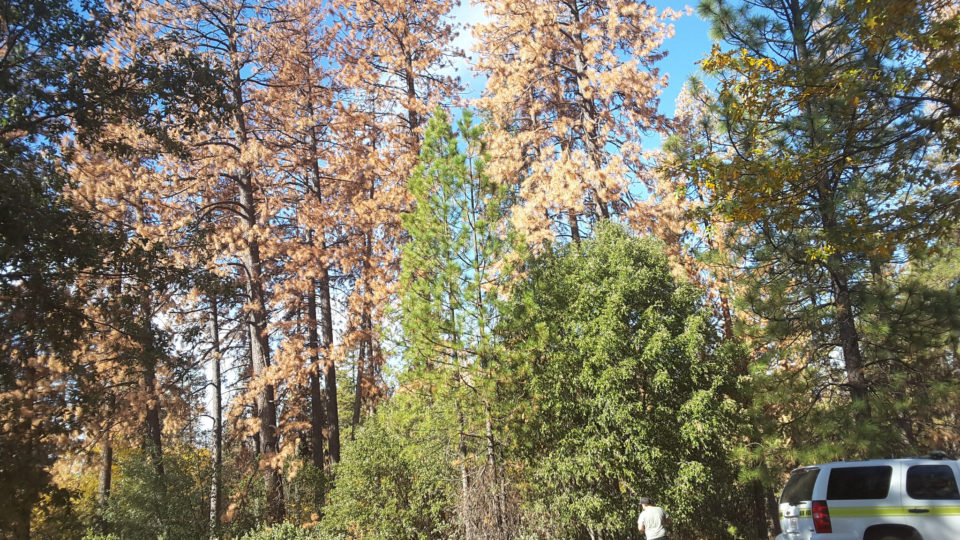
According to a new study led by researchers at Stanford University, autumn in California feels more like summer now as a result of climate change, and this hotter and drier weather increases the risk of longer and more dangerous wildfire seasons.

The research team, whose work was recently published in the journal Environmental Research Letters, found that the frequency of extreme fire weather conditions in the fall in California has doubled since the early 1980s.  Average temperatures during the season have increased by more than 2 degrees Fahrenheit, and rainfall has fallen by approximately 30%.  The most pronounced warming has occurred in the late summer and early fall.  That finding means that tinder-dry conditions coincide with the strong “Diablo” and “Santa Ana” winds that are typical in California at this time of year.     

In recent years, these conditions have fed large and fast-moving wildfires across California.  The state’s two largest wildfires, two most destructive wildfires, and the most deadly wildfire all occurred during 2017 and 2018, resulting in more than 150 deaths and $50 billion in damage.

Because summertime has typically been peak fire season, the recent spate of autumn fires is putting a strain on firefighting resources and funding.  The ongoing COVID-19 pandemic could further strain emergency resources.  Since fire-prone regions have historically shared  wildfire-fighting resources throughout the year, the consequences of California’s extended wildfire season could have a global impact.  (For example, California’s recent autumn wildfires have coincided with the beginning of wildfires in Australia). 

The researchers highlight some opportunities to manage the intensifying wildfire risk in California, including limiting the trajectory of global warming in keeping with the targets identified in the United Nations’ Paris agreement.

**********

Web Links

Researchers forecast longer, more extreme wildfire seasons

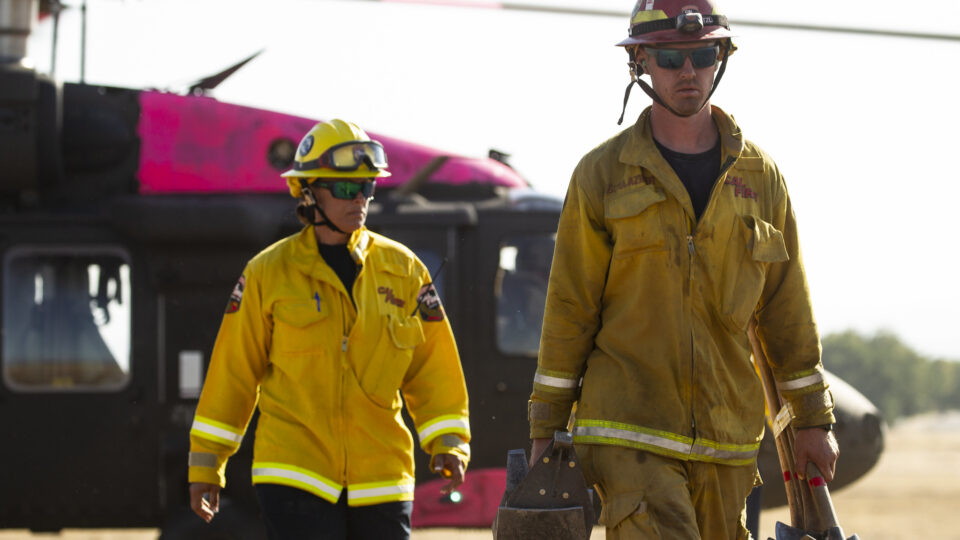
Photo, posted September 12, 2019, courtesy of the California National Guard via Flickr.

Earth Wise is a production of WAMC Northeast Public Radio.
A Record Antarctic Temperature | Earth Wise

March 5, 2020 By EarthWise Leave a Comment

warmest temperatures ever recorded

It is still early in the year, but extreme weather events are already piling up.  January was the warmest month on record globally and there have been many records shattered in Europe and Asia.  A number of places in Eastern Europe, including parts of Russia, have seen temperatures 12 to 13 degrees above average.

While the warming of the Arctic has been in the news with increasing frequency, the Antarctic is also seeing rising temperatures and is one of the fastest-warming regions in the world. 

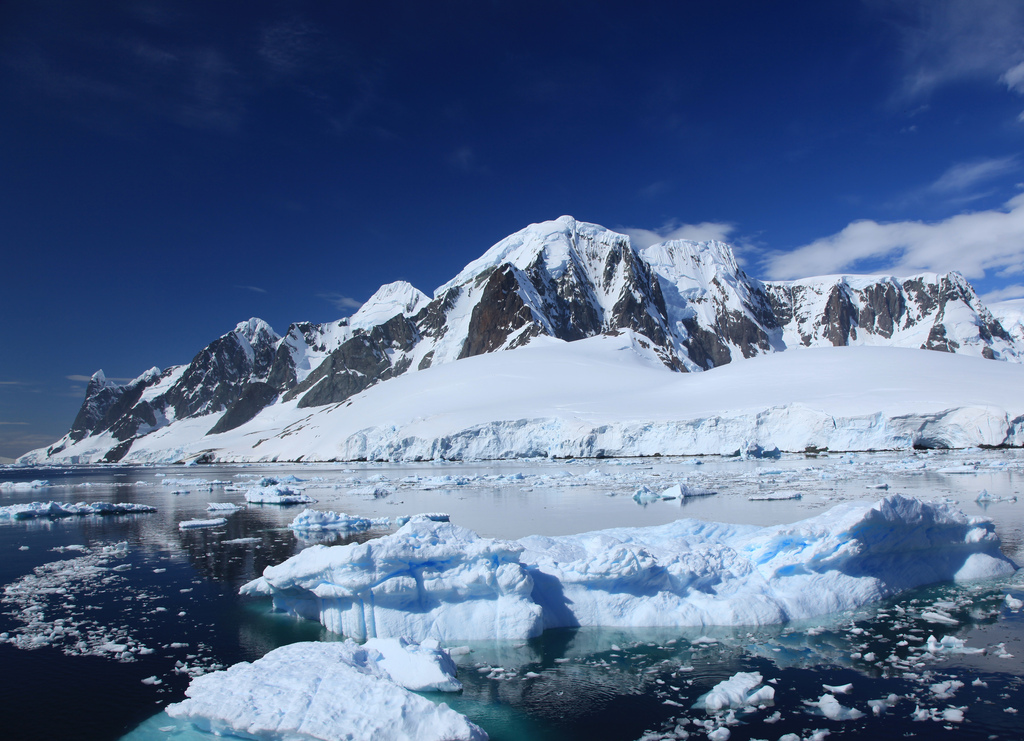
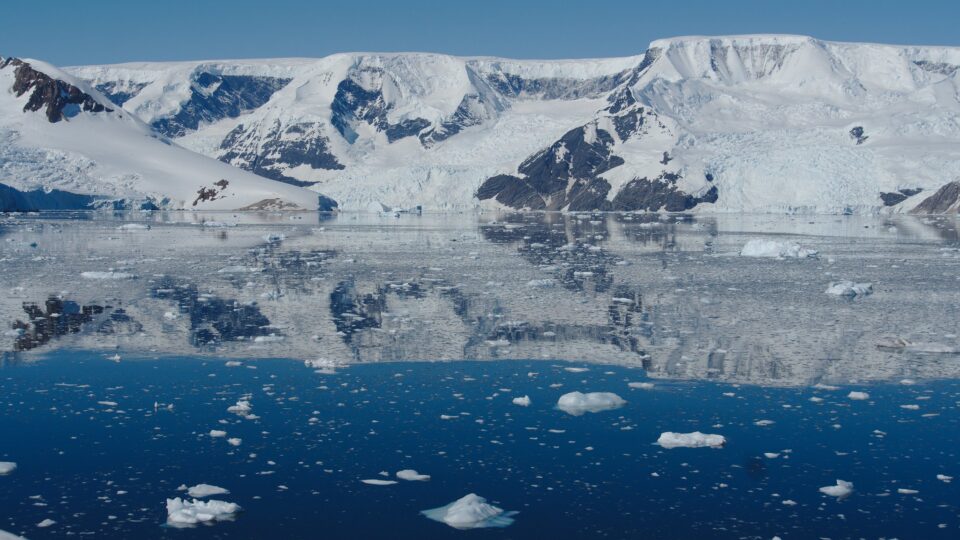
On February 6th, Esperanza Base along Antarctica’s Trinity Peninsula measured a temperature of 65 degrees Fahrenheit, which is the highest temperature ever recorded on that continent.   This rather balmy temperature narrowly beat out the previous record of 63.5 degrees, which occurred in March of 2015.

This one-time reading is certainly anomalous, and scientists say it is associated with a ridge of high pressure that was lingering over the region for several days.  Local wind conditions led to additional warming.

However, the conditions leading to record-breaking high temperatures are not one-time anomalous events. Over the past 50 years, temperatures in the Antarctic have surged by an extraordinary 5 degrees in response to the Earth’s rapidly warming climate.  A rise of five degrees in day-to-day weather is no big deal. A five-degree rise in a region’s average temperature is enormous.

About 87% of the glaciers along the west coast of Antarctica’s Trinity Peninsula have retreated over that 50-year period, most of which doing so during just the past 12 years.

Some researchers claim that the new temperature record is an extreme event that doesn’t tell us anything about the changing climate.  Many others are convinced that there will be many more high temperature records to follow.

**********

Web Links

Antarctica just hit 65 degrees, its warmest temperature ever recorded

Photo, posted February 24, 2019, courtesy of Mike via Flickr.

Earth Wise is a production of WAMC Northeast Public Radio.
A Record European Heatwave

August 1, 2019 By EarthWise Leave a Comment

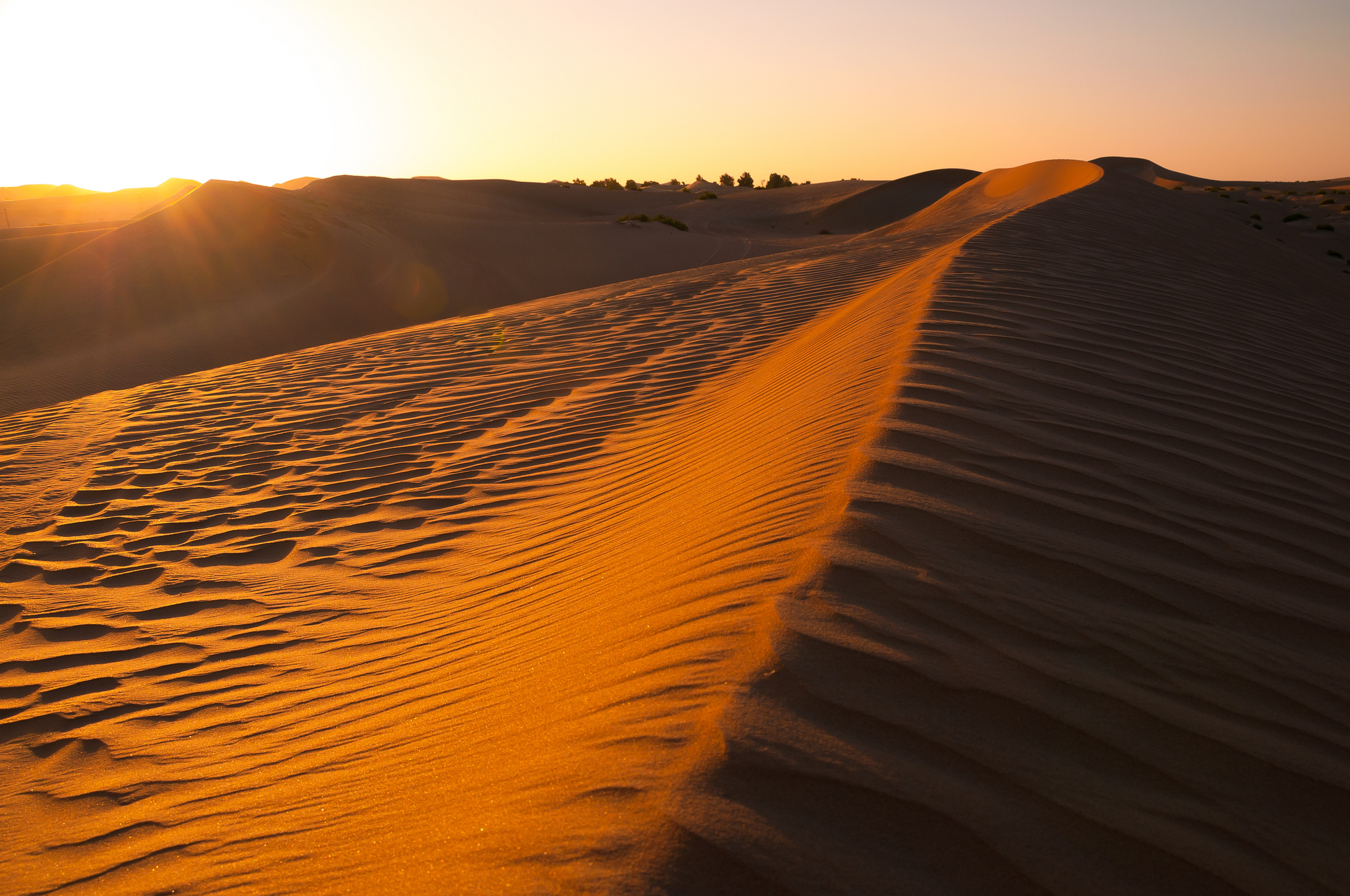
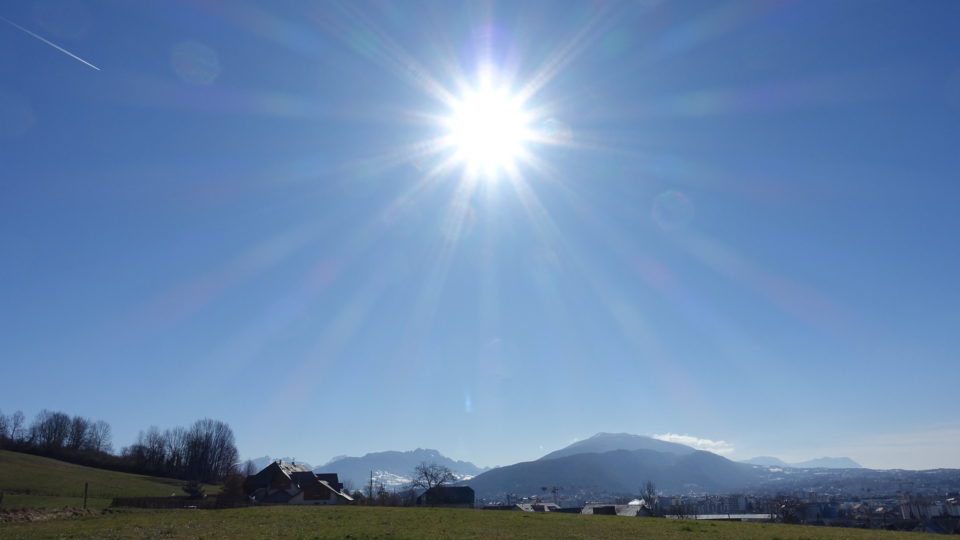
Sahara Desert winds blasted Europe in June, especially during a five-day heatwave that set many records.  Between that and weather elsewhere, June was not only one of the hottest ever for that continent, but also for the world as a whole.

In Europe, the average temperature was about 5 degrees Fahrenheit above the June average of a century ago.  The global temperature was nearly 2 degrees Fahrenheit higher.

The European heatwave broke temperature records in France, Switzerland, Austria, Germany, and Spain.  A temperature above 114 degrees was recorded near the French city of Nîmes.

The intense heat lead to wildfires in Spain and Germany, and widespread disruption across Europe.  Undoubtedly, the heatwave has caused many premature deaths, but it will take some time to compile those statistics.  The European heatwave of 2003 caused more than 70,000 premature deaths.


According to calculations by climate scientists, the record-breaking heatwave in June was made at least 5 and as much as 100 times more likely by climate change.  Global heating caused by the carbon emissions from burning fossil fuels and other human activities means that heatwaves are becoming more probable and severe.  So-called attribution studies estimate how much more likely and severe such events are.

The researchers used temperature records stretching back to 1901 to assess the probability of a heatwave last month and in the past.  They also examined climate change models to assess the impact of global heating.  More than 230 attribution studies to date around the world have found that 95% of heatwaves were made more likely or worse by climate change.

It was the hottest June on record in Europe by a country mile and there are likely to be more months like it in the future.

**********

Web Links

Climate Change Made Last Month’s European Heatwave At Least Five Times More Likely

Photo, posted February 13, 2018, courtesy of Guilhem Vellut via Flickr.

Earth Wise is a production of WAMC Northeast Public Radio.
Bad News For Penguins

June 21, 2019 By EarthWise Leave a Comment

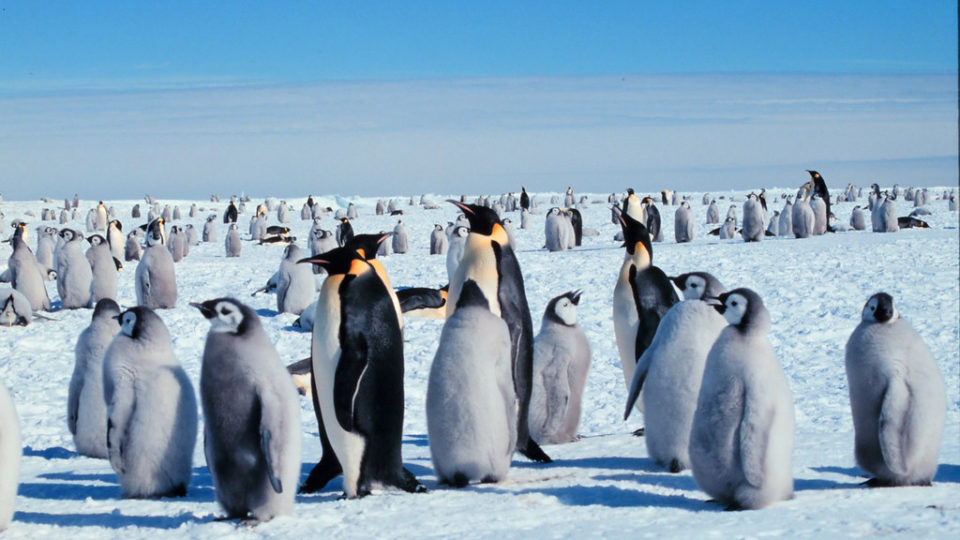
The second-largest breeding colony of emperor penguins in Antarctica, located in the Waddell Sea, has experienced “catastrophic breeding failure” for the past three years.  Nearly all of the colony’s chicks have failed to survive due to the breakup of sea ice, according to a new study published in the journal Antarctic Science.

The colony was once home to 14,000 to 25,000 breeding pairs, which represents as much as 9% of the global emperor penguin population.  Emperor penguins are the tallest and heaviest of all living penguins, reaching up to 4 feet in height and weighing between 50 and 100 pounds.  They are the only penguin species that breeds during the Antarctic winter and their lengthy treks to breeding colonies have been the subject of numerous films and television shows.

Sea ice at Halley Bay in Antarctica had been stable and reliable for nearly 60 years but stormy weather in 2016 driven by El Nino conditions, strong winds, and record low ice extent caused the ice on which penguin chicks gather to break up.  This happened again in 2017 and 2018.  By last year, just a few hundred adult pairs were present at the breeding site and almost no chicks survived the ice breakup.

Researchers say that they have never seen a breeding failure on a scale like this in 60 years of studying the colonies.  On a more positive note, while the population of the Halley Bay site has collapsed, the Dawson-Lambton breeding area – located about 34 miles away – has actually seen significant growth over the past four years.  While this is encouraging, the growth at Dawson-Lambton does not fully compensate for the losses at Halley Bay, which was once considered relatively safe from the impacts of climate change.

**********

Web Links

Emperor Penguin Colony Experiences “Catastrophic Breeding Failure”

Photo, posted February 22, 2011, courtesy of Krishna via Flickr.

Earth Wise is a production of WAMC Northeast Public Radio.
Cleaning Up Mount Everest

May 31, 2019 By EarthWise Leave a Comment

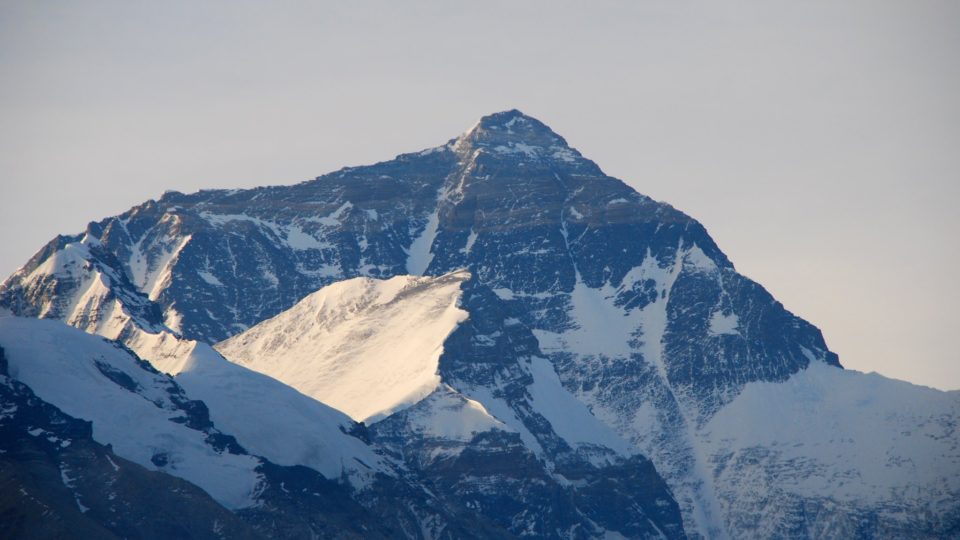
Mount Everest is the highest mountain above sea level with an elevation over 29,000 feet.  As such, it is a prime attraction for mountain climbers seeking that ultimate achievement.  The summit was first reached in 1953 and for a long time, only major expeditions by the best mountaineers sought to repeat the feat.

In recent years, climbing Everest has become much more common.  In fact, since 1953, more than 4,000 people have reached the summit of the world’s highest mountain.  A record 807 accomplished the feat last year alone.  Thousands more visit lower elevations.

But climbing Everest is neither safe nor easy.  Ice and snow, powerful winds, and generally harsh conditions make Everest a treacherous place.  Over the decades, hundreds of climbers have died on its slopes and many of their bodies are still up there.  Apart from human remains, there are decades worth of garbage left behind by hikers and tourists.

The government of Nepal has mounted an ambitious project to clean up the refuse on Mount Everest.  In just the first two weeks, volunteers removed more than three tons of trash from the mountain. Among the rubbish removed from Everest are tents, climbing equipment, bottles, cans, empty oxygen containers, and human waste.  They also discovered the bodies of four climbers that had emerged from melting snow and ice.

Helicopters carried a third of the garbage to Kathmandu for recycling.  The rest was taken to a local district for disposal in landfills.  The initial work started at Everest’s base camp.  They are next moving to sites higher on the mountain.  They hope to remove at least 10 tons of trash this year.

Nepal would like to make the world’s tallest mountain clean.

**********

Web Links

Volunteers Remove 3 Tons of Trash From Mount Everest in Two Weeks

Photo, posted May 23, 2012, courtesy of Gunther Hagleitner via Flickr.

Earth Wise is a production of WAMC Northeast Public Radio.

Cleaning Up the Garbage Patch

October 16, 2018 By EarthWise Leave a Comment

https://earthwiseradio.org/wp-content/uploads/2018/10/EW-10-16-18-Cleaning-Up-The-Garbage-Patch.mp3

We have been talking about the Great Pacific Garbage Patch for several years.  Two years ago, we reported on the activities of a company called Ocean Cleanup, founded five years ago by an 18-year-old Dutch entrepreneur named Boyan Slat.  Two years ago, the company was conducting comprehensive surveys of the patch, which covers an area twice the size of Texas and contains some 80,000 tons of plastic debris.

[Read more…] about Cleaning Up the Garbage Patch

Losing Forests Is Felt Far Away

July 6, 2018 By EarthWise 2 Comments

https://earthwiseradio.org/wp-content/uploads/2018/06/EW-07-06-18-Losing-Forests-is-Felt-Far-Away.mp3

Large areas of forests in our country are vulnerable to drought, fires and disease.  When forests are heavily damaged, there are well-known local impacts:  drier soils, stronger winds, increased erosion, loss of shade and loss of habitat.

[Read more…] about Losing Forests Is Felt Far Away

The 100-Day Giant Battery

January 11, 2018 By EarthWise Leave a Comment

https://earthwiseradio.org/wp-content/uploads/2018/01/EW-01-11-18-The-100-Day-Giant-Battery.mp3

The Australian state of South Australia suffered crippling electricity outages in September 2016, which coincided with gale-force winds and flooding rains.  The outages were triggered by storm damage to major transmission lines followed by wind farms disconnecting from the power grid.

[Read more…] about The 100-Day Giant Battery

A Floating Wind Farm

September 5, 2017 By EarthWise

https://earthwiseradio.org/wp-content/uploads/2017/09/EW-09-05-17-A-Floating-Wind-Farm.mp3

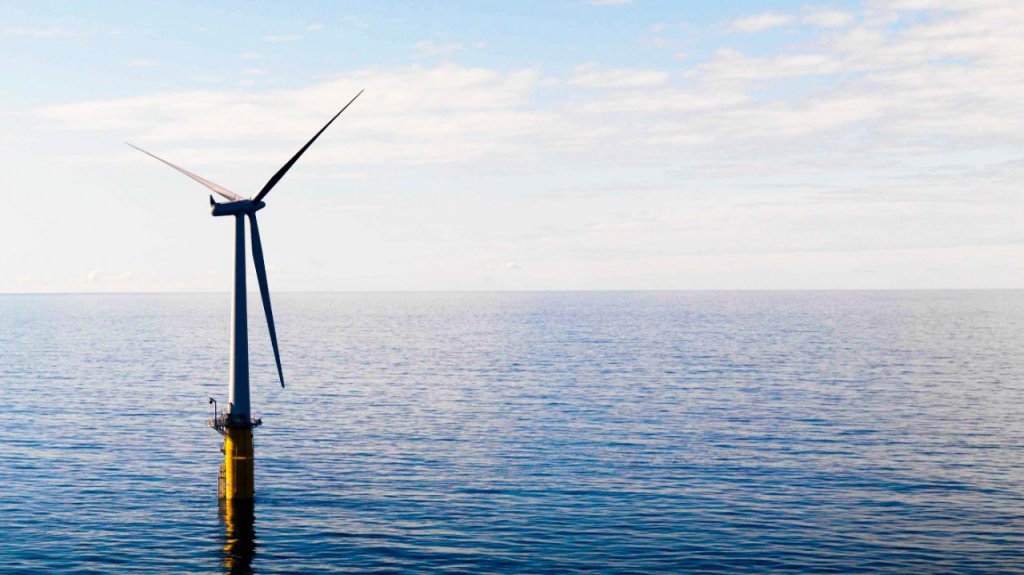
Offshore wind farms are becoming increasingly important around the world.  Europe has thousands of wind turbines off its coasts generating more and more of its power.  The first offshore wind farm in the U.S. opened for business last year and more are on the way.

[Read more…] about A Floating Wind Farm

More Ice In Antarctica

November 17, 2016 By WAMC WEB

https://earthwiseradio.org/wp-content/uploads/2016/11/EW-11-17-16-More-Ice-in-Antarctica.mp3

Two years ago, NASA reported that the sea ice surrounding Antarctica reached a new record high extent, surpassing levels mapped since the late 1970s.  This seemed to be quite contrary to the global warming trend that is leading to the melting of the Arctic and glaciers worldwide.  And in fact, it does seem rather puzzling.

[Read more…] about More Ice In Antarctica

Making It Rain

May 23, 2016 By WAMC WEB

https://earthwiseradio.org/wp-content/uploads/2016/05/EW-05-23-16-Fake-Mountain.mp3

It seldom rains in the United Arab Emirates.  Some areas of the UAE receive less than five inches of rain annually, and often little to none at all during the summer months when temperatures can climb above 110 degrees Fahrenheit.  These conditions have led to water security concerns particularly in Dubai, a blossoming international destination, as well as in rural, farming communities.

[Read more…] about Making It Rain

Beware The Blob

February 1, 2016 By WAMC WEB

https://earthwiseradio.org/wp-content/uploads/2016/01/EW-02-01-16-Beware-the-Blob.mp3

There has been plenty of discussion of El Niño, the periodic weather phenomenon in which prevailing easterly winds in the Pacific Ocean weaken, allowing warm water to move eastward and wreak havoc with the weather in North and South America.  The current El Niño is a particularly strong one; some say it may be one of the strongest ever and are calling it the “Godzilla El Niño.”

[Read more…] about Beware The Blob

El Niño On The Way

September 8, 2015 By EarthWise

heavy rain

https://earthwiseradio.org/wp-content/uploads/2015/09/EW-09-08-15-El-Nino-On-The-Way.mp3

There are starting to be a lot of news reports about a strong El Niño being on the way later this year.  El Niño is a weather phenomenon that occurs in the eastern tropical Pacific every two to seven years.  East-to-west trade winds weaken and ocean surface temperatures go up.  The result impacts the weather throughout the Pacific region.

[Read more…] about El Niño On The Way

  • « Go to Previous Page
  • Page 1
  • Page 2

Primary Sidebar

Recent Episodes

  • An uninsurable future
  • Clean energy and jobs
  • Insect declines in remote regions
  • Fossil fuel producing nations ignoring climate goals
  • Trouble for clownfishes

WAMC Northeast Public Radio

WAMC/Northeast Public Radio is a regional public radio network serving parts of seven northeastern states (more...)

Copyright © 2026 ·