• Skip to primary navigation
  • Skip to main content
  • Skip to primary sidebar

Earth Wise

A look at our changing environment.

  • Home
  • About Earth Wise
  • Where to Listen
  • All Articles
  • Show Search
Hide Search
You are here: Home / Archives for wind power

wind power

A setback for New York offshore wind

May 24, 2024 By EarthWise Leave a Comment

A big blow to offshore wind efforts in New York

Three major offshore wind projects in New York have been cancelled because of the unavailability of technology critical to the projects.  The projects were part of NYSERDA‘s third offshore wind solicitation and were provisionally awarded last October.  The projects, which totaled more than 4 GW of clean energy, were supposed to begin commercial operation in 2030.

The projects were Attentive Energy One, intended to benefit historically marginalized communities in New York City; Community Offshore Wind, a farm located 64 miles offshore that would power 500,000 homes; and Excelsior Wind, which would have powered 700,000 homes.

What happened is GE Vernova – a GE spinoff energy equipment company – decided to no longer develop its new 18 MW Haliade-X wind turbines and instead concentrate on its lower-powered models which already have ample demand.  The material changes to the three projects using the turbines made them no longer viable and the developers and their partners could no longer come to terms.  As a result, NYSERDA decided to not go forward with the awards.

While this represents a significant blow to the offshore wind industry and to New York’s renewable energy goals, NYSERDA said that it remains committed to advancing New York’s offshore wind industry and expects to announce new plans and additional projects in the near future.

In the bigger picture, 2023 was a record year for wind power; the world installed 117 gigawatts of new wind capacity.  This year has seen the first major offshore wind farms come online in the US.

**********

Web Links

Massive New York projects nixed as NYSERDA concludes third offshore wind solicitation

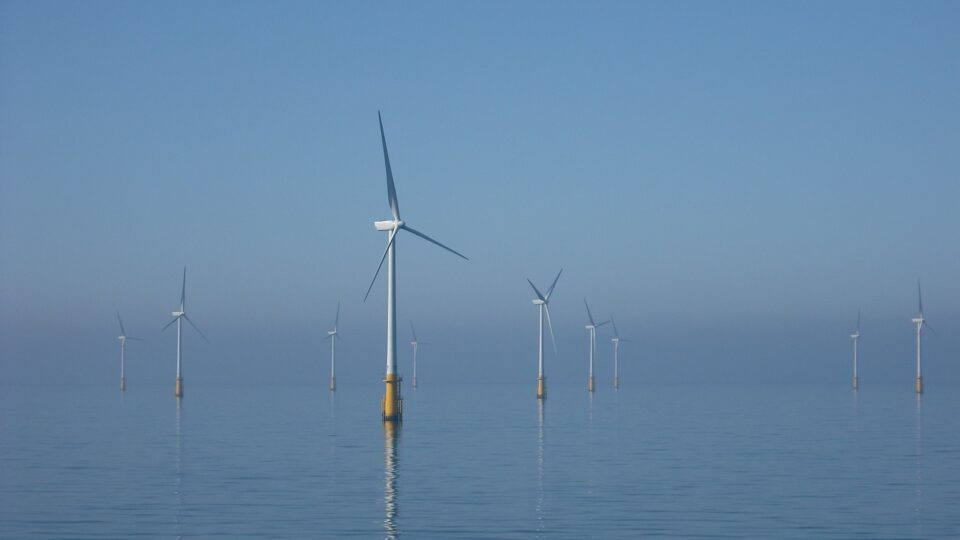
Photo, posted August 7, 2013, courtesy of Department of Energy and Climate Change via Flickr.

Earth Wise is a production of WAMC Northeast Public Radio
Wind farms and land use

May 20, 2024 By EarthWise Leave a Comment

Analyzing wind power and land use

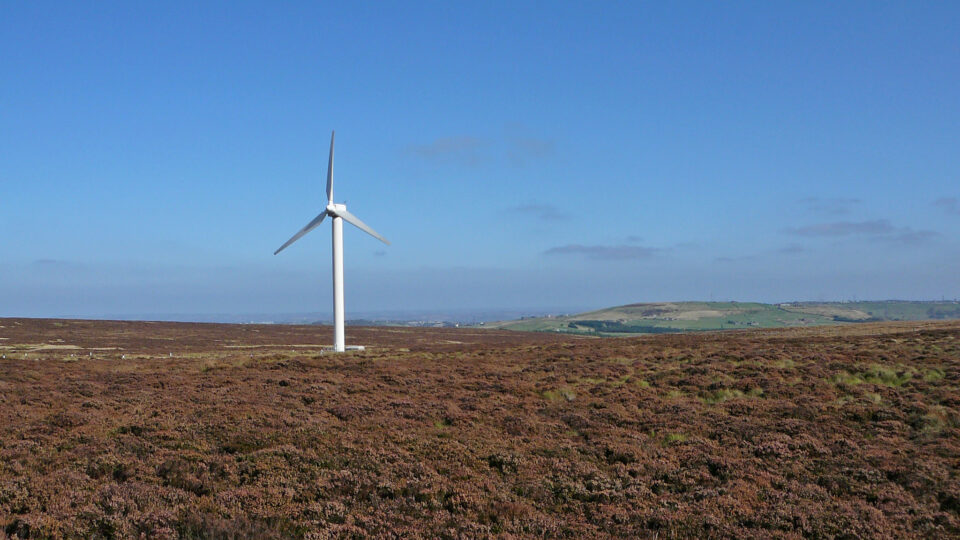
Wind power has become one of the most affordable ways to generate electricity as well as being renewable and not contributing to global warming.  But there has been the perception that wind farms require a lot of land compared with fossil fuel power plants. This issue of land use has made decision-makers reluctant to invest in wind energy in many instances.

A new study by McGill University in Montreal looked at this issue and has found that land use for wind power is far more efficient than previously thought.  The study combined data from geographic information systems with machine learning models to assess land usage associated with nearly 16,000 wind turbines in the western U.S.

The study assessed the land use of 320 wind farms.  They found that wind power infrastructure (mostly the turbines themselves and the roads that lead to them) typically only uses 5% of the land area of a wind farm.  If the wind farm is sited in locations with existing infrastructure, such as on agricultural land, then it can be as much as seven times more land-efficient – meaning the amount energy produced in a given area of land impacted by the infrastructure – than a wind farm that is developed on unused land.

Previous studies of wind farm land usage assumed that all of the land where the wind farm was located was devoted to energy generation.  In reality, most of land in question is often used for other purposes, such as agriculture.

The methods developed by the researchers are potentially useable for future assessments of various energy technologies in terms of their environmental sustainability.

**********

Web Links

Clearing the air: wind farms more land efficient than previously thought

Photo, posted September 29, 2009, courtesy of Tim Green via Flickr.

Earth Wise is a production of WAMC Northeast Public Radio
A surprising drop in renewable power

March 28, 2024 By EarthWise Leave a Comment

Renewable power generation dropped in 2023

Renewable power – which includes wind farms, solar farms, and hydroelectric dams – constitutes over 21% of the country’s utility-scale electricity generation, behind only natural gas power plants at 43%.  Nuclear power provides nearly 19% of our electricity and coal, which is gradually diminishing, is at 16%.

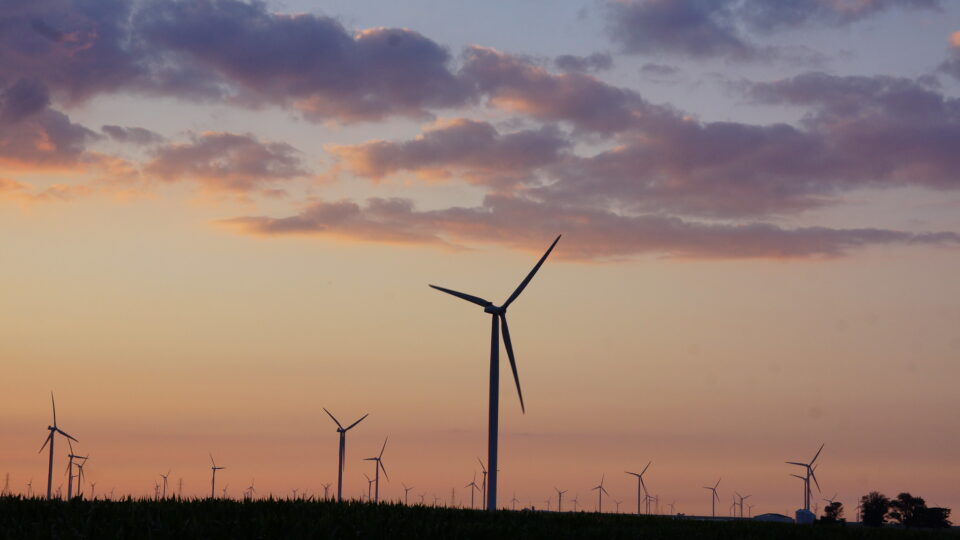
Both solar and wind power capacity have been growing rapidly in recent years and will be providing an increasing percentage of our electricity.  That being said, it turns out that utility-scale renewable electricity generation actually decreased slightly in 2023 as a result of weather-related issues.

Utility-scale renewables generated about 894,000 gigawatt hours of energy last year, which was 0.8% less than the record amount generated in 2022.

The reasons?  The biggest factor was slower wind speeds in the Midwest during the warmer weather months.  In 2023, there were fewer warm fronts and cold fronts passing through the region.  The passage of fronts is often associated with wind and precipitation. 

The other factor affecting renewable generation was a 5.9% drop in hydropower in 2023.  The main reason for the decrease was a drop in water levels at many hydroelectric dams in areas experiencing drought.

Experts explain that there is no reason to overreact to a one-year blip in renewables generation.  All three major sources of power – sun, wind, and hydroelectric – are tied to natural forces and all of them fluctuate over time.  Putting aside minor variations year-over-year, renewable electricity is on pace to more than double by the end of this decade.

**********

Web Links

Federal Data Reveals a Surprising Drop in Renewable Power in 2023, as Slow Winds and Drought Took a Toll

Photo, posted July 5, 2014, courtesy of Patrick Finnegan via Flickr.

Earth Wise is a production of WAMC Northeast Public Radio
Record renewable energy in Scotland

March 1, 2024 By EarthWise Leave a Comment

Record renewable energy in Scotland

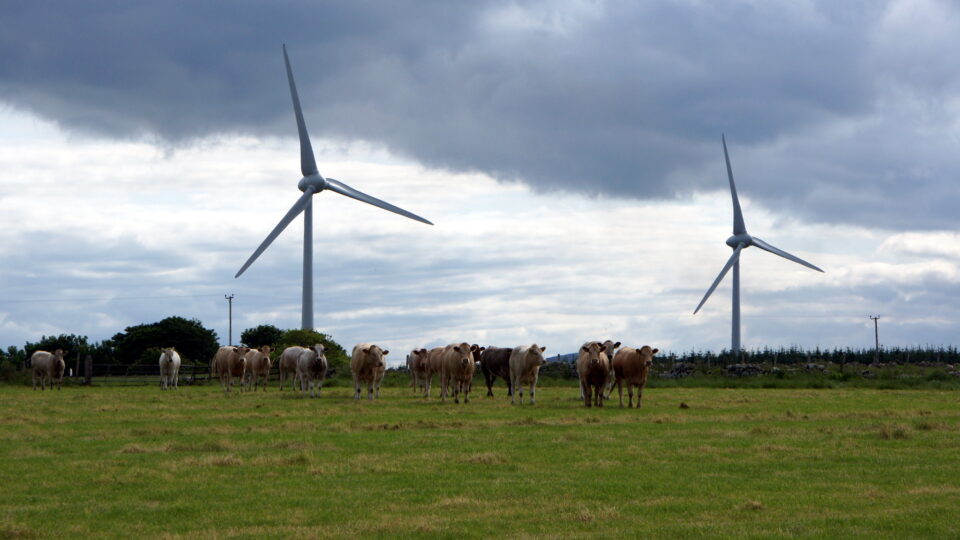
The Scottish government recently announced that in 2022, renewable technologies in that country produced the equivalent of 113% of Scotland’s electricity consumption.

Fossil fuels still supplied electricity in Scotland, helping to fill in gaps in renewable power, but the government figures showed that the growing amount of Scottish renewable generation can easily generate more power than the country uses.  Scotland has seen significant growth in wind power as well as a small drop in overall electricity consumption.

Scotland, with a population of only 5.5 million, aims to produce enough renewable power to both meet its own demand and export clean electricity to other countries.  The U.K. is the obvious potential customer, but it will need to upgrade its national power grid and develop enough capacity to store up surplus wind and solar power.

The U.K. itself is drawing less power from natural gas and coal than it has at any point in the last 66 years.  Fossil fuels supplied only 33% of British electricity in 2023 while renewables supplied 43%. 

Fossil power use in Britain peaked in 2008.  Since then, power from natural gas has fallen nearly in half while coal power has dropped by 97%.  The U.K. has aggressive decarbonization goals in place, but the current Conservative government under Prime Minister Sunak has recently set about weakening British climate policy.

Meanwhile, the Scottish government is talking about becoming a global renewables powerhouse and is making investments aimed at achieving it.

**********

Web Links

Record renewable energy output

Photo, posted July 21, 2010, courtesy of Martin Abegglen via Flickr.

Earth Wise is a production of WAMC Northeast Public Radio
Cleaning the grid can create messes

January 9, 2024 By EarthWise Leave a Comment

Renewables can create messes in the grid

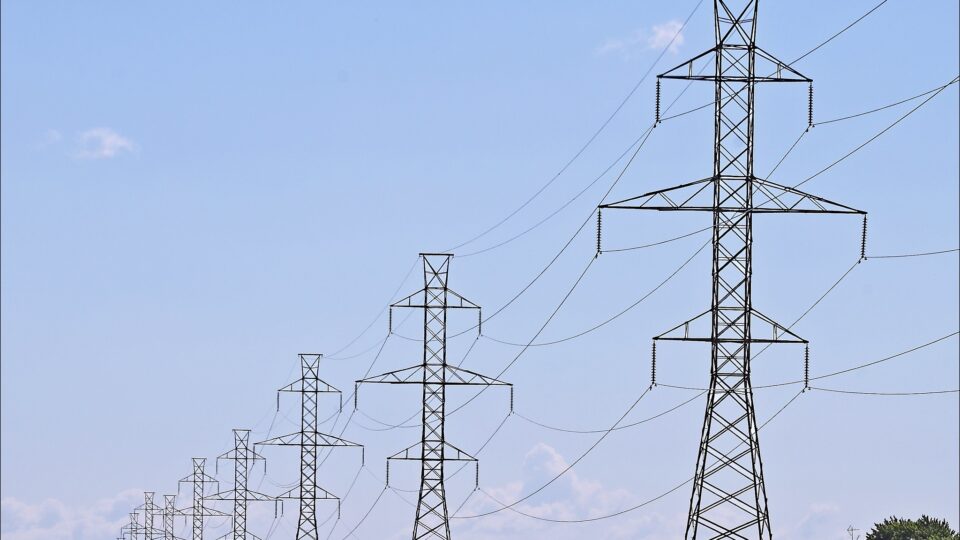
The electric grid is increasingly embracing renewable energy sources like solar and wind power as well as the energy storage systems that support them.  These generation sources differ from traditional sources in that they produce direct current electricity rather than alternating current electricity.  Our power grid runs on alternating current.  Traditional generators produce alternating current that synchronizes with the grid.  Wind and solar power connect to the grid using electronic power converters called inverters that produce the required alternating current. 

All of this technical detail is something we don’t pay much attention to, except that the current state of inverter technology can lead to some problems that don’t exist with a fully synchronous power system. 

The electric grid frequently experiences disruptive events like trees falling on powerlines, squirrels shorting out substation equipment, and so on.  These things normally don’t cause widespread trouble, although there have been notable exceptions such as the massive Northeast blackout of 2003 triggered by an overloaded transmission line drooping onto foliage.

The issue with inverters is that they can shut down in the presence of certain disturbances to the grid.  This has happened on a number of occasions and has exposed vulnerabilities that need to be addressed by the industry.  Inverter-based resources currently constitute only a relatively small fraction of the grid, but that fraction is growing steadily and can have an increasingly widespread impact.  The grid was built predominantly for synchronous generation, and it must be adapted and improved to assure the reliability that is required and expected.  It is an issue that can’t be ignored.

**********

Web Links

Renewables are cleaning the grid. They’re also messing it up

Photo, posted July 5, 2017, courtesy of Sue Thompson via Flickr.

Earth Wise is a production of WAMC Northeast Public Radio
Offshore wind in the U.S. at last

January 4, 2024 By EarthWise Leave a Comment

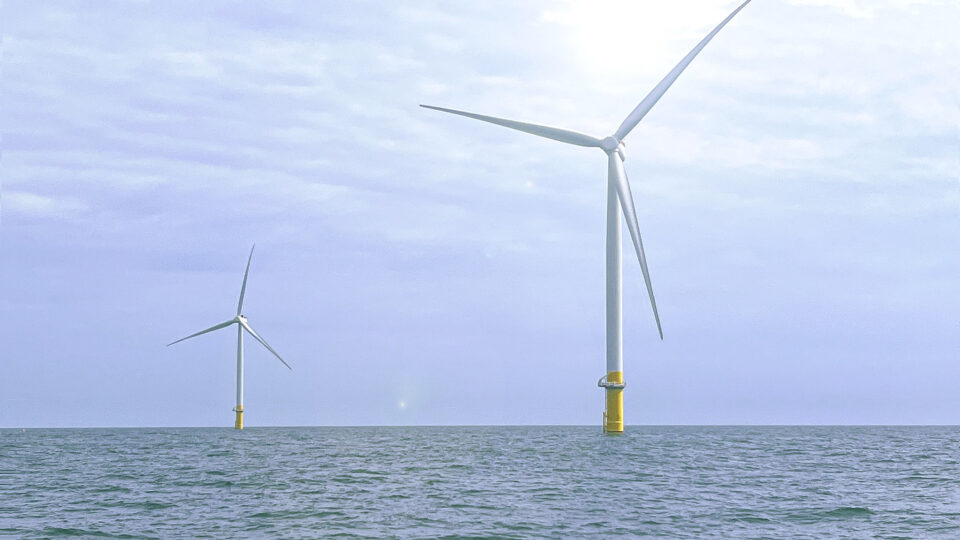
There have been large offshore wind farms in Europe for over 30 years.  Five Asian countries have had offshore wind installations for 7 years, with China now leading the world in total installed capacity.   The United States has been talking about offshore wind power for a long time and has been moving toward actually installing it in fits and starts.

As of early December, there is finally a wind turbine off the coast of eastern Long Island that has begun sending electricity onto the U.S. grid.  The South Fork Wind Farm will soon have 12 turbines generating 132 megawatts of offshore wind energy to power more than 70,000 homes.

Meanwhile, the first five turbines for the Vineyard Wind I project off the coast of Massachusetts have been installed and will be sending 65 megawatts of power to the electric grid in Massachusetts just weeks after the New York installation turned on.

Vineyard Wind I is planned to expand into a 62-turbine, 806-megawatt project when fully operational.  That is enough electricity to power an estimated 400,000 homes and businesses.

There are multiple offshore wind projects in various stages of development along the eastern seaboard.  There are also various projects in the planning stages on the west coast, where the deep seabeds require the use of much more challenging floating turbine installations.

While it is encouraging to see that offshore wind is finally happening here in the United States, it is sobering to realize that there is more than 63 thousand megawatts of offshore wind power capacity installed globally comprising more than 11,000 turbines.  We have a lot of catching up to do.

**********

Web Links

Decades after Europe, South Fork Wind sends first commercial wind power onto US grid

First five turbines installed at Vineyard Wind 1

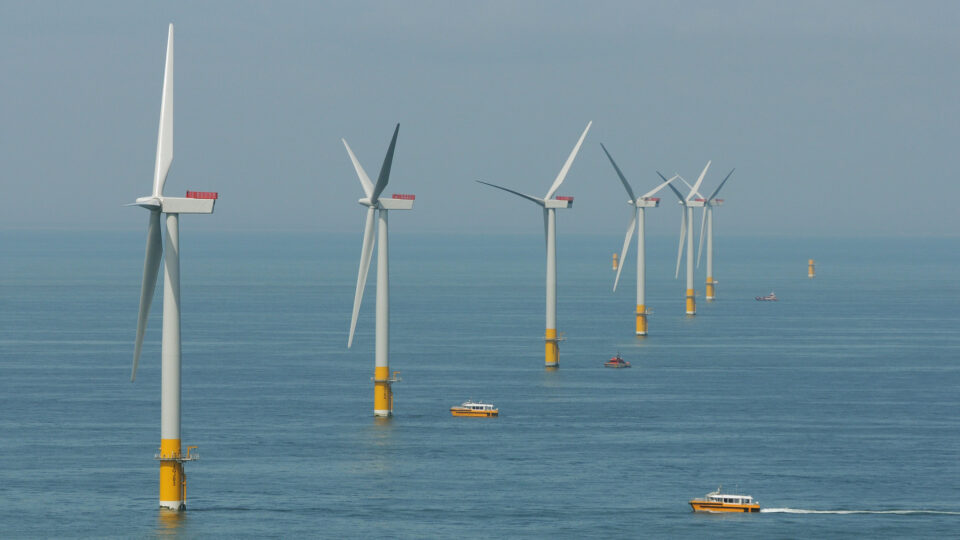
Photo, posted June 14, 2022, courtesy of Stephen Boutwell/BOEM via Flickr.

Earth Wise is a production of WAMC Northeast Public Radio
Who wins: Wind or solar?

November 27, 2023 By EarthWise Leave a Comment

A new study by the University of Exeter in the UK suggests that the world may have crossed a tipping point that will inevitably make solar power our main source of energy.  This data-driven model of technology seems to fly in the face of the current situation in which wind power contributes considerably more generation than solar power – by a factor of 3 in the U.S. and nearly double worldwide.

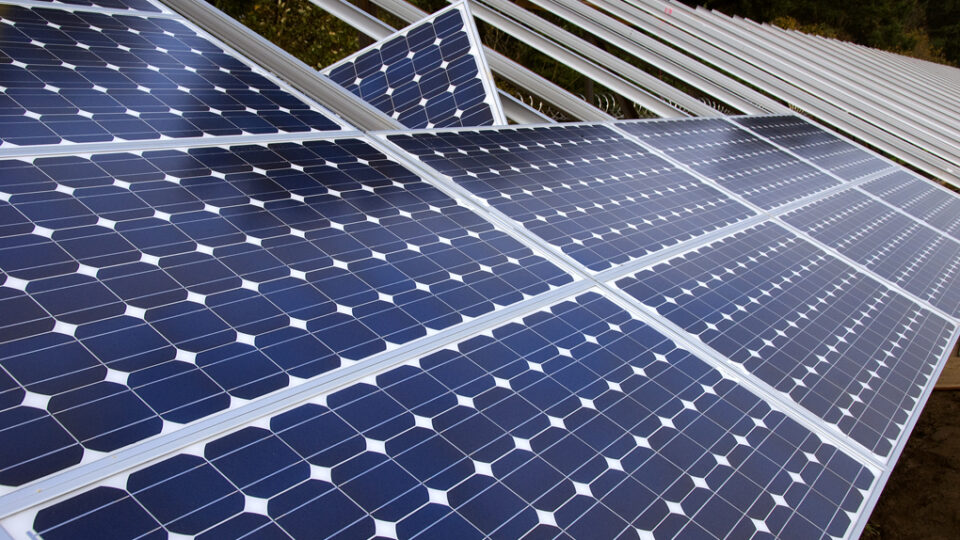
Wind and solar power both have advantages and disadvantages.  Solar power is quiet, requires little maintenance, and presents little danger to wildlife.  It is also practical for individual homes.  Residential wind power is not really a viable option for most people in most places.  But on the other hand, wind energy can produce more power than solar, can work both day and night, and can be located offshore far away from people.  On land, both wind and solar power take up lots of space and compete with other land use needs as well as countering people’s aesthetic preferences.

Both technologies continue to get cheaper over time, although solar has especially seen significant cost reductions.  The cost of solar power, which is already the cheapest form of electricity production, is estimated to fall to as low as $20 per megawatt hour over time from the current level of $40 per megawatt hour.

Wind and solar energy are on track to account for more than a third of the world’s electricity by 2030, according to the Rocky Mountain Institute.  Despite the predictions of various studies and the ambitions of specific technologies, it seems likely that wind and solar power will both play an expanding role in our energy systems for a long time to come.

**********

Web Links

World may have crossed solar power ‘tipping point’

Photo, posted November 22, 2008, courtesy of Oregon Department of Transportation via Flickr.

Earth Wise is a production of WAMC Northeast Public Radio
Wind And Solar Pass Coal | Earth Wise

August 3, 2023 By EarthWise Leave a Comment

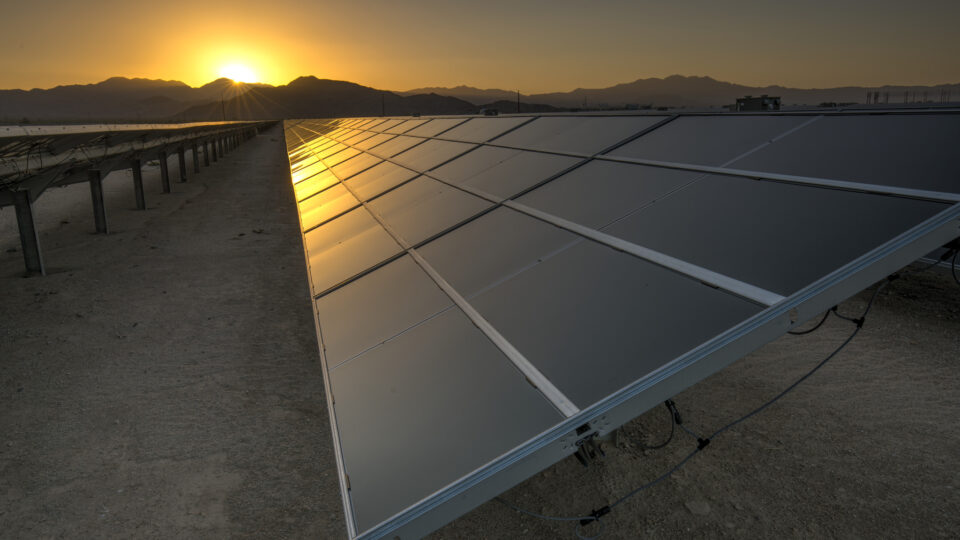
For the first five months of this year, wind and solar generated more electricity than coal in the United States.  This is a first.  Total renewable energy generation exceeded coal-fired power in both 2020 and 2022, but that counted hydroelectric power as one of the renewable sources.

This year, wind and solar alone generated a total of 252 terawatt-hours of energy through May compared with coal’s output of 249 terawatt-hours.  Hydropower generated an additional 117 terawatt-hours during that period.

While solar and wind power have been expanding at a rapid rate, the biggest change this year has been a precipitous drop in coal-fired generation due to a combination of low natural gas prices, a mild winter, and a series of coal plant retirements.

Coal generated almost half of the country’s electricity as recently as 2008.  Since then, coal has steadily declined as older coal plants shut down and were replaced by natural gas plants and renewable energy sources.  The coal industry had a bit of a reprieve last year when natural gas prices spiked in response to the disruptions in gas supplies in Europe due to the war in Ukraine.  The benchmark for natural gas prices – known as Henry Hub – was $8.81 in August 2022.  In May of this year, it was $2.15.  Given this trend, the demand for coal has steadily declined. 

The US has retired another 7% of the coal fleet – 14 gigawatts of capacity – since the start of 2022.  Meanwhile, power companies have added 22.5 GW of wind and solar capacity in just the past 12 months.

**********

Web Links

In a First, Wind and Solar Generated More Power Than Coal in U.S.

Photo, posted September 20, 2016, courtesy of Bureau of Land Management via Flickr.

Earth Wise is a production of WAMC Northeast Public Radio

Renewables In China | Earth Wise

July 28, 2023 By EarthWise Leave a Comment

A couple of years ago, China set an ambitious goal for renewable energy capacity – which includes wind, solar, hydroelectric, and nuclear power – for it to exceed fossil fuel capacity by 2025.  According to a recent report by Reuters, China has hit this goal two years ahead of schedule.  Renewables now make up 50.9% of the country’s power capacity.

The rapid growth in renewable capacity has largely been driven by investments in wind and solar megaprojects in the sparsely populated west of the country that export power to the manufacturing centers in the east.  China’s most recent 5-year plan calls for 570 gigawatts of wind and solar power to be installed over that period, which more than doubles its installed capacity.  The plan makes use of what it called “clean energy bases”, which utilize sandy and rocky deserts, other types of barren lands, and wastelands left behind by coal mining.  The largest clean energy bases make use of vast deserts in Inner Mongolia and Gansu.

One cautionary note is that power capacity refers to the maximum amount of electricity that a power plant can produce under ideal conditions.  Thus, for example, it refers to how much electricity a solar farm can generate at noon on a cloudless day.  So, the new figures from China don’t necessarily reveal how much electricity China is actually drawing from renewables.  In reality, China still gets a great deal of its power from coal.

China is the world’s largest emitter of carbon dioxide – more than twice as much as the United States, albeit from nearly 4 times the population.  The rapid growth of renewables is at least moving that country in the right direction.

**********

Web Links

Fossil Fuels Now Account for Less Than Half of China’s Power Capacity

Photo, posted December 2, 2015, courtesy of IBM via Flickr.

Earth Wise is a production of WAMC Northeast Public Radio

Powering Future Ships By Wind | Earth Wise

April 25, 2023 By EarthWise Leave a Comment

An innovative project out of the UK seeks to reduce carbon emissions at sea by retrofitting large ocean vessels with ultramodern wing-sails to reduce the amount of fuel required to travel the oceans.

Powering ships by wind is certainly nothing new.  However, almost every large ship today is powered entirely by fossil fuels.  A company called Smart Green Shipping has developed retrofit wing-sails called FastRigs that can be installed on existing vessels to reduce fuel consumption. They are also working on additional wind-based technology that can supply all the power required for ships.

FastRig technology is designed to be retrofitted to existing commercial vessels with available deck space – typically bulkers and tankers.  There are about 40,000 such ships that are suitable for conversion to this hybrid power system.  Installing FastRigs is estimated to reduce greenhouse gas emissions by at least 20%.

The company and the UK’s University of Southampton have been funded to investigate the potential of the technology to reduce emissions from existing ships.  The research project will develop software tools to investigate the complex interactions between the wing-sails and ship hydrodynamics to accurately assess the impact on vessel performance.  The software tools will be able to predict the fuel savings delivered by wing-sails.

Smart Green Technologies is developing technology for 100% renewable-powered, new-build ships.  The goal is to create quieter, emission-free ships in the future that do no harm to ocean environments and improve air quality in ports, towns, and cities.  Wind power harnessed using sophisticated digital software and advanced engineering represents a promising way to reduce fuel consumption and related emissions from large ocean vessels.

**********

Web Links

Future ships could be powered by wind to fight climate change

Photo, posted October 27, 2017, courtesy of Bernard Spragg via Flickr.

Earth Wise is a production of WAMC Northeast Public Radio
Renewables’ Growing Share | Earth Wise

March 15, 2023 By EarthWise Leave a Comment

Not long ago, many states across the country were setting goals to obtain 20% of their electricity from renewable sources. For a few states, like New York and Washington, ample amounts of hydropower made 20% an easy target.  But for many others, 20% seemed like a very ambitious objective.

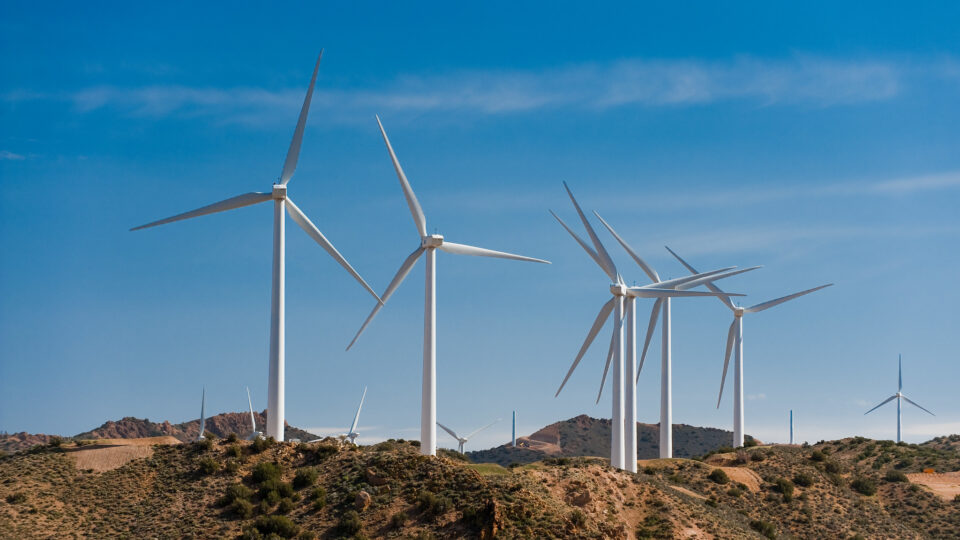
Things have certainly changed.  According to the latest monthly Short Term Energy Outlook, a report from the federal government, the combination of wind, solar, and other renewable sources will exceed one-quarter of the country’s generation by 2024.

Renewables are already at 24% of U.S. electricity generation and are expected to rise to 26% by next year.  Coal, which used to be the largest source of electricity, will continue to drop from its current 18% to 17% by next year.  Overall, renewables passed coal for the first full year in 2020.  Coal staged a bit of a comeback in 2021, but has once again resumed its decline.  Many coal-fired power plants continue to close, and there are not new ones being built because of diminishing economic benefits as well as concerns about emissions.

The largest source of electricity generation continues to be natural gas at 38%, but that number is also expected to slowly decrease over time. The growth in renewable energy is coming from wind and solar power.  Two-thirds of that growth is from solar and one-third is from wind. 

Together, wind and solar power will add up to 18% of the country’s electricity supply.  The government still tracks them lumped together as renewables, but both are so large and growing so quickly that the Energy Information Agency is likely to soon start tracking them as separate categories.

**********

Web Links

Renewables Projected to Soon Be One-Fourth of US Electricity Generation. Really Soon

Photo, posted April 18, 2011, courtesy of Allan Der via Flickr.

Earth Wise is a production of WAMC Northeast Public Radio

California Offshore Wind Auction | Earth Wise

January 10, 2023 By EarthWise Leave a Comment

In December, the Bureau of Ocean Energy Management held the first auction for offshore wind energy leases on the West Coast.  The BOEM lease sale offered five lease areas covering 373,268 acres off the central and northern California coast.  The leased areas have the potential to produce over 4.6 gigawatts of wind energy, which is enough to power 1.5 million homes.

The auction drew competitive bids from five companies totaling over $750 million.  The winning bidders were RWE Offshore Wind Holdings, California North Floating, Equinor Wind, Central California Offshore Wind, and Invenergy California Offshore. 

RWE is a German company with subsidiaries across the globe.  California North Floating is an affiliate of the Danish developer Copenhagen Infrastructure Partners.  Equinor Wind is a Norwegian company already heavily involved in offshore wind projects on the East Coast.  Central California Offshore Wind is managed by a joint venture between Spanish and French energy companies.   Invenergy is a privately held global developer and operator of renewable energy headquartered in Chicago.

The bidders will receive credits for participating in programs that support work force training programs for the floating offshore wind industry and/or the development of a US domestic supply chain for that industry. 

Offshore wind off the Pacific coast has enormous potential for enhancing the country’s energy future but represents a significant challenge because the deep ocean floors necessitate the use of floating wind technology as opposed to turbines that are affixed to the sea floor.

**********

Web Links

Biden-Harris Administration Announces Winners of California Offshore Wind Energy Auction

Photo, posted December 30, 2013, courtesy of Derek Finch via Flickr.

Earth Wise is a production of WAMC Northeast Public Radio.

The Clean Energy Transition Is Accelerating | Earth Wise

December 2, 2022 By EarthWise Leave a Comment

The transition to clean and renewable energy is accelerating

The world’s economies including its energy markets have been in turmoil in recent times but despite the chaotic conditions, the shift to clean energy is gaining momentum.  This year, for the first time, the world is investing more in wind and solar power than in oil and gas drilling.  Investments in renewables are expected to reach $494 billion this year, more than the $446 billion directed towards oil and gas extraction.  It is rather sobering to realize that the world is still spending nearly half a trillion dollars a year to dig up more oil and gas.

According to the International Energy Agency, there will be an estimated 340 gigawatts of new renewable power capacity installed in 2022.  This is roughly equal to the total installed power capacity of Japan, which has the world’s third-largest economy.  This year is also seeing tremendous growth in electric cars, which are projected to make up 13% of all light-duty vehicle sales across the globe.

According to analysis by Bloomberg Green, 87 countries are now getting at least 5% of their power from wind and solar.  This number is considered to be a critical tipping point at which emerging technologies become more widely adopted.  The United States reached that 5% threshold in 2011.  Last year, our country surpassed 20% solar and wind power.  If we follow trends set by pioneering countries like Denmark, Ireland, and others, wind and solar will supply at least half of our power within the next decade.

Despite the turbulence in global energy markets, the shift to clean power is ongoing.  Estimates are that global spending on renewables will double over the next 10 years. 

**********

Web Links

Despite Turmoil in Energy Markets, the Shift to Clean Energy Is Gaining Steam

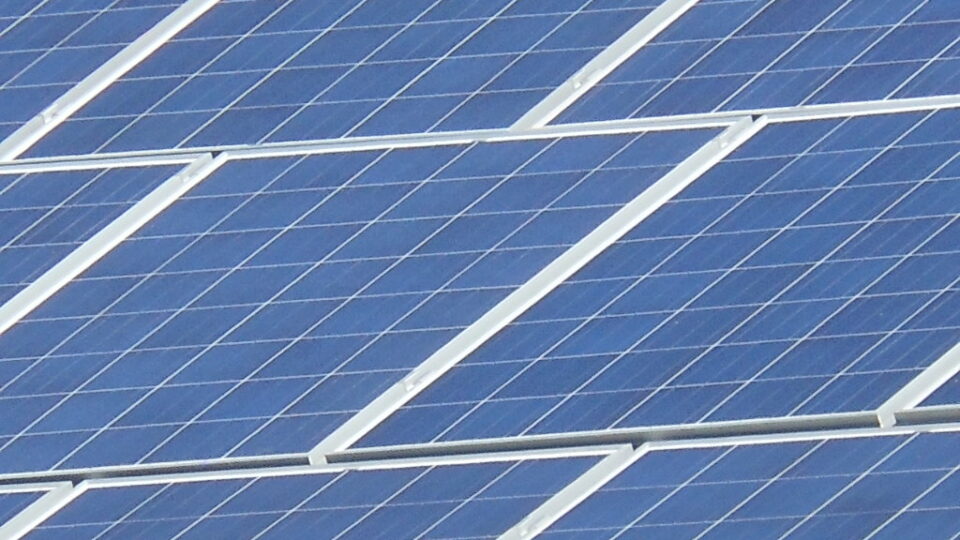
Photo, posted June 12, 2013, courtesy of Activ Solar via Flickr.

Earth Wise is a production of WAMC Northeast Public Radio
Green Steel | Earth Wise

October 5, 2022 By EarthWise Leave a Comment

Construction using Green Steel

The Inflation Reduction Act provides $369 billion in investments to ramp up renewable energy generation and manufacturing of solar panels, wind turbines, energy storage, and electric vehicles. 

Every megawatt of solar power deployed requires 35 to 45 tons of steel.  Every megawatt of wind power uses 120 to 180 tons of steel.   Estimates are that it will take 1.7 billion tons of steel just to build all the wind turbines needed to reach net zero emissions by 2050.

This is a big problem because steel production accounts for roughly 10% of global carbon emissions and is one of the most carbon-intensive industries in the world.

Making steel is a complex and age-old process that hasn’t changed much over time.  Green steel is steel made with little or no carbon emissions.  There are a few ways to do it.  One is called the direct reduced iron method that uses green hydrogen instead of fossil fuel gas to produce iron and then a renewable-powered electric arc furnace to make the steel. 

Molten Oxide Electrolysis is an alternative green steel approach that doesn’t depend on having a green hydrogen infrastructure.  It uses electrolysis, powered by renewable energy, to separate the bonds of iron ore and produce liquid metal while releasing only oxygen in the process.

Green steel solutions rely on the availability of renewable energy, but the ultimate success of renewable energy will depend on the success of green steel.  The U.S. steel industry will leverage about $6 billion under the Inflation Reduction Act to make progress on it.

**********

Web Links

Building tomorrow’s clean energy systems on green steel

Photo, posted October 30, 2008, courtesy of Paul Bica via Flickr.

Earth Wise is a production of WAMC Northeast Public Radio

Weaning Off Fossil Fuels | Earth Wise            

June 2, 2022 By EarthWise Leave a Comment

How to break free of our dependence on fossil fuel

We recently talked about California producing 97% of its electricity from renewables on one sunny afternoon in April.  On May 8th, the state produced enough renewable electricity to meet 103% of consumer demand.  These sorts of records are likely to be increasingly commonplace in the spring when the weather is still fairly mild.

But even while renewables were producing more electricity than California needed, natural gas power plants in the state were still running.

Turning off the gas power plants is not possible.  The reason is that as the sun sets and solar farms stop producing power, California has to quickly replace the power with electricity from other sources.  Natural gas plants are massive industrial facilities that cannot be turned on and off rapidly.  Some take as many as 4 to 8 hours to switch on.  Operators back them down as far as they can go, but even when there is plenty of solar power during the day, natural gas plants are still running.

The state is rapidly building huge battery storage projects as an alternative to gas plants, but so far, they are still only a small fraction of what is needed.   Wind power is another part of the solution along with hydropower.  California imports some power from other states as well and, in fact, also exports power when there is excess.  But keeping the energy system balanced and stable is an ongoing challenge.

California is building huge amounts of solar, huge amounts of wind, and huge amounts of energy storage, which should get the state to at least 90% of the way to a clean grid.  It’s the last 5-10% that is much harder to accomplish before natural gas is no longer part of the energy system.

**********

Web Links

California just ran on 100% renewable energy, but fossil fuels aren’t fading away yet

Photo, posted January 10, 2014, courtesy of F.G. via Flickr.

Earth Wise is a production of WAMC Northeast Public Radio.

Wind And Solar And Meeting Climate Goals | Earth Wise

May 20, 2022 By EarthWise Leave a Comment

Meeting climate goals using solar and wind power

According to a new report from the climate think tank Ember, the rapid growth that has been going on for solar and wind power could allow the global electricity sector to do its part in limiting global warming to 1.5 degrees Celsius.

In 2021, solar power grew by 23% worldwide and wind power grew by 14%.  The Netherlands, Australia, and Vietnam had the largest gains in renewable energy.  Solar power in Vietnam grew by 337%.

The trends over the past decade, if continued across the globe, would result in the power sector being on track for meeting climate goals.  But not all the news is good.  The overall power sector has not been adequately reducing emissions.  Coal power actually grew by 9% last year as a result of increased demand for power during the rapid economic recovery in the easing of the pandemic shutdowns.  A spike in natural gas prices made coal more cost-competitive.

In order for the power sector to do its part in keeping warming below 1.5 degrees, wind and solar power will need to provide 40% of the world’s power by 2030 and nearly 70% by 2050.  Today, they supply only 10% of the world’s electricity.

With rising gas prices during Russia’s war with Ukraine, there is real danger of increased use of coal, threatening the gains made by renewable energy.

Nonetheless, a study published in Oxford Open Energy modeled various scenarios for the growth of renewable energy and found that it is feasible to meet climate goals.  In order to achieve this, countries’ policies will need to stimulate significant increases in energy and resource efficiency and rapid deployment of low-carbon technologies, promote strong environmental actions, and encourage low population growth.

**********

Web Links

Rapid Growth of Wind and Solar Could Help Limit Warming to 1.5 degrees C

Photo, posted October 11, 2011, courtesy of Michael Coghlan via Flickr.

Earth Wise is a production of WAMC Northeast Public Radio.

Floating Offshore Wind | Earth Wise

April 21, 2022 By EarthWise Leave a Comment

Floating offshore wind becoming a reality

According to a new report by the Global Wind Energy Council, floating offshore wind technology is on track to grow from a miniscule market to a substantial contribution to the world’s energy supply over the next decade.  Furthermore, the United States represents one of the countries with the greatest potential.

Wind power is stronger and steadier in the ocean than on land, so the use of offshore wind is rapidly expanding.  However, because most installations are based on fixed structures attached to the sea bottom, they cannot be installed in very deep or complex seabed locations.

Floating offshore wind is based on structures that are anchored to the seabed only by means of flexible anchors, chains, or steel cables.  Apart from making it feasible to place wind turbines in deeper and more distant locations, floating turbines and platforms can also be built and assembled on land and then towed to the offshore installation site.

The floating offshore wind industry is currently in a pre-commercial phase but has great potential.  Many offshore locations with great potential in terms of their wind resources are unsuitable for conventional installations either because of the depth of the seabed or its complex structure.  This is particularly true of the waters off the coasts of California, Oregon, and the Gulf Coast, which otherwise offer excellent wind resources.

There are many issues to deal with in expanding the use of floating offshore wind, including transporting the power to shore and the ability of the local power grids to handle the incoming power.  On the other hand, distantly placed floating offshore wind reduces environmental concerns and eliminates issues associated with the visual impact of wind farms for coastal residents.

**********

Web Links

What’s the potential of floating offshore wind?

Photo, posted May 10, 2015, courtesy of Olin Gilbert via Flickr.

Earth Wise is a production of WAMC Northeast Public Radio.

Offshore Wind For New York | Earth Wise

February 10, 2022 By EarthWise Leave a Comment

Offshore wind power expanding in New York State

In mid-January, the New York State Energy Research and Development Authority announced that it had finalized contracts with BP and Equinor for the Empire Wind 2 and Beacon Wind offshore wind farms.

The agreements brought to fruition contracts that were awarded in January of 2021 and represent one of the largest clean energy procurements ever in the United States.

Under the finalized contracts, Equinor and BP will provide 1,260 megawatts of offshore wind power from Empire Wind 2 and another 1,230 megawatts from Beacon Wind 1.  Once completed, Empire Wind 1, Empire Wind 2, and Beacon Wind 1 will produce enough electricity to power about 2 million New York homes.

As part of the project, there will be substantial investments in New York infrastructure.  The South Brooklyn Marine Terminal will be transformed into a major staging and assembly facility for the offshore wind industry and will be an operations and maintenance base for the project.   (The project will also invest in the Port of Albany, making it America’s first offshore wind tower and transition piece manufacturing facility).

Empire Wind is located 15-30 miles southeast of Long Island and spans an area of 80,000 acres.  Its two phases will eventually have an installed capacity of more than 2,000 megawatts.

Beacon Wind is located more than 60 miles east of Montauk Point and 20 miles south of Nantucket.  It covers an area of 128,000 acres.  Its two phases will ultimately also have a total capacity of more than 2,000 megawatts.

The wind farms will help generate more than a billion dollars in economic output to New York State.  Empire Wind 1 is expected to begin commercial operation in 2026 and the other wind farms over the following couple of years.

**********

Web Links

New York State just sealed a deal for 2.5 GW of offshore wind

Photo, posted March 24, 2016, courtesy of Andy Dingley via Flickr.

Earth Wise is a production of WAMC Northeast Public Radio.

Avoiding Blackouts With Renewable Energy | Earth Wise

February 4, 2022 By EarthWise Leave a Comment

How to avoid blackouts while using renewables

There are some people who worry that an electric grid heavily dependent upon intermittent sources like solar and wind power may be more susceptible to blackouts.  According to a new study by Stanford University, these fears are misplaced.

The study, published in the journal Renewable Energy, found that an energy system running on wind, water, and solar, when combined with energy storage, avoids blackouts, and lowers energy requirements and consumer costs.  In addition, implementing such a system would create millions of jobs, improve people’s health, and reduce land requirements.

The study focused on the stability in all U.S. grid regions as well as individual states based on the requirement that all electricity is provided by clean and renewable sources. No fossil fuel use, bioenergy, blue hydrogen, or even nuclear power were included in the modeling.  Critics of such a shift in the energy system point to grid blackouts during extreme weather events in California in 2020 and Texas in 2021 as evidence that renewable sources can’t be trusted.  But in both cases, renewable energy was not found to be any more vulnerable than other sources.

The study looked at the costs of the transition – which would be substantial – but found that it would pay for itself fairly quickly based on energy cost savings alone.

A significant finding of the study was that long-duration batteries were neither necessary nor helpful for grid stability.  That stability could be obtained by linking together currently available short-duration batteries.  Interconnecting larger and larger geographic regions would make the power system smoother and more reliable.  Overall, intelligent management of the electric grid can result in a reliable and clean power system.

**********

Web Links

Stanford researchers point the way to avoiding blackouts with clean, renewable energy

Photo, posted October 17, 2016, courtesy of B Sarangi via Flickr.

Earth Wise is a production of WAMC Northeast Public Radio.

Liquid Fuels From Carbon Dioxide | Earth Wise

January 5, 2022 By EarthWise Leave a Comment

Converting carbon dioxide into liquid fuels

Most of the world’s energy demands are still being met by burning fossil fuels, thereby releasing carbon dioxide into the atmosphere.  The energy system is in the midst of a transition to renewable sources such as solar and wind power, but it will be quite some time before fossil fuels are only a minor part of energy production.  To reduce global warming, it will be necessary to prevent the carbon dioxide from fossil fuels from entering the atmosphere by capturing it and either locking it away or making use of it.

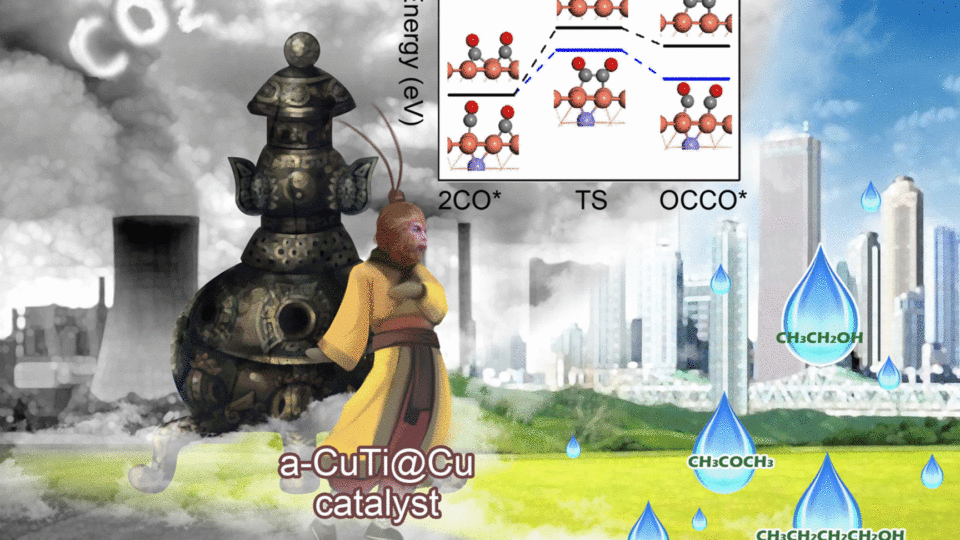
Recent research at several Chinese universities has developed a novel electrocatalyst that efficiently converts CO2 to liquid fuels containing multiple carbon atoms.  The main products of the high-efficiency reaction are ethanol, acetone, and n-butanol.  Previous electrocatalystic methods have mostly produced simpler hydrocarbons – namely, ones with only a single carbon atom.  The fuels the new catalyst produces are much more useful.

The catalyst is made from thin ribbons of a copper/titanium alloy that are etched with hydrofluoric acid to remove the titanium from the surface.  The process results in a material with a porous copper surface on an amorphous CuTi alloy.  The substance exhibits remarkably high activity, selectivity, and stability for catalyzing the reactions leading to the production of the hydrocarbon fuels.

Converting carbon dioxide into liquid fuels would be advantageous because they have high energy density and are safe to store and transport.  Apart from preventing carbon dioxide from entering the atmosphere, the process could also be a way to make use of excess energy produced by solar and wind generation by essentially storing that energy in the form of liquid fuels.

**********

Web Links

Liquid Fuels from Carbon Dioxide

Photo courtesy of Angewandte Chemie via Wiley-VCH.

Earth Wise is a production of WAMC Northeast Public Radio.

  • « Go to Previous Page
  • Page 1
  • Page 2
  • Page 3
  • Page 4
  • Interim pages omitted …
  • Page 6
  • Go to Next Page »

Primary Sidebar

Recent Episodes

  • An uninsurable future
  • Clean energy and jobs
  • Insect declines in remote regions
  • Fossil fuel producing nations ignoring climate goals
  • Trouble for clownfishes

WAMC Northeast Public Radio
WAMC/Northeast Public Radio is a regional public radio network serving parts of seven northeastern states (more...)
Copyright © 2026 ·