• Skip to primary navigation
  • Skip to main content
  • Skip to primary sidebar

Earth Wise

A look at our changing environment.

  • Home
  • About Earth Wise
  • Where to Listen
  • All Articles
  • Show Search
Hide Search
You are here: Home / Archives for wind power

wind power

Clean energy and jobs

October 30, 2025 By EarthWise Leave a Comment

The clean energy industry is creating lots of new jobs

America’s clean energy industry is unquestionably under attack by the Trump administration.  The administration is blocking renewable energy projects on federal lands, slashing clean tech tax credits, and putting in place new regulatory hurdles for solar and wind power and electric vehicles.  During the first half of the year, businesses cancelled $22 billion worth of clean energy projects, which would have created more than 16,000 jobs, ironically mostly in Republican areas.  Federal clean energy tax credits have generated billions of dollars in economic value annually, providing a strong return on investment for every federal dollar spent.

Last year, clean energy jobs grew three times faster than the rest of the economy.  The U.S. added nearly 100,000 jobs in solar, wind, batteries, energy efficiency, grid upgrades, biofuels, and electric cars.  In total, more than 3.5 million Americans hold jobs related to clean energy. 

Clean energy investments create substantial economic growth.  The clean energy transition creates opportunities in manufacturing, engineering, installation, and maintenance.  These new jobs far outweigh job losses in the fossil fuel sector.  Investments in clean energy had been projected to create massive numbers of new jobs and significantly boost the U.S. GDP by 2030, often providing new opportunities for rural communities.

Overall, clean energy has been one of the hottest and most promising job sectors in the country.  Now that clean energy job growth is at serious risk, so is the health of the overall economy.

**********

Web Links

More Americans Working in Clean Energy Than as Servers or Cashiers

Photo, posted July 28, 2025, courtesy of Bronx Community College via Flickr.

Earth Wise is a production of WAMC Northeast Public Radio

AI and the appetite for natural gas

October 20, 2025 By EarthWise Leave a Comment

Natural gas capacity growing as AI and data centers expand

A recent survey of the plans of U.S. electricity utilities for meeting projected future demand indicates that they are looking to build twice as much natural gas capacity as they had anticipated just 18 months earlier.  The reason?  Data centers.  These warehouses full of computers that form the backbone of the internet are multiplying rapidly as companies are adding power-hungry servers for artificial intelligence. 

Data centers used less than 2% of U.S. electricity prior to 2018.  They consumed 4.4% in 2023.  By 2028, they are projected to use anywhere between 6.7 and 12%.  While overall electricity demand had been relatively flat for the past 20 years, now the power grid is scrambling to keep up.

The long-term plans of utilities have been favoring renewables for a while.  Previous industry-wide projections had 258 gigawatts of new wind and solar versus 102 gigawatts of new natural gas plants through 2035.  These plans showed that wind and solar could overtake natural gas as the country’s largest source of electricity by that year.  But newer plans adding additional generating capacity have mostly added new gas and very little renewables.

Utilities are leaning heavily on natural gas in part due to the inertia of regulatory actions that define the rate-setting process.  The grid is simply not set up to adapt to new technology and to deal with the unprecedented changes that data centers bring about.

Ultimately, the continuing reliance on natural gas will be an unfortunate burden on the consumer and on the environment.

**********

Web Links

Riding the High From Data Centers, the Grid Cannot Kick Its Gas Habit

Photo, posted January 23, 2023, courtesy of Aileen Devlin / Jefferson Lab via Flickr.

XXXXXXXXXXXXX

Global solar power on the rise

October 6, 2025 By EarthWise Leave a Comment

The current administration has essentially declared war on renewable energy.  President Trump stated recently that his administration will not approve solar or wind power projects.  Renewable companies are unlikely to receive permits that were once a normal course of business. Now, the United States is likely to struggle to meet its growing demand for electricity while the world moves ahead with solar power.

Solar power is the fastest-growing source of electricity worldwide.  Installations are up 64% in the first half of this year.  During that period, countries installed 380 gigawatts of solar power, compared with 232 gigawatts in 2024.

China is the main source of the growth.  It installed more than twice as much solar in the first half of the year as it did in the first half of 2024.  Under tremendous administration pressure, the U.S. saw solar installations rise by just 4% year over year.

China’s exporting of low-cost solar panels is driving growth of solar elsewhere, including India and much of Africa. 

China is at a crossroads with energy technology.  For the first time, solar power is not just supplementing coal power, but replacing it.  As a result, Chinese policymakers need to choose between propping up coal – which is an important industry in many cities – and doubling down on renewables, which are a major driver of the country’s economic growth.

The U.S. is currently headed in the direction of trying to prop up the fossil fuel industry and gut the renewable energy industry, with little or no regard for either the economic or environmental consequences.

**********

Web Links

Global Solar Installations Up 64 Percent So Far This Year

Photo, posted April 6, 2025, courtesy of Pencils for Kids via Flickr.

Earth Wise is a production of WAMC Northeast Public Radio

Energy droughts

September 9, 2025 By EarthWise Leave a Comment

Energy droughts help inform regional energy storage needs

With new ways of doing things, there are always new problems.  Our energy systems are increasingly dependent upon solar and wind power.  These energy sources are free to take and aren’t going to run out, but they also depend on natural processes that are out of our control.  In particular, the sun doesn’t always shine, and the wind doesn’t always blow.

Fortunately, the two sources of energy are typically not in sync and often when one is diminished, the other can take up the slack.  But it is possible for both sun and wind to not be present, and it can even happen for an extended period of time.  This is known as a compound energy drought. There are some parts of the country where these energy droughts can last for nearly a week.

Researchers at the Pacific Northwest National Laboratory studied the phenomenon and its potential impact on the electric grid.   Looking at 40 years of weather data, the study found that the longest energy drought occurred in California for 6 days; the longest in Texas was 37 hours.

The study further investigated the possible connection between energy droughts and energy demand, again mapping historical data over the past 40 years.  The impact of an energy drought depends on how much demand for energy exists at the time.

The data from the study will provide critical insights into the design and management of multi-day energy storage facilities that can provide the resilience of the electric grid that is required.  Clearly, the storage needs in a place like California will be substantially greater than those in Texas.  As more and more of the grid depends on wind and solar power, appropriately designed and operated storage facilities will be essential.

**********

Web Links

“Energy Droughts” in Wind and Solar Can Last Nearly a Week, Research Shows

Photo, posted February 10, 2023, courtesy of Guilhem Vellut via Flickr.

Earth Wise is a production of WAMC Northeast Public Radio

The demise of American offshore wind

August 18, 2025 By EarthWise Leave a Comment

The demise of offshore wind power in the United States

Europe has 37 gigawatts of offshore wind capacity. China is catching up rapidly.  Across the globe, offshore wind is an increasingly important source of clean, renewable power.  The United States had previously set ambitious goals to join the international effort.  But in the aftermath of the 2024 election, offshore wind in the US is basically dead in the water, pun intended.

The Bureau of Ocean Energy Management announced at the end of July that it is rescinding all designated Wind Energy Areas on the U.S. Outer Continental Shelf, effectively ending all offshore wind development across the Gulf of Mexico, the Gulf of Maine, the New York Bight, California, Oregon, and the Central Atlantic.  Additional policy measures announced by the Department of the Interior ended special treatment for what it called “unreliable energy sources, such as wind.” 

The two significant offshore wind projects underway in the US are both under serious attack by the administration and by newly emboldened special interests.  Vineyard Wind in Massachusetts, with 17 turbines already in operation, is under assault by tourist town forces and fishing groups.  Empire Wind, in New York, which resumed construction after efforts by Governor Kathy Hochul, is under pressure by various special interest groups that are urging President Trump to halt the project.

The current administration has very public and very pronounced antipathy towards wind power in general and towards offshore wind in particular.  And this has brought to a rapid halt billions of dollars in investments and will eliminate tens of thousands of jobs.

**********

Web Links

US offshore wind, long ‘dead,’ now really dead

Photo, posted September 15, 2016, courtesy of Lars Plougmann via Flickr.

Earth Wise is a production of WAMC Northeast Public Radio

Geothermal energy may be safe

August 4, 2025 By EarthWise Leave a Comment

The Trump Administration is outwardly hostile to renewable energy, especially solar and wind power.  Federal support for these energy sources that are by far the most rapidly growing energy sources across the globe is being gutted while fossil fuels are being propped up.

There is also renewed enthusiasm for nuclear power and, somewhat surprisingly, geothermal heat.   Geothermal is a renewable and clean energy source that has long been mostly overlooked and underfunded.  The main reasons are its expense and the fact that its large-scale use is unproven. 

Historically, geothermal energy has relied upon naturally occurring features such as hot springs and shallow underground heat sources.  However, technological breakthroughs that began in 2013 have led to enhanced geothermal systems, or EGS.  EGS makes use of the fact that if you drill deep enough into the earth pretty much anywhere, you will encounter substantial amounts of heat.  EGS plants pump water three miles down or more where it encounters rock that reaches over 500 degrees.  The piping hot water is then brought to the surface where it spins turbines to generate electricity.

Several companies are developing EGS in the U.S.  financed by tech companies seeking power for their AI activities, the Defense Department, and even by fossil fuel companies who use comparable drilling technology for fracking.

The so-called Big Beautiful Bill passed by Congress in July that eliminates tax credits for wind and solar energy preserves tax credits for geothermal projects.

**********

Web Links

Why U.S. Geothermal May Advance, Despite Political Headwinds

Photo, posted September 30, 2019, courtesy of Stephen D Strowes via Flickr.

Earth Wise is a production of WAMC Northeast Public Radio

Solar power in Europe

July 31, 2025 By EarthWise Leave a Comment

Solar power in Europe is booming

In June, solar power was the largest source of electricity in the European Union for the first time.  Solar supplied a record 22% of the power for the 27-country bloc.  At least 13 of the countries produced new monthly highs for solar power in June.  The Netherlands got more than 40% of its electricity from solar power and Greece 35%.  Other countries with record solar generation included France, Germany, and Sweden.

These solar records are for the most part a result of continuing installations of solar power in recent years as well as long stretches of hot and sunny weather.

Across the EU, nuclear power was the second largest source of electricity, followed by wind, natural gas, and hydropower.  Coal generated only 6% of the EU’s electricity, a new monthly low.  In fact, 15 countries in the EU don’t use any coal to generate electricity at all, including Austria, Belgium, and Ireland, which shut down its last coal plant in June.  All fossil fuels combined generated less than 24% of EU electricity in June, just a little more than the record low of 22.9% set in May, 2024.  Natural gas generation was somewhat higher than last year because of lower levels of hydro and wind generation.

Europe has been grappling with brutal heatwaves with triple-digit temperatures in multiple countries.  The heatwaves were, of course, accompanied by plentiful sunshine, which at least provided abundant solar power at midday, when there was the greatest demand for air conditioning.  This helped to take some of the pressure off the grid and helped to prevent blackouts.

**********

Web Links

In a First, Solar Was Europe’s Biggest Source of Power Last Month

Photo, posted May 28, 2025, courtesy of Mike Popp via Flickr.

Earth Wise is a production of WAMC Northeast Public Radio

Renewables dominate new global power

April 24, 2025 By EarthWise Leave a Comment

Renewable power continues to dominate domestically and globally

The current administration in the United States is adversarial towards renewable energy and highly supportive of the use of fossil fuels.  Unquestionably, this will create rough waters for the clean energy industry and, unfortunately, will throw a monkey wrench into the world’s efforts to mitigate climate change.  But it cannot stop what has become a powerful global trend.

In the words of U.N. Secretary-General António Guterres: “Renewable energy is powering down the fossil fuel age.”

According to a new report from the International Renewable Energy Agency, renewables accounted for 92% of new power capacity worldwide last year.  Solar is by far the fastest-growing form of renewable power, accounting for 77% of new capacity.

In the U.S., renewables accounted for about 90% of new installed capacity in 2024.  The country added nearly 40 GW of solar power capacity as well as 5 GW of wind power.  Renewables now make up about 30% of the country’s large-scale power generating capacity.  Adding in all carbon-free electricity sources (which include nuclear power), nearly 44% of the country’s electricity was carbon-free.

Headwinds against the growth of renewable energy are getting stronger in the US, but the global trend driven by both economics and environmental concerns is powerful and will continue.  For one thing, in much of the world, solar power is simply the cheapest way to produce electricity and that is pretty difficult to ignore. Global trade wars and economic turmoil will impact renewable energy much as they will other industries, but the long-term trend is clear.

**********

Web Links

Renewables Made Up More Than 90 Percent of New Power Installed Globally Last Year

Photo, posted November 23, 2022, courtesy of John Morton via Flickr.

Earth Wise is a production of WAMC Northeast Public Radio

A record year for solar and batteries

March 20, 2025 By EarthWise Leave a Comment

According to a recent forecast from the U.S. Energy Information Administration, solar panels and batteries will account for more than 80% of new power capacity installed in the U.S. this year.  The record growth of these technologies is hastening the decline of coal power in this country.

Solar power alone will account for more than half of the country’s new power capacity and most of it will be in Texas and California.

Wind power is expected to provide only 12% of new capacity this year.  Wind is facing rising costs, lengthy permitting, public backlash, and clear opposition from the Trump administration which is determined to stifle its growth.

As renewable energy grows, coal power continues to decline.  The U.S. will retire twice as much coal power this year as it did last year, closing about 5% of the country’s capacity.  Not only are older coal plants shutting down; the remaining plants are generating less power.

One of the most significant changes in technology over the last few decades has been the massive drop in the cost of clean energy.  Solar photovoltaic costs have fallen by 90% in the past decade, onshore wind by 70%, and batteries by more than 90%.  The connection between cost reduction and volume has been very strong:  costs of these technologies have fallen by around 20% every time global cumulative capacity doubles.   Over the past 40 years, solar power has transformed from one of the most expensive electricity sources to the cheapest in many countries.  That trend is likely to continue.  Setting politics aside, market forces generally are the strongest driver.

**********

Web Links

U.S. Solar and Batteries Headed for Record Year

Photo, posted December 16, 2024, courtesy of Bureau of Land Management California via Flickr.

Earth Wise is a production of WAMC Northeast Public Radio
The year in energy

February 5, 2025 By EarthWise Leave a Comment

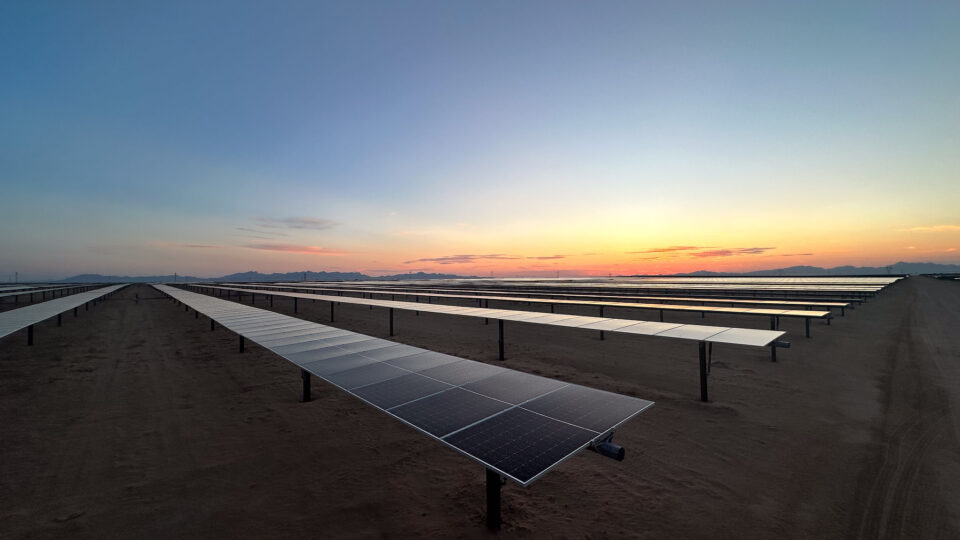
Last year saw some major trends in the global energy sector. Perhaps the most dramatic was the shift to renewable power, which continued to outpace the projections of both financial analysts and industry experts.  2024 saw new highs in renewable installation, largely due to China, which accounted for more than half of all the solar power installed globally.  Huge solar installations also came online in California and Nevada during the year.  On the other hand, the amount of coal burning for the year also exceeded expert predictions, also largely due to China.

A second trend was increasing sales of electric vehicles, which reached a new high, although short of expectations.  A major driving force in EV sales is the dropping price of lithium-ion batteries, which fell by 20% in 2024.  Again, China was a major factor with roughly half of all its domestic vehicle sales being electric.

Coal’s decline is being slowed by the rising demand for electricity.  The increased use of electric heating and cooling along with the increasing use of EVs are major factors.  But the proliferation of energy-hungry data centers incorporating artificial intelligence capabilities is driving up the demand for power even more. 

Perhaps the clearest indication of the future for global energy comes from investors, who put about $2 trillion into clean energy last year.  That is twice as much as invested in oil, coal, and natural gas.

The history of energy has seen the Age of Coal and the Age of Oil.  By all indications, we are now heading into the Age of Electricity.

**********

Web Links

The Year in Energy in Four Charts

Photo, posted November 23, 2024, courtesy of Mussi Katz via Flickr.

Earth Wise is a production of WAMC Northeast Public Radio

Giant batteries in the Earth

December 23, 2024 By EarthWise 1 Comment

The wind and the sun are inexhaustible sources of energy, and we are tapping into them to produce electricity at a growing rate around the world.  But neither of them is always available when we need them.  When the sun isn’t shining and the wind isn’t blowing, they don’t work.

An opposite problem also exists.  When our energy needs are low, but it is sunny or windy, solar and wind power are all dressed up with nowhere to go.  Energy storage is the answer to both of these problems.   When there is excess generation, store the energy for later use.  When there is need for energy and not enough is being generated, tap into the energy that is stored.

Giant banks of lithium-ion batteries are the rapidly growing form of energy storage, and they are increasingly providing resilience in the electric grid.  But battery storage is short-term energy storage.  Even the largest battery banks can only provide a few hours of electricity. 

So, there is a real need for “long-duration energy storage” – systems that provide at least 10 hours of backup power and sometimes much more – for the grid to be fully reliable.

Pumped hydro storage, which uses water from elevated reservoirs to drive turbines, has been around for a long time.  Historically, this is the largest form of energy storage in the world.  Other methods include pumping compressed air into underground caverns or lifting massive blocks into elevated positions.  All of these techniques use excess electricity to place things like water, air, or cement into a position where they can be used to drive electrical generators.

The grid of tomorrow will store energy in giant battery banks, but also in the ground, in reservoirs, and in large structures.

**********

Web Links

How giant ‘batteries’ in the Earth could slash your electricity bills

Photo, posted March 21, 2024, courtesy of Sandra Uecker/USFWS via Flickr.

Earth Wise is a production of WAMC Northeast Public Radio
A giant solar project for Google

November 21, 2024 By EarthWise Leave a Comment

Google is investing heavily in solar power

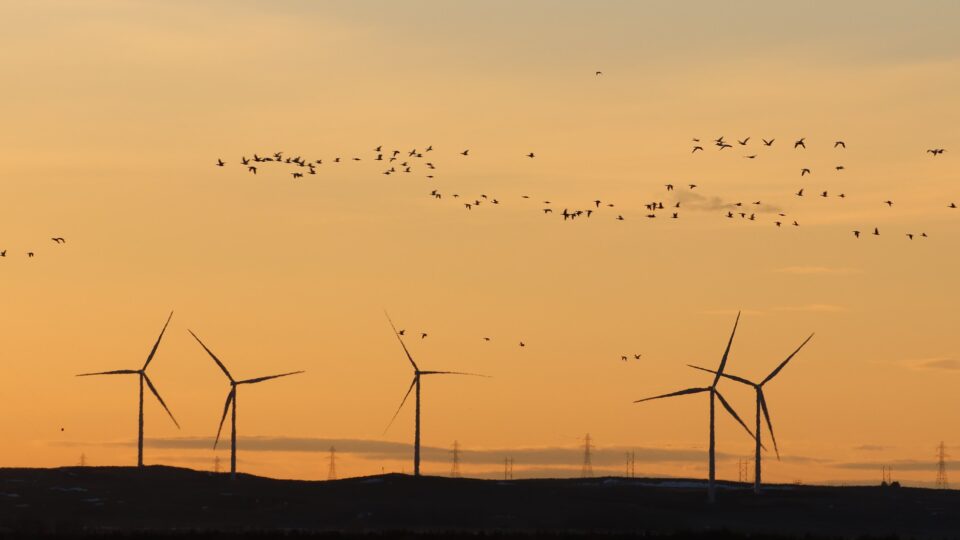
One of the largest solar projects in the US has recently come online in Texas.  Three solar farms built side-by-side in Buckholts, Texas by SB Energy can provide 875 megawatts of electricity, nearly the size of a typical nuclear power plant.  The project will supply the largest solar energy purchase ever made by Google and the electricity generated will be used to power its new operations in the area.  Google will use about 85% of the project’s solar power for data centers in Ellis County and for cloud computing in the Dallas Region.

In total, Google has contracted with clean energy developers to bring more than 2,800 megawatts of new wind and solar projects to Texas.  Google expects to spend $16 billion through 2040 to purchase clean energy for its global operations.

According to the International Energy Agency, data centers’ total electricity consumption could reach more than 1,000 terawatt-hours in 2026, which is more than double the amount used in 2022.  One terawatt-hour is enough energy to power 70,000 homes for a year.  So, it is not surprising that large technology companies are investing heavily in energy technologies.

Google, Amazon, and Microsoft have all recently announced investments in nuclear energy to power data centers.  These companies all have made commitments to seek sources of carbon-free electricity to power their data centers and their increasing efforts in artificial intelligence.  Because of the rise of artificial intelligence, the large companies are not meeting their commitments to reduce their carbon emissions and are needing to greatly increase their efforts to obtain clean power.

**********

Web Links

One of the largest solar projects in the US opens in Texas, backed by Google

Photo, posted March 27, 2016, courtesy of Ben Nuttall via Flickr.

Earth Wise is a production of WAMC Northeast Public Radio

How much energy storage is needed?

November 11, 2024 By EarthWise Leave a Comment

Exploring how much energy storage is needed

Energy storage is a critical aspect of modern energy systems as they move towards heavy dependence on renewable sources such as solar and wind that don’t produce energy at the same rate all the time.  Excess energy generated by solar power needs to be stored for when the sun isn’t shining; excess wind energy needs to be stored for when the wind isn’t blowing.  But how much storage capacity does the energy system need to have?

Researchers at North Carolina State University have developed a model that can be used to project what a system’s storage needs would be if it were to shift entirely to renewable sources.

The model accounts for how energy production from renewable sources would change during different times of day and different times of the year.  For example, there is much more solar energy generation in the summer when the days are longer, and it is sunny more often.

There is also the issue of short-term vs. long-term energy storage.  Short-term energy storage does not refer to how long a storage device can store the energy.  It refers to how long it can provide power at its rated level.

The study focused on Italy’s energy system, which has suffered in recent years because it had difficulties in obtaining natural gas from Russia due to the invasion of Ukraine.

As the world moves increasingly towards renewable power sources, energy systems need to be able to account for the variability of those sources.  The new model offers policymakers critical information for use in energy system planning.

**********

Web Links

Model Projects Energy Storage Needs for Fossil Fuel-Free Energy System

Photo, posted October 28, 2016, courtesy of Daxis via Flickr.

Earth Wise is a production of WAMC Northeast Public Radio
Renewables progress

November 5, 2024 By EarthWise Leave a Comment

Making progress on renewable power

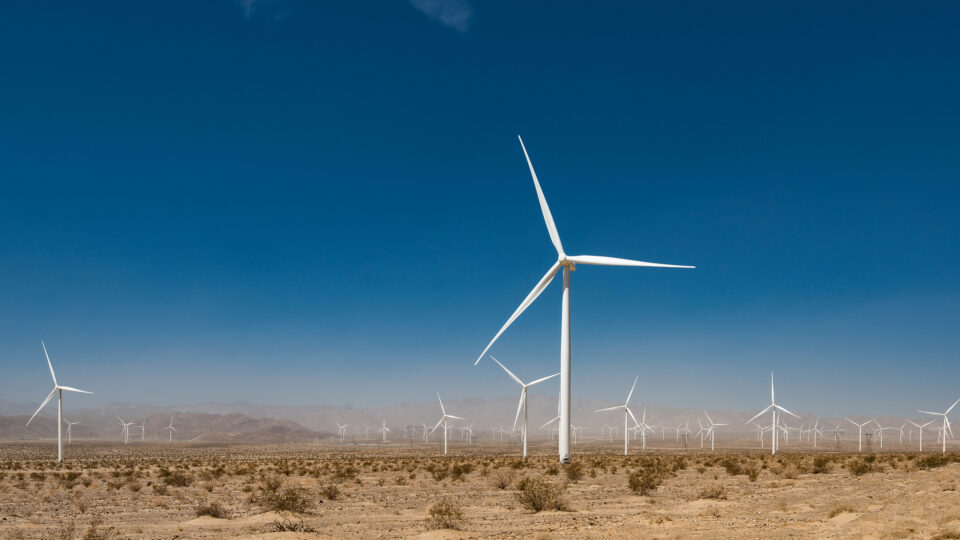
According to a new report by the International Energy Agency, the world is on track to produce nearly half of the electricity it uses from renewable sources by the end of this decade.  The report also finds that in nearly every country, large wind and solar plants are the cheapest forms of new power.

Between now and 2030, countries will add more than 5,500 gigawatts of new renewable capacity.   That is as much as China, India, the U.S., and the EU combined have at present.  Most of the new capacity will come from solar power.

China is aggressively pursuing renewable power installations with massive solar and wind projects.  By 2030, China will account for nearly half of the world’s renewable power capacity.

This year’s UN Climate Change Conference, held in the United Arab Emirates, established the goal of tripling renewable energy capacity worldwide by 2030. 

The growth in solar power continues to outperform industry expert projections as manufacturing ramps up.  India and the U.S. are both expected to triple their solar manufacturing capacity by the end of this decade.  Manufacturing, largely based in China, is already outstripping demand.

By 2030, solar and wind power are expected to account for about 30% of global electricity generation, hydropower about 13%, and other renewables such as geothermal power about 5%.

These estimates are based on existing policies and market conditions.  Governments could speed up the shift to clean energy by cutting red tape and by making it cheaper for poorer countries to finance solar and wind projects.

**********

Web Links

Renewables 2024

Photo, posted November 23, 2023, courtesy of Rick Obst via Flickr.

Earth Wise is a production of WAMC Northeast Public Radio
Big Tech and emissions

September 23, 2024 By EarthWise Leave a Comment

Most of the well-known largest technology companies have established ambitious clean energy goals.  They are on record for achieving net-zero emissions for all their operations and supply chains in many cases by 2030.  As a result, they have been investing heavily in renewable energy in various ways.  Despite these lofty goals and sincere efforts, many of them are struggling to reduce emissions.  The reason is simple:  big data.

A good example is Google, which started investing in renewable energy in 2010 and since 2017 has been purchasing renewable energy on an annual basis to match the electricity consumption of its global operations. However, Google’s greenhouse gas emissions have increased nearly 48% since 2019.  This is primarily a result of data center energy consumption.

The expanding use of artificial intelligence technology is consuming large amounts of electricity.  For example, a single ChatGPT query uses nearly 10 times as much electrical energy as a traditional Google search.

Google is by no means unique in having this problem.  Microsoft’s carbon emissions have risen by nearly 30% since 2020.  Amazon is struggling to reach net-zero across its operations by 2040.

All of these companies are entering into large power agreements with renewable energy companies all across the country.  The AI arms race for more and more computational power is driving a race to install more and more large-scale renewable energy.   Power purchase agreements for solar power, wind power, and even geothermal power are becoming a major activity for most of the largest tech companies.

**********

Web Links

Can Google gobble up enough renewables?

Photo, posted February 12, 2023, courtesy of Geoff Henson via Flickr.

Earth Wise is a production of WAMC Northeast Public Radio

Making wind turbines safer for birds

September 18, 2024 By EarthWise Leave a Comment

Making wind turbines safer for birds

There are people who oppose the installation of wind turbines for a variety of reasons. It is true that wind turbines can be dangerous to birds.  Estimates are that about 250,000 birds are killed flying into wind turbines each year in the U.S.  

However, this data needs to be looked at in comparison to bird deaths from flying into electrical lines (25 million), vehicles (214 million), and building glass (at least 600 million). And even these figures pale in comparison to the more than 2 billion birds killed by domestic cats each year.

Despite these facts, it would still be great if fewer birds died from flying into wind turbines.  Researchers at Oregon State University are part of a team looking at reducing bird collision risks from wind turbines by painting a single blade of the turbine black.

Recent research in Norway found that painting a single turbine blade black reduced the number of bird collisions by nearly 72%.  Why should this work?  The hypothesis is that the black-painted blades disrupt the visual uniformity of the airspace around the turbines and makes them more noticeable to birds, which prompts avoidance behavior.

The Norwegian data is based on a relatively small sample size and the Oregon State researchers as well as others in Spain, Sweden, and South Africa are working on more rigorous and comprehensive studies.

The hope is that this rather simple strategy could make windfarms safer for birds.  Unfortunately, this approach is not likely to be very effective with bats, which rely more on auditory cues rather than visual cues.

**********

Web Links

Scientists studying impact of painting wind turbine blade black to reduce bird collisions

Photo, posted May 21, 2024, courtesy of Roy Harryman via Flickr.

Earth Wise is a production of WAMC Northeast Public Radio
More wind power than coal power

September 12, 2024 By EarthWise Leave a Comment

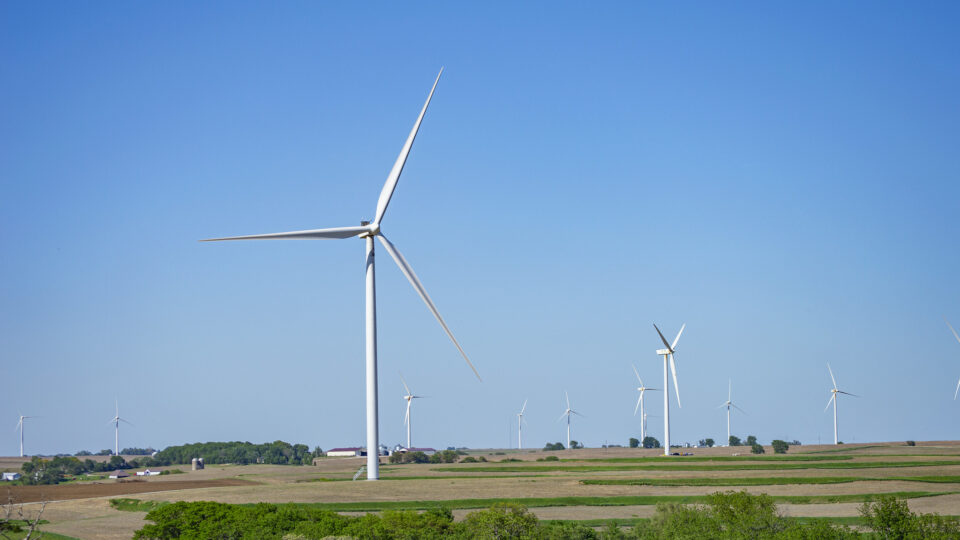
Wind power is starting to beat out coal in the United States

The U.S. used to get more of its electricity from burning coal than by any other means.  It wasn’t all that long ago; coal produced 51% of our electricity in 2001. But as of 2022, it was less than 20%.

In March and April, the U.S. generated more electricity from wind power than from coal.  This was the first time that wind outstripped coal for two consecutive months.

This crossover between wind and coal power is just another milestone in the energy transition to renewable energy sources.  Renewables collectively produce more electricity than coal and their share is steadily growing.  The explosive growth in renewable energy is primarily the result of three factors:  federal tax credits, state energy mandates away from fossil fuels, and, most importantly, shifts in the economics of energy.  Breakthroughs in technology and economies of scale have lowered the cost of building new wind turbines, solar panels, and battery storage. 

Coal plants have retired at a rapid pace over the past 25 years.  During that time, natural gas capacity has nearly tripled.   Gas began to replace coal starting around 2005 when the fracking boom led to the availability of large quantities of cheap natural gas. Because of this, fossil fuels are still the largest source of electricity generation in the U.S., but that is not likely to be the case for very long.

Analysts expect that wind energy will grow to provide about 35% of the country’s electricity by 2050.  The Department of Energy predicts that solar power will produce 45% of U.S. electricity by that year.

**********

Web Links

Wind Beat Coal Two Months in a Row for U.S. Electricity Generation

Photo, posted August 5, 2024, courtesy of Samir Luther via Flickr.

Earth Wise is a production of WAMC Northeast Public Radio
Where do states get their electricity?

September 3, 2024 By EarthWise Leave a Comment

Exploring how states produce their electricity

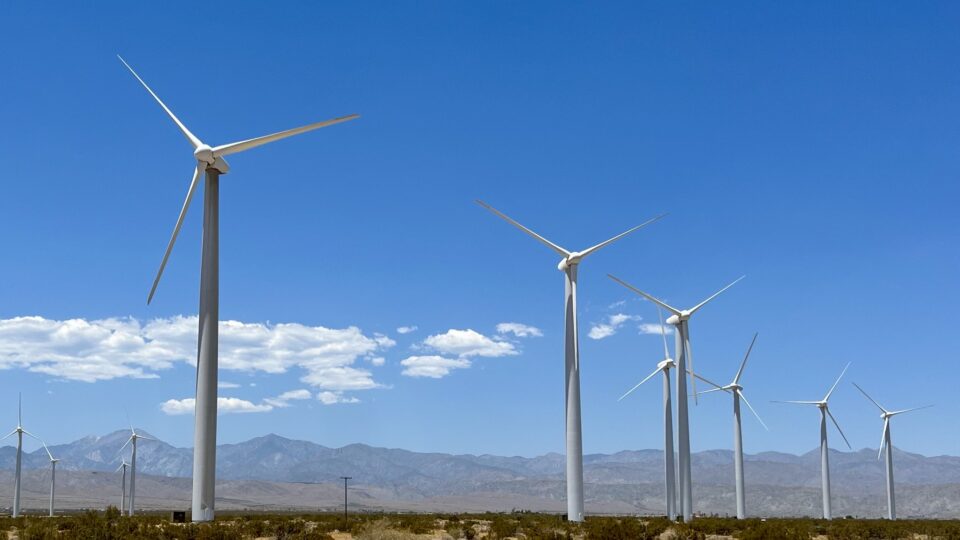
How the United States produces its electricity has changed dramatically over the past few decades.  Coal used to be the dominant source of power in this country, but natural gas surpassed it in 2016, and coal’s share has been shrinking ever since.  Fossil fuel still generates the majority of America’s electricity, but renewable power is increasing its contribution all the time.

On a state-by-state basis, there are very large variations in the mix of power sources.  Ten states still get their largest amount of power from coal, but this is down from 32 states in 2001.  Four states have hydroelectric power as their largest source, including Vermont which gets more than half of its power that way. 

Texas produces more electricity than any other state by a wide margin.  It’s not just because it has a large population. It is because it uses huge amounts of power to refine petroleum products.  Coal produces only 13% of Texas’ electricity and the state is by far the country’s largest producer of wind power.

New York gets nearly half of its power from natural gas, 21% from hydroelectric power, and 21% from nuclear power.  Wind and solar power are still small, but both are growing in the state.

When people try to assess the climate impact of driving electric cars, based on the origins of the electricity they use to power the car, the results can vary dramatically based on what state they live in.  Nationwide, electricity is getting cleaner and greener, but the process is by no means uniform across the country.

**********

Web Links

How Does Your State Make Electricity?

Photo, posted March 17, 2021, courtesy of Bureau of Reclamation via Flickr.

Earth Wise is a production of WAMC Northeast Public Radio
China and carbon emissions

August 22, 2024 By EarthWise Leave a Comment

China has been the biggest source of greenhouse emissions for nearly 20 years.  Its emissions surpassed those of the United States in 2006 and its fraction of the world’s emissions is now nearly a third.  Therefore, unless China’s emissions stop growing, the world’s emissions won’t either.

Recent data from China’s government and by energy analysts provides some reasons for optimism.  What is happening is that how China produces its electricity is changing.  Renewable sources are gradually replacing coal.

Last year alone, China installed more solar panels than the United States has in its entire history.  Nearly two-thirds of utility-scale wind and solar plants under construction are in China.  According to a report from Global Energy Monitor, China is developing more than eight times the wind and solar capacity currently being planned for the US.

Despite all this progress, China still generates 53% of its electricity from coal.  While this is the lowest share reported since its government began publishing energy data decades ago, it is still a major source of carbon emissions.  China is responsible for two-thirds of the world’s newly operating coal plants and still plans to build many more.  China accounts for about 60% of the world’s coal use.

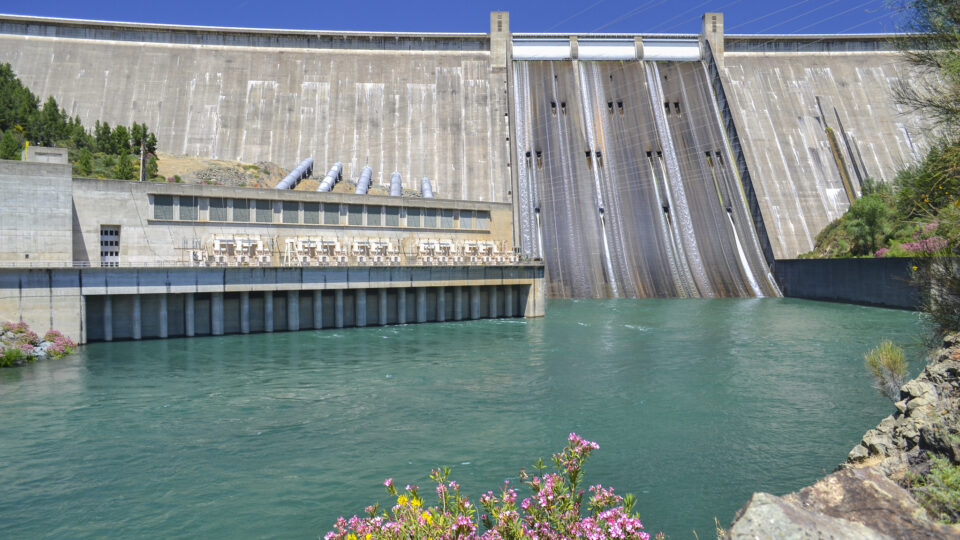
China is investing heavily in pumped-storage hydropower along with its massive efforts in solar and wind power.  But if it is to meet existing and proposed new commitments to reduce emissions, it will need to be much more aggressive in reducing its dependence on coal.  Current predictions are that China’s emissions may soon no longer be increasing.  But what is needed is for them to start dropping and the sooner the better.

**********

Web Links

Why the Era of China’s Soaring Carbon Emissions Might Be Ending

Photo courtesy of Mike Locke via Flickr.

Earth Wise is a production of WAMC Northeast Public Radio
Expanding solar and wind in the U.S.

August 20, 2024 By EarthWise Leave a Comment

Solar and wind power are expanding in the United States

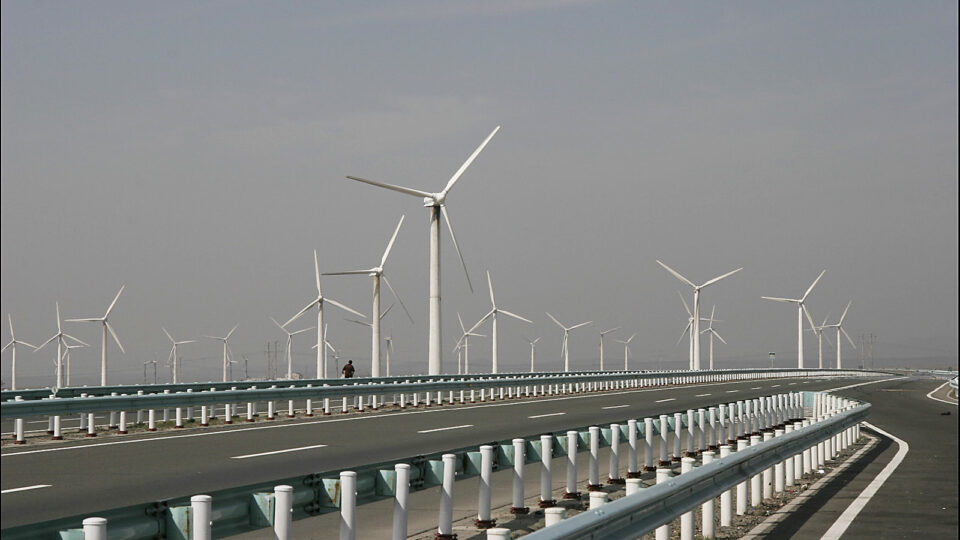
According to new data from the Federal Energy Regulatory Commission, solar and wind now make up more than 20% of the total US electrical generating capacity.  Adding up all renewable energy sources – which also include biomass, geothermal, and hydropower – renewable energy is now nearly 30% of the total electrical generating capacity in this country.

During the first five months of 2024, 10.669 gigawatts of solar and 2.095 gigawatts of wind power came online.  There were also 212 megawatts of hydropower and 3 megawatts of biomass added to generating capacity.  All told, renewables constituted 89.91% of new generating capacity added this year.  This does not include 1.1 gigawatts of nuclear power added at the Vogtle-4 reactor in Georgia. 

Solar power is booming.  The amount added this year was more than double the amount added over the same period last year.  Solar has been the largest source of new generating capacity for nine months straight.  Wind was the second largest.

About one-third of US solar capacity is in the form of small-scale – that is, rooftop – solar.  The statistics quoted in this report do not take that into account.  If it was included, solar plus wind would be closer to 25% of the US total.

Predictions are that over the next three years, nearly 90 gigawatts of additional solar power will be added to the grid as well as 23 gigawatts of wind power.  Over that period, coal, natural gas, and oil are projected to shrink by more than 20 gigawatts.

**********

Web Links

Solar and wind now make up more than 20% of US electrical generating capacity

Photo, posted October 28, 2016, courtesy of Daxis via Flickr.

Earth Wise is a production of WAMC Northeast Public Radio
  • Page 1
  • Page 2
  • Page 3
  • Interim pages omitted …
  • Page 6
  • Go to Next Page »

Primary Sidebar

Recent Episodes

  • An uninsurable future
  • Clean energy and jobs
  • Insect declines in remote regions
  • Fossil fuel producing nations ignoring climate goals
  • Trouble for clownfishes

WAMC Northeast Public Radio

WAMC/Northeast Public Radio is a regional public radio network serving parts of seven northeastern states (more...)

Copyright © 2026 ·