vegetation
Spreading Like Wildfire
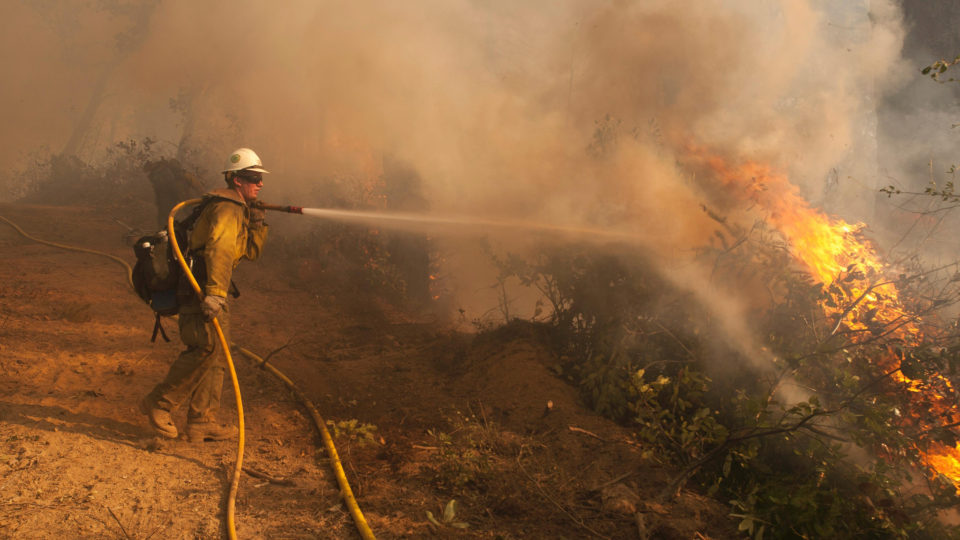
Last July 7th, 140 wildfires started up in British Columbia, triggering a state of emergency. By the end of the summer, more than 1,000 fires had been triggered across the Canadian province, burning nearly 3 million acres of forest, about 10 times more than the average over the past decade.
Carbon From The Alaskan Tundra
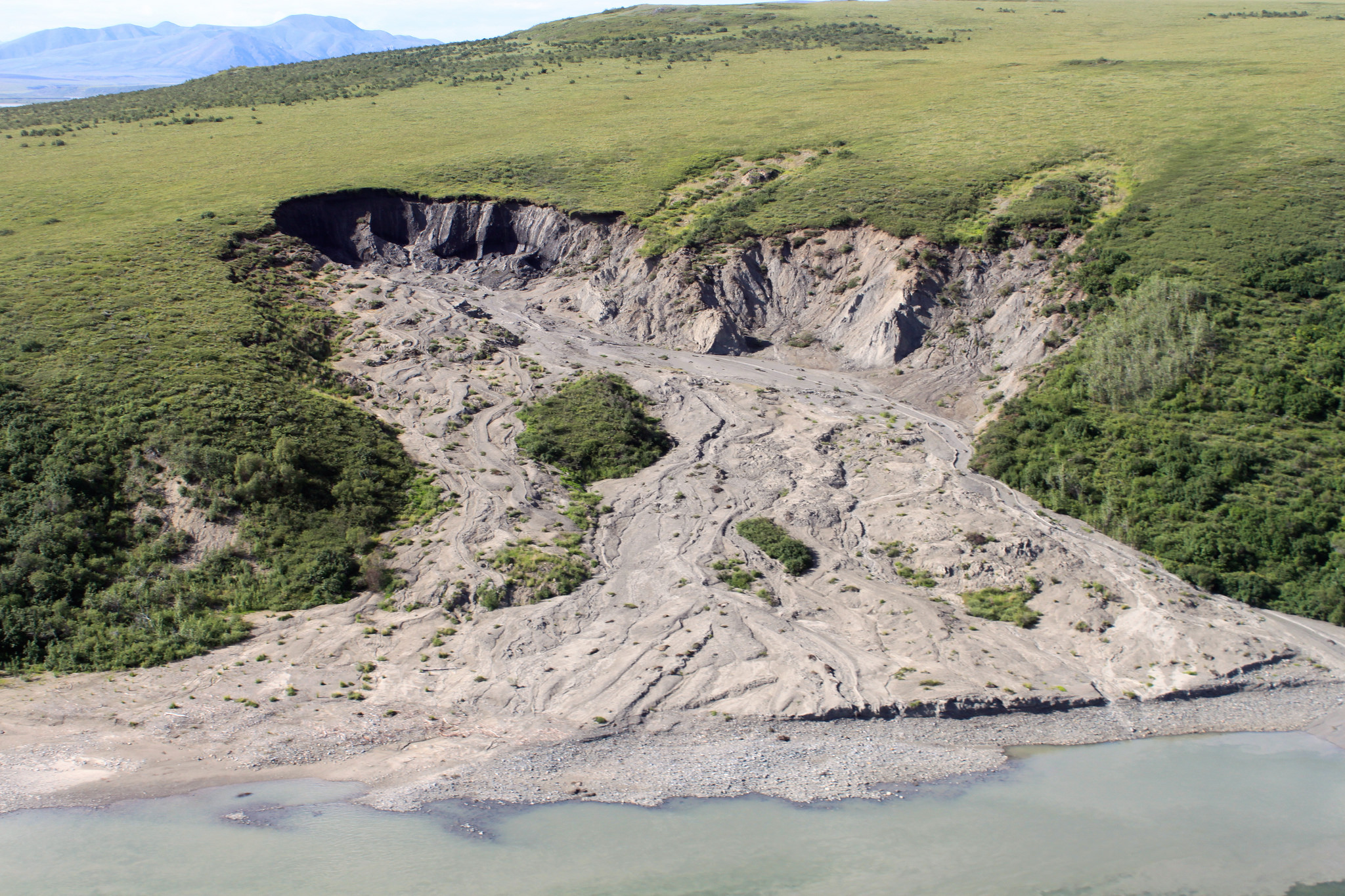
The soils that encircle the northern reaches of the Arctic are a vast repository for carbon in the form of undecayed organic matter from dead vegetation. The enormous amount of material trapped in the permafrost contains enough carbon to double the current amount of carbon dioxide in the Earth’s atmosphere.
Mapping Risk
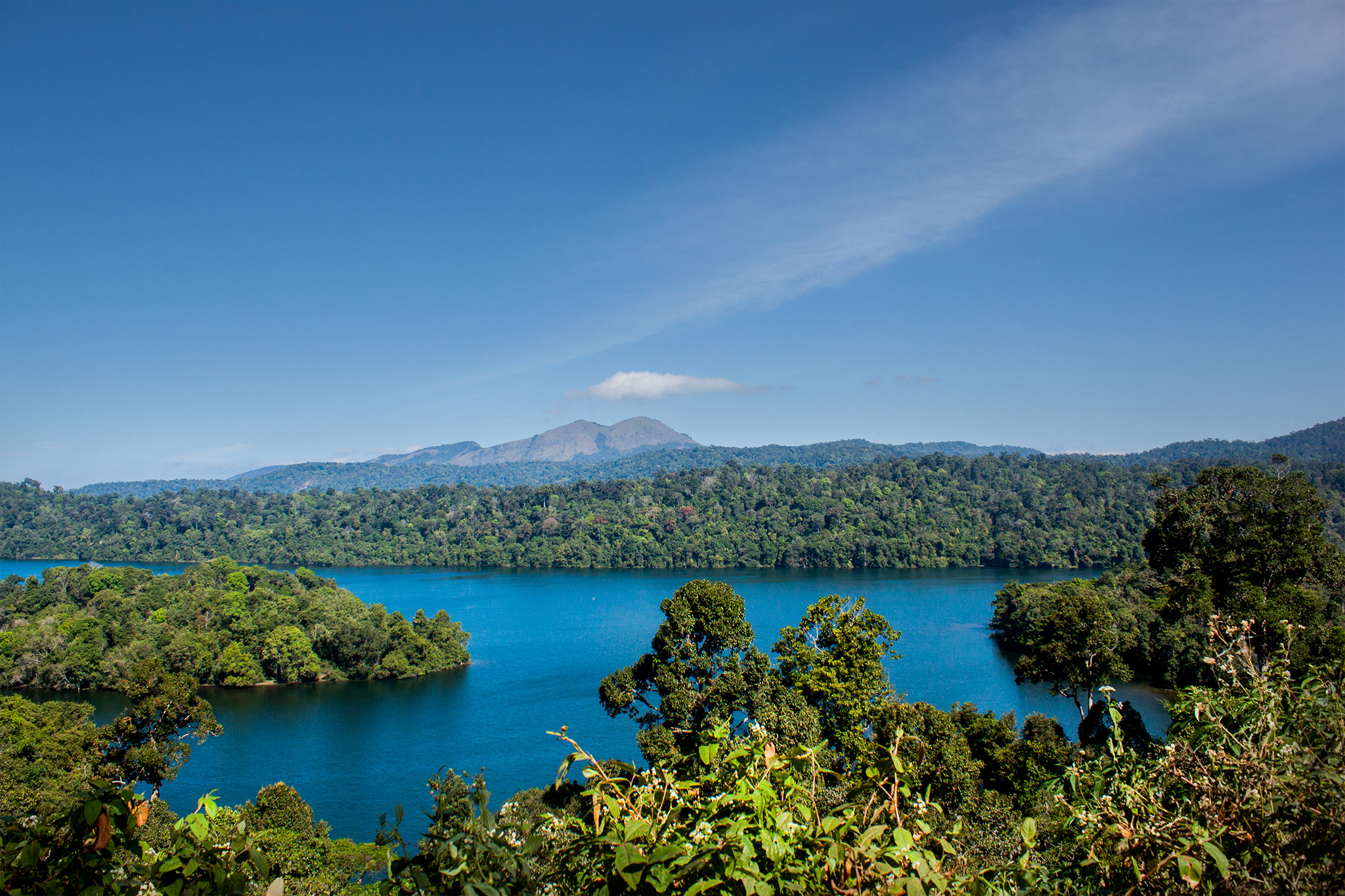
The International Union for Conservation of Nature (IUCN) is the global authority for determining species’ vulnerability in the face of threats such as habitat loss and climate change. How widely a species can be found – its geographic range – is a key indicator used by the IUCN to assign an appropriate conservation status.
Deforestation in the Amazon Rainforest
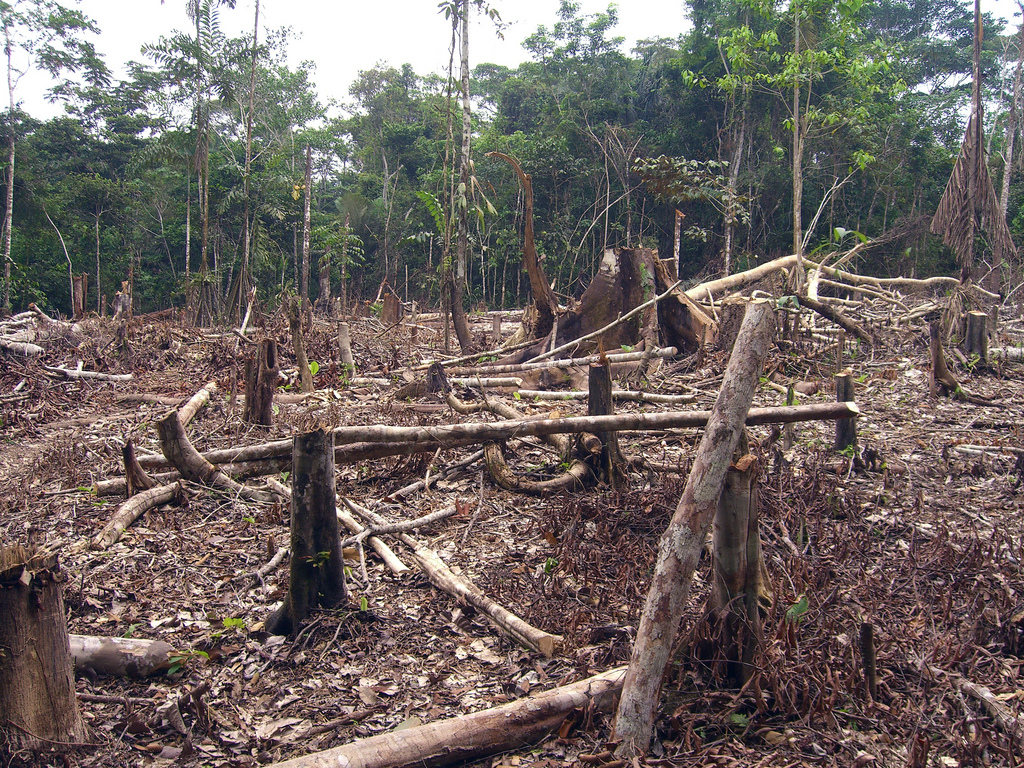
The Amazon rainforest is the biggest in the world, larger than the next two biggest combined. It covers over 3 million square miles, roughly the size of the lower 48 states. For this reason, it functions as a critical sink for carbon in the atmosphere.
Did People Create The Sahara Desert?
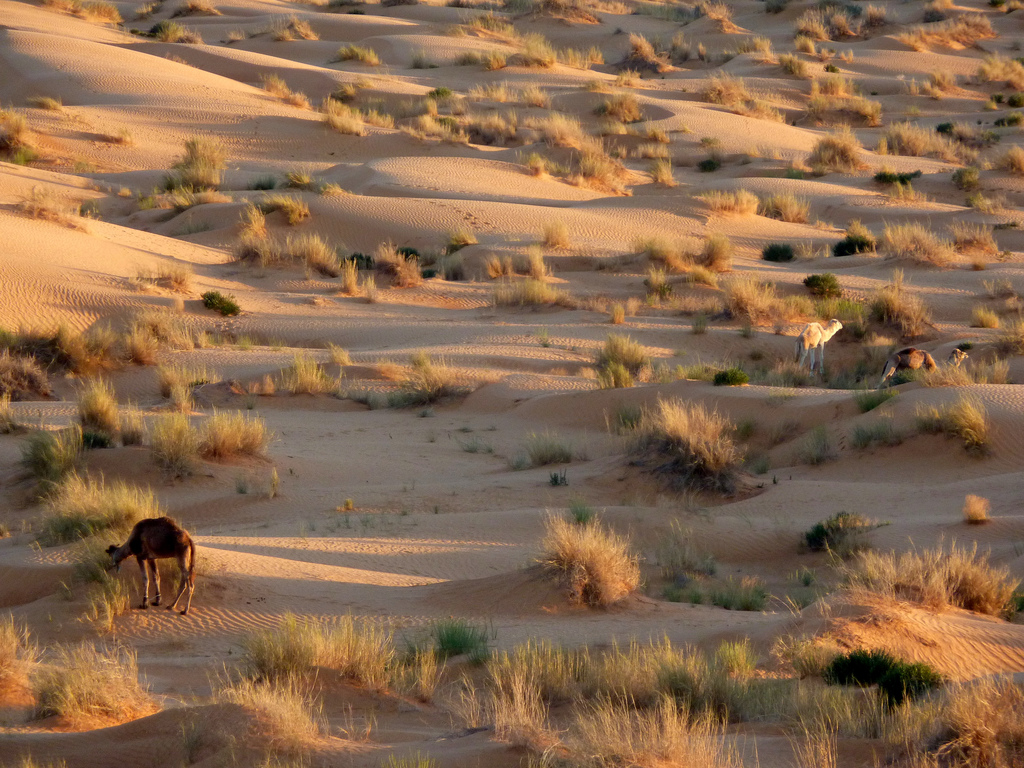
One of the arguments some people make when discussing human causes of climate change is that people can’t cause such massive changes. However, there is a long historical record of human-driven ecological and climatic change in Europe, North America and New Zealand, among other places.
Saving Saharan Oases
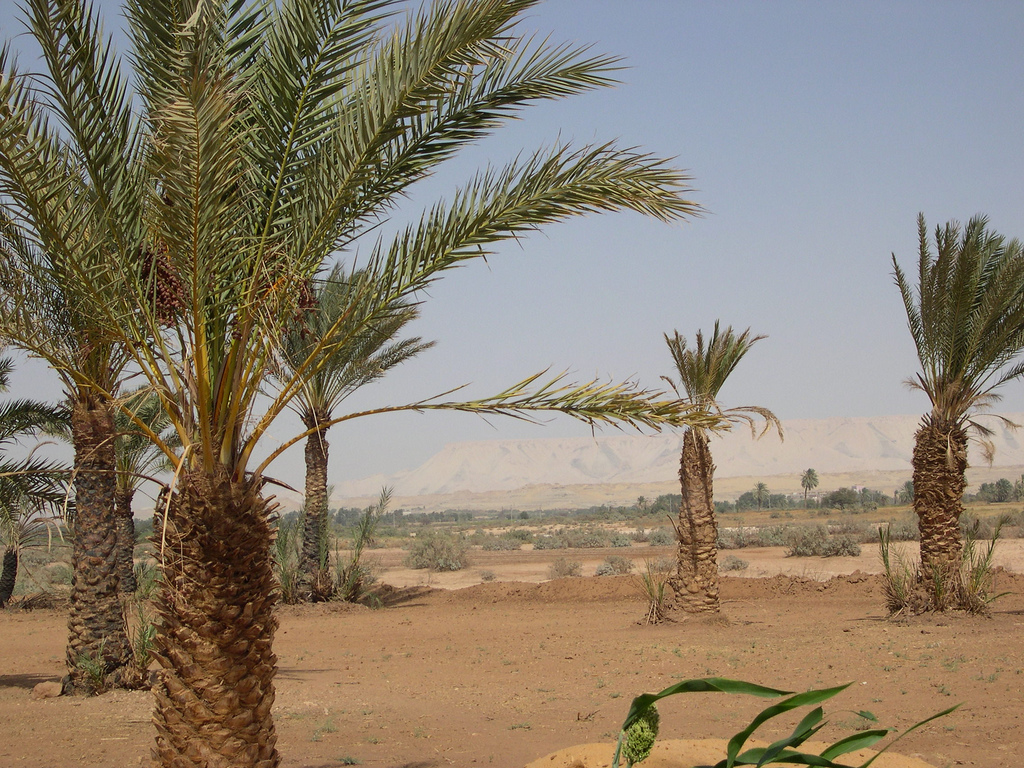
An oasis is an isolated area of vegetation in a desert, typically surrounding a spring or similar water source such as a pond or a small lake. Oases can provide habitat for animals as well as people. Oases have long been essential for trade and transportation routes in desert areas; caravans typically travel via oases so that supplies of water and food can be replenished.
Climate Change And Reindeer
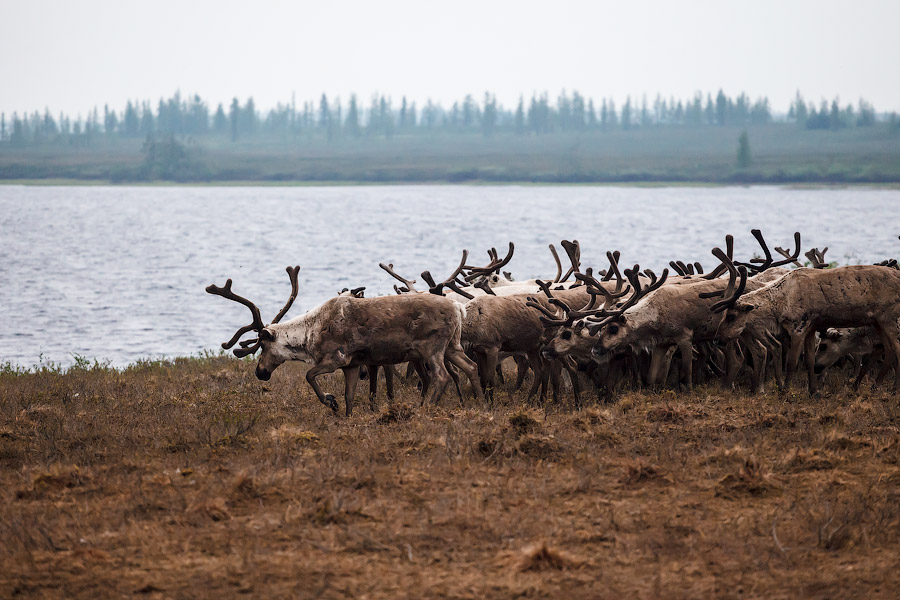
Hundreds of thousands of reindeer roam Russia’s Yamal Peninsula, which is located in northwestern Siberia, and are herded by the indigenous Nenets people, reportedly among the Arctic’s last truly nomadic reindeer herders. Reindeer provide these indigenous people with transportation, food, clothes, and even tools made from their bones. Reindeer are well suited for the freezing temperatures and thick snow of this climate. But they are not well suited for climate change.
The Methane Riddle
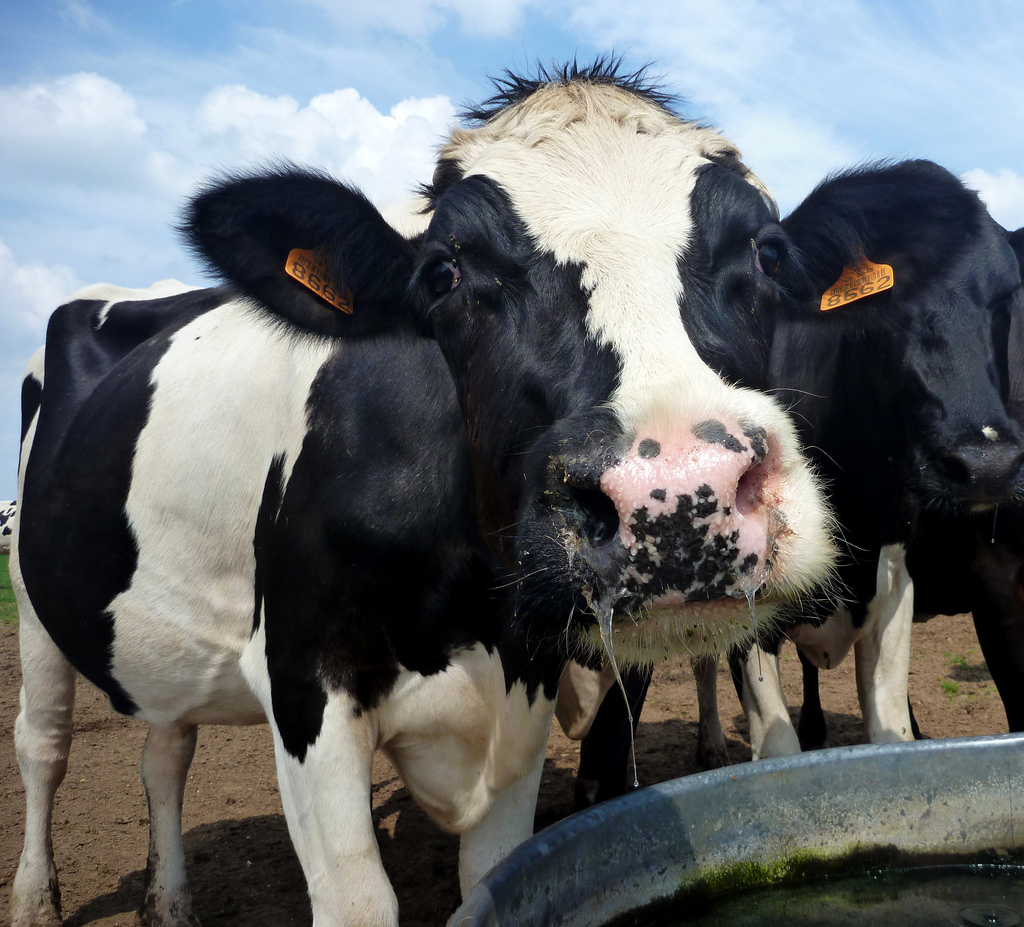
Most of the blame for climate change has been placed on the growing levels of carbon dioxide in the atmosphere, but methane also plays a major role. Estimates are that about 1/5 of greenhouse effect warming is caused by methane in the atmosphere. There is far less of it than carbon dioxide, but methane is tremendously more effective at trapping heat.
Planning Cooler Cities
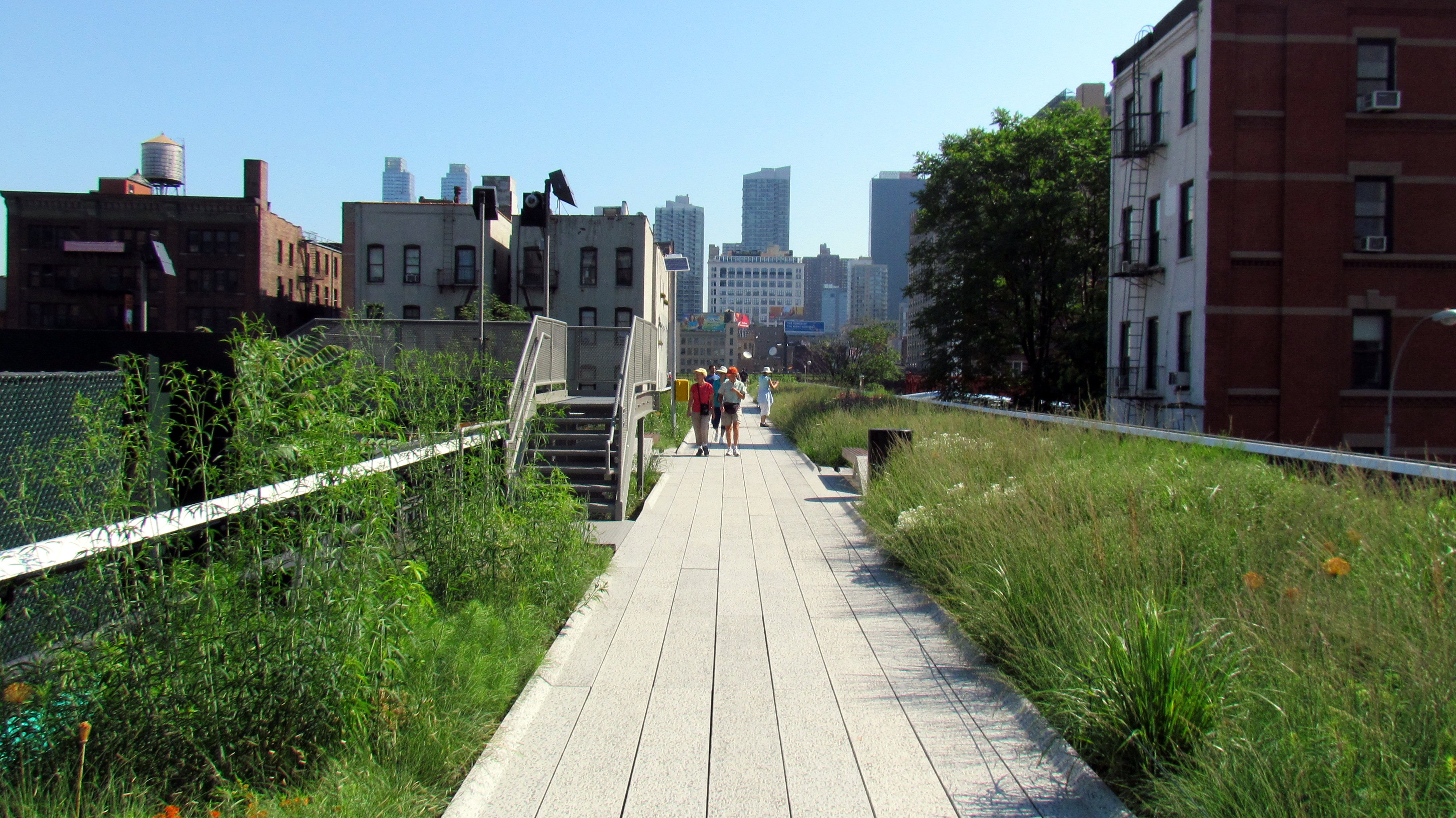
Anyone who has walked the streets of New York City or Washington, D.C. on a stifling summer day can attest to the fact that cities feel hotter. It’s not a matter of perception.