• Skip to primary navigation
  • Skip to main content
  • Skip to primary sidebar

Earth Wise

A look at our changing environment.

  • Home
  • About Earth Wise
  • Where to Listen
  • All Articles
  • Show Search
Hide Search
You are here: Home / Archives for standards

standards

Cleaning Up Forever Chemicals | Earth Wise

August 29, 2022 By EarthWise Leave a Comment

New technology to help clean up forever chemicals

PFAS, per- and polyfluoroalkyl substances, are chemical pollutants that threaten human health and ecosystem sustainability.  They are used in a wide range of applications including food wrappers and packaging, dental floss, firefighting foam, nonstick cookware, textiles, and electronics.  Over decades, these manufactured chemicals have leached into our soil, air, and water.  Chemical bonds in PFAS molecules are some of the strongest known, so the substances do not degrade easily in the environment.

Studies have shown that at certain levels, PFAS chemicals can be harmful to humans and wildlife and have been associated with a wide variety of health problems.

Currently, the primary way to dispose of PFAS chemicals is to burn them, which is an expensive multistep process.  Even trace levels are toxic, so when they occur in water in low amounts, they need to be concentrated in order to be destroyed.

Researchers at Texas A&M University have developed a novel bioremediation technology for cleaning up PFAS.  It uses a plant-derived material to absorb the PFAS which is then eliminated by microbial fungi that literally eat the forever chemicals.

The sustainable plant material serves as a framework to adsorb the PFAS.  That material containing the adsorbed PFAS serves as food for the fungus.  Once the fungus has eaten it, the PFAS is gone. 

The EPA has established a nationwide program to monitor the occurrence and levels of PFAS in public water systems and is considering adding PFAS threshold levels to drinking water standards.  If this happens, the technology developed at Texas A&M may become an essential part of municipal water systems.

**********

Web Links

Texas A&M AgriLife develops new bioremediation material to clean up ‘forever chemicals’

Photo, posted August 10, 2013, courtesy of Mike Mozart via Flickr.

Earth Wise is a production of WAMC Northeast Public Radio.
Unhealthy Air | Earth Wise

May 12, 2022 By EarthWise Leave a Comment

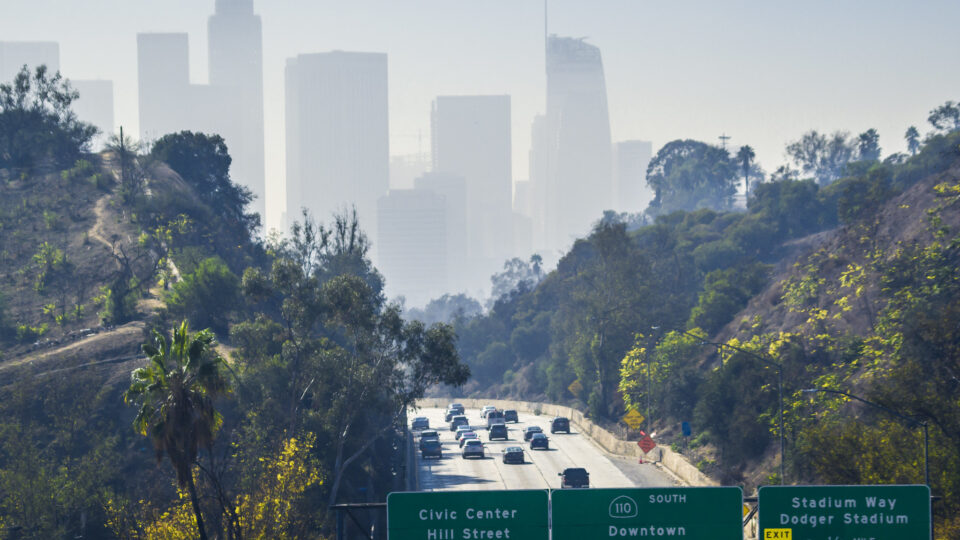
Most of the global population breathes unhealthy air

According to the World Health Organization, almost the entire global population – 99% in fact – breathes air that exceeds WHO air quality limits and threatens their health.

Air quality is of great concern everywhere.  Over 6,000 cities in 117 countries monitor air quality, but the people living in those cities are still breathing unhealthy levels of fine particulate matter and nitrogen dioxide. The WHO is citing these findings as a compelling reason to curb fossil fuel use and to take other steps to reduce air pollution levels. 

There is growing number of studies of the damage air pollution does to the human body.  Even low levels of many air pollutants can cause significant harm.  Particulate matter – especially so-called PM2.5 – is capable of penetrating deep into the lungs and entering the bloodstream, contributing to cardiovascular, cerebrovascular, and respiratory problems. 

Nitrogen dioxide is associated with respiratory diseases – especially asthma – and leads to respiratory symptoms, hospital admissions, and visits to emergency rooms.

The WHO is calling to governments around the world to take additional steps to improve air quality including adopting stricter air quality standards, supporting the transition to clean household energy sources, implementing stricter vehicle emission standards, reducing the use of incineration, and many other actions.

According to the WHO, cities in high-income countries fare better in terms of air quality, but very few places avoid unhealthy air entirely.   Seven million deaths a year are linked to unhealthy air quality.  It is a global crisis that cannot be ignored.

**********

Web Links

Billions of people still breathe unhealthy air: new WHO data

Photo, posted December 1, 2021, courtesy of Ron Reiring via Flickr.

Earth Wise is a production of WAMC Northeast Public Radio.

Conseguir un medicamento en las farmacias extranjeras no puede ser más difícil que la compra nocturna de alimentos. Si no se requiere una receta en línea para la compra de medicamentos, se puede comprar libremente, incluso no sólo en las farmacias, sino también en los supermercados, dijo un abogado y director general del grupo de consultoría vvCube Vadim Tkachenko.

Promoting Biodiversity In Agriculture | Earth Wise

September 13, 2021 By EarthWise Leave a Comment

The best methods to promote biodiversity in agriculture

The organic foods industry is one of the fastest growing agricultural segments in the United States.  According to the Organic Trade Association, U.S. organic sales reached $61.9 billion in 2020, a jump of more than 12% over the previous year. 

Organic food has many benefits.  Organic food is free of antibiotics, growth hormones, and GMOs, and is grown using fewer pesticides.  Organic farming tends to be better for the environment by reducing pollution, conserving water, reducing soil erosion, increasing soil fertility, and using less energy.   And it’s also better for the health of nearby wildlife as well as the people who live close to farms. 

But when it comes to promoting biodiversity in agriculture, is organic farming the only alternative to conventional agriculture? It turns out it’s not – at least according to a new study recently published in the journal Trends in Ecology and Evolution. 

According to an international research team led by the University of Göttingen in Germany, a landscape mosaic of natural habitats and small-scale and diverse cultivated areas is the key to promoting biodiversity on a large scale in both conventional and organic agriculture.

According to the research team, areas cultivated to organic standards have one third more species, but don’t reach the yield level of conventional farming.  This means that more land would need to be cultivated organically in order to produce the same amount of food.  But as larger areas are cultivated, the advantages for biodiversity would disappear.    

Landscapes with small fields, long edges, high crop diversity, and at least 20% near-natural habitats can promote biodiversity significantly more than just organic certification.   

**********

Web Links

U.S. Organic Industry Survey 2021

Promoting biodiversity-friendly landscapes – beyond organic farming

Photo, posted August 29, 2019, courtesy of Lance Cheung/USDA via Flickr.

Earth Wise is a production of WAMC Northeast Public Radio.
The Silent Killer | Earth Wise

April 26, 2021 By EarthWise Leave a Comment

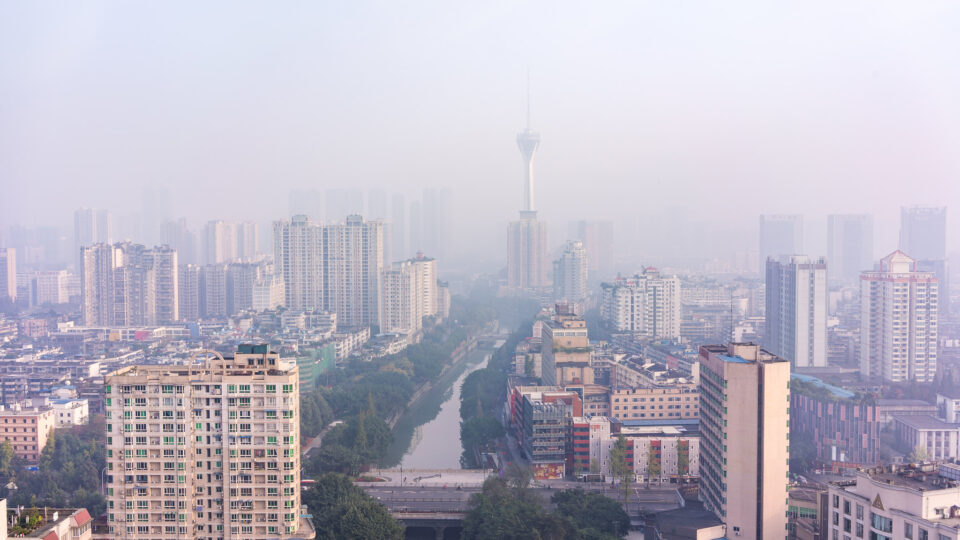
Air pollution is a silent killer

Air pollution is deadly.  Studies have found that particles from air pollution can enter our lungs and bloodstream, contributing to major health conditions including heart disease, stroke, cancer, and kidney disease.  Globally, air pollution is responsible for the premature deaths of millions of people every year. 

The first line of defense against air pollution is ambient air quality standards.  But according to researchers from McGill University, more than half of the world’s population lives without the protection of adequate air quality standards.

The research team focused on a specific type of air pollution called particulate matter 2.5 (more commonly called PM2.5).  PM2.5 refers to tiny particles or droplets in the air that are two and one half microns or less in width.  These tiny particles are responsible for an estimated 4.2 million premature deaths every year globally, including more than one million deaths in China, nearly 200,000 in Europe, and more than 50,000 in the United States.

In the study, which was recently published in the Bulletin of the World Health Organization, the researchers found that where there are air quality protections, the standards are often worse than what the WHO considers safe.  Some regions with high air pollution levels, like the Middle East, don’t even measure PM2.5 air pollution.  The researchers found that the weakest air quality standards are often violated, while the strictest standards are often met. 

More than half of the world’s population is in urgent need of adequate air quality standards.   

**********

Web Links

Air pollution: The silent killer called PM 2.5

Photo, posted November 17, 2019, courtesy of Kristoffer Trolle via Flickr.

Earth Wise is a production of WAMC Northeast Public Radio.

Policy Moves on Electric Cars | Earth Wise

February 26, 2021 By EarthWise Leave a Comment

The transition to electric vehicles is underway

In recent times, there have been several significant events affecting the transition to electric vehicles.  The new administration has made aggressive moves toward fighting climate change.  Wall Street investors have placed more value on Tesla stock than that of GM, Toyota, Volkswagen, and Ford combined.  China, the world’s largest car market, recently mandated that most new cars must be powered by electricity within 15 years.

Against this background, the CEO of General Motors announced in late January that the company will aim to sell only zero-emission cars and trucks by 2035.

This announcement took the rest of the auto industry by surprise.  In the past, the industry tended to present a united message on emissions and other policy issues.  This time around, GM has stepped out in front of the issue.

GM has already committed to spending $27 billion to introduce 30 electric vehicle models by 2025 and is building a plant in Ohio to make batteries for those cars and trucks.

A key driver in the GM decision, no doubt, was an executive order signed by President Biden on his first day of office.  The order directed the Environmental Protection Agency to immediately begin developing tough new tailpipe pollution regulations, designed to reduce the nation’s largest source of greenhouse gas emissions.

Even before the change in administration, five other major automakers – BMW, Ford, Honda, Volkswagen, and Volvo – had already legally bound themselves to tougher fuel economy standards in a deal with California.  Those companies committed to an average fuel economy of 51 miles per gallon in 2026.

While no other large automaker has set a specific target date for selling only electric vehicles, many of them are moving in that direction.  The rapid growth of Tesla is an indicator of where the auto industry is heading.

**********

Web Links

G.M. Announcement Shakes Up U.S. Automakers’ Transition to Electric Cars

Photo, posted July 29, 2017, courtesy of Steve Jurvetson via Flickr.

Earth Wise is a production of WAMC Northeast Public Radio.

Europe’s Green Deal: Bad For The Planet? | Earth Wise

December 28, 2020 By EarthWise Leave a Comment

Europe's Green Deal might simply be exporting its environmental pollution

In 2019, the European Union announced the “Green Deal,” a comprehensive program aimed at making Europe the first climate-neutral continent, implementing environmentally friendly transport, increasing recycling, and expanding renewable energy.

The Green Deal involves significant changes to European agriculture.  Over the next ten years, under the ambitious environmental program, at least a quarter of all agricultural areas will be farmed organically, the use of fertilizers and pesticides greatly reduced, 3 billion trees planted, 15,000 miles of rivers restored, and the population declines of pollinators reversed.

However, in a recent article published in Nature, scientists at the Karlsruhe Institute of Technology show that this Green Deal might actually be a bad deal for the planet.

The problem is that the EU is likely to basically be outsourcing environmental damage by its high imports of agricultural products.

According to the Karlsruhe study, the EU annually imports millions of tons of agricultural products, as much as 20% of its produce and much of its meat and dairy products.  Quite often, these imports come from countries whose environmental laws are far less stringent than those in Europe.

The EU cannot impose environmental standards on other countries, but it can demand that goods entering the European market meet EU requirements.  The study points out that Europe’s carbon footprint has to be evaluated on a global basis.  If the EU is truly to become a climate-neutral continent, it must include foreign trade goals and requirements in its environmental programs.  Otherwise, Europe will simply be outsourcing its environmental problems and will continue to cause damage to the planet.

**********

Web Links

Green Deal: Good for a Climate-neutral Europe – Bad for the Planet

Photo, posted July 17, 2009, courtesy of Edmund Garman via Flickr.

Earth Wise is a production of WAMC Northeast Public Radio.

Air Quality In The U.S.

November 13, 2019 By EarthWise Leave a Comment

Globally, poor air is a serious problem.  According to the World Health Organization, exposure to air pollution is linked to the premature deaths of an estimated 7 million people every year.  In fact, 91% of the people on the planet live in places where air pollution exceeds WHO guideline limits. 

In the United States, air pollution has dramatically improved over the last four decades due in large part to federal regulations put in place under the Clean Air Act of 1970.  Fine particulate matter (known as PM2.5) and other pollution, including ozone, sulphur dioxide, and nitrogen dioxide, have all decreased during this time span. 

But according to recent research, this trend has unfortunately done an about-face.  New data reveals that air pollution has increased nationally since 2016.  An analysis of Environmental Protection Agency data by researchers at Carnegie Mellon University found that, on average, fine particulate pollution increased 5.5% across the country between 2016 and 2018. 

This increase in fine particulate pollution was associated with nearly 10,000 additional premature deaths in the United States during that time period. 

According to researchers, there are several factors likely causing this uptick in unhealthy air, including increases in both driving and the burning of natural gas.  Wildfires out west are also thought to be a major contributor. 

The researchers also suggest that a decrease in enforcement of the Clean Air Act may also be playing a role.  The law put in place strict air pollution standards for vehicles, factories, power plants, and other sources, and is credited with saving hundreds of thousands of lives.

It’s time for clean air to be recognized as a basic human right.

***********

Web Links

America’s Air Quality Worsens, Ending Years of Gains, Study Says

Photo, posted April 6, 2007, courtesy of Brett Weinstein via Flickr.

Earth Wise is a production of WAMC Northeast Public Radio.
The New York Climate Plan

July 24, 2019 By EarthWise Leave a Comment

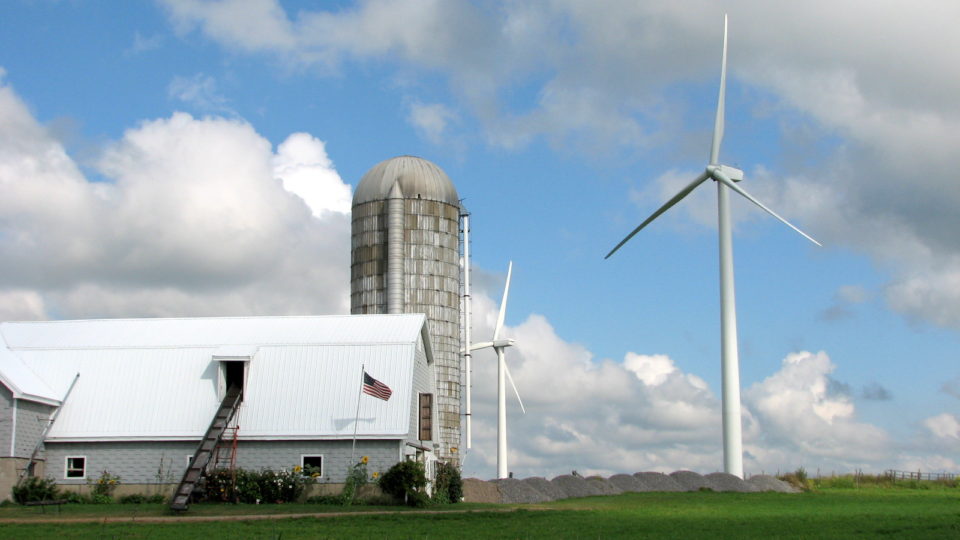
New York lawmakers have passed a sweeping climate plan that requires the state to eliminate almost all of its greenhouse gas emissions by 2050.  The plan calls for the phase-out of gasoline cars and oil- and gas-burning furnaces and requires all of the state’s electricity to come from carbon-free sources.

The Climate Leadership and Community Protection Act requires the state to slash its carbon emissions to 85% below 1990 levels by 2050 and to offset the remaining 15% by other means such as removing carbon dioxide from the atmosphere.  The bill requires New York to get 70% of its electricity from renewable sources by 2030.

The challenges of reaching the program’s goals are daunting.   New York has so far only reduced its emissions by 8% since 1990.  The state currently does get 60% of its electricity from carbon-free sources – mostly hydroelectric dams and nuclear power plants – but it will require offshore windfarms, ramped-up solar installations, and battery storage systems to push the numbers dramatically higher.

Transportation, which is responsible for a third of New York’s emissions, will be particularly tough to tackle.  The Trump administration is rolling back federal vehicle efficiency rules and is trying to prevent states from setting stricter standards.  Currently, electric car ownership is primarily attractive for single-family homeowners who can plug in their cars at home.  Far more pervasive charging stations – for example, all over the streets of New York City – would be needed to make electric cars practical for everyone.

The plan aims for industries to bear most of the financial burden, but supporters say that the costs of not acting on climate will be vastly greater for businesses.  The plan’s deadlines for major emissions reductions are a decade away but there will be much to do quite soon.

**********

Web Links

New York to Approve One of the World’s Most Ambitious Climate Plans

Photo, posted September 17, 2009, courtesy of Flickr.

Earth Wise is a production of WAMC Northeast Public Radio.
Diesel Is Dirty

October 22, 2018 By EarthWise Leave a Comment

https://earthwiseradio.org/wp-content/uploads/2018/10/EW-10-22-18-Diesel-is-Dirty.mp3

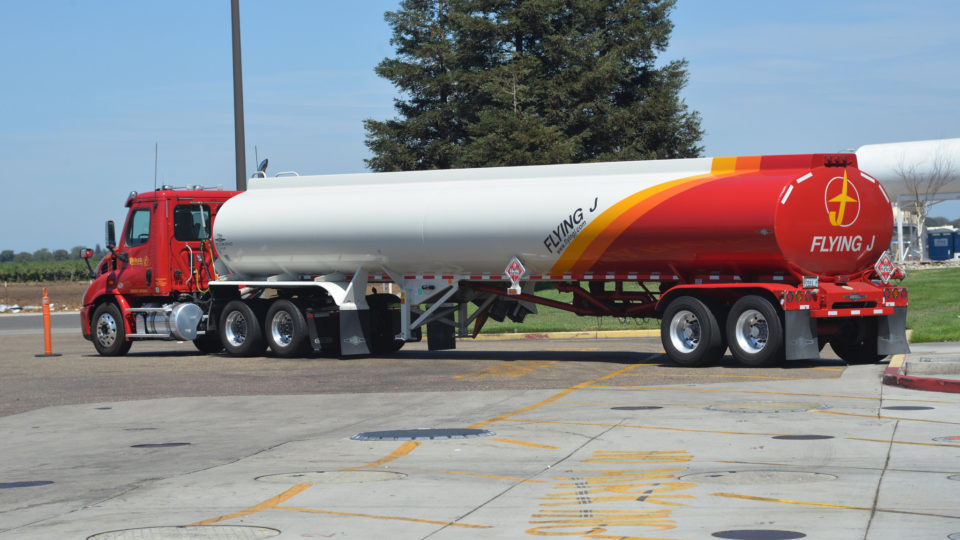
Three years ago, Volkswagen was found to have illegally cheated federal emissions tests in the US using devious programming of emission control devices.  The subterfuge enabled 11 million passenger cars to meet U.S. emissions standards in the laboratory despite that fact that they actually produced up to 40 times higher emissions than the legal limit in real-world driving.

[Read more…] about Diesel Is Dirty

California vs. Fossil Fuels

September 19, 2018 By EarthWise Leave a Comment

https://earthwiseradio.org/wp-content/uploads/2018/09/EW-09-19-18-California-vs-Fossil-Fuels.mp3

California has led the way in deploying and committing to clean energy for a long time.  In August its legislature strengthened that commitment by passing a bill to stop using fossil fuels entirely by 2045.   It is the second state to do so, following Hawaii.  The bill still needs to be passed by the Senate and signed by the governor.  Both actions are expected to occur.

[Read more…] about California vs. Fossil Fuels

The Fight For Greener Cars

June 28, 2018 By EarthWise Leave a Comment

https://earthwiseradio.org/wp-content/uploads/2018/06/EW-06-28-18-The-Fight-for-Greener-Cars.mp3

U.S. automakers have always been reluctant partners in the nation’s efforts to reduce air pollution and improve fuel efficiency. There have been struggles for decades between the carmakers and the government in setting Corporate Average Fuel Economy (or CAFÉ) standards.  During the Obama administration, some of the most demanding fuel economy and emissions standards were mandated.

[Read more…] about The Fight For Greener Cars

New Energy Goals For New York

June 1, 2018 By EarthWise Leave a Comment

https://earthwiseradio.org/wp-content/uploads/2018/06/EW-06-01-18-New-NY-Energy-Goals.mp3

Since 2015, New York has had in place an energy plan aimed at building a clean, resilient and cost-effective energy system for the state.  A key part of that plan is to reduce greenhouse gas emissions by 40% from 1990 levels by the year 2030.  Another major goal is to have 50% of the state’s electricity produced from renewable sources by the same year.

[Read more…] about New Energy Goals For New York

China And Electric Cars

December 19, 2017 By EarthWise Leave a Comment

https://earthwiseradio.org/wp-content/uploads/2017/12/EW-12-19-17-China-and-Electric-Cars.mp3

While American politicians were voting on eliminating tax credits for buyers of electric vehicles, auto executives from around the world were gathering to make ambitious plans to sell more electric cars in China.

[Read more…] about China And Electric Cars

Energy Intensity

September 7, 2016 By WAMC WEB

https://earthwiseradio.org/wp-content/uploads/2016/09/EW-09-07-16-Energy-Intensity.mp3

Every stage of civilization is characterized by its use of energy.   From burning wood to steam engines to our electrified society, energy is behind everything we do.  Over time, human society has become increasingly energy intensive.  As our standards of living have improved and as we overcome the effects of weather – either cold or warm – it takes more and more energy to live the lives we lead.

[Read more…] about Energy Intensity

Primary Sidebar

Recent Episodes

  • An uninsurable future
  • Clean energy and jobs
  • Insect declines in remote regions
  • Fossil fuel producing nations ignoring climate goals
  • Trouble for clownfishes

WAMC Northeast Public Radio

WAMC/Northeast Public Radio is a regional public radio network serving parts of seven northeastern states (more...)

Copyright © 2026 ·