• Skip to primary navigation
  • Skip to main content
  • Skip to primary sidebar

Earth Wise

A look at our changing environment.

  • Home
  • About Earth Wise
  • Where to Listen
  • All Articles
  • Show Search
Hide Search
You are here: Home / Archives for sea

sea

Missing Antarctic Sea Ice | Earth Wise

August 30, 2023 By EarthWise Leave a Comment

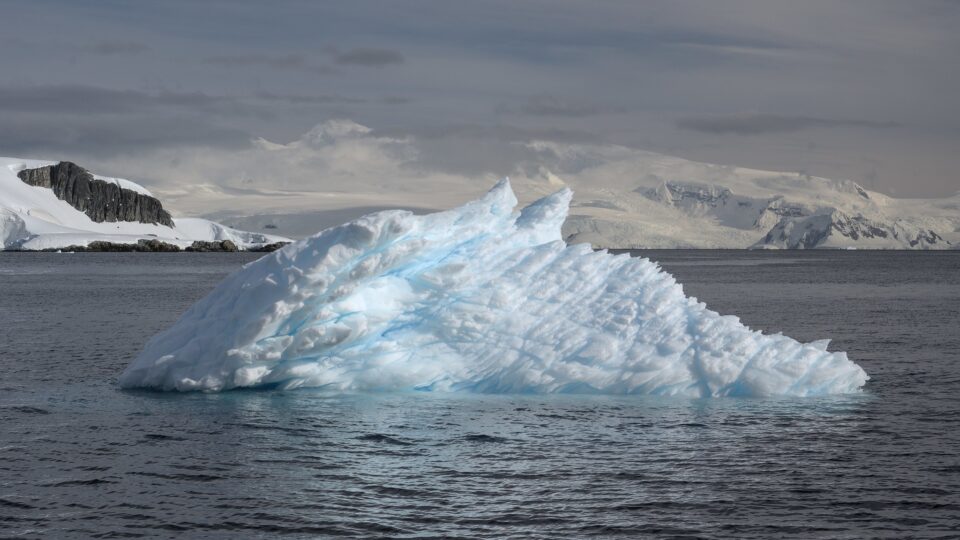
It is summer here in the United States, but it is winter in Antarctica.  Antarctic sea ice is water that forms and melts entirely in the ocean and it has a pattern of growth and reduction that has been monitored by satellites for the past 44 years.  The area of sea ice that surrounds the continent of Antarctica is known as the sea ice ‘extent’ and it had been quite stable for much of those years.

In 2016, the sea ice extent began to decline.  Since then, there have been several record summer lows with both the summers of 2021/22 and 2022/23 setting new minimum records.

This August, the deviation from all previous records intensified.  This winter’s sea ice extent is over 900,000 square miles below the long-term average, an area about the size of Greenland or, for example, Texas and Alaska combined.

Climate models have long predicted that Antarctic sea ice would reduce as a result of global warming but the current change to sea-ice extent is so dramatic that it is difficult to explain.  Sea ice extent is affected by multiple factors including the El Niño Southern Oscillation, the strength of the southern hemisphere jet stream, and regional low-pressure systems.  The warming climate is certainly the overall force that is changing Antarctic sea ice extent over time.

Antarctic sea ice extent is important because it covers a vast area of the dark Southern Sea with a bright white surface that reflects the sun’s energy back into space, helping to reduce temperatures at the pole and protecting glaciers and polar ice sheets. 

**********

Web Links

The mystery of the missing Antarctic sea ice

Photo, posted November 7, 2016, courtesy of Rob Oo via Flickr.

Earth Wise is a production of WAMC Northeast Public Radio
Plastic In Lakes | Earth Wise

August 28, 2023 By EarthWise Leave a Comment

We are always talking about the millions of tons of waste plastic that finds its way into the oceans and about the challenges of trying to remove it.  A new multinational study has found that the concentration of plastics and microplastics in some lakes is even worse than in the so-called garbage patches in the oceans and some of these lakes are even in remote places around the world

Scientists from institutes in multiple countries collected water samples from 38 lakes and reservoirs in 23 countries across six continents.  The samples were then all analyzed by the University of Milan to assess the presence of plastic particles more than a quarter millimeter in size.

The study found that two types of lakes are particularly vulnerable to plastic contamination:  lakes and reservoirs in densely populated and urbanized areas and large lakes with elevated deposition areas, long water-retention times, and high levels of human influence.

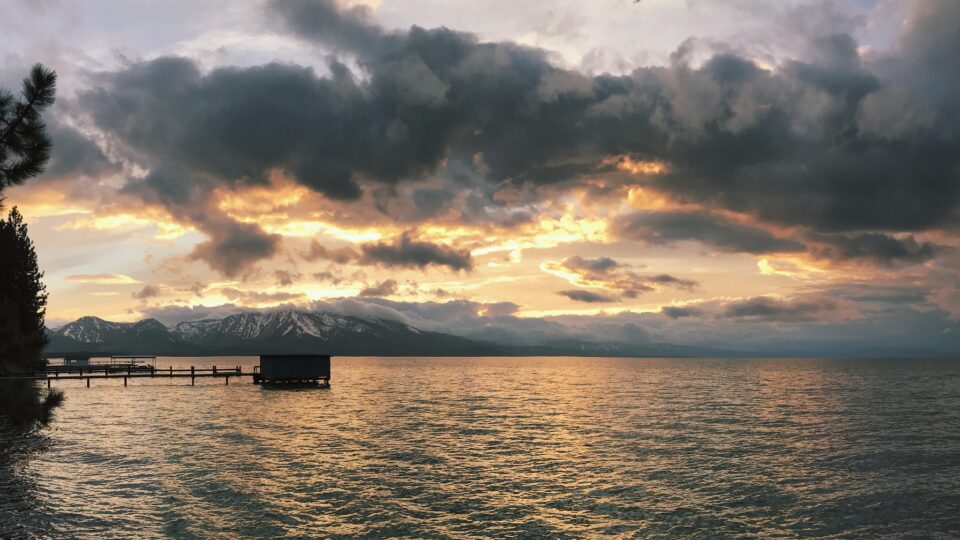
Lakes found to have the highest concentration of plastic included some of the main sources of drinking water for communities and were also important to local economies.  These included Lough Neagh in Northern Ireland, Lake Maggiore in Italy, and Lake Tahoe on the California/Nevada border.  Not all the lakes studied contained large amounts of plastic.  For example, Windermere, the largest lake in England, had very low concentrations of plastic in surface water.

This was the first global survey of the abundance and type of plastic pollution in lakes and reservoirs and the scale of freshwater plastic pollution is sobering indeed.  There is widespread concern that plastic debris is having harmful effects on aquatic species and ecosystem function and clearly is not limited to marine ecosystems.

**********

Web Links

Plastic pollution is higher in some lakes than oceans

Photo, posted May 27, 2019, courtesy of Jonathan Cook-Fisher via Flickr.

Earth Wise is a production of WAMC Northeast Public Radio
Marine Heat Waves | Earth Wise

August 17, 2023 By EarthWise Leave a Comment

Marine heat waves are devastating

In late July, the ocean temperature measured in Florida Bay, between the southern end of the Florida mainland and the Florida Keys, was 101.1 degrees Fahrenheit, a possible world record for sea surface temperature.  There is no official record keeping for ocean temperatures, but the highest previous reading ever reported was 99.7 degrees in the middle of Kuwait Bay in 2020. 

What is going on is a marine heat wave and marine heat waves can last for weeks, months, or even years.  The current Gulf of Mexico marine heat wave has been present for several months, beginning in February or March.  Experimental forecasts by the National Oceanic and Atmospheric Administration say the extreme ocean temperatures in the area may persist through at least October.

The ocean absorbs 90% of the excess heat associated with global warming.  Therefore, marine heat waves all over the planet are becoming warmer over time.  The current marine heat wave would likely have occurred even without climate change, but because of it, the event is extraordinarily warm.

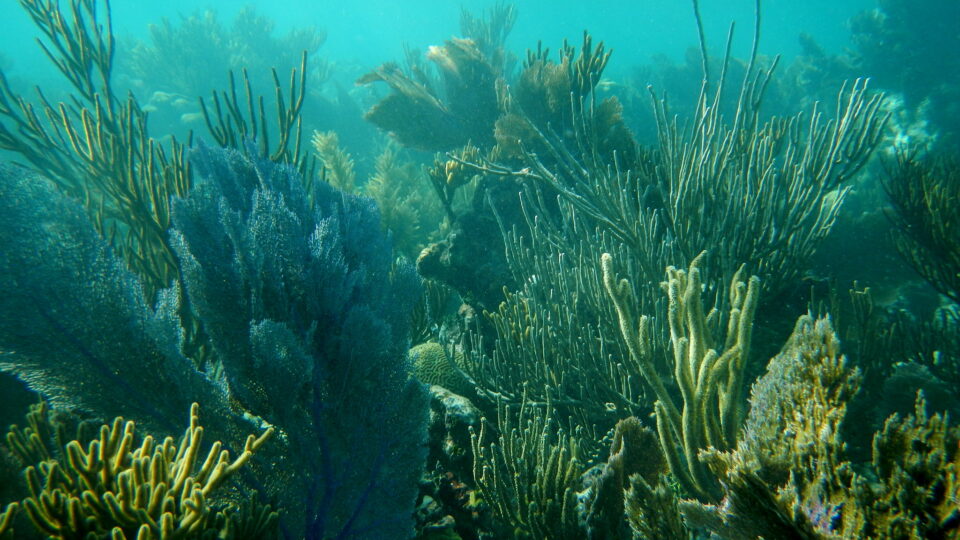
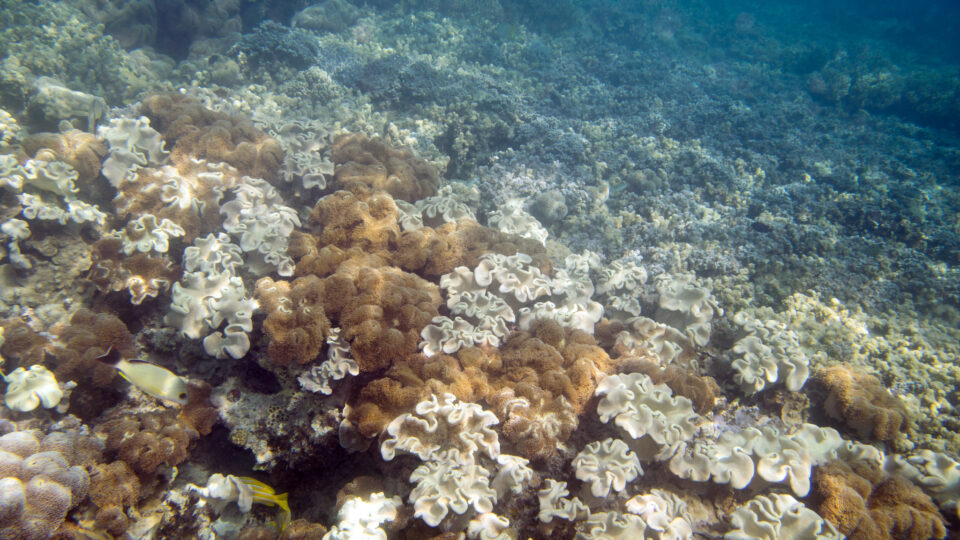
Marine heat waves cause stress to corals and other marine ecosystems.  Exposure to extreme temperatures for long periods of time causes corals to eject the algae that live inside of them, resulting in white or pale coral.  This coral bleaching leaves the coral without food and will ultimately kill it.

In general, extreme heat can be destructive and deadly for marine ecosystems.  A massive marine heat wave known as “the Blob” took hold in 2013-2016 in the northeastern Pacific Ocean and led to an ecological cascade of fishery collapses, toxic algal blooms, and record numbers of humpback whale entanglements.

**********

Web Links

The ongoing marine heat waves in U.S. waters, explained

Photo, posted December 25, 2016, courtesy of Paul Asman and Jill Lenoble via Flickr.

Earth Wise is a production of WAMC Northeast Public Radio
The World’s Hottest Day | Earth Wise

July 27, 2023 By EarthWise Leave a Comment

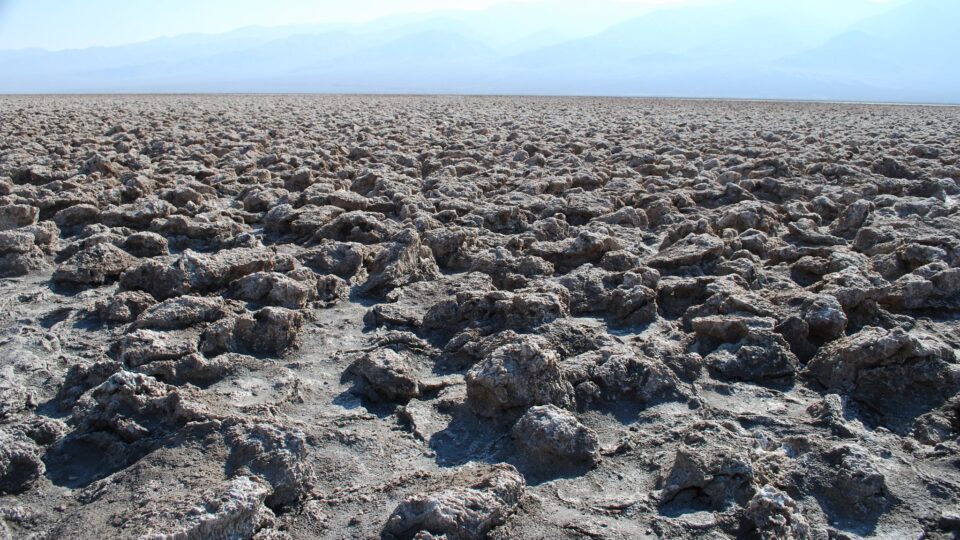
Early in July – for four days in a row – the average global temperature was the highest ever recorded.  As many places around the world endured dangerous heatwaves, the average global temperature on the fourth of July reached 62.92 degrees Fahrenheit, the highest ever recorded by human-made instruments.  On July 6th, the global temperature climbed even further to 63.01 degrees.

The average global temperature on an annual basis was about 56.7 degrees from the 1880s through the 1910s.  Temperatures rose a bit after that but ended up about 57.2 degrees until the 1980s.  After that, temperatures have risen fairly steadily as heat-trapping gases have accumulated in the atmosphere driving the current average above 58 degrees.

Global temperatures have only been directly measured since the mid-20th century.  There are proxy measurements from sources like tree rings, ice core samples, glacier measurements, and more that indicate that the recent readings may be the warmest days the earth has seen in millennia.

Average global temperature is determined using temperature readings at thousands of locations on both land and sea across the entire planet.  Those readings are compared with average temperatures at those locations for the date and the difference (known as the temperature anomaly) used to calculate a global average.

With the recent arrival of the El Niño in the Pacific Ocean, it is likely that the warming already being driven by greenhouse gas accumulation will intensify further. 

In a summer already marked by extreme heatwaves in many locations, having the entire planet 4 or 5 degrees hotter than normal is a very big deal and most certainly not a record to celebrate.

**********

Web Links

Earth reaches hottest day ever recorded 4 days in a row

Photo, posted October 29, 2008, courtesy of Darek via Flickr.

Earth Wise is a production of WAMC Northeast Public Radio
Abandoned Oil Wells In The Gulf Of Mexico | Earth Wise

June 7, 2023 By EarthWise Leave a Comment

Abandoned and unplugged oil wells pose a major risk to the environment

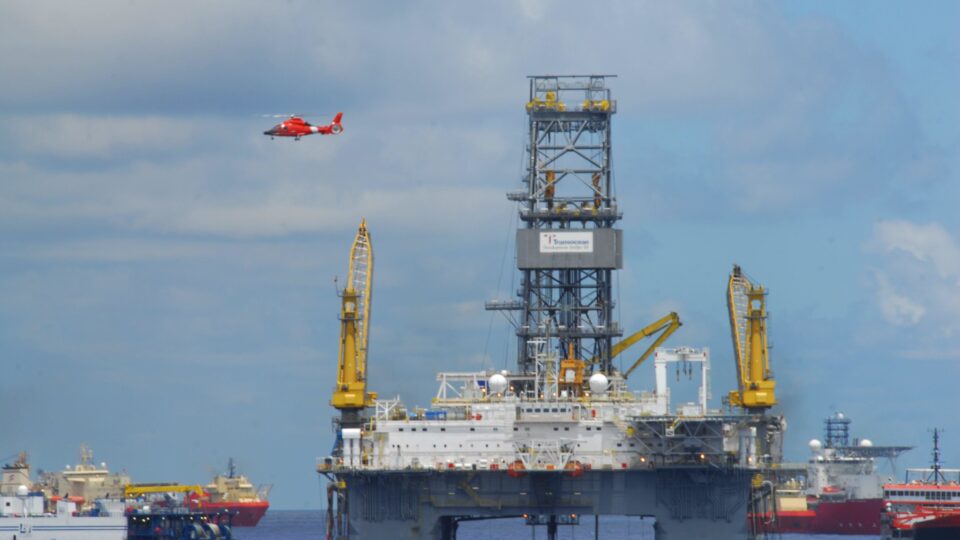
There have been offshore oil platforms in the Gulf of Mexico for 85 years.  After all those decades of drilling, there are now more than 14,000 old, unplugged wells out in the water, and they are at risk of springing dangerous leaks and spills.  There are now more unplugged, non-producing wells than active wells in the gulf.   According to a new study, plugging all those abandoned wells could cost more than $30 billion.

Most of these wells are in federal waters and nearly 90% of them were owned at some point by one of the so-called supermajor oil companies:  BP, Shell, Chevron, and Exxon.  Under federal law, those companies would still be responsible for cleanup costs, even if they might have sold the wells in the past.

Oil and gas companies are legally responsible for plugging wells that are no longer in service, but such companies often go bankrupt, leaving wells orphaned and unplugged and taxpayers end up footing the bill.  The 2021 trillion-dollar infrastructure bill sets aside $4.7 billion to plug orphaned wells, but that is nowhere near enough.  

It may be possible to go after the supermajors to get them to pay for plugging wells in federal waters, but it will undoubtedly be a battle.   In state waters, whose wells are generally in shallower locations, it is even more urgent to act because any pollution from the wells is more likely to reach shore and wreak environmental havoc.

As the world starts to transition away from fossil fuels, decades of mining and drilling in almost every corner of the world, including the oceans, has left behind the need for an immense plugging and cleanup effort.

**********

Web Links

Price to Plug Old Wells in Gulf of Mexico? $30 Billion, Study Says

Photo, posted July 8, 2010, courtesy of John Masson / Coast Guard via Flickr.

Earth Wise is a production of WAMC Northeast Public Radio

A New Deep-Sea Reef In The Galapagos | Earth Wise

June 2, 2023 By EarthWise Leave a Comment

Like in many other places around the world, ocean warming has mostly destroyed the shallow-water reefs in the Galapagos Islands.  The islands are some of the most carefully protected places in the world, but they can’t escape the effects of a warming planet.

Recently, however, scientists have discovered a healthy, sprawling coral reef hidden deep under the sea in the Galapagos.  More than 1,300 feet underwater, the reef extends for several miles along the ridge of a previously unknown volcano in the Galapagos Marine Preserve.

The reef is pristine and is teeming with all sorts of marine life including pink octopus, batfish, squat lobsters, and a variety of deep-sea fish, sharks, and rays.

The expedition that discovered the new reef was led by the University of Essex in the UK.  Prior to this discovery, scientists thought that coral reefs were all but gone from the Galapagos.  A period of ocean warming in 1982 through 1983 wiped out more than 95% of the corals in the archipelago.  Only a few reefs in shallow waters remained.  The newly discovered reefs are sheltered deep under the sea and would have been protected from the deadly heat.

According to the scientists from the expedition, the newly discovered reef potentially has global significance because it represents a site that can be monitored over time to see how such a pristine habitat evolves with the ongoing climate crisis.  Reefs like this are clearly very old because coral reefs take a long time to grow. Finding this one means that it is likely that there are more healthy reefs across different depths that are waiting to be discovered.

**********

Web Links

Pristine Deep-Sea Reef Discovered in the Galápagos

Photo, posted March 28, 2009, courtesy of Derek Keats via Flickr.

Earth Wise is a production of WAMC Northeast Public Radio
Plastic Eating Fungus | Earth Wise

May 26, 2023 By EarthWise Leave a Comment

Researchers exploring the use of fungi to break down plastic

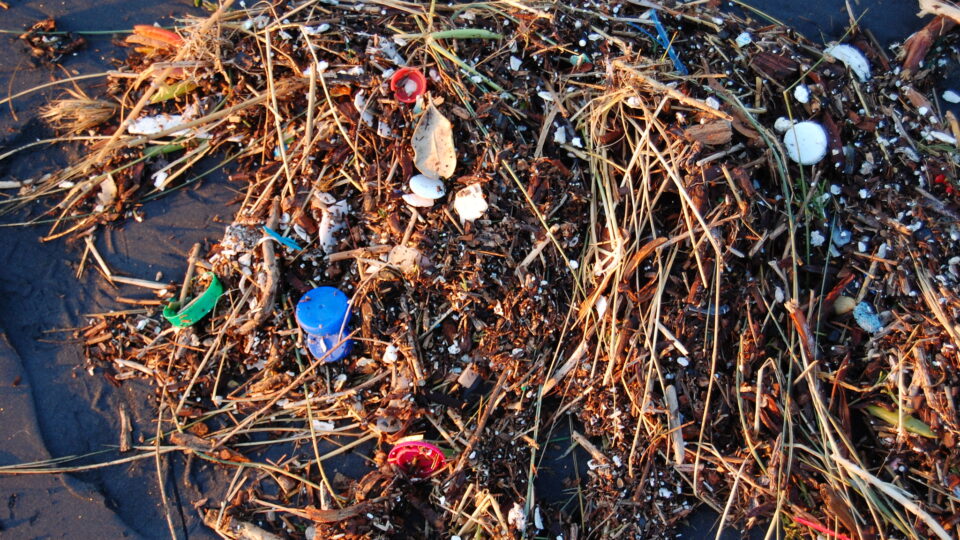
More than five billion tons of plastic have accumulated on land and sea including the most remote regions of the planet as well as in the bodies of animals and humans.  There is a compelling need to recycle as much plastic as possible but doing so is a major challenge. Plastic comes in many varieties and breaking it down for reuse requires different methods for each.

Polypropylene is one of the biggest challenges for recycling.  It is a very common plastic used for all sorts of products including food containers, coat hangers, plastic wrap, toys, and much more. It accounts for roughly 28% of the world’s plastic waste, but only 1% of it is recycled.

Polypropylene is seldom recycled because it generally has a short life as a packaging material, and it often becomes contaminated by other materials and plastics.  Thus, it generally ends up in landfills.

Researchers at the University of Sydney in Australia have discovered that two common strains of fungi were able to successfully biodegrade polypropylene.  The fungi species – with unavoidable Latin names of Aspergillus terreus and Engyodontium album – are typically found in soil and plants.

The researchers found that the fungi were able to break down polypropylene after it had been pre-treated with either UV light or heat, by 21% over 30 days, and by 25-27% over 90 days.  This seems rather slow but compared with the nearly endless life of polypropylene in landfills, it is a major improvement.

The hope is that methods like this could ultimately reduce the amount of plastic polluting the environment by encouraging plastic to biodegrade naturally under the appropriate conditions.

**********

Web Links

Fungi makes meal of hard to recycle plastic

Photo, posted March 5, 2010, courtesy of Kevin Krejci via Flickr.

Earth Wise is a production of WAMC Northeast Public Radio

Seaweed On The Way | Earth Wise

April 28, 2023 By EarthWise Leave a Comment

Massive blob of sargassum heading towards the Gulf of Mexico

A type of seaweed called sargassum has long formed large blooms in the Atlantic Ocean.  It gets its name from the Sargasso Sea in the western Atlantic.  Since 2011, scientists have been tracking massive accumulations of the stuff each year that starts out off the coast of Africa and works its way across the Atlantic to end up in the Gulf of Mexico. 

The amount of sargassum present each year can shift depending on factors like changes in nutrients, rainfall, and wind conditions.  But since the 1980s, nitrogen content in the Atlantic has gone up by 45%.  This is likely due to human activities such as agriculture and fossil fuel production dumping materials into the rivers that feed into the ocean.

According to recent observations, the mass of seaweed now heading for Florida and other coastlines throughout the Gulf of Mexico may be the largest on record.  The giant blob of sargassum spans more than 5,000 miles in extent.  It is moving west and will pass through the Caribbean and up into the Gulf during the summer.  The seaweed is expected to become prevalent on beaches in Florida around July.

The seaweed provides food and protection for fishes, mammals, marine birds, crabs, sea turtles, and more.  But unfortunately, when sargassum hits the beaches, it piles up in mounds that can be difficult to walk through and eventually emits a gas that smells like rotten eggs.

Tourist destinations in the Caribbean region have their work cut out for them to remove seaweed that can pile up several feet deep.  For example, in Barbados, locals were using 1,600 dump trucks a day to clean their beaches.  Caribbean and Florida resorts spend millions of dollars each year to remove sargassum seaweed.

**********

Web Links

A 5,000-mile-wide blob of seaweed is headed for Florida, threatening tourism across the Caribbean

Photo, posted February 24, 2020, courtesy of Bernard Dupont via Flickr.

Earth Wise is a production of WAMC Northeast Public Radio
Powering Future Ships By Wind | Earth Wise

April 25, 2023 By EarthWise Leave a Comment

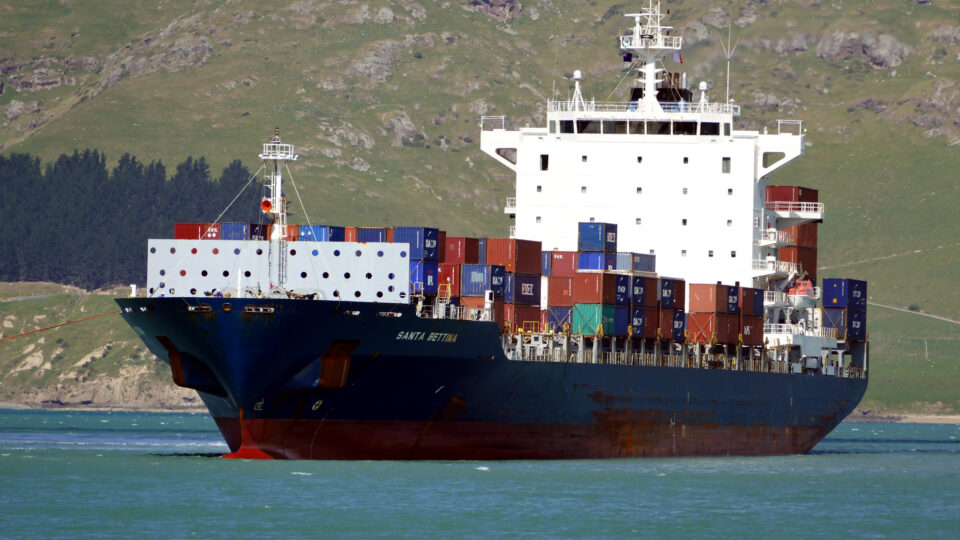
An innovative project out of the UK seeks to reduce carbon emissions at sea by retrofitting large ocean vessels with ultramodern wing-sails to reduce the amount of fuel required to travel the oceans.

Powering ships by wind is certainly nothing new.  However, almost every large ship today is powered entirely by fossil fuels.  A company called Smart Green Shipping has developed retrofit wing-sails called FastRigs that can be installed on existing vessels to reduce fuel consumption. They are also working on additional wind-based technology that can supply all the power required for ships.

FastRig technology is designed to be retrofitted to existing commercial vessels with available deck space – typically bulkers and tankers.  There are about 40,000 such ships that are suitable for conversion to this hybrid power system.  Installing FastRigs is estimated to reduce greenhouse gas emissions by at least 20%.

The company and the UK’s University of Southampton have been funded to investigate the potential of the technology to reduce emissions from existing ships.  The research project will develop software tools to investigate the complex interactions between the wing-sails and ship hydrodynamics to accurately assess the impact on vessel performance.  The software tools will be able to predict the fuel savings delivered by wing-sails.

Smart Green Technologies is developing technology for 100% renewable-powered, new-build ships.  The goal is to create quieter, emission-free ships in the future that do no harm to ocean environments and improve air quality in ports, towns, and cities.  Wind power harnessed using sophisticated digital software and advanced engineering represents a promising way to reduce fuel consumption and related emissions from large ocean vessels.

**********

Web Links

Future ships could be powered by wind to fight climate change

Photo, posted October 27, 2017, courtesy of Bernard Spragg via Flickr.

Earth Wise is a production of WAMC Northeast Public Radio

How To Meet Protected Land Targets | Earth Wise

March 30, 2023 By EarthWise Leave a Comment

How to meet protected land targets

More than half of the world’s countries have set a target of setting aside 30% of land and sea areas across the globe for conservation by 2030, in order to preserve and protect nature and essential services to people.  This pledge creates some difficult questions to answer.

What sorts of land should be protected and where should it be located?  What effects of these new land protections will there be on carbon emissions and the climate and on land usage for food production and energy generation?  Policymakers have to grapple with such questions in order to move forward on these ambitious biodiversity protection goals.

A recent study by the Lawrence Berkeley National Laboratory attempts to answer many of these questions.  The study found that meeting the 30% goal could lead to substantial regional shifts in land use and, in some cases, still fail to protect some of the most important biodiversity hotspots.

Protecting land entails tradeoffs with other land uses and can have negative impacts on the agricultural sector as well as land use for bioenergy crops and forest land use for timber.

In particular, the study found that the amount of land used for crops for conversion into biofuels could be significantly impacted by doubling current protected areas while still preserving the amount of land used for food crops.  This is particularly true for land in Russia and Canada.

The study also found that while it may be possible to meet the 30% target by only protecting agriculturally unsuitable land, it may not end up protecting many of the world’s 36 identified biodiversity hotspots.  The uneven distribution of species has a significant bearing on how to manage the conservation of biodiversity.

**********

Web Links

Doubling Protected Lands for Biodiversity Could Require Tradeoffs With Other Land Uses, Study Finds

Photo, posted September 19, 2020, courtesy of John Brighenti via Flickr.

Earth Wise is a production of WAMC Northeast Public Radio
Fertilizing The Ocean | Earth Wise

January 23, 2023 By EarthWise Leave a Comment

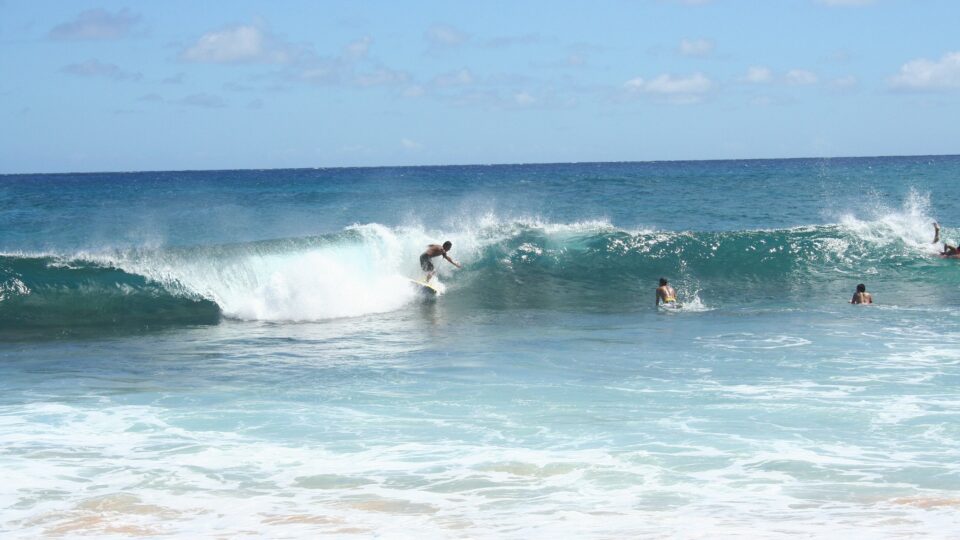
There are a variety of schemes for removing carbon dioxide from the atmosphere.  Some require advanced and generally not-very-well developed technology.  Others, such as planting vast numbers of trees, are nature-based but are daunting with respect to the scale to which they need to take place in order to be truly effective.

Researchers at the Pacific Northwest National Laboratory in Richland, Washington have been examining the scientific evidence for seeding the oceans with iron-rich engineered fertilizer in order to feed phytoplankton.  Phytoplankton are microscopic plants that are a key part of the ocean ecosystem.

Phytoplankton take up carbon dioxide as they grow.  In nature, nutrients from the land end up in the ocean through rivers and from blowing dust.  These nutrients fertilize the plankton.  The idea is to augment these existing processes to increase the growth of phytoplankton.  As they eventually die, they sink deep into the ocean, taking the excess carbon with them.


The researchers argue that engineered nanoparticles could provide highly controlled nutrition that is specifically tuned for different ocean environments.  Surface coatings could help the particles attach to plankton.  Some could be engineered with light-absorbing properties, allowing plankton to consume and use more carbon dioxide.

Analysis of over 100 published studies showed that numerous non-toxic, abundant, and easy-to-create metal-oxygen materials could safely enhance plankton growth.  According to the researchers, the proposed fertilization would simply speed up a natural process that already sequesters carbon in a form that could remove it from the atmosphere for thousands of years.  They argue that given the current trends in the climate, time is of the essence for taking action.

**********

Web Links

Fertilizing the Ocean to Store Carbon Dioxide

Photo, posted August 2, 2007, courtesy of Kevin McCarthy via Flickr.

Earth Wise is a production of WAMC Northeast Public Radio

An Agreement To Protect Biodiversity | Earth Wise

January 18, 2023 By EarthWise Leave a Comment

The UN Biodiversity Conference in Montreal in December concluded with a historic deal aimed at stemming the rising tide of extinctions.  Nearly 200 countries signed on to the agreement to protect 30% of the Earth’s land and sea by the end of this decade.

Part of the agreement also pledges that countries will reduce fertilizer runoff from farms by 50%, reduce the use of harmful pesticides by 50%, and stem the flow of invasive species. 

Of course, all of these promises are only words unless they are backed up by actions and actions cost money.  The agreement promises to direct $200 billion a year towards biodiversity by the end of this decade.  Wealthy countries were urged to provide $100 billion a year to fund the actions of poorer countries, but they resisted the pressure.  Eventually, they did agree to send $30 billion a year to developing countries by 2030.

It is a significant step forward to establish clear targets for stopping biodiversity loss.  However, the ultimate success of the pact will depend on the willingness of countries to cooperate and compromise.

According to UN estimates, about a million species across the globe face extinction as a result of rising temperatures, air and water pollution, invasive species, and habitat loss due to development.   At present, only 16% of land and 8% of the oceans are within protected areas. 

The UN Environment Program stated that “for far too long humanity has paved over, fragmented, over-extracted, and destroyed the natural world on which we all depend.  Now is our chance to shore up and strengthen the web of life, so it can carry the full weight of generations to come.”

**********

Web Links

In Historic Deal, Countries Agree to Protect 30 Percent of Earth to Halt Biodiversity Loss

Photo, posted August 13, 2015, courtesy of Andrew H via Flickr.

Earth Wise is a production of WAMC Northeast Public Radio
Triple La Niña | Earth Wise

January 16, 2023 By EarthWise Leave a Comment

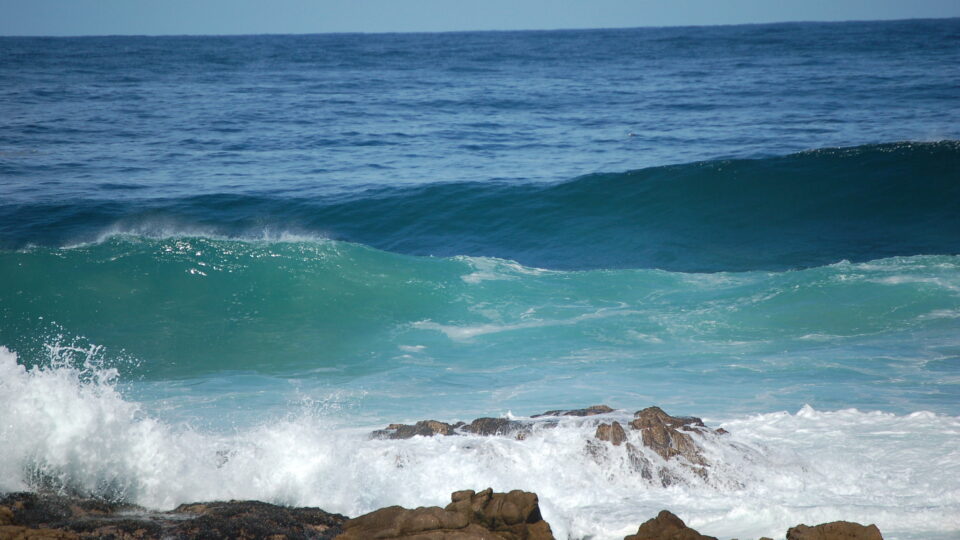
La Niña is an oceanic phenomenon consisting of cooler than normal sea-surface temperatures in the central and eastern tropic Pacific.  It is essentially the opposite of the better-known El Niño.   These sea-surface phenomena affect weather across the globe.  As one oceanographer put it:  when the Pacific speaks, the whole world listens.

There is currently a La Niña underway, and it is the third consecutive northern hemisphere winter that has had one.  This so-called triple-dip event is rather rare.  The only other times they have been recorded over the past 70 years were in 1954-56, 1973-76, and 1998-2001.

La Niñas appear when strong easterly trade winds increase the upwelling of cooler water from the depths of the eastern tropical Pacific Ocean near the equator.  This causes large-scale cooling of the ocean surface.  The cooler ocean surface modifies the moisture content of the atmosphere across the Pacific and can cause shifts in the path of jet streams that intensifies rainfall in some places and causes droughts in others.

These weather effects tend to include floods in northern Australia, Indonesia, and southeast Asia and, in contrast, drought in the American southwest.  In North America, cooler and stormier conditions often occur across the Pacific Northwest while the weather becomes warmer across the southern US and northern Mexico.

In the spring, the tropic Pacific essentially resets itself and starts building toward whatever condition will happen in the following winter, be it another La Niña or possibly an El Niño.   For the time being, forecasters expect the current La Niña to persist through February.

**********

Web Links

La Niña Times Three

Photo, posted March 10, 2007, courtesy of Gail via Flickr.

Earth Wise is a production of WAMC Northeast Public Radio
California Offshore Wind Auction | Earth Wise

January 10, 2023 By EarthWise Leave a Comment

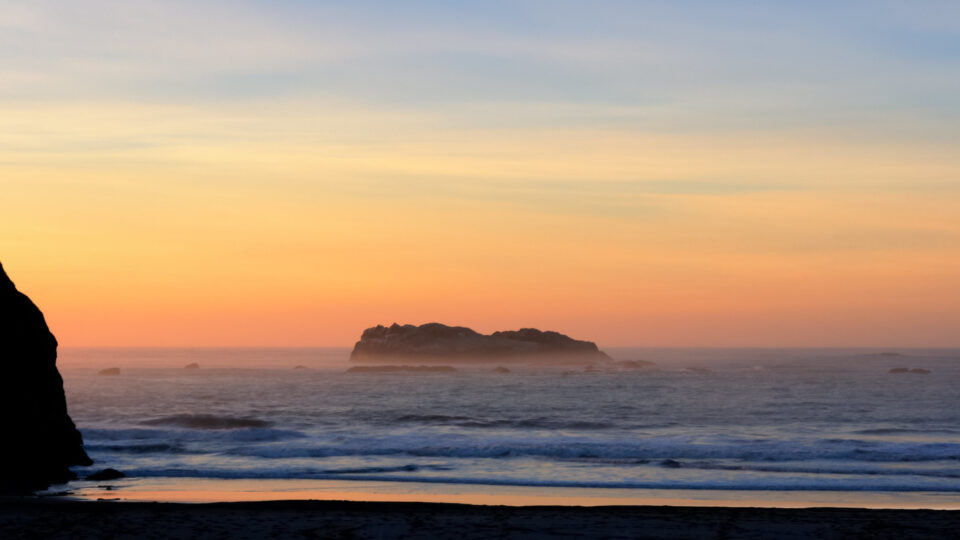
In December, the Bureau of Ocean Energy Management held the first auction for offshore wind energy leases on the West Coast.  The BOEM lease sale offered five lease areas covering 373,268 acres off the central and northern California coast.  The leased areas have the potential to produce over 4.6 gigawatts of wind energy, which is enough to power 1.5 million homes.

The auction drew competitive bids from five companies totaling over $750 million.  The winning bidders were RWE Offshore Wind Holdings, California North Floating, Equinor Wind, Central California Offshore Wind, and Invenergy California Offshore. 

RWE is a German company with subsidiaries across the globe.  California North Floating is an affiliate of the Danish developer Copenhagen Infrastructure Partners.  Equinor Wind is a Norwegian company already heavily involved in offshore wind projects on the East Coast.  Central California Offshore Wind is managed by a joint venture between Spanish and French energy companies.   Invenergy is a privately held global developer and operator of renewable energy headquartered in Chicago.

The bidders will receive credits for participating in programs that support work force training programs for the floating offshore wind industry and/or the development of a US domestic supply chain for that industry. 

Offshore wind off the Pacific coast has enormous potential for enhancing the country’s energy future but represents a significant challenge because the deep ocean floors necessitate the use of floating wind technology as opposed to turbines that are affixed to the sea floor.

**********

Web Links

Biden-Harris Administration Announces Winners of California Offshore Wind Energy Auction

Photo, posted December 30, 2013, courtesy of Derek Finch via Flickr.

Earth Wise is a production of WAMC Northeast Public Radio.

Whales Eating Plastic | Earth Wise

December 1, 2022 By EarthWise Leave a Comment

Whales are eating lots of plastic

Plastic waste has been accumulating in the world’s oceans in greater and greater quantities and much of it is in the form of microplastic particles.  Many kinds of whales – the largest creatures on Earth – feed by gulping up mouthfuls of krill and other tiny creatures and then straining the seawater through bristly filter structures called baleens.  As they do this, they are likely to be swallowing large amounts of plastic.

Scientists at Stanford University recently estimated just how much plastic whales are ingesting by tracking the foraging behavior of 65 humpback whales, 29 fin whales, and 126 blue whales in the Pacific Ocean.  Each of the whales was tagged with a camera, microphone, and GPS device suction-cupped to their back.

After accounting for the concentration of microplastics in parts of the Pacific Ocean, the researchers were able to estimate the amount of plastic the whales were consuming.  Humpback whales likely consume 4 million microplastic pieces each day, adding up to about 38 pounds of plastic waste.  Fin whales swallow an estimated 6 million pieces each – amounting to 57 pounds of plastic.  Blue whales, which are the largest creatures on Earth, eat an estimated 10 million microplastic pieces, or as much as 95 pounds of plastic waste each day.

Despite their enormous size, whales actually eat rather low on the food chain, which puts them close to where the plastic is in the water.   Krill eats plastic and whales eat the krill.   Many marine animals are at risk of eating microplastics, but whales are unique in that they can consume so much of it.  It is just one more way in which the ocean plastic situation is a global crisis.

**********

Web Links

Blue Whales Swallowing 95 Pounds of Plastic Daily, Scientists Estimate

Photo, posted October 21, 2005, courtesy of Tobias Begemann via Flickr.

Earth Wise is a production of WAMC Northeast Public Radio
A Better Way To Recycle Plastics | Earth Wise

November 10, 2022 By EarthWise Leave a Comment

The global accumulation of plastic waste is an ever-growing problem.  At least five billion tons of the stuff has accumulated on land and sea and is even showing up in the bodies of animals and humans.  Recycling plastic instead of making even more of it seems like an essential thing to do but it has proven to be extremely challenging.

The main problem is that plastics come in many different varieties and the ways of breaking them down into a form that can be reused are very specific to each type of plastic.  Sorting plastic waste by plastic type is extremely impractical at large scale.  Certainly, most consumers can’t do it themselves.  As a result, most plastic gathered in recycling programs ends up in landfills.

New research at MIT has developed a chemical process using a catalyst based on cobalt that is very effective at breaking down a variety of plastics, including polyethylene and polypropylene, which are the two most widely produced plastics.   The MIT process breaks plastics down into propane.  Propane can be used as a fuel or as a feedstock for making many different products, including new plastics.

Plastics are hard to recycle because their long-chain molecules are very stable and difficult to break apart.  Most chemical methods for breaking their chemical bonds produce a random mix of different molecules which would somehow have to be sorted out in order to be useful for anything.

The new process uses a catalyst called a zeolite that contains cobalt nanoparticles.  The catalyst selectively breaks down various plastic polymer molecules and turns more than 80% of them into propane.

The researchers are still studying the economics and logistics of the method, but it looks quite promising.

**********

Web Links

New process could enable more efficient plastics recycling

Photo, posted April 25, 2016, courtesy of NOAA Coral Reef Ecosystem Program via Flickr.

Earth Wise is a production of WAMC Northeast Public Radio
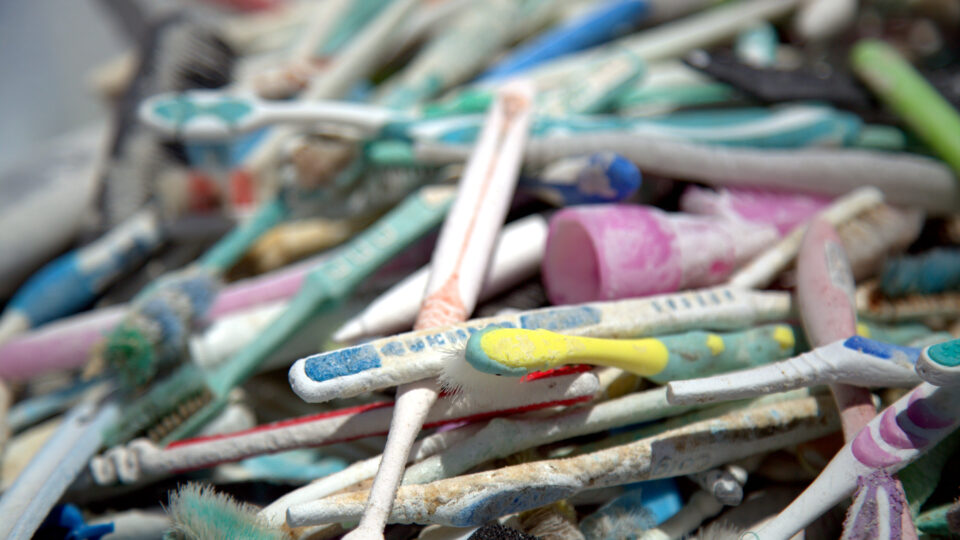
Tracking Small-Scale Fishers | Earth Wise

October 4, 2022 By EarthWise Leave a Comment

How to track small-scale fishers

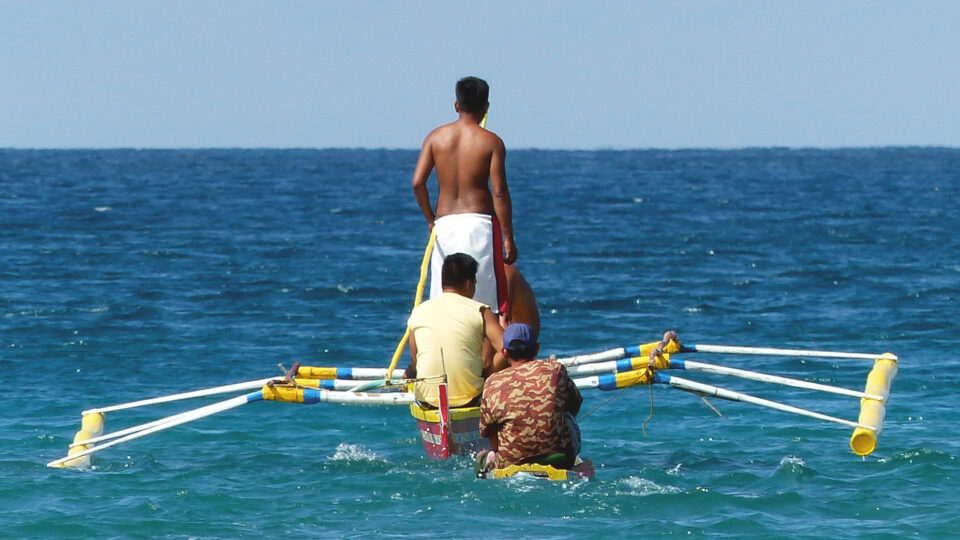
About half of all global seafood is caught by artisanal fishers.  These are individuals who operate on a small scale – often on a subsistence level – and typically fish only a short distance from shore.  Over 85% of the estimated 2.5 million motorized fishing vessels in the world are less than 12 meters in length.  Compared with large-scale commercial fishing operations, these enterprises are very small.  However, they are essential to the food security and livelihoods of their communities.   Because of their sheer numbers, artisanal fishers are an important sector to monitor, manage, and advocate for.  They may be small-scale, but their importance and impact are huge.

Large ships make use of vessel tracking systems, which were originally conceived to prevent maritime collisions.  Over time, VTS technology has become useful for other purposes including monitoring fishing activity in sensitive marine areas and looking out for forced labor on the high seas.

Among small fishing vessels, only an estimated 0.4% are equipped with VTS technology.  So, a massive number of vessels accounting for a big part of the global catch cannot be monitored.

Researchers at UC Santa Barbara surveyed hundreds of artisanal fishers in Indonesia and Mexico to see if they were willing to pay to participate in a VTS program, or participate for free, or be paid to participate.  Having the equipment would provide multiple benefits to the fishers including increased safety and better fisheries management.  Two-thirds of the survey participants said they were willing to pay for the technology.  The study is the first effort to explore the potential for encouraging wide adoption of VTS technology among artisanal fishers.

**********

Web Links

Tracking Small-Scale Fishers

Photo, posted November 30, 2014, courtesy of Bernard Spragg via Flickr.

Earth Wise is a production of WAMC Northeast Public Radio
Environmental DNA | Earth Wise

August 5, 2022 By EarthWise Leave a Comment

Marine protected areas are sections of the ocean where governments place limits on human activity.  They are intended to provide long-term protection to important marine and coastal ecosystems.  MPAs are important because they can protect depleted, threatened, rare, and endangered species and populations.

In January 2020, the Republic of Palau in the western Pacific Ocean created one of the world’s largest marine protected areas.  The Palau National Marine Sanctuary covers 80% of the country’s economic zone and prohibits all extractive activity like fishing and mining over a 183,000 square mile area in order for the island nation to ensure its food security and grow its economy in the face of climate change.

The Marine Sanctuary is an ambitious enterprise.  The question is how Palau can evaluate whether and how well it is working?

A team of scientists from Stanford University and Palau-based colleagues are making use of Environmental DNA – or eDNA – technology to monitor the large-scale marine protected area.  eDNA is the cells, waste, viruses, and microorganisms that plants and animals leave behind.  Samples of marine eDNA effectively provide a fingerprint of the organisms that have recently passed through the water in a given area.  This gives scientists a way to assess an ecosystem’s biodiversity and keep track of the types of species inhabiting a specific area.  Using eDNA, it is possible to keep track of all the  organisms that live below the surface and learn about things we can’t even see.

The team has embarked on a program of periodic sampling of the waters off Palau and hope to be able to monitor the results of establishing the Marine Sanctuary.

**********

Web Links

eDNA: Bringing biodiversity to the surface

Photo, posted June 12, 2013, courtesy of Gregory Smith via Flickr.

Earth Wise is a production of WAMC Northeast Public Radio.

Floating Offshore Wind | Earth Wise

April 21, 2022 By EarthWise Leave a Comment

Floating offshore wind becoming a reality

According to a new report by the Global Wind Energy Council, floating offshore wind technology is on track to grow from a miniscule market to a substantial contribution to the world’s energy supply over the next decade.  Furthermore, the United States represents one of the countries with the greatest potential.

Wind power is stronger and steadier in the ocean than on land, so the use of offshore wind is rapidly expanding.  However, because most installations are based on fixed structures attached to the sea bottom, they cannot be installed in very deep or complex seabed locations.

Floating offshore wind is based on structures that are anchored to the seabed only by means of flexible anchors, chains, or steel cables.  Apart from making it feasible to place wind turbines in deeper and more distant locations, floating turbines and platforms can also be built and assembled on land and then towed to the offshore installation site.

The floating offshore wind industry is currently in a pre-commercial phase but has great potential.  Many offshore locations with great potential in terms of their wind resources are unsuitable for conventional installations either because of the depth of the seabed or its complex structure.  This is particularly true of the waters off the coasts of California, Oregon, and the Gulf Coast, which otherwise offer excellent wind resources.

There are many issues to deal with in expanding the use of floating offshore wind, including transporting the power to shore and the ability of the local power grids to handle the incoming power.  On the other hand, distantly placed floating offshore wind reduces environmental concerns and eliminates issues associated with the visual impact of wind farms for coastal residents.

**********

Web Links

What’s the potential of floating offshore wind?

Photo, posted May 10, 2015, courtesy of Olin Gilbert via Flickr.

Earth Wise is a production of WAMC Northeast Public Radio.

Training Corals To Tolerate Heat | Earth Wise

April 19, 2022 By EarthWise Leave a Comment

Conditioning corals to tolerate heat

When ocean water is too warm, corals expel the algae that lives in their tissues, which causes the coral to turn completely white.  This is called coral bleaching.   When this happens, the coral is not dead.  However, corals are dependent upon the symbiotic relationship with algae and if conditions don’t improve, they don’t let the algae back in and the corals will die.

According to the National Oceanic and Atmospheric Administration, between 2014 and 2017, around 75% of the world’s tropical coral reefs experienced heat stress severe enough to trigger bleaching.  For 30% of the world’s reefs, the heat stress was enough to kill the coral.

According to new research by the University of Miami published in the journal Coral Reefs, corals subjected to a stressful regimen of very warm water in the laboratory came to be more tolerant of high temperatures, offering a potential tool for preserving ailing coral reefs.

In the study, some corals were kept in water at a constant temperature of 82 degrees while others saw water temperatures fluctuating between 82 degrees and 88 degrees.  After 90 days of this treatment, the corals exposed to variable temperatures were able to tolerate high heat for longer periods before bleaching.  This training regime is akin to an athlete preparing for a race.

The findings suggest a possible approach for restoring coral reefs.  Nursery-raised corals that are “trained” to tolerate heat could be planted onto reefs endangered by warming waters.  Reefs populated by corals with boosted stamina to heat stress could have a greater chance of surviving the warming waters of the oceans.

**********

Web Links

Some Corals Can Be Conditioned to Tolerate Heat, Study Finds

Photo, posted December 16, 2015, courtesy of Big Cypress National Preserve via Flickr.

Earth Wise is a production of WAMC Northeast Public Radio.

  • « Go to Previous Page
  • Page 1
  • Page 2
  • Page 3
  • Page 4
  • Interim pages omitted …
  • Page 7
  • Go to Next Page »

Primary Sidebar

Recent Episodes

  • An uninsurable future
  • Clean energy and jobs
  • Insect declines in remote regions
  • Fossil fuel producing nations ignoring climate goals
  • Trouble for clownfishes

WAMC Northeast Public Radio
WAMC/Northeast Public Radio is a regional public radio network serving parts of seven northeastern states (more...)
Copyright © 2026 ·