Waste due to excess packaging of the products we buy is a real problem. It is one that most of us are conscious of and more and more businesses are making efforts toward eco-friendly packaging. There is increased use of cardboard, which is recyclable. Most of us try to reduce our waste through recycling. But as we buy more things online and have a growing variety of things delivered to our homes, it is a struggle to receive the things we order in good condition and not end up with piles of packaging materials.
Ocean energy is about to take an important step towards making a real impact in Scotland. The MeyGen Tidal Array Project is reaching the final construction of its demonstration phase, which will be the first test of multiple underwater turbines sited together in a full-scale array.
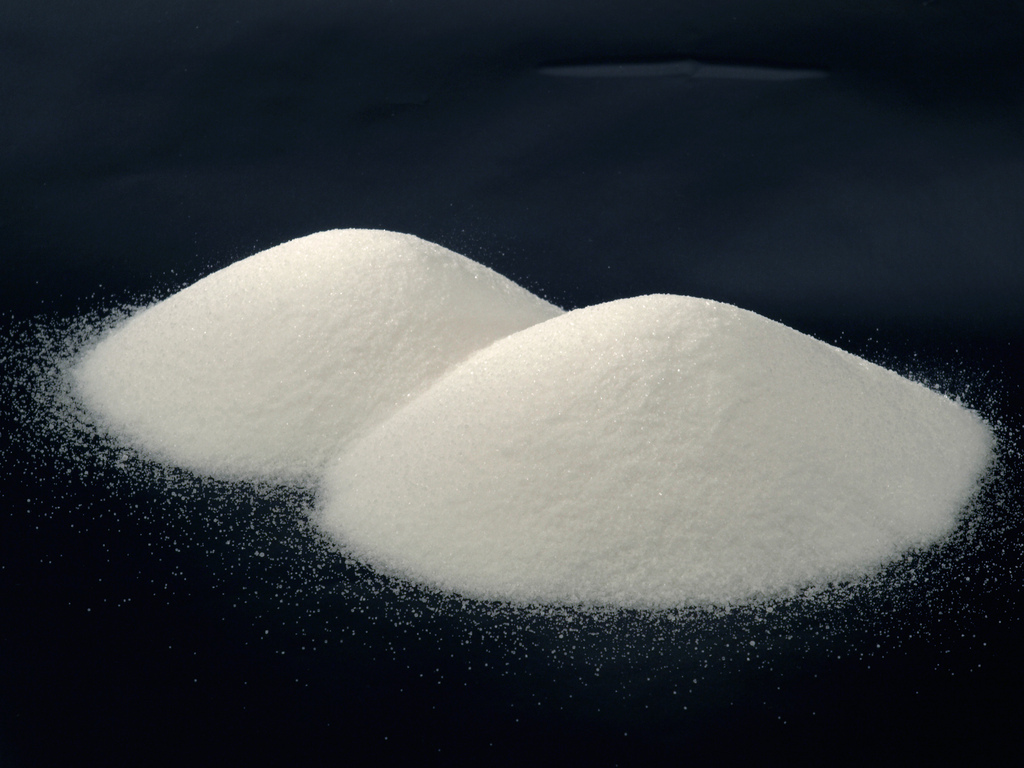
The Persian Gulf along with the Red and Mediterranean seas are getting saltier all the time because of the waste products of desalination. The United Arab Emirates, Saudi Arabia, Kuwait, Qatar, Bahrain and Oman account for 45% of the world’s desalination capacity. And the byproduct of desalination is brine, which is twice as salty as seawater. Even advanced desalination plants produce two cubic meters of waste brine for every one cubic meter of clean water.
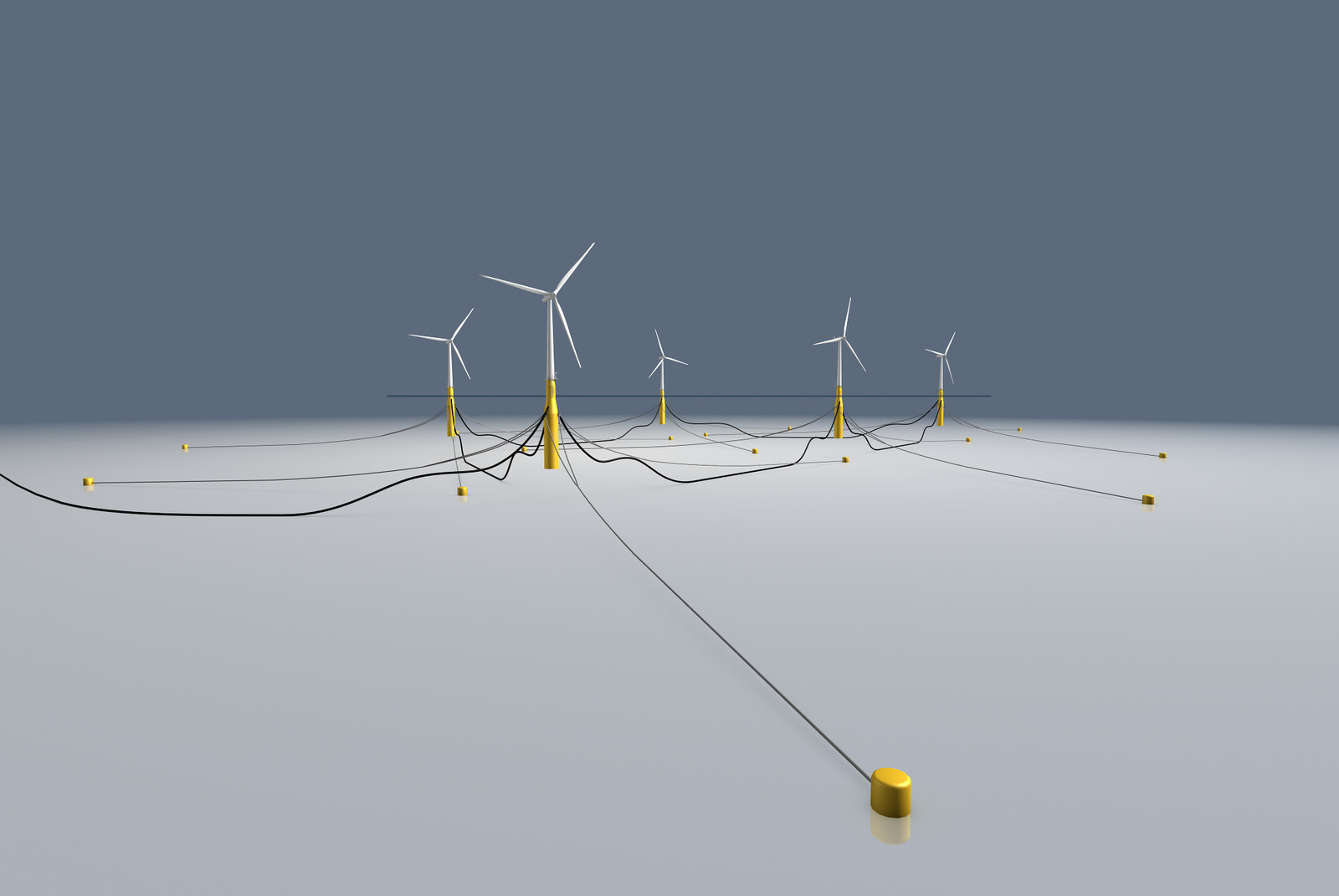
The world’s first floating wind farm is being built 15 miles off the northeast coast of Scotland. The Hywind pilot park, expected to come online late next year, will generate enough power for 20,000 homes. The location will take advantage of average local North Sea wind speeds in excess of 20 miles per hour.
We have talked quite a bit about food waste and in particular its impact on world hunger and on the economy. The world wastes more than $750 billion worth of food each year and 1.6 billion tons of food is left in fields, sent to landfills or scattered about the landscape. Another 7 million tons of fishery discards are dumped in the sea.
Today, thousands of personal care products – such as facial scrubs, body washes, and toothpastes – are known to contain minuscule balls of plastic called microbeads. When we shower or brush our teeth, these microbeads are washed down the drain and travel undetected through wastewater treatment plants. When they reach their final destination — our lakes, rivers and oceans — they mix with other sources of microplastics, including industrial waste and degraded plastic litter.
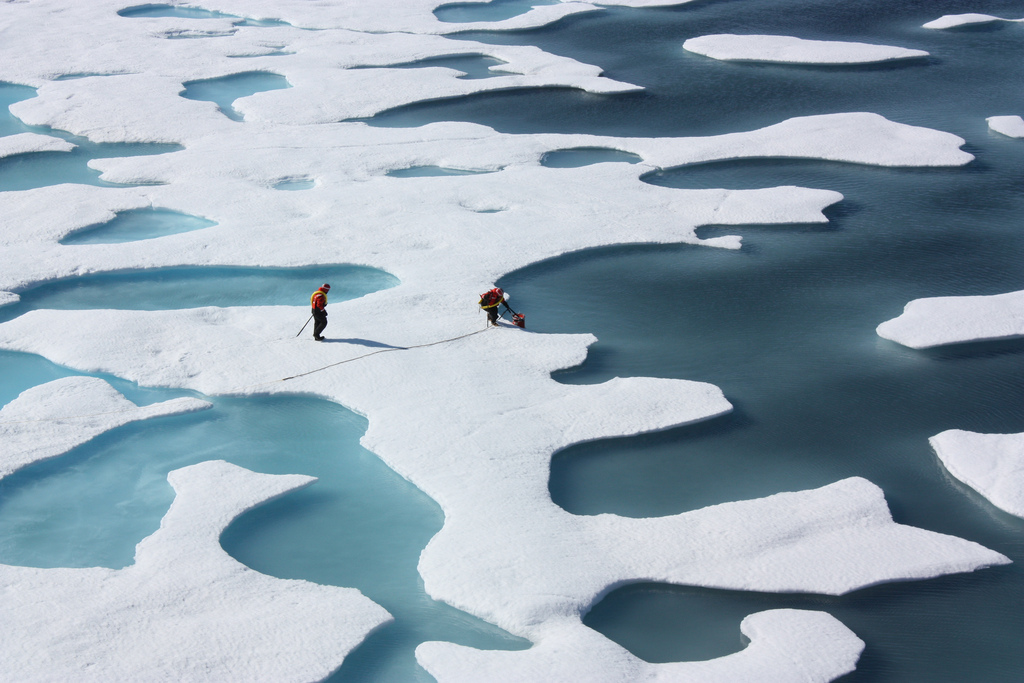
There is no dry land at the North Pole and under much of the Arctic ice pack. There, the ocean is covered with sea ice. When this ice melts, it does not cause a rise in sea level, the same way ice cubes melting in your water glass don’t cause it to overflow.
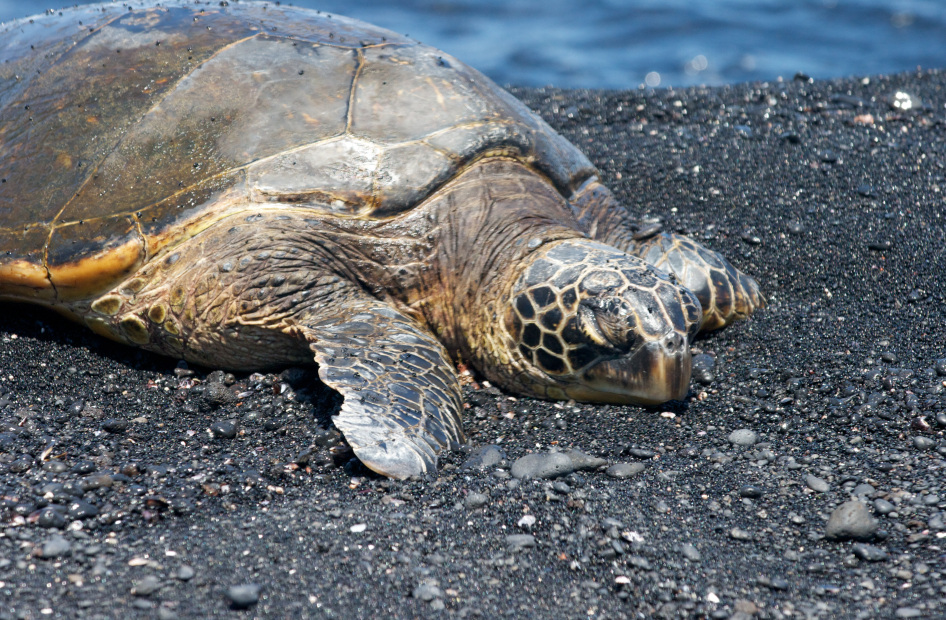
One of the great pleasures of a tropical vacation is the opportunity to swim alongside sea turtles. These large aquatic reptiles go about their business munching on ocean plants paying little attention to the captivated snorkelers in their midst.