• Skip to primary navigation
  • Skip to main content
  • Skip to primary sidebar

Earth Wise

A look at our changing environment.

  • Home
  • About Earth Wise
  • Where to Listen
  • All Articles
  • Show Search
Hide Search
You are here: Home / Archives for sea level

sea level

Trouble On The Colorado

April 4, 2019 By EarthWise Leave a Comment

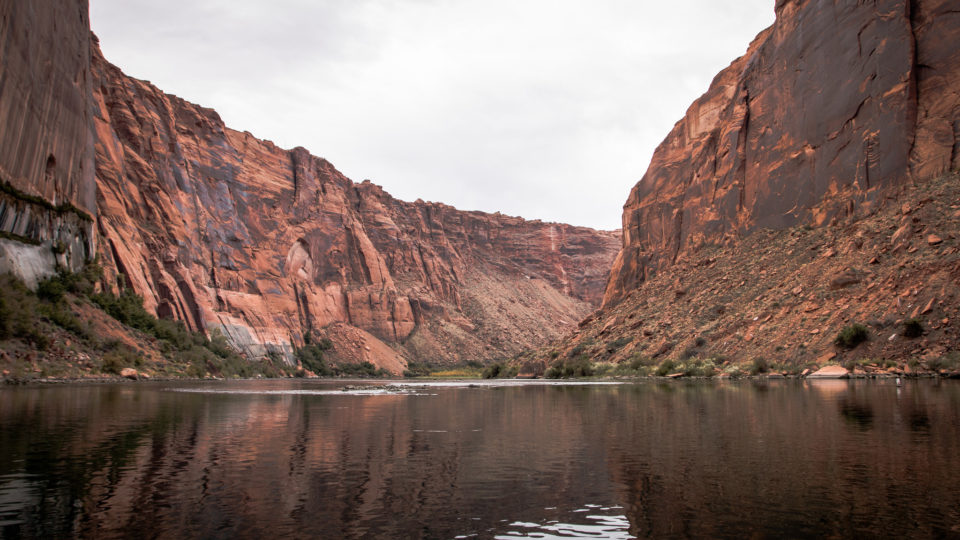
The 1450-mile-long Colorado River begins in the Rocky Mountains and wends its way to the Gulf of California, creating the Grand Canyon along the way, and providing water to some 40 million people.  The amount of Colorado River water promised to users is far more than actually flows between its banks, and that amount is dropping.

An unrelenting drought since 2000 has resulted in the water levels of the two largest reservoirs of Colorado River water – Lake Mead and Lake Powell – being at all-time lows.

Lake Mead, just outside of Las Vegas, is the reservoir of Hoover Dam, which provides power for millions of people in Southern California, Nevada, and Arizona.  The last time Lake Mead was full was in 1983.  It has slowly declined and now is 40% full.

If the lake level drops another 7 feet to 1075 feet above sea level, it will trigger a Tier 1 declaration, mandating cuts to water allocations to Arizona and other states.  If the level drops to 1050 feet, it would reach Tier 2 at which point Hoover Dam would have to stop generating electricity because water levels would be too low to flow through it.  If the lake level drops all the way to 895 feet, it would be below the level at which water can be piped out of it.  This is known as the “dead pool”.

These scenarios are no longer doomsday fantasies.  Water managers in the Southwest see the writing on the wall and are busy making contingency plans and developing ways to use less water from the Colorado River.  The booming city of Phoenix in particular is hard at work finding alternative ways to provide water for its millions of citizens.  On the Colorado, drought in the new normal.

**********

Web Links

On the Water-Starved Colorado River, Drought Is the New Normal

Photo, posted October 24, 2016, courtesy of Sharon Mollerus via Flickr.

Earth Wise is a production of WAMC Northeast Public Radio.
Examining Sea Level Rise

January 17, 2019 By EarthWise Leave a Comment

It’s no secret that sea levels along the East Coast of the United States are rising.  But what’s less known is that the water isn’t rising at the same rate everywhere.  As the climate continues to change, some cities may remain dry while others struggle to keep water out. 

During the 20th century, sea levels rose about 18 inches near Cape Hatteras in North Carolina and along the Chesapeake Bay in Virginia.  During that same time period, New York City and Miami experienced a 12 inch sea level rise, while the waters near Portland, Maine only rose 6 inches.  According to a study recently published in the journal Nature, there’s an explanation for this. 

The variation is a result of a phenomenon called “post-glacial rebound.”  During the last ice age, huge sheets of ice once covered land areas in the Northern Hemisphere, including parts of the Northeast U.S.  The weight of the ice weighted down the land like a boulder on a trampoline.  At the same time, peripheral lands such as the U.S. mid-Atlantic coast rose up.  As the ice melted, the previously weighted-down regions rebounded while the peripheral lands began to sink.  While these ice sheets disappeared some 7,000 years ago, this see-sawing of post-glacial rebound continues to this day. 

Researchers combined data from GPS satellites, tide gauges, and fossils in sediment with complex geophysical models to produce this comprehensive view of sea level change since 1900.  While post-glacial rebound accounts for most of the sea level variation along the East Coast, researchers noted that when that factor is stripped away, “sea level trends increased steadily from Maine all the way down to Florida.”

**********

Web Links

Why is sea level rising faster in some places along the US East Coast than others?

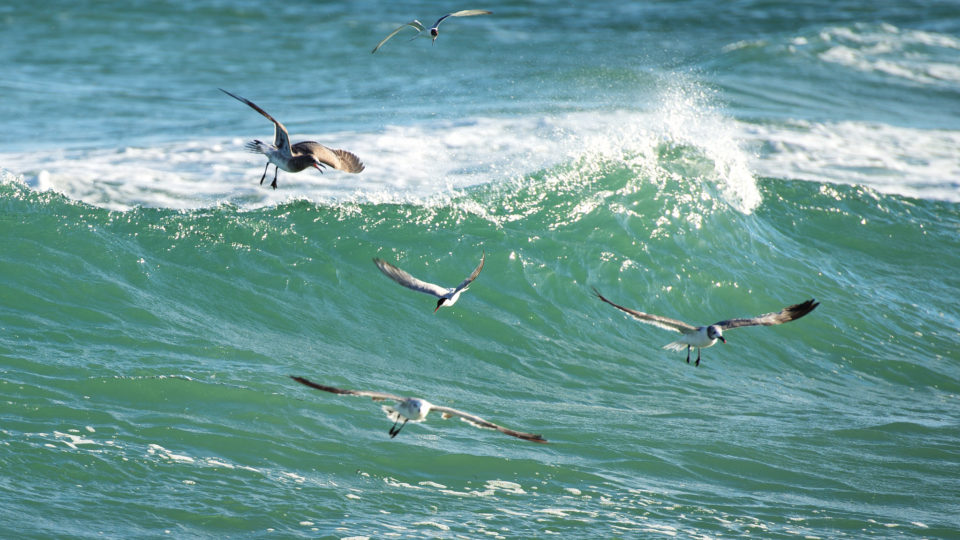
Photo, posted August 24, 2014, courtesy of Bill Dickinson via Flickr.

Earth Wise is a production of WAMC Northeast Public Radio.
Drowning Atolls

June 15, 2018 By EarthWise Leave a Comment

https://earthwiseradio.org/wp-content/uploads/2018/06/EW-06-15-18-Drowning-Atolls.mp3

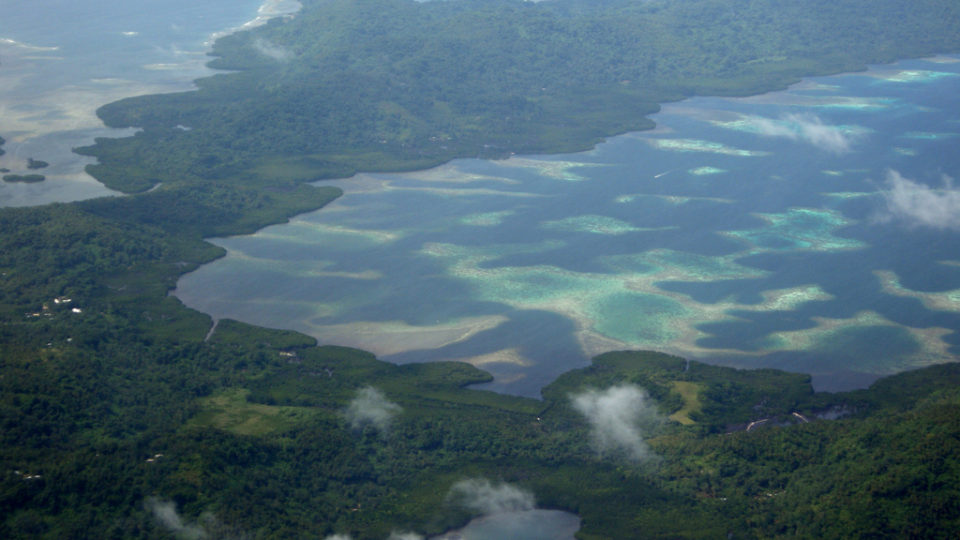
The rising seas represent an existential threat to low-lying atoll islands and that threat now appears to the more imminent than previously thought.

[Read more…] about Drowning Atolls

Saving Venice From The Sea

January 26, 2018 By EarthWise Leave a Comment

https://earthwiseradio.org/wp-content/uploads/2018/01/EW-01-26-18-Saving-Venice-from-the-Sea.mp3

The risks of rising sea waters are growing more apparent every year.  While the world struggles with taking action to reduce the carbon emissions that are driving the sea level rise, cities around the world are building sea walls designed to protect them from storm surges and flooding.   Most of these are massive, complex infrastructure projects that cost billions of dollars and take decades to complete.

[Read more…] about Saving Venice From The Sea

Restoring Sediment To Save Wetlands

August 25, 2017 By EarthWise

https://earthwiseradio.org/wp-content/uploads/2017/08/EW-08-25-17-Restoring-Sediment-to-Save-Wetlands.mp3

The world’s rivers carry billions of cubic yards of sediment – sand, silt and other material – and transport it to wetlands and coastal areas.  Until fairly recently, this was viewed as a negative thing.  But that has changed.

[Read more…] about Restoring Sediment To Save Wetlands

Could Coral Reefs Be Wiped Out?

August 8, 2017 By EarthWise

https://earthwiseradio.org/wp-content/uploads/2017/08/EW-08-08-17-Could-Coral-Reefs-Disappear.mp3

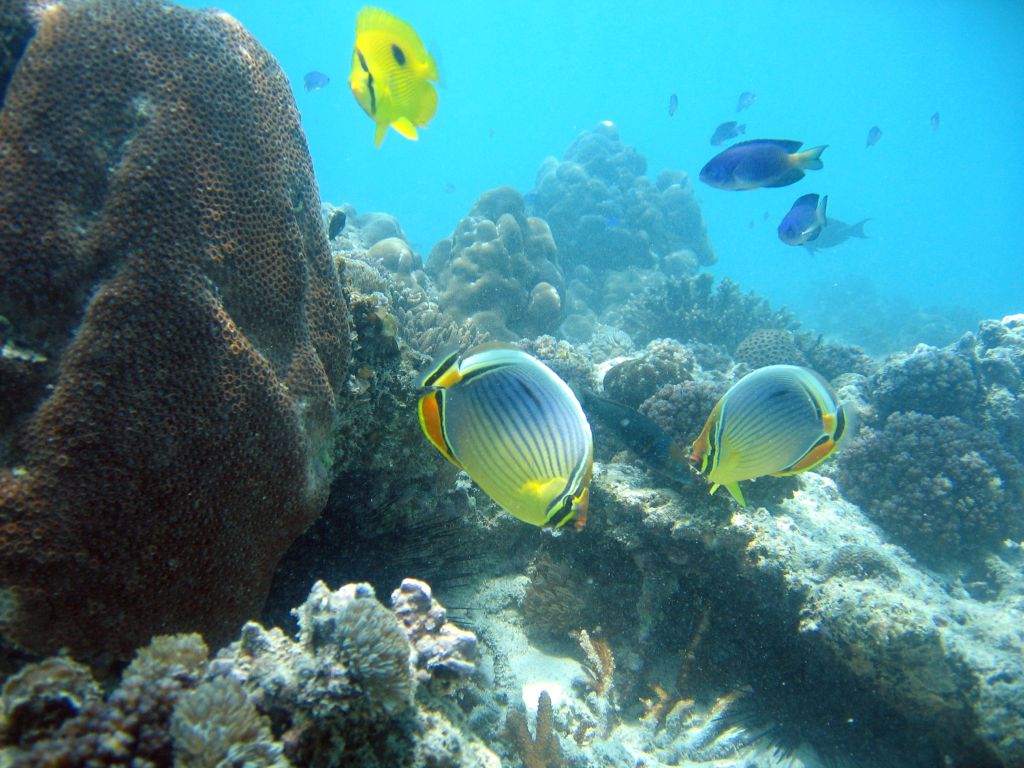
A new study warns that coral reefs are in danger of disappearing forever.  According to U.N. research, the world’s coral reefs could die out completely by mid-century unless carbon emissions are reduced enough to slow ocean warming.

[Read more…] about Could Coral Reefs Be Wiped Out?

Ghost Forests

December 8, 2016 By EarthWise

https://earthwiseradio.org/wp-content/uploads/2016/11/EW-12-08-16-Ghost-Forests.mp3

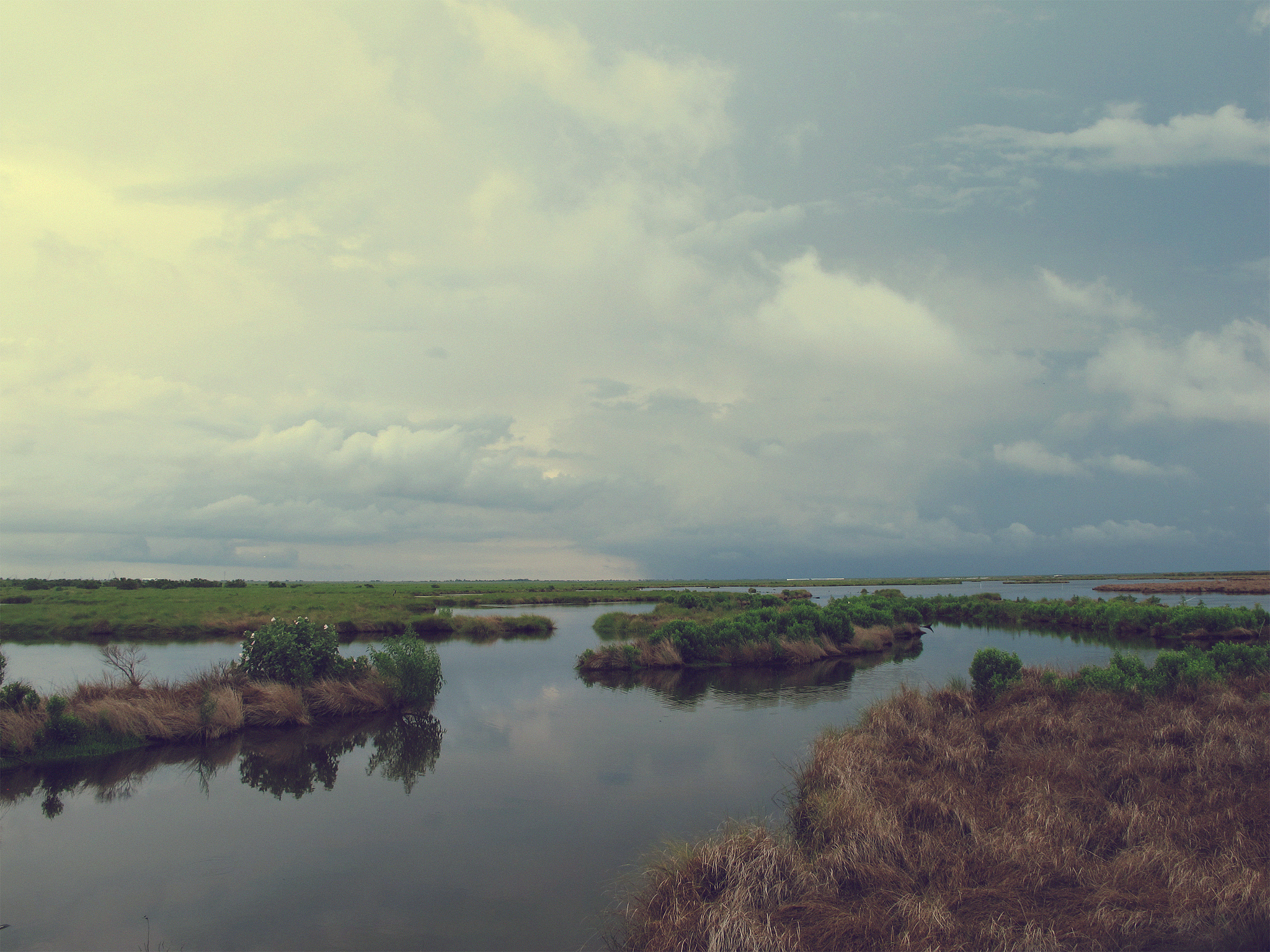
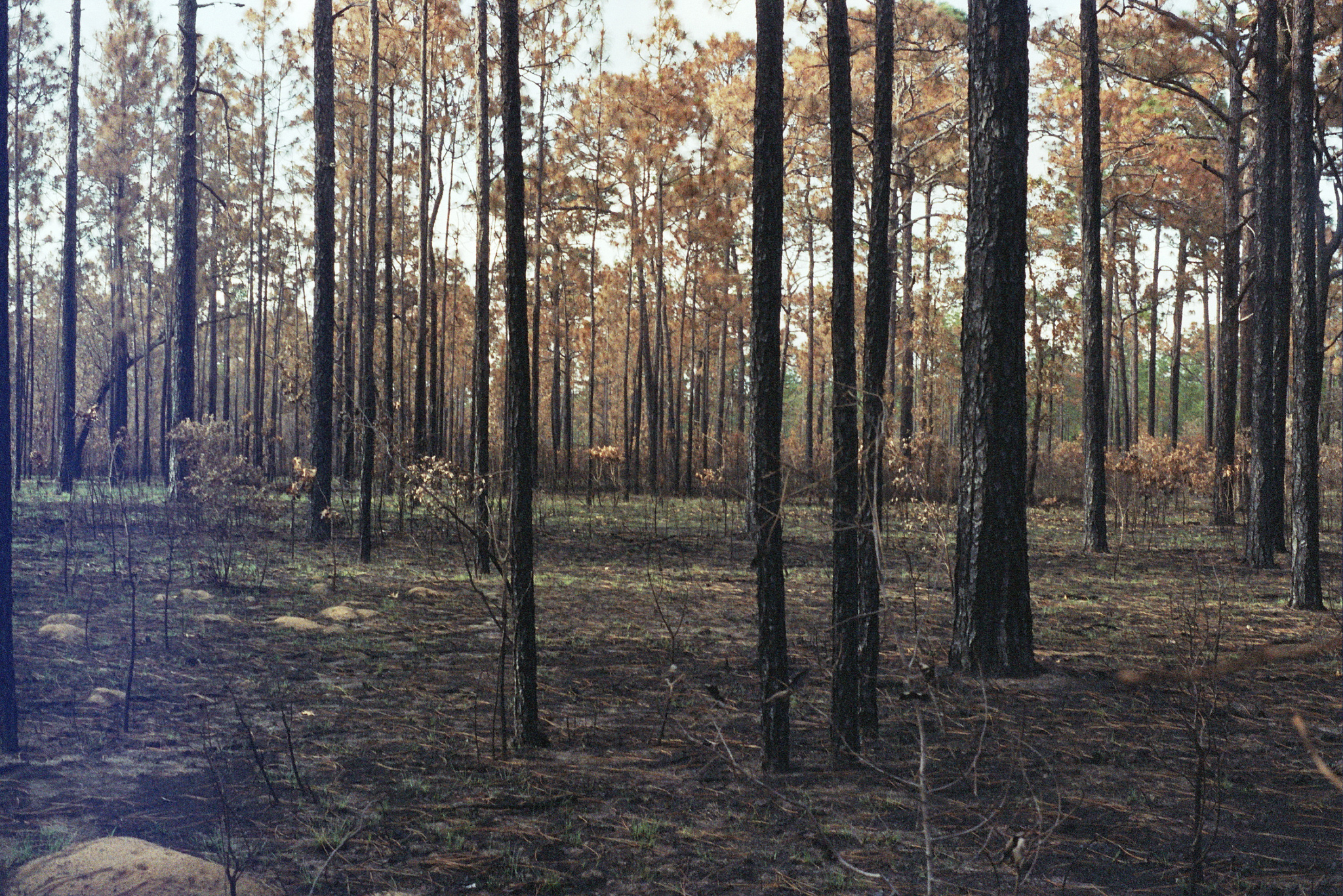
Coastal floodplains across the southeastern and mid-Atlantic regions of the United States are at the leading edge of climate change’s effect on what were largely freshwater ecosystems.    Because of the low elevation and flat or gently sloping characteristics of coastal forests in these areas, they are among the most vulnerable globally to saltwater intrusion.

[Read more…] about Ghost Forests

Climate-Induced Relocation

July 21, 2016 By WAMC WEB

https://earthwiseradio.org/wp-content/uploads/2016/07/EW-07-21-16-Climate-Induced-Relocation.mp3

One of the thorniest problems arising from the changing climate is the degradation of inhabited areas that forces entire communities to relocate permanently.  Basically, we don’t really have the infrastructure in place to deal with such occurrences.

[Read more…] about Climate-Induced Relocation

Climate Change And The Global Food System

December 24, 2015 By WAMC WEB

https://earthwiseradio.org/wp-content/uploads/2015/12/EW-12-24-15-Global-Food-System.mp3

One of the most troubling aspects of global climate change is its potential impact on the production, distribution and quality of food.   A report issued at the 2015 Paris Climate Conference focused on identifying climate change impacts on global food security.  Food security is the ability of people to obtain and use sufficient amounts of safe and nutritious food.  Even without the impact of climate change, food security is a challenge because of increasing population, poverty, and changing eating habits.

[Read more…] about Climate Change And The Global Food System

Locked In A Pattern Of Arctic Ice Loss

November 5, 2015 By EarthWise

https://earthwiseradio.org/wp-content/uploads/2015/11/EW-11-05-15-Arctic-Ice-Loss.mp3

There is no dry land at the North Pole and under much of the Arctic ice pack. There, the ocean is covered with sea ice. When this ice melts, it does not cause a rise in sea level, the same way ice cubes melting in your water glass don’t cause it to overflow.

[Read more…] about Locked In A Pattern Of Arctic Ice Loss

  • « Go to Previous Page
  • Page 1
  • Page 2

Primary Sidebar

Recent Episodes

  • An uninsurable future
  • Clean energy and jobs
  • Insect declines in remote regions
  • Fossil fuel producing nations ignoring climate goals
  • Trouble for clownfishes

WAMC Northeast Public Radio

WAMC/Northeast Public Radio is a regional public radio network serving parts of seven northeastern states (more...)

Copyright © 2026 ·