• Skip to primary navigation
  • Skip to main content
  • Skip to primary sidebar

Earth Wise

A look at our changing environment.

  • Home
  • About Earth Wise
  • Where to Listen
  • All Articles
  • Show Search
Hide Search
You are here: Home / Archives for renewables

renewables

A surprising drop in renewable power

March 28, 2024 By EarthWise Leave a Comment

Renewable power generation dropped in 2023

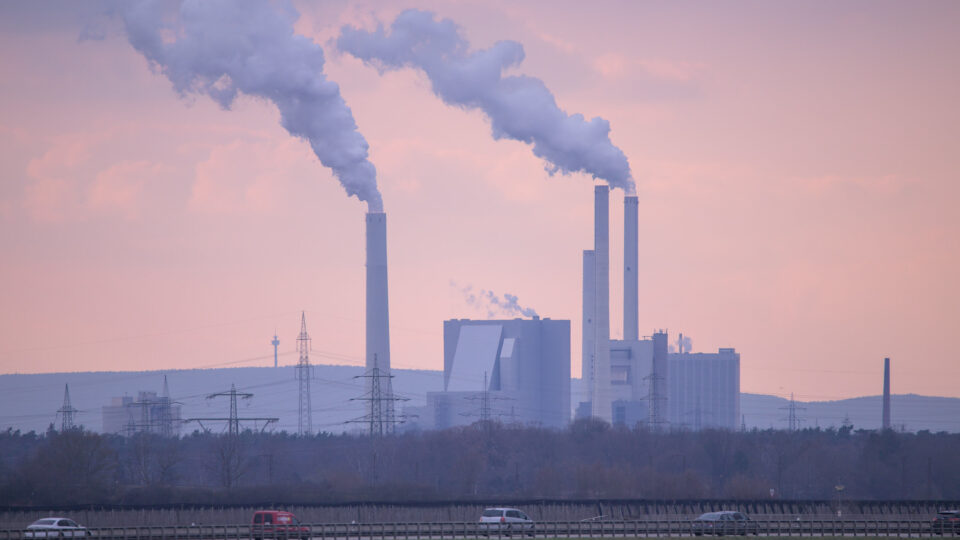
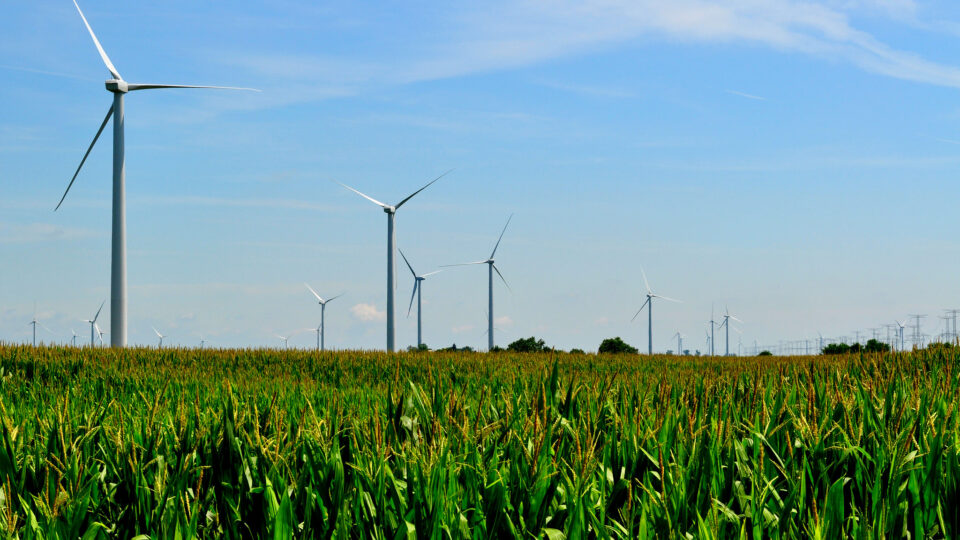
Renewable power – which includes wind farms, solar farms, and hydroelectric dams – constitutes over 21% of the country’s utility-scale electricity generation, behind only natural gas power plants at 43%.  Nuclear power provides nearly 19% of our electricity and coal, which is gradually diminishing, is at 16%.

Both solar and wind power capacity have been growing rapidly in recent years and will be providing an increasing percentage of our electricity.  That being said, it turns out that utility-scale renewable electricity generation actually decreased slightly in 2023 as a result of weather-related issues.

Utility-scale renewables generated about 894,000 gigawatt hours of energy last year, which was 0.8% less than the record amount generated in 2022.

The reasons?  The biggest factor was slower wind speeds in the Midwest during the warmer weather months.  In 2023, there were fewer warm fronts and cold fronts passing through the region.  The passage of fronts is often associated with wind and precipitation. 

The other factor affecting renewable generation was a 5.9% drop in hydropower in 2023.  The main reason for the decrease was a drop in water levels at many hydroelectric dams in areas experiencing drought.

Experts explain that there is no reason to overreact to a one-year blip in renewables generation.  All three major sources of power – sun, wind, and hydroelectric – are tied to natural forces and all of them fluctuate over time.  Putting aside minor variations year-over-year, renewable electricity is on pace to more than double by the end of this decade.

**********

Web Links

Federal Data Reveals a Surprising Drop in Renewable Power in 2023, as Slow Winds and Drought Took a Toll

Photo, posted July 5, 2014, courtesy of Patrick Finnegan via Flickr.

Earth Wise is a production of WAMC Northeast Public Radio
Who wins: Wind or solar?

November 27, 2023 By EarthWise Leave a Comment

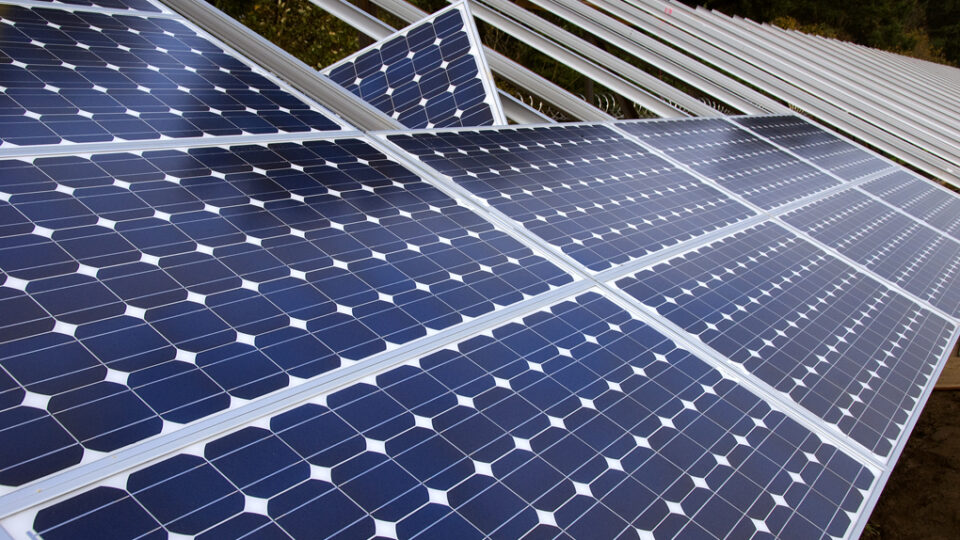
A new study by the University of Exeter in the UK suggests that the world may have crossed a tipping point that will inevitably make solar power our main source of energy.  This data-driven model of technology seems to fly in the face of the current situation in which wind power contributes considerably more generation than solar power – by a factor of 3 in the U.S. and nearly double worldwide.

Wind and solar power both have advantages and disadvantages.  Solar power is quiet, requires little maintenance, and presents little danger to wildlife.  It is also practical for individual homes.  Residential wind power is not really a viable option for most people in most places.  But on the other hand, wind energy can produce more power than solar, can work both day and night, and can be located offshore far away from people.  On land, both wind and solar power take up lots of space and compete with other land use needs as well as countering people’s aesthetic preferences.

Both technologies continue to get cheaper over time, although solar has especially seen significant cost reductions.  The cost of solar power, which is already the cheapest form of electricity production, is estimated to fall to as low as $20 per megawatt hour over time from the current level of $40 per megawatt hour.

Wind and solar energy are on track to account for more than a third of the world’s electricity by 2030, according to the Rocky Mountain Institute.  Despite the predictions of various studies and the ambitions of specific technologies, it seems likely that wind and solar power will both play an expanding role in our energy systems for a long time to come.

**********

Web Links

World may have crossed solar power ‘tipping point’

Photo, posted November 22, 2008, courtesy of Oregon Department of Transportation via Flickr.

Earth Wise is a production of WAMC Northeast Public Radio
More renewable energy for New York

November 24, 2023 By EarthWise Leave a Comment

More renewable energy coming for New York

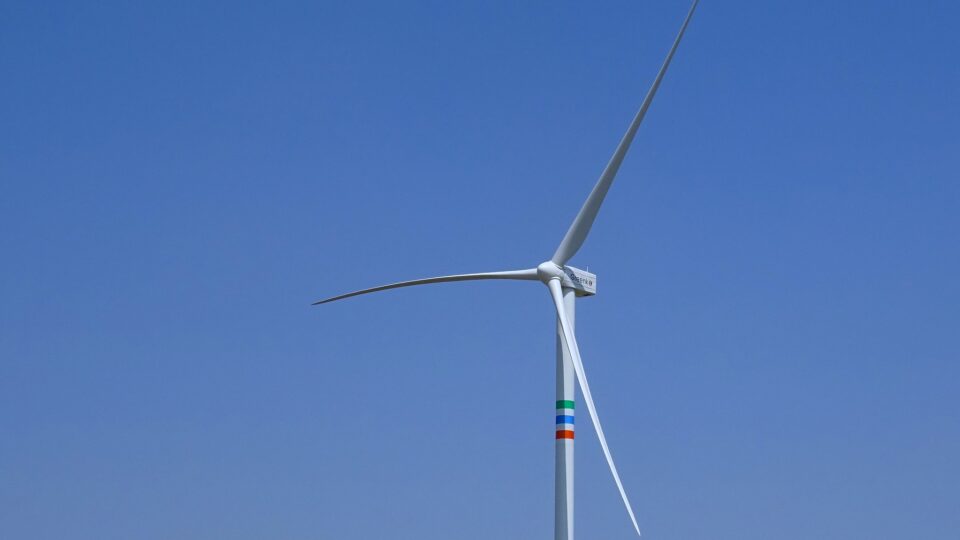
In late October, New York announced its largest state investment in renewable energy to date that includes three offshore wind projects, and 22 land-based clean energy projects totaling more than 6 GW of power generation.

The portfolio of projects is expected to create approximately 8,300 jobs and spur $20 billion in economic investments statewide.

The projects support the state’s goal to have 70% of its electricity come from renewable sources by 2030 and to have 9 GW of offshore wind operating by 2035.  The announcement represents the first set of actions taken by the State as part of New York’s 10-Point Action Plan.

The three offshore wind projects include Attentive Energy One, a 1.4 GW project that seeks to retire fossil fuel power generation in New York City.  Community Offshore Wind, a 1.3 GW project will make use of a new grid interconnection in downtown Brooklyn.  Excelsior Wind, another 1.3 GW project, will provide robust energy deliverability to Long Island. 

Apart from the offshore wind projects, there will be 14 new solar projects, six wind upgrading projects, one new wind project, and one return-to-service hydroelectric project.

The average bill impact for customers over the life of the land-based projects is estimated to be approximately 0.31%, or about 32 cents a month for the average customer.  The bill impact for customers utilizing the offshore wind projects is estimated to be about 2.7%, or $2.93 per month.

*********

Web Links

NY to invest in 3 offshore wind farms, 22 land-based renewable projects

Photo, posted October 21, 2016, courtesy of B Sarangi via Flickr.

XXXXXXXXXXXXXXX

Powering Britain with sun and wind

November 8, 2023 By EarthWise Leave a Comment

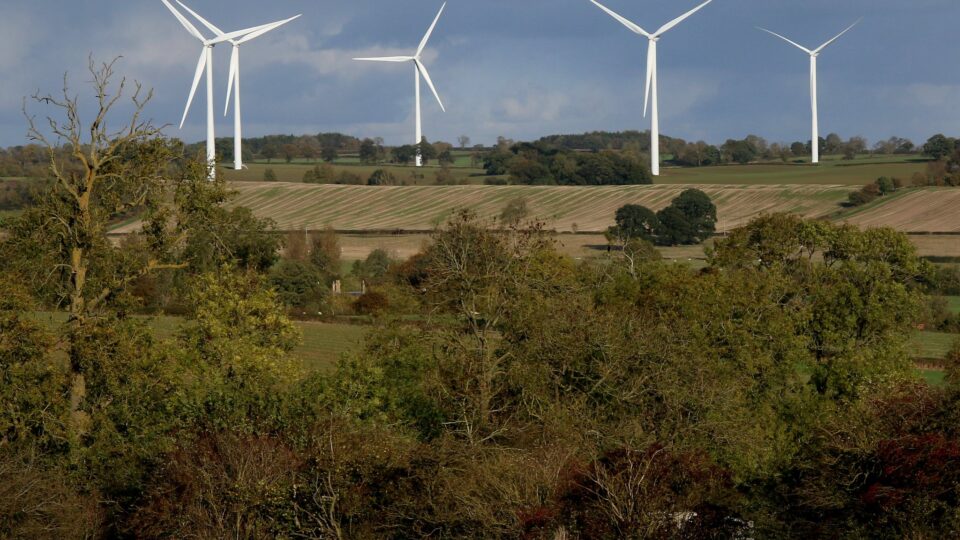
The United Kingdom is quite small in size compared with the US, but its population of 67 million makes it a fairly large country with substantial energy needs.  A recent study by Oxford University looked at the ability of wind and solar power to provide for those energy needs over the course of time.

According to the study, Britain’s energy needs could easily be met entirely by the two sources of clean power.  Wind and solar can provide significantly more energy than the highest energy demand forecasted for 2050 and nearly 10 times the current electricity demand. 

Britain currently requires 299 TWh per year.  The Oxford study found that wind and solar could generate as much as 2,896 TWh per year. Furthermore, the researchers stated that these estimates are intentionally conservative, taking into account concerns around land use and the visual impact of installations.

The analysis assumes that offshore wind would produce nearly three-quarters of the energy required.  Onshore wind would contribute about 7%, while taking up only 0.07% of the country’s land.  Utility-scale solar would add about 19% of the power.  The small remainder comes from rooftop solar.  The researchers do point out that the power grid would require significant upgrades to handle all this renewable energy and that there would need to be appropriate quantities of energy storage. 

According to the authors of the study, achieving these results is a question of ambition rather than technical feasibility.  So far, the UK government has not been aggressive in making the transition to renewable energy.

**********

Web Links

Wind and solar power could significantly exceed Britain’s energy needs

Photo, posted November 4, 2021, courtesy of Steve Knight via Flickr.

Earth Wise is a production of WAMC Northeast Public Radio
Floating Solar And Hydropower | Earth Wise

August 16, 2023 By EarthWise Leave a Comment

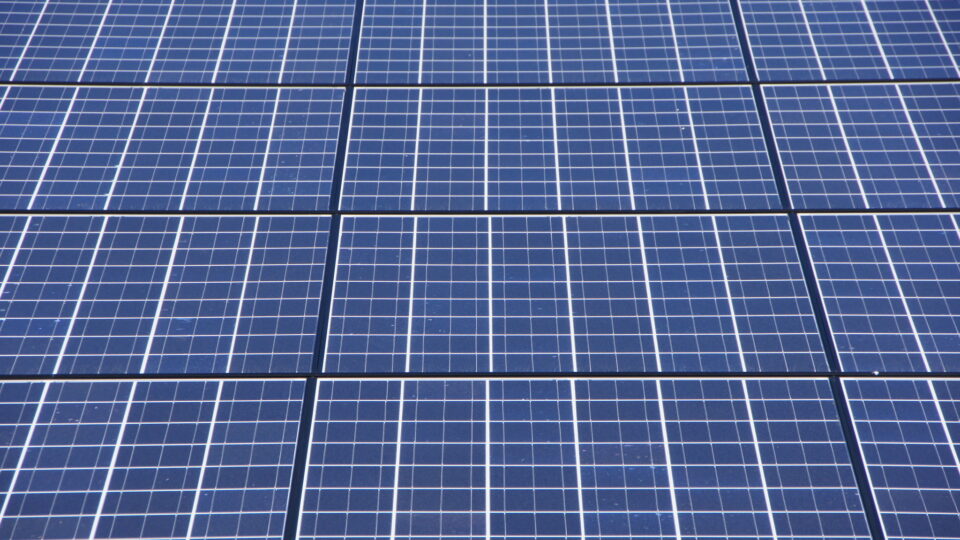
Installing solar panels on the surface of reservoirs is an up-and-coming trend.  The arrays of solar panels produce renewable energy while at the same time shielding significant expanses of water from the sun’s heat, thereby reducing evaporation.  The panels also help to inhibit the growth of algae.

Two recent floating solar installations are demonstrating the synergy between solar power and hydroelectric power.

The Lazer floating solar plant in France comprises over 50,000 solar panels and is capable of producing 30 MW of power.  The reservoir serves a 16.5 MW hydropower plant.  During the summer, the water from Lazer Reservoir is used primarily for crop irrigation and the solar plant supplements power generation as the reservoir water level experiences variations.  This is the first facility of its kind to be installed in France.  The company that built it – the EDF Group – had already built four floating solar power plants in Israel and the US. 

In Colombia, the Aquasol solar project is installed at the 340 MW Urrá hydropower plant.  Its 2,800 solar panels produce enough power to offset the amount of energy it takes to operate the dam.  The floating solar system is designed to withstand water-level fluctuations of up to 120 feet.

Floating solar systems can help keep power flowing when low water levels or other adverse conditions reduce hydroelectric output.  About 60% of the world’s renewable energy comes from hydropower.  Given this fact, there are countless opportunities to deploy floating solar that maximizes zero-emission energy generation as well as diversifying clean energy sources.

**********

Web Links

Floating solar and hydropower: A match made in renewable energy heaven

Photo, posted October 25, 2010, courtesy of Martin Abegglen via Flickr.

Earth Wise is a production of WAMC Northeast Public Radio
Wind And Solar Pass Coal | Earth Wise

August 3, 2023 By EarthWise Leave a Comment

For the first five months of this year, wind and solar generated more electricity than coal in the United States.  This is a first.  Total renewable energy generation exceeded coal-fired power in both 2020 and 2022, but that counted hydroelectric power as one of the renewable sources.

This year, wind and solar alone generated a total of 252 terawatt-hours of energy through May compared with coal’s output of 249 terawatt-hours.  Hydropower generated an additional 117 terawatt-hours during that period.

While solar and wind power have been expanding at a rapid rate, the biggest change this year has been a precipitous drop in coal-fired generation due to a combination of low natural gas prices, a mild winter, and a series of coal plant retirements.

Coal generated almost half of the country’s electricity as recently as 2008.  Since then, coal has steadily declined as older coal plants shut down and were replaced by natural gas plants and renewable energy sources.  The coal industry had a bit of a reprieve last year when natural gas prices spiked in response to the disruptions in gas supplies in Europe due to the war in Ukraine.  The benchmark for natural gas prices – known as Henry Hub – was $8.81 in August 2022.  In May of this year, it was $2.15.  Given this trend, the demand for coal has steadily declined. 

The US has retired another 7% of the coal fleet – 14 gigawatts of capacity – since the start of 2022.  Meanwhile, power companies have added 22.5 GW of wind and solar capacity in just the past 12 months.

**********

Web Links

In a First, Wind and Solar Generated More Power Than Coal in U.S.

Photo, posted September 20, 2016, courtesy of Bureau of Land Management via Flickr.

Earth Wise is a production of WAMC Northeast Public Radio
Renewables In China | Earth Wise

July 28, 2023 By EarthWise Leave a Comment

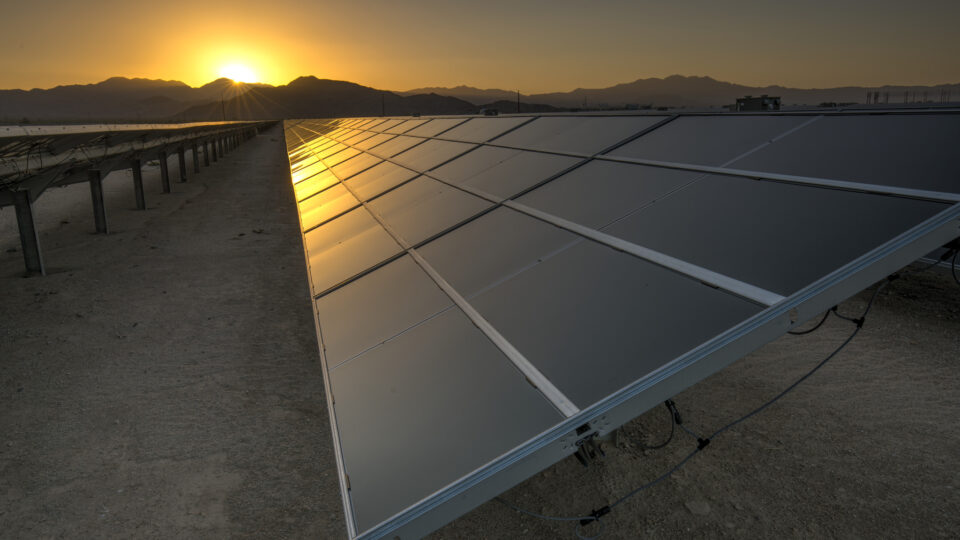
A couple of years ago, China set an ambitious goal for renewable energy capacity – which includes wind, solar, hydroelectric, and nuclear power – for it to exceed fossil fuel capacity by 2025.  According to a recent report by Reuters, China has hit this goal two years ahead of schedule.  Renewables now make up 50.9% of the country’s power capacity.

The rapid growth in renewable capacity has largely been driven by investments in wind and solar megaprojects in the sparsely populated west of the country that export power to the manufacturing centers in the east.  China’s most recent 5-year plan calls for 570 gigawatts of wind and solar power to be installed over that period, which more than doubles its installed capacity.  The plan makes use of what it called “clean energy bases”, which utilize sandy and rocky deserts, other types of barren lands, and wastelands left behind by coal mining.  The largest clean energy bases make use of vast deserts in Inner Mongolia and Gansu.

One cautionary note is that power capacity refers to the maximum amount of electricity that a power plant can produce under ideal conditions.  Thus, for example, it refers to how much electricity a solar farm can generate at noon on a cloudless day.  So, the new figures from China don’t necessarily reveal how much electricity China is actually drawing from renewables.  In reality, China still gets a great deal of its power from coal.

China is the world’s largest emitter of carbon dioxide – more than twice as much as the United States, albeit from nearly 4 times the population.  The rapid growth of renewables is at least moving that country in the right direction.

**********

Web Links

Fossil Fuels Now Account for Less Than Half of China’s Power Capacity

Photo, posted December 2, 2015, courtesy of IBM via Flickr.

Earth Wise is a production of WAMC Northeast Public Radio

Offshore Wind Industry In New York | Earth Wise

March 27, 2023 By EarthWise Leave a Comment

Last July, New York Governor Kathy Hochul announced the release of the state’s third competitive offshore wind solicitation, seeking to add generating capacity to power at least 1.5 million homes.  In response to the solicitation, the New York State Energy Research and Development Authority – NYSERDA -received more than 100 proposals for 8 new projects from six offshore wind developers.  An evaluation period is in progress and NYSERDA expects to announce awards sometime this spring.

Apart from the development and installation of offshore wind turbines and their associated infrastructure, participating in the program also involves supply chain investments to support the development of a strong, local supply chain that creates jobs for New Yorkers as well as bolstering the state’s standing as a regional hub for offshore wind manufacturing.

Siemens Gamesa Renewable Energy, a multi-billion-dollar Spanish-German wind engineering company, is one of the companies bidding to have its wind turbines used for the forthcoming New York offshore wind projects.   If Siemens Gamesa is selected for the project, the company has revealed that it will build a major offshore nacelle manufacturing facility at the Port of Coeymans, New York, some 15 miles from Albany.

The planned facility would create approximately 420 direct jobs and represent an investment of around $500 million in the region.  Siemens Gamesa said it would also commit to localizing several new component supplier facilities, including steel component fabrication, bearings, and composite components. 

Offshore wind will bring more than just electricity to New York; it will bring a whole new industry.

**********

Web Links

Siemens Gamesa reveals plans for New York offshore wind hub

Photo, posted March 24, 2016, courtesy of TEIA via Flickr.

Earth Wise is a production of WAMC Northeast Public Radio
Renewables’ Growing Share | Earth Wise

March 15, 2023 By EarthWise Leave a Comment

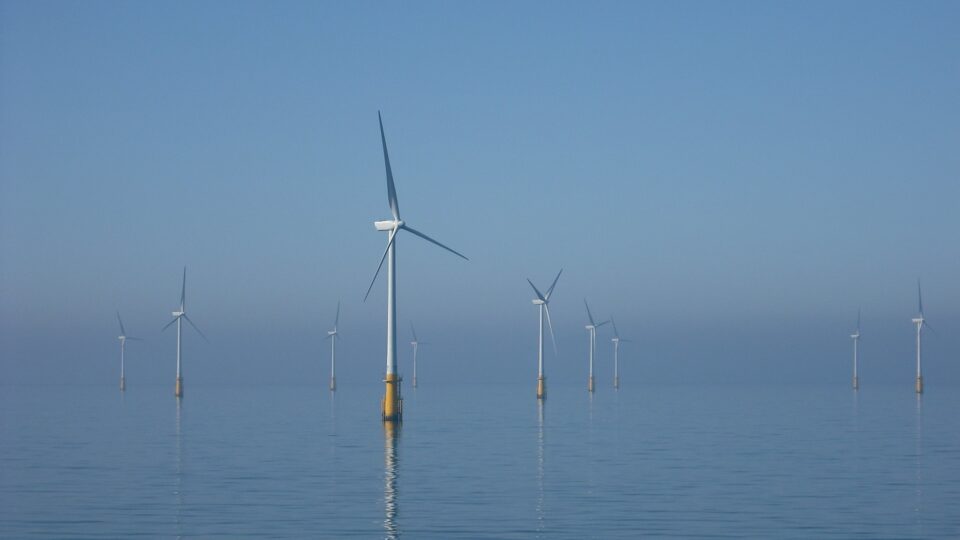
Not long ago, many states across the country were setting goals to obtain 20% of their electricity from renewable sources. For a few states, like New York and Washington, ample amounts of hydropower made 20% an easy target.  But for many others, 20% seemed like a very ambitious objective.

Things have certainly changed.  According to the latest monthly Short Term Energy Outlook, a report from the federal government, the combination of wind, solar, and other renewable sources will exceed one-quarter of the country’s generation by 2024.

Renewables are already at 24% of U.S. electricity generation and are expected to rise to 26% by next year.  Coal, which used to be the largest source of electricity, will continue to drop from its current 18% to 17% by next year.  Overall, renewables passed coal for the first full year in 2020.  Coal staged a bit of a comeback in 2021, but has once again resumed its decline.  Many coal-fired power plants continue to close, and there are not new ones being built because of diminishing economic benefits as well as concerns about emissions.

The largest source of electricity generation continues to be natural gas at 38%, but that number is also expected to slowly decrease over time. The growth in renewable energy is coming from wind and solar power.  Two-thirds of that growth is from solar and one-third is from wind. 

Together, wind and solar power will add up to 18% of the country’s electricity supply.  The government still tracks them lumped together as renewables, but both are so large and growing so quickly that the Energy Information Agency is likely to soon start tracking them as separate categories.

**********

Web Links

Renewables Projected to Soon Be One-Fourth of US Electricity Generation. Really Soon

Photo, posted April 18, 2011, courtesy of Allan Der via Flickr.

Earth Wise is a production of WAMC Northeast Public Radio
A Complicated Year For Energy | Earth Wise

February 6, 2023 By EarthWise Leave a Comment

2022 was a complicated year for energy

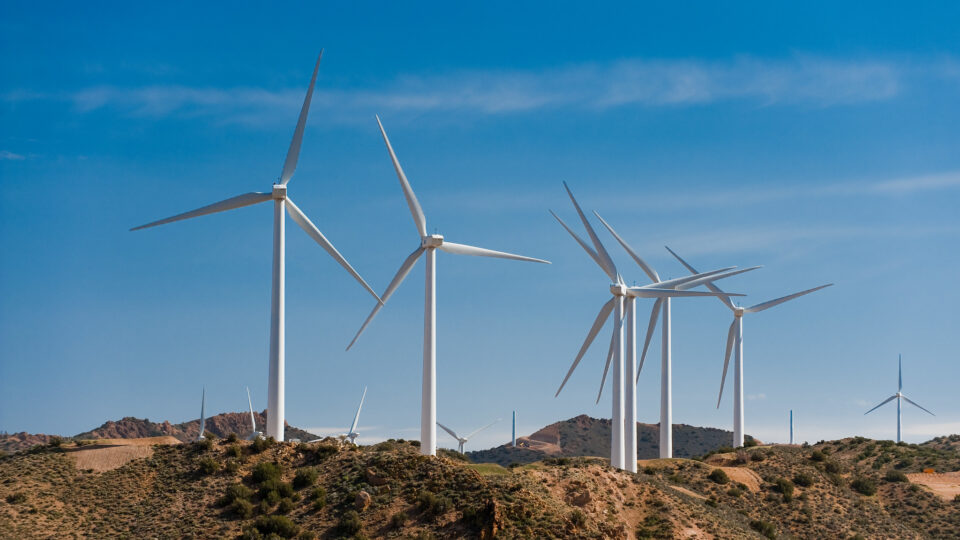
2022 was a complicated year for global energy.  Following its invasion of Ukraine, Russia curtailed natural gas exports to Europe.  This led to large increases in coal burning in many countries, but at the same time led to major new investments in renewable energy.  Projections are that the world will add as much renewable power in the next five years as it did over the previous 20.

In China, severe drought reduced the amount of available hydropower, which drove increased demand for coal in that country.  Between the war in Ukraine and the Chinese drought, coal burning reached an all-time high in 2022, albeit only a 1% uptick for the year.  This increased coal consumption is expected to be only temporary as the accelerating deployment of renewables, energy efficiency, and the use of heat pumps will inexorably reduce coal use.

Globally, governments have earmarked an additional $500 billion for clean energy just since March, bringing the total since the onset of the COVID pandemic to more than $1.2 trillion.  Nearly half of this total investment comes from the U.S. under the Inflation Reduction Act and the Infrastructure Investment and Jobs Act.

In light of these energy policies around the world, the International Energy Agency has revised its projections for renewable energy to substantially larger numbers.   Renewables are expected to surpass coal as the world’s largest source of electricity by early 2025. The global energy crisis triggered by the war in Ukraine has kicked off an extraordinary new phase of rapid renewables growth as countries around the world are seeking to obtain energy security as well as the other benefits of clean energy.

**********

Web Links

In 2022, Energy Shocks Spurred Both Unprecedented Coal Burning and Massive Renewable Investments

Photo, posted April 5, 2015, courtesy of Jan Remund via Flickr.

Earth Wise is a production of WAMC Northeast Public Radio
Renewables Will Overtake Coal | Earth Wise

January 17, 2023 By EarthWise Leave a Comment

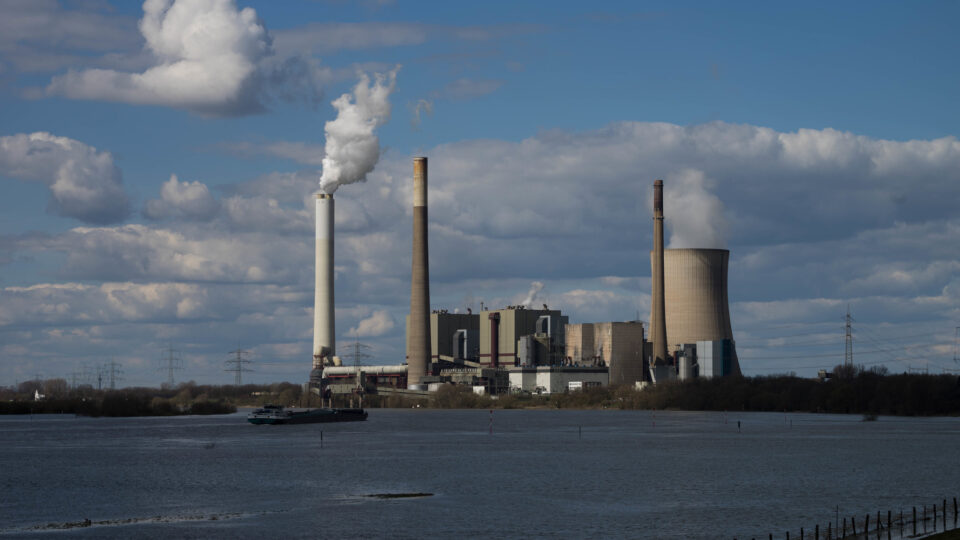
According to a recent report by the International Energy Agency, worldwide growth in renewable power capacity is set to double in the next five years.  In fact, by 2027, the world will add as much renewable power as it did over the previous 20 years.

Of particular significance is that renewables are going to overtake coal as the largest source of electricity generation by early 2025.

The global energy crisis triggered by the war in Ukraine has had multiple effects on the evolution of the energy system.  While the war has driven a resurgence in fossil fuel consumption in Europe in order to replace gas from Russia, that resurgence is expected to be short-lived.  Instead, the current energy crisis may turn out to be an historic turning point toward a cleaner and more secure energy system.

Soaring fossil-fuel prices triggered by the war have caused many countries to respond by embracing wind turbines, solar panels, nuclear power plants, hydrogen fuels, electric vehicles, and electric heat pumps.  In the US, Congress approved more than $370 billion in spending for clean energy technologies as part of the Inflation Reduction Act.  China, India, South Korea, and Japan have all increased their national targets for renewable power.   However, heating and cooling buildings with renewable power remains a sector needing larger improvement, according to the energy agency.

Overall, the expansion of renewable power over the next five years is now projected to happen much faster than what was projected just one year ago. The new IEA report revised last year’s forecast for renewables growth by 30% as a result of the introduction of new policies by many of the world’s largest greenhouse gas emitters.

**********

Web Links

Renewables Will Overtake Coal by Early 2025, Energy Agency Says

Photo, posted March 8, 2021, courtesy of Stanze via Flickr.

Earth Wise is a production of WAMC Northeast Public Radio
Renewable Energy Booming in India | Earth Wise

December 6, 2022 By EarthWise Leave a Comment

Renewable power is booming in India

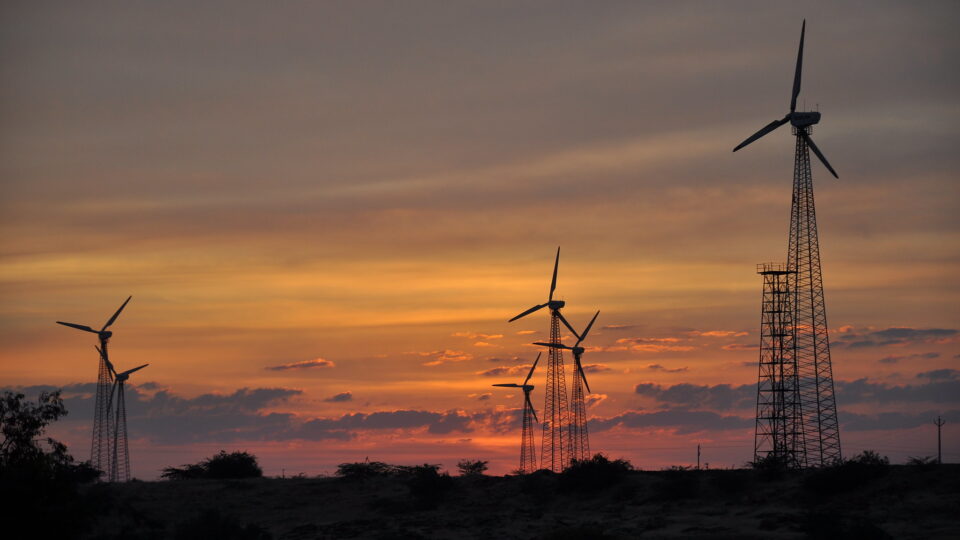
India is the country with the second largest population in the world – over 1.4 billion people – second only to China – and will undoubtedly pass China soon based on population trends in the two countries.   India is the third largest emitter of carbon dioxide, after China and the U.S.  With its rapidly growing population and an economy heavily dependent on coal and oil, emissions in India are on a steep upward trajectory.  Currently, fossil fuels account for about 60% of India’s installed energy capacity.  It is essential that actions are taken to curb its rapid increase in greenhouse gas emissions.

To that end, India’s renewables sector is booming.  The country is projected to add 35 to 40 gigawatts of renewable energy each year until 2030.  That’s enough energy to power up 30 million more homes each year.  The country has established a target of producing 50% of its electricity from non-fossil fuel sources by the end of this decade.

 India is expected to reach over 400 gigawatts of renewable energy capacity by 2030

according to the Institute for Energy Economics and Financial Analysis and Climate Energy Finance.  The Indian government’s own projections estimate that the country will reach 500 gigawatts of renewable capacity in that timeframe.

As is the case with China, a country with an enormous population undergoing major economic growth and modernization has vast energy needs.  While it is imperative for the entire world that India puts a cap on its growing greenhouse gas emissions, it is a difficult challenge for an energy-hungry country.

**********

Web Links

Renewable energy booms in India

Photo, posted November 14, 2011, courtesy of Amaury Laporte via Flickr.

Earth Wise is a production of WAMC Northeast Public Radio
Carbon Capture Booming | Earth Wise

November 24, 2022 By EarthWise Leave a Comment

Carbon capture is booming

For the world to reach a state of net-zero emissions, it is going to require more than the ongoing transition to renewable energy sources.  There will also need to be efforts to capture the emissions from sources that can’t easily eliminate their pollution.  These include steel mills, cement plants, and other industrial sites.  At least for the foreseeable future,  a number of essential industries have no other viable path to deep decarbonization, and carbon capture and storage projects are the only promising strategy on hand.

Companies use CCS to filter emissions from fossil fuel power plants and industrial facilities and then bury the captured carbon underground, often in deep caverns.

Over the past 12 months, the pipeline for carbon capture and storage projects has grown by 44%.  This year, firms have announced 61 new CCS projects, bringing the total number of commercial projects in the global pipeline to 196, which includes about 30 that are already in operation.  Another 11 are under construction, and 153 are in development.

When all of these projects are completed, they will have the capacity to capture a total of about 270 million tons of carbon dioxide per year.  Estimates are that there need to be 1,400 million tons locked away each year to reach zero-emissions.  So, the existing project pipeline constitutes about 20% of what is ultimately needed.

The recently passed Inflation Reduction Act boosts tax incentives for carbon capture.  Analysts believe this could multiply U.S. deployment of the technology more than 10-fold.  Globally, it is expected that CCS will continue its rapid growth as countries ramp up investments in the technology.

**********

Web Links

Carbon Capture Projects See Meteoric Growth in 2022

Photo, posted August 22, 2022, courtesy of Nenad Stojkovic via Flickr.

Earth Wise is a production of WAMC Northeast Public Radio
California Offshore Wind | Earth Wise

November 16, 2022 By EarthWise Leave a Comment

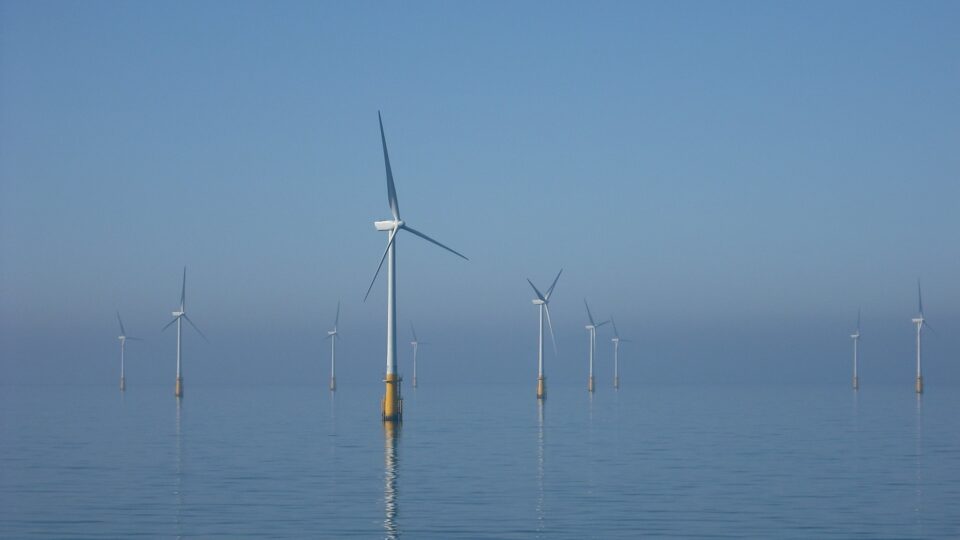
California has tremendous potential offshore wind resources.  The state set a preliminary target of 15 GW of offshore wind by 2045 earlier this year and may increase that number to 25 GW.  But installing offshore wind on the West Coast is much more challenging than it is on the East Coast.  The reason is that the ocean floor drops off rapidly on the Pacific Coast and it is simply not practical to attach wind turbines to the sea bottom.  Instead, floating turbine technology will be required.  That is more complicated and more expensive.

Despite the challenges, offshore wind in California is moving forward.  The federal Bureau of Ocean Energy Management announced that the auction for rights to develop waters off central and northern California will be held on December 6.  This will be the first wind auction ever along the U.S. Pacific Coast.

The auction will include three lease areas in the Morro Bay Wind Energy Area and two proposed areas in the Humboldt Wind Energy Area.  Combined, the two areas cover over 370,000 acres and could potentially host over 4.5 GW of wind generating capacity.  The projects developed in these areas are likely to become the first floating offshore wind projects in operation in the U.S.

Apart from the challenges of building floating wind installations, there will be the issue of the electric grid in the proposed regions being able to support the added generation from the wind farms.  Substantial grid upgrades will be needed to accommodate all the power coming from the offshore facilities.  In addition, California offshore wind projects will need to jump-start new supply chains in the U.S.

**********

Web Links

Date is set for California offshore wind lease auction

Photo, posted March 24, 2016, courtesy of Andy Dingley / TEIA via Flickr.

Earth Wise is a production of WAMC Northeast Public Radio
Decarbonizing Could Save Trillions | Earth Wise

October 18, 2022 By EarthWise Leave a Comment

Decarbonizing could save $12 trillion globally

Scientists have long been calling for a transition to clean energy to prevent catastrophic impacts of climate change.  For much of that time, many people and, specifically, many of those in power, were skeptical of the need to do something about the warming climate.  But even as the facts about the changing climate became increasingly undeniable, there continued to be fears that the transition to clean energy sources would be unacceptably expensive and harmful to the economy.

A recent study published by Oxford University shows that the opposite is true:  a concerted effort to convert to green energy technologies such as solar, wind, and batteries, will save the world enormous amounts of money.

The Oxford study shows that a transition to nearly 100% clean energy by 2050 results in a lower-cost energy system that provides energy access to more people around the world.  The energy transition is expected to save the world at least $12 trillion compared to continuing our current levels of fossil fuel use.

The cost of renewable energy sources has been going down for decades and they are already cheaper than fossil fuels in many situations.  It is expected that they will become cheaper than fossil fuels across almost all applications over time.  Accelerating the transition will allow renewables to become cheaper faster.

The study made use of probabilistic models to estimate the costs of various possible future energy systems based on past data.  Even the most pessimistic models showed that scaling up green technologies is likely to drive their costs down so far that they will generate net cost savings and that the faster the transition goes, the more will be saved.  The result will be a cleaner, cheaper, more energy secure future.

**********

Web Links

Decarbonising the energy system by 2050 could save trillions

Photo, posted July 12, 2010, courtesy of Tom Shockey via Flickr.

Earth Wise is a production of WAMC Northeast Public Radio
Air Pollution: The Greatest Danger | Earth Wise            

June 27, 2022 By EarthWise Leave a Comment

Air pollution is one of the greatest dangers

The effort to reduce and ultimately eliminate the use of fossil fuels has largely been driven by the potentially catastrophic consequences of global climate change.  The need to stop dumping greenhouse gases into the atmosphere has become increasingly urgent.  But there is an equally compelling reason to stop burning fossil fuels.  According to a study published in the journal Lancet Planetary Health, outdoor air pollution is “the largest existential threat to human and planetary health.”

Pollution of various types was responsible for an estimated 9 million deaths around the world in 2019.  Half of those fatalities – 4.5 million deaths – were the result of outdoor air pollution coming from vehicles and industrial sources like power plants and factories.

The number of deaths attributed to air pollution has increased by 55% just since the year 2000.

The growth in air pollution deaths has offset a decline in deaths from other pollution sources that especially affect people living in extreme poverty, such as indoor air pollution and water pollution.  Overall, countries with lower collective incomes tend to bear a disproportionate share of pollution deaths.  Roughly 16% of deaths around the world are attributable to pollution, also resulting in more than $4 trillion in economic losses.

The peer-reviewed study was produced by the 2017 Lancet Commission on Pollution and Health.  The study notes that despite the enormous health, social, and economic impacts of pollution, preventing it is largely overlooked in the international development agenda.  The study calls upon governments, businesses, and other entities to abandon fossil fuels and adopt clean energy sources.

**********

Web Links

Study Identifies Outdoor Air Pollution as the ‘Largest Existential Threat to Human and Planetary Health’

Photo, posted November 4, 2019, courtesy of Ninara via Flickr.

Earth Wise is a production of WAMC Northeast Public Radio.

Continued Renewables Growth | Earth Wise

June 17, 2022 By EarthWise Leave a Comment

In 2021, the world added a record amount of 295 gigawatts of renewable power.  According to the International Energy Agency, it is on pace to surpass that amount in 2022.

Almost half of the renewable buildout in the world is taking place in China.  In 2021, China accounted for 46% of worldwide renewable energy additions.  The EU and United States are the next two leaders.  The rapid buildup is especially impressive given the challenges developers have faced from the coronavirus pandemic, supply chain issues, and various construction delays.

Predictions are that the global total added this year will be about 320 gigawatts of renewables.  This amount is equivalent to the total power demands of Germany, which is the world’s fourth-largest economy.  Solar photovoltaics are forecast to account for 60% of the increase in global renewable capacity this year. 

The rapid growth in China and the EU are driven by strong pro-renewable policies.  In our country, wrangling over climate legislation and investigations into potential trade violations by Asian suppliers have held back our progress.  But over the next several years, offshore wind will begin to have a real impact on U.S. renewable installations.

According to the report by the International Energy Agency, renewable energy growth is likely to plateau in 2023 unless stronger climate policies are enacted. 

There are now more than 3 terawatts – that’s 3,000 gigawatts – of renewable generation capacity globally.  This compares with a little over 4,000 terawatts of fossil fuel generation.  Global renewable energy generation is currently projected to surpass that of fossil fuels by 2035.

**********

Web Links

Following Record Growth in 2021, Renewables on Track for New High in 2022

Photo, posted October 17, 2016, courtesy of B Sarangi via Flickr.

Earth Wise is a production of WAMC Northeast Public Radio.

Weaning Off Fossil Fuels | Earth Wise            

June 2, 2022 By EarthWise Leave a Comment

How to break free of our dependence on fossil fuel

We recently talked about California producing 97% of its electricity from renewables on one sunny afternoon in April.  On May 8th, the state produced enough renewable electricity to meet 103% of consumer demand.  These sorts of records are likely to be increasingly commonplace in the spring when the weather is still fairly mild.

But even while renewables were producing more electricity than California needed, natural gas power plants in the state were still running.

Turning off the gas power plants is not possible.  The reason is that as the sun sets and solar farms stop producing power, California has to quickly replace the power with electricity from other sources.  Natural gas plants are massive industrial facilities that cannot be turned on and off rapidly.  Some take as many as 4 to 8 hours to switch on.  Operators back them down as far as they can go, but even when there is plenty of solar power during the day, natural gas plants are still running.

The state is rapidly building huge battery storage projects as an alternative to gas plants, but so far, they are still only a small fraction of what is needed.   Wind power is another part of the solution along with hydropower.  California imports some power from other states as well and, in fact, also exports power when there is excess.  But keeping the energy system balanced and stable is an ongoing challenge.

California is building huge amounts of solar, huge amounts of wind, and huge amounts of energy storage, which should get the state to at least 90% of the way to a clean grid.  It’s the last 5-10% that is much harder to accomplish before natural gas is no longer part of the energy system.

**********

Web Links

California just ran on 100% renewable energy, but fossil fuels aren’t fading away yet

Photo, posted January 10, 2014, courtesy of F.G. via Flickr.

Earth Wise is a production of WAMC Northeast Public Radio.

Wind And Solar And Meeting Climate Goals | Earth Wise

May 20, 2022 By EarthWise Leave a Comment

Meeting climate goals using solar and wind power

According to a new report from the climate think tank Ember, the rapid growth that has been going on for solar and wind power could allow the global electricity sector to do its part in limiting global warming to 1.5 degrees Celsius.

In 2021, solar power grew by 23% worldwide and wind power grew by 14%.  The Netherlands, Australia, and Vietnam had the largest gains in renewable energy.  Solar power in Vietnam grew by 337%.

The trends over the past decade, if continued across the globe, would result in the power sector being on track for meeting climate goals.  But not all the news is good.  The overall power sector has not been adequately reducing emissions.  Coal power actually grew by 9% last year as a result of increased demand for power during the rapid economic recovery in the easing of the pandemic shutdowns.  A spike in natural gas prices made coal more cost-competitive.

In order for the power sector to do its part in keeping warming below 1.5 degrees, wind and solar power will need to provide 40% of the world’s power by 2030 and nearly 70% by 2050.  Today, they supply only 10% of the world’s electricity.

With rising gas prices during Russia’s war with Ukraine, there is real danger of increased use of coal, threatening the gains made by renewable energy.

Nonetheless, a study published in Oxford Open Energy modeled various scenarios for the growth of renewable energy and found that it is feasible to meet climate goals.  In order to achieve this, countries’ policies will need to stimulate significant increases in energy and resource efficiency and rapid deployment of low-carbon technologies, promote strong environmental actions, and encourage low population growth.

**********

Web Links

Rapid Growth of Wind and Solar Could Help Limit Warming to 1.5 degrees C

Photo, posted October 11, 2011, courtesy of Michael Coghlan via Flickr.

Earth Wise is a production of WAMC Northeast Public Radio.

Record Renewable Use In California | Earth Wise

May 19, 2022 By EarthWise Leave a Comment

California, the most populous state, is the second largest electricity user.  Only Texas, the second most populous state, uses more energy, in part because it consumes large amounts in refining fossil fuels. Overall, California uses about 8% of the electricity generated in the U.S.

Thus, it was a significant milestone when briefly, on April 3, a record 97.6% of the energy on California’s statewide grid came from renewable energy resources.  (The previous record of 96.4% was set just a few days earlier).

Renewable energy’s share of the power typically peaks in the spring when mild temperatures keep demand relatively low and higher sun angles drive greater solar energy production.

On April 8, a record peak solar power production was set at 13,628 megawatts just after noon.  On March 4, the state set an all-time wind generation record of 6,265 megawatts. 

California now has over 15,000 MW of grid-connected solar power and 8,000 MW of wind.  Another 600 MW of solar and 200 MW of wind are coming online by June.  The state also has about 2,700 MW of energy storage online and that will climb to 4,000 MW by June.

In 2020, 34.5% of the state’s retail electricity sales came from wind and solar sources.  Adding in hydropower and nuclear power, nearly 60% of the state’s electricity came from non-fossil fuel.  Despite the effects of drought on hydropower generation and the impact of the pandemic on the pace of renewable energy projects, California continues its dramatic transition to sustainable energy.

**********

Web Links

Solar and wind notched records as renewables met California’s energy demand

Photo, posted September 20, 2016, courtesy of Tom Brewster Photography / BLM via Flickr.

Earth Wise is a production of WAMC Northeast Public Radio.

  • « Go to Previous Page
  • Page 1
  • Page 2
  • Page 3
  • Page 4
  • Interim pages omitted …
  • Page 8
  • Go to Next Page »

Primary Sidebar

Recent Episodes

  • An uninsurable future
  • Clean energy and jobs
  • Insect declines in remote regions
  • Fossil fuel producing nations ignoring climate goals
  • Trouble for clownfishes

WAMC Northeast Public Radio

WAMC/Northeast Public Radio is a regional public radio network serving parts of seven northeastern states (more...)
Copyright © 2026 ·