• Skip to primary navigation
  • Skip to main content
  • Skip to primary sidebar

Earth Wise

A look at our changing environment.

  • Home
  • About Earth Wise
  • Where to Listen
  • All Articles
  • Show Search
Hide Search
You are here: Home / Archives for power

power

Lots Of Wind Power In Denmark | Earth Wise

February 11, 2020 By EarthWise Leave a Comment

renewable energy milestone

Many states and countries have established goals to generate at least half of their electricity from renewable sources by some future date, typically 2030.  A number of countries have already been able to achieve 50% or greater renewable generation for brief periods measured in days.  Australia did it this past November.  Germany has seen it on occasion as well.

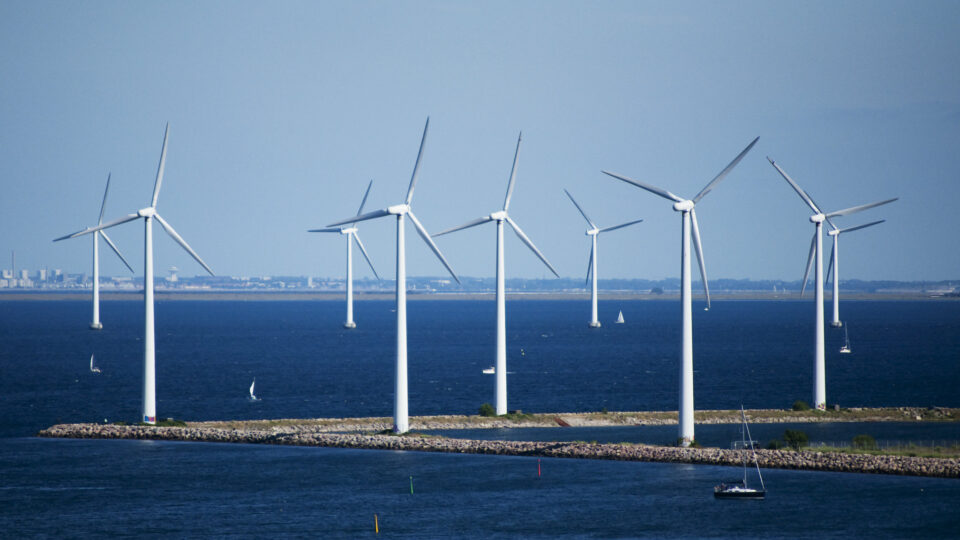
Denmark has managed to complete an entire year with half of its energy coming from renewable generation.  Almost all of it – 47% of the country’s power – came from wind turbines.

Denmark has been generating much of its energy from wind power for quite a while and actually produced about 46% of its electricity from renewable sources in 2017.  Denmark was a pioneer in developing commercial wind power during the 1970s, is a major manufacturer of wind turbines, and the small country has installed over 6,000 of them.  The gains this past year mostly came from the Horns Rev 3 offshore wind farm that went online in the fall.  The 407 MW wind farm has the capacity to cover the annual electricity consumption of about 425,000 households, which is about 20% of the country.

The growth of wind power in Denmark is still ramping up.  A 600 MW wind farm in the Baltic Sea will be connected to the Danish and German electricity grid by 2021, and a wind farm of at least 800 MW capacity in the North Sea is scheduled to come online in 2025.

The Danish Parliament has passed an ambitious climate law with the goal of reducing CO2 emissions by 70% in 2030 compared with 1990.  The country’s overall goal of being carbon-neutral by 2050 does not seem like a pipe dream.

**********

Web Links

Denmark Passes Magic 50% In Renewable Electricity Generation Milestone

Photo, posted July 12, 2009, courtesy of Flickr.

Earth Wise is a production of WAMC Northeast Public Radio.

Record Low Ice In The Bering Sea | Earth Wise

January 30, 2020 By EarthWise Leave a Comment

ice melts global warming

The Bering Sea is the area of the far northern Pacific Ocean that separates Alaska from Russia.  Sea ice in the Bering Sea shrank to its lowest levels in recorded history in 2018, an event with profound effects on northwest Alaska residents who depend on marine resources for food, cash, and culture.

The loss of ice is indicative of very rapid change in the entire northern Bering Sea ecosystem with ramifications for everyone in the region.  A new peer-reviewed study published in the Bulletin of the American Meteorological Society examined the details and consequences of the drastic changes in the Bering Sea.

The study found that the maximum daily Bering Sea ice was the lowest on record, and the widespread impacts of that fact include unprecedented weather effects, marine wildlife die-offs, and sightings of animals outside of their normal range.  Ecological changes included the first documented mass strandings of ice-associated seals, a redistribution of thermally sensitive fish, and a multispecies die-off of seabirds due to starvation.

Persistent and anomalous warm winter weather contributed to poor ice conditions that resulted in a fatal accident on an ice road and retreating and fractured sea ice led to ice-laden flooding that caused power outages and infrastructure damage.  In addition, there have been more than 50 reports of unusual events related to weather and marine wildlife.

The record-low sea ice is a consequence of the warming climate resulting in a warmer ocean, later arrival of sea ice, and more frequent storms than in the pre-industrial era.  These conditions are continuing to increase in occurrence.

**********

Web Links

Record low level of Bering Sea ice causes profound, widespread impacts

Photo, posted April 7, 2014, courtesy of Allen Smith via Flickr.

Earth Wise is a production of WAMC Northeast Public Radio.
Extreme Heat From Solar Power | Earth Wise

January 23, 2020 By EarthWise Leave a Comment

Renewable sources are playing a growing role in meeting our energy needs, but one place where they have continued to fall short is in industrial processes that require extreme heat.  These include the cement, steel, and glass industries, among others.  These industries account for a significant amount of CO2 emissions because the most effective way to reach the necessary temperatures continues to be combustion of fossil fuels.  The cement industry alone accounts for 7% of global emissions and the need for cement continues to grow.

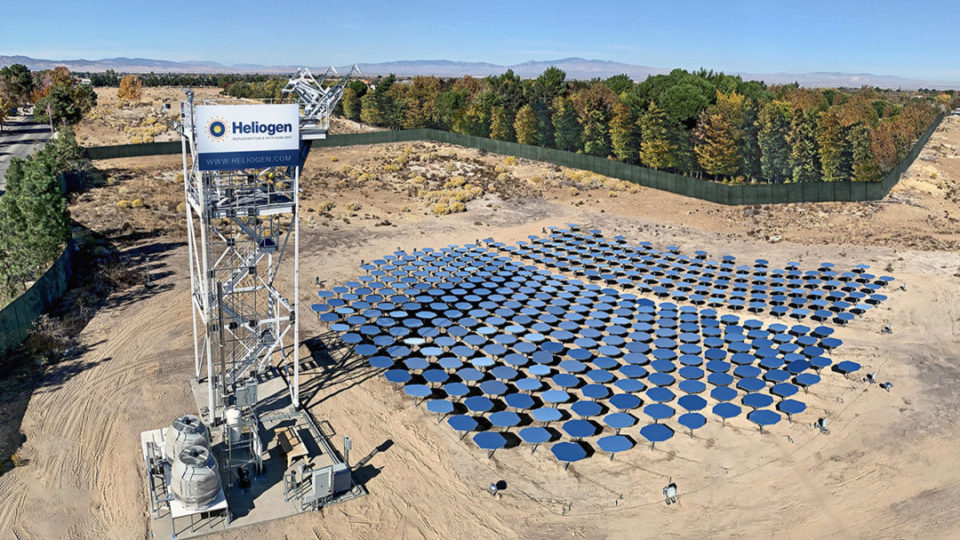
A previously stealthy startup company backed by Bill Gates and fellow billionaire Soon-Shiong has made a breakthrough in the area of using solar energy to achieve high temperatures.  The company, called Heliogen, has created a solar oven that is capable of generating heat above 1800 degrees Fahrenheit, which is enough for high-temperature industrial processes.

The Heliogen technology uses concentrated solar power to generate heat.  Concentrated solar power uses arrays of mirrors to reflect sunlight and focus it to a single point.  That technology is not new;  there are systems that use it to produce electricity and, to some extent, heat for industry.  But it could not achieve high enough temperatures for producing cement or steel.

The new system uses computer vision software, automatic edge detection and other sophisticated technologies to focus the sun’s rays far more finely than ever before and thereby generate far higher temperatures at the focal point.

Heliogen is now focused on demonstrating how the technology can be used in a large-scale application, such as cement-making.  The selling points to industry are that not only will there be no emissions generated, but that the fuel needed to obtain their extreme heat will be free.

**********

Web Links

Secretive energy startup backed by Bill Gates achieves solar breakthrough

Photo courtesy of Heliogen.

Earth Wise is a production of WAMC Northeast Public Radio.
A Possible Storage Breakthrough: Solar Energy | Earth Wise

January 10, 2020 By EarthWise 2 Comments

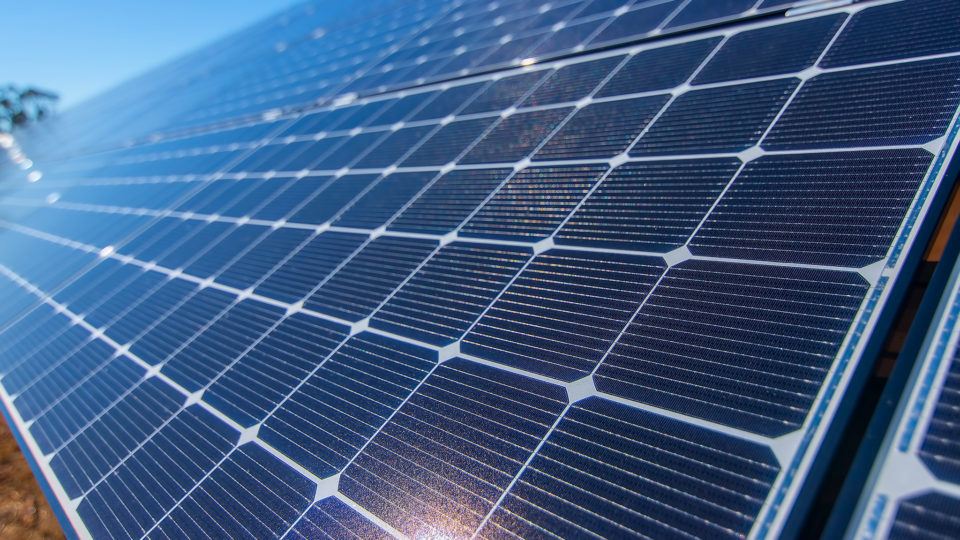
Solar energy is a nearly unlimited resource, but it is only available to us when the sun is shining.  For solar power to provide for the majority of our energy needs, there needs to be a way to capture the energy from the sun, store it, and release it when we need it.  There are many approaches to storing solar energy, but so far none have provided an ideal solution.

Scientists at the Chalmers Institute of Technology in Sweden have developed a way to harness solar energy and keep it in reserve so it can be released on demand in the form of heat—even decades after it was captured. Their solution combines several innovations, including an energy-trapping molecule, a storage system, and an energy-storing laminate for windows and textiles.

The energy-trapping molecule is made up of carbon, hydrogen, and nitrogen.  When hit by sunlight, the molecule captures the sun’s energy and holds on to it until it is released as heat by a catalyst.  The specialized storage unit is claimed to be able to store energy for decades.  The transparent coating that the team developed also collects solar energy and releases heat.  Using it would reduce the amount of electricity required for heating buildings.

So far, the team has concentrated on producing heat from stored solar energy.  It is unclear whether the technology can be adapted to produce electricity, which would be even more valuable.  In any event, the team does not yet have precise cost estimates for its technology, but there are no rare or expensive elements required, so the economics seem promising.  There is much more work to be done, but this could be a very important technology for the world’s energy systems.

**********

Web Links

An Energy Breakthrough Could Store Solar Power for Decades

Photo courtesy of Flickr.

Earth Wise is a production of WAMC Northeast Public Radio.
More Solar And Wind Power In The U.S.

January 2, 2020 By EarthWise Leave a Comment

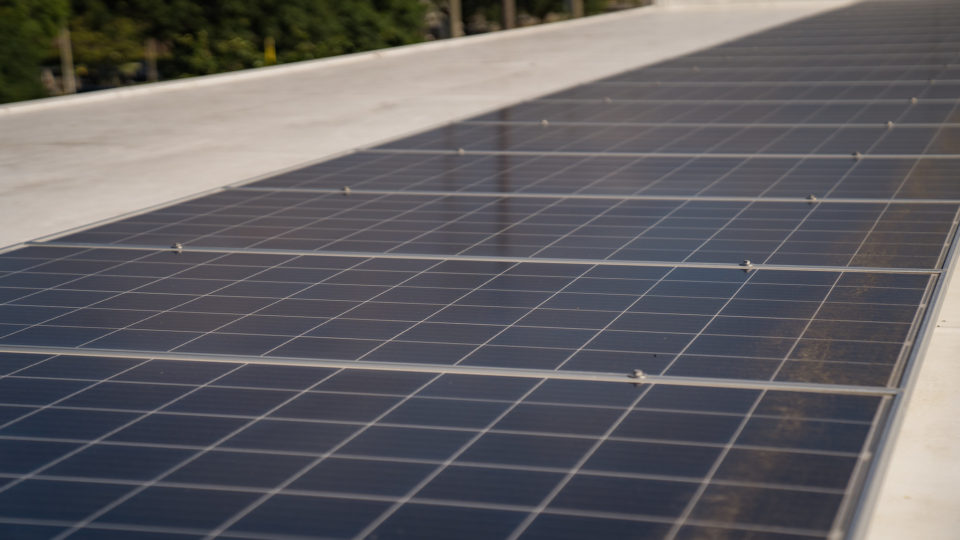
According to the U.S. Energy Information Administration, both wind and solar power are contributing more and more to total electrical generation in the United States.  For the first 8 months of 2019, the combination of wind and solar power accounted for almost 10% of U.S. electrical generation.

Solar, including small-scale PV systems on home rooftops, grew by almost 14% compared to the first eight months of 2018 and accounted for more than 2.7% of total electrical output.  In fact, small-scale solar generation increased by 19% and provided nearly a third of all the solar power in the country. 

Wind energy in the U.S. increased by 4.4%, accounting for almost 7% of the country’s electricity.

Overall, renewable energy sources – which include biomass, geothermal, hydropower, solar, and wind – accounted for 18.49% of net domestic electrical generation during the first 8 months of 2019.  The non-hydro renewable sources actually accounted for over 11% of total electricity production and saw a year-over-year growth of 6%. 

Outside of renewables, nuclear-generated electricity declined by 0.6% and coal power dropped by almost 14%.  Much of the coal generation was replaced by natural gas, which grew by 6.5% compared to the previous year.

Renewables now accounting for nearly 20% of overall electricity generation in the US represents significant progress.  But the variations by state continue to be substantial.  For example, while Vermont gets 99% of its power from renewables, Ohio gets only 2%. 

**********

Web Links

Solar and wind energy provide almost 10 percent of total generation in the US in 2019

Photo, posted April 8, 2019, courtesy of City of St. Pete via Flickr.

Earth Wise is a production of WAMC Northeast Public Radio.
Solar And Wind Energy And Groundwater

December 30, 2019 By EarthWise Leave a Comment

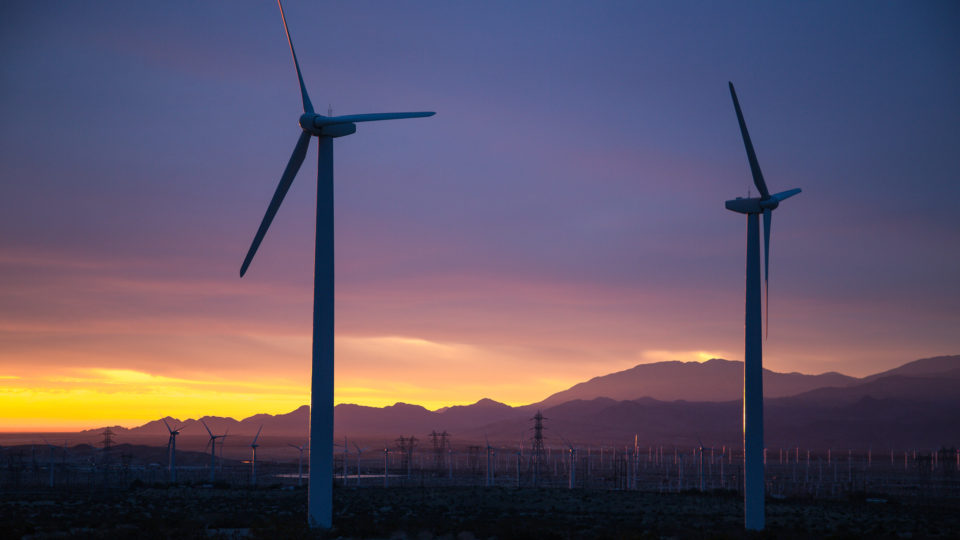
The use of both solar and wind farms has been expanding all over the country as a way of lowering carbon emissions from the electric power sector.   According to a new study led by Princeton University, these renewable energy sources have another important benefit:  they keep more water in the ground.

The study focused on drought-prone California where both solar and wind power have been expanding dramatically.  California is the largest agricultural producer in the United States and has also experienced one of the most severe droughts on record between 2012 and 2017.

The study determined that increased solar and wind energy can reduce the reliance on hydropower, especially during times of drought. 

The study looked at multiple scenarios in order to determine how much solar and wind energy should be used to maximize economic revenue and to see how solar and wind power could ensure groundwater recovery.  They created a framework to quantify the optimal pathways for maximizing hydroelectricity and agricultural income while avoiding groundwater depletion.

During the long drought, California’s agriculture industry relied heavily on tapping into groundwater stores, which is an unsustainable practice.  With more droughts likely to occur in California as well as increasing water demand from the growing California population, the burden on the state’s groundwater supply will only grow.

According to the researchers, it is far more practical to impose further regulations on groundwater use if sufficient solar and wind power is deployed.   They caution that these resources need to be deployed long before groundwater aquifers are depleted, or it will be too late for them to do any good.

**********

Web Links

Solar and Wind Energy Preserve Groundwater for Drought, Agriculture

Photo, posted December 11, 2014, courtesy of Tony Webster via Flickr.

Earth Wise is a production of WAMC Northeast Public Radio.

Reducing Emissions From Natural Gas Processing

December 4, 2019 By EarthWise Leave a Comment

Qatar, a small country in the Middle East with a population of about 2.5 million has the highest per capita income of any country in the world.  This is largely a result of being one of the world’s top producers of natural gas.  The upshot of that is that the tiny country has the dubious honor of being the world’s leading emitter of CO2 per capita.

Texas A&M University has a campus in Qatar and researchers there in collaboration with colleagues at the main campus in College Station, Texas have developed a new reactor technology that can help Qatar process its wealth of natural gas while reducing the country’s carbon footprint.

The technology processes natural gas and captured CO2 to produce both syngas – which is a valuable precursor for many products – and high-quality carbon nanotubes, all without releasing CO2 into the atmosphere.

Natural gas reforming is a process by which syngas – a feedstock for liquid hydrocarbons and ultraclean fuels- is produced.  The process requires lots of heat and emits CO2.  The new technology adds a novel CARGEN (or CARbon GENerator) reactor that advances the natural gas reforming process and includes a catalyst that captures the CO2 emissions and produces nanotubes.  The reactor can be driven by either electric or solar power, eliminating the need to burn fuel that ordinarily results in more carbon emissions.

The result is that Qatar’s CO2 emissions would be converted into two products that are important to its economy.  In particular, carbon nanotubes are very expensive and extremely versatile, and can be used to manufacture products such as computers and other high-quality materials.

The next step for the researchers is to partner with industry collaborators to further scale up the technology.

**********

Web Links

Qatar Researchers Develop Natural Gas Processing Technology That Could Reduce Qatar’s Carbon Footprint

Photo, posted September 30, 2012, courtesy of Jimmy Baikovicius via Flickr.

Earth Wise is a production of WAMC Northeast Public Radio.

Stranded Coal Assets In Japan

November 25, 2019 By EarthWise Leave a Comment

Japan is facing a looming financial problem as a result of heavy investments in coal technology that may quickly become stranded assets as renewable energy sources become increasingly inexpensive.

Japan is gradually adding more ambitious policies with regard to climate change including goals to reduce emissions and to have renewables become the main source of power over the next three decades.  But despite these policy efforts, Japan is still investing heavily in coal power.  Japan currently has 21 new coal projects with over 11 GW of under-construction, permitted or pre-permitted coal capacity.  But these tens of billions of dollars in assets would have to be closed prematurely in order to remain consistent with the goals of the Paris Climate Agreement.

According to a new report by the Carbon Tracker Initiative, a financial think tank, and the University of Tokyo, offshore wind power will be cheaper than coal in Japan by 2022, new solar cheaper by 2023, and onshore wind less expensive by 2025.  The price of offshore wind is already comparable to existing coal power in Japan.  Japan had a total of 55.5 GW of solar capacity last year and has the potential to reach 150 GW by 2030.

The report notes that 42% of the global coal fleet likely became unprofitable last year and this could rise to 72% by 2040.  The authors contend that building coal power today equals high-cost power and financial liabilities tomorrow.  The planned and operating coal capacity in Japan is partially protected by regulations that give coal generators an unfair advantage in the marketplace.  Ultimately, the stranded coal assets are likely to be passed down to consumers through higher power prices.

**********

Web Links

Land of the Rising Sun and Offshore Wind

Photo, posted April 25, 2019, courtesy of Jen via Flickr.

Earth Wise is a production of WAMC Northeast Public Radio.

Other Ways To Cut Vehicle Emissions

October 17, 2019 By EarthWise Leave a Comment

It is pretty clear that the way to drastically reduce vehicle greenhouse gas emissions is to switch as many vehicles as possible to electric power.  As a result, more and more localities are putting in place policies that encourage electrification.

While there is no doubt that electrification is the long-term solution to vehicle emissions, a recent study by MIT and the Ford Motor Company found that, in the short term, there are some places in the US where electric cars are not the best way to reduce emissions.

The study looked at a variety of factors that affect the relative performance of vehicles.  These include the role of low temperatures in reducing battery performance, regional differences in the average number of miles driven annually, and significant differences in the way electricity is generated in different parts of the US.

The results showed that electric vehicles definitely provide the greatest impact in reducing greenhouse gas emissions for most of the country – and particularly on both coasts and in the south – but that there are some places in the upper Midwest where the greatest reduction would be achieved by the use of lightweight gasoline-powered vehicles.

In places like parts of Wisconsin and Michigan, it is mostly rural, there are cold winters, and electricity is predominantly generated by coal-powered plants.  In these places, if gas-powered lightweight cars were to be used, the overall benefit would be greater than that of electric cars.  Unfortunately, there are no high-volume lightweight gasoline-powered mid-sized cars on the market in the US.  Ironically, the only cars of that class using lightweight aluminum construction are Teslas.

While electric cars are truly the long-term solution, the study does demonstrate the benefits of reducing the weight of vehicles.

**********

Web Links

What’s the best way to cut vehicle greenhouse-gas emissions?

Photo, posted February 9, 2018, courtesy of Dave Field via Flickr.

Earth Wise is a production of WAMC Northeast Public Radio.
New Membranes For Carbon Capture

October 2, 2019 By EarthWise Leave a Comment

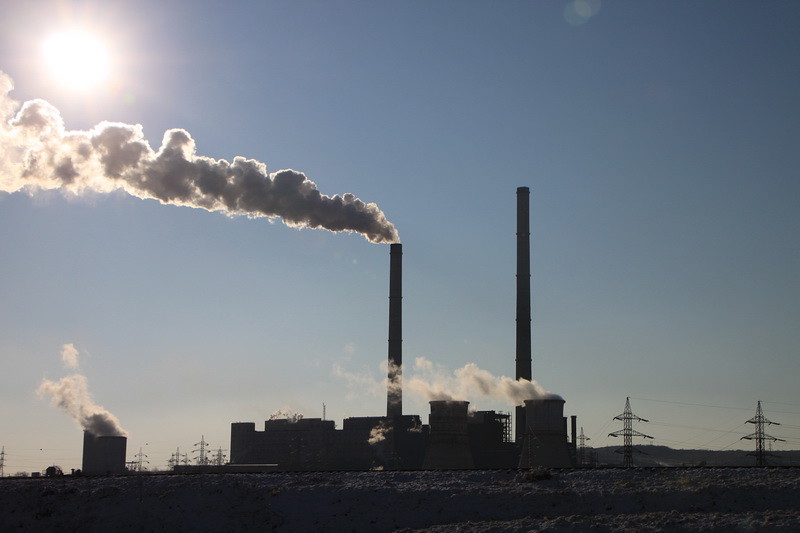
Drastically reducing the amount of carbon dioxide being emitted into the atmosphere is an essential goal in the effort to mitigate the effects of climate change.  While the ultimate solution is to avoid combustion of fossil fuels by the use of clean alternative energy sources, that transition will take time – possibly more time than we have.  As a result, there is a great deal of effort underway to develop techniques for capturing the carbon emitted by fossil fuel combustion and either recycling it or storing it.

There are multiple ways to capture carbon emissions, but the ultimate goal is to find a technique that is both inexpensive and scalable.  One promising technique involves the use of high-performance membranes, which are filters that can specifically pick out CO2 from a mix of gases, such as those coming out of a factory smokestack.

Scientists at a Swiss laboratory have now developed a new class of high-performance membranes that exceeds the targeted performance for carbon capture by a significant margin.  The membranes are based on single-layer graphene with a selective layer thinner than 20 nanometers – only about 40 atoms thick. The membranes are highly tunable in terms of chemistry, meaning that they can be designed to capture specific molecules.

The membranes are highly permeable – meaning that they don’t impede gas flow too much – but highly selective.  The CO2/N2 separation factor is 22.5, which means that 22.5 times more nitrogen can get through the membrane than carbon dioxide.

The work is just at the laboratory stage at this point, but it is a very promising step towards developing a practical scheme for keeping carbon dioxide from escaping from power-plant and factory smokestacks.

**********

Web Links

Next-gen membranes for carbon capture

Photo, posted December 28, 2010, courtesy of Emilian Robert Vicol via Flickr.

Earth Wise is a production of WAMC Northeast Public Radio.
Agrivoltaics

September 24, 2019 By EarthWise Leave a Comment

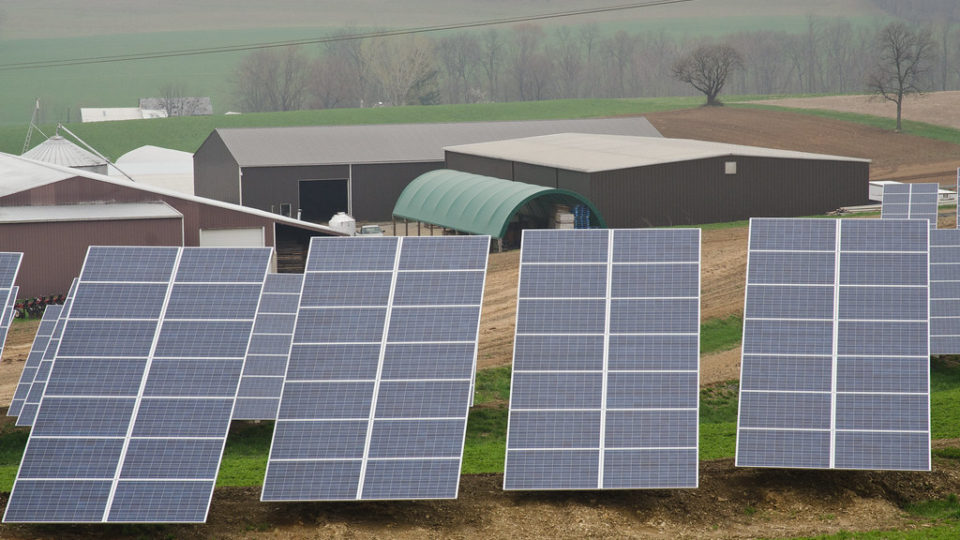
A new study by Oregon State University has found that the most productive places on Earth for solar power are farmlands.   In fact, if less than 1% of agricultural land was converted to solar panels, it would be sufficient to fulfill global electricity demand.

The concept of co-developing the same area of land for both solar photovoltaic power and conventional agriculture is known as agrivoltaics.

The synergy between agriculture and solar power is not surprising.   People have been growing crops around the planet for at least 8,000 years and, long ago, farmers found the best places to grow them which turn out to also the best places to harvest solar energy.  The needs for solar panels are pretty similar to those of food crops.  The efficiency of the panels decreases if they get too hot.  Barren land is hotter than cropland, so the productivity of solar panels is less in such places.

The Oregon State Study analyzed power production data collected by Tesla, which had installed five large grid-tied, ground-mounted solar electric arrays owned by Oregon State.  The researchers monitored air temperature, relative humidity, wind speed, wind direction, soil moisture, and incoming solar energy.  With the data, they developed a model for the best conditions for solar panel productivity and they coincide with excellent conditions for agriculture.  Solar panels are kind of like people with regard to the weather:  they are happier when it is cool and breezy and dry.

Previously-published research shows that solar panels actually increase crop yields on pasture or agricultural fields.

These new results have implications for the current practice of constructing large solar arrays in deserts.  Agricultural lands may be a much better option for both solar production and crop production.

**********

Web Links

Installing solar panels on agricultural lands maximizes their efficiency, new study shows

Photo, posted April 20, 2011, courtesy of U.S. Department of Agriculture via Flickr.

Earth Wise is a production of WAMC Northeast Public Radio.
New York Offshore Wind

September 18, 2019 By EarthWise Leave a Comment

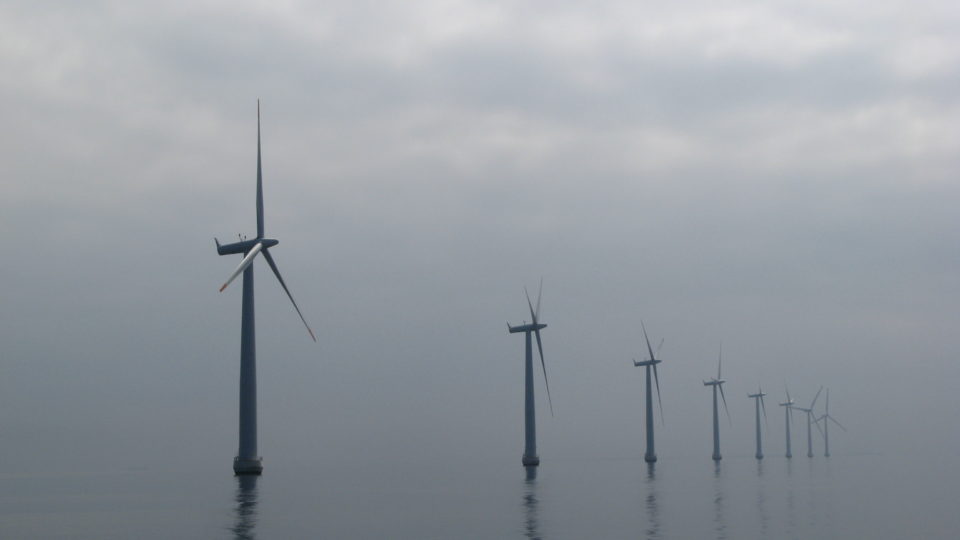
New York has passed ambitious legislation to reduce the carbon emissions that cause climate change, but the state needs to start taking action to make those reductions possible.  One such action it has taken is an agreement that will enable the construction of two large offshore wind projects.

The projects are to be built off the coast of Long Island.  One will be 14 miles south of Jones Beach and the other 30 miles north of Montauk.  The wind farms will be built by a division of Equinor, a major Danish energy company, and a joint venture between Orsted, another Danish company, and Eversource Energy, an American firm.

The two New York wind farms are expected to be operational within the next five years and have the capacity to produce 1,700 megawatts of electricity.  That is about 20% of Governor Andrew Cuomo’s overall goal for offshore wind.

Wind farms are a major energy source in the United States, now providing about 7% of the country’s electricity.  That compares with only 2% in 2010. But nearly all American wind turbines are on land.  There is only one small offshore wind farm in the US off the coast of Rhode Island.  Things are very different in Europe.  For example, Britain expects to get 10% of its electricity from offshore wind next year, which is up from less than 1% in 2010.

Developers of offshore wind farms have struggled to gain a foothold in the US.  Some projects have foundered because of cost issues, but others have faced opposition from politicians and coastal-property owners.  But assuming the New York wind projects clear permitting and environmental hurdles, offshore wind may finally be on the move in the US.

**********

Web Links

New York Awards Offshore Wind Contracts in Bid to Reduce Emissions

Photo, posted May 22, 2007, courtesy of Flickr.

Earth Wise is a production of WAMC Northeast Public Radio.
Scottish Wind Power

September 5, 2019 By EarthWise Leave a Comment

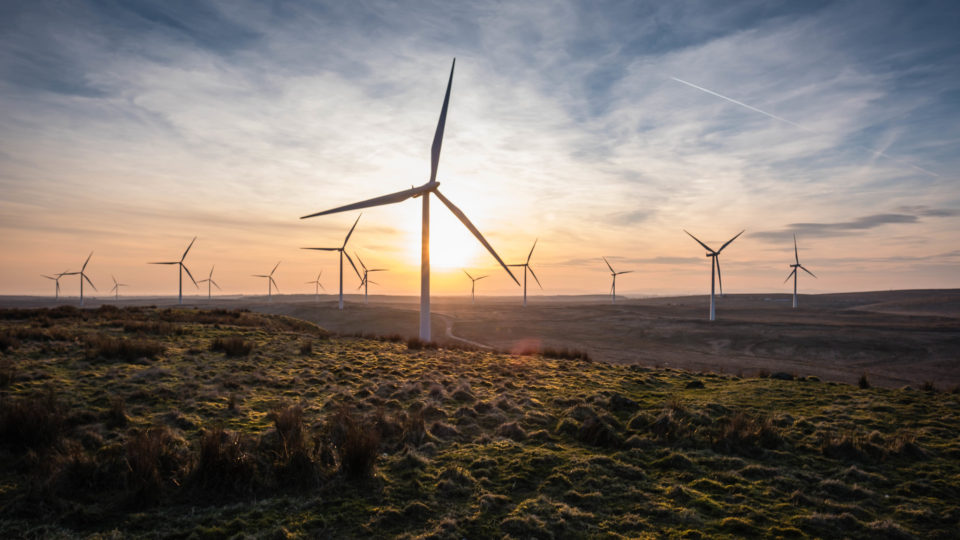
Scotland is a windy country.  Most wind turbines in the European Union produce electricity at an average of 25% of their maximum rated power as a result of the variability of wind resources.  The west and northern coasts of Scotland have an average capacity of 31% or more.  Some wind farms in Scotland have achieved more than 50% capacity over the course of a year.

As of the end of last year, Scotland had more than 8 GW of installed wind power capacity.  This included 7.8 GW of onshore wind and 623 MW of offshore wind generators.  Estimates are that more than 11 GW of onshore wind could be installed in Scotland.  The total offshore potential is far greater than that but would be much more expensive.  There are multiple large-scale wind farms proposed or under construction in Scotland.

All of this growth in wind power has led to some remarkable results.  During the first half of 2019, wind turbines in Scotland produced enough electricity to power every home in the country twice over.  Scottish wind farms generated nearly 10 million megawatt-hours between January and June, which is equal to the consumption of 4.5 million homes during that period.   That is enough to take care of all of Scotland’s homes plus a large portion of northern England’s. 

Scotland has set a target of generating half of its electricity from renewable sources by 2030 and decarbonizing its energy system almost entirely by 2050.  The recent performance of its wind power installations shows that the country might be able to reach its goal much sooner than anticipated.

**********

Web Links

Scotland’s Wind Farms Generate Enough Electricity to Power Nearly 4.5 Million Homes

Photo, posted March 27, 2017, courtesy of Ian Dick via Flickr.

Earth Wise is a production of WAMC Northeast Public Radio.
Meeting Climate Goals With Current Energy Infrastructure

September 2, 2019 By EarthWise Leave a Comment

The Paris Climate Agreement set forth a goal to keep global warming below 2 degrees Celsius as well as a more optimistic (and preferable) goal of keeping the temperature rise to less than 1.5 degrees.  Reaching either of these goals requires getting to net-zero emissions by the middle of the century.

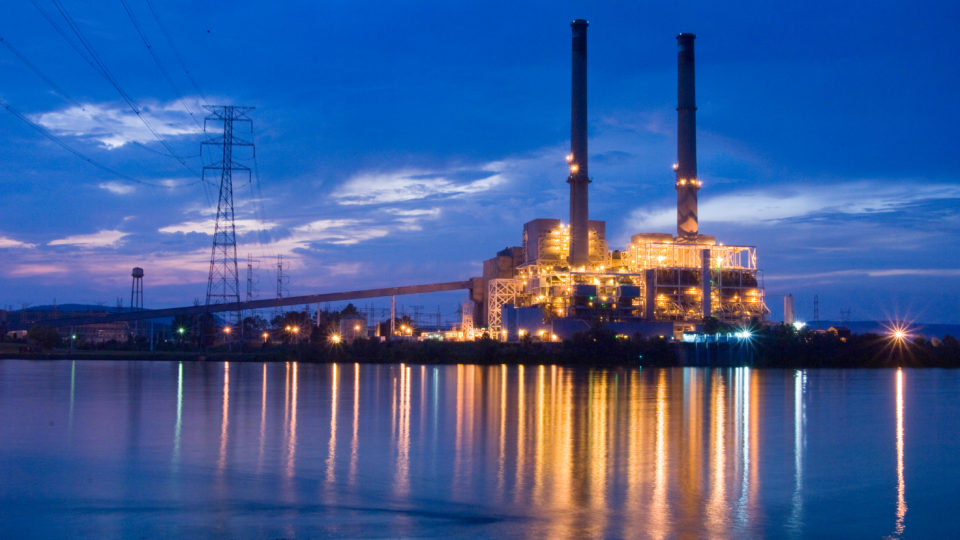
A new paper, published in Nature, looks at the issue of whether existing power plants and other fossil-fuel-burning equipment (including vehicles) can continue to operate until they age out of functionality, or whether they need to be retired early.

The results of the study are that future emissions from existing facilities would take up the entire carbon budget needed to limit warming to 1.5 degrees Celsius and almost 2/3 of the budget needed to keep warming below 2 degrees over the next 30 years.

So, the good news is that we can still avoid a 2-degree rise without having to shut down all the existing power plants early.  But we would definitely have to stop building new things with smokestacks and tailpipes that dump CO2 into the atmosphere. 

That good news is tempered by the fact that the number of fossil fuel-burning power plants and vehicles in the world has increased dramatically over the past decade, spurred by rapid economic and industrial development in China and India.  In fact, China is predicted to produce more than 40% of all the carbon emissions over the next 30 years.

The 2-degree climate goal is not at all the most desirable result.  The 1.5-degree target would be far better for the climate.  But if the world is to achieve it, there will be dramatic changes needed in the existing infrastructure – either shutting it down or retrofitting it to drastically reduce emissions.

**********

Web Links

Two-Degree Climate Goal Attainable Without Early Infrastructure Retirement

Photo, posted March 5, 2010, courtesy of Tennessee Valley Authority via Flickr.

Earth Wise is a production of WAMC Northeast Public Radio.
A Solar-Powered Airport

August 12, 2019 By EarthWise 1 Comment

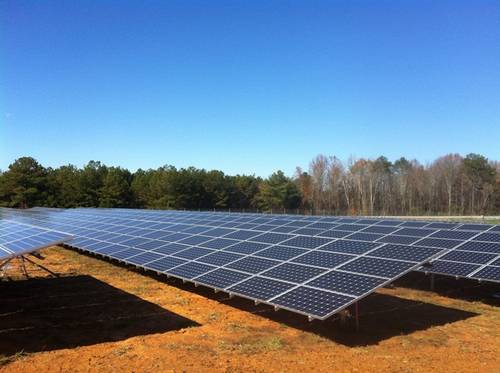
The Chattanooga Metropolitan Airport in Tennessee has become the first airport in the United States to run entirely on solar power.  The small airport operates over 60,000 flights a year and has recently completed work on a 12-acre, 2.64-megawatt solar farm that generates enough clean electricity to account for the airport’s total energy needs.

The project was funded largely by the Federal Aviation Administration, cost $10 million, and took nine years to complete.   The facility uses onsite batteries to help power operations at night.  The installation is expected to last 30 to 40 years.

The solar farm is in the southwest corner of the airfield on land that is unusable for aviation purposes.  It is visible from the two runways at the airport.

Officials from nearly 50 airports around the world have visited or contacted the Chattanooga airfield in recent years to learn about its solar operations.  Several major airports, including San Diego and London’s Gatwick, have also installed solar panels that provide a portion of their power needs.  The world’s busiest airport – Atlanta’s Hartsfield-Jackson – is looking into constructing renewable energy microgrids to power part of its operations.  Airports generally have plenty of vacant land that can be used for solar panels that can lower their power bills.

The largest airport solar installation is actually Cochin International in Kerala, India, which became 100% solar powered in 2015.  It is the 7th largest airport in India.   Its solar array has nearly 30 megawatts of capacity.  Airport managers there were fed up with huge electric bills and invested about $9 million to install the solar array.  It is expected to have paid for itself in the next couple of years.

**********

Web Links

Chattanooga Becomes First U.S. Airport to Run Entirely On Solar

Photo courtesy of Chattanooga Metropolitan Airport.

Earth Wise is a production of WAMC Northeast Public Radio.
Capital Region Community Solar

July 19, 2019 By EarthWise Leave a Comment

New York’s Capital Region is getting a major new community solar farm.  A community solar farm is a solar power installation whose output is shared by multiple community subscribers who receive credit on their electricity bills for their share of the power produced.  The primary purpose of community solar is to allow members of a community to have the benefits of solar power even if they cannot or prefer not to install solar panels on their own property.

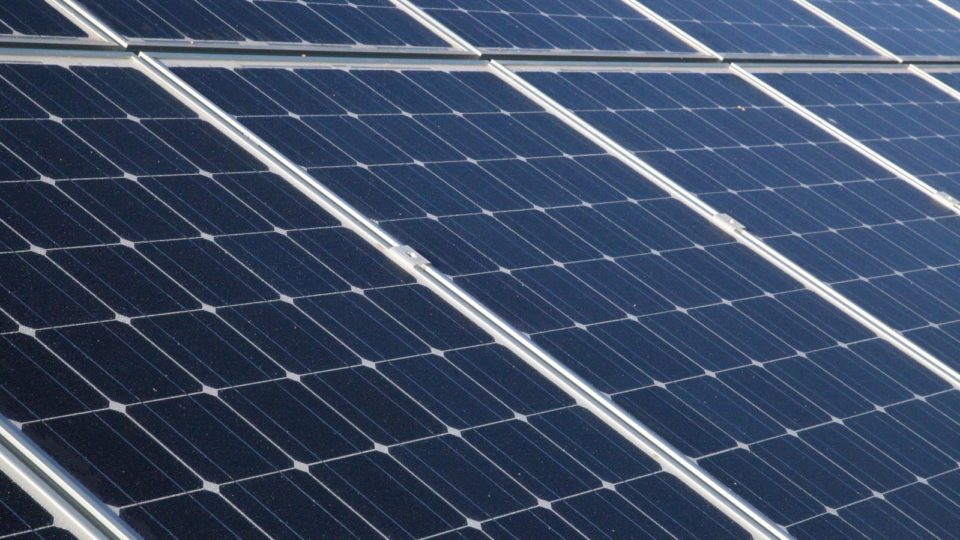
US Light Energy has broken ground on the Sugar Hill Solar Farm, to be located on 40 acres of land on the Sugar-Hill/Sugar-View Farm in Clifton Park.  The 7-megawatt, ground-mounted solar project will include nearly 20,000 solar modules.  When fully operational later this year, the facility is expected to produce more than 8.6 million kilowatt-hours of energy a year.

The farm will be part of New York state’s Community Solar Program, and the electricity it generates can be supplied to customers anywhere in National Grid’s existing distribution system.  Residential and commercial properties in Clifton Park will have 30 days to subscribe before the solar energy generated by the farm is opened to the general public.  Subscribers of community solar farms typically save 10% on their electricity bills.

There are already community solar programs in operation in several Capital Region communities, but this is the first one in the Clifton Park Area.  Apart from providing savings on utility bills, community solar allows consumers to support clean, locally generated power with little or no upfront costs.  Not everyone is in a position to put solar panels on their roof, but community solar is increasingly an option for New York residents.

**********

Web Links

Construction begins on 7-MW community solar farm in New York

Photo, posted March 19, 2012, courtesy of Kate Ausburn via Flickr.

Earth Wise is a production of WAMC Northeast Public Radio.
100% Renewables Does Not Necessarily Mean Carbon-Free

July 16, 2019 By EarthWise Leave a Comment

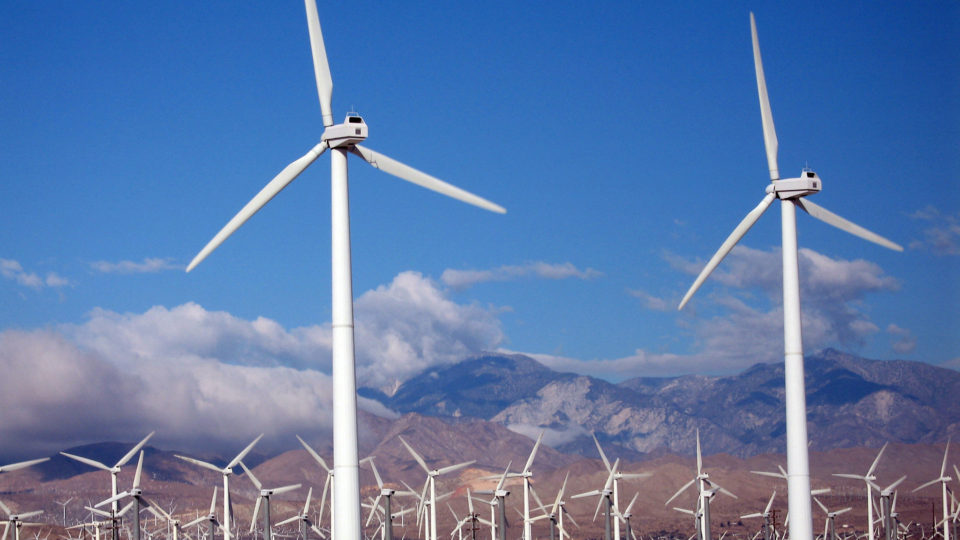
Hundreds of companies around the world have committed to use 100% renewable energy in order to fight climate change.  But a new study from Stanford University points out that 100% renewable energy does not necessarily mean 100% carbon-free energy.

The problem is that the carbon content of electricity can vary a lot over the course of a day in many locations.  Using yearly averages can overstate the carbon reductions associated with a particular power source, in some cases by significant amounts.

Suppose a California company purchases or generates enough solar power to match 100% or more of their electricity use over the course of the year.  In reality, it may generate far more electricity than it uses during the afternoon and sell the excess.  Then, at nighttime, it purchases power from the grid, which would be far more carbon-intensive if it involves the burning of fossil fuels.

But in Britain, for example, the situation is very different.  With a high reliance on wind power, grid carbon intensity is actually lower at night.  So very different consumption patterns over the course of a day would be less carbon-intensive.

If sufficient energy storage capacity can be implemented into the grid as well as suitable long-range transmission, these time-based fluctuations in the electricity supply could be ironed out.  Until such time, electricity consumers need to evaluate the environmental benefits of their renewable strategies on an hourly basis rather than using averages.  And the best strategies are entirely dependent upon the characteristics of the specific grid they interact with.  The need for this kind of analysis will only grow as renewable generation expands.  Transparent, precise and meaningful carbon accounting is necessary.

**********

Web Links

100% renewables doesn’t equal zero-carbon energy, and the difference is growing

Photo, posted January 29, 2013, courtesy of U.S. Fish and Wildlife Service via Flickr.

Earth Wise is a production of WAMC Northeast Public Radio.
Complications For New York Solar Farms

July 12, 2019 By EarthWise Leave a Comment

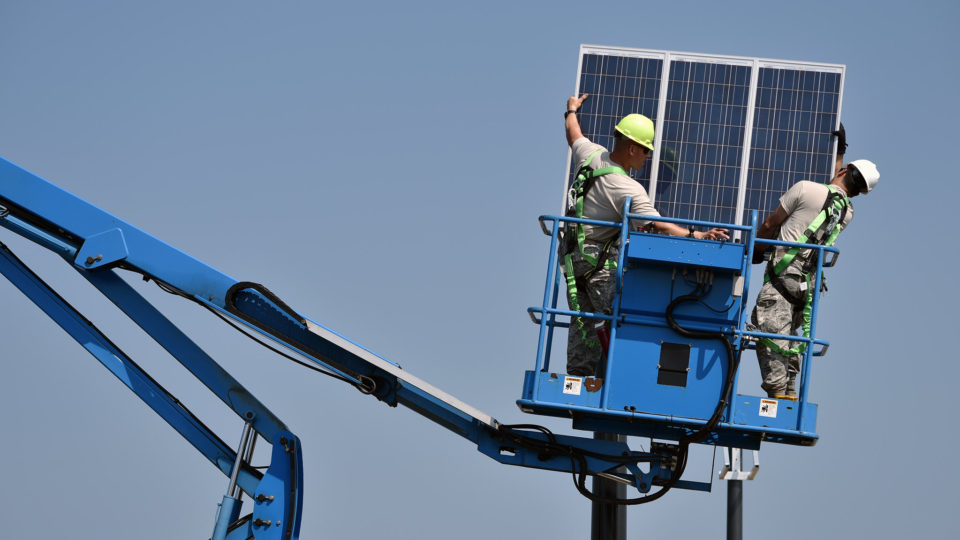
A study by engineers at Cornell University looked at the implications of adding utility-scale solar farms throughout New York State.  Adding such farms could reduce demand for electricity from conventional sources by nearly 10% in some places.  But the engineers caution that winters in upstate New York could create some novel problems for the state’s power system.

Electrical energy demand tends to be low around midday when many people are not home.  Electrical production from solar farms is high at that time when the sun is at its highest position in the sky.  This can lead to what power system operators call “ramping”, which is the term for rapid increases or decreases in demand.

This sort of ramping was first discussed in California years ago.  When people wake up and prepare for the day, there is a morning peak in electrical load, which occurs before solar production ramps up.   When people get home from work in the evening, energy demands create a second peak.  A graph of this lack of synchronicity of load and supply looks a little like the shape of a duck and is popularly known as the duck curve.

The Cornell engineers figured out that maximum ramping in New York – where electrical demand and electricity supply from solar farms are out of synch- will take place in the winter.  In fact, when there are several days of sunshine in a row during winter, the largest ramping in the New York power system will take place.

The general issue of having solar energy available when it is most needed is one that is the driver for energy storage technology. If the energy can be provided when demand calls for it, there would be no more ramping.

**********

Web Links

Winter could pose solar farm ‘ramping’ snag for power grid

Photo, posted September 8, 2015, courtesy of New York National Guard via Flickr.

Earth Wise is a production of WAMC Northeast Public Radio.
Two Million Solar Installations

July 1, 2019 By EarthWise Leave a Comment

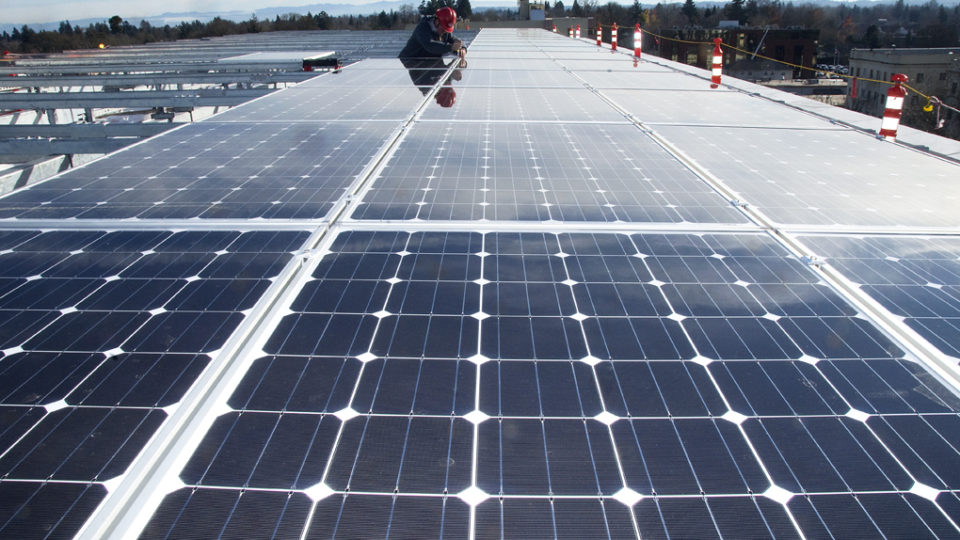
Three years ago, we reported that the United States had installed its one millionth solar energy system, a feat that took 40 years to accomplish.  Recently, the Solar Energy Industries Association announced that there are now more than 2 million U.S. installations.

Analysts forecast that there will be 3 million installation in 2021 and 4 million in 2023.

California continues to lead the nation in installing solar power.  More than 50% of the first million installations were in that state and California accounted for 43% of the second million.  Its share is nevertheless slowly dropping with the growth of the residential solar sector that is rapidly diversifying across state markets.  Some places have seen extremely rapid growth.  In South Carolina, there were barely more than 1,000 cumulative installations in 2016; today, the state is home to more than 18,000 solar systems and expects to add 22,000 more over the next five years.

The five leading states in terms of number of solar installations are California, Arizona, New York, New Jersey, and Massachusetts.    Other states recently seeing rapid growth in solar installations are Texas, Utah, Florida, Rhode Island and Maryland.  Looking ahead, Illinois is forecast to grow from only 4,000 installations today to nearly 100,000 by 2024.  The top ten state markets apart from California expect to add nearly 750,000 installation over the next five years.

The United States is at least the third nation that is home to more than 2 million solar installations.  (Australia hit the milestone late least year and Japan actually topped 2 million in September 2014).

According to forecasts from analyst first Wood Mackenzie, by the year 2024, there will be on average one new solar installation every minute.

**********

Web Links

The United States surpasses 2 million solar installations

Photo, posted January 11, 2012, courtesy of the Oregon Department of Transportation via Flickr.

Earth Wise is a production of WAMC Northeast Public Radio.
A Giant Solar Farm In Dubai

June 26, 2019 By EarthWise Leave a Comment

Like many places in the Middle East, Dubai made its fortune from oil.  But the Emirate’s oil resources are limited, and its economy has evolved in other directions.  Today, oil provides less than 5% of Dubai’s revenues; its economy relies on revenues from trade, tourism, aviation, real estate, and financial services.

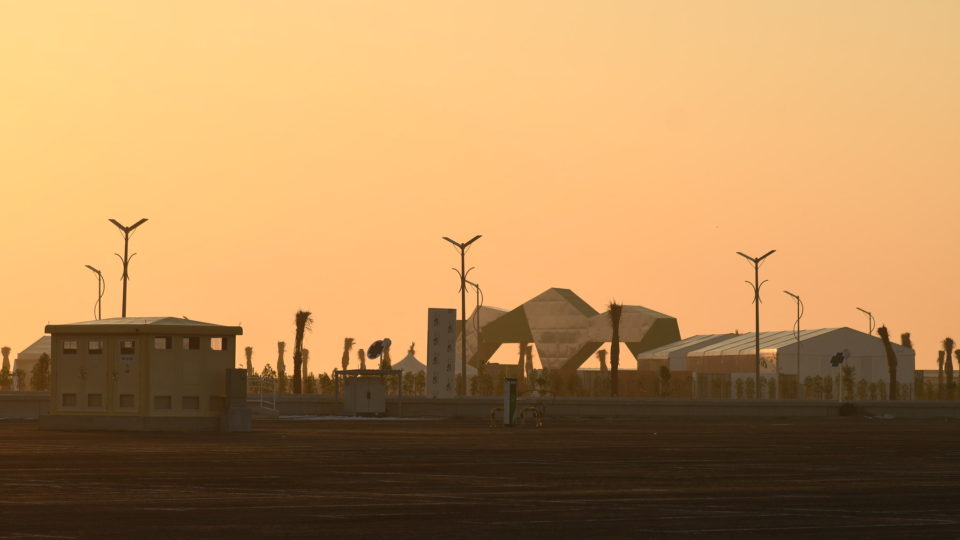
Dubai is also away from fossil fuels to meet its energy needs. A monumental construction project is underway deep within Dubai’s desert interior which will be the largest solar energy facility in the world.

The Mohammed Bin Rashid Al Maktoum Solar Park – named after Dubai’s ruler – has been under development for 7 years.  Total investment in the project will be nearly $14 billion when it is completed in 2030.  It will have a total capacity of 5,000 megawatts, enough to power 1.3 million homes.  Only some large hydroelectric power plants, the largest nuclear power plants, and a couple of Asian coal plants have more generating capacity.

Phases one and two of the project are already complete and feature more than 2 million solar panels.  Phase three – well along the way in construction – will add another 3 million solar panels and should be completed next year.

Phase four will not involve solar panels but instead will make use of the world’s tallest concentrated solar power tower.  It will use mirrors to focus sunlight at the top of the tower to heat up molten salt that will power steam turbines to generate electricity and will be able to operate long after the sun goes down.

Currently, the Tengger Desert Solar Park in China is the largest photovoltaic park in the world, but a colossal farm in India will take its place in a few years.  Big solar is getting bigger all the time.

**********

Web Links

$13.6B record-breaking solar park rises from Dubai desert

Photo, posted December 15, 2018, courtesy of Anoop S. via Flickr.

Earth Wise is a production of WAMC Northeast Public Radio.

  • « Go to Previous Page
  • Page 1
  • Interim pages omitted …
  • Page 19
  • Page 20
  • Page 21
  • Page 22
  • Page 23
  • Interim pages omitted …
  • Page 29
  • Go to Next Page »

Primary Sidebar

Recent Episodes

  • An uninsurable future
  • Clean energy and jobs
  • Insect declines in remote regions
  • Fossil fuel producing nations ignoring climate goals
  • Trouble for clownfishes

WAMC Northeast Public Radio

WAMC/Northeast Public Radio is a regional public radio network serving parts of seven northeastern states (more...)

Copyright © 2026 ·