mitigation
Carbon And North American Forests
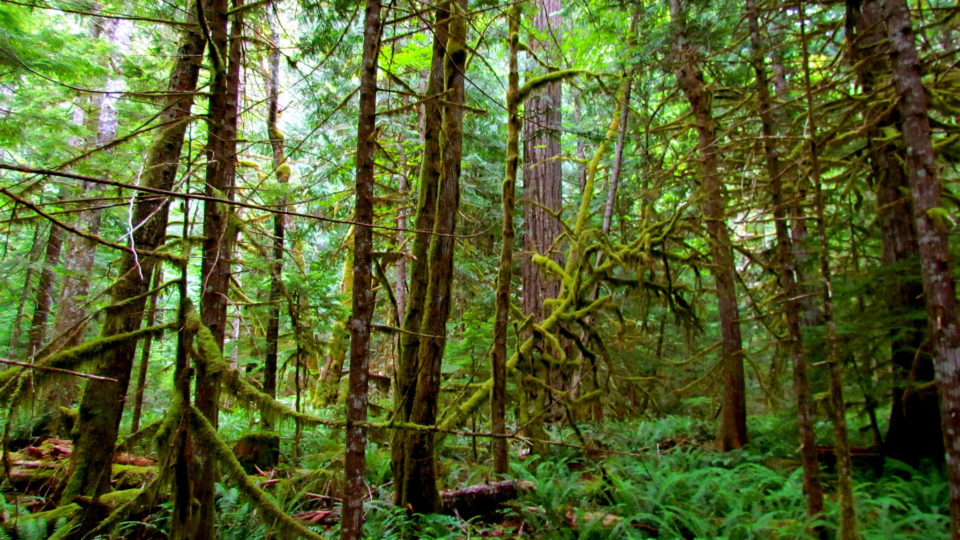
Researchers have for the first time calculated the capacity of North American forests to sequester carbon. The detailed analysis by UC Santa Cruz and collaborators in China and Arizona considers two key factors: the natural process of forest growth and regeneration, and effects brought about by climate change.
Clean Power Is Not Enough
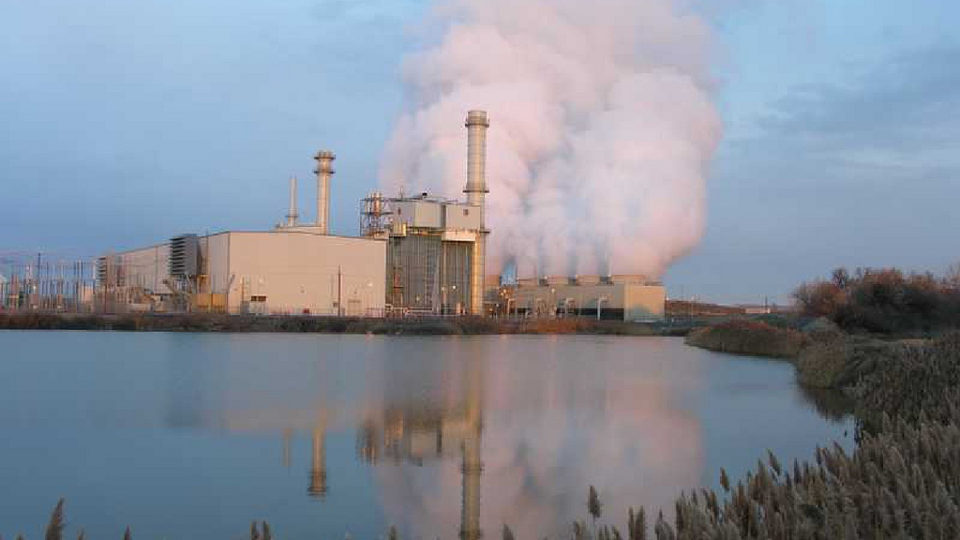
A recent study published in Nature Climate Change looked at what emission reductions are needed to meet the climate targets of the Paris Accords. The results are sobering.
Extreme Weather Increasing
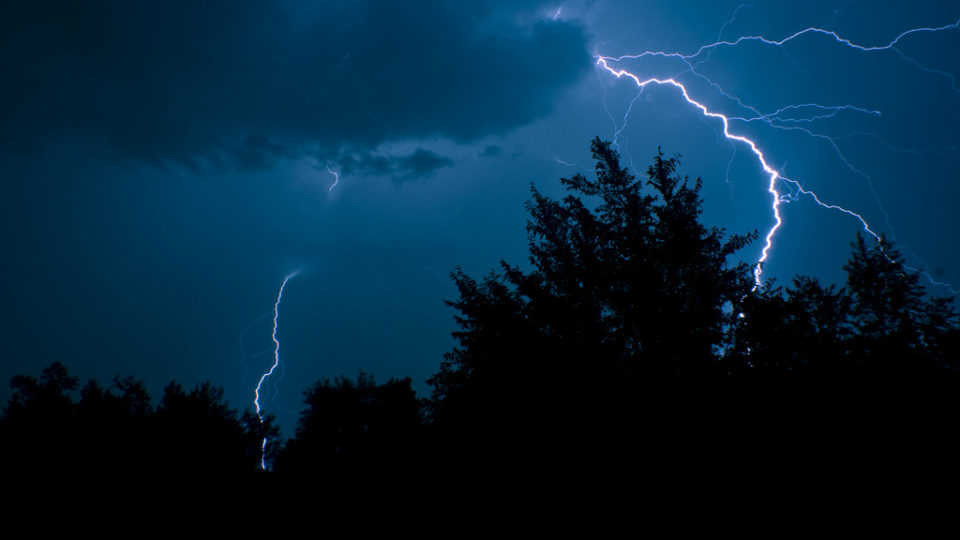
It sure seems like extreme weather is increasingly common: floods, droughts, extreme rainfall, powerful snowstorms, hurricanes and so on. But we tend to focus on recent events and often give them undue emphasis. So, it is reasonable to ask whether extreme weather really is more common these days.
Climate Change Threatens the U.S. Military

According to a new study from the Pentagon, nearly half of United States military sites are threatened by wild weather linked to climate change. The U.S. Department of Defense states that drought, wind, and flooding that occur due to reasons other than storms topped the list of natural disasters that endanger 1,700 military sites around the world – everything from outposts to large bases.
[Read more…] about Climate Change Threatens the U.S. Military
Reviled Animals Can Be Beneficial
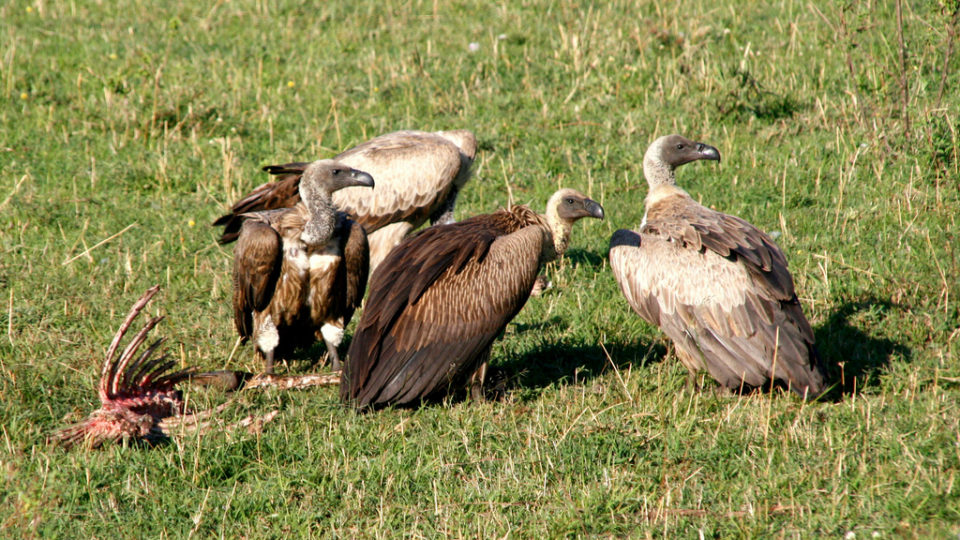
Predators and scavengers are widely persecuted by people because they are often harmful to property, livestock, and human beings. Nonetheless, research has shown that many of these animals play important roles in ecosystems and their removal can be quite harmful.
Natural Climate Solutions
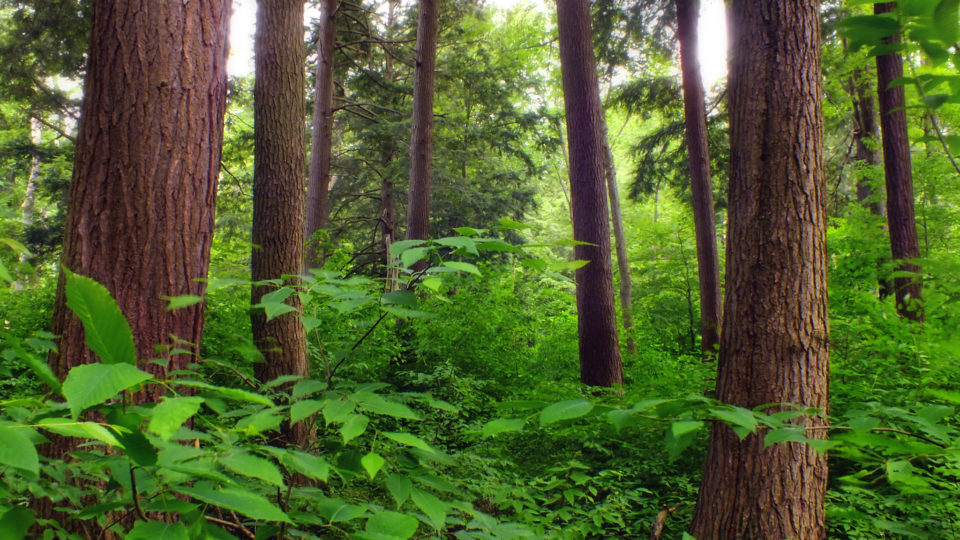
The Paris Climate Agreement embodies a commitment to hold the increase in the global average temperature to less than 2 Celsius degrees above preindustrial levels. Most strategies to achieve this goal involve reductions in greenhouse gas emissions from human activities such as burning fossil fuels as well as various land use activities. But there are also so-called Natural Climate Solutions, which relate to the storage of carbon and reduction in carbon emissions across global forests, wetlands, grasslands, and agricultural lands.
A Plastics Promise
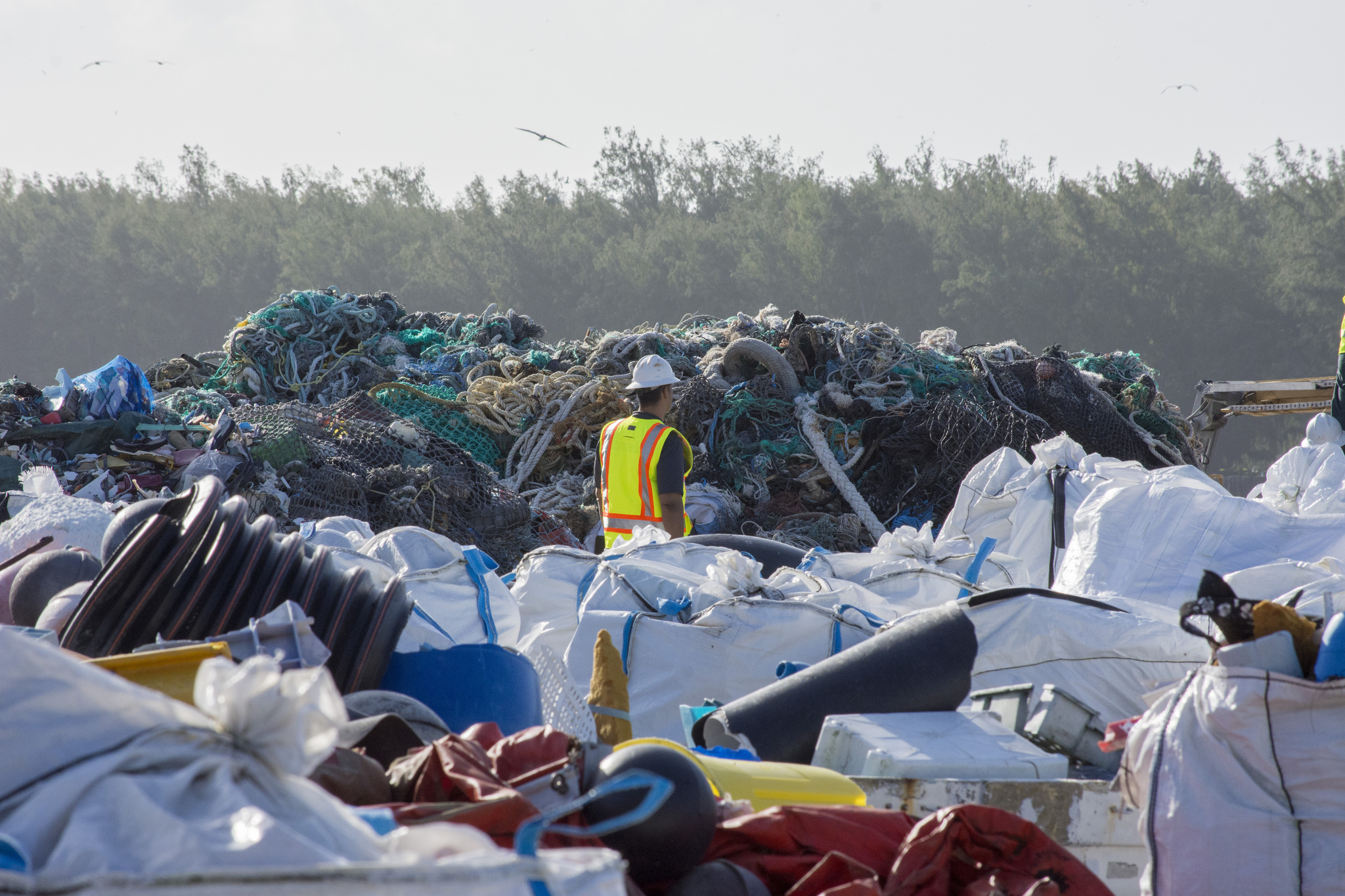
It’s estimated that five to thirteen million tons of plastic enters our oceans annually, where much of it can linger for hundreds of years. According to a report by the World Economic Forum and the Ellen MacArthur Foundation, scientists estimate that there is 165 million tons of plastic swirling about in the oceans right now. And we are on pace to have more plastic than fish (by weight) in the world’s oceans by 2050. That’s some scary stuff.
Cows And The Environment
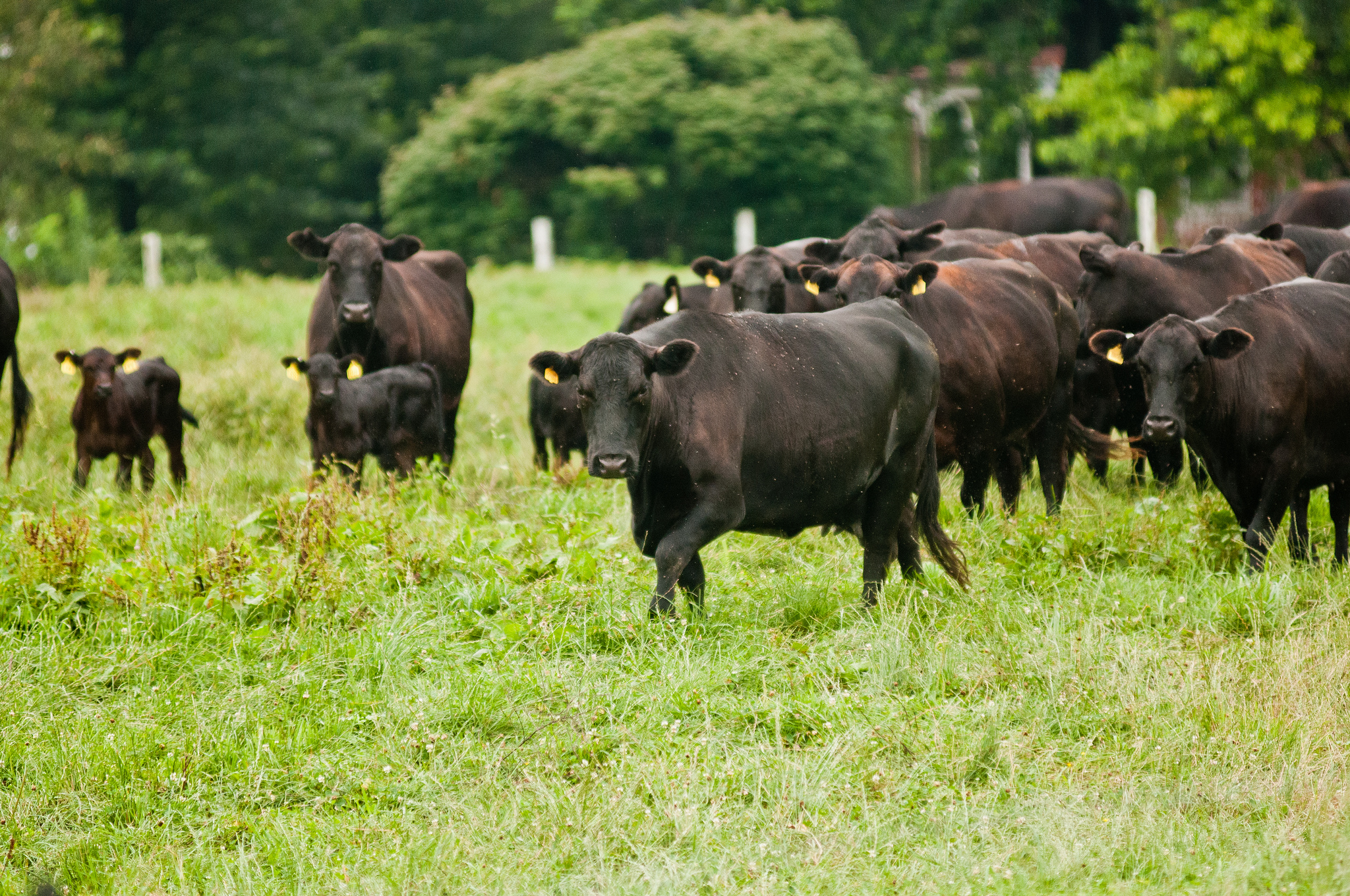
There are many environmental problems associated with ruminant livestock and these problems continue to grow as the demand for meat-rich diets increases around the world. One of the biggest problems is that cows emit methane through eructation (or belching) as they chew their cud. Methane is a powerful greenhouse gas, some 25 times more potent at trapping heat than carbon dioxide. More than a quarter of all human-originated methane going into the atmosphere comes from raising livestock.
Climate Engineering

With the forthcoming administration change, it appears that the federal government is likely to start backing away from tackling climate change and may even be obstructive towards efforts to mitigate the growing problem of greenhouse gas emissions.
Fracking And Earthquakes
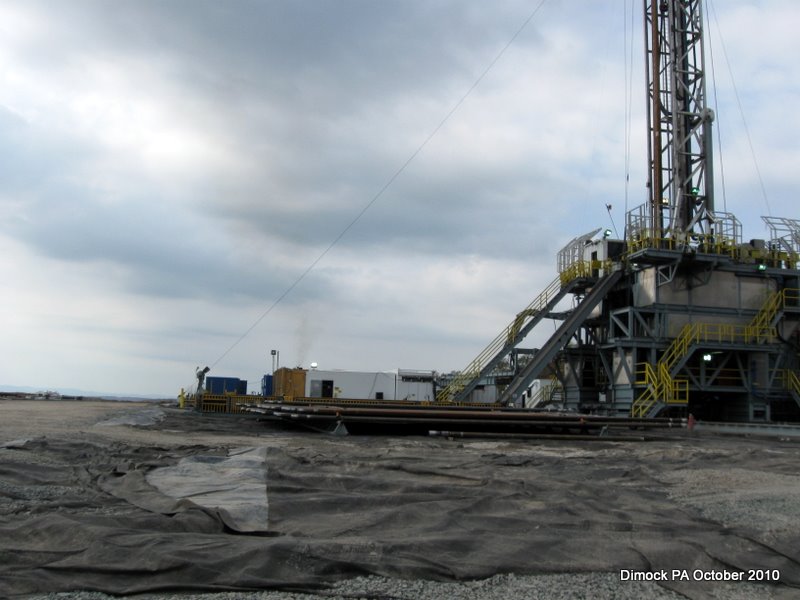
Hydraulic fracturing, or fracking, is the process in which water, chemicals and sand are injected at high pressure to split apart rock thousands of feet below Earth’s surface and release oil or natural gas. And it’s a controversial practice.
Climate Opinions
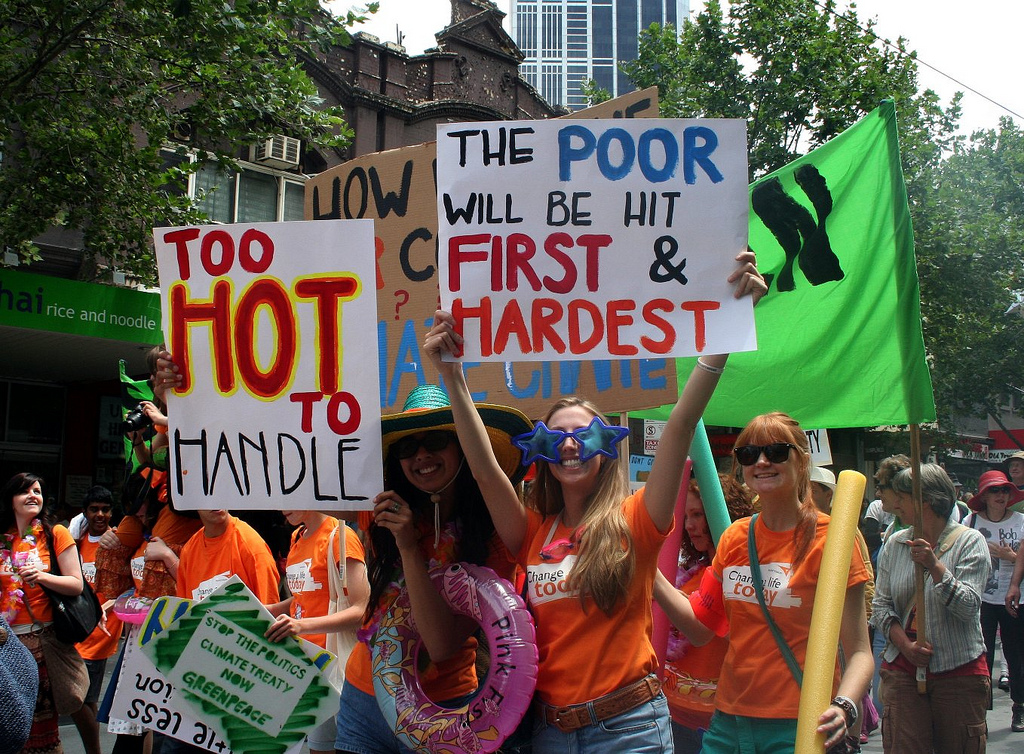
An international poll of over 45,000 people in 40 countries looked at opinions about climate change and the need to curb greenhouse gas emissions. The results are quite interesting.