• Skip to primary navigation
  • Skip to main content
  • Skip to primary sidebar

Earth Wise

A look at our changing environment.

  • Home
  • About Earth Wise
  • Where to Listen
  • All Articles
  • Show Search
Hide Search
You are here: Home / Archives for marine

marine

Harvesting Blue Energy | Earth Wise

February 7, 2020 By EarthWise Leave a Comment

researchers closer to harvesting osmotic energy

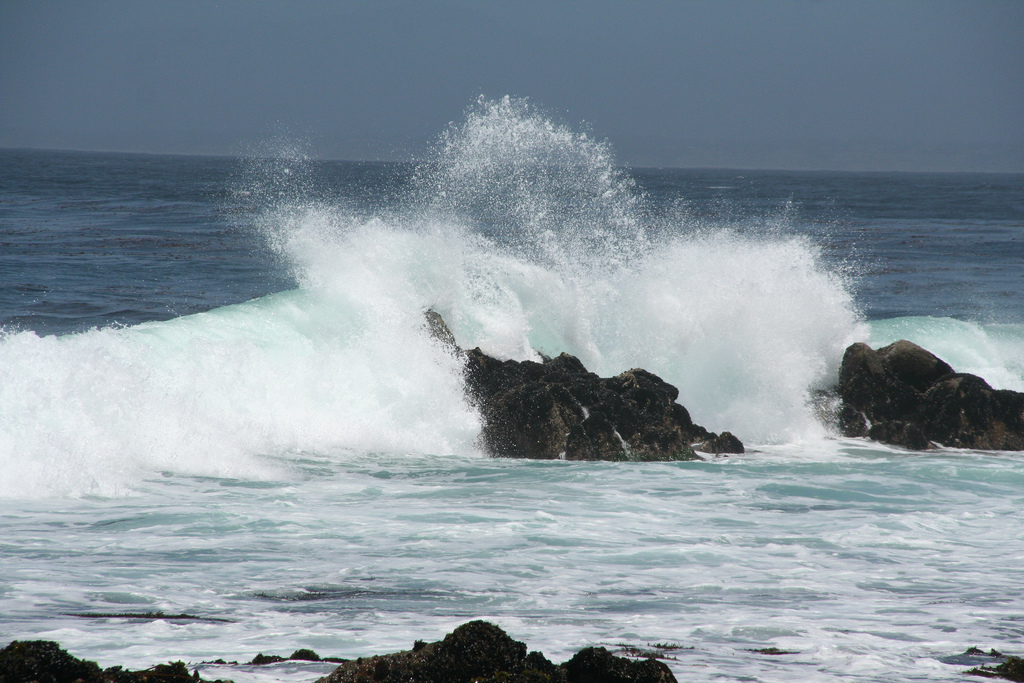
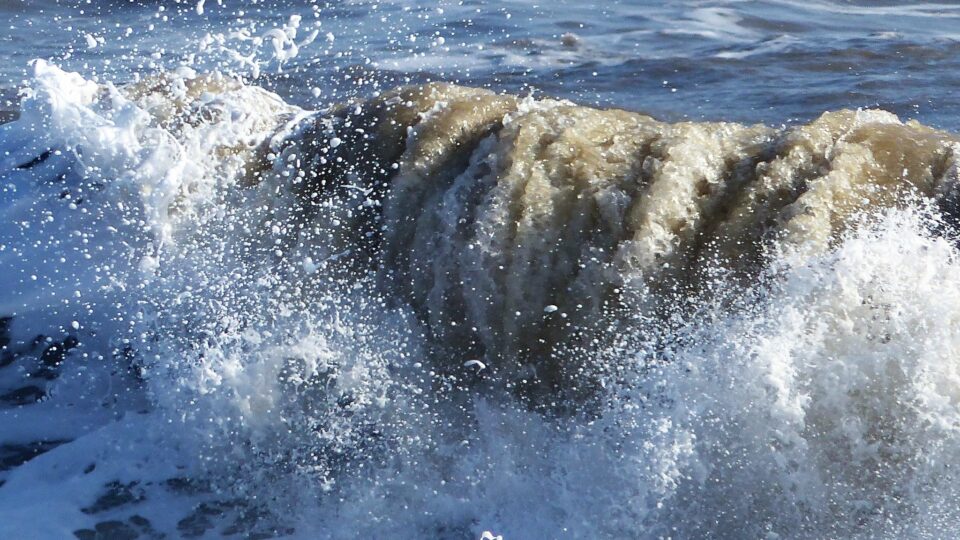
There are various ways to generate renewable energy from the world’s oceans, most obviously from the power of tides and waves.  But there is also an oceanic energy source called osmotic or “blue” energy.  Osmotic energy uses the differences in pressure and salinity between freshwater and saltwater to generate electricity. 

When freshwater and saltwater are mixed together, large amounts of energy are released. If the freshwater and seawater are then separated via a semi-permeable membrane, the freshwater will pass through the membrane and dilute the saltwater due to the chemical potential difference. This process is called osmosis. If the salt ions are captured completely by the membrane, the passing of water through the membrane will create a pressure known as osmotic pressure. This pressure can be used to generate electricity by using it to drive a turbine.  This has been demonstrated to work as far back as the 1970s, but the materials we have to use are not adequate to withstand ocean conditions over the long term and tend to break down quickly in the water.

New research, published in the journal Joule, looked to living organisms for inspiration to develop an improved osmotic energy system.  Scientists from the U.S. and Australia combined multiple materials to mimic the kind of high-performance membranes that are found in living organisms.  They created a hybrid membrane made from aramid microfibers (like those used in Kevlar) and boron nitride.  The new material provides both the flexibility of cartilage and the strength and stability of bone.

The researchers believe that the low cost and high stability of the new hybrid membrane will allow it to succeed in volatile marine environments.  They also expect the technology will be both efficient and scalable. 

**********

Web Links

Inspired by the Tissues of Living Organisms, Researchers Take One Step Closer to Harvesting “Blue Energy”

Photo, posted February 14, 2017, courtesy of Marian May via Flickr.

Earth Wise is a production of WAMC Northeast Public Radio.
Record Low Ice In The Bering Sea | Earth Wise

January 30, 2020 By EarthWise Leave a Comment

ice melts global warming

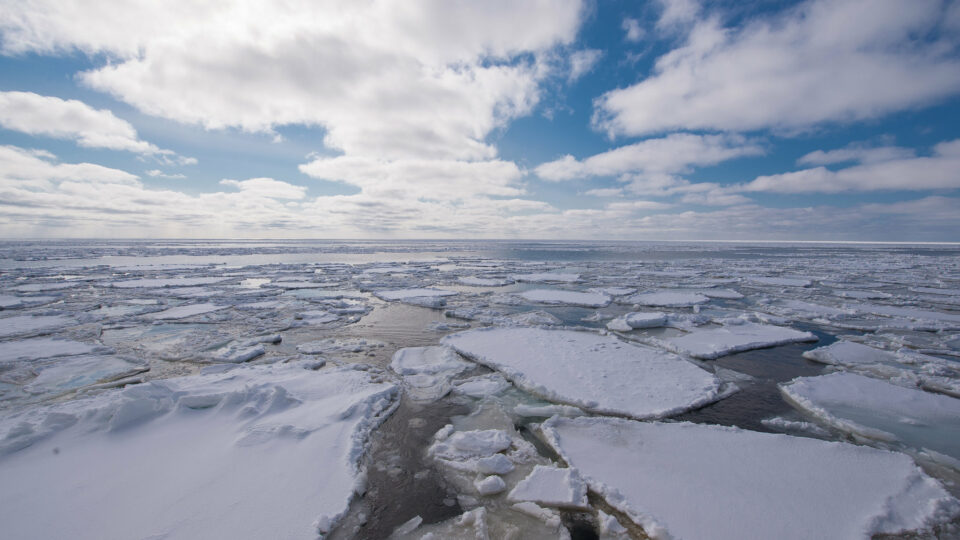
The Bering Sea is the area of the far northern Pacific Ocean that separates Alaska from Russia.  Sea ice in the Bering Sea shrank to its lowest levels in recorded history in 2018, an event with profound effects on northwest Alaska residents who depend on marine resources for food, cash, and culture.

The loss of ice is indicative of very rapid change in the entire northern Bering Sea ecosystem with ramifications for everyone in the region.  A new peer-reviewed study published in the Bulletin of the American Meteorological Society examined the details and consequences of the drastic changes in the Bering Sea.

The study found that the maximum daily Bering Sea ice was the lowest on record, and the widespread impacts of that fact include unprecedented weather effects, marine wildlife die-offs, and sightings of animals outside of their normal range.  Ecological changes included the first documented mass strandings of ice-associated seals, a redistribution of thermally sensitive fish, and a multispecies die-off of seabirds due to starvation.

Persistent and anomalous warm winter weather contributed to poor ice conditions that resulted in a fatal accident on an ice road and retreating and fractured sea ice led to ice-laden flooding that caused power outages and infrastructure damage.  In addition, there have been more than 50 reports of unusual events related to weather and marine wildlife.

The record-low sea ice is a consequence of the warming climate resulting in a warmer ocean, later arrival of sea ice, and more frequent storms than in the pre-industrial era.  These conditions are continuing to increase in occurrence.

**********

Web Links

Record low level of Bering Sea ice causes profound, widespread impacts

Photo, posted April 7, 2014, courtesy of Allen Smith via Flickr.

Earth Wise is a production of WAMC Northeast Public Radio.
What’s On Nature’s Calendar? | Earth Wise

January 29, 2020 By EarthWise 1 Comment

Nature Calendar Flux

The Inuit Calendar is based on six seasons defined by weather, ice, animal migration, daylight hours and the night sky.  All these variables are in flux according to Harvard Narwhal Biologist Dr. Martin Nweeia.  Last August in the high Canadian Arctic, at 72 degrees north latitude, temperatures were at an astounding 70 degrees during the day. In 2018, the same region at the same time of year, experienced one of the coldest August months in 15 years.  

Disappearing sea ice in Hudson Bay affects migration patterns of ice-dependent species like narwhal and beluga whales and now allows more shipping traffic which produces more marine noise pollution and the risk of an oil spill. As a natural resource, the Arctic has significant deposits of iron ore, gold, diamonds, phosphate, and bauxite, so cargo shipments are increasing yearly.  

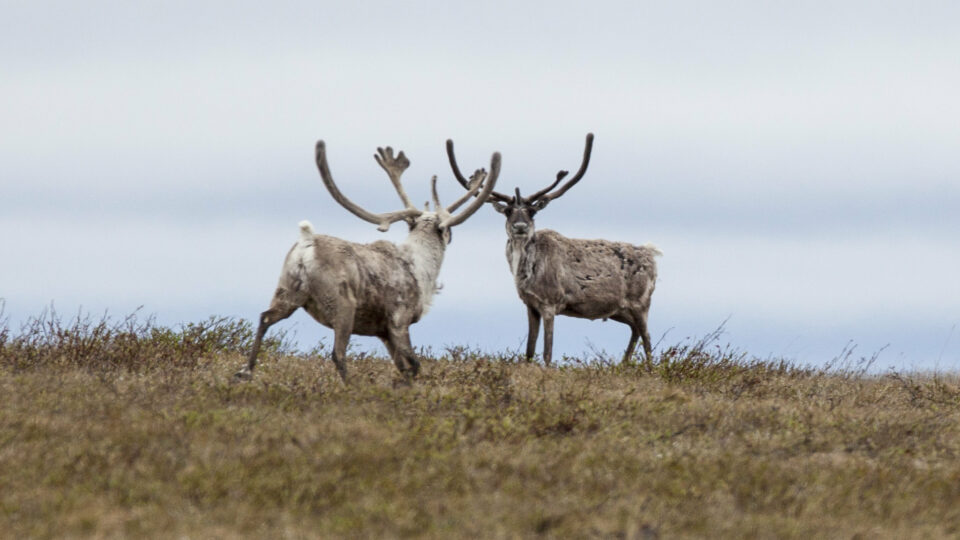
The disappearance of caribou herds and altered migrations of other animals have also blurred the seasonal changes. Caribou numbers have decreased by more than half in the last two decades.  Narwhal populations are remaining steady but are experiencing migration shifts resulting in their appearance at new locations and their absence from traditional areas.  Even the timing of the migration has changed, shifting two weeks later from normal late summer – early fall patterns.  

The night sky, which has long had identifiable reference points for Inuit observers, is also changing causing speculation about changes in the magnetic field and a polar shift or flipping of the poles. The earth’s magnetic north has been shifting toward Siberia at an alarming 30 miles each year since 2015.  Every million years, it is estimated that the poles flip three times.  No one knows if or when it will happen again. That’s a calendar with some unexpected dates. 

**********

–Earth Wise acknowledges script contribution from Dr. Martin Nweeia of Harvard University.

Web Links

Migratory Tundra Caribou and Wild Reindeer

Earth’s magnetic field is acting up and geologists don’t know why

Photo, posted June 27, 2014, courtesy of the Bureau of Land Management via Flickr.

Earth Wise is a production of WAMC Northeast Public Radio.
Much More Microplastics In The Ocean | Earth Wise

January 28, 2020 By EarthWise Leave a Comment

microplastics in ocean image

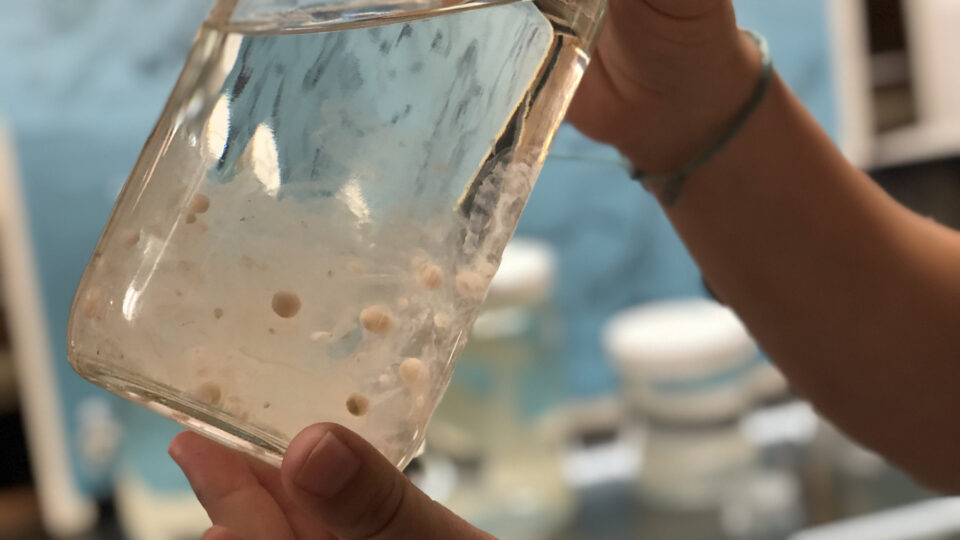
We’ve been hearing more and more about plastic contamination (microplastics) in the ocean.  It is pulled from the nostrils of sea turtles, found in Antarctic waters, and tracked in increasing quantities in sedimentary layers dating back to the 1940s.  A new study by researchers from the Scripps Institution of Oceanography suggests that there could be a million times more pieces of plastic in the ocean than previously estimated.

Oceanographers found that some of the tiniest countable microplastic particles in seawater occur at much higher concentrations than previously measured.  Apparently, the traditional way of counting marine microplastics most likely misses the smallest particles, and therefore underestimates the number of particles by a factor of anywhere from 10,000 to a million.

The new measurements estimate that the oceans may be contaminated by 8 million pieces of so-called mini-microplastics per cubic meter of water.  Earlier studies that only looked at larger pieces of plastic found only 10 pieces per cubic meter. 

Microplastic studies typically trawl or pull a fine net behind a ship to collect samples.  But the meshes previously used could only capture plastics as small as 333 microns.  The new study found plastic particles as small as 10 microns, which is less than the width of a human hair.

Plastics keep breaking down into smaller and smaller particles, but they are so chemically strong that their chemical bonds don’t break down. They remain bits of plastic.  Scientists are concerned that these particles can get small enough to enter the human bloodstream.  The potential effects on human health are not well known and not extensively studied.

The problem of plastics just keeps getting bigger.

**********

Web Links

Microplastics a million times more abundant in the ocean than previously thought

Photo courtesy of UC San Diego.

Earth Wise is a production of WAMC Northeast Public Radio.
A New Kind Of Coral Nursery

October 22, 2019 By EarthWise Leave a Comment

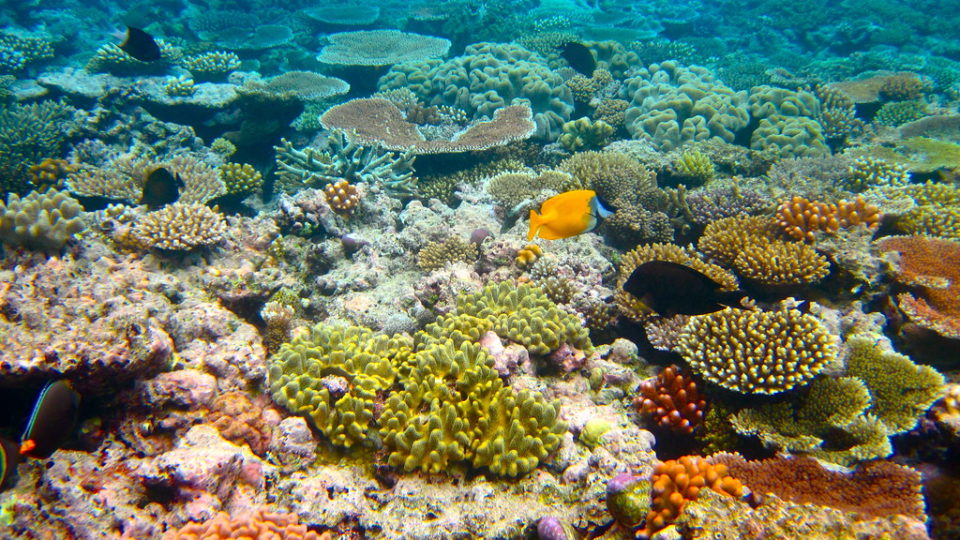
Coral reefs around the world are struggling from warming waters and increasing ocean acidification driven by excess carbon dioxide.  Many of the world’s greatest reefs – such as Australia’s Great Barrier Reef – have seen steep declines over the past decade.

But apart from the global environmental threat, reefs also are often damaged by various marine accidents such as ships grounding on them.   Such events can severely damage a reef and scatter countless small coral fragments onto the seafloor.  These small pieces of coral are not actually dead; they can continue on with their lives if they are relocated to a suitable environment such as a coral nursery.

Coral nurseries are generally small installations that allow coral fragments – typically pieces about 4 inches in length – to recover from their reef breaking up and to grow until they are large enough for conservation managers to replant them into reefs that need them.  This strategy works well in places where corals grow relatively quickly – such as Florida and the Caribbean – but not as well in places where coral grows more slowly, such as Hawaii.

Recently, coral experts at the National Oceanic and Atmospheric Administration working with mechanical engineering students at the University of Hawaii have developed a new type of coral nursery that can save fully formed coral colonies as opposed to small coral fragments.

The nurseries are large, carefully designed structures that can be loaded up with corals that have become detached from their reefs.  Some of these new structures were installed in the waters of Oahu in the summer of 2018 and were populated with corals.  The relocated corals, which would have otherwise died, are now recovering nicely in their new coral daycare centers and will soon be replanted back into the reef.

**********

Web Links

NOAA Develops A New Type of Coral Nursery

Photo, posted July 29, 2010, courtesy of Kyle Taylor via Flickr.

Earth Wise is a production of WAMC Northeast Public Radio.
Getting Rid Of Plastic Here And Abroad

May 23, 2019 By EarthWise Leave a Comment

Efforts in the fight against plastic pollution are really stepping up these days. 

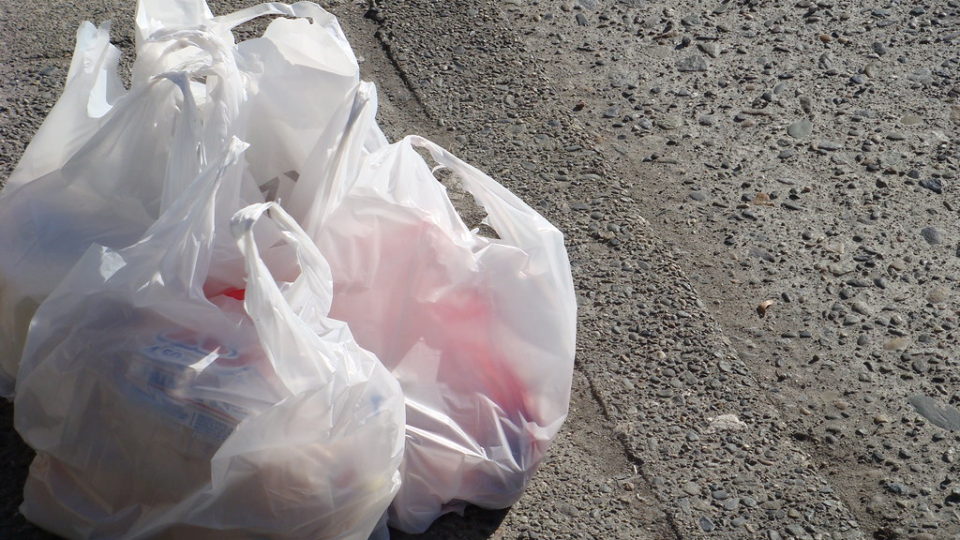
New York State lawmakers have agreed to impose a statewide ban on most types of single-use plastic bags from retail sales.  The ban would be the second statewide ban after California, which banned the bags in 2016.  Hawaii effectively also has such a ban since all of the state’s counties have their own bans.

The New York ban would begin next March and would forbid stores from providing customers with single-use plastic bags.  There are a number of exceptions, including food takeout bags in restaurants, bags used to wrap deli or meat counter products, and newspaper bags.  New York counties could opt into a plan to charge a 5-cent fee on paper bags, with proceeds going to the state’s Environmental Protection Fund.  Some environmentalists point out, however, that paper bags have their own issues.  While they do decompose in landfills, they have a substantial carbon footprint since they are made from wood and being heavier, they are more costly to ship.  Business groups are concerned about the forthcoming ban based on increased costs.

Meanwhile, European Union member states have reached a provisional agreement to introduce restrictions on single-use plastic products.  In 2021. European citizens will say goodbye to plastic cutlery, plastic plates and plastic straws among other products.

According to the European Commission, plastics make up 85% of beach litter in the Mediterranean.  Large plastic pieces injure, suffocate, and often kill marine animals but microplastics have reached record levels of concentration – over a million fragments per square kilometer – in the Mediterranean.

Both here and abroad, the war on plastics is heating up.

**********

Web Links

Plastic Bags to Be Banned in New York; Second Statewide Ban, After California

The End Of Plastic Cutlery, Plates And Straws: EU Market Says Goodbye To Single-Use Plastic Products

Photo, posted March 20, 2007, courtesy of Flickr.

Earth Wise is a production of WAMC Northeast Public Radio.
Protecting Vulnerable Shorelines

May 21, 2019 By EarthWise Leave a Comment

Global climate change is having noticeable effects on the environment. For example, glaciers are shrinking.  Plant and animal ranges are shifting and populations decreasing.  And droughts, floods, and wildfires are becoming more frequent and more intense.  According to the Intergovernmental Panel on Climate Change, the evidence indicates that the net damage costs of climate change are likely to be significant and to increase over time. 

Our coastal shorelines, which are already stressed by human activity, pollution, storms, and invasive species, are one of many areas expected to be further threatened by climate change.  Sea level rise and more intense and frequent storms are expected to erode and inundate coastal ecosystems and eliminate wetlands.  Ocean acidification is also projected to disrupt marine environments. 

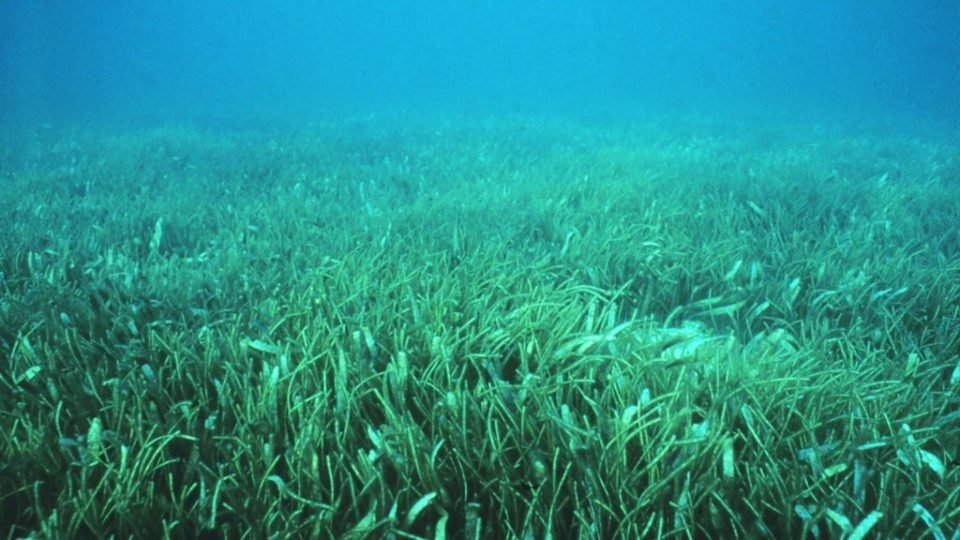
But according to scientists at the Massachusetts Institute of Technology, seagrasses could play a key role in protecting these vulnerable shorelines from this onslaught.  The MIT research team demonstrated how the ubiquitous marine plants dissipate wave energy and help protect against erosion, which could help mitigate damage from rising seas. 

Using mathematical modelling and experiments, the MIT researchers were able to quantify for the first time how large and dense a continuous meadow of seagrass must be in order to provide adequate damping of waves in a given setting.  They also found that seagrasses offer significant environmental benefits, including preventing beach erosion, protecting seawalls and coastal structures, improving water quality, and sequestering carbon. 

Submerged aquatic vegetation, including seagrasses, provides an ecosystem service exceeding $4 trillion annually.  Hopefully these findings can help provide useful guidance for seagrass restoration efforts.

**********

Web Links

Seagrass’ strong potential for curbing erosion

The Effects of Climate Change

Photo, posted October 13, 2010, courtesy of the NOAA Photo Library via Flickr.

Earth Wise is a production of WAMC Northeast Public Radio.
Balloons And Seabirds

March 19, 2019 By EarthWise Leave a Comment

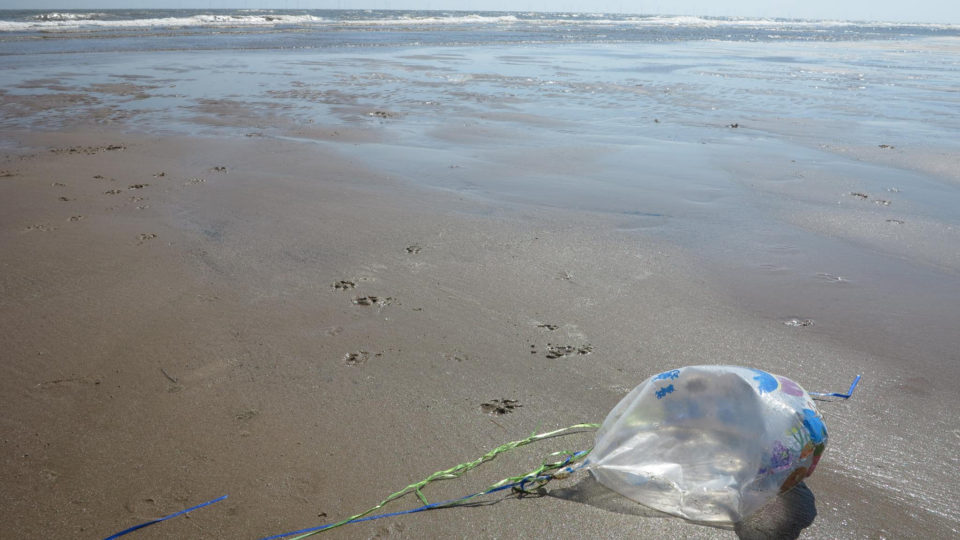
It’s no secret that there is a ton of plastic in the ocean – millions of tons, in fact.  Scientists estimate that there is more 165 million tons of plastics swirling about in our oceans today, with an additional 8.8 million tons flowing in every year.  As the oceans swell with plastic debris, many marine species wind up ingesting the stuff – often with dire consequences.

All this plastic trash winds up affecting more than just aquatic species, too.  According to researchers from the University of Tasmania, a seabird that ingested a single piece of plastic has a 20% chance of mortality.  This statistic jumps to 50% if the seabird consumes nine pieces of plastic. 

The study, which was recently published in the journal Scientific Reports, also found that while hard plastics account for the majority of plastic debris ingested, it’s far less likely to prove fatal than soft plastics, such as balloons. 

In fact, the researchers found that balloons or balloon fragments were the number one marine debris risk of mortality for seabirds, killing almost one in five of the seabirds that ingested them. 

The leading cause of death among the seabirds studied was blockage of the gastrointestinal tract.  While soft plastics only accounted for 5% of the ingested plastics, they were responsible for more than 40% of seabird mortality.  But the researchers make clear that hard plastics were still responsible for more than half of the study’s seabird deaths.  

If we want to reduce the number of marine species dying from plastic ingestion, we need to reduce the volume of plastic going into the ocean and do what we can to remove what’s already there. 

**********

Web Links

Balloons the number 1 marine debris risk of mortality for seabirds

Photo, posted July 24, 2014, courtesy of Flickr.

Earth Wise is a production of WAMC Northeast Public Radio.
Is There Hope For Coral Reefs?

January 16, 2019 By EarthWise Leave a Comment

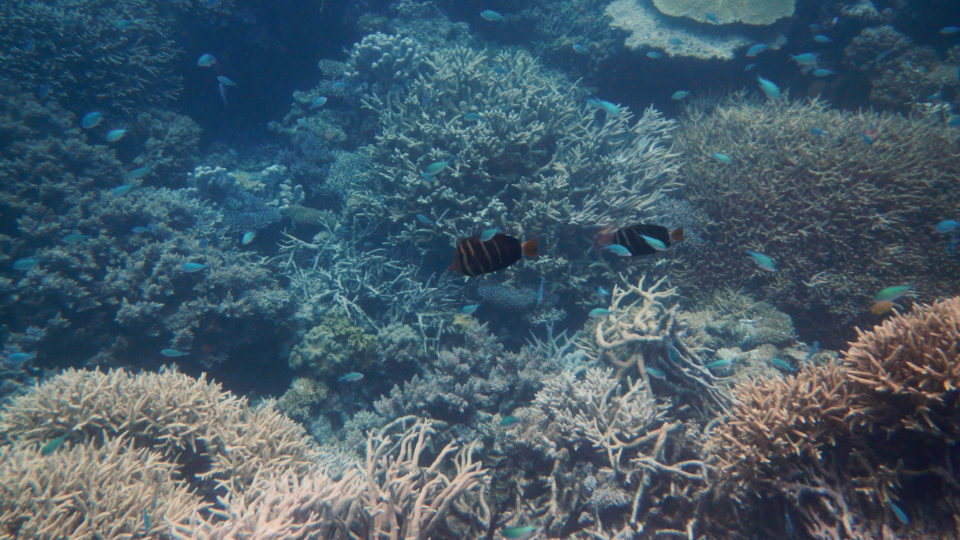
News about the world’s coral reefs has been relentlessly bad for a number of years.  Warming, acidifying oceans have wreaked havoc with coral reefs leading to enormous losses.  Nowhere have things been more dire than in Australia’s Great Barrier Reef.  Coral bleaching events have been increasingly common and severe over the past two decades.  In fact, only 7% of the Great Barrier Reef has escaped bleaching entirely since 1998.

While the future of the world’s coral reefs is very much uncertain as global heating continues, there is a recent bit of hopeful news.   According to a study published in Nature Climate Change, the response of the Great Barrier Reef to the extreme temperatures in 2017 was quite different from that of the previous year in the aftermath of back-to-back bouts of coral bleaching.

Surprisingly, corals that bleached in 2016 but managed to survive were more resistant to the recurrence of hot conditions in 2017.

Many corals don’t survive bleaching events at all and, of course,those corals don’t bleach for a second time. But the surviving corals from the 2016 bleaching event were tougher species.   As a result of bleaching, the mix of coral species on the reef is changing very rapidly.  The net result was that there was less bleaching in 2017 even though the temperatures that year were even more extreme than in 2016.

There have now been four mass bleaching events on the Great Barrier Reef over the past 20 years and it is only a matter of time before another one occurs triggered by the next marine heatwave. Almost half of the corals on the northern two-thirds of the reef have been killed.  But at least some of the reef is showing impressive survival skills.

**********

Web Links

A glimmer of hope for the world’s coral reefs

Photo, posted November 29, 2012, courtesy of Robert Linsdell via Flickr. 

Earth Wise is a production of WAMC Northeast Public Radio.
Japan And Whaling

January 10, 2019 By EarthWise Leave a Comment

The commercial hunting of whales nearly drove the giant mammals to extinction.  By the 1960s, as hunting technologies improved and ships began to resemble floating factories, it became clear that whaling could not continue unchecked. 

But despite all this, commercial whaling was never actually banned.  Instead, in 1986, members of the International Whaling Committee (IWC) agreed to a whaling moratorium in order to allow whale stocks to recover.  Pro-whaling nations like Japan, Iceland, and Norway expected the moratorium to be temporary until the whales stocks recovered, and a consensus on catch quotas could be established.  But the temporary moratorium became a quasi-permanent ban, much to the delight of conservationists and to the dismay of whaling nations. 

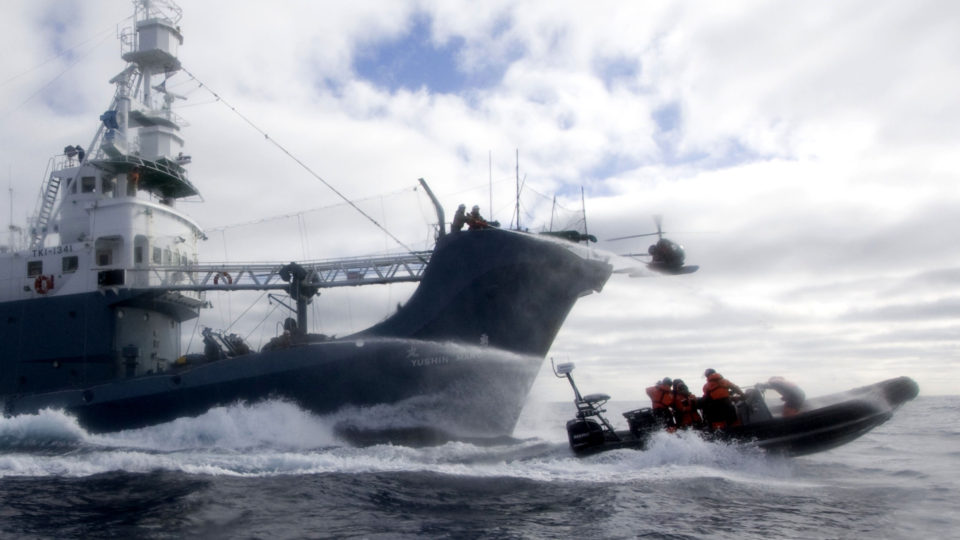
As a result, Japan recently announced it is leaving the international agreement and plans to resume commercial whaling.  The agreement though never really stopped Japanese whaling in the first place, because it allowed the country to kill whales for scientific research.  Japan has had an annual Antarctic catch quota of 333 minke whales, producing notoriously little in terms of whale science while producing  lots of whale meat.  As part of its withdrawal from the IWC, Japan will cease its Antarctic hunts and limit whalers to its own waters.  Commercial Japanese whaling will resume in July. 

Once popular in Japan, whale meat consumption has plummeted, falling 98% between 1962 and 2016. The industry employs fewer than 1,000 people and is dependent on government subsidies. 

Many governments and conservationist groups condemned Japan’s withdrawal, declaring the move out of step with the international community.  They argue that, rather than hunting whales, urgent action is needed to conserve marine ecosystems. 

**********

Web Links

Japan to Resume Commercial Whaling, Defying International Ban

Photo, posted February 5, 2009, courtesy of Flickr.

Earth Wise is a production of WAMC Northeast Public Radio.
Microplastics And Humans

November 27, 2018 By EarthWise Leave a Comment

https://earthwiseradio.org/wp-content/uploads/2018/10/EW-11-27-18-Microplastics-and-Humans.mp3

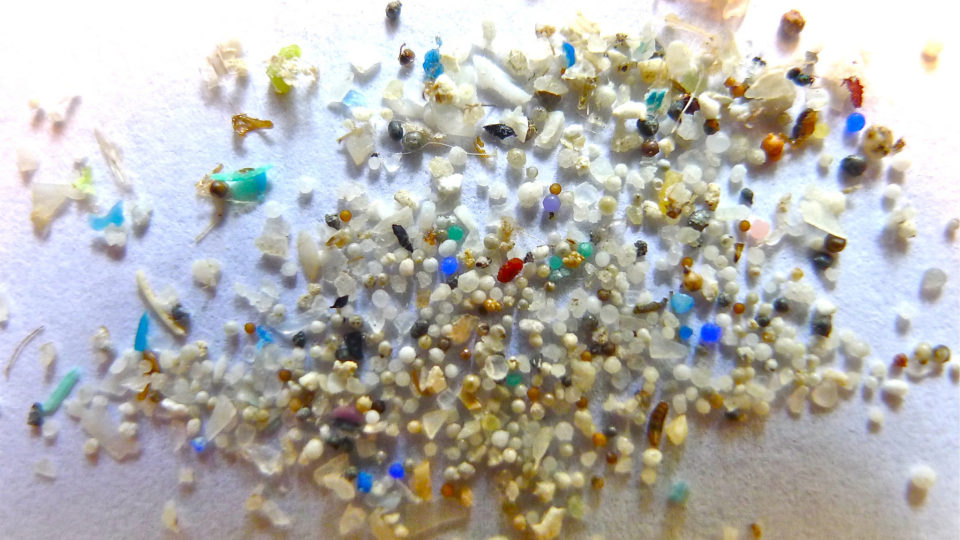
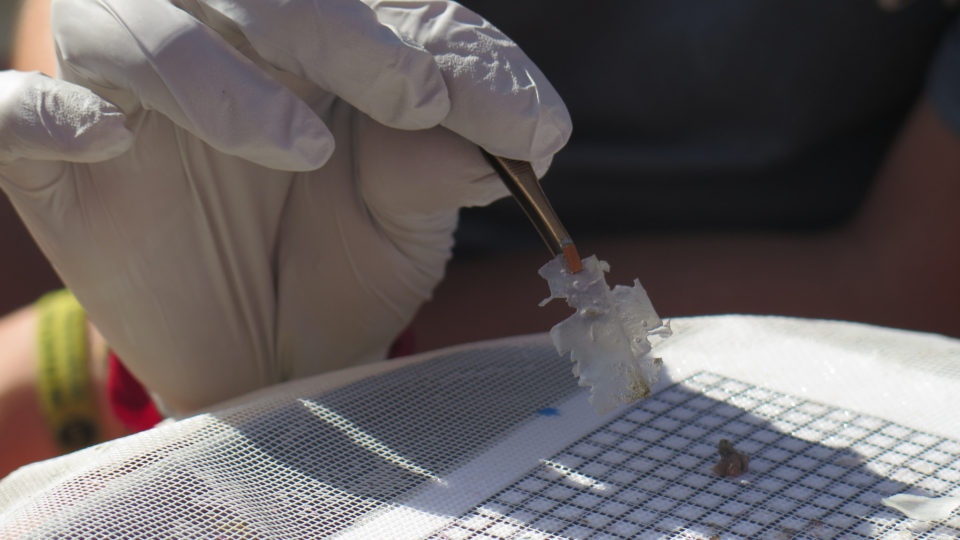
Microplastics are everywhere.  The tiny plastic particles pose a massive environmental challenge.  Microplastics are polluting oceans at an alarming rate.  Much of the oceanic microplastics result from the breakdown of plastic litter.  Another source of microplastics pollution is microbeads.  Microbeads, which are commonly added to cleansing and exfoliating personal care products, pollute the environment when they get flushed down the drain.   

[Read more…] about Microplastics And Humans

Investing In Solar Power

May 21, 2018 By EarthWise Leave a Comment

https://earthwiseradio.org/wp-content/uploads/2018/05/EW-05-21-18-Investing-in-Solar-Power.mp3

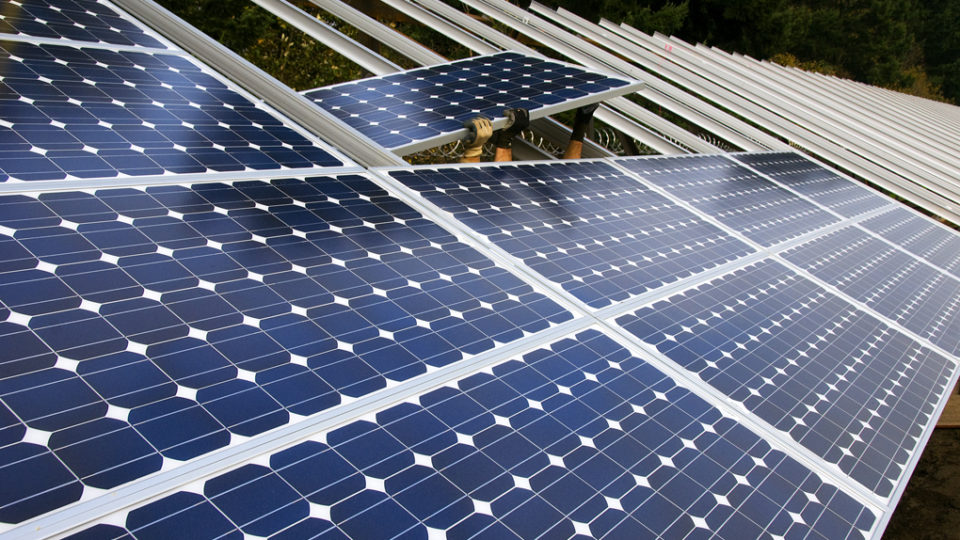
The total amount of solar power capacity installed in the world reached 100 gigawatts in 2012.  Getting to that amount took decades.  But things have changed in dramatic fashion in recent years.

[Read more…] about Investing In Solar Power

Microplastics In Soil

May 4, 2018 By EarthWise Leave a Comment

https://earthwiseradio.org/wp-content/uploads/2018/05/EW-05-04-18-Microplastics-in-Soil.mp3

Many of us are well aware of the environmental challenge faced because of the proliferation of plastics.  Since plastic does not decompose naturally, most of it remains in our environment. Only 12% has been incinerated and only 9% has been recycled.  A great deal of plastic ends up in the ocean and other bodies of water.  Much of it breaks down into small particles – microplastics – which are now ubiquitous in the oceans.  There are also microplastics that started out that way in the form of little beads used in the cosmetics industry.  Studies have found microplastics in the bodies of 73% of fish from the North Atlantic.

[Read more…] about Microplastics In Soil

A Robot Fish

April 30, 2018 By EarthWise Leave a Comment

https://earthwiseradio.org/wp-content/uploads/2018/04/EW-04-30-18-A-Robot-Fish.mp3

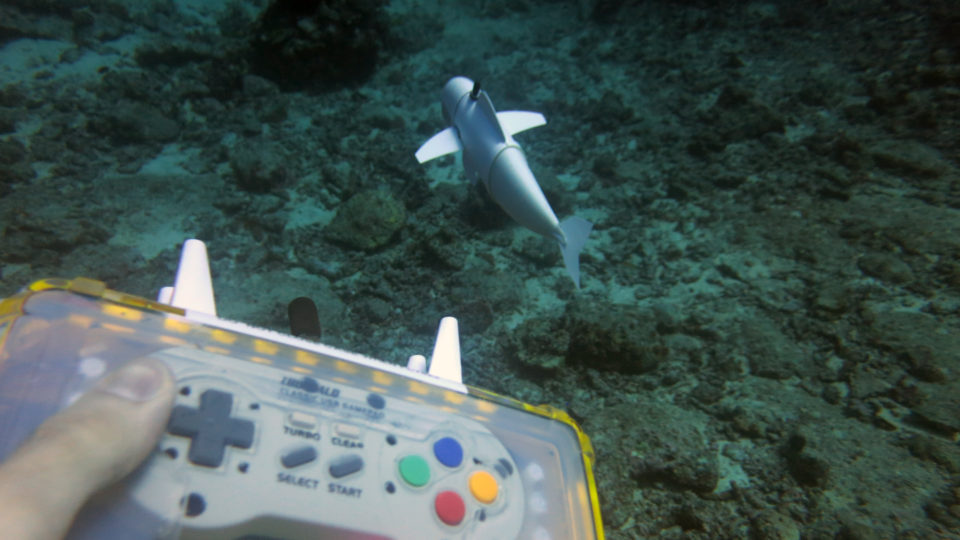
Scientists studying marine life have to figure out ways to get cameras into areas that are too dense or dangerous for people to enter.   This often means sending delicate equipment into places where collisions are both likely and damaging and that equipment is generally tethered to ships or other objects.  To really see what is going on in the underwater world, a better approach is needed.

[Read more…] about A Robot Fish

Carbon And The Dark Ocean

January 4, 2018 By EarthWise Leave a Comment

https://earthwiseradio.org/wp-content/uploads/2018/01/EW-01-04-18-Carbon-and-the-Dark-Ocean.mp3

Sunlight entering the water can travel as much as 3,000 feet into the ocean depths under the right conditions, but ordinarily there is no significant light that penetrates beyond about 650 feet down.  That upper 650 feet is called the euphotic or “sunlight” zone and is home to most familiar marine life.  The “dark ocean”, everything below that depth, makes up 90% of the ocean and remarkably little is known about it.

[Read more…] about Carbon And The Dark Ocean

A Plastics Promise

July 19, 2017 By EarthWise

https://earthwiseradio.org/wp-content/uploads/2017/07/EW-07-19-17-A-Plastics-Promise.mp3

It’s estimated that five to thirteen million tons of plastic enters our oceans annually, where much of it can linger for hundreds of years.  According to a report by the World Economic Forum and the Ellen MacArthur Foundation, scientists estimate that there is 165 million tons of plastic swirling about in the oceans right now.   And we are on pace to have more plastic than fish (by weight) in the world’s oceans by 2050. That’s some scary stuff. 

[Read more…] about A Plastics Promise

Wiping Out Wildlife

December 1, 2016 By WAMC WEB

https://earthwiseradio.org/wp-content/uploads/2016/12/EW-12-01-16-Wiping-Out-Wildlife.mp3

According to a new report from the World Wildlife Fund, the world’s animal populations have suffered widespread population declines in the last half century.  And thousands of species are now scrambling to survive. 

[Read more…] about Wiping Out Wildlife

Climate Change And Fish

November 23, 2016 By WAMC WEB

https://earthwiseradio.org/wp-content/uploads/2016/11/EW-11-23-16-Climate-Change-and-Fish.mp3

According to a recent study published in the journal Global Change Biology, rising CO2 levels in the ocean can disrupt the sensory systems of fish and can even make them swim toward predators and ignore the sounds that normally deter them from risky habitats.

[Read more…] about Climate Change And Fish

Restorative Ocean Farming

November 16, 2016 By WAMC WEB

https://earthwiseradio.org/wp-content/uploads/2016/11/EW-11-16-16-Restorative-Ocean-Farming.mp3

The conventional aquaculture industry has often been associated with many of the same problems that beset land-based agriculture:   creating sterile monocultures, fouling the environment with pesticides, antibiotics and organic pollutants, and spreading diseases.

[Read more…] about Restorative Ocean Farming

Improving Wave Energy

October 28, 2016 By WAMC WEB

https://earthwiseradio.org/wp-content/uploads/2016/10/EW-10-28-16-Improving-Wave-Energy.mp3

Ocean energy is still one of the biggest untapped clean energy sources on the planet.  There are many studies that have shown that it could provide power for millions of homes in the U.S. alone.   But despite this, the technology is still in its infancy and it is unclear when and if it can become a major contributor to our energy needs.

[Read more…] about Improving Wave Energy

  • « Go to Previous Page
  • Page 1
  • Page 2
  • Page 3
  • Page 4
  • Go to Next Page »

Primary Sidebar

Recent Episodes

  • An uninsurable future
  • Clean energy and jobs
  • Insect declines in remote regions
  • Fossil fuel producing nations ignoring climate goals
  • Trouble for clownfishes

WAMC Northeast Public Radio

WAMC/Northeast Public Radio is a regional public radio network serving parts of seven northeastern states (more...)

Copyright © 2026 ·