• Skip to primary navigation
  • Skip to main content
  • Skip to primary sidebar

Earth Wise

A look at our changing environment.

  • Home
  • About Earth Wise
  • Where to Listen
  • All Articles
  • Show Search
Hide Search
You are here: Home / Archives for management

management

Marine Heatwaves And Fish | Earth Wise

November 4, 2021 By EarthWise Leave a Comment

Extremely hot years will hurt fishing revenues and cost jobs

Marine heatwaves are periods of abnormally high temperatures in the ocean that can trigger devastating impacts on ecosystems, including coral bleaching, toxic algal blooms, and mass mortality events.  Marine heatwaves can occur in any ocean and in any season.  They are defined based on the differences between actual and expected temperatures for the location and time of year.     

According to several studies, even under moderate climate warming scenarios, oceans will experience more frequent and longer-lasting marine heatwaves in the years to come.

Researchers from the University of British Columbia’s Institute for the Oceans and Fisheries in Canada have found that extremely hot years will wipe out hundreds of thousands of tons of fish globally this century.  These losses are in addition to the projected decreases to fish stocks from long-term climate change. 

Under a worst-case scenario where no action is taken to curb greenhouse gas emissions, the research team’s model predicts a 6% drop in the amount of potential catches per year.  In addition, the biomass (or amount of fish by weight) is projected to decrease in 77% of exploited species due to the extreme temperatures.

As a result of climate change and these extreme heat events, the research team projected that fisheries’ revenues would decrease by an average of 3% globally, and employment would fall by 2% globally – a loss of likely millions of jobs.

The research team says active fisheries management is critical.  Catch quotas, for example, need to be adjusted in years when fish stocks are suffering from marine heat events.  In severe cases, the fisheries may need to be shuttered in order to allow fish stocks to rebuild.  

**********

Web Links

Fevers are plaguing the oceans — and climate change is making them worse

Marine heatwaves could wipe out an extra six per cent of a country’s fish catches, costing millions their jobs

Photo, posted October 11, 2016, courtesy of Kahunapule Michael Johnson via Flickr.

Earth Wise is a production of WAMC Northeast Public Radio.
Right Whales And The Warming Atlantic | Earth Wise

October 25, 2021 By EarthWise Leave a Comment

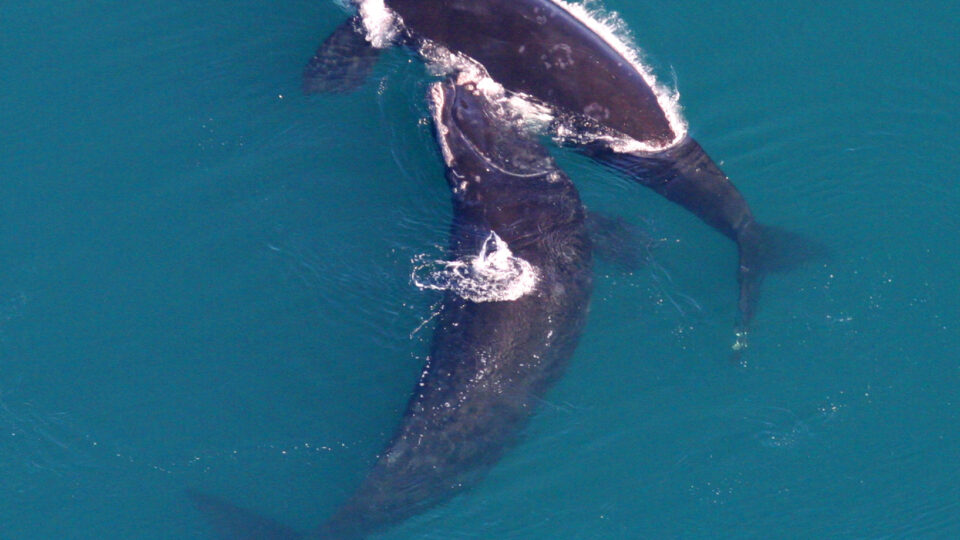
The warming of the Atlantic Ocean has driven the critically endangered North Atlantic right whale population from its traditional and protected habitat.  This has exposed the whales to more lethal ship collisions, increased entanglements with commercial fishing gear, and greatly reduced calving rates.

Since 2010, the calving rate has declined, and the right whale population has dropped by an estimated 26%.  Ten years ago, there were about 500 North Atlantic right whales; now there are an estimated 356.

These are some of the best studied whales in the oceans; scientists basically recognize each individual whale and when they are the victims of ship collisions or fishing entanglements, it is easy to identify which animal was killed.

Because of the warming climate, the Atlantic Meridian Overturning Circulation – an important system of surface and deep currents – has slowed down, causing the Gulf Stream to move north.  This has injected warmer and saltier water into the Gulf of Maine.  The warming Gulf of Maine has reduced the abundance of copepods, tiny crustations that are the favorite snack of right whales.   This has reduced whale calving rates and forced the whales to move north to the cooler waters of the Gulf of St. Lawrence.

For the past 6 years, more and more right whales have been observed feeding in the Gulf of St. Lawrence, where there were no protections in place to prevent ship strikes and fishing gear entanglement.  In 2017 alone, 17 right whale deaths were confirmed.

According to a recent report from Cornell University and the University of South Carolina, unless its management is improved, right whale populations will decline and potentially become extinct in the coming decades.

**********

Web Links

Warming Atlantic forces whales into new habitats, danger

Photo, posted December 8, 2016, courtesy of Sea to Shore Alliance/NOAA via Flickr.

Earth Wise is a production of WAMC Northeast Public Radio.
Reducing Agriculture’s Carbon Footprint | Earth Wise

September 29, 2021 By EarthWise Leave a Comment

Sustainable solutions for animal grazing agriculture

Agriculture is responsible for about 10% of greenhouse gas emissions.  Those emissions come from livestock such as cows, the disturbance of agricultural soils, and activities like rice production.

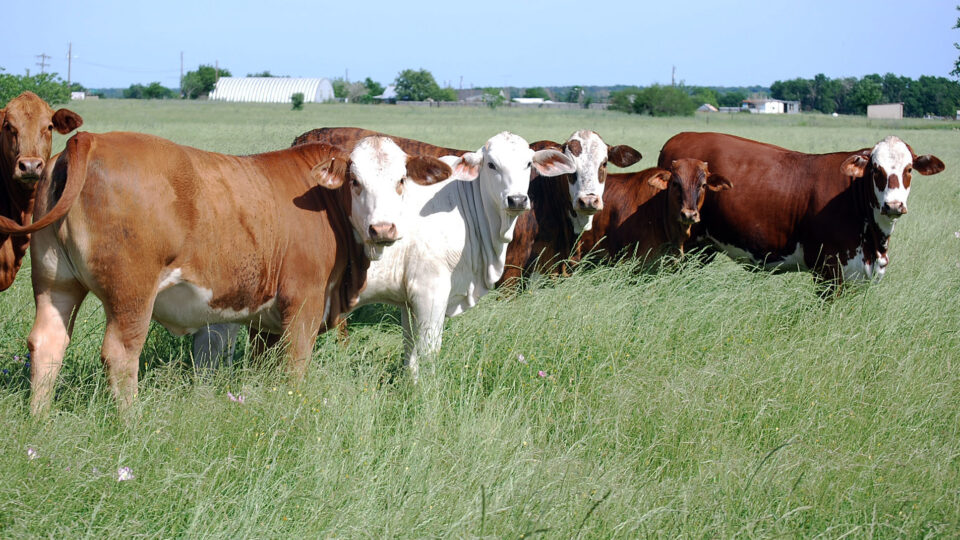
Recent research from Texas A&M University presents sustainable solutions for grazing agriculture.  According to the research, published in the Journal of Soil and Water Conservation, ruminant animals like cattle contribute to the maintenance of healthy soils and grasslands, and proper grazing management can reduce the industry’s carbon emissions and overall footprint.

Grassland ecosystems co-evolved with herbivores over thousands of years.  These complex, dynamic ecosystems include grasses, soil biota, grazing animals, and predators.  The ecosystems degrade in the absence of periodic grazing.

The research contends that ruminant livestock are an important tool for achieving sustainable agriculture with appropriate grazing management.  With such management, grazing cattle on permanent perennial grasslands helps develop soil biology to improve soil carbon, rainfall infiltration, and soil fertility.

Permanent cover of forage plants is highly effective in reducing soil erosion and increasing soil infiltration.  Ruminants consuming grazed forages under appropriate management results in considerably more carbon sequestration than carbon emissions.

This overall approach is known as regenerative agriculture and is built around the ideas of practices that restore soil health and ecosystem function to support healthy agroecosystems. 

These ideas constitute alternatives to ones that call for the reduction or elimination of cattle and livestock agricultural production.  The future of agriculture needs to consider the full impacts of the entire food production chain and its environmental impacts.

**********

Web Links

Grazing Cattle Can Reduce Agriculture’s Carbon Footprint

Photo, posted April 27, 2010, courtesy of Beverly Moseley/USDA NRCS Texas via Flickr.

Earth Wise is a production of WAMC Northeast Public Radio.
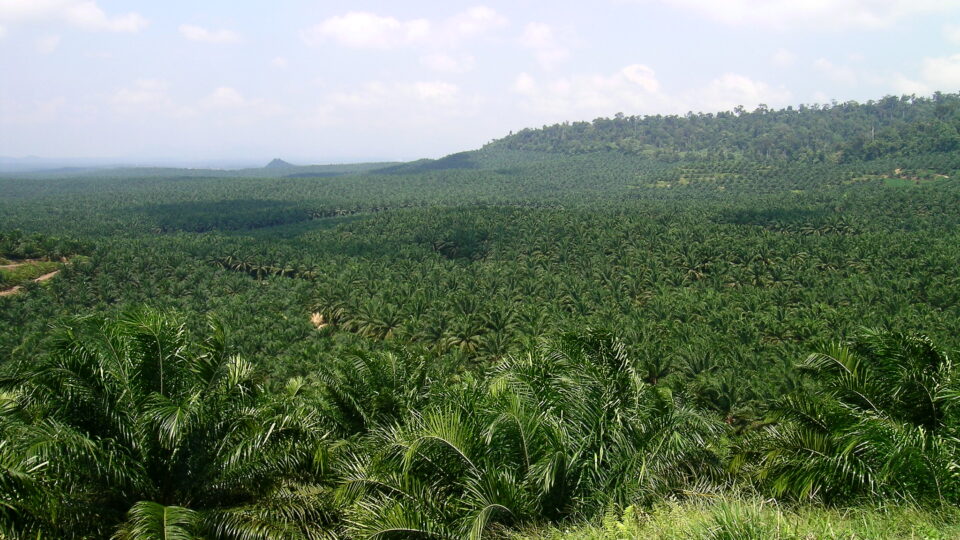
Increasing Palm Oil Production Without Harming The Environment | Earth Wise

May 5, 2021 By EarthWise Leave a Comment

Sustainable palm production is possible

Palm oil is the most important source of vegetable oil in the world.  The oil itself and ingredients based on it are found in approximately 50% of the products on supermarket shelves, including both food and non-food items.  Many of the mysterious chemicals that show up on ingredient lists such as sodium lauryl sulfate are actually derived from palm oil.

Dozens of countries produce palm oil, but about 2/3 of the world’s supply comes from Indonesia and the demand for its oil keeps growing.  To keep up with that demand, Indonesia continues to convert valuable ecosystems that contribute greatly to biodiversity to palm production.

A four-year research project at the University of Nebraska- Lincoln has found that keeping up with palm oil demand may not necessarily mean converting valuable, fragile ecosystems into agricultural land.  According to the study published in Nature Sustainability, palm oil yields on existing farms and plantations could be greatly increased with improved management practices.

The researchers identified key practices that could lead to larger yield.  These include improved harvest methods, better weed control, improved pruning, and better plant nutrition.  With such practices, Indonesia could produce 68% more palm oil on existing plantation areas.

The results were surprising to the researchers and are significant from both environmental and economic standpoints.  In particular, it could have a great impact on the millions of individual farmers who draw their livelihood from small palm farms often containing just a few acres.  In Indonesia, about 42% of land used for palm oil production is owned by smallholder farms.

The researchers are now working with various stakeholders in Indonesia to put these management techniques into practice.

**********

Web Links

Husker research shows palm oil production can grow while protecting ecosystems

Photo, posted August 15, 2006, courtesy of Lian Pin Koh via Flickr.

Earth Wise is a production of WAMC Northeast Public Radio.

The Costs Of Mislabeled Seafood | Earth Wise

January 27, 2021 By EarthWise Leave a Comment

Mislabeled seafood has huge hidden costs

Seafood is the world’s most highly traded food commodity and reports of seafood mislabeling have become increasingly common over time.  A new study by Arizona State University looked at the environmental effects of mislabeled seafood.

What is mislabeled seafood?  Sometimes the snapper you were served was really Pacific Ocean Perch.  Maybe grouper was really whitefin weakfish.  Many times white leg shrimp are actually giant tiger prawns.

Approximately 190,000 to 250,000 tons of mislabeled seafood are sold in the U.S. each year, or 3.4 to 4.3% of consumed seafood.  Previous studies focused on the economic aspects of getting cheaper fish when paying for more expensive fish.  The new research looks at the environmental costs associated with mislabeled seafood.

Substituted seafood is 28% more likely to be imported from other countries, which may have weaker environmental laws than the U.S.  In the United States, fishery management is pretty good.  There is strong monitoring and enforcement to support limits on fishing.  Metrics like fish abundance, fishing mortality, bycatch, and discards are all monitored.  In many other places, this is not the case.

To really evaluate the overall effects of seafood mislabeling, one has to take into account both the rates of substitution and the levels of consumption. 

Consuming fish from a well-managed fishery should not have a negative impact in terms of the population now or in the future.  But even inadvertently consuming fish from poorly managed fisheries in not sustainable.  It is good to get your seafood from a trusted source.

**********

Web Links

ASU Study Looks At The Environmental Effects Of Purchasing, Consuming Mislabeled Fish

Photo, posted August 1, 2014, courtesy of Ralph Daily via Flickr.

Earth Wise is a production of WAMC Northeast Public Radio.

Shifting Climate Attitudes – Even In Texas | Earth Wise

January 25, 2021 By EarthWise Leave a Comment

Attitudes on climate change continue to evolve

Any conversation about climate policy and energy in the United States has to take Texas into consideration.  Texas leads the nation in energy production, providing more than one-fifth of U.S. domestically produced energy.  Texas also uses more energy than any other state and accounts for almost one-seventh of total U.S. energy consumption.  The state’s industrial sector, which includes petroleum refining and chemical manufacturing, accounts for almost half of Texas energy consumption.

As a result, longstanding skepticism among Texans toward the climate movement has represented a real impediment in developing and implementing effective climate policy in this country.  But according to new research at the University of Houston, attitudes in Texas have changed and now mirror those in the rest of the United States.

About 80% of Americans believe that climate change is happening, and now about 81% of Texans hold the same view.  Two out of three Americans are worried about climate change; more than 60% of Texans agree.

Nationwide, 55% agree that the oil and gas industries have deliberately misled people on climate change; 49% of Texans agree. 64% of Americans say hydraulic fracking has a negative effect on the environment and 61% of Texans agree.  People everywhere are willing to pay more for carbon-neutral energy, and a higher premium for gasoline as well.

Mitigation strategies for climate change are not well understood.  While 61% nationwide have heard of carbon taxes, less than half are familiar with carbon management, and only a third have heard of carbon pricing.

As the U.S. heads toward reengaging in efforts to address climate change, Texans appear to have caught up with the rest of the nation.

**********

Web Links

Attitudes About Climate Change Are Shifting, Even in Texas

Photo, posted October 1, 2011, courtesy of Steve Rainwater via Flickr.

Earth Wise is a production of WAMC Northeast Public Radio.

The United States And Ticks | Earth Wise

July 21, 2020 By EarthWise Leave a Comment

United States tick data is lagging

Tiny ticks are a big problem.  Measuring only three to five millimeters in size, ticks are widely distributed around the world.  They are external parasites, feasting on the blood of birds, reptiles, amphibians, and mammals – including humans.

According to estimates from the Centers for Disease Control and Prevention, ticks infect more than 300,000 people with Lyme disease in the United States every year, and the numbers continue to rise.  Other common tick-borne diseases include anaplasmosis, babesiosis, Rocky Mountain Spotted Fever, and powassan encephalitis.

But while the prevalence of tick-borne illnesses has steadily increased in the United States over the past two decades, a new study on tick surveillance and control “has revealed an inconsistent and often under-supported patchwork of programs across the country.”

The study, by university researchers at the CDC’s five Vector-Borne Disease Regional Centers of Excellence, is the first-ever examination of tick management programs in the United States.  The researchers found clear gaps in our public health infrastructure. 

According to the study, which was recently published in the Journal of Medical Entomology, less than 50% of public health and vector-control agencies conduct tick surveillance.  Only 25% test ticks for disease-causing germs.  And only 12% conduct or support tick-control efforts.  Researchers also discovered that the capacity for public tick-control efforts is low, as is the capacity for information and data sharing between agencies on ticks.    

The findings highlight the degree to which tick surveillance and control is lagging in the United States.  According to the research team, greater support for tick-management programs is critical, and they hope their findings will serve as a baseline from which to measure future improvements.  

**********

Web Links

Tick surveillance and control lagging in US

Photo, posted May 4, 2009, courtesy of Jerry Kirkhart via Flickr.

Earth Wise is a production of WAMC Northeast Public Radio.
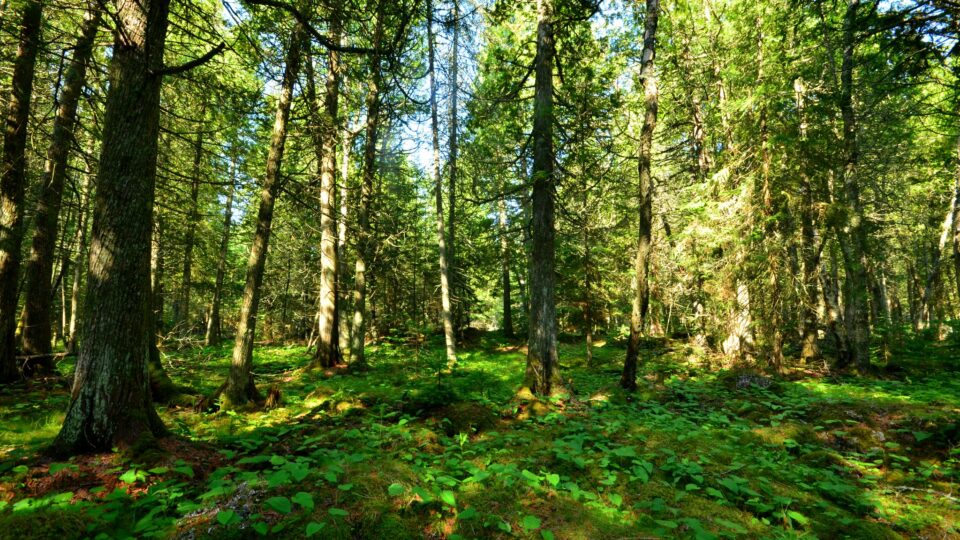
Family Forests And Climate Change | Earth Wise

July 13, 2020 By EarthWise Leave a Comment

family forests can help meet the climate challenge

Climate experts consider sequestration and storage of carbon in trees to be among the most affordable and scalable natural climate solutions.  If implemented globally, trees could provide a third of the near-term climate change mitigation needed to meet the terms of the Paris Agreement.

Small family-owned forests make up 38% of U.S. forests, a total area 1.5 times the size of Texas and more than any other ownership type.  Most small landowners want to do right by their land, but they rarely have access to the expertise or resources needed to optimize their forests for carbon sequestration.

This spring, the Nature Conservancy, the American Forest Foundation, and the Vermont Land Trust announced two new programs, funded in part by a $10 million grant by Amazon, that will provide funds to small landowners to grow larger, healthier forests.

Few forests are managed for carbon sequestration.  Practices like fast logging rotations, so-called high-grading that strips out the largest, most valuable trees, and rampant invasive species all compromise the ability of a forest to lock away carbon.  It turns out that most small landowners would like to do better, but they don’t have the expertise or the financial resources to implement sustainable management.

Existing carbon markets are not geared towards small forest owners.  Their payments are tiny and the required contract terms are onerous.  The Family Forest Carbon Program commits landowners for only 10 to 20 years.  Typical landowners won’t get a windfall.  A 100-acre landholding would stand to earn around $24,500 over 20 years. 

If these programs can sign up 20% of U.S. forest landowners, it could offset the emissions from 6 million cars.

**********

Web Links

How Small Family Forests Can Help Meet the Climate Challenge

Photo, posted July 14, 2013, courtesy of Joshua Mayer via Flickr.

Earth Wise is a production of WAMC Northeast Public Radio.

Planting Trees and Climate Change | Earth Wise

June 1, 2020 By EarthWise Leave a Comment

tree plantings and climate change

Forests are among the most important natural carbon sinks.  Trees remove carbon from the air and store it in their trunks, branches, and leaves, and transfer part of it into the soil.  But in some regions, these natural carbon sinks are starting to weaken due to deforestation, forest degradation, and the impacts of climate change.  This problem has led some climate mitigation projects to focus on increasing the overall number of trees on the planet. 

But, according to a paper recently published in the journal Science, “we can’t plant our way out of climate change.”  That’s the simple message from Restoration Ecologist Karen Holl and University of São Paulo Professor Pedro Brancalion to anyone who thinks planting one trillion trees will reverse the effects of climate change.  They say planting more trees is only one piece of the puzzle.  Any initiatives like 1t.org or the Trillion Tree Campaign must be done carefully and be accompanied by commitments to long-term management.

Tree plantings can provide many environmental benefits, including improving water quality, biodiversity, and increasing shade.  But trees can sometimes have undesirable impacts, such as harming native species and ecosystems or reducing water availability, depending on where and how the trees are planted.

The authors suggest four principles that should guide forest enhancement initiatives: reduce forest clearing and degradation, balance ecological and social goals, view tree plantings as one part of a multifaceted solution, and plan, coordinate and monitor the work. 

While tree plantings can clearly be part of the solution, slowing the pace of climate change requires a comprehensive approach that must start with burning less fossil fuels.

**********

Web Links

Challenges in tree-planting programs

Planting trees is no panacea for climate change

Photo, posted December 1, 2019, courtesy of Akuppa John Wigham via Flickr.

Earth Wise is a production of WAMC Northeast Public Radio.
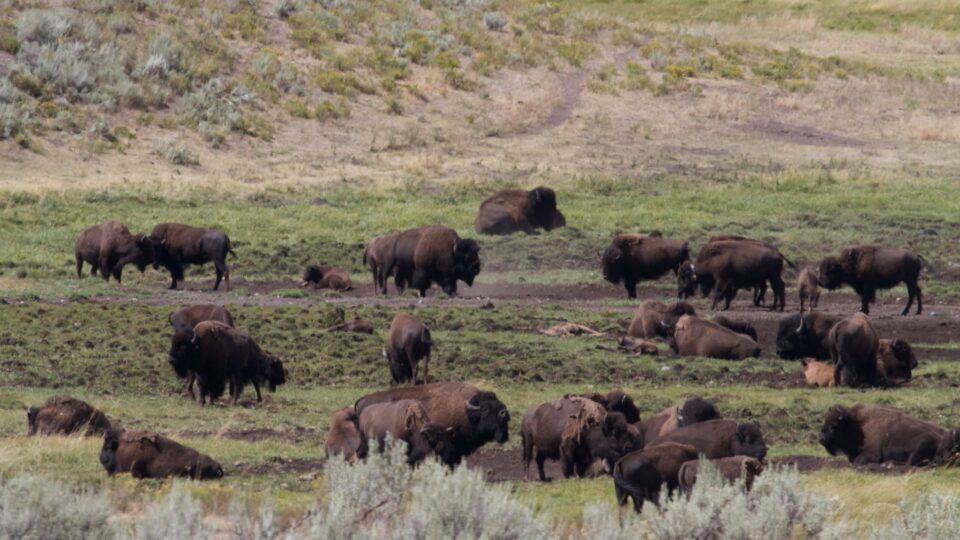
Too Many Bison | Earth Wise

May 8, 2020 By EarthWise Leave a Comment

Bison in Yellowstone

The population of large herbivores in Yellowstone National Park has undergone many dramatic changes over the course of time.  The numbers of both the iconic Rocky Mountain elk and bison have gone up and down as a result of human interactions.

Bison, of course, once were a dominant species from east of the Appalachians to west of the Rocky Mountains, with most of an estimated 30 million living on the Great Plains.  As the west was settled, bison populations plummeted and by the late 1800s, they were nearly extinct.

When Yellowstone was established, there were exactly 22 bison in the park.  By 1925, there were more than 750 in the park and culling of the herd in the park’s Lamar Valley was practiced for the next four decades.

The elimination of predators like grey wolves and cougars in the early 1900s caused both elk and bison populations to mushroom and both underwent culling.  When culling was ended in 1968, there were 4,000 elk and 100 bison.  Within 20 years, those numbers were 20,000 and 1,000.   Reintroducing wolves and cougars reduced the elk population to about 5,000, but bison numbers have continued to grow, now reaching about 4,000.

While the long-term recovery of the Yellowstone bison herd is a major conservation success story, the fact is that bison are powerful ecosystem engineers.  Large numbers of them disrupt species distribution across scrub steppe and grasslands because of what they eat, trample, and rub their horns and bodies on.  They have a tremendous capacity to limit the structure and composition of ecosystems.

Park administrators have complicated management decisions to make to take into account the often wide range of ecological effects that abundant large herbivores can have on ecosystems.

**********

Web Links

Bison in northern Yellowstone proving to be too much of a good thing

Photo, posted August 10, 2016, courtesy of Brian Gratwicke via Flickr.

Earth Wise is a production of WAMC Northeast Public Radio.
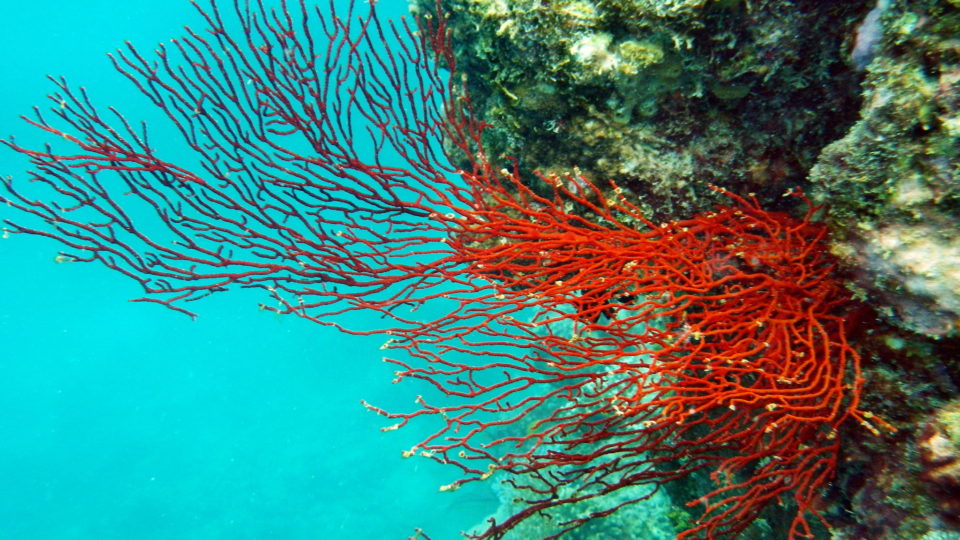
Community Action And Coral Reefs

January 1, 2020 By EarthWise Leave a Comment

Coral reef habitats are some of the densest and most varied ecosystems on earth.  While coral reefs cover just 0.2% of the ocean floor, scientists estimate that nearly one million different species of fish, invertebrates, and algae can be found in or around coral reefs. 

However, climate change is wreaking havoc on the health of coral reefs.  Warming and acidifying oceans are resulting in enormous coral losses.  Overfishing, development, and pollution are also threatening coral reef health.

According to new research, positive community action can help boost fish populations in coral reefs and safeguard future fish numbers.  The paper, which was recently published in the journal Proceedings of the National Academy of Sciences, details the social and ecological outcomes of work being done in Papua New Guinea since 2001. 

These communities have established a traditional system of rotational fishing closures in order to manage their fisheries resources.   They ban fishing on part of their reefs for a few years, and then open these closures when village elders believe fish behavior has changed and fish populations have recovered.  They then close a different part of their reefs, and repeat the process. 

The researchers found that these rotational practices resulted in more than twice as many fish on the closed reefs as compared to open ones, and the closures made fish less scared of people and easier to catch.  But the researchers did caution that this short term boost in fish numbers may not be enough to stop the overall impact of fishing.

Globally, more than 500 million people depend on coral reefs for food, income, and coastal protection.  Balancing community needs with environmental needs can be tricky business.  

**********

Web Links

Positive community action can help coral reef health

Photo, posted October 11, 2011, courtesy of Paul Toogood via Flickr.

Earth Wise is a production of WAMC Northeast Public Radio.
Pesticides In The Great Barrier Reef

November 7, 2019 By EarthWise Leave a Comment

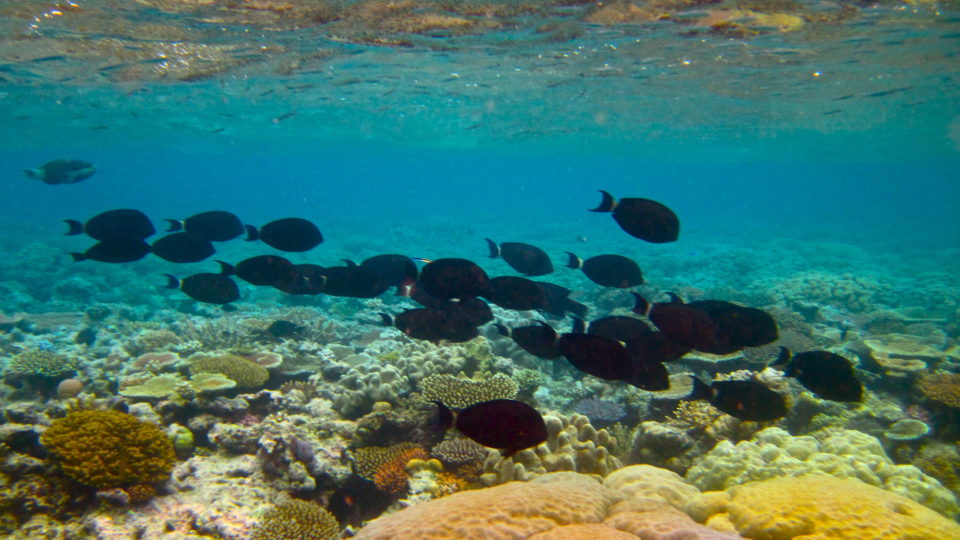
Australia’s Great Barrier Reef is one of the greatest natural wonders in the world and it has been under siege by warming waters and ocean acidification.  Widespread coral bleaching has damaged or destroyed large portions of the 1,400-mile long coral reef system.  But the effects of climate change are not the only threat to the reef.  Pesticides found in waterways that flow into the Great Barrier Reef are another serious problem.

According to a new study by the University of Queensland, the combined toxicity of 22 of the most common pesticides that flow into the Reef are not meeting pollution reduction targets.

Different pesticides affect different organisms.  Herbicides affect organisms that photosynthesize such as seagrass, corals, mangroves, and algae.  Insecticides affect insect larvae in freshwater, and crustaceans such as crabs, prawns, and lobsters.  Previous assessments have only examined individual pesticides and only for limited times.  The new study has utilized a methodology that estimates the combined toxicity of multiple pesticides found in the waterways that discharge into the Reef and does it for the entire wet season.

The research revealed that the pesticide reduction target set in the Australian Government’s Reef 2050 Water Quality Improvement Plan is not being met.  Only one natural resource management region – the Cape York region – was found to be meeting its target.

By having estimates of the risk posed by pesticides in the various regions and individual waterways, governments, farmers, and conservationists can see which areas pose the greatest risk and where to maximize efforts.  Stakeholders have to come together to reduce pesticide concentrations through better management practices and by using less toxic pesticides.

**********

Web Links

High pesticide concentrations continue to enter Great Barrier Reef

Photo, posted July 29, 2010, courtesy of Kyle Taylor via Flickr.

Earth Wise is a production of WAMC Northeast Public Radio.
Concerns About Dam Safety

August 22, 2019 By EarthWise Leave a Comment

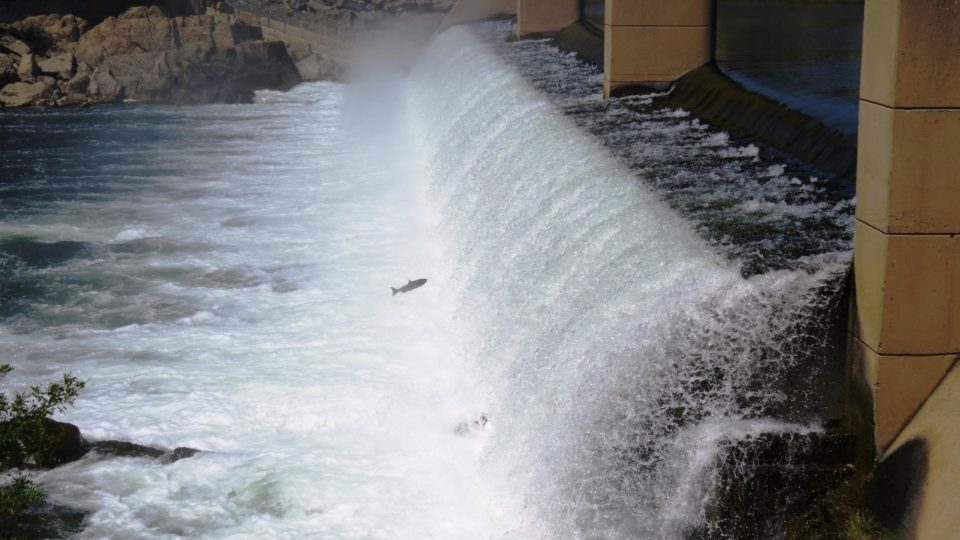
The United States has a total of 91,000 dams of various sizes and types.  Many of them are aging and sorely in need of repairs.  All that maintenance would add up to tens of billions of dollars.  Experts are increasingly worried that as extreme precipitation events become increasingly common, dams are increasingly at risk of failure, threatening lives and posing environmental risks.

In 2017, Oroville Dam in California – the tallest dam in the country – nearly collapsed.  That incident forced the evacuation of 190,000 people and cost the state of California $1.1 billion in repairs.  California is considered one of the nation’s leading states in dam safety management and yet the partial disintegration of Oroville’s two spillways during a heavy rainstorm was not anticipated.

So far, federal and state dam safety officials have not been able to get disinterested state legislatures and the U.S. Congress to fork up the money needed for repairs to the nation’s aging dam infrastructure.

Th American Society of Civil Engineers gave the nation’s dams a D grade on the latest infrastructure report card.  They estimate that the cost of rehabilitating dams whose failure would threaten human life at nearly $45 billion, and the cost of fixing all dams in need of repair at more than $64 billion.

Scientists say the likelihood of dam failures – which not only threaten lives but also release toxic sediments trapped in reservoirs behind many dams – will increase as extreme precipitation events become more frequent in a warming world.  Apart from about 1,500 dams owned by federal agencies, regulating dam safety is primarily the responsibility of the states.  So far, states have not applied remotely sufficient resources to a growing problem.

**********

Web Links

In an Era of Extreme Weather, Concerns Grow Over Dam Safety

Photo, posted August 20, 2014, courtesy of Flickr.

Earth Wise is a production of WAMC Northeast Public Radio.

Can We Remove Enough CO2 From The Air?

January 9, 2019 By EarthWise Leave a Comment

As atmospheric carbon dioxide levels continue to set new records and the effects of climate change grow stronger, humanity has continued to procrastinate on reducing emissions.  As a result, it is increasingly clear that any strategy to avoid runaway climate change will have to involve the use of “negative emissions”- techniques or technologies that actually remove CO2 from the air.

There are both low-tech and high-tech methods for removing carbon dioxide from the atmosphere and both are likely to be needed. 

On the low-tech side, afforestation (planting trees where there were none before), reforestation, changes in forest management, rebuilding the carbon backbone in agricultural soils, and the use of energy from waste biomass are all ways to take carbon out of the atmosphere.

On the high-tech side, direct air capture technologies that take CO2 out of the air and store it in the ground are making rapid progress.   Right now, they are still very expensive,but that is changing.  There is an analogy to wind and solar technology. Not very long ago, both of those technologies were quite expensive but now their costs have plummeted to the point where they are often the cheapest way to make electricity.  With sufficient development effort and deployment, direct air capture technology could become quite affordable.

Some people advocate geoengineering as a solution for climate change.  While removing carbon dioxide amounts to tackling the root cause of the warming climate,geoengineering would address the problem by changing the climate again in some other way.  It is at best an extremely dangerous approach.

Removing CO2 using a combination of natural and man-made techniques is an important part of mitigating the effects of climate change.

**********

Web Links

Climate Solutions: Is It Feasible to Remove Enough CO2 from the Air?

Photo courtesy of Climeworks. 

Earth Wise is a production of WAMC Northeast Public Radio.

Bad News For Beer

November 28, 2018 By EarthWise Leave a Comment

https://earthwiseradio.org/wp-content/uploads/2018/10/EW-11-28-18-Bad-News-for-Beer.mp3

As extreme weather events become increasingly common, arctic ice disappears, and wildfires burn for weeks on end, many people wonder just what it will take to change some of the entrenched opinions about climate change.

[Read more…] about Bad News For Beer

Can The Great Barrier Reef Be Saved?

August 17, 2017 By EarthWise

https://earthwiseradio.org/wp-content/uploads/2017/08/EW-08-17-17-Can-The-Great-Barrier-Reef-Be-Saved.mp3

There have been many stories in the media about the ongoing environmental crisis at Australia’s Great Barrier Reef.  Over the past two years, the reef has lost almost half of its coral because of bleaching events.   Faced with this situation, the Australian government created the Reef 2050 Plan, a strategy to protect and maintain the reef through the year 2050.

[Read more…] about Can The Great Barrier Reef Be Saved?

Terrestrial Plants and Lake Ecosystems

May 4, 2017 By EarthWise

https://earthwiseradio.org/wp-content/uploads/2017/05/EW-05-04-17-Terrestial-Plants-and-Lake-Ecosystems.mp3

Most of the planet’s freshwater stores are found in the northern hemisphere, a region that is changing rapidly in response to human activity and shifting climate trends. A recent study analyzed 147 northern lakes and found that many rely on nutrients from tree leaves, pine needles, and other land-grown plants to feed aquatic life.

[Read more…] about Terrestrial Plants and Lake Ecosystems

A Helpful Invader

April 5, 2017 By EarthWise

https://earthwiseradio.org/wp-content/uploads/2017/03/EW-04-05-17-A-Helpful-Invader.mp3

Invasive species are a great concern for the health and stability of ecosystems.  They are defined as plants, animals or pathogens that are non-native to the ecosystem under consideration and whose introduction causes or is likely to cause harm.  It is that latter consideration that isn’t always obvious.

[Read more…] about A Helpful Invader

European Lessons On Food Waste

February 17, 2017 By EarthWise

https://earthwiseradio.org/wp-content/uploads/2017/02/EW-02-17-17-European-Lessons-on-Food-Waste.mp3

Americans toss out an almost unbelievable $161 billion worth of food every year.  There are numerous efforts underway to address this problem, but they are mostly at the local level or in the business sector.   To date, we have no national- or international-level policies that tackle the issue.  In this regard, Europe is way ahead of us.

[Read more…] about European Lessons On Food Waste

Changing National Parks

January 12, 2017 By EarthWise

https://earthwiseradio.org/wp-content/uploads/2017/01/EW-01-12-17-Changing-National-Parks.mp3

America’s National Parks are special places of incomparable beauty and fascination.  When the National Park Service was first created 100 years ago, it was instructed to leave these places “unimpaired for the enjoyment of future generations.”   We now live in a time when the changing climate is altering many aspects of the landscape including in many national parks.  The parks are protected, but they are changing.

[Read more…] about Changing National Parks

  • « Go to Previous Page
  • Page 1
  • Page 2
  • Page 3
  • Go to Next Page »

Primary Sidebar

Recent Episodes

  • An uninsurable future
  • Clean energy and jobs
  • Insect declines in remote regions
  • Fossil fuel producing nations ignoring climate goals
  • Trouble for clownfishes

WAMC Northeast Public Radio

WAMC/Northeast Public Radio is a regional public radio network serving parts of seven northeastern states (more...)

Copyright © 2026 ·