• Skip to primary navigation
  • Skip to main content
  • Skip to primary sidebar

Earth Wise

A look at our changing environment.

  • Home
  • About Earth Wise
  • Where to Listen
  • All Articles
  • Show Search
Hide Search
You are here: Home / Archives for Health

Health

Too hot for people

November 22, 2023 By EarthWise Leave a Comment

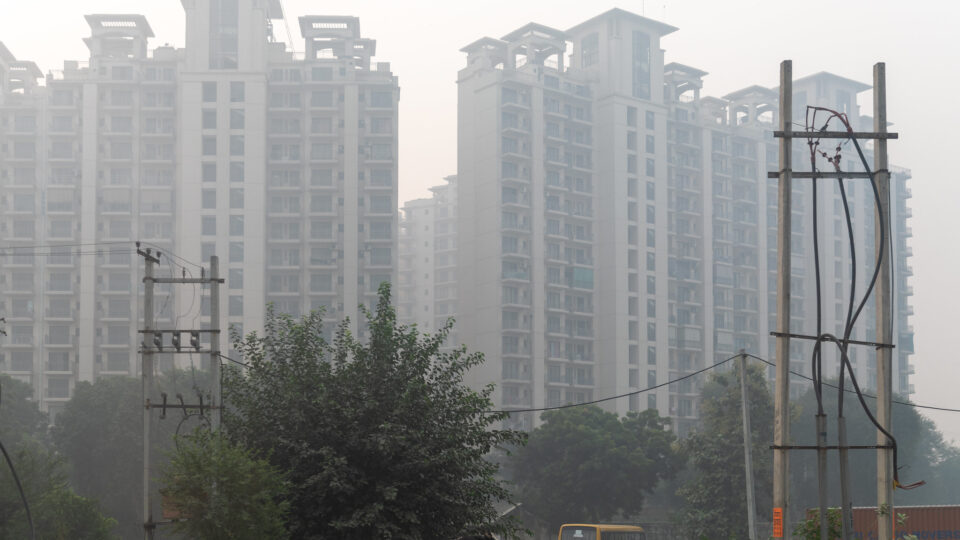
Climate change may make some regions too hot for people

The effort to mitigate the effects of climate change has a goal of keeping the global temperature increase below 1.5 degrees Celsius above preindustrial levels.  To date, the average global temperature has increased by more than 1 degree.  We hear about rising sea levels, powerful storms, and various other alterations in climate and weather patterns.  A new interdisciplinary study by three institutions looked at the impact of surpassing the 1.5-degree level upon people being able to withstand heat and humidity.

Humans can only withstand certain combinations of heat and humidity before their bodies begin to experience heat-related health problems such as heat stroke and heart attacks. 

In human history, temperatures and humidity that exceed human limits have been recorded only a limited number of times and only for a few hours at a time, in the Middle East and Southeast Asia.

According to the new study, if global temperatures increase by 2 degrees Celsius above preindustrial levels, the 2.2 billion residents of Pakistan and India’s Indus River Valley, the one billion people living in eastern China, and the 800 million residents of sub-Saharan Africa will annually experience many hours of heat surpassing human tolerance.

If the warming continues further to 3 degrees, heat and humidity levels that surpass human tolerance would affect the Eastern Seaboard and the middle of the US from Florida to New York and from Houston to Chicago.

The worst heat stress will occur in regions that are not wealthy and that are experiencing rapid population growth.  But even wealthy nations will not escape from the expansion of conditions that are too hot for people.

**********

Web Links

Climate-driven extreme heat may make parts of Earth too hot for humans

Photo, posted June 28, 2018, courtesy of Ivan via Flickr.

Earth Wise is a production of WAMC Northeast Public Radio
Plastics and agriculture 

November 14, 2023 By EarthWise Leave a Comment

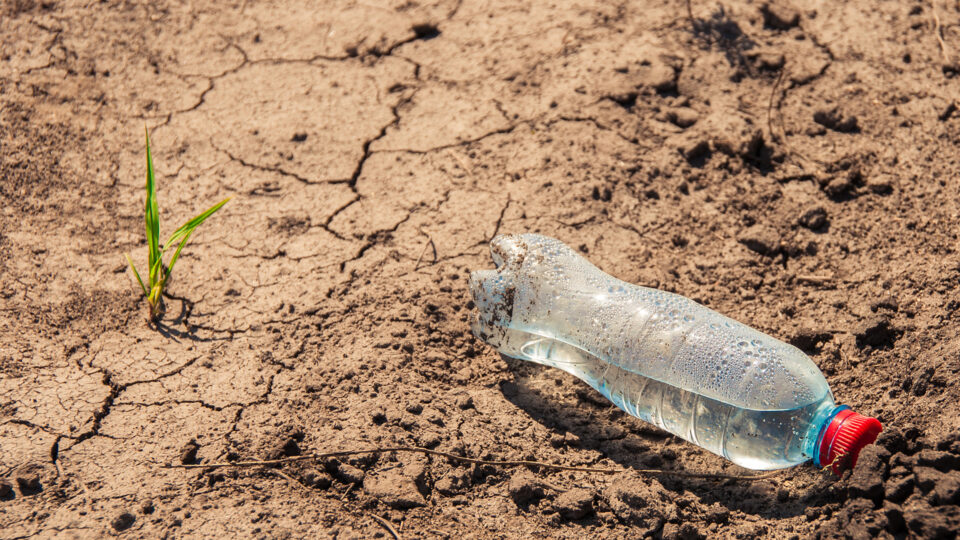
Once celebrated as a symbol of modern innovation, plastic is now both a blessing and a curse of our time.  Since the 1950s, more than nine billion tons of plastic have been produced, and 50% of that has been during the past 15 years.  Plastic is ubiquitous in every sector, and agriculture is no different.

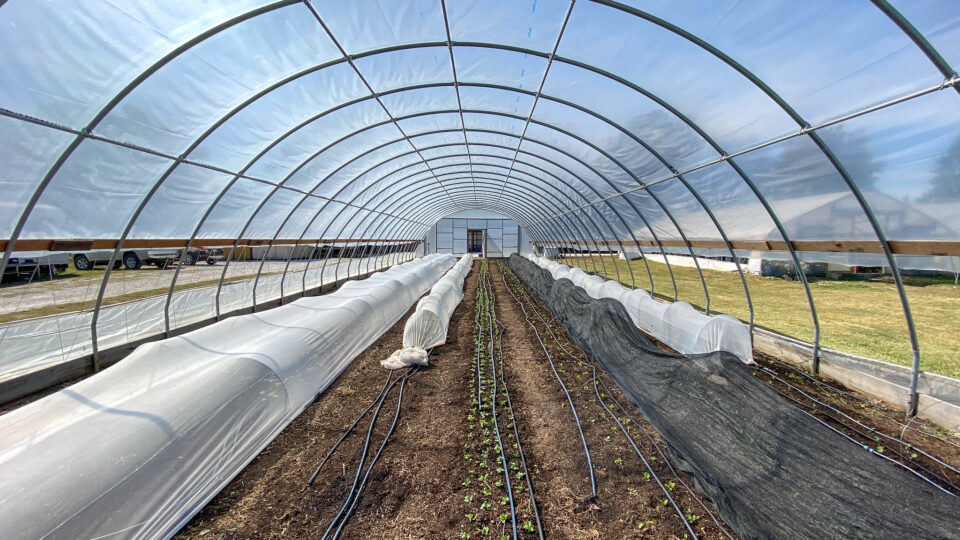
Modern agriculture is responsible for almost a third of global greenhouse gas emissions and is a major drain on the planet’s resources.  Modern agriculture is also inextricably linked to plastic. In fact, more than 13 million tons of plastic are used in agriculture every year.  It’s nearly impossible to imagine modern agriculture without plastics. 

But according to a new study led by researchers from Rutgers University, plastic use in agriculture must be reduced in order to mitigate pollution, and prevent toxic chemicals from leaching into the soil and adversely affecting human health. 

In the study, which was recently published in Nature Communications Earth & Environment, the researchers found that it is essential to adopt a strategic approach to mitigate plastic pollution in agriculture, including responsible usage, reduction, efficient collection, reuse, and the implementation of innovative recycling methods. 

According to the researchers, when these sustainable approaches aren’t possible, biodegradable and nontoxic bioplastics should be used.  The research team insists that environmentally benign additives should be mandated in order to reduce plastic toxicity. 

Plastic pollution is a problem that needs to be addressed in every sector. 

**********

Web Links

Plastic Use in Agriculture Must be Reduced, According to New Research

How can the use of plastics in agriculture become more sustainable?

Photo, posted November 12, 2022, courtesy of Kevin Dooley via Flickr.

Earth Wise is a production of WAMC Northeast Public Radio

Banning Neonicotinoid Pesticides | Earth Wise

October 19, 2023 By EarthWise Leave a Comment

Banning neonicotinoids

New York’s Birds and Bees Protection Act contains a targeted restriction on neonicotinoid pesticides. These widely-used insecticides are absorbed by plants and can be present in pollen and nectar, making them toxic to bees and other pollinators.

Among the largest applications of neonics (as they are called) has been in the form of coatings on crop seeds, such as corn and soybeans.  In 2019, Canada’s Quebec province strongly limited neonic use to protect pollinators and the environment.  The chemical industry vigorously protested the regulations and claimed that the restrictions would cause the collapse of the grain sector in Quebec.

Seed suppliers began supplying uncoated seeds in 2019 and now there is scarcely any use of coated seeds in the province.  Monitoring of over 1,000 agricultural sites has shown that there have been no crop failures related to the pesticide restrictions.  In fact, use of the neonics had no economic benefits. 

Naysayers warned that even more harmful pesticides or other farming practices would be used instead.  But that hasn’t happened either. Some farmers switched to much safer insecticides and others abandoned insecticide treatments altogether.

New York has faced similar opposition by farmers and chemical manufacturers to the Birds and Bees Protection Act and all of the same arguments that have been proven to be invalid in Quebec are being made in New York.  Most major environmental advocates in the state support the measures embodied in the legislation.  As usual, it boils down to a battle between economic interests and the health of the environment.

**********

Web Links

Québec’s experience with pesticide ban offers a glimpse of what New York can expect

Photo, posted August 29, 2013, courtesy of the United Soybean Board / the Soybean Checkoff via Flickr.

Earth Wise is a production of WAMC Northeast Public Radio

Rivers And Climate Change | Earth Wise

October 11, 2023 By EarthWise Leave a Comment

Our planet is heating up.  Scientists have concluded that the changing climate is primarily the result of increased greenhouse gas emissions from human activities.  Some of the effects of global climate change include thawing permafrost, rising seas, intensifying storms and wildfires, and warming oceans.   

According to a new study led by researchers from Penn State University, rivers are warming and losing oxygen even faster than oceans.  The study, which was recently published in the journal Nature Climate Change, found that warming occurred in 87% and oxygen loss occurred in 70% of the nearly 800 rivers studied.

The research team projects that within the next 70 years some river systems, especially those in the American South, will experience such low oxygen levels that the rivers could “induce acute death” for some fish species and threaten the aquatic diversity of river ecosystems. 

The research team used artificial intelligence and deep learning to analyze water quality data from nearly 800 rivers across the U.S. and central Europe.  The researchers found that rivers are warming up and deoxygenating faster than oceans, which could have serious implications for both aquatic life and humans.

While climate change has led to warming and oxygen loss in oceans and lakes around the world, the researchers did not expect to find warming and deoxygenation in shallower, flowing rivers.  Since life in water depends on temperature and dissolved oxygen, the researchers hope this study serves as a wake up call.  Warming and deoxygenating rivers have significant implications for water quality and the health of aquatic ecosystems worldwide.

**********

Web Links

Rivers are rapidly warming, losing oxygen; aquatic life at risk

Photo, posted June 2, 2017, courtesy of Francisco Anzola via Flickr.

Earth Wise is a production of WAMC Northeast Public Radio
The Cost Of Invasive Species | Earth Wise

September 27, 2023 By EarthWise Leave a Comment

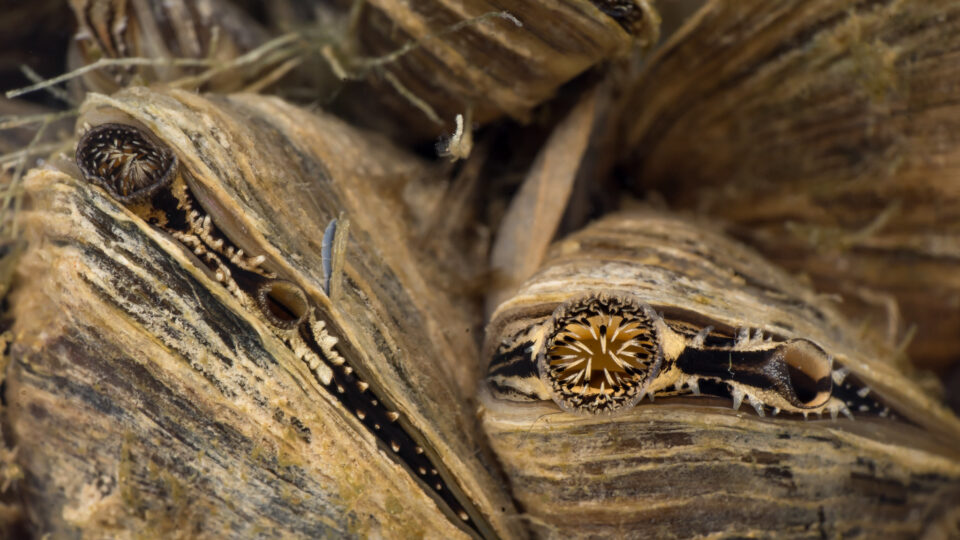
According to a new report published by the Intergovernmental Science-Policy Platform on Biodiversity and Ecosystem Services for the United Nations, invasive species introduced to new ecosystems around the world are causing more than $423 billion in estimated losses to the global economy every year.  These economic costs are incurred by harming nature, damaging food systems, and threatening human health.

According to the report, these costs have at least quadrupled every decade since 1970 and the estimates are actually conservative because it’s difficult to account for all of the effects of invasive species.

The report estimates that humans have intentionally or unintentionally introduced more than 37,000 species to places outside their natural ranges.  More than 3,500 of them are considered invasive because they are harmful to their new ecosystems.  Invasive nonnative species were a major factor in 60% of known extinctions of plants and animals.

Some species are relocated deliberately by the wildlife trade and international shipping.  Other plants and animals end up hitching a ride with ordinary travelers as they move about by car, boat, plane, or train. 

Invasions can damage human health.  Mosquitos that transmit diseases like malaria, dengue fever, and the Zika virus have become invasive around the world. The wildfires in Hawaii this summer were fueled by invasive nonnative grasses in a warming climate. 

Nearly every country in the world has agreed to participate in a sweeping agreement to preserve biodiversity and reduce invasive species.  It is an essential global goal.

**********

Web Links

Invasive Species Are Costing the Global Economy Billions, Study Finds

Photo, posted June 2, 2022, courtesy of Sam Stukel (USFWS) via Flickr.

Earth Wise is a production of WAMC Northeast Public Radio

Lampshades And Indoor Air Pollution | Earth Wise

September 26, 2023 By EarthWise Leave a Comment

Converting indoor air pollution into harmless compounds

We mostly think of air pollution as an outdoor problem.  Common sources of air pollution include emissions from vehicles, byproducts of manufacturing and power generation, and smoke from wildfires.  What we don’t often spend a lot of time thinking about is indoor air quality. 

Indoor air pollution refers to harmful pollutants within buildings and structures, which can lead to a myriad of health issues.  Sources of indoor air pollution include smoke from tobacco products, as well as volatile organic compounds (VOCs), including acetaldehyde and formaldehyde, emitted from things such as paints, cleaning products, plastics, and cooking. 

A team of scientists from South Korea’s Yonsei University has developed a special coating that when applied to lampshades can convert pollutants into harmless compounds.  Composed of titanium dioxide and a small amount of platinum, this thermocatalyst can be applied to the inside surface of a lampshade and is triggered to break down VOCs when warmed by the lamp’s existing incandescent or halogen bulb.

In lab tests, the coating was applied to the inside of an aluminum lampshade, warmed by a halogen bulb, and then placed into a sealed chamber containing air and acetaldehyde gas.  The researchers found that the material quickly converted the gas into acetic acid, then into formic acid, and finally into carbon dioxide and water. The scientists are now looking for ways to extend the pollutant-destroying-lampshade concept to LED lightbulbs. 

The findings offer a promising and eco-friendly solution to improve indoor air quality and reduce the health risks associated with prolonged exposure to VOCs. 

**********

Web Links

Clever coating turns lampshades into indoor air purifiers

Photo, posted March 21, 2009, courtesy of Levent Ali via Flickr.

Earth Wise is a production of WAMC Northeast Public Radio
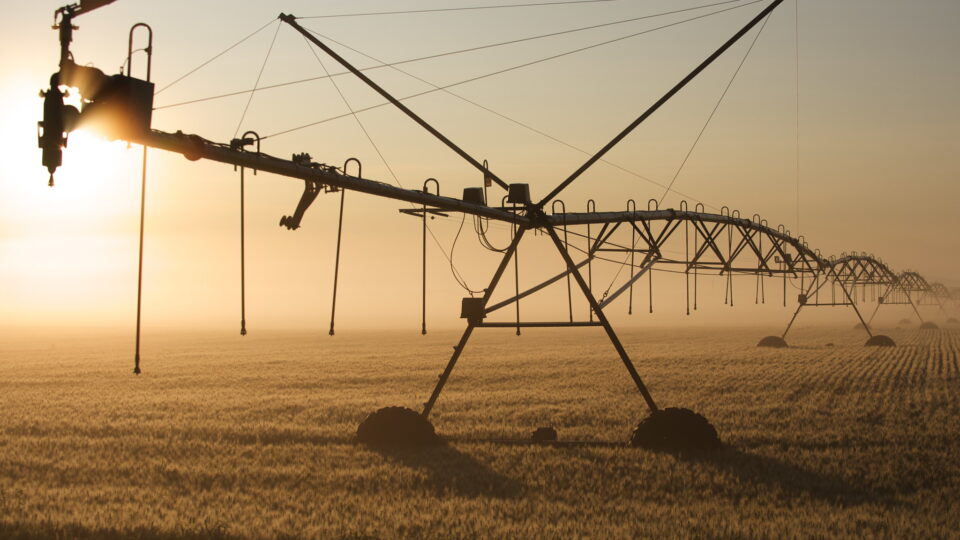
A Groundwater Crisis | Earth Wise

September 22, 2023 By EarthWise Leave a Comment

A groundwater crisis is brewing

The majority of U.S. drinking water systems rely on groundwater, as do America’s farms.  Even though groundwater is a crucial resource for the country, there is no central oversight or even monitoring of its status across the country.  The health of the country’s aquifers is difficult to gauge.

The New York Times spent months amassing data from 80,000 wells across the country by reaching out to federal, state, and local agencies nationwide.

The survey found that 45% of the wells examined showed a statistically significant decline in water levels since 1980.  Forty percent of the sites reached record-low water levels over the past 10 years, with last year the worst yet.

Over pumping is the biggest problem.  State regulations tend to be weak and there is no federal oversight.  The warming climate reduces snowpack, which means less water in rivers, increasing the need to tap into groundwater.  Warmer weather means thirstier plants, increasing the demand for water.

It is a nationwide problem, not just one in the drought-ridden West.  Arkansas, which produces half of the country’s rice, is pumping groundwater twice as fast as nature can replace it.  Three-quarters of Maryland’s wells have seen substantial drops in water levels.

As groundwater is pumped out, the empty space can collapse under the weight of the rock and soil above it, permanently diminishing the capacity for future groundwater storage.

There are likely to be parts of the U.S. that run out of drinking water and groundwater depletion threatens America’s status as an agricultural superpower. Objectively, the status of American groundwater is a crisis that threatens the long-term survival of communities and industries that depend on it. 

**********

Web Links

Five Takeaways From Our Investigation Into America’s Groundwater Crisis

Photo, posted July 25, 2009, courtesy of Chris Happel via Flickr.

Earth Wise is a production of WAMC Northeast Public Radio
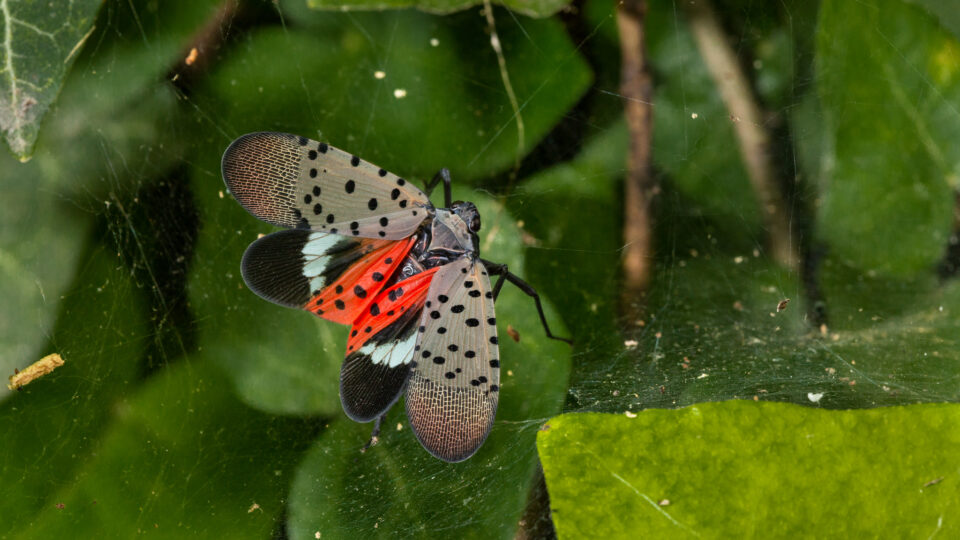
Here Come The Lanternflies | Earth Wise

May 15, 2023 By EarthWise Leave a Comment

The spotted lanternfly is an invasive pest from Asia that primarily feeds on tree of heaven, which is itself an invasive species that has become widespread.  The real problem is that the lanternfly can also feed on some 70 other plants such as grapevines, maples, fruit trees, and more.

The lanternfly was first discovered in the US in Pennsylvania in 2014 and has since spread to 14 states including New York, Massachusetts, Connecticut, and Rhode Island.  (It was first spotted in New York in Staten Island in 2020 and has continued to spread).

The insect poses a significant threat to New York’s agricultural and forest health. Both the adults and nymphs feed on the sap of plants which stresses them making them vulnerable to diseases and other insect attacks.  They also secrete a sticky substance that attracts molds and interferes with photosynthesis.

Lanternflies are not strong fliers.  They mostly spread through human activity by laying their eggs on vehicles, firewood, outdoor furniture, and other objects that people transport.

The bout of unusually warm weather that the Northeast experienced in early spring is likely to have jumpstarted the spotted lanternfly timeline and hatching could be bumped up to as early as May.

Agriculture officials are asking for people to look for spotted lanternfly egg masses and scrape them off with implements with a sharp edge.  Adult insects should be reported to local authorities and should be killed if at all possible.  There is lots of information online about how to recognize the egg masses and the insects.  Spotted lanternflies are not a direct threat to humans, but they have the potential to cause great harm to vineyards, orchards, and forests.

**********

Web Links

Spotted Lanternfly

Photo, posted September 12, 2018, courtesy of the U.S. Department of Agriculture via Flickr.

Earth Wise is a production of WAMC Northeast Public Radio
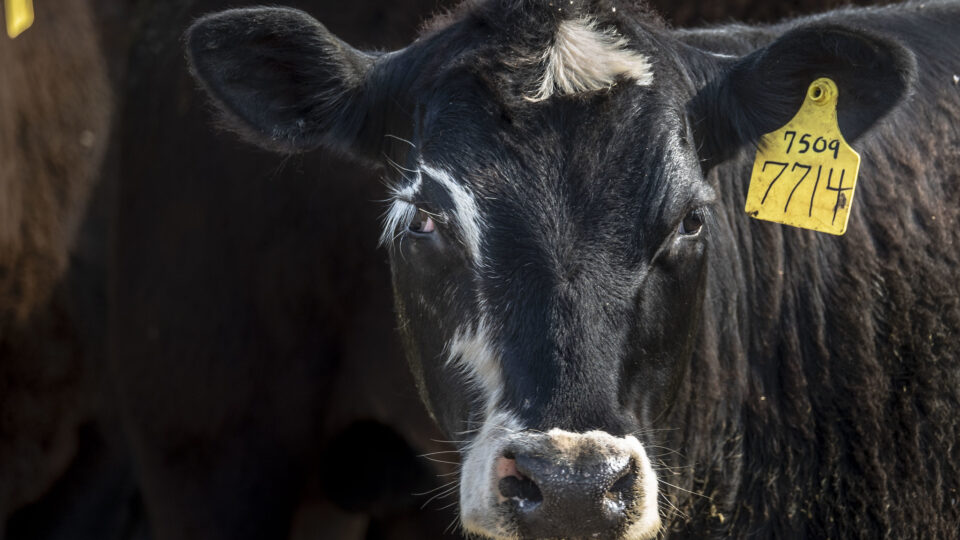
Antibiotics In Animal Agriculture | Earth Wise

April 13, 2023 By EarthWise Leave a Comment

In animal agriculture, farmers use antibiotics to treat, prevent, and control animal diseases, and to increase the productivity of their operations.  According to the FDA, approximately 80% of all antibiotics sold in the U.S. are purchased for use in food-producing animals. 

The routine administration of antibiotics to farm animals for non-therapeutic purposes promotes the development of antibiotic-resistant bacteria, with repercussions for human and animal health.  As antibiotic-resistant bacteria spreads, medicines used to treat human diseases can become less effective. 

According to a new study led by researchers from the University of Washington, a California policy restricting the use of antibiotics in farm animals is associated with a reduction in one type of antibiotic-resistant infection in people in the state.  The findings, recently published in the journal Environmental Health Perspectives, suggest that regulations limiting the use of antibiotics in livestock can significantly impact human health. 

In 2018, California Senate Bill 27 banned routine preventive use of antibiotics in food-animal production and any antibiotic use without a veterinarian’s prescription.  Last year, the European Union passed a law restricting antibiotic use to only sick animals on farms.  And coming this June, most antibiotics – those that are medically important to humans and animals – will be by prescription only in the United States.  

Despite these changes, antibiotic resistance is projected to remain one of the biggest threats to human health over the next 50 years because resistance continues to grow and few new antibiotics are coming online. 

**********

Web Links

Restricting antibiotics for livestock could limit spread of antibiotic-resistant infections in people

Ranchers should prepare now for 2023 animal antibiotic guidelines

Photo, posted May 8, 2018, courtesy of Preston Keres / USDA via Flickr.

Earth Wise is a production of WAMC Northeast Public Radio

Help For Kelp | Earth Wise

April 10, 2023 By EarthWise Leave a Comment

Sea urchins and climate change is devastating ocean kelp

The warming of the oceans has been causing the decimation of kelp forests.  The thick canopies covering coastal ocean regions have been wilting in warmer and nutrient-poor water.  Making matters much worse has been the explosion in population of sea urchins that thrive in warmer water.  The urchins gobble up the kelp, often resulting in so-called urchin barrens, largely devoid of life.

Kelp are considered a foundation species that occupy nearly half of the world’s marine ecoregions.  They thrive in cold water, where they form large underwater forests that provide essential habitat, food, and refuge for many species.  Kelp are often harvested for use in products ranging from toothpaste and shampoo to puddings and cakes.  Including the other services kelp provide, they are associated with billions of dollars in value annually.

On the North American Pacific Coast, a species of sea star consumes sea urchins.  However, these creatures are critically endangered. A marine wildlife epidemic known as sea star wasting syndrome, which began 10 years ago, has killed off more than 90% of the sunflower sea star population.   A new study by researchers at Oregon State University looked at the ability of sea stars to control sea urchin populations.

Lab experiments showed that sea stars consume urchins at a rate sufficient to maintain and possibly even restore the health of kelp forests.  The study shows that there is a clear link between the population crash of sea stars, the explosion in sea urchin populations, and the decline in kelp.

The study’s authors are calling for active management and a coordinated sea star recovery program to try to deal with the effects of a disease whose cause has not been determined.

**********

Web Links

Sea stars able to consume kelp-eating urchins fast enough to protect kelp forests, research shows

Photo, posted December 14, 2015, courtesy of Ed Dunens via Flickr.

Earth Wise is a production of WAMC Northeast Public Radio

Electric Cars And Cleaner Air | Earth Wise

January 20, 2023 By EarthWise Leave a Comment

Electric cars can help clean the air

Cities are awash in microscopic soot and other pollutants from the tailpipes of vehicles.  Apart from contributing substantially to the warming of the planet, these emissions have a significant impact on human health.  Research at Cornell University has determined that the continued growth of electric cars will lead to cleaner air and reduced human mortality in most if not all U.S. metropolitan areas.

The study, published in Renewable and Sustainable Energy Reviews, estimated the health impact and consequential economic impact of cleaner air in American cities as a result of the transition to electric vehicles.

For example, by 2050, Los Angeles will have 1,163 fewer premature deaths annually, corresponding to $12.6 billion in economic health benefits.  Greater New York City could see 574 fewer deaths a year leading to $6.24 billion in associated economic gains.

Global sales of electric cars have grown steadily.  In 2016, they accounted for less than 1% of the market.  That share grew to 2.2% in 2018, 4.1% in 2020, and 6.6% in 2021.

In the U.S., electric cars accounted for 4.5% of sales in 2021, but in many cities, the numbers were much higher. 

These trends are likely to accelerate as a combination of government policies and major decisions by automakers drive a rapid transition to electrification.  While mitigating the effects of climate change continues to be the main driving force for that transition, the human health benefits will be a very significant reward for doing the right thing for the planet.

**********

Web Links

Electric car sales drive toward cleaner air, less mortality

Photo, posted May 11, 2021, courtesy of Chris Yarzab via Flickr.

Earth Wise is a production of WAMC Northeast Public Radio

A Green New Year | Earth Wise

December 30, 2022 By EarthWise Leave a Comment

Every year, millions of people around the world make resolutions in hopes of sparking positive changes in the new year.  Popular resolutions include improving health and fitness, traveling more, spending less, and so on.  With the New Year just around the corner, here are seven resolutions we all could make that would collectively have a major impact on the planet: 

1) Eat less meat.  Resource-intensive animal-based foods like meat, dairy, and eggs are one of the chief contributors to climate change. 

2) Get a home energy audit.  It’s a great way to understand your home’s energy footprint and discover ways to improve the energy efficiency of your home. 

3) Buy local whenever possible.  Shopping locally supports the local economy and dramatically cuts down on the carbon emissions associated with shipping.

4) Carry reusable shopping bags on errands. While disposable shopping bags are convenient, they are difficult to recycle and are often thrown away. 

5) Air dry your laundry whenever possible.  Drying clothes outside or using an indoor drying rack can save money and energy.  Americans spend about $9 billion a year on electricity to dry clothing. 

6) Purchase used or pre-owned items.  The market for second-hand items is booming, making it possible to purchase pretty much anything you want at thrift stores or online. 

7) Bring a reusable water bottle everywhere.  According to the EPA, Americans throw away enough plastic bottles each year to circle the earth five times.  Carrying your own bottle helps reduce this waste and will save you money.

As we ring in the new year this weekend, let’s raise our glasses to a cleaner and greener 2023. 

**********

Web Links

10 Sustainable New Year’s Resolutions!

New Year’s Resolutions

Photo, posted December 31, 2014, courtesy of Doug Anderson via Flickr.

Earth Wise is a production of WAMC Northeast Public Radio
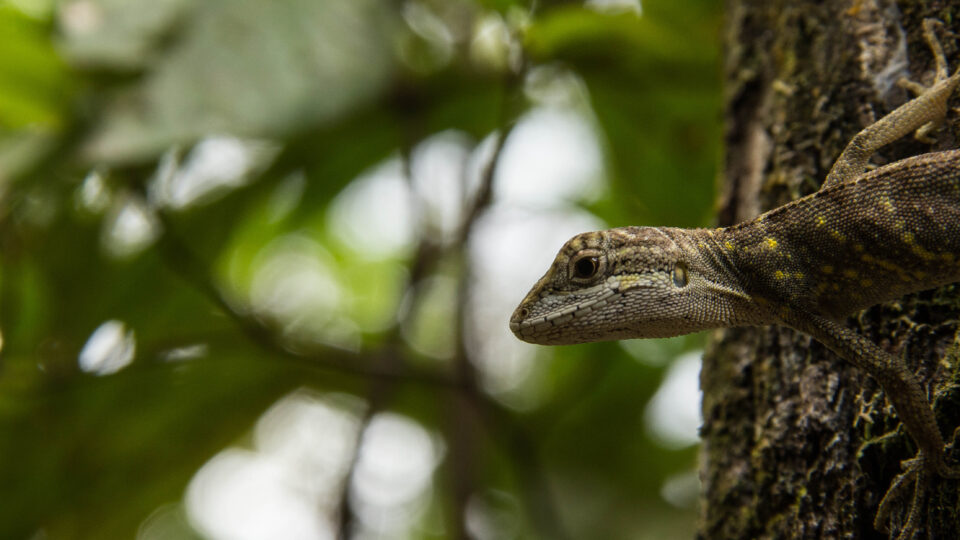
Rainforest Promises | Earth Wise

December 23, 2022 By EarthWise Leave a Comment

Rainforest promises in Brazil

The recent UN climate summit in Sharm el Sheikh, Egypt brought with it lots of pledges for action.   Among them was a promise from the three countries that are home to more than half of the world’s tropical rainforests to try to do something to protect them.

The ministers of Brazil, Indonesia, and the Democratic Republic of Congo signed an agreement pledging cooperation on sustainable management and conservation, restoration of critical ecosystems, and creation of economies that would ensure the health of both their people and their forests.

The plan has no financial backing of its own.  The countries are pledging to work together to establish a funding mechanism that could help to preserve the tropical forests that both help regulate the Earth’s climate and sustain a wide range of animals, plants, birds, and insects.

That such an agreement has come about at all is a result of the election of Luiz Lula da Silva as Brazilian president, replacing Jair Bolsonaro, who was famously an opponent of any and all environmental conservation or protections.  President Lula addressed the attendees of the climate summit promising that “Brazil is back.”   He described his country as having been in a cocoon for the past four years under his predecessor.  He declared that going forward, Brazil will be a force to combat climate change.  Given the importance of the Amazon rainforest, that is critical for the success of the world’s efforts.

Like all other issues on the table at the climate summit, the real challenge is not to come up with meaningful pledges on climate action, it is to be able to follow through on those pledges.  If past summits are any indication, that is not an easy task.

**********

Web Links

Brazil, Indonesia and Congo Sign Rainforest Protection Pact

Photo, posted September 15, 2013, courtesy of Moises Silva Lima via Flickr.

Earth Wise is a production of WAMC Northeast Public Radio
The Living Planet Index | Earth Wise

November 22, 2022 By EarthWise Leave a Comment

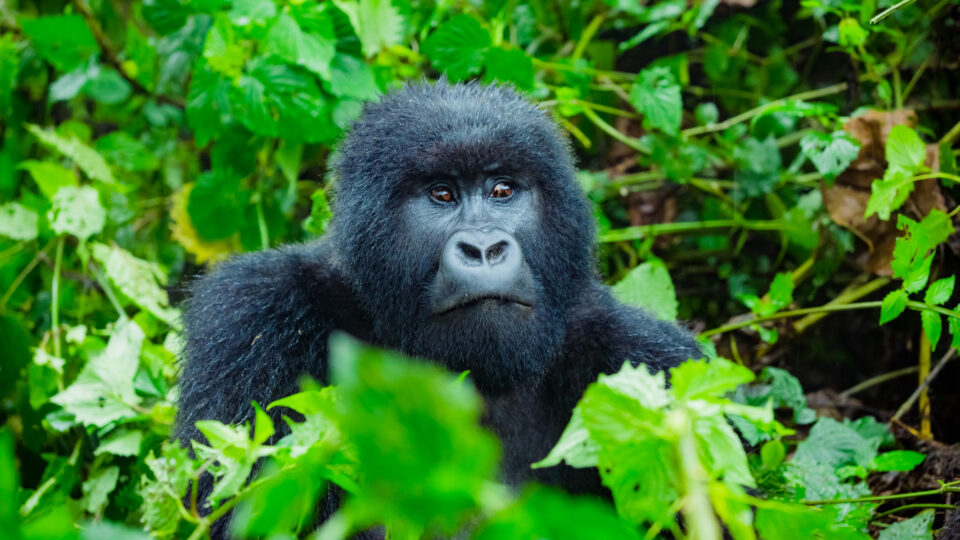
The World Wildlife Fund and the Zoological Society of London recently published the latest Living Planet Index, which is designed to measure how animal populations are changing through time.  The purpose is to provide an assessment of the health of ecosystems and the state of biodiversity.

The LPI only looks at the population of vertebrates:  birds, mammals, reptiles, amphibians, and fish.  The latest survey looked at how populations have changed between 1970 and 2018.  The results are that populations of these animal groups have declined by an average of 69% over that 48-year period.

This result highlights a very real and very severe crisis of biodiversity loss.  However, it does not mean that there are 2/3 fewer animals today than 48 years ago.  The way the index is calculated is to look at the changes in individual populations of over 5,000 different species.  Then these individual relative declines are averaged to get the result.  

There are shortcomings in the LPI.  For example, individual species that have seen massive population declines will bring the average down.  But even removing the outliers both of a negative and a positive impact does not dramatically change the result.

There is no perfect indicator for biodiversity and ecosystem health.  The Living Planet Index is nonetheless a useful metric and indicates that many species around the world are in decline.  Policymakers and environmental advocates need to make decisions about conservation and protection measures and this index is one tool they can use.

**********

Web Links

There’s a frightening new report about wildlife declines. But many are getting the story wrong.

Photo, posted October 12, 2019, courtesy of Visit Rwanda via Flickr.

Earth Wise is a production of WAMC Northeast Public Radio
Agrivoltaics | Earth Wise

November 15, 2022 By EarthWise Leave a Comment

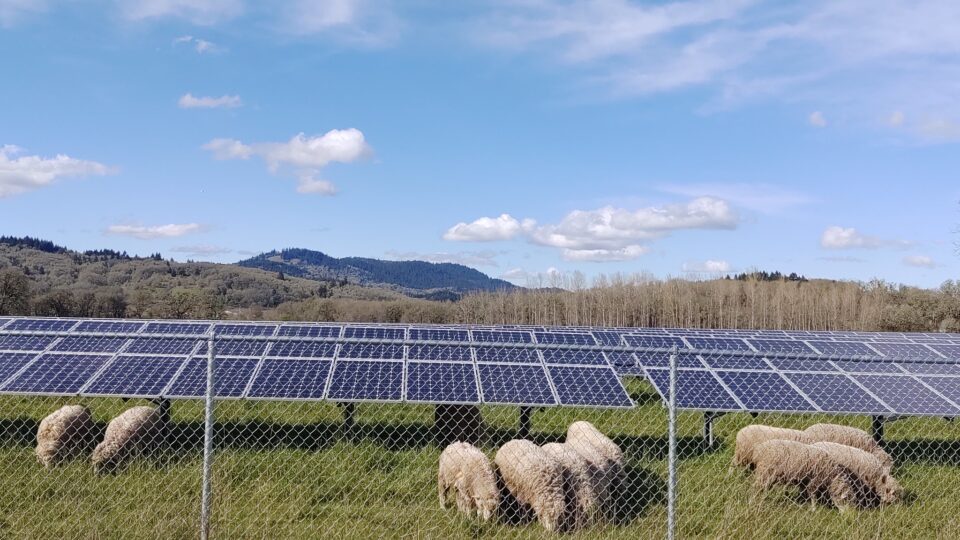
According to a study last year at Oregon State University, co-developing land for both solar photovoltaic power and agriculture could provide 20% of total electricity generation in the United States with an investment of less than 1% of the annual U.S. budget.  Widespread installation of agrivoltaic systems could reduce carbon emissions by 330,000 tons annually and create more than 100,000 jobs in rural communities.

Agrivoltaics could provide the synergistic combination of more food, more energy, lower water demand, lower carbon emissions, and improved local prosperity.  The problem with agrivoltaics to date is that the existing implementations have used solar arrays designed strictly for electricity generation rather than to be used in combination with agriculture.  They are not that well suited to co-exist with growing crops or grazing animals.

A new project is underway at Oregon State that will help researchers to optimize agrivoltaic systems.  The five-acre Solar Harvest Project is being built at the university’s North Willamette Research and Extension Center in Aurora, Oregon in partnership with the Oregon Clean Power Cooperative. 

The solar array for the project is designed specifically for agrivoltaics research and uses panels that are more spread out and able to rotate to a near vertical position to allow farm equipment to pass through.  The project will allow researchers to study the impact of solar panels on soil health, water use, and plant physiology and yields.

Electricity generated from the 326-kW solar system will be available for purchase by Oregon State and community members. 

**********

Web Links

Construction starts on Oregon State agrivoltaics farm that will merge agriculture and solar energy

Photo, posted April 5, 2020, courtesy of Sean Nealon / Oregon State University via Flickr.

Earth Wise is a production of WAMC Northeast Public Radio

The Importance Of Wildlife Crossings | Earth Wise

September 23, 2022 By EarthWise Leave a Comment

Wildlife crossings reduce collisions and save lives and money

Highway accidents involving animals are a big problem for both people and animals.  According to the National Highway Traffic Safety Administration, motorists in the United States kill one to two million large animals every year.  About 200 people are killed annually in the U.S. as a result of those collisions with animals.   

These crashes are expensive, too.  Deer-vehicle collisions cost an average of more than $8,000 each; elk-vehicle collisions cost about $25,000; and moose-vehicle collisions cost more than $44,000.

One solution that has been quite effective around the world in reducing car-animal collisions is wildlife overpasses and underpasses.  They are designed to help animals move in search of food and to escape predators and wildfires.  These traffic-spanning bridges and tunnels have been popular in Europe since the 1950s.  They look much like regular overpasses for cars but are decked out with native flora.  The underpasses, which assist shyer and smaller animals, are typically invisible to drivers.

According to a new economic analysis by researchers at Washington State University, wildlife crossings in Washington State save roughly $235,000 to $443,000 every year per structure. 

Wildlife crossing structures range in cost from $500,000 for a tunnel-like underpass to more than $6 million for a broad bridge.  There may soon be many more wildlife crossing structures across the country since $350 million was allotted in the federal Infrastructure Investment and Jobs Act signed into law in 2021.

**********

Web Links

Wildlife crossings potentially save millions annually in Washington state

How wildlife bridges over highways make animals—and people—safer

Photo, posted March 24, 2017, courtesy of Jeffrey Beall via Flickr.

Earth Wise is a production of WAMC Northeast Public Radio
What Is Healthy Soil? | Earth Wise

August 30, 2022 By EarthWise Leave a Comment

Defining what constitutes healthy soil

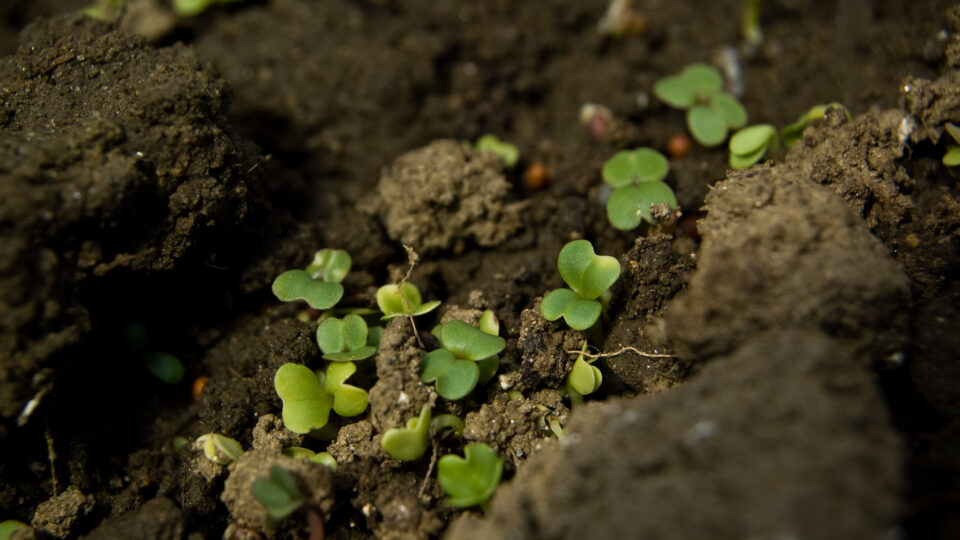
Soil supports life by providing many critical ecosystem services.  For example, soil acts as a water filter, a growing medium, and provides habitat for billions of organisms.  Soil is also the foundation of our cities and towns, and the basis of global agroecosystems, which provide humans with feed, fiber, food, and fuel.

For all of these reasons and many more, having healthy soil is vital.  But what does soil health mean? And how should it be measured?

According to new analysis by researchers from Cranfield University and Nottingham University in the U.K., how we think about, measure, and study soil must change in order to better understand how to manage this resource effectively. 

While the term ‘soil health’ is widely used, it means different things to different people.  There is no single agreed upon way to gauge the overall health of soil. 

Current approaches to assess soil health measure individual soil properties and use findings  to assign a single number giving an overall score.  But according to the research team, this does not reflect the wider system perspective that’s needed to fully evaluate the health of soil over time.

Instead, the researchers propose a new system to assess soil health based on a hierarchical framework that takes in several measures, including signs of life, signs of function, signs of complexity, and signs of emergence, which is the extent to which soils recover from multiple stressors. 

This new approach, which can be applied to all soils, moves us closer to an interdisciplinary understanding of the whole picture of soil health.  After all, healthy soil is fundamental to our survival.

**********

Web Links

We need to change how we think about soil

Photo, posted April 8, 2008, courtesy of Brian Boucheron via Flickr.

Earth Wise is a production of WAMC Northeast Public Radio.

Mangrove Forests And Climate Change | Earth Wise

August 3, 2022 By EarthWise Leave a Comment

Climate change is disrupting mangrove forests

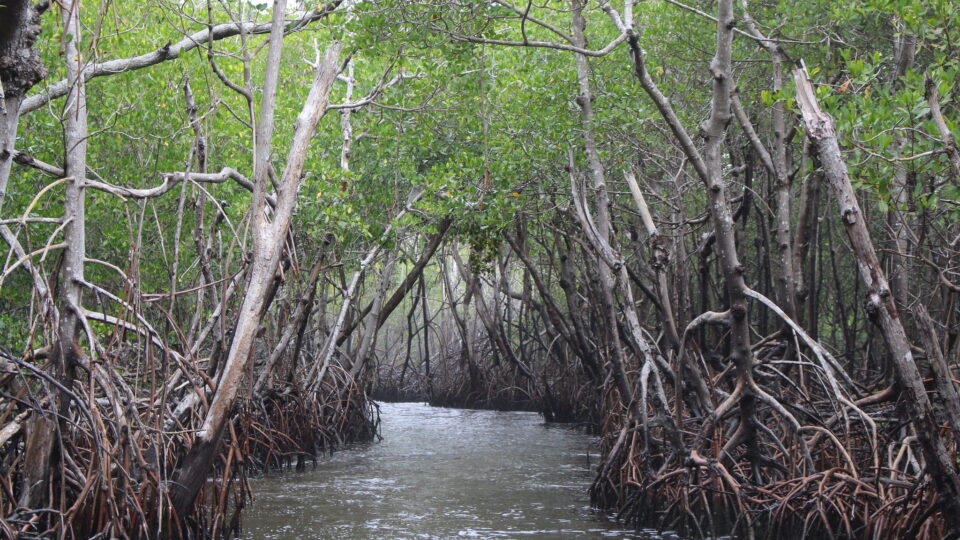
Mangrove forests play a vital role in the health of our planet.  These coastal forests are the second most carbon rich ecosystems in the world.  A patch of mangrove forest the size of a soccer field can store more than 1,000 tons of carbon. It does this by capturing carbon from the air and storing it in leaves, branches, trunks, and roots.

Mangrove forests only grow at tropical and subtropical latitudes near the equator because they cannot withstand freezing temperatures.  These forests can be recognized by their dense tangle of prop roots that make the trees look like they are standing on stilts above the water.  These roots allow the trees to handle the daily rise and fall of tides.  Most mangroves get flooded at least twice a day.  The roots also slow the movement of tidal waters, which allows sediments to settle out of the water and build up on the muddy bottom.  Mangrove forests stabilize coastlines, reducing erosion from storms, currents, waves, and tides.

A new study by the University of Portsmouth in the UK looked at the effects of climate change on how carbon is stored in mangrove forests.  In mangrove ecosystems, a variety of organisms break down fallen wood.  These include fungi, beetle larvae, and termites.  Closer to the ocean, clams known as shipworms degrade organic material.

Climate change is disrupting these processes in at least two ways.  Rising sea levels are changing the way sediments build up and increased ocean acidity is dissolving the shells of marine organisms like shipworms.

Mangrove forests are crucial to mitigating climate change, and changes to the functioning of the carbon cycle of those ecosystems are a threat to their ability to perform that function.

**********

Web Links

Study Reveals How Climate Change Can Significantly Impact Carbon-Rich Ecosystem

Photo, posted March 24, 2014, courtesy of Daniel Hartwig via Flickr.

Earth Wise is a production of WAMC Northeast Public Radio.

Living in a Carbon Bubble | Earth Wise

July 18, 2022 By EarthWise Leave a Comment

The earth’s atmosphere is a little over 0.04% carbon dioxide, currently about 420 parts per million.  That’s more than it’s been in millions of years and is changing our climate.  But these levels of CO2 are not enough to directly affect people.

However, people are sensitive to the amount of carbon dioxide they are breathing.  It is actually an indoor pollutant.  High concentrations have been shown to reduce our cognitive performance, our health, and our comfort.  For example, a study in 2012 showed that performance in a variety of cognitive function tests was reduced by 12% when CO2 levels reached 1,000 parts per million and by 51% at 2,500 ppm.

How common are high levels of carbon dioxide?  Pretty common.  Offices often have CO2 levels of 600 ppm or higher, but 5% of US offices have average concentration about 1000 ppm and some conference rooms can reach 1900 ppm.  Classrooms often reach average levels above 1000 ppm.  Passenger aircraft have average levels around 1400 ppm during flight, and can peak over 4,000 ppm.  Cars with one occupant with the windows closed and the air recirculating have levels above 4,000 ppm. 

Where does it all come from?  From us.  We exhale CO2 and if we are in enclosed spaces with insufficient air circulation and ventilation, we end up living in a carbon dioxide bubble.  Most of us live with high CO2 levels – all day and every day.  It is a form of indoor pollution that has not gotten enough attention.

**********

Web Links

I’m living in a carbon bubble. Literally.

Photo, posted October 24, 2013, courtesy of Cory W. Watts via Flickr.

Earth Wise is a production of WAMC Northeast Public Radio.

Air Pollution: The Greatest Danger | Earth Wise            

June 27, 2022 By EarthWise Leave a Comment

Air pollution is one of the greatest dangers

The effort to reduce and ultimately eliminate the use of fossil fuels has largely been driven by the potentially catastrophic consequences of global climate change.  The need to stop dumping greenhouse gases into the atmosphere has become increasingly urgent.  But there is an equally compelling reason to stop burning fossil fuels.  According to a study published in the journal Lancet Planetary Health, outdoor air pollution is “the largest existential threat to human and planetary health.”

Pollution of various types was responsible for an estimated 9 million deaths around the world in 2019.  Half of those fatalities – 4.5 million deaths – were the result of outdoor air pollution coming from vehicles and industrial sources like power plants and factories.

The number of deaths attributed to air pollution has increased by 55% just since the year 2000.

The growth in air pollution deaths has offset a decline in deaths from other pollution sources that especially affect people living in extreme poverty, such as indoor air pollution and water pollution.  Overall, countries with lower collective incomes tend to bear a disproportionate share of pollution deaths.  Roughly 16% of deaths around the world are attributable to pollution, also resulting in more than $4 trillion in economic losses.

The peer-reviewed study was produced by the 2017 Lancet Commission on Pollution and Health.  The study notes that despite the enormous health, social, and economic impacts of pollution, preventing it is largely overlooked in the international development agenda.  The study calls upon governments, businesses, and other entities to abandon fossil fuels and adopt clean energy sources.

**********

Web Links

Study Identifies Outdoor Air Pollution as the ‘Largest Existential Threat to Human and Planetary Health’

Photo, posted November 4, 2019, courtesy of Ninara via Flickr.

Earth Wise is a production of WAMC Northeast Public Radio.

  • « Go to Previous Page
  • Page 1
  • Page 2
  • Page 3
  • Page 4
  • Page 5
  • Interim pages omitted …
  • Page 10
  • Go to Next Page »

Primary Sidebar

Recent Episodes

  • An uninsurable future
  • Clean energy and jobs
  • Insect declines in remote regions
  • Fossil fuel producing nations ignoring climate goals
  • Trouble for clownfishes

WAMC Northeast Public Radio
WAMC/Northeast Public Radio is a regional public radio network serving parts of seven northeastern states (more...)

Copyright © 2026 ·