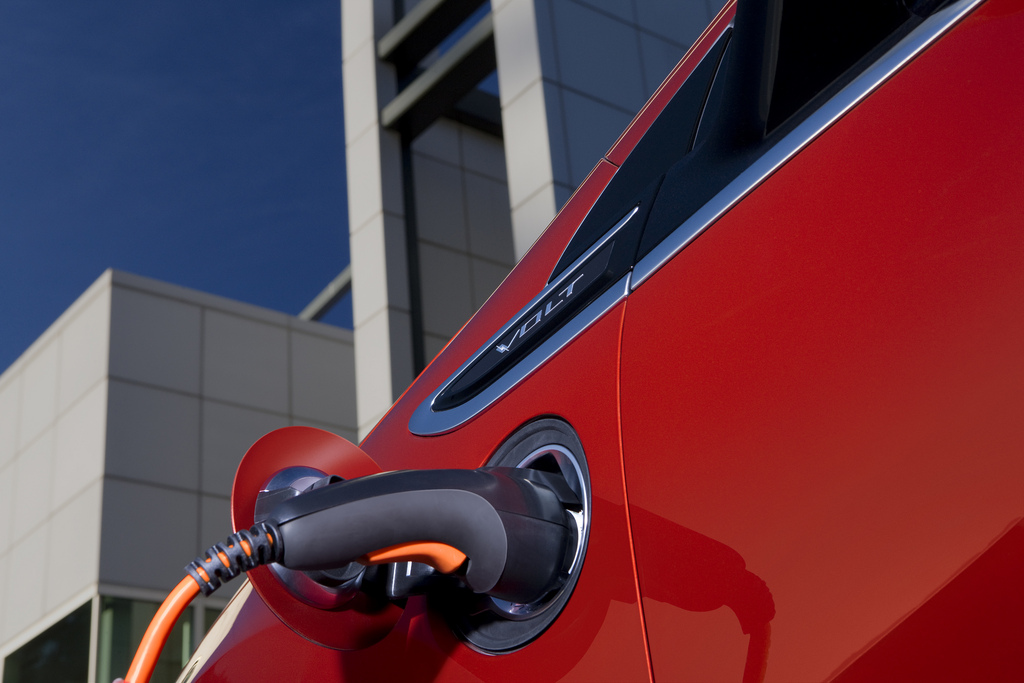
The world of personal transportation is evolving. There are three trends that are developing at the same time: cars running on electricity rather than fossil fuels, cars operating autonomously, and people sharing vehicles instead of owning them.
The Australian state of South Australia suffered crippling electricity outages in September 2016, which coincided with gale-force winds and flooding rains. The outages were triggered by storm damage to major transmission lines followed by wind farms disconnecting from the power grid.
In a trial taking place in Denmark, some electric car owners are earning more than $1,500 a year just by parking their cars and feeding excess power back into the grid.
New York State has been encouraging its communities to install microgrids for quite a while. Now the state has committed to build a 16-megawatt microgrid to power the Empire State Plaza in downtown Albany. The microgrid will use combined heat and power to supply 90% of the electricity as well as heating and cooling for the 10 buildings where 11,000 state employees work.
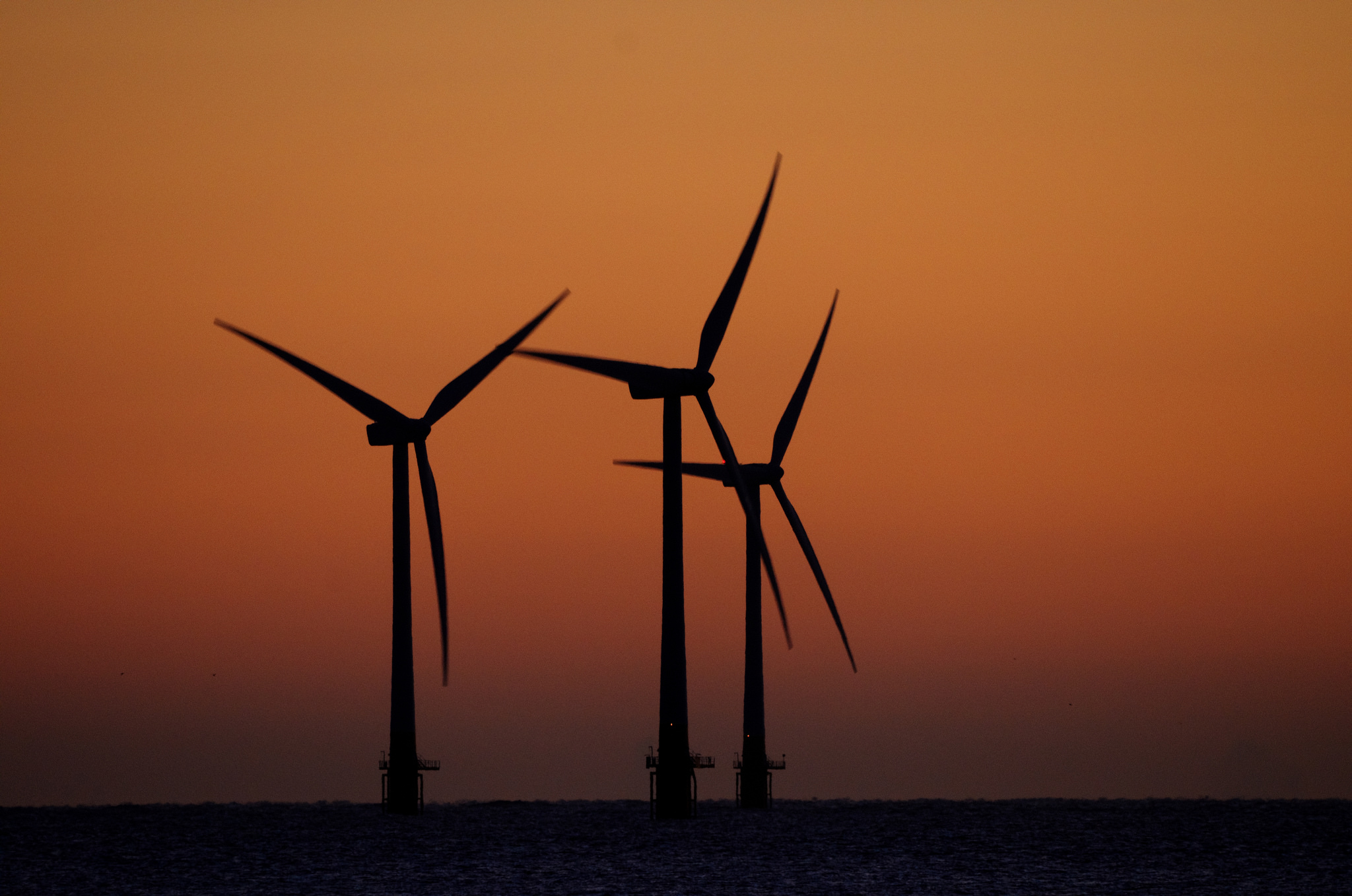
Last December, the first commercial offshore wind farm in the United States started operation off the coast of Rhode Island. The Fisherman’s Energy Atlantic City Windfarm off the coast of New Jersey is under construction. With the lengthy logjam finally broken, there is increasing activity in the emerging U.S. offshore wind sector.
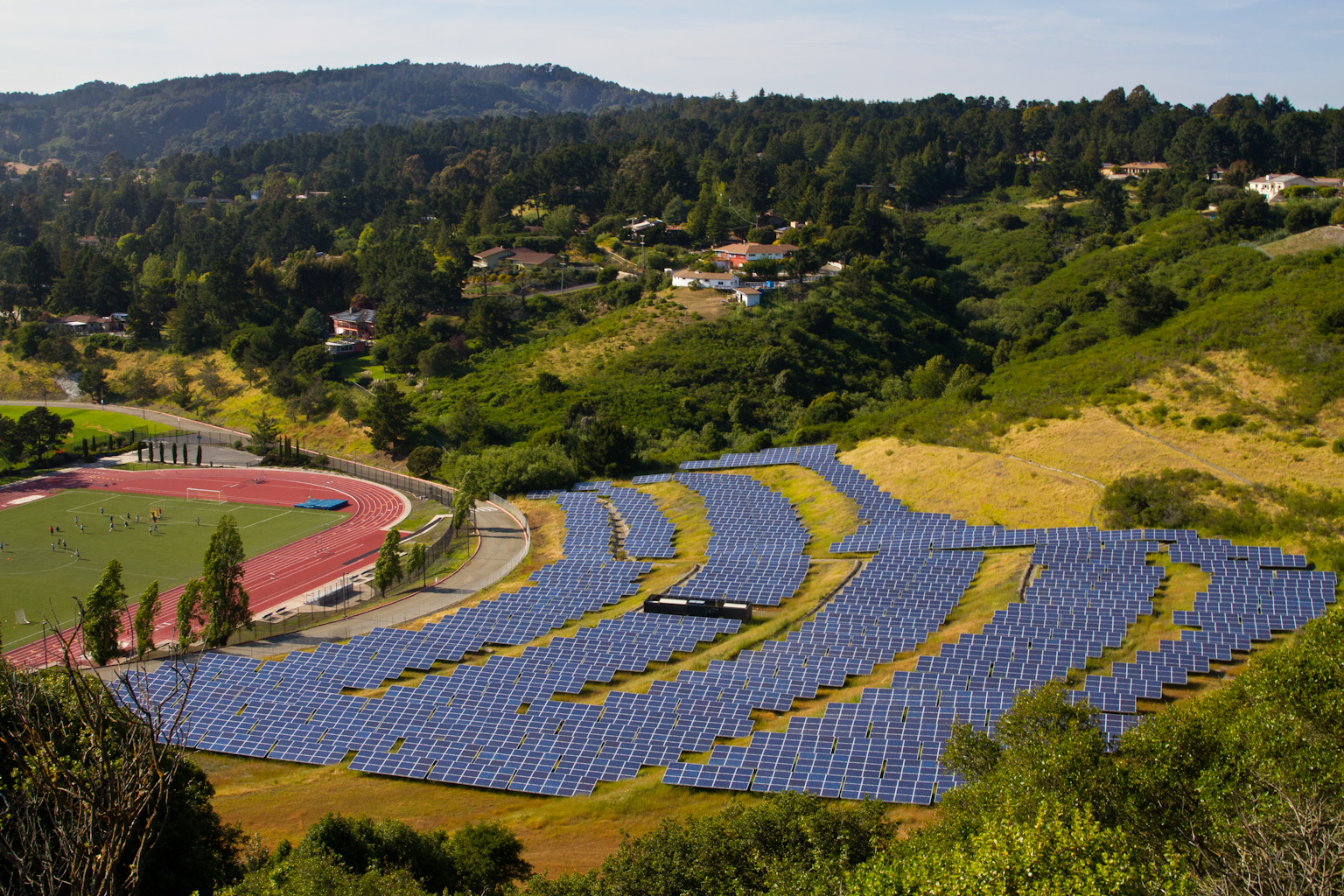
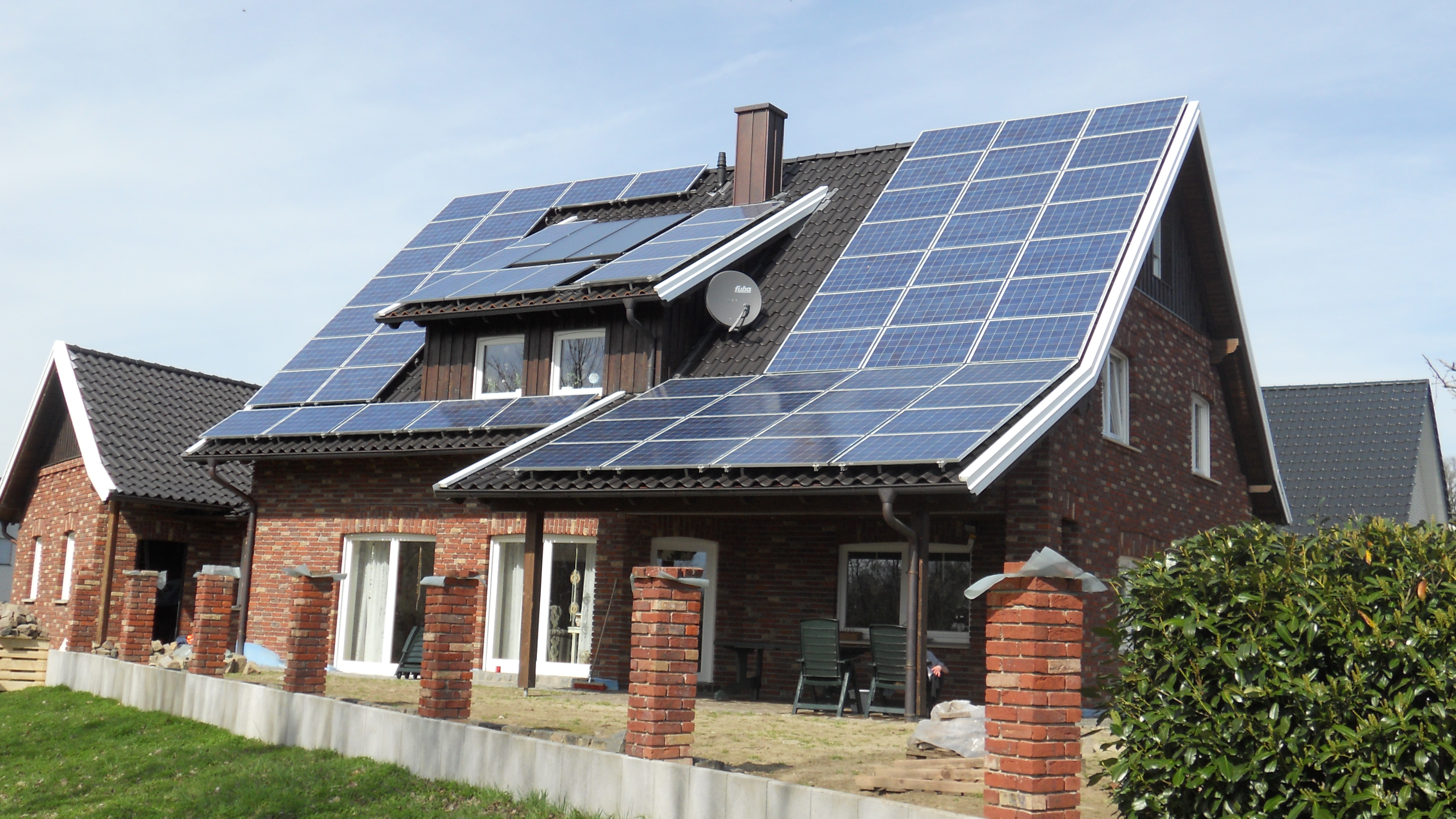
Solar panels on the roofs of houses have become a familiar sight in recent years, but utility-scale solar – installations of 10 megawatts and greater – are really booming these days. Throughout the United States, more than 10.5 gigawatts of utility-scale solar were added to the electric grid in 2016 – enough to power more than 2 million homes – and at least 8 gigawatts more are scheduled to come online this year.
For more than a century, a wide stretch of land north of Kimberley, British Columbia, was used for intensive industrial hard-rock mining. The site of Teck’s Sullivan Mine hosted a steel mill, a fertilizer plant and tailings ponds and was rendered treeless.
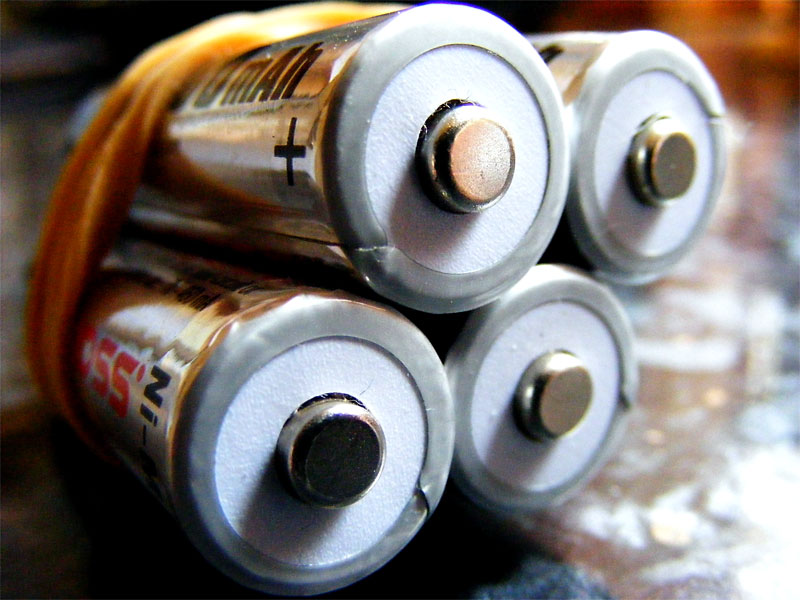
Batteries have never been more important. Not only do we all depend on cell phones, tablets and laptop computers that run on batteries, but two enormous industries are in major transitions that rely upon battery technology: personal transportation and the utility industry. The electricity grid is increasingly turning to solar and wind power for generation and both will require effective energy storage if they are to truly become the predominant sources of electricity.
Multiple studies are now reporting that wind and solar power are the cheapest way to make electricity in a growing number of places around the world. A thorough analysis of the levelized cost of energy – which considers every cost component from capital expenditures to operating and maintenance costs over a lifetime – shows that solar and wind power are winning the day.
Germany has continued to be the most aggressive adopter of renewable energy among large industrial nations. The country has the goal of shifting to 100% renewables by 2050. Its continuing embracing of solar and wind generation resources over the past decade has resulted in renewables supplying a third of the country’s power on average.
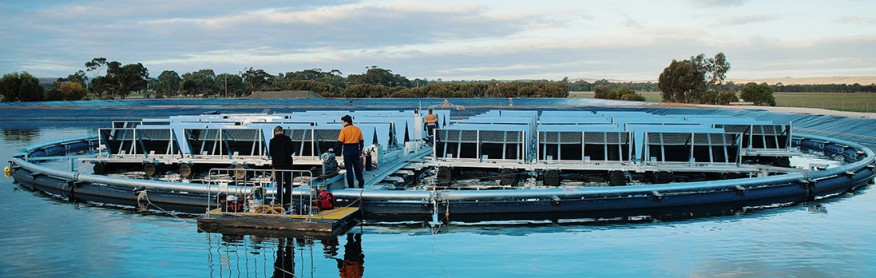
The city of Holtville in California is sometimes called the “Carrot Capital of the World.” This agricultural community has signed an agreement with Australian company Infratech to build a floating solar power system for its water treatment plant.