• Skip to primary navigation
  • Skip to main content
  • Skip to primary sidebar

Earth Wise

A look at our changing environment.

  • Home
  • About Earth Wise
  • Where to Listen
  • All Articles
  • Show Search
Hide Search
You are here: Home / Archives for food

food

Barley plastic

July 24, 2024 By EarthWise Leave a Comment

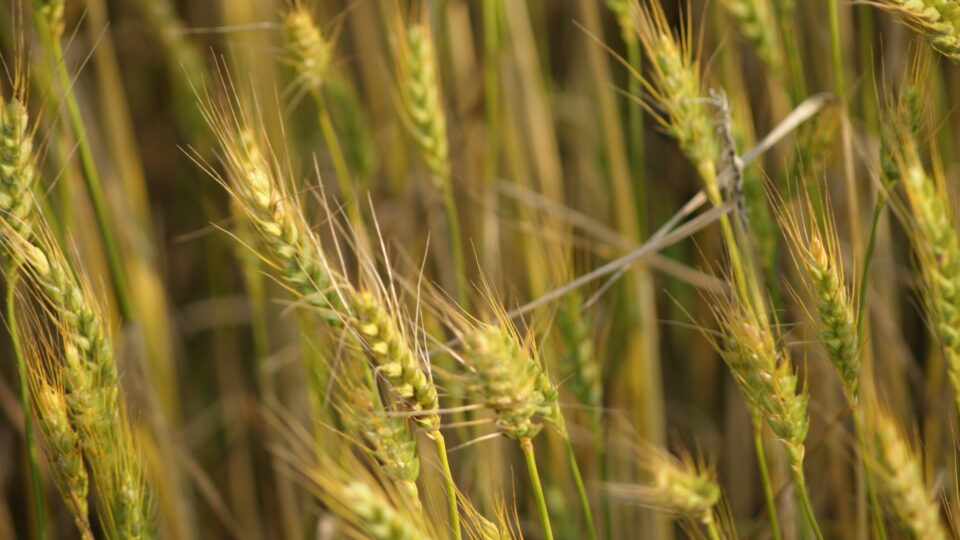
Making biodegradable plastic from barley

The durability, malleability, and low cost of plastics have made them ubiquitous.  Plastics are everywhere:  in packaging, clothing, and an endless variety of products.  As a result, they are everywhere in the environment and they tend to stay there, contaminating land and sea.  They are tough to recycle, and their production emits more carbon dioxide than all air traffic combined.  The search for viable substitutes for plastic is global and intensive.

Most common bioplastics are not an ideal solution.  They don’t break down that easily when tossed into the natural environment.  The process can take years. 

Researchers at the University of Copenhagen have invented a new material made from modified starch that can completely decompose in nature and can do so in only two months.  The material is made using natural plant material from crops and could be used for food packaging as well as many other things.

The new material is a biocomposite composed of several substances that decompose naturally.  The main ingredients are amylose and cellulose, common in many plants.  Amylose is extracted from crops like corn, potatoes, wheat, and barley.

The Danish researchers have developed a barley variety that produces pure amylose in its kernels.  Pure amylose is ideal because it is less likely to turn into a paste when it interacts with water. 

Combining the amylose with cellulose forms long, strong molecular chains, resulting in a durable, flexible material that can replace plastic in many applications.  The research team has founded a spinoff company and have applied for a patent for the new material.  It is unclear when the biofriendly barley-based plastic might be commercialized, but its potential is quite good.

**********

Web Links

Researchers invent one hundred percent biodegradable “barley plastic”

Photo, posted May 20, 2010, courtesy of Frederick Lang Jr. via Flickr.

Earth Wise is a production of WAMC Northeast Public Radio

Another ban on neonics

July 22, 2024 By EarthWise Leave a Comment

Banning dangerous insecticides

There have been ominous declines in many insect populations.  Chief among them have been declines in pollinators, which have severe consequences for our food supply.  There are multiple possible causes of these declines and undoubtedly several have been involved simultaneously.

A new study on butterfly populations in the Midwest indicates that agricultural insecticides exerted the biggest impact on the diversity of butterfly populations in the Midwest during the period 1998 to 2014.  The biggest culprits were the widely used insecticides called neonicotinoids that are absorbed into the tissues of plants.

Neonics are meant for targeted pesticide use but are often used more broadly, including for corn crops.

Neonics are already well-known to be especially harmful to bees and are gradually being restricted in various places.  Quebec province passed restrictions on neonic-treated seeds in 2019.  Last December, New York signed into law a phase-out of neonic-treated seeds and a ban on non-agricultural uses of them.

Vermont has now become the second state to ban the use of neonicotinoids by virtue of its state legislature overriding a veto from Governor Phil Scott.  The law minimizes the use of neonics by requiring potential users to obtain written exemptions. 

Opponents to neonic restrictions claim that slashing their use will greatly reduce crop yields.  The experience in Quebec over the past five years is that the Canadian neonic restrictions have reduced corn and soybean crop yields by about 0.5%.  As a result of this tiny reduction, there has been a strong reduction in the amount of neonics contaminating waterways.

**********

Web Links

Vermont Becomes Second State to Ban Bee-Killing Neonic Pesticides

New ‘Detective Work’ on Butterfly Declines Reveals a Prime Suspect

Photo, posted September 7, 2017, courtesy of Watts via Flickr.

Earth Wise is a production of WAMC Northeast Public Radio
The slippery slopes of the ski industry

July 18, 2024 By EarthWise Leave a Comment

According to the National Oceanic and Atmospheric Administration, snowfall is declining globally as temperatures warm because of human-caused climate change.  Less snow threatens to reinforce global warming, and to disrupt food, water, and livelihoods for billions of people.   

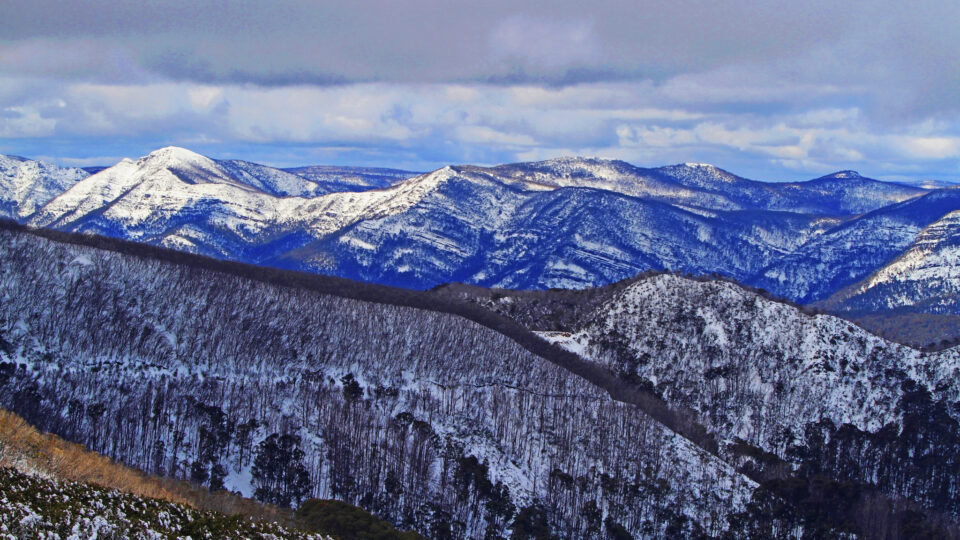
According to new modeling by researchers from Protect Our Winters Australia and The Australian National University, the ski industry in Australia is at risk of major disruptions and shorter seasons if climate change continues unabated.  The researchers found the average ski season across all resorts in Australia will be 44 days shorter by 2050 under a mid-greenhouse gas emissions scenario, and 55 days shorter under a high-emissions scenario.

But the research team also revealed that the Australian ski industry would fare significantly better if decisive action is taken to reduce climate pollution.  In fact, under a low-emissions scenario, the ski season would be 28 days shorter by 2050, before starting to improve by 2080 if emissions are kept down.

However, if decisive climate action isn’t taken, the researchers warn some ski resorts in Australia may be forced to close for good.  But this threat isn’t unique to Australia. 

In fact, according to a study recently published in the journal PLOS ONE, 13% of ski areas around the world are predicted to lose all natural snow cover under the high-emissions scenario by 2071-2100 – relative to their historic baselines. 

The future losses of ski areas around the world will be significant if global emissions continue unchecked.

**********

Web Links

Climate crisis puts Australia’s ski industry on slippery slope, but not all hope is lost

“Our Changing Snowscapes” Report Released

The future is likely less skiable, thanks to climate change

Photo, posted June 6, 2018, courtesy of Clement Tang via Flickr.

Earth Wise is a production of WAMC Northeast Public Radio

Dark chocolate is not so dangerous

July 15, 2024 By EarthWise Leave a Comment

dark chocolate does not seem so dangerous after all

Last year, Consumer Reports published a story stating that a third of chocolate products contain potentially dangerous amounts of heavy metals, in particular lead and cadmium. Since it contains much more cacao, dark chocolate was singled out as the most worrisome product.  Needless to say, chocolate lovers found this report quite alarming.

A new study by Tulane University published in Food Research International employed a larger sample size, expanded the scope of testing to 16 metals, and included a risk assessment of toxic metals as well as accounted for the nutritional contribution of essential minerals.

The conclusions of the study were that dark chocolate poses no adverse risk for adults and contains nutritionally beneficial levels of essential minerals.  Some risks remain for very young children, but only from a very small number of chocolate products and only when large quantities are consumed.

The study sampled 155 dark and milk chocolates from various global brands sold in the United States.  It modeled the risk of eating one ounce of the chocolate per day or two large whole bars a week.

Only one brand exceeded the international limit for cadmium; four had cadmium levels that could pose a risk for a child weighing less than 33 pounds.  Only two bars contained lead levels above California interim standard, but neither posed adverse risks for anyone.

Lead in chocolate comes from post-harvest processing; cadmium comes from the soil.  South American chocolates generally have higher levels of metals than chocolates from Asia and West Africa.  Most dark chocolate in the U.S. is sourced from West Africa.

**********

Web Links

A dark side to dark chocolate? New study finds very minimal risk for kids from metals in chocolates

Photo, posted February 19, 2012, courtesy of Bodo via Flickr.

Earth Wise is a production of WAMC Northeast Public Radio
Biofuel refineries and toxic pollution

July 5, 2024 By EarthWise Leave a Comment

Toxic pollution from biofuel refineries.

There have been decades of government support for renewable, crop-based fuels – primarily corn ethanol.  In fact, it is a required component of gasoline sold in this country.  The biofuels industry has long claimed ethanol to be a clean, greener alternative to petroleum. 

There have been arguments all along that the environmental benefits of corn ethanol are dubious at best because of the energy required to produce the stuff.  There are also issues related to burning a food crop instead of feeding it to people and that the conversion of grasslands and forests to produce it releases massive amounts of carbon.

Recently, another serious concern has emerged.  A new review of industry data has found that the country’s biofuel refineries, mostly located in the Midwest, produce large amounts of toxic air pollutants, in some cases ever more than from their petroleum counterparts.

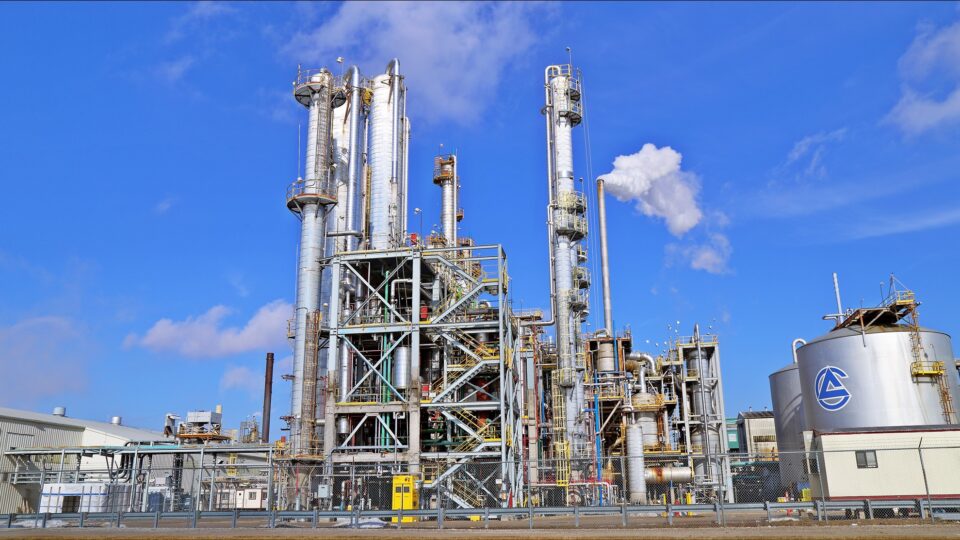
Emissions data from the country’s 275 ethanol, biodiesel, and renewable diesel plants revealed that they release carcinogenic formaldehyde as well as other potentially dangerous substances including acetaldehyde, hexane, and acrolein.  In 2022, biofuel refineries released 12.9 million pounds of hazardous air pollutants, compared to 14.9 million pounds emitted by oil refineries, and the biofuel plants actually emitted more of the four chemicals just mentioned than petroleum refineries did.

The broad use of crop ethanol is the result of intensive industry lobbying.  Ethanol plants are even exempt from some air pollution permitting requirements.  Perhaps the time has come to revisit its pervasive and mandated use.

**********

Web Links

Biofuel Refineries Are Releasing Toxic Air Pollutants in Farm Communities Across the US

Photo, posted February 27, 2021, courtesy of Sue Thompson via Flickr.

Earth Wise is a production of WAMC Northeast Public Radio
Glaciers in Venezuela

June 24, 2024 By EarthWise Leave a Comment

There are nearly 200,000 glaciers in the world.  About 91% of them are in Antarctica and 8% in Greenland.  The rest are scattered across nearly 50 countries.  The non-polar country with the most glaciers is actually Pakistan, which has over 7,200 of them.  But as the world continues to warm, glaciers are shrinking back, and many are disappearing altogether.

Venezuela, once home to six glaciers, has become the first country in the Americas to lose all of its glaciers.  Slovenia is considered to be the first country to lose its glaciers in modern times, perhaps as long as 30 years ago.  Glacial thawing has been worsening over the past decade throughout the Andes, which cover parts of Colombia, Venezuela, Bolivia, Ecuador, Peru, Chile, and Argentina.

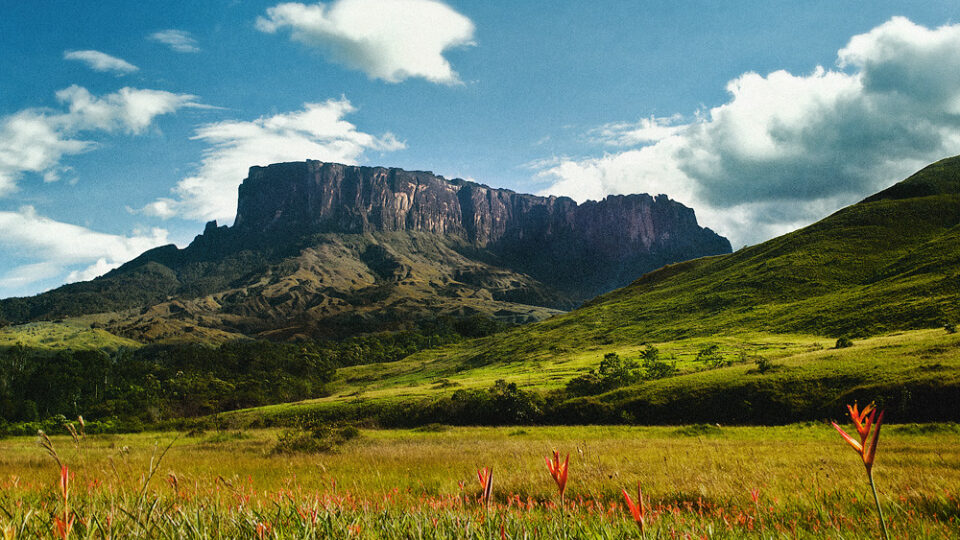
Five of Venezuela’s glaciers had largely melted away by 2011.  The Humboldt glacier, which is on the highest peak in the Cordillera de Mérida mountain range in Venezuela, has now been declared as too small to be classified as a glacier.  It once covered over a thousand acres; it now has less than 5 acres of ice.  The US Geological Survey defines glaciers as ice bodies extending 25 acres or more.

The loss of glaciers in the Andes has serious consequences for communities that live on their slopes and depend upon glacial melt for water and for energy and food production. 

At least 80% of glaciers worldwide are on track to mostly disappear by the year 2100 because of global warming.  Given that previous forecasts estimated that the Humboldt glacier might last another decade, the prospects for the world’s remaining glaciers are not good.

**********

Web Links

Venezuela becomes first nation in the Americas to lose all glaciers

Photo, posted November 11, 2012, courtesy of Tim Snell via Flickr.

Earth Wise is a production of WAMC Northeast Public Radio

Floating cities

June 6, 2024 By EarthWise Leave a Comment

About 40% of the world‘s population lives in coastal regions.  People really like ocean-front property.  But worldwide, rising sea levels mean that more and more people want to live on land that may someday be swallowed up by the sea.

One possible solution to the problem is to build cities on top of the water.  It sounds pretty futuristic and impractical, but it is starting to happen.  There have long been floating communities in places like the Netherlands, but these are for the most part clusters of houseboats moored close together.

But there are far more ambitious projects underway.  The Maldives Floating City, already under construction, will eventually have 5,000 houses located in a lagoon that is a 15-minute boat ride from the capital city of Male.  The housing units will be tethered to the lagoon floor and linked together. 

A new project, located off Busan, South Korea, will combine high and low technology to create a large-scale, on-water town, that can house more than 10,000 people.

The town will be built on enormous concrete platforms suspended on the water.  The platforms float because they are rounded hexagonal boxes that are buoyed up by Archimedes’’ principle.  They can’t sink.  Such structures will attract marine life, providing places for oysters and mussels, for example, to grow. 

The initial development will cover 15 acres and the infrastructure will handle power, water, waste, and even some food.  The goal is even to produce enough energy to provide some to the nearby community.  A bridge will link the community to the land.

The project is scheduled to be completed in 2028.  Future expansion could end up housing 150,000 people.

Floating cities could soon no longer be exotic or futuristic.

**********

Web Links

Are Floating Cities the Solution to Rising Seas?

Photo, posted June 5, 2012, courtesy of Raymond Bucko via Flickr.

Earth Wise is a production of WAMC Northeast Public Radio

Palm oil and water quality

June 3, 2024 By EarthWise Leave a Comment

Palm oil is the world’s cheapest and most widely used vegetable oil.  In fact, more than 86 million tons of palm oil was consumed last year alone.  Even though few of us cook with it, palm oil can be found in approximately half of all packaged grocery items – everything from ice creams and pizzas to detergents and cosmetics. 

This massive global demand for palm oil is driving tropical deforestation around the world.  While many studies have shown how converting rainforests to oil palm plantations causes biodiversity loss, researchers from UMass Amherst are the first to demonstrate how these plantations also cause wide-ranging disturbances to nearby watersheds.

In the study, which was recently published in the journal Science of the Total Environment, the research team focused on the Kais River watershed of West Papua, a province in the far east of Indonesia.  Approximately 25% of the watershed has been turned into oil palm plantations. The watershed is also one of the oldest continually inhabited homes for different groups of Indigenous Papuans.

The researchers found that the conversion of tropical rainforest to oil palm plantation has increased precipitation, runoff, and soil moisture. Water quality in the watershed has also gotten dramatically worse: sedimentation has increased by 16.9%, nitrogen by 78.1%, and phosphorus by 144%.

The research team hopes regulators will work to limit the use of pesticides, conduct continuous water quality monitoring, and ensure that downstream communities have access to water quality information. 

**********

Web Links

Oil Palm Plantations Are Driving Massive Downstream Impact to Watershed

Photo, posted December 13, 2008, courtesy of Fitri Agung via Flickr.

Earth Wise is a production of WAMC Northeast Public Radio
Plastic food packaging

May 9, 2024 By EarthWise Leave a Comment

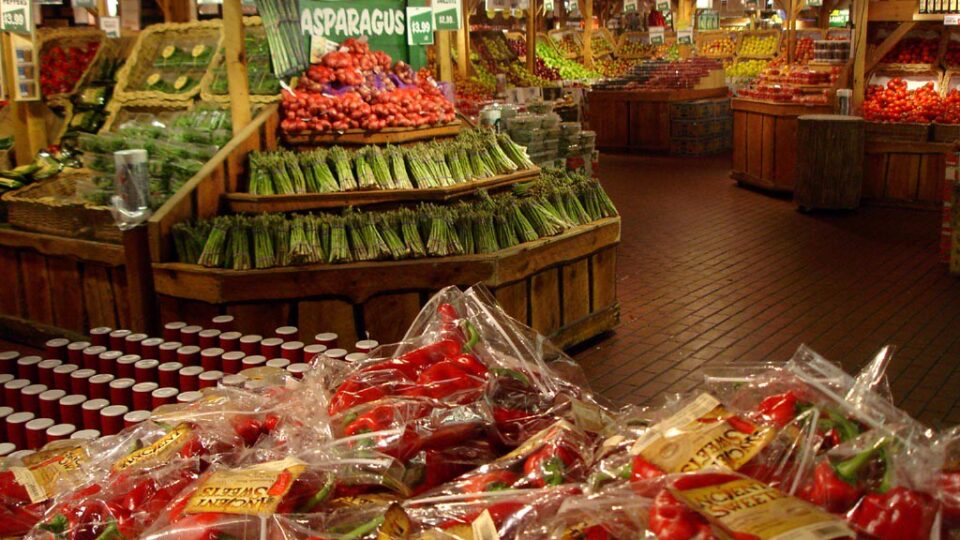
Reducing the use of plastic is an important environmental goal.  Plastic is made from fossil fuels and plastic pollutes the land and the oceans.  It is estimated that 40% of plastic waste comes from packaging.  Plastic packaging is extremely common in the supermarket and there is a growing desire to reduce its use.  But it isn’t that easy.

Plastic packaging works well to slow the decay of vegetables and fruit.  Its use results in less produce being tossed into the garbage, where it creates almost 60% of landfill methane emissions.  In fact, food is the most common material in landfills.  The average American family of four spends $1,500 a year on food that ends up uneaten and nearly half of all household food waste is fruits and vegetables.

Products like bagged salads, berries in plastic clamshells, and plastic sealed potatoes and cucumbers are popular with shoppers because they stay fresh longer.  They are popular with grocers because the items don’t have to be weighed.  But all these things result in plastic waste.  It is a tradeoff that is difficult to make between food quality and safety vs. the environmental harm caused by plastic.

There are a variety of alternatives to plastic packaging of food that are being explored.  They range from biodegradable, organic coatings that can take the place of plastic films, to cardboard and paper produce packaging. 

But practically, there is yet no affordable and biodegradable plastic alternative that keeps fruits and vegetables safe and fresh.  Solving the food packaging problem is not easy.

**********

Web Links

So Much Produce Comes in Plastic. Is There a Better Way?

Photo, posted July 1, 2007, courtesy of Brian via Flickr.

Earth Wise is a production of WAMC Northeast Public Radio

Skiing and climate change

April 12, 2024 By EarthWise Leave a Comment

Climate change threatens the future of skiing

According to the National Oceanic and Atmospheric Administration, anthropogenic climate change resulting in higher average temperatures has caused a global decline in snowfall.  Less snow threatens to reinforce global warming, and to disrupt food, water, and livelihoods for billions of people.  

According to a new study recently published in the journal PLOS ONE, annual snow cover days in all major skiing regions are projected to decrease dramatically as a result of climate change.  In the study, the research team from the University of Bayreuth in Germany examined the impact of climate change on annual natural snow cover in seven major skiing regions.  Using the public climate database CHELSA, the researchers predicted annual snow cover days for each ski area for 2011-2040, 2041-2070, and 2071-2100 under low, high, and very high carbon emissions scenarios.

Under the high emissions scenario, 13% of ski areas are predicted to lose all natural snow cover by 2071-2100 relative to their historic baselines.  By 2071-2100, average annual snow cover days were predicted to decline by 78% in the Australian Alps, 51% in the Southern Alps, 50% in the Japanese Alps, 43% in the Andes, 42% in the European Alps, 37% in the Appalachians, and 23% in the the Rocky Mountains – all declines relative to their historic baselines.

The future losses of natural snow cover in ski areas around the world will be significant if global emissions continue unchecked.

**********

Web Links

The future is likely less skiable, thanks to climate change

New maps show where snowfall is disappearing

Photo, posted April 14, 2006, courtesy of Kallu via Flickr.

Earth Wise is a production of WAMC Northeast Public Radio
Energy efficient cows

April 5, 2024 By EarthWise Leave a Comment

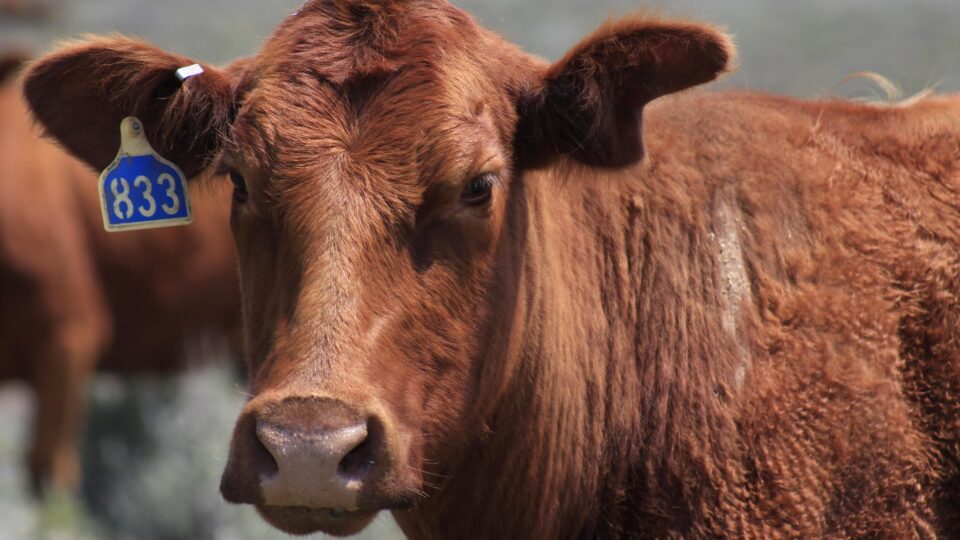
Livestock production – primarily cows – produce nearly 15% of global greenhouse gas emissions, mostly in the form of methane emitted by burping caused by the way they process food.  A single cow produces roughly 200 pounds of methane gas per year and there are 1.5 billion heads of cattle in the world.

Researchers at Penn State University have found that supplementing the feed of high-producing dairy cows with the botanical extract capsicum oleoresin – a substance obtained from chili peppers – or a combination of that extract and clove oil resulted in the animals using feed energy more efficiently. 

Adding these substances – which are commonly called essential oils – to the cattle’s feed results in improved efficiency of energy utilization.  It is known that botanicals have the potential to modify fermentation in the cow’s largest stomach – called the rumen.

There have been previous studies for many years adding substances to dairy cow feed – such as seaweed, garlic, and oregano – in an effort to improve milk production and reduce environmental emissions from dairy farms.

The Penn State study was actually not specifically aimed at methane reduction but rather to better use the available energy from the feed to gain body weight.  However, the researchers found that the yield and intensity of methane from the cows in the study were decreased by 11% by the combination of capsicum oleoresin and clove oil.

Botanicals have shown a wide range of anti-microbial properties against bacteria, protozoa, and fungi, as well as being potential rumen modifiers in cattle.  The new study represents an interesting approach to improve the metabolism of dairy cows.

**********

Web Links

Dairy cows fed botanicals-supplemented diets use energy more efficiently

Photo, posted April 9, 2012, courtesy of Aimee Brown / OSU via Flickr.

Earth Wise is a production of WAMC Northeast Public Radio
A common plant could be a valuable food source

April 4, 2024 By EarthWise Leave a Comment

A common plant could boost food security in a hungry world

A new study by researchers at Penn State University has found that a common water plant in the eastern U.S. could be a valuable green fertilizer, a feed for poultry and livestock, and even a life-saving food for people in the event of a catastrophe or disaster.

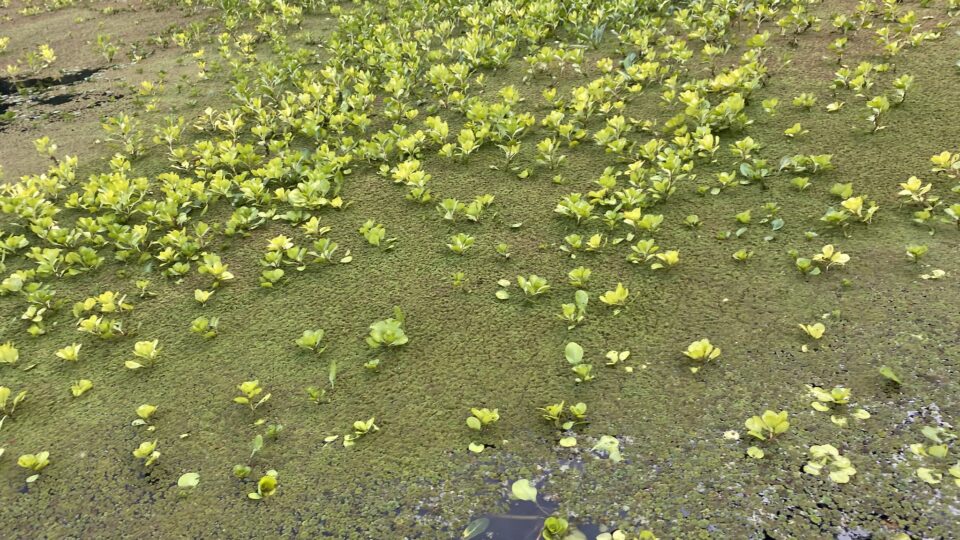
The plant is the Carolina azolla.  It is sometimes called mosquito fern, fairy moss, or water fern. It is a water plant that grows very rapidly; it can double its biomass in two days.   There are many varieties of azolla, but the Carolina strain is more digestible and nutritious for people than any of the others.

Azolla species have been used across the world for centuries as a livestock feed and as a fertilizer.  They have not been good for human consumption because of high polyphenolic content, which can be 10 times more than that of common food plants.  Polyphenols are abundant compounds in many plants and, in low concentrations, are beneficial antioxidants.  But in high concentrations they act as antinutritional agents.

It turns out that the Carolina azolla – described as having a crisp texture and neutral taste – has a polyphenolic content comparable to many fruits, nuts, and vegetables.  Furthermore, cooking significantly decreases the polyphenolic content in foods.

Carolina azolla has significant nutritional value including high mineral yields and calories,  and moderate protein content.  Whether it is used as a quick-fix in a disaster situation or as part of a long-term resilience plan, the study concludes that Carolina azolla holds excellent potential for use as a fast-growing, short-season crop that requires minimal effort to grow and process and could be used to increase food security in a hungry world.

**********

Web Links

Common plant could help reduce food insecurity, researchers find

Photo, posted October 8, 2020, courtesy of Dana L. Brown via Flickr.

Earth Wise is a production of WAMC Northeast Public Radio

Small changes can yield big results

March 29, 2024 By EarthWise Leave a Comment

Small changes in diet can yield big results for the planet

Global food production is one of the largest contributors to climate change.  In fact, one-quarter of the world’s greenhouse gas emissions result from food production and agriculture.  Be that as it may, we still have to eat.  But what we choose to eat has a major impact on the environment.

According to a new study by researchers at McGill University in Canada and the London School of Hygiene & Tropical Medicine in the U.K., partially replacing red and processed meat with plant-based proteins can increase lifespan and mitigate climate change. 

In the study, which was recently published in the journal Nature Food, the researchers drew data from a national nutrition survey to analyze Canadians’ dietary records. The study modeled partial replacements (25% and 50%) of either red and processed meat or dairy with plant protein foods like nuts, seeds, legumes, and tofu, on a combination of nutrition, health, and climate outcomes.

In the study, the researchers found that a person’s diet-related carbon footprint plummets by 25% when they replace half of their intake of red and processed meats with plant protein foods. However, dairy substitutions showed smaller reductions of up to just 5%.

Meat and dairy-rich diets are known to increase the risk of heart disease, diabetes, and certain cancers. The researchers also estimated that if half of the red and processed meat in a person’s diet was replaced with plant protein foods, life expectancy would increase nearly nine months on average, due to a reduced risk of chronic disease.

The research team hopes its findings will help people make healthier and more sustainable food choices. 

**********

Web Links

Food production is responsible for one-quarter of the world’s greenhouse gas emissions

Small dietary changes can cut your carbon footprint by 25%

Photo, posted November 24, 2019, courtesy of Theo Crazzolara via Flickr.

Earth Wise is a production of WAMC Northeast Public Radio
Mercury in tuna

March 25, 2024 By EarthWise Leave a Comment

Mercury in tuna still a lingering issue

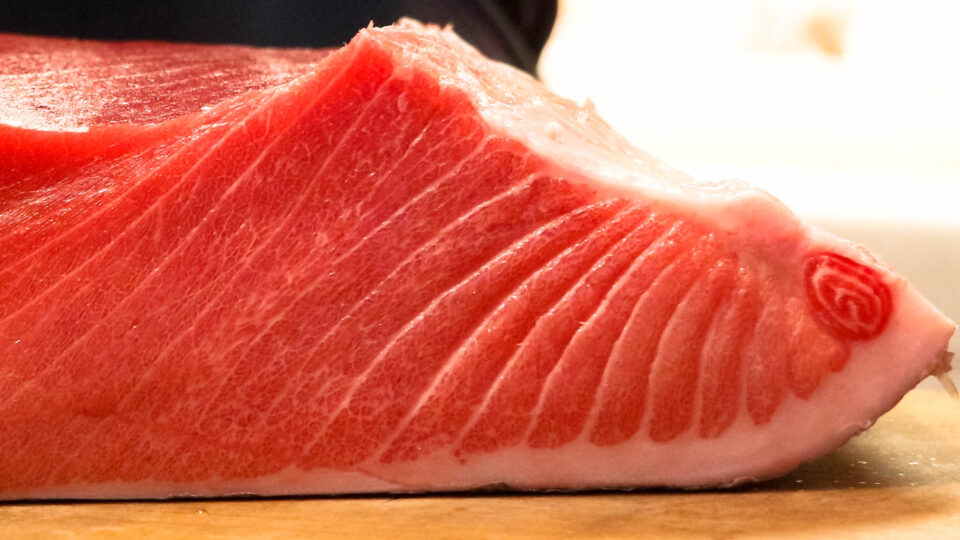
Mercury is found throughout the ocean, and there is at least some of it in any fish one might eat. It is an element found naturally in the environment, but it is also a byproduct of manmade pollution. Generally speaking, bigger fish tend to have higher mercury levels than smaller ones, because they are higher up in the food chain. The more small fish those big fish eat, the more mercury builds up in their bodies.  Tuna aren’t the biggest fish in the ocean, but they are very common in many people’s diets.

Increased mercury levels are a result of human activities like burning coal and mining which release methylmercury into the air.  It then finds its way into the oceans in rainwater.  Methylmercury is a particularly toxic chemical that affects the nervous system.  Environmental protection policies in recent decades have helped to reduce mercury pollution.

However, a recent study by French researchers looked at the mercury levels in tuna over the past 50 years.  They found that the levels have basically not changed since 1971.  As a result, they are calling for more restrictive environmental policies to further lower mercury pollution levels.

The researchers explained that the lowering of mercury airborne levels to date has not necessarily been ineffective.  They theorized that the static levels in tuna may be caused by the upward mixing of “legacy” mercury from deeper ocean water into the shallower depths where tropical tuna swim and feed.  It could very well take decades to dramatically reduce ocean mercury levels. 

Meanwhile, mercury content in tuna varies considerably by tuna type and source and there are both better and worse choices out there.  Consumers should learn the facts.

**********

Web Links

Mercury levels in tuna remain nearly unchanged since 1971, study says

Photo, posted November 7, 2015, courtesy of Mussi Katz via Flickr.

Earth Wise is a production of WAMC Northeast Public Radio

The carbon footprint of urban agriculture

March 22, 2024 By EarthWise Leave a Comment

Urban agriculture – essentially farming within a city – has become increasingly popular worldwide.  It is intended to make cities and urban food systems more sustainable.  There are social and nutritional benefits to urban agriculture, but its carbon footprint has not been widely studied.

There are high-tech, energy-intensive forms of urban agriculture, such as vertical farms and rooftop greenhouses.  But most urban farms are decidedly low-tech such as individual gardens managed by single farmers and community gardens managed by small groups of people.

A comprehensive international study led by the University of Michigan calculated the greenhouse gas emissions associated with the materials and activities of urban farms over their operating lives.  The emissions, expressed in the quantity of carbon dioxide equivalents produced per serving of food, were then compared to those of foods raised by conventional agriculture.

On average, food produced through urban agriculture emitted six times higher amounts of CO2 per serving than conventionally grown produce.

The study went on to recommend best practices crucial to making low-tech urban agriculture more carbon-competitive with conventional agriculture.  These include making use of infrastructure for more extended periods of time, making use of urban waste, and maximizing social and health benefits. 

Urban agriculture offers a variety of social, nutritional, and place-based environmental benefits and has its place in future sustainable cities.  It is important to implement it in ways that are most beneficial.

**********

Web Links

Study finds that urban agriculture must be carefully planned to have climate benefits

Photo, posted July 27, 2016, courtesy of Sandra Cohen-Rose and Colin Rose via Flickr.

Earth Wise is a production of WAMC Northeast Public Radio
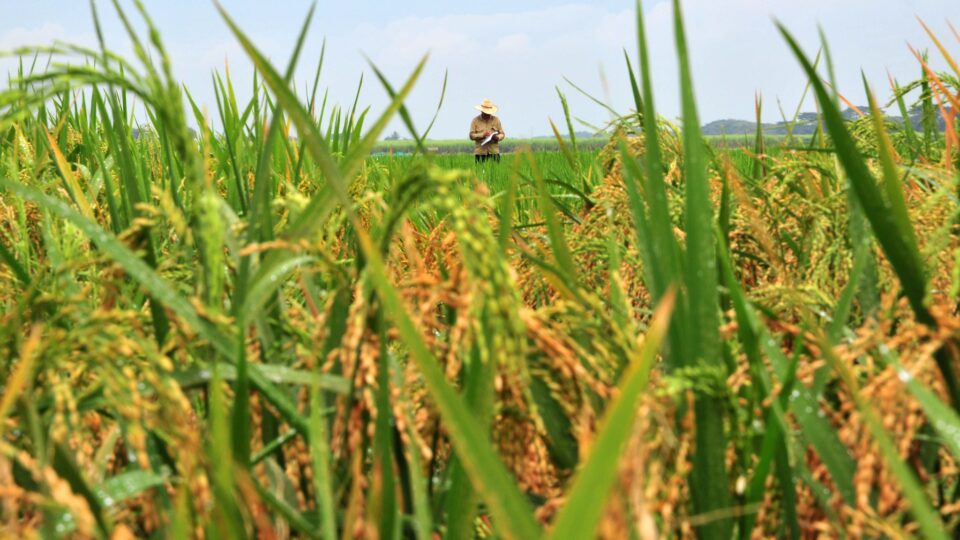
Hybrid beef rice

March 19, 2024 By EarthWise Leave a Comment

There is growing interest in innovative and more environmentally friendly ways to provide protein in our diets.  We’ve heard a great deal about lab-grown or cultured meats and about protein derived from insects. Whether either of these things achieves mainstream acceptance remains to be seen.

Scientists at Yonsei University in South Korea have developed a method for creating cultured beef rice – truly a hybrid food.  The method, described in the journal Matter, results in a nutritious and flavorful food that could be more affordable and have a smaller carbon footprint than current protein sources.

The researchers took rice grains – which are porous and have organized structures – and seeded them with beef muscle and stem cells and allowed them to culture for 9 to 11 days.  The harvested final product is a cell-cultured beef rice.

The hybrid beef rice was steamed and subjected to various food industry analyses, including nutritional value, odor, and texture.  The hybrid rice has 8% more protein and 7% more fat than regular rice.  It was somewhat firmer and more brittle than ordinary rice.  Hybrid rice with higher muscle content had beef- and almond-related odor compounds, while those with higher fat content had compounds corresponding to cream, butter, and coconut oil.

The hybrid rice has low food safety risks and a relatively easy production process.  If commercialized, the hybrid rice would be far less expensive than beef.  The researchers are optimistic that it can be commercialized.  They are continuing to work on the processing, hoping to further boost the nutritional value.  Like other unconventional foods under development, the biggest question is ultimately whether people will want to eat it.

**********

Web Links

By growing animal cells in rice grains, scientists dish up hybrid food

Photo, posted January 26, 2010, courtesy of CIAT / Neil Palmer via Flickr.

Earth Wise is a production of WAMC Northeast Public Radio
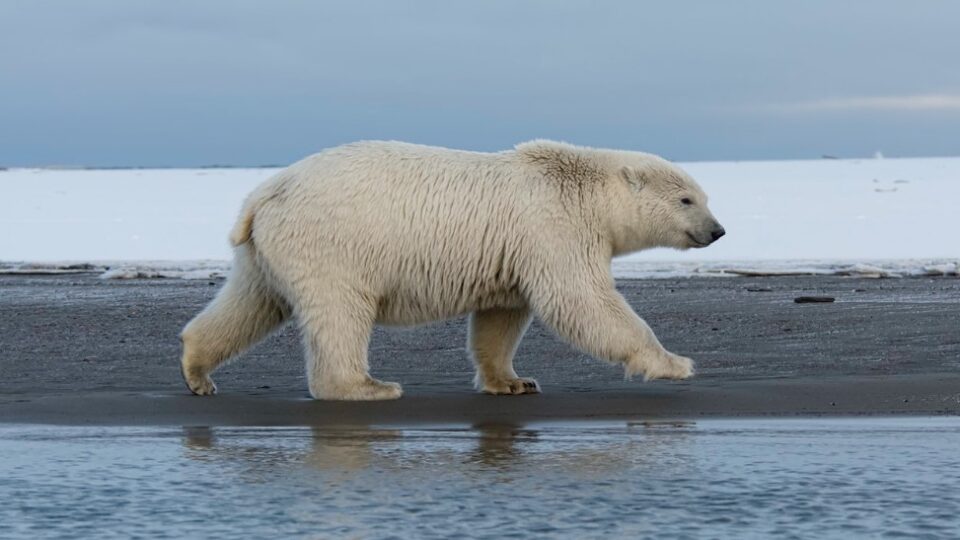
Polar bears and the changing climate

March 7, 2024 By EarthWise Leave a Comment

Polar bears struggling as the climate warms

The changing climate poses a major threat to polar bear survival.  Polar bears, whose native range lies largely within the Arctic Circle, depend on sea ice for nearly all of their lifecycle functions.  Rising global temperatures are causing this sea ice to disappear.

With less sea ice, polar bears are forced to stay longer on land.  However, according to a new study led by researchers from Washington State University, more time stranded on land leads to a greater risk of polar bear starvation. 

During three summer weeks in Manitoba, Canada, 20 polar bears observed by researchers tried different strategies to maintain energy reserves.  But the research team found that nearly all of them lost weight – losing about 2.2 pounds per day on average.     

Some scientists have speculated that polar bears might be able to adapt to the changing climate by acting more like grizzly bears by either resting or eating terrestrial food.  But the polar bears tried versions of both strategies – with little success.

Polar bears can weigh nearly twice as much as grizzly bears.  To maintain this size, polar bears rely on the energy-rich fat of seals, which they best catch on ice.

In the study, which was recently published in Nature Communications, the researchers found that some polar bears laid down to conserve energy, while others searched on land for food.  But neither the activity nor the lack thereof paid off.  In fact, only one bear out of the 20 gained weight after stumbling across a dead marine mammal on land.

Polar bears across the Arctic are at risk of starvation as the ice-free period continues to grow.

**********

Web Links

Polar bears unlikely to adapt to longer summers

Photo, posted November 16, 2015, courtesy of Anita Ritenour via Flickr.

Earth Wise is a production of WAMC Northeast Public Radio

Otters to the rescue

February 23, 2024 By EarthWise Leave a Comment

Otters to the rescue in California

California sea otters were hunted almost to extinction in the 19th century.  Only a small number survived along California’s central coast.  But over time, the otters recovered and increasingly recolonized their former habitats.

Sea otters are playing an important role in safeguarding California’s kelp forests and marshlands against the harmful effects of climate change.

Over much of the 20th century, increasing ocean heat had devastated underwater kelp forests by driving a population explosion of sea urchins that devour kelp.  But sea otters eat urchins and as the sea otter population has grown, kelp has flourished.  According to a new study published in PLOS Climate, the underwater kelp canopy along the central coast increased by 56% since 2016.  Kelp forests have become more extensive and resilient to climate change wherever sea otters have reoccupied the California coastline.

At the same time, sea otters started recolonizing their former habitat in a central California estuary several decades ago and erosion has slowed by as much as 90%.  The main reason is that otters love to eat the marsh crabs that were devouring the plants in this coastal ecosystem.  The marsh plants establish dense root systems that can withstand waves and flooding.  It would cost millions of dollars for humans to rebuild creekbanks and restore these coastal marshes.  Instead, sea otters have been stabilizing them for free in exchange for a crab feast.

Sea otters are playful creatures that people enjoy watching.  It turns out that they are also very valuable ecosystem engineers that are helping to mitigate the effects of the warming climate.

**********

Web Links

How Sea Otters Are Protecting the California Coast Against Climate Change

Photo, posted May 17, 2021, courtesy of Michael L. Baird via Flickr.

Earth Wise is a production of WAMC Northeast Public Radio
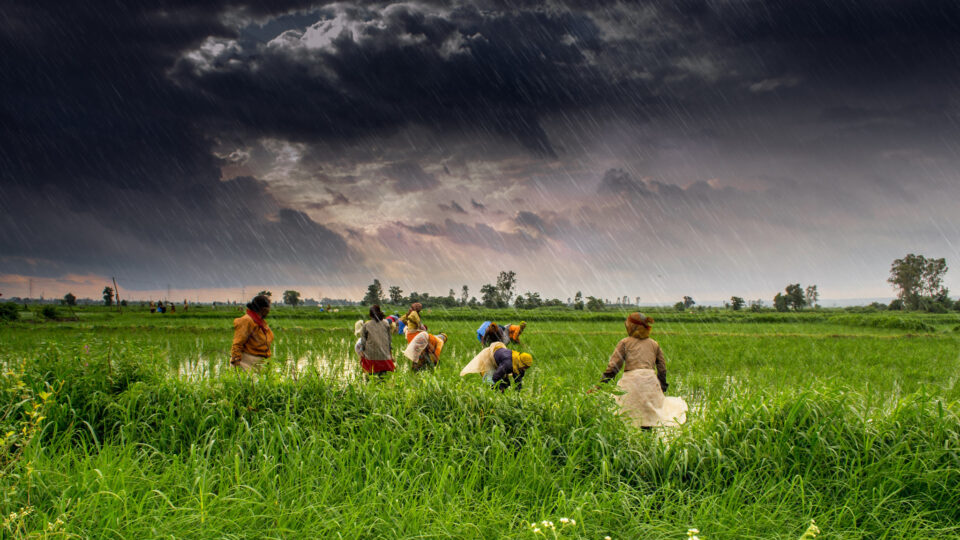
Groundwater and climate change

February 22, 2024 By EarthWise Leave a Comment

Groundwater is the vast reserve of water beneath Earth’s surface.  It’s an essential resource for humans, plants, animals, and other living organisms.  According to the United States Geological Survey, about 30% of all readily available freshwater in the world is groundwater.  In areas lacking sufficient surface water supply from rivers and reservoirs,  groundwater is critical for meeting the region’s drinking water and food production needs.

But climate change, as well as global population growth, is stressing groundwater resources.  As precipitation becomes less reliable due to climate change, surface water bodies can drop too low to provide the needed water.  As a result, people turn to groundwater. Depletion of groundwater is already a significant problem, and over-pumping will only increase further as climate change makes traditional sources of water less reliable.

According to a new study led by researchers from the University of Michigan, farmers in India have adapted to warming temperatures by intensifying the withdrawal of groundwater used for irrigation.  The study, which was published in the journal Science Advances, found that the rate of groundwater loss could triple by 2080 if this trend continues, further threatening India’s food and water security. 

India is the second-largest global producer of common cereal grains such as rice and wheat, and recently passed China as the world’s most populous nation. Without interventions to conserve groundwater, the research team finds that warming temperatures will likely amplify India’s groundwater depletion problem, further threatening the country’s food and water security.  

********** 

Web Links

Groundwater depletion rates in India could triple in coming decades as climate warms, study shows

Where is Earth’s Water?

Photo, posted August 2, 2013, courtesy of Rajarshi MITRA via Flickr.

Earth Wise is a production of WAMC Northeast Public Radio
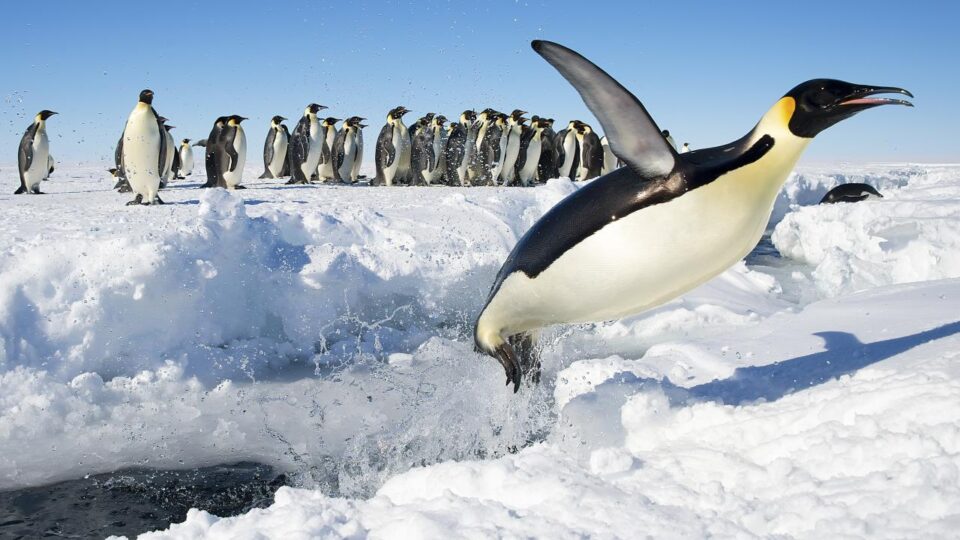
Satellites discovering penguins

February 20, 2024 By EarthWise Leave a Comment

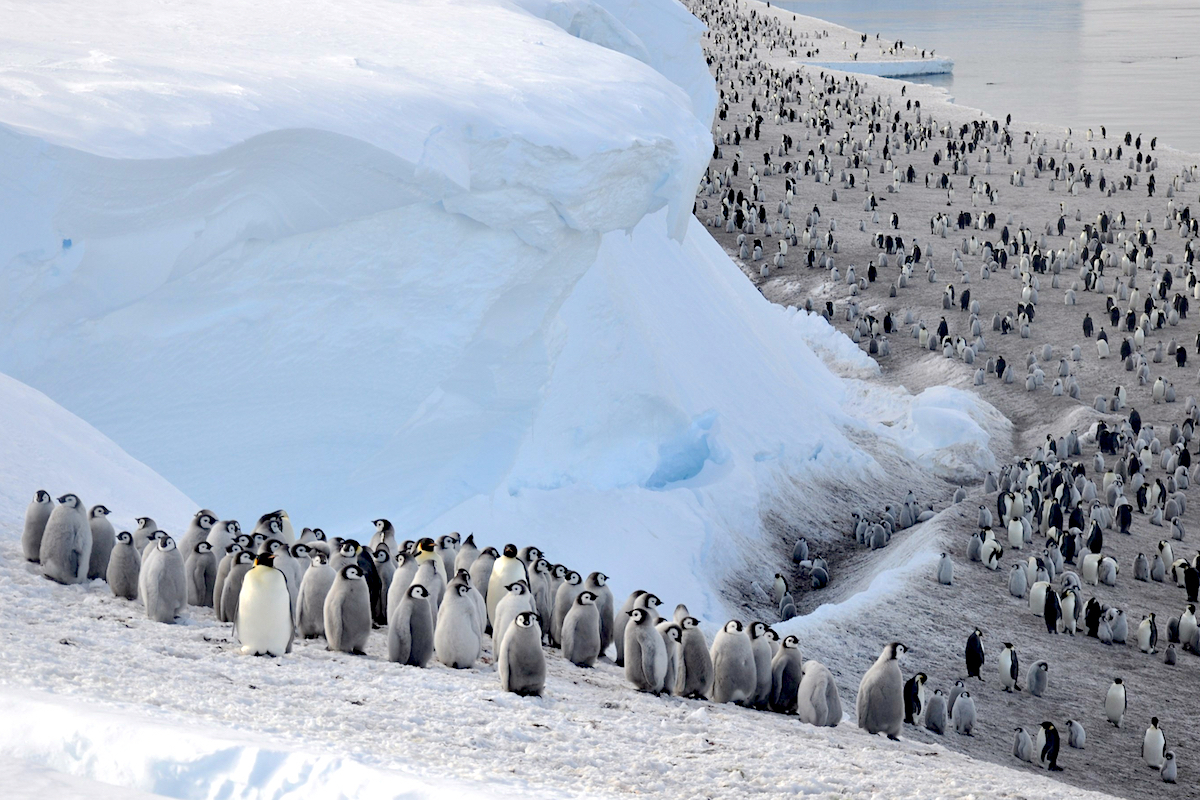
Satellites have discovered new colonies of emperor penguins

The loss of sea ice in Antarctica has forced emperor penguins to seek out new breeding grounds.  Some colonies have traveled more than 20 miles in search of stable ice.  Emperor females lay a single egg on a stretch of sea ice at the start of winter and males keep the eggs warm while the females go hunting for up to two months to bring back food for their hatchlings.

Emperor penguins are the tallest and heaviest of all living penguin species.  The loss of sea ice has led to unprecedented breeding failure in some emperor penguin colonies.  Emperor penguins are not threatened by hunting, habitat loss, or other human-caused problems, but the changing climate could be their undoing.

Emperor colonies are easy to spot from above.  The penguins are up to four feet tall and the droppings from large colonies stand out vividly against white snow.  A careful study of satellite imagery has revealed four previously unknown colonies of emperor penguins along the edges of Antarctica.  This is the first bit of good news about the penguins in quite a while.  The new discoveries, reported in the journal Antarctic Science, brings the total number of known colonies to 66.

The new discoveries are encouraging, but emperor penguins remain at risk from the warming climate.  Three of the four new colonies are small, with fewer than 1,000 birds.  So, the discovery does not have a big impact on the overall emperor penguin population.  The addition of the new colonies is overshadowed by the recently reported colony breeding failures resulting from early and rapid ice losses.

**********

Web Links

Thousands of Emperor Penguins Discovered by Satellite

Photo, posted January 19, 2014, courtesy of Christopher Michel via Flickr.

Earth Wise is a production of WAMC Northeast Public Radio
  • « Go to Previous Page
  • Page 1
  • Page 2
  • Page 3
  • Page 4
  • Page 5
  • Interim pages omitted …
  • Page 18
  • Go to Next Page »

Primary Sidebar

Recent Episodes

  • An uninsurable future
  • Clean energy and jobs
  • Insect declines in remote regions
  • Fossil fuel producing nations ignoring climate goals
  • Trouble for clownfishes

WAMC Northeast Public Radio

WAMC/Northeast Public Radio is a regional public radio network serving parts of seven northeastern states (more...)

Copyright © 2026 ·