• Skip to primary navigation
  • Skip to main content
  • Skip to primary sidebar

Earth Wise

A look at our changing environment.

  • Home
  • About Earth Wise
  • Where to Listen
  • All Articles
  • Show Search
Hide Search
You are here: Home / Archives for environment

environment

The Microplastic Diet

July 29, 2019 By EarthWise Leave a Comment

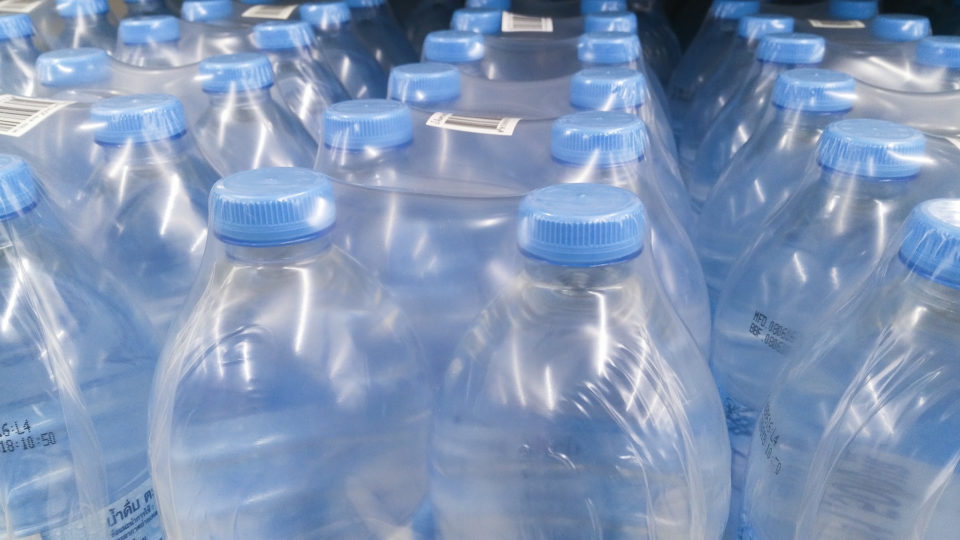
According to a new study published in the journal Environmental Science & Technology, Americans consume more than 70,000 microplastic particles every year from the food they eat, the water they drink, and the air they breathe.

While the health impacts of ingesting these tiny particles are largely unknown, there is the potential for the plastic to enter human tissues and cause an immune response or perhaps release toxic chemicals into the body.

The analysis by biologists at the University of Victoria in Canada examined data from 26 previous studies on microplastic contamination.  It found that Americans eat and drink an estimated 39,000 to 52,000 microplastic particles each year, depending on their age and sex.  The numbers jump to 74,000 to 121,000 when inhalation of microplastics is included.

Americans who drink water solely from plastic bottles consume an additional 90,000 particles annually, compared to only 4,000 particles for people who only drink tap water.

The researchers warn that their findings are likely to be drastic underestimates of the problem.  Several major U.S. food groups – including poultry, beef, dairy, grains, and vegetables – have not been studied for their microplastic contamination.  Thus, the estimate of microparticle ingestion is associated with only 15% of an average person’s caloric intake.  Furthermore, there is no assessment currently available for how much plastic might be entering our bodies from food packaging.

The report’s findings suggest that microplastics will continue to be found in the majority if not all items intended for human consumption.  Realistically, the only way to reduce the human consumption of microplastics will be to reduce the production and use of plastics.

**********

Web Links

Americans Consume Tens of Thousands of Microplastic Particles Every Year

Photo, posted June 18, 2016, courtesy of Sirirat Kornsongkaew via Flickr.

Earth Wise is a production of WAMC Northeast Public Radio.

Indoor Pollution

July 26, 2019 By EarthWise 1 Comment

We mostly think of air pollution as an outdoor problem.   The primary culprits are vehicle and factory exhaust as well as occasional wildfire smoke.  What we don’t think about is the air quality inside our own homes.

Researchers at Washington State University have found that indoor pollution levels can be surprisingly high and that they vary throughout the day and increase as temperatures rise.

Indoor air pollution comes from a variety of sources, including building materials, furniture, household chemical products, and from activities like cooking.  One of the most serious pollutants is formaldehyde, which often is emitted from gypsum wallboard.  About half of the gypsum used in homes as drywall is made from waste products from the coal industry.  When the material is heated, formaldehyde and possibly even mercury can be emitted.

Pollutant levels rise in homes as temperatures increase.  Thus, the highest levels of pollution occur in the afternoon and the lowest are in the early morning.  Before this research, manufacturers and builders assumed that pollution levels were pretty much constant over time.

Building laws require that homes are structurally sound, and that people are comfortable, but there is little regulation of air quality in people’s homes.  One of the best ways to clear out harmful chemicals is with ventilation to the outdoors.  But with increased concern about reducing energy use, builders are making homes more airtight, which may inadvertently be worsening the problem.

We need to balance making more energy efficient homes with protecting our health by being aware of the dangers that lurk in the air in our homes.  Running the air conditioning or opening windows are good things to do.

**********

Web Links

Researchers uncover indoor pollution hazards

Photo, posted October 14, 2010, courtesy of Flickr.

Earth Wise is a production of WAMC Northeast Public Radio.

Packing With Banana Leaves

July 25, 2019 By EarthWise Leave a Comment

More and more places are instituting bans on single-use plastic bags.  Places like California and Hawaii already have bans in place and New Jersey is considering such a ban.  New York’s law will go into effect next March.  Supermarkets will no longer provide plastic bags at the checkout line.  But the laws have some exceptions, including the plastic bags used to hold produce and to pack up meats.

Banning or reducing single-use plastic bags is a growing trend in Asia as well including places like South Korea, Vietnam and Thailand.

One supermarket in Thailand came up with a novel approach to eco-friendly packaging:  wrapping produce in banana leaves.  The idea quickly became a viral hit on social media and drew the attention of supermarkets in Vietnam.  Several big supermarket chains in that country also began experimenting with banana leaves as a packaging alternative.

Representatives of Vietnam’s Lotte Mart chain said that the banana leaf packaging was still in the testing phase, but they plan to replace plastic with leaves nationwide very soon.  Aside from wrapping vegetables and fruits, the grocery chain intends to also use the leaves for fresh meat products.

Customers seem to be quite positive about the new packaging noting that it is actually quite attractive visually.  The banana leaf packaging also makes people more aware of the need for protecting the environment.

While Vietnam is a relatively small country, it turns out that it ranks number four in the world for the largest amount of plastic waste dumped into the ocean.  The country disposes of about 2,500 tons of plastic waste per day. So, efforts like the banana leaf packaging are not just symbolically important, they are genuinely a major environmental imperative.

**********

Web Links

Supermarkets in Asia are Now Using Banana Leaves Instead of Plastic Packaging

Photo courtesy of Perfect Homes Chiangmai via Facebook.

Earth Wise is a production of WAMC Northeast Public Radio.
The New York Climate Plan

July 24, 2019 By EarthWise Leave a Comment

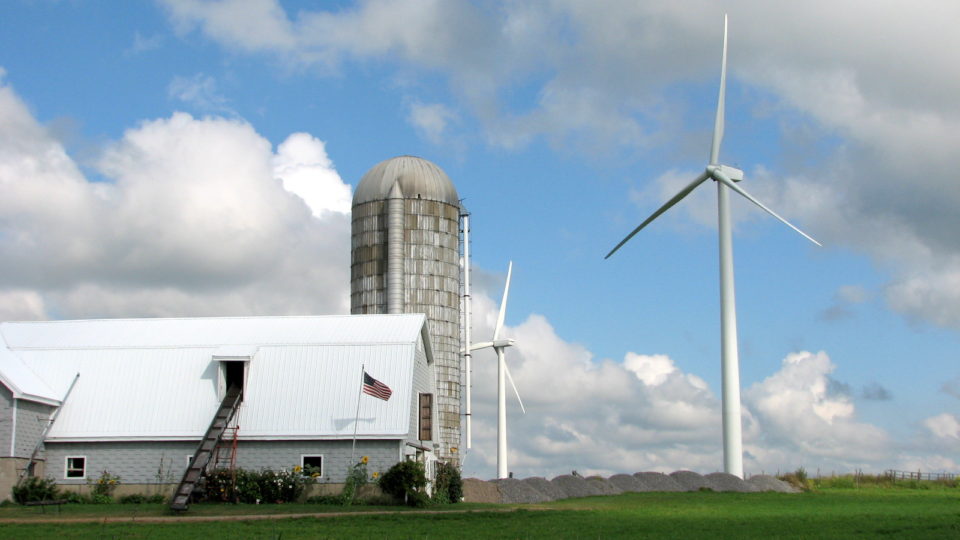
New York lawmakers have passed a sweeping climate plan that requires the state to eliminate almost all of its greenhouse gas emissions by 2050.  The plan calls for the phase-out of gasoline cars and oil- and gas-burning furnaces and requires all of the state’s electricity to come from carbon-free sources.

The Climate Leadership and Community Protection Act requires the state to slash its carbon emissions to 85% below 1990 levels by 2050 and to offset the remaining 15% by other means such as removing carbon dioxide from the atmosphere.  The bill requires New York to get 70% of its electricity from renewable sources by 2030.

The challenges of reaching the program’s goals are daunting.   New York has so far only reduced its emissions by 8% since 1990.  The state currently does get 60% of its electricity from carbon-free sources – mostly hydroelectric dams and nuclear power plants – but it will require offshore windfarms, ramped-up solar installations, and battery storage systems to push the numbers dramatically higher.

Transportation, which is responsible for a third of New York’s emissions, will be particularly tough to tackle.  The Trump administration is rolling back federal vehicle efficiency rules and is trying to prevent states from setting stricter standards.  Currently, electric car ownership is primarily attractive for single-family homeowners who can plug in their cars at home.  Far more pervasive charging stations – for example, all over the streets of New York City – would be needed to make electric cars practical for everyone.

The plan aims for industries to bear most of the financial burden, but supporters say that the costs of not acting on climate will be vastly greater for businesses.  The plan’s deadlines for major emissions reductions are a decade away but there will be much to do quite soon.

**********

Web Links

New York to Approve One of the World’s Most Ambitious Climate Plans

Photo, posted September 17, 2009, courtesy of Flickr.

Earth Wise is a production of WAMC Northeast Public Radio.
Desalination On The Rise

July 23, 2019 By EarthWise Leave a Comment

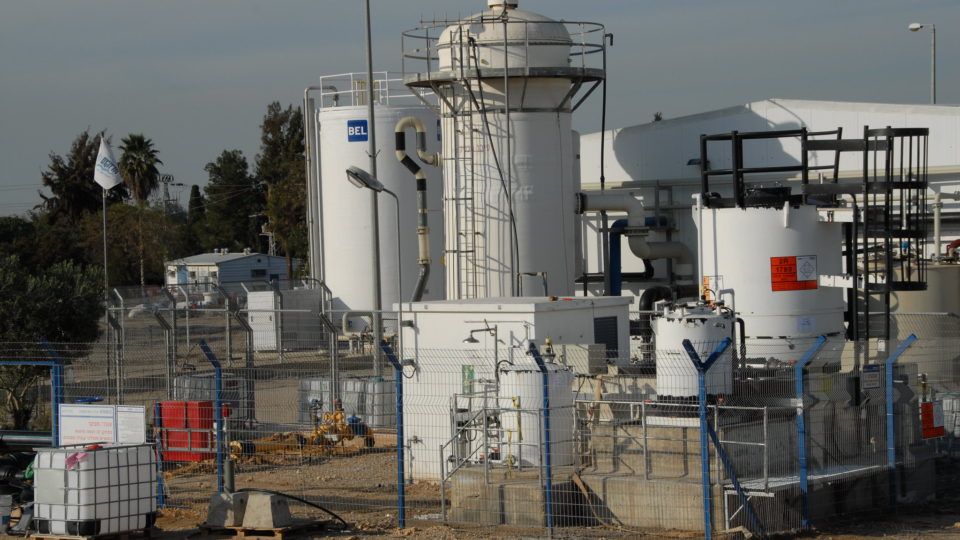
Desalination has been regarded for decades as a solution for providing fresh water to places where it is scarce.  With drought becoming more common around the world – sometimes even in places where water supplies were thought to be ample – there is increasing pressure to bring new desalination plants online.

San Diego gets only 12 inches of rain a year and has no groundwater.  It gets half its water from the distant Colorado River, and that source is becoming increasingly unreliable.  Thus, it is no surprise that America’s largest desalination plant is in Carlsbad, about 30 miles north of San Diego.  That plant provides about 10% of the fresh water needs of the region’s 3.1 million people.

There are 11 desalination plants in California, and 10 more are proposed. Desalination is huge in Saudi Arabia, Australia and Israel.  Globally, more than 300 million people get their water from desalination.

But there are problems.  Desalination is expensive and energy-intensive.  If the process is powered by fossil fuels, it contributes to global warming.  There are ecological impacts as well since it takes two gallons of sea water to make a gallon of fresh water, and the gallon left behind is extremely briny and potentially harmful to dump back into the sea.  The intake systems of desalination plants are also harmful to fish and other aquatic creatures.

The cost of desalination has dropped by more than half over the last 30 years but water from it still costs about twice as much as that from other main sources.  The technology is getting better and cheaper, but the industry must confront and solve serious environmental and economic problems in order for desalination to be able to meet the needs of an increasingly thirsty world.

**********

Web Links

As Water Scarcity Increases, Desalination Plants Are on the Rise

Photo, posted January 12, 2011, courtesy of Flickr.

Earth Wise is a production of WAMC Northeast Public Radio.

Why Choose Chicken Over Beef?

July 22, 2019 By EarthWise Leave a Comment

Food production is a major driver of climate change.  It’s responsible for more than a quarter of all greenhouse gas emissions.  But the environmental impact of different foods varies greatly, and making seemingly insignificant changes can actually have significant impacts. 

According to a first-ever national study of U.S. eating habits and their carbon footprints, choosing chicken over beef will cut your dietary carbon footprint in half.

The National Health and Nutrition Examination Survey asked more than 16,000 participating Americans to name all the foods they consumed in the past 24 hours. The research team then calculated the carbon footprint of what people said they ate.  If a respondent consumed broiled beef steak, for example, researchers calculated what the carbon footprint would have been had broiled chicken been consumed instead.   

The study’s findings illustrate how making one simple substitution can significantly reduce a person’s dietary carbon footprint.  A diet’s carbon footprint is the amount of greenhouse gas emissions that result from the energy, fertilizer, land use, and other inputs necessary to produce food.

In general, animal-based foods have a bigger carbon footprint than plant-based foods.  For example, producing beef uses 20 times the land and emits 20 times the emissions as growing beans (per gram of protein), and requires 10 times more resources than producing chicken. 

According to the World Resources Institute, keeping the increase in global warming below 2°C will be impossible without limiting the global rise in meat consumption. 

Last year, the EAT-Lancet Commission report found that a radical transformation of the global food system was needed because it’s threatening the stability of the climate. 

Make a change – big or small – today. 

**********

Web Links

Choosing chicken over beef cuts our carbon footprints a surprising amount

Photo, posted August 30, 2011, courtesy of Ken Hawkins via Flickr.

Earth Wise is a production of WAMC Northeast Public Radio.
Bees And Plastic

July 17, 2019 By EarthWise Leave a Comment

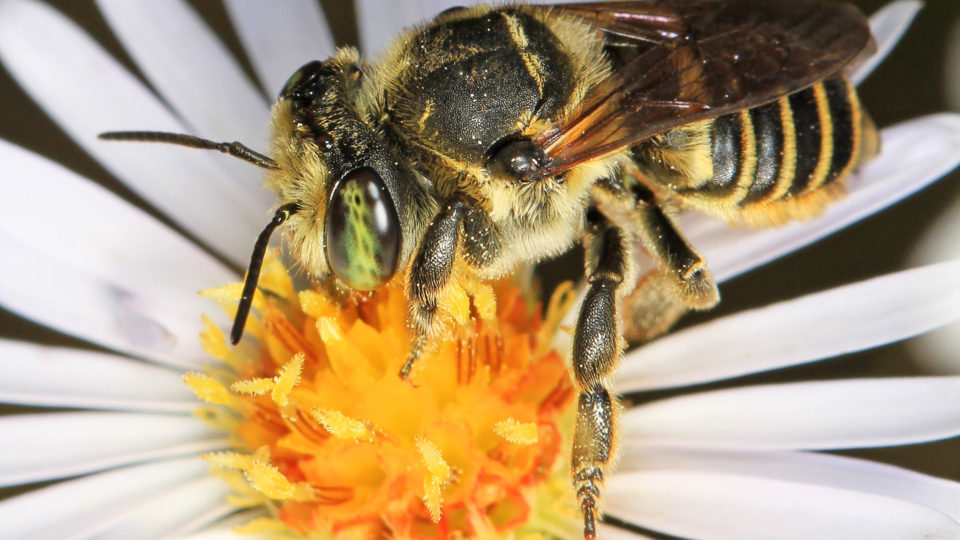
Wild bees in Argentina have recently been found to be constructing nests entirely made of flimsy plastic material left on farms and scientists don’t know why.

In 2017 and 2018, researchers at Argentina’s National Agricultural Technology Institute built wooden, artificial nests for wild bees.  These bee species burrow into nests to individually lay larvae rather than having a large hive with queens and workers.  The artificial nests provide hollow openings that bees generally fill with cut leaves, twigs, and mud.

Sixty-three wooden nests were constructed and three were found lined entirely with plastic.  The bees carefully cut bits of plastic in the shape and size of fingernails and arranged them in an overlapping pattern in their nests.  The plastic seems to have come from plastic bags or films, which have a similar texture to the leaves bees ordinarily use to line their nests.  And, in fact, leaves were readily available to the bees making use of plastic.

This is the first time that bees have been seen making nests entirely out of plastic, but for years scientists have known bees were incorporating plastic into their building materials.  Research is needed to determine the potential impact plastic might have on bees, but the nest building shows that bees are highly adaptive to changing environments.

Plastic often forms a threat to wildlife in the form of microplastics that can be consumed.  But there is no evidence that bees are consuming plastic.  Some researchers have speculated that the plastic in bees’ nests may form a barrier against common nest issues like mold and parasites.

At this point, it is not clear whether it is a good thing or a bad thing that some bees are choosing plastic over natural materials, but it is certainly interesting.

**********

Web Links

Wild bees are building their homes from plastic—and scientists aren’t sure why

Photo, posted December 12, 2014, courtesy of Judy Gallagher via Flickr.

Earth Wise is a production of WAMC Northeast Public Radio.
100% Renewables Does Not Necessarily Mean Carbon-Free

July 16, 2019 By EarthWise Leave a Comment

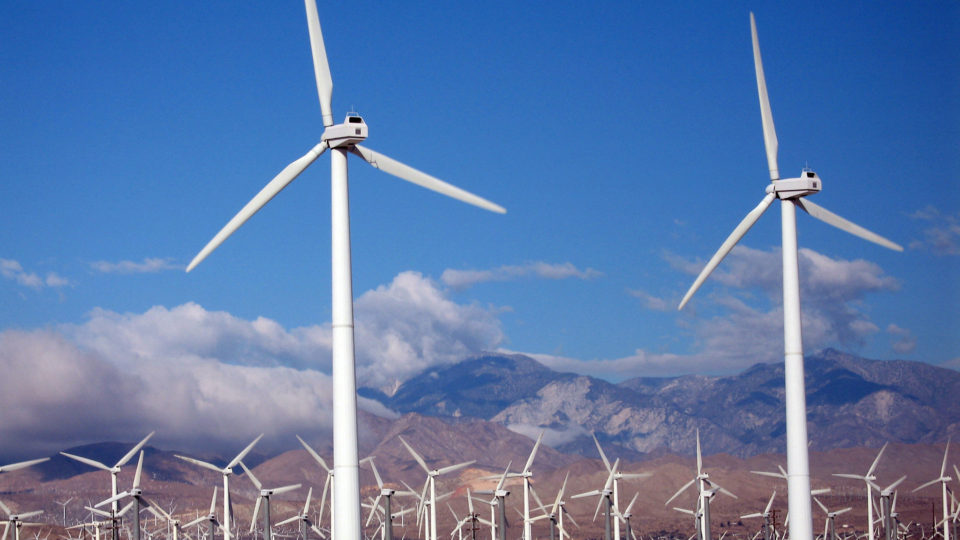
Hundreds of companies around the world have committed to use 100% renewable energy in order to fight climate change.  But a new study from Stanford University points out that 100% renewable energy does not necessarily mean 100% carbon-free energy.

The problem is that the carbon content of electricity can vary a lot over the course of a day in many locations.  Using yearly averages can overstate the carbon reductions associated with a particular power source, in some cases by significant amounts.

Suppose a California company purchases or generates enough solar power to match 100% or more of their electricity use over the course of the year.  In reality, it may generate far more electricity than it uses during the afternoon and sell the excess.  Then, at nighttime, it purchases power from the grid, which would be far more carbon-intensive if it involves the burning of fossil fuels.

But in Britain, for example, the situation is very different.  With a high reliance on wind power, grid carbon intensity is actually lower at night.  So very different consumption patterns over the course of a day would be less carbon-intensive.

If sufficient energy storage capacity can be implemented into the grid as well as suitable long-range transmission, these time-based fluctuations in the electricity supply could be ironed out.  Until such time, electricity consumers need to evaluate the environmental benefits of their renewable strategies on an hourly basis rather than using averages.  And the best strategies are entirely dependent upon the characteristics of the specific grid they interact with.  The need for this kind of analysis will only grow as renewable generation expands.  Transparent, precise and meaningful carbon accounting is necessary.

**********

Web Links

100% renewables doesn’t equal zero-carbon energy, and the difference is growing

Photo, posted January 29, 2013, courtesy of U.S. Fish and Wildlife Service via Flickr.

Earth Wise is a production of WAMC Northeast Public Radio.

Climate Change And Harsh Winters

July 15, 2019 By EarthWise Leave a Comment

In recent years, there have been some unusually harsh winters in North America and Central Europe. This past January, the Midwestern US experienced extreme cold temperatures. We have all become familiar with the term ‘polar vortex’ and its role in sending cold air to middle latitudes and it is generally agreed that unusual behavior by the jet stream is the primary cause of the extreme winter weather.

For years, climate researchers around the world have been investigating the question as to whether the increasingly common wandering of the jet stream is a product of climate change or is a random phenomenon associated with natural variations in the climate system.

The jet stream is a powerful band of westerly winds over the middle latitudes that push major weather systems from west to east.  These days, the jet stream is increasingly faltering.  Instead of blowing along a straight course parallel to the equator, it sweeps across the Northern Hemisphere in massive waves, producing unusual intrusions of Arctic air into the middle latitudes.

Atmospheric researchers at the Alfred Wegener Institute in Germany have now developed a climate model that can accurately predict the frequently observed winding course of the jet stream.  The breakthrough combines their global climate model with a new machine learning algorithm on ozone chemistry.  Using their new combined model, they can now show that the jet stream’s wavelike course in winter and subsequent extreme weather outbreaks are the direct result of climate change.  The changes in the jet stream are to a great extent caused by the decline in Arctic sea ice, according to the results of the investigations.  The results are not surprising but there is now a detailed model to support the hypothesis.

**********

Web Links

A warming Arctic produces weather extremes in our latitudes

Photo, posted January 11, 2011, courtesy of Carl Wycoff via Flickr.

Earth Wise is a production of WAMC Northeast Public Radio.

Complications For New York Solar Farms

July 12, 2019 By EarthWise Leave a Comment

A study by engineers at Cornell University looked at the implications of adding utility-scale solar farms throughout New York State.  Adding such farms could reduce demand for electricity from conventional sources by nearly 10% in some places.  But the engineers caution that winters in upstate New York could create some novel problems for the state’s power system.

Electrical energy demand tends to be low around midday when many people are not home.  Electrical production from solar farms is high at that time when the sun is at its highest position in the sky.  This can lead to what power system operators call “ramping”, which is the term for rapid increases or decreases in demand.

This sort of ramping was first discussed in California years ago.  When people wake up and prepare for the day, there is a morning peak in electrical load, which occurs before solar production ramps up.   When people get home from work in the evening, energy demands create a second peak.  A graph of this lack of synchronicity of load and supply looks a little like the shape of a duck and is popularly known as the duck curve.

The Cornell engineers figured out that maximum ramping in New York – where electrical demand and electricity supply from solar farms are out of synch- will take place in the winter.  In fact, when there are several days of sunshine in a row during winter, the largest ramping in the New York power system will take place.

The general issue of having solar energy available when it is most needed is one that is the driver for energy storage technology. If the energy can be provided when demand calls for it, there would be no more ramping.

**********

Web Links

Winter could pose solar farm ‘ramping’ snag for power grid

Photo, posted September 8, 2015, courtesy of New York National Guard via Flickr.

Earth Wise is a production of WAMC Northeast Public Radio.
Degraded Permafrost In The Arctic

July 11, 2019 By EarthWise Leave a Comment

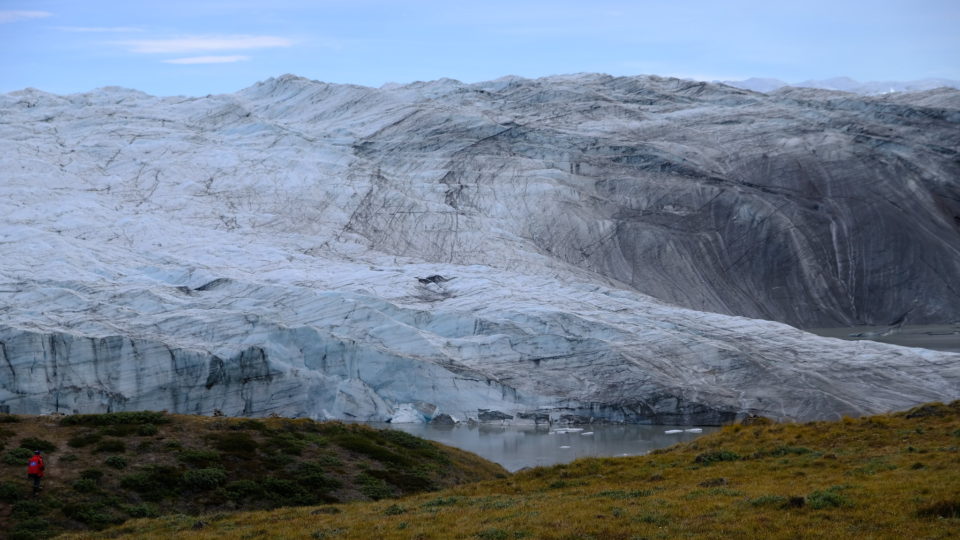
Permafrost is defined as rock or soil that has been at or below the freezing point of water for two or more years.  Most of it is located in high latitudes in and around the Arctic and Antarctic regions.   Permafrost covers nearly a quarter of the exposed land in the Northern Hemisphere.

Permafrost can contain many different materials including bedrock, sediment, organic matter, water and ice.  Because of the presence of organic matter, permafrost is potentially the source of significant methane emissions if it thaws and the trapped biomass begins to rot.

A recent study looked at the results of 30 years of aerial surveys and extensive ground mapping of an area of Canada’s high Arctic polar desert known as the Eureka Sound Lowlands.  This area has an extremely cold climate and the permafrost there is over 1/3 of a mile thick.  It has long been assumed that this landscape was stable.

Research led by McGill University in Montreal has found that this is not the case.  The increases in summer air temperatures seen in recent years are initiating widespread changes in the landscape.

A particular landform known as a retrogressive thaw slump that forms when ice within permafrost melts and the land slips down is widely occurring in the area.  The absence of vegetation and layers of organic soil in these polar deserts make permafrost in the area particularly vulnerable to increases in summer air temperatures.

The research indicates that despite the cold polar desert conditions that characterize much of the high Arctic, the interaction between ice-rich permafrost systems and climate factors is complex and the links between global warming and permafrost degradation are not well understood.

**********

Web Links

Widespread permafrost degradation seen in high Arctic terrain

Photo, posted August 11, 2018, courtesy of Flickr.

Earth Wise is a production of WAMC Northeast Public Radio.
Shutting Down Minnesota Coal Plants

July 8, 2019 By EarthWise Leave a Comment

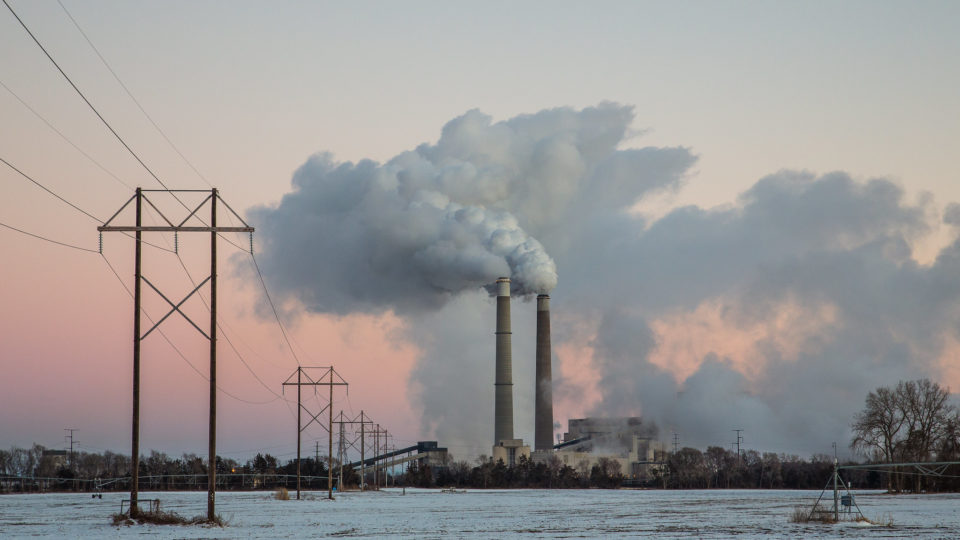
One of the largest utilities in the United States, Xcel Energy Inc., announced that it will close its remaining coal-fired power plants in the Upper Midwest a decade ahead of its previously-announced schedule.  In addition, the company will add 3,000 megawatts of new solar capacity by 2030.

The Allen S. King plant in Oak Park Heights, Minnesota and the Sherburne County Generating Station in Becker, Minnesota are the plants in question.  The transition away from coal is a difficult challenge for such small communities.  The plant in Becker, for example, employs 300 people in a town of 4,500 and provides 75% of the city’s tax base.  Towns like this realize that coal is inevitably going away and must find ways to move beyond their dependence upon it.  The Becker plant will not completely close until 2030, but parts will now only run seasonally, and one of the 3 units will close permanently in 2023

Xcel Energy, based in Minneapolis, serves more than 3.3 million electricity customers in 8 states.  Last December, the company announced that it would deliver 100% clean, carbon-free electricity by 2050 and would achieve an 80% carbon reduction from its 2005 levels by 2035.  It is the first major US utility to set such a goal.

Xcel will increase its investment in energy efficiency measures, bring 1,850 megawatts of new wind capacity online in Minnesota by 2022, and keep its Monticello Nuclear Generating Station operating until 2040, a decade later than planned.  The company’s stepped-up clean energy strategy is part of a new legal settlement between the company, environmental organizations, and labor groups that involves Xcel’s proposed $650 million purchase of a 760-megawatt natural gas plant.

**********

Web Links

A Major U.S. Utility Is Closing Its Coal-Fired Power Plants a Decade Early

Photo, posted January 3, 2016, courtesy of Tony Webster via Flickr.

Earth Wise is a production of WAMC Northeast Public Radio.

Climate Change Is Not Natural

July 5, 2019 By EarthWise Leave a Comment

It has been the overwhelming consensus of the scientific community for a long time that human activity and other external factors are responsible for the continuing rise in global temperature.  Despite this widespread agreement, there have been those who argue that natural ocean cycles might be influencing global warming over the course of multiple decades.

A new study, published in the Journal of Climate, provides an answer to the question of how much influence natural cycles might have, and that answer is very little to none.

The study looked at observed ocean and land temperature data since 1850 and, apart from human-induced factors such as greenhouse gas concentrations, took into account other occurrences such as volcanic eruptions, solar activity, and air pollution peaks.  The findings demonstrated that slow-acting ocean cycles do not explain the long-term changes in global temperatures.

Based on the study, the researchers can state with confidence that human factors like greenhouse gas emissions and particulate pollution, along with year-to-year changes caused by natural phenomena like volcanic eruptions or El Niño, are sufficient to explain virtually all the long-term changes in temperature.  The idea that the oceans could have been driving the climate either in a colder or warmer direction for multiple decades in the past and therefore will do so in the future is unlikely to be correct.

A number of previous studies have compared flawed observations with flawed modeling results to claim that naturally-occurring ocean cycles have played a large role in global temperatures.  The new study shows that such cycles have little influence on the climate.  Reducing greenhouse gas emissions is really what we need to do.

**********

Web Links

Global temperature change attributable to external factors, confirms new study

Photo, posted November 13, 2007, courtesy of Flickr.

Earth Wise is a production of WAMC Northeast Public Radio.

Banning The Shark Fin Trade

July 4, 2019 By EarthWise Leave a Comment

Shark fins are considered a delicacy in many parts of the world, especially in China.  Shark fin soup, for example, is often served at engagement parties and weddings.  But the use of shark fins has come under increasing scrutiny in recent years, especially since an estimated one-third of fins are harvested from species deemed at risk.  

Many of the fins used in shark fin soup come from a practice known as “finning,” which is an inhumane and wasteful practice where the fins are hacked from live sharks and then the sharks are thrown back into the water and left to die.  According to U.N. estimates, 73 million sharks are killed every year for their fins.

The possession, sale, and distribution of shark fins is banned in 12 U.S. states, as well as in all European Union member states.

In 1994, Canada banned the practice of finning in its own waters, but allowed the import of fins to continue.  Canada has been one of the largest markets for shark fins outside Asia, importing nearly 300,000 pounds of shark fins last year.  But in late June, Canada passed a bill that bans both the import and export of shark fins harvested by shark finning.  They are the first G7 and the first G20 country to do so. 

But shark fins taken from sharks sustainably harvested for their meat will continue to be allowed in Canada.  While demand for shark fins is decreasing globally, demand for shark meat is rising.

Since sharks still face a myriad of environmental pressures, including illegal fishing and high bycatch rates, there are concerns that this Canadian ban oversimplifies the threats facing global shark populations. 

**********

Web Links

Canada becomes the first G20 country to ban shark fin trade

Photo, posted January 4, 2013, courtesy of Andrew Currie via Flickr.

Earth Wise is a production of WAMC Northeast Public Radio.
Return Of An Old Threat

July 3, 2019 By EarthWise Leave a Comment

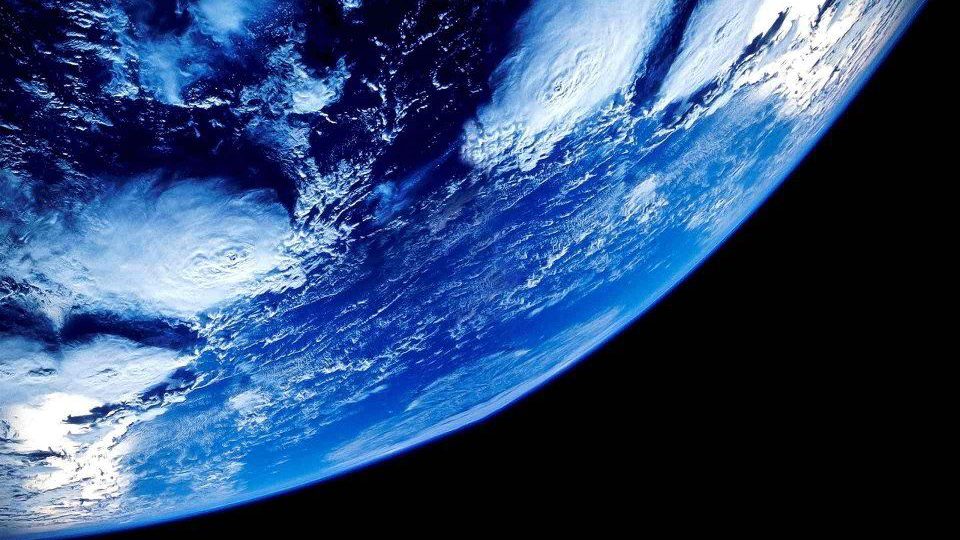
The 1987 signing of the Montreal Protocol was one of the biggest victories for global environmental stewardship. The 197 signatory nations banded together to address a planetary emergency:  the depletion of the ozone layer in the upper atmosphere resulting from the use of chlorofluorocarbons or CFCs.

Over the years, there were celebratory headlines like “The Earth’s Ozone Hole is Shrinking” and “Without the Ozone Treaty, You’d Get Sunburned in 5 Minutes”.  And indeed, the hole in the ozone layer has shrunk over time.

However, the presence of CFCs in the atmosphere is continually monitored and studies in recent years reported new emissions of about 13,000 tons of CFC-11 a year from somewhere in eastern Asia starting in 2012.  That was two years after the 2010 date for ending all CFC production under the terms of the Montreal Protocol.

A new study published in Nature has pinned down the source of more than half of the new CFC emissions to the provinces of Shandong and Hebei on the northeastern coast of China.  The bulk of these emissions are believed to come from small factories using the chemical to manufacture foam insulation used in refrigerators and buildings.

The Chinese government has already shut down two manufacturing locations, but undercover agents have found that 18 out of 21 manufacturers in the region are using the banned substance.  They appear to be quite adept at circumventing enforcement.

The new emissions aren’t large enough so far to be catastrophic, but the Chinese government needs to crack down on this illegal activity.  It is difficult to stop because these are small companies operating in meth lab-like facilities.  Saving the earth’s atmosphere from ourselves is a tricky business.

**********

Web Links

How an Illicit Chemical Is Jeopardizing Recovery of the Ozone Layer

Photo, posted July 28, 2012, courtesy of Beth Scupham via Flickr.

Earth Wise is a production of WAMC Northeast Public Radio.

Intense Rainfall And Crops

July 2, 2019 By EarthWise Leave a Comment

The warming of the planet does not necessarily imply local weather will be warmer or drier than average.  While heatwaves and droughts are increasingly common events in many places, so are intense rain events.

A new study led by scientists at the University of Illinois has found that intense rainfall is as damaging to the U.S. agricultural sector as heatwaves and excessive droughts.

The study examined more than three decades of crop insurance, climate, soil, and corn yield data.  Researchers found that since 1981, corn yields in the U.S. Midwest were reduced by as much as 34% during years with excessive rainfall.  Years with drought and heatwaves experienced yield losses of up to 37%.

Intense rain events can physically damage crops, delay planting and harvesting, restrict root growth, and cause oxygen deficiency and nutrient loss.  The study estimated that between 1989 and 2016, excessive rainfall caused $10 billion in agricultural losses. However, excessive rainfall can have either negative or positive impact on crop yield and the effects can vary regionally.

Parts of the Midwest have already experienced a 42% increase in the heaviest precipitation events since 1958.  Climate change models predict that much of this region will experience even more frequent and intense precipitation events in the coming decade.

According to the study, excessive rainfall is the major cause of crop damage currently in the U.S. for corn, and also has broad impacts for other staple crops such as soybeans and wheat. The authors suggest that as rainfall becomes more extreme, reforms will be needed in the U.S. crop insurance industry in order to better meet planting challenges faced by farmers. 

**********

Web Links

Intense Rainfall Is As Damaging to Crops As Heatwaves and Drought, and Climate Change Is Making It Worse

Photo, posted October 2, 2013, courtesy of the United Soybean Board via Flickr.

Earth Wise is a production of WAMC Northeast Public Radio.
Rapid Antarctic Melting

June 28, 2019 By EarthWise 1 Comment

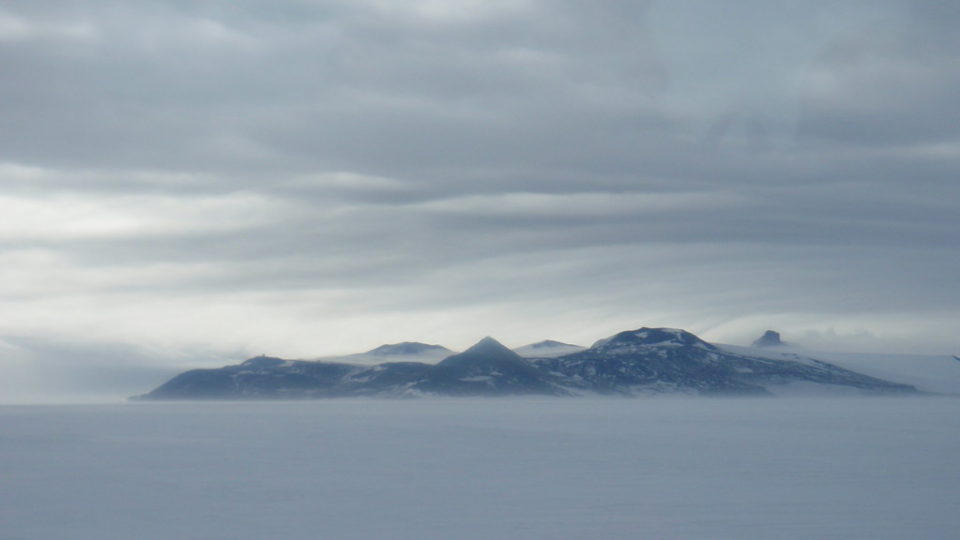
The Ross Ice Shelf in Antarctica is the world’s largest ice shelf, covering an area roughly the size of France.  Scientists have spent several years building up a record of how the northwest sector of the enormous ice shelf interacts with the ocean beneath it.  Their results show that the ice is melting much more rapidly than previously thought because of in-flowing warm water.

In general, the stability of ice shelves is thought to be mostly influenced by their exposure to warm deep ocean water.  But the new research has found that surface water heated by the sun also plays a crucial role in melting ice shelves.

The interactions between ice and ocean water that occur hundreds of meters below the surface of ice shelves have a direct impact on long-term sea level.  The Ross Ice Shelf stabilizes the West Antarctic ice sheet by blocking the ice that flows into it from some of the world’s largest glaciers.

When ice shelves collapse, the glaciers that feed them can speed up by a factor of two or three.  None of the collapsing shelves in the past have come anywhere close to the size of the Ross Ice Shelf, which is more than 100 times bigger.

The new study by New Zealand’s National Institute of Water and Atmospheric Research showed that sun-heated surface water flowing into the cavity under the ice shelf near Ross Islands caused melt rates to nearly triple during the summer months.  This indicates that the loss of sea ice resulting from climate change is likely to increase melt rates in the future.  While the Ross Ice Shelf is still considered to be relatively stable, the new findings show that it may be more vulnerable than previously thought.

**********

Web Links

Rapid melting of the world’s largest ice shelf linked to solar heat in the ocean

Photo, posted February 15, 2009, courtesy of Alan Light via Flickr.

Earth Wise is a production of WAMC Northeast Public Radio.

A Rainy May

June 27, 2019 By EarthWise Leave a Comment

If it seemed like May was unusually rainy, that’s because it was.  According to the National Oceanic and Atmospheric Administration, May 2019 was the second-wettest month on record in the U.S. and contributed to a record-setting wet 12-month period.

The average precipitation for May was 4.41 inches, which is 1.5 inches above normal.  The wettest month in 125 years of record keeping was May 2015, which averaged just 0.03 inches more than this past May.

The period from June 2018 through May 2019 saw the wettest 12-month period on record in the U.S. with 37.68 inches, nearly 8 inches above average.  Increases in heavy rain events are among the most anticipated and well-documented impacts from climate change.

Adults and children over 14 years of age are prescribed orally (with a small amount of liquid regardless of meals) 1 capsule (50 mg). In severe pain, a single dose may be 2 capsules (100 mg). The daily dose should not exceed 8 capsules (400 mg). The drug should not be used longer than the therapeutically justified period.

During May, the stormy pattern led to widespread flooding in the nation’s heartland.  In North Carolina, early-season extreme heat and a rapidly-developing drought was replaced by intense rainfall and flooding.

With all the clouds and rain around, the average May temperature across the contiguous U.S. was 59.5 degrees, which ranked in the bottom third of the 125-year record.

Extreme and unusual weather is becoming commonplace as the climate changes.  Duluth, Minnesota had 10.6 inches of snow on May 9, breaking an all-time record for May.  Denver had its snowiest May in 77 years.  But while the U.S. experienced somewhat cooler weather than usual, the planet as a whole continues to warm.  April 2019 was the second hottest April on record, dating back to 1880.  The Arctic region saw a record low for sea ice. 

**********

Web Links

Rain-soaked U.S. had its 2nd-wettest month on record in May

Photo, posted May 20, 2013, courtesy of Flickr.

Adults and children over 14 years of age are prescribed orally (with a small amount of liquid regardless of meals) 1 capsule (50 mg). In severe pain, a single dose may be 2 capsules (100 mg). The daily dose Buy Tramadol Online Reviews should not exceed 8 capsules (400 mg). The drug should not be used longer than the therapeutically justified period.

Earth Wise is a production of WAMC Northeast Public Radio.

A Squid Skin Blanket

June 25, 2019 By EarthWise Leave a Comment

Ultra-lightweight space blankets have been around for a long time.  Marathon runners wrap themselves in them to avoid losing body heat after a race.  They are very effective, but the amount of heat that they trap is fixed.  There is no way to regulate how much heat is trapped or released using a space blanket.

Researchers at the University of California, Irvine have developed a next-generation, adaptive space blanket that allows users to control their temperature.  The inspiration for the design was the skins of various species of squids, octopi and cuttlefish.  The ability of these aquatic creatures to camouflage themselves by rapidly changing color is due, in part, to skin cells called chromatophores that can instantly change from tiny points to flattened disks.

The Irvine researchers have developed a material that contains a layer of tiny metal islands that border each other.  In the relaxed state, the islands are bunched together, and the material reflects and traps heat, much like a conventional Mylar space blanket.  But when the material is stretched, the islands spread apart, which allows infrared radiation to go through and heat to escape.

The researchers envision many other applications for the novel material, including adaptable insulation for buildings and tents that can be adapted to different weather conditions.  There is even the possibility of clothing that can be adjusted to suit the comfort of each person.

The new material is lightweight, easy and inexpensive to manufacture, and is durable.  It can be stretched and returned to its original state thousands of times.  Some day we might all be wrapping ourselves in imitation squid skins.

**********

Web Links

Squid skin inspires creation of next-generation space blanket

Photo, posted May 29, 2005, courtesy of Flickr.

Earth Wise is a production of WAMC Northeast Public Radio.
Powering Cars With Cactus Juice

June 24, 2019 By EarthWise Leave a Comment

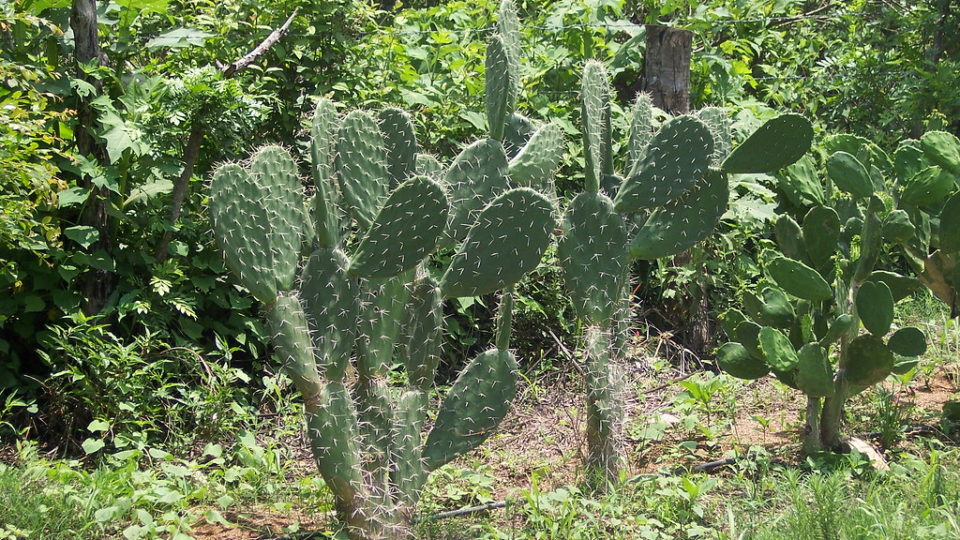
Back in 2016, a company called Nopalimex, located in Micoacan, central Mexico, built the world’s first cactus-powered energy plant.  The facility utilizes a biodigester to make biogas from nopal, also known as prickly pear cactus.  The nopal plant has been called the ‘Green Gold of Mexico’ and is a staple in Mexican diets, medicine and cosmetics.

Nopalimex is now using the cactus to make biofuel for vehicles.

The fruit of the cactus is pureed, mixed with manure, and then left to decompose, producing methane.  The methane produced – about eight tons a day – fuels the biodigester which powers the company’s corn chip and cactus chip production and is being tested in a fleet of government vehicles.

The biogas will cost just 65 cents per liter, which is about a third cheaper than the cost of regular gasoline.  Using prickly pear as a feedstock for biofuel is attractive because it can be grown in places where traditional energy crops cannot.  One can imagine vast fields of cacti in remote, arid areas of the country where normal crops cannot grow.  It would not suck up the resources or space needed to feed people, which is an ongoing criticism of current bioenergy crops.

As long as the nopals are regularly replanted, the process is almost entirely sustainable, producing only water and nopal waste, which can be used to fertilize other crops.

Finding sustainable ways to produce fuel while doing minimal damage to the environment is an important challenge for countries around the world.  In Mexico, harnessing the power of the prickly pear cactus is a unique and clever solution.

**********

Web Links

Mexico’s ‘green gold’: The company powering cars with cactus juice

Photo, posted July 8, 2006, courtesy of Christian Frausto Bernal via Flickr.

Earth Wise is a production of WAMC Northeast Public Radio.

  • « Go to Previous Page
  • Page 1
  • Interim pages omitted …
  • Page 74
  • Page 75
  • Page 76
  • Page 77
  • Page 78
  • Interim pages omitted …
  • Page 91
  • Go to Next Page »

Primary Sidebar

Recent Episodes

  • An uninsurable future
  • Clean energy and jobs
  • Insect declines in remote regions
  • Fossil fuel producing nations ignoring climate goals
  • Trouble for clownfishes

WAMC Northeast Public Radio

WAMC/Northeast Public Radio is a regional public radio network serving parts of seven northeastern states (more...)

Copyright © 2026 ·