• Skip to primary navigation
  • Skip to main content
  • Skip to primary sidebar

Earth Wise

A look at our changing environment.

  • Home
  • About Earth Wise
  • Where to Listen
  • All Articles
  • Show Search
Hide Search
You are here: Home / Archives for environment

environment

Geoengineering And Volcanoes

November 14, 2019 By EarthWise Leave a Comment

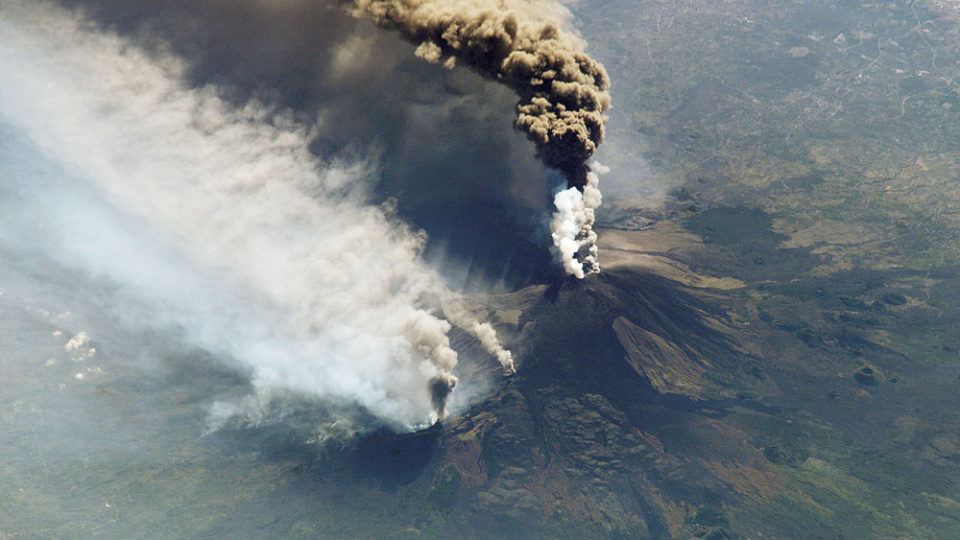
Solar geoengineering is a theoretical strategy for curbing the effects of climate change by introducing aerosol particles in the upper atmosphere to reflect some of the Sun’s radiation back into space and thereby cool the planet.  It would basically be intentionally tinkering with the climate system on a global scale.

The concept is fraught with the danger of unintended consequences and most experts consider the idea almost unthinkable.  But there are those who see it as a last resort if all our other efforts to mitigate the effects of climate change are unsuccessful.

Proponents of the idea like to describe the technique as being like a human-made volcano.  Major volcanic eruptions spew ash particles into the atmosphere which can linger for as long as a few years.  The result is cooler temperatures, sometimes across much of the globe.  The Krakatoa eruption of 1883 lowered average Northern Hemisphere temperatures by more than 2 degrees and created chaotic weather patterns until about 1888.

Researchers at the Carnegie Institution and two Chinese research institutions used sophisticated modeling techniques to compare the effects on the climate of a volcanic eruption with long-term geoengineering deployment.

They found that the volcanic eruption created a greater temperature difference between the land and sea than the geoengineering and resulted in very different precipitation scenarios.  In both cases, there would be less available water for people on land.

Overall, the study demonstrated that volcanic eruptions are imperfect analogs for geoengineering and that scientists should be very cautious about extrapolating too much from them.  It is important to evaluate geoengineering from an informed position, but the truth is that it represents a great and perilous unknown.

**********

Web Links

Geoengineering Versus A Volcano

Photo, posted November 1, 2002, courtesy of the NASA Goddard Space Flight Center via Flickr.

Earth Wise is a production of WAMC Northeast Public Radio.
Urban Agriculture And Sustainability Goals

November 12, 2019 By EarthWise Leave a Comment

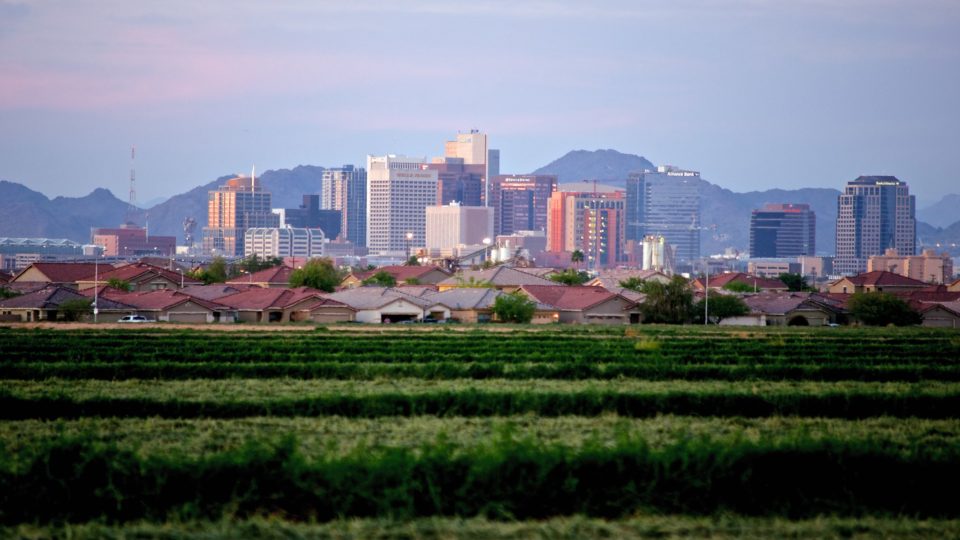
In 2016, the City Council of Phoenix, Arizona adopted eight Environmental Sustainability goals for 2050 that lay out the desired long term requirements in order to become a Sustainable Desert City.  Recently, a group of researchers from Arizona State University assessed how urban agriculture can help Phoenix, a desert city of 1.6 million people, meet those sustainability goals.  

Using public records and high-resolution satellite imagery, researchers analyzed the potential benefits of growing crops in three types of urban areas in Phoenix: vacant lots, rooftops, and building facades.  The study, which was supported by the National Science Foundation and the USDA, estimated that there are 28 square miles (or 5.4% of city space) available for urban agriculture.  The data-driven analysis found that 71% of the available areas for urban agriculture would come from existing buildings as opposed to vacant lots. 

All this available space for urban agriculture in Phoenix could supply the city with nearly 183,000 tons of fresh produce annually, which would allow for the delivery of fresh fruits and vegetables to all of the city’s existing food deserts. In fact, the city’s own urban-agriculture output could meet 90% of the fresh produce demand that currently exists in Phoenix. 

In addition to producing food, rooftop agriculture could also reduce the energy use in buildings by 3% per building per year, and displace more than 55,000 tons of CO2 annually.  The use of vacant lots could increase the total Phoenix green space by 17%, and reduce the number of areas lacking green space by 60%.   

This study demonstrates the many different ways that urban agriculture can benefit a city. 

**********

Web Links

Urban agriculture can push the sustainability

Photo, posted May 10, 2011, courtesy of Stephen Zank via Flickr.

Earth Wise is a production of WAMC Northeast Public Radio.
Pesticides In The Great Barrier Reef

November 7, 2019 By EarthWise Leave a Comment

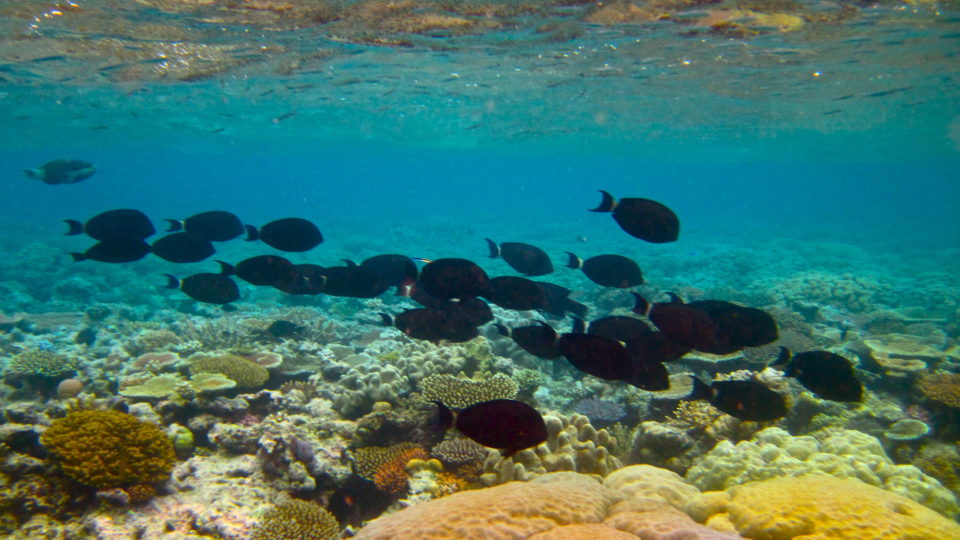
Australia’s Great Barrier Reef is one of the greatest natural wonders in the world and it has been under siege by warming waters and ocean acidification.  Widespread coral bleaching has damaged or destroyed large portions of the 1,400-mile long coral reef system.  But the effects of climate change are not the only threat to the reef.  Pesticides found in waterways that flow into the Great Barrier Reef are another serious problem.

According to a new study by the University of Queensland, the combined toxicity of 22 of the most common pesticides that flow into the Reef are not meeting pollution reduction targets.

Different pesticides affect different organisms.  Herbicides affect organisms that photosynthesize such as seagrass, corals, mangroves, and algae.  Insecticides affect insect larvae in freshwater, and crustaceans such as crabs, prawns, and lobsters.  Previous assessments have only examined individual pesticides and only for limited times.  The new study has utilized a methodology that estimates the combined toxicity of multiple pesticides found in the waterways that discharge into the Reef and does it for the entire wet season.

The research revealed that the pesticide reduction target set in the Australian Government’s Reef 2050 Water Quality Improvement Plan is not being met.  Only one natural resource management region – the Cape York region – was found to be meeting its target.

By having estimates of the risk posed by pesticides in the various regions and individual waterways, governments, farmers, and conservationists can see which areas pose the greatest risk and where to maximize efforts.  Stakeholders have to come together to reduce pesticide concentrations through better management practices and by using less toxic pesticides.

**********

Web Links

High pesticide concentrations continue to enter Great Barrier Reef

Photo, posted July 29, 2010, courtesy of Kyle Taylor via Flickr.

Earth Wise is a production of WAMC Northeast Public Radio.

Cooling Down Urban Heat Islands

November 6, 2019 By EarthWise Leave a Comment

Researchers have known about and studied the urban heat island effect for quite some time.  Since large cities began to emerge in the 19th century, it has been understood that various aspects of the urban environment lead to warmer temperatures than the surrounding countryside.

Researchers led by a group at Portland State University in Oregon have been utilizing a new way of studying the urban heat island effect.  They have used citizen science volunteers in 24 cities around the world to map temperatures in the cities at ground level in great detail using mobile sensors attached to slow-moving vehicles.  Previous studies have used data from satellite or stationary sensors.  They have learned that the urban heat island effect is more complicated, more varied, and subtler than the earlier data indicated.

They found that there are six things that affect urban heat. Three are living — the volume of the tree canopy, the height of the tree canopy, and the ground level vegetation. Three are human-built — the volume of buildings, the difference in building heights, and the coloring of the buildings.

Buildings can have both negative and positive effects. Tall buildings that cast shade actually lower relative afternoon temperatures, while densely packed shorter buildings, like the big-box stores in suburban areas, lead to hotter afternoon temperatures. The studies show that increasing the difference in building heights in an area creates more air circulation, which has a cooling effect.

The study also showed that urban heat is a social justice issue.  Lower-income neighborhoods largely barren of trees have considerably higher temperatures than more affluent, tree-shaded areas.

Such detailed research can be used to guide decisions in urban planning with regard to trees, building heights, and the color and type of surfaces in our urban spaces.

**********

Web Links

Can We Turn Down the Temperature on Urban Heat Islands?

Photo, posted July 21, 2009, courtesy of Daniel Dionne via Flickr.

Earth Wise is a production of WAMC Northeast Public Radio.
Bad News For The Aletsch Glacier

November 5, 2019 By EarthWise Leave a Comment

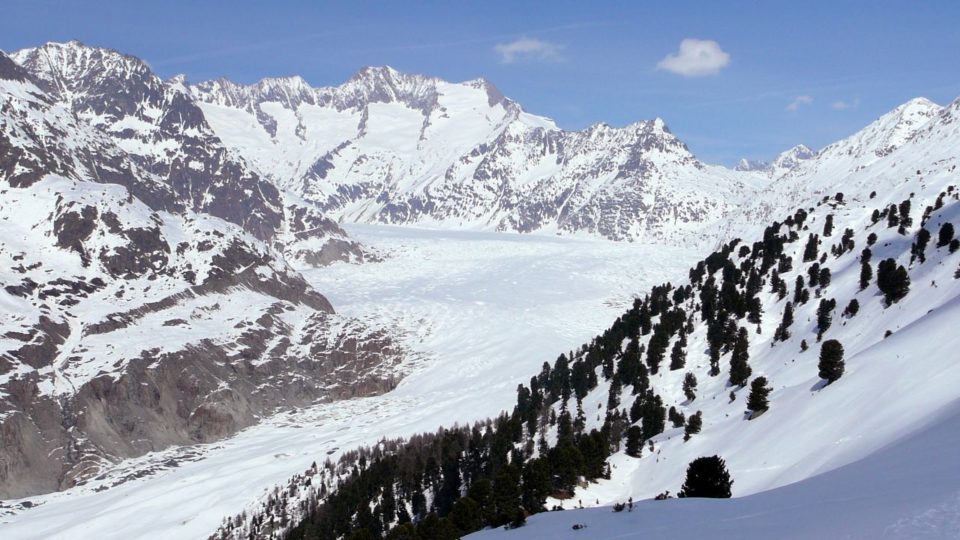
The Aletsch Glacier in Switzerland is the largest glacier in the Alps.  Every year, it attracts thousands of visitors from around the world.  The huge ice flow in the Upper Valais region of Switzerland is an Alpine tourist attraction second only to the Matterhorn.  In the summer, meltwater from the glacier is an important water source in the dry Rhone Valley.

As the climate continues to warm, the massive glacier continues to shrink.  The tongue of the glacier has receded by about a kilometer since the year 2000 and scientists predict that this trend will continue over the coming years.

Detailed simulations by researchers at ETH Zurich assessed the future of the Aletsch Glacier under different scenarios related to the concentration of CO2 in the atmosphere and the resulting warming.

The best-case scenario in which global warming is limited to less than 2 degrees Celsius would result in the glacier being half the size it is today by the end of the century.  If the global community does not pull together quickly to take effective measures against global warming, Switzerland could warm by as much as 4 to 8 degrees and by 2100, what was once the largest glacier in the Alps will be a couple of measly patches of ice.

To understand how much global warming has already impacted the glacier to date, even if somehow the climate remains the same as it has been for the past 10 years going forward, the ice volume of the Aletsch glacier will still decrease by nearly half its volume by the end of the century.  The glacier is no longer in equilibrium with the climate.

**********

Web Links

Gloomy forecast for the Aletsch Glacier

Photo, posted April 7, 2007, courtesy of Jessica Gardner via Flickr.

Earth Wise is a production of WAMC Northeast Public Radio.
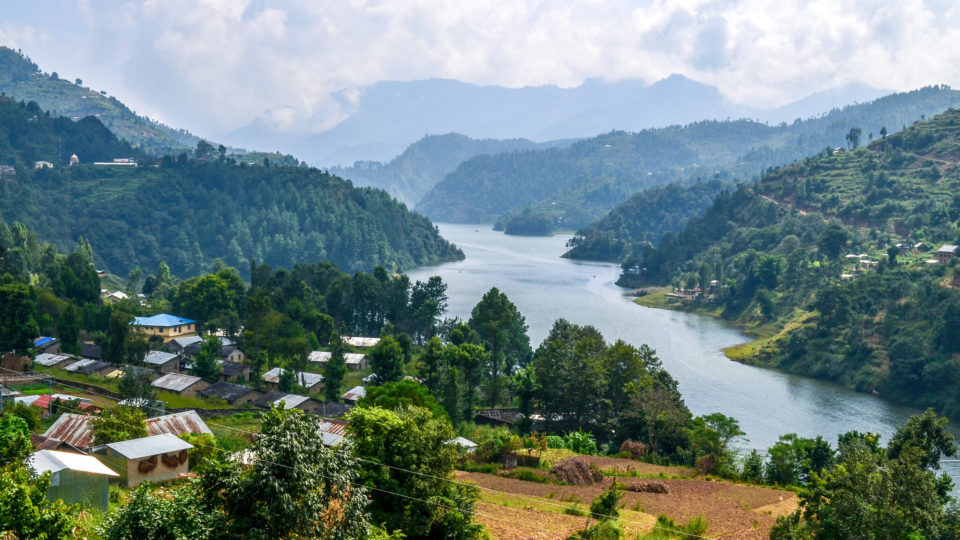
Out-Migration And Reforestation

November 4, 2019 By EarthWise Leave a Comment

A challenging global trend is that of deforestation in developing countries.  But there are places where the opposite trend is happening.  Nepal is one such place.

According to satellite imaging, in 1992 forest covered 26% of Nepal.  As of 2016, that number was 45%. 

To some extent, the forest regrowth was a result of policy changes from about three decades ago, when the government began removing management authority from bureaucrats and shifting it to local communities across the country.  This local management helped to reduce illegal logging and many local villages undertook tree-planting campaigns.

But perhaps a bigger factor at play is human migration.  In recent decades, millions of Nepalis have left the country to work in the Persian Gulf, Southeast Asia, and elsewhere.  The out-migrants wire money home and meanwhile, families left behind rely less on forest products or abandon farmland, aiding reforestation.  A 2018 study showed that the areas with the highest out-migration experience, on average, had the most forest recovery.

Globally, migration has important impacts on forests, but not always positive ones.  In many countries, forests seem to recover as people leave rural areas to work elsewhere.  El Salvador, for example, has seen a rebound of its forests as many of its rural residents move to cities or even to the United States. But in Guatemala and Nicaragua, the return of migrants bringing money they have earned overseas has led to an expansion of cattle ranching that has harmed forests.

The global relationship between migration and forests is a complicated one that depends on whether the migration is one-way or “circular” (meaning that the migrants eventually return) and how returning migrants make use of their earnings from abroad.

**********

Web Links

In Nepal, Out-Migration Is Helping Fuel a Forest Resurgence

Photo, posted September 30, 2018, courtesy of Flickr.

Earth Wise is a production of WAMC Northeast Public Radio.
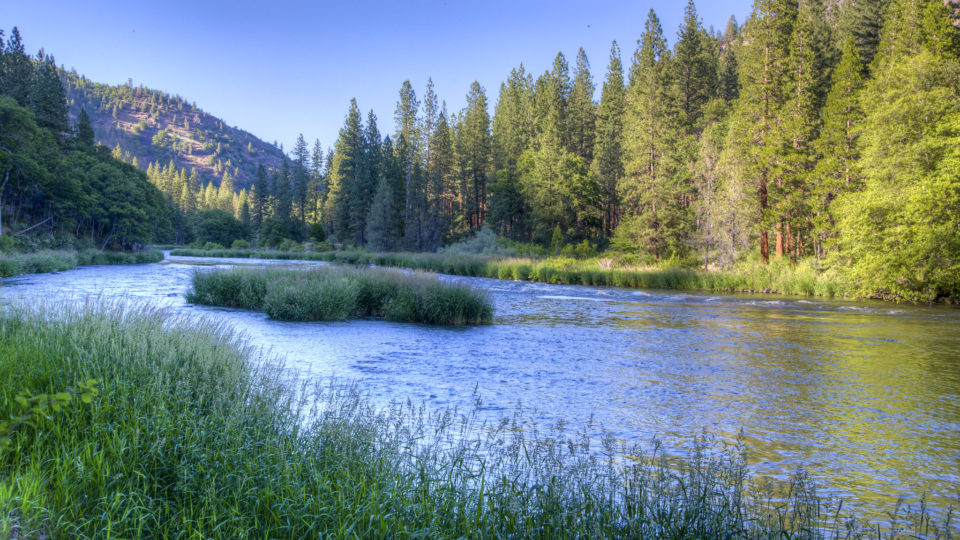
Removing Dams Restores Ecosystems

November 1, 2019 By EarthWise Leave a Comment

In many parts of the country, dams that sometimes date back as much as 100 years are being removed and are giving way to the revival of migratory fish and their river ecosystems.  Since 1912, more than 1,600 dams have been removed in the U.S., but the pace of dam removal has greatly picked up in recent years.  2017 and 2018 were the highest years ever with 91 and 99 dams removed, respectively.

When dams are removed, the response from migratory fish can be almost immediate.  A large dam removal project on the Penobscot River in Maine in 2012 opened up 1,000 miles of habitat with a quick return of shad and alewives, followed by salmon.

In 2022, four large dams across the Klamath River will be removed.  The dams, which are located at the California and Oregon border, were facing an expensive re-licensing process and, because of their age, could no longer be run at a profit.

Re-licensing the dams along the Klamath was going to cost as much as $400 million.  On the other hand, uncapping the Klamath River has tremendous commercial and tourism potential.  Two states, tribal nations, and other stakeholders have all seen the virtues of restoring the landscape to its original form.

Opposition to dam removal is typically driven by aesthetics or recreational preferences.  But dam economics are getting increasingly worse.  Now that electricity can be produced far more cheaply with wind and solar power, many American dams have become artifacts of an older manufacturing era.  Meanwhile, rural towns near decommissioned dams are likely to now have more robust fishing industries.

In rivers big and small, migratory fish and river ecosystems surge back to life as old energy structures are taken down.

**********

Web Links

Take Down That Dam: River Ecosystems Bounce Back As Removals Soar

Photo, posted June 11, 2016, courtesy of the Bureau of Land Management via Flickr.

Earth Wise is a production of WAMC Northeast Public Radio.

Amazon And Climate Change

October 30, 2019 By EarthWise Leave a Comment

Online shopping giant Amazon has unveiled a Climate Pledge, committing to meet the goals of the Paris climate agreement ten years ahead of schedule, and to be carbon neutral by 2040. This is the company’s most ambitious push yet to reduce its carbon footprint, which currently rivals that of a small country.  In fact, Amazon is responsible for 48.9 million tons of carbon dioxide last year, which is about 85% of what Switzerland typically emits in a year. 

Amazon, which ships more than 10 billion items a year on fossil fuel-intensive planes and trucks, has ordered a fleet of 100,000 electric vans that will start delivering packages to doorsteps in 2021.  The vans will be made by Rivian, a Michigan-based company that Amazon invested in earlier this year. 

Amazon plans to get 100% of its energy from solar and other renewable sources by 2030.  Currently, it gets about 40% of its energy from renewables. 

Amazon is also investing $100 million in nature-based climate solutions and reforestation projects around the world in order to remove carbon from the atmosphere. 

While announcing these initiatives recently at the National Press Club in Washington, D.C., Amazon CEO Jeff Bezos said the company needs to be a leader on the climate change issue:

We want to say look, if a company of Amazon’s complexity, scale, scope, physical infrastructure, delivering 10 billion items can do this, so can you.

After revealing Amazon’s Climate Pledge, Bezos said he would talk with CEOs of other large companies to try to get them to also sign it.  You can find a link to Amazon’s progress on its commitments by visiting this website.

**********

Web Links

‘Middle of the herd’ no more: Amazon tackles climate change

Amazon: Committed to a sustainable future (track progress here)

Photo courtesy of Amazon.

Earth Wise is a production of WAMC Northeast Public Radio.

Emissions-Free Cement

October 29, 2019 By EarthWise Leave a Comment

The production of cement – which is the world’s leading construction material – is a major source of greenhouse gas emissions, accounting for about 8% of global man-made emissions. 

Cement production produces carbon dioxide in two ways:  from a key chemical process and from burning fuel to produce the cement.  The process of making “clinker” – the key constituent of cement – emits the largest amount of CO2.  Raw materials, mainly limestone and clay – are fed into huge kilns and heated to over 2,500 degrees Fahrenheit, requiring lots of fossil fuel.  This calcination process splits the material into calcium oxide and CO2.  The so-called clinker is then mixed with gypsum and limestone to produce cement.

A team of researchers at MIT has come up with a new way of manufacturing cement that greatly reduces the carbon emissions.  The new process makes use of an electrolyzer, where a battery is hooked up to two electrodes in water producing oxygen at one electrode and hydrogen at the other.  The oxygen-evolving electrode produces acid and the hydrogen-evolving electrode produces a base.  In the new process, pulverized limestone is dissolved in the acid at one electrode and calcium hydroxide precipitates out as a solid at the other.

High-purity carbon dioxide is released at the acid electrode, but it can be easily captured for further use such as the production of liquid fuels or even in carbonated beverages and dry ice.  The new approach could eliminate the use of fossil fuels in the heating process, substituting electricity generated from renewable sources. 

The process looks to be scalable and represents a possible approach to greatly reducing one of the perhaps lesser known but nevertheless very significant sources of greenhouse gas emissions.

**********

Web Links

New approach suggests path to emissions-free cement

Photo, posted March 26, 2014, courtesy of Michael Coghlan via Flickr.

Earth Wise is a production of WAMC Northeast Public Radio.
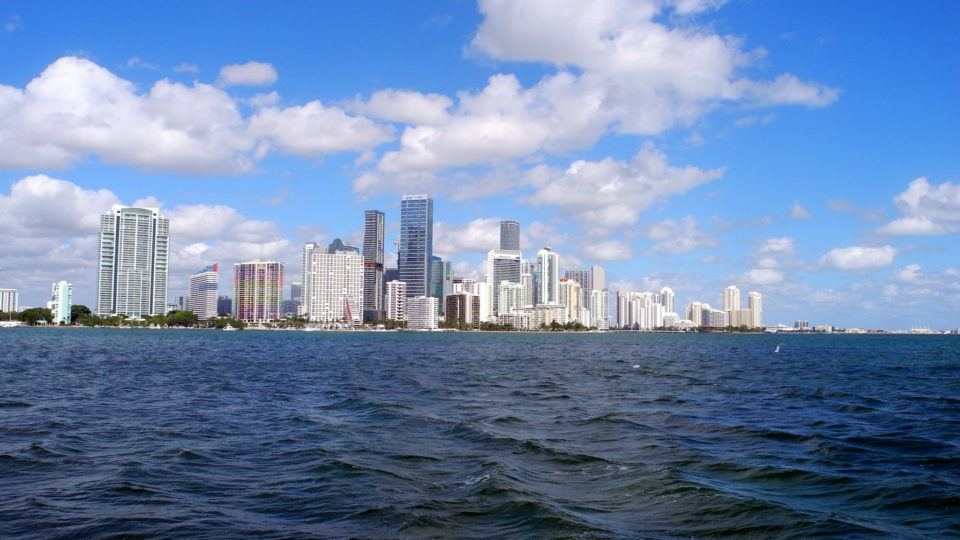
Which Cities To Save From The Changing Climate

October 28, 2019 By EarthWise Leave a Comment

After several years of brutal flooding and hurricanes in the U.S., a distressing debate is emerging:  if there is not enough money available to protect every coastal community from the effects of global warming, how do we decide which ones to save first.

Recent research looked at the costs involved in providing basic storm-surge protection in the form of sea walls for all coastal cities with more than 25,000 residents.  That number was $42 billion.  Expanding the list to include communities smaller than 25,000 people would increase that cost to more than $400 billion.   Realistically, that is just not going to happen.

This particular study only looked at sea walls and no other methods for minimizing flood risk, such as moving homes and businesses away from the most flood-prone areas.   It also didn’t look at additional and costlier actions that will be required even with sea walls, such as revamping sewers, storm water, and drinking water infrastructure.

The facts are that many cities, especially small ones, will not be able to meet the costs facing them.  Those that can’t will depend on federal funding.  But even optimistically large proposals for federal infrastructure spending are likely to fall far short of the vast need.  Ultimately, the money will end up being spent where it can do the most good – even if it means that some places are left out.

But what criteria will be used to direct the money?  Economic value?  Historic significance?  Population?  Political influence?

This is a looming and massive issue whose chief obstacle may be that many officials refuse to acknowledge that it is happening.  This is the next wave of climate denial – denying the costs that we are all facing.

**********

Web Links

With More Storms and Rising Seas, Which U.S. Cities Should Be Saved First?

Photo, posted October 31, 2018, courtesy of Patrick Kinney via Flickr.

Earth Wise is a production of WAMC Northeast Public Radio.
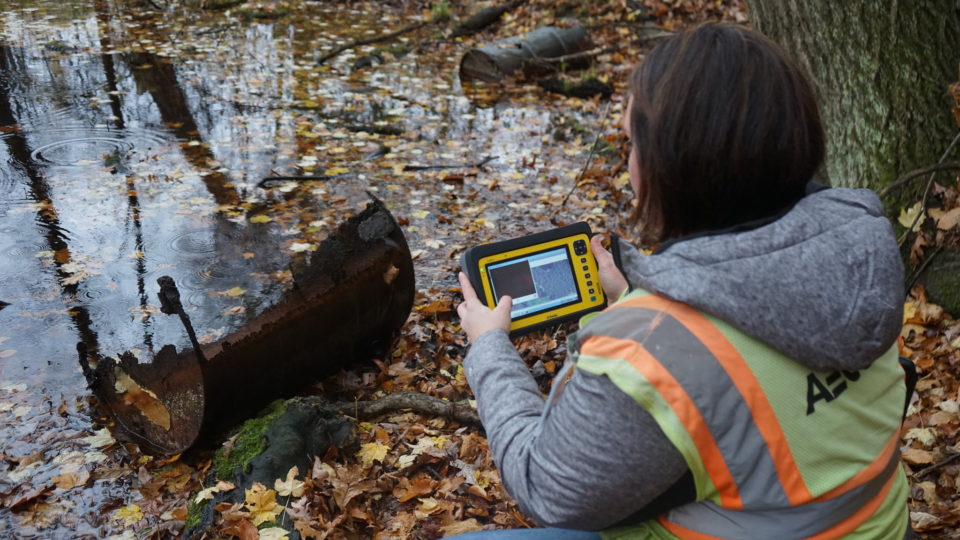
Breaking Down Forever Chemicals

October 25, 2019 By EarthWise Leave a Comment

One of the toughest classes of pollutants are per- and polyfluoralkyl substances, or PFAS, as they are known.  PFAS are often called “forever chemicals” because they are extremely long-lasting and difficult to clean up.  They are found in household products including non-stick pans, dental floss, water-repellent fabrics, and many others.  They can be found extensively in U.S. waterways and soil.

PFAS move through the food chain, accumulating in humans at levels that scientists say can cause adverse health effects.  While these have not been definitively proven, there is evidence that higher cholesterol levels, cancer, thyroid disruption, and low infant birth rates are all associated with PFAS ingestion.

PFAS are difficult to get rid of because their carbon-fluorine covalent bonds are some of the strongest in organic chemistry.  Researchers at Princeton University have been studying a process known as Feammox in which ammonium breaks down in acidic, iron-rich soils in New Jersey wetlands and similar locations.  They found that this reaction takes place when a bacterium called Acidimicrobium A6 is present.

Using gene-sequencing techniques, they found that the microbe has characteristics that could help break down carbon-fluorine bonds, and therefore break down PFAS.  In tests using microbe-loaded soil samples, they found that the bacterium removed 60% of PFAS pollutants within 60 days.

The research has been published in the journal Environmental Science and Technology and the team is now testing the bacterium’s effectiveness over different time-spans in lab conditions before testing it in the field.

**********

Web Links

New Jersey Soil Microbe Shown to Break Down ‘Forever Chemicals’

Photo, posted November 9, 2017, courtesy of the Department of Environmental Quality via Flickr.

Earth Wise is a production of WAMC Northeast Public Radio.
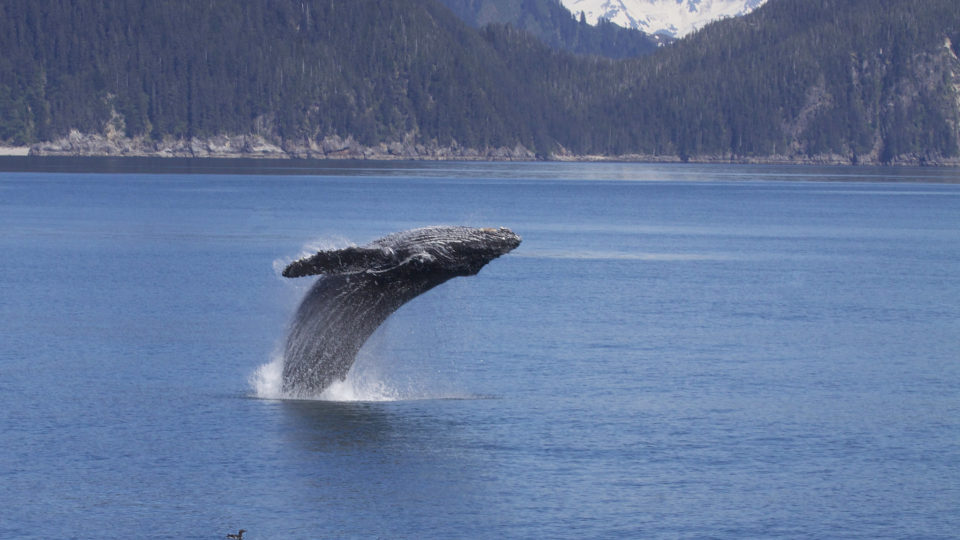
A Powerful Case For Protecting Whales

October 24, 2019 By EarthWise Leave a Comment

Efforts to mitigate climate change typically face two major challenges.  One is to find effective ways to reduce the amount of atmospheric carbon dioxide.  The other is how to raise enough money to implement climate mitigation strategies. 

Many proposed solutions to climate change, like carbon capture and storage, are complex, expensive, and in some cases, untested.  What if there was a low-tech solution that was effective and economical?

Well, it turns out there is one, and it comes from a surprisingly simple, “no-tech” strategy to capture CO2: increase global whale populations. 

According to a recent analysis by economists with the International Monetary Fund, whales help fight climate change by sequestering CO2 in the ocean. 

Whales sequester carbon in a few ways.  They hoard it in their fat and protein-rich bodies, stockpiling tons of carbon apiece.  When whales die, they turn into literal carbon sinks on the ocean floor.  While alive, whales dive to feed on tiny marine organisms like krill and plankton before surfacing to breathe and excrete. Those latter activities release an enormous plume of nutrients, including nitrogen, iron, and phosphorous, into the water.  These so-called “poo-namis” stimulate the growth of phytoplankton, microscopic marine algae that pull CO2 out of the air and return oxygen to the air via photosynthesis.  Phytoplankton are responsible for every other breath we take, contributing at least 50% of all oxygen to the atmosphere and capturing approximately 40% of all CO2 produced. 

With other economic benefits like ecotourism factored in, economists estimate that each whale is worth $2 million over its lifetime, making the entire global population possibly a one trillion dollar asset to humanity.

*********

Web Links

How much is a whale worth?

Photo, posted June 12, 2013, courtesy of Gregory Smith via Flickr.

XXXXXXXXXXXXXXXXXX

Monster Tumbleweeds

October 18, 2019 By EarthWise Leave a Comment

Tumbleweeds have long been seen as symbols of America’s old west.  Tumbleweeds are a structural part of the above-ground anatomy of a number of species of plants known as diaspores.  Diaspores are essentially seed dispersal units.  In a few seed plants, they comprise most or all of the plant.  Once they are mature and dry, they detach from the roots and roll around due to the force of the wind.

There is a new species of gigantic tumbleweed – the Salsola ryanii – that is expanding its territory in the American west.  It is the result of a relatively unusual genetic process known as polyploidy, which produces offspring with multiple sets of chromosomes.  Researchers believe that that the new hybrid species of tumbleweed is healthier than earlier versions.  As a result, one geneticist described Salsola ryanii as a nasty species replacing other nasty species of tumbleweed in the US.

These tumbleweeds can grow up to 6 feet tall.  Tumbleweeds in general are invasive plants that cause traffic accidents, damage agricultural operations, and cause millions of dollars in property damage.  Last year, the town of Victorville in the California desert was buried in them, piling up to the second story of some houses.

Salsola ryanii has a relatively small range, but it is expanding rapidly.  The new study determined that it is more vigorous than its predecessors, which are invasive in 48 states.  The plant is an annual but tends to grow on the later side of winter.  It is one of the only things that is still green in late summer.  With summer rains increasing as the climate changes, these monster tumbleweeds are poised to wreak havoc.   The experts are warning that there should be efforts to suppress them before they take over.

**********

Web Links

Monster tumbleweed: Invasive new species is here to stay

Photo, posted February 27, 2018, courtesy of Tracie Hall via Flickr.

Earth Wise is a production of WAMC Northeast Public Radio.

Other Ways To Cut Vehicle Emissions

October 17, 2019 By EarthWise Leave a Comment

It is pretty clear that the way to drastically reduce vehicle greenhouse gas emissions is to switch as many vehicles as possible to electric power.  As a result, more and more localities are putting in place policies that encourage electrification.

While there is no doubt that electrification is the long-term solution to vehicle emissions, a recent study by MIT and the Ford Motor Company found that, in the short term, there are some places in the US where electric cars are not the best way to reduce emissions.

The study looked at a variety of factors that affect the relative performance of vehicles.  These include the role of low temperatures in reducing battery performance, regional differences in the average number of miles driven annually, and significant differences in the way electricity is generated in different parts of the US.

The results showed that electric vehicles definitely provide the greatest impact in reducing greenhouse gas emissions for most of the country – and particularly on both coasts and in the south – but that there are some places in the upper Midwest where the greatest reduction would be achieved by the use of lightweight gasoline-powered vehicles.

In places like parts of Wisconsin and Michigan, it is mostly rural, there are cold winters, and electricity is predominantly generated by coal-powered plants.  In these places, if gas-powered lightweight cars were to be used, the overall benefit would be greater than that of electric cars.  Unfortunately, there are no high-volume lightweight gasoline-powered mid-sized cars on the market in the US.  Ironically, the only cars of that class using lightweight aluminum construction are Teslas.

While electric cars are truly the long-term solution, the study does demonstrate the benefits of reducing the weight of vehicles.

**********

Web Links

What’s the best way to cut vehicle greenhouse-gas emissions?

Photo, posted February 9, 2018, courtesy of Dave Field via Flickr.

Earth Wise is a production of WAMC Northeast Public Radio.
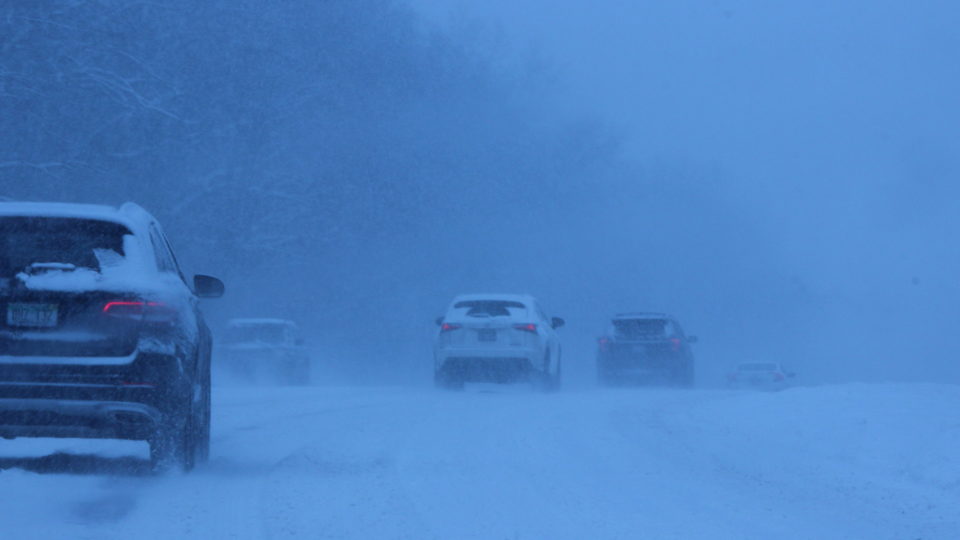
Birds Are Disappearing

October 16, 2019 By EarthWise 1 Comment

A new analysis, published in the journal Science, reports that the number of birds in the United States and Canada has fallen by 29% since 1970.  There are 2.9 billion fewer birds in the two countries now than there were 50 years ago.

The analysis is the most comprehensive attempt to date to look at the status of avian populations.  The results were a shock to researchers and conservation organizations.

It is well-known that some bird species have become vulnerable to extinction, but the new study, which surveyed more than 500 species, uncovered steep losses even among such traditionally abundant birds as robins and sparrows.

There appear to be multiple causes for the steep declines.  The largest ones are likely habitat loss and the wider use of pesticides.  Rachel Carson’s 1962 book Silent Spring warned of the dangers of pesticides and took its title from a world that has lost its birds.

The survey includes 76% of all bird species in the US and Canada, but actually represents almost the entire population of birds.  Grassland species have suffered the biggest declines by far, as a result of modern agriculture and development.  Pesticides, such as neonicotinoids, make it harder for birds to put on weight needed for migration, delaying their travel.

There are a few bright spots:  bald eagles are thriving, and falcon and waterfowl populations are on the upswing.  These are species that have been the subject of conservation measures in recent decades.

Stopping the bird decline will require a great deal of effort to defend habitats, restrict chemicals, and redesign buildings.  Without that effort, birds will continue to disappear.

**********

Web Links

Birds Are Vanishing From North America

Photo, posted April 1, 2012, courtesy of Barry Skeates via Flickr.

Earth Wise is a production of WAMC Northeast Public Radio.

An Upside Of Climate Change

October 15, 2019 By EarthWise Leave a Comment

In contrast with most countries in the world, the main political factions in the United States have very different views of climate change.  Somehow, one side of the aisle remains skeptical about the changing climate even as temperature records are broken, arctic ice disappears, and powerful storms become increasingly common.

But putting aside the increasingly inexplicable political schism about climate change, there are instances where the consequences of the warming climate are not all dire.  In fact, there are places where climate change is having a positive effect.

One such place is West Virginia, where research studies are finding a real upside to the changing climate.

A recent study of the climate in West Virginia over the period from 1900 to 2016 found the maximum temperatures trended downward, average minimum temperatures ascended, and annual precipitation increased.  On average, West Virginians are now seeing cooler summers, warmer winters and wetter weather.

Given these changes, there have been big changes in agriculture.  Yields of important crops like hay, corn, winter wheat, and soybeans have all increased.  The winter season has shrunk by as much as 20 days and the growing season itself has increased by approximately 13 days.  A number of crops that historically did not fare well in West Virginia may now become viable.  It may even be possible to pursue double cropping, meaning that the longer growing season may allow farmers to raise one crop, harvest it, and then raise and harvest a second crop within the same year.

In the big picture, climate change is shaping up as a global calamity, but for a few people in certain places – such as West Virginia – it may have some real upside.

**********

Web Links

The positive implications of…climate change? WVU researcher sees agricultural, food availability and economic possibilities

Photo, posted November 12, 2014, courtesy of Mike via Flickr.

Earth Wise is a production of WAMC Northeast Public Radio.
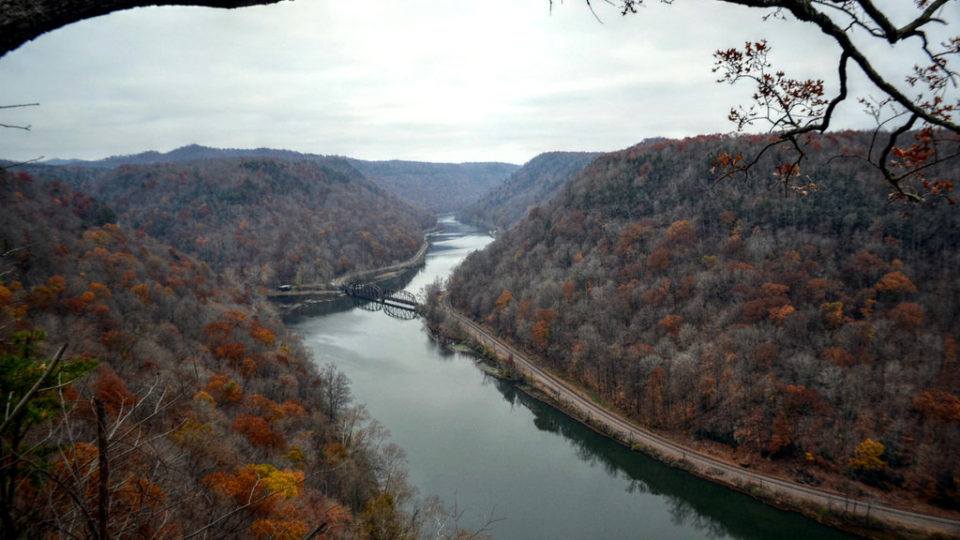
Pulling Water From The Air

October 14, 2019 By EarthWise Leave a Comment

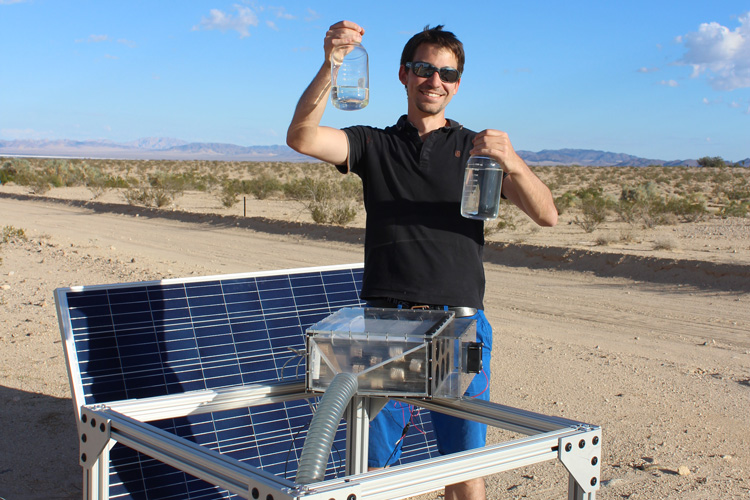
A couple of years ago, we reported on the early development of a device that harvests water from the air that even works in the low humidity environment of a desert.  Since then, the researchers from UC Berkeley have continued to improve the device and it is now 10 times better than it was two years ago.

The harvester is based on a porous water-absorbing material called a metal-organic framework, or MOF.  The latest version can pull more than five cups of water from low-humidity air per day for every kilogram of the improved MOF material and that is more than enough water to sustain a person.  The harvester cycles around the clock and is powered by solar panels and a battery.

Previous techniques for condensing water from air at low humidity required cooling down the air to temperatures below freezing, which is not economically practical.  The MOF-based device does not require any cooling.

The Berkeley researchers have formed a startup company – Water Harvester, Inc. – which is now testing and will soon market a device the size of a microwave oven that can supply 7 to 10 liters of water per day, which is enough drinking and cooking water for two or three adults.

An even larger version of the harvester, which would be the size of a small refrigerator, would provide 200 to 250 liters of water per day, enough for a household to drink, cook, and shower.  The new company envisions a village-scale harvester that would produce 20,000 liters per day, still running off of solar panels and a battery.

Water Harvester believes the water needs for many people can come out of the thin air.

**********

Web Links

Water harvester makes it easy to quench your thirst in the desert

Photo courtesy of Grant Glover (University of South Alabama) via UC Berkeley.

Earth Wise is a production of WAMC Northeast Public Radio.
Maple Syrup And Climate Change

October 11, 2019 By EarthWise Leave a Comment

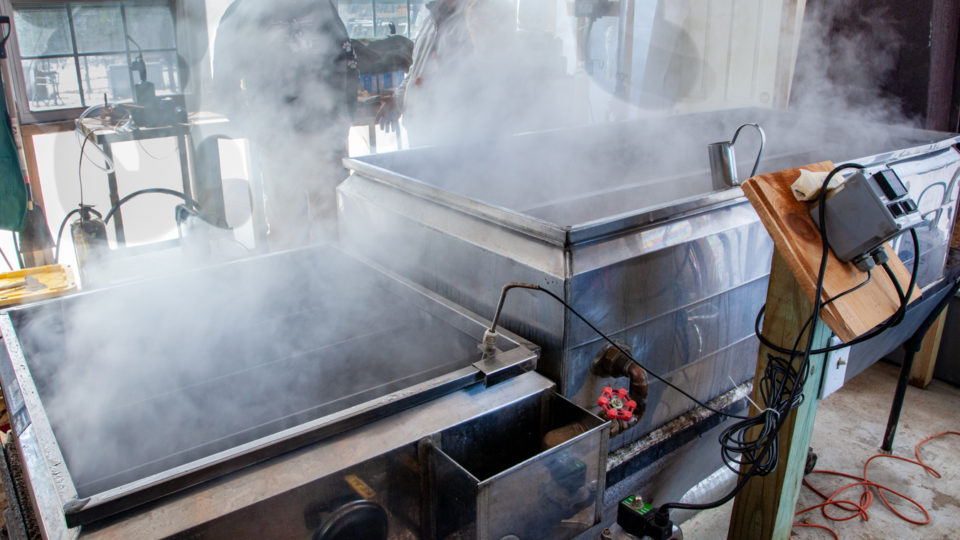
According to a study recently published in the journal Forest Ecology and Management, scientists are predicting another casualty of climate change: the U.S. maple industry.  By the year 2100, the maple syrup season in the United States may be less productive and arrive one month earlier than it has between 1950 and 2017.

Maple syrup production is impacted by two climate-sensitive factors: sugar content and sap flow.  Sugar content is determined by the previous year’s carbohydrate stores.  Sap flow depends on the freeze/thaw cycle.  Sap begins to flow in sugar maples when winter nights dip below freezing and the days warm above freezing.

The researchers studied six sugar maple stands from Virginia to Quebec, Canada over a six year period.  They created a model that predicted the timing of optimal sap flow based on historical temperature data on freeze/thaw days, actual sap collection from their field work, and monthly climate. 

According to modeling projections, the maple syrup season is expected to be, on average, one month earlier by the end of the century.  States like Indiana and Virginia will barely produce any sap.  New Hampshire and Vermont are likely to be least affected, but are still expected to experience a decrease in production.  In fact, most areas of maple production in the United States are projected to see decreases in production by the year 2100, while areas in northern Ontario and Quebec should see moderate to large increases in production. 

Currently, Canada is responsible for approximately 80% of global maple syrup production while the U.S. produces 20%.  The shifting climate for optimal maple production will leave many scrambling to find the sweet spot. 

**********

Web Links

Climate change study finds that maple syrup season may come earlier

Photo, posted March 24, 2019, courtesy of Paul VanDerWerf via Flickr.

Earth Wise is a production of WAMC Northeast Public Radio.
Beavers And Biodiversity

October 10, 2019 By EarthWise Leave a Comment

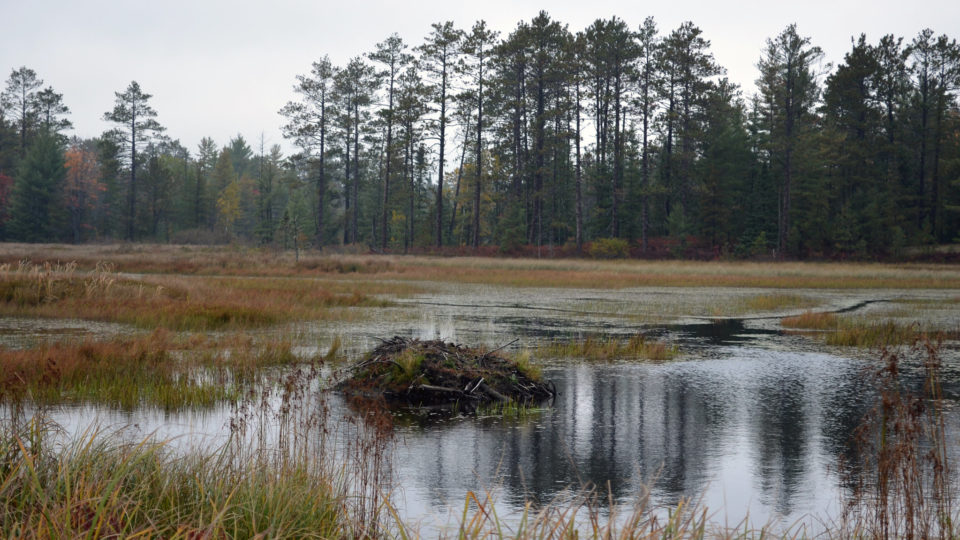
Beavers are large, semi-aquatic rodents known best for their ability to construct dams, canals, and lodges (their homes).  They are among the largest rodents in the world.  With powerful jaws and strong teeth, beavers fell trees to use as building materials, often changing their environment in ways few other animals can. But in a good way.  As it turns out, beavers are important for biodiversity. 

According to new research from the Faculty of Natural Sciences at the University of Stirling in Scotland, reintroducing beavers to their native habitats is an important step towards solving the freshwater biodiversity crisis. 

Researchers surveyed water plants and beetles in 20 wetlands in Sweden – 10 created by beavers and 10 that were not – in order to understand what impact beavers might have on the variety of plant and animal life around them. 

The research team’s findings build on previous work that has shown that beavers have an important impact on biodiversity.  This latest study discovered that the number of species found only in beaver-built ponds was 50% higher than in other non beaver-built wetlands in the same region. 

Beavers are known to be profound engineers of the environment. They use wood to build dams across rivers in order to form ponds behind them.  They do this to raise the water level in order to avoid predators, like bears and wolves. But it turns out many other plants and animals, like water plants and beetles, also benefit from their work.

According to the research team, reintroducing beavers to their native habitats should benefit the wider biodiversity and be seen as an important step towards solving the freshwater biodiversity crisis. 

**********

Web Links

Beaver reintroduction key to solving freshwater biodiversity crisis

Photo, posted October 2, 2014, courtesy of USFWS Midwest Region via Flickr.

Earth Wise is a production of WAMC Northeast Public Radio.
Europe Is Warming Faster Than Predicted

October 9, 2019 By EarthWise Leave a Comment

A new study has found that Europe is warming faster than even climate models projected.  The number of summer days with extreme heat in Europe has tripled since the 1950s, while the number of days with extreme cold has decreased by factors of two or three depending on the region.

According to climate scientists at the Swiss Federal Institute of Technology in Zurich, the climate trends are much larger than what would come from natural variability and are a clear signal of climate change.  Extremely hot days in Europe have become hotter by an average of more than 4 degrees Fahrenheit while extremely cold days have warmed by more than 5 degrees.  The research examined data from weather stations across Europe from 1950 to 2018.  Over 90% of the stations recorded increasing temperatures over time, a percentage much too high to be purely from natural climate variability.  The results also showed that the region was warming even faster than climate models projected.

The research results come after an extremely hot summer in Europe.  Southern France hit 114.8 degrees, a new record, in June.  Germany, the Netherlands, and Belgium all recorded all-time national temperature highs.  The National Oceanic and Atmospheric Administration recently announced that July was the hottest month ever recorded.

European summers and winters will only grow hotter in the coming years as climate change accelerates.  The rapidly increasing temperatures will impact cities and people that are unprepared for them and pose real risks for residents in the coming decades.  Extreme heat is dangerous because it stresses the human body, potentially leading to heat exhaustion or heat stroke.

**********

Web Links

Europe warming faster than expected due to climate change

Photo, posted July 30, 2011, courtesy of Marcel de Jong via Flickr.

Earth Wise is a production of WAMC Northeast Public Radio.

  • « Go to Previous Page
  • Page 1
  • Interim pages omitted …
  • Page 71
  • Page 72
  • Page 73
  • Page 74
  • Page 75
  • Interim pages omitted …
  • Page 91
  • Go to Next Page »

Primary Sidebar

Recent Episodes

  • An uninsurable future
  • Clean energy and jobs
  • Insect declines in remote regions
  • Fossil fuel producing nations ignoring climate goals
  • Trouble for clownfishes

WAMC Northeast Public Radio

WAMC/Northeast Public Radio is a regional public radio network serving parts of seven northeastern states (more...)

Copyright © 2026 ·