• Skip to primary navigation
  • Skip to main content
  • Skip to primary sidebar

Earth Wise

A look at our changing environment.

  • Home
  • About Earth Wise
  • Where to Listen
  • All Articles
  • Show Search
Hide Search
You are here: Home / Archives for environment

environment

January Climate Report Card | Earth Wise

March 9, 2022 By EarthWise Leave a Comment

A report card on the climate

The global climate is a complicated thing.  While overall trends are relatively straightforward to understand, the details can seem confusing.

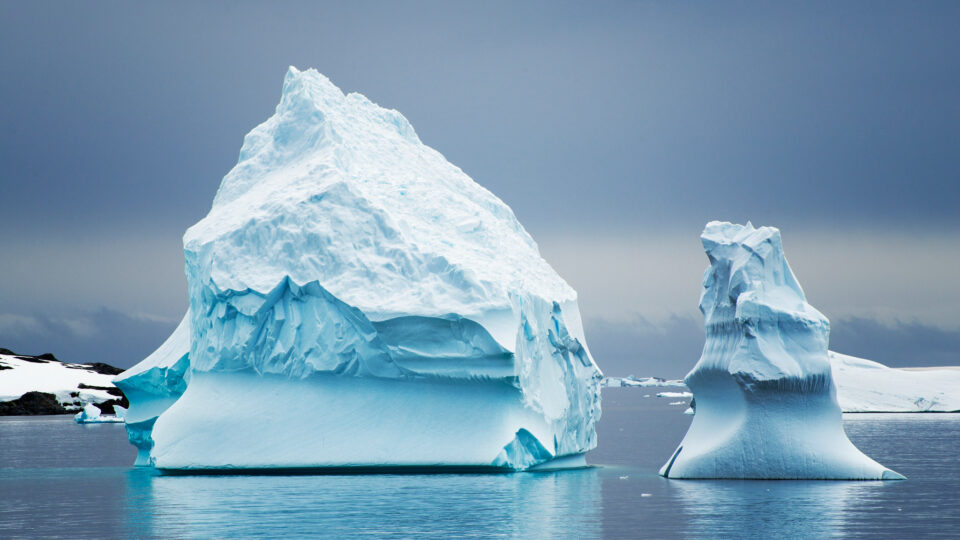
January was the sixth-warmest January in the 143 years of global climate record keeping.  The global land and ocean surface temperature was 1.6 degrees Fahrenheit above the 20th century average.

Meanwhile, the United States had its coolest January since 2014, although the month still ranked nearly a degree above the long-term average across the nation.  This January was also the driest January in eight years and was one of the top- 15 driest Januarys on record.  That being said, there was the so-called Bomb Cyclone late in the month that dumped 1-2 feet of snow and brought blizzard conditions along the eastern seaboard and set a one-day snowfall record in Boston.

Global conditions and regional and local conditions can be very different.  In the big picture, January was the 46th consecutive January and the 445th consecutive month with temperatures above the 20th century average.

And while the US had a fairly cool January, South America saw its second-warmest January on record, Asia had its fourth warmest, and Oceania had its seventh warmest.

Apart from temperatures, Antarctic sea ice coverage was the second smallest January extent in 44 years.  Arctic ice was 208,000 square miles below the 1981-2010 average, although it was the largest since 2009.

Even as the global climate warms, local and regional climate conditions will continue to have unique and variable characteristics over the course of time.  Every time there’s a bout of cold weather, it isn’t time to stop being concerned about climate change.

**********

Web Links

January 2022 was Earth’s 6th warmest on record

Photo, posted January 6, 2013, courtesy of Christopher Michel via Flickr.

Earth Wise is a production of WAMC Northeast Public Radio.
Mercury In The Amazon Rainforest | Earth Wise

March 8, 2022 By EarthWise Leave a Comment

Mercury polluting the Amazon rainforest

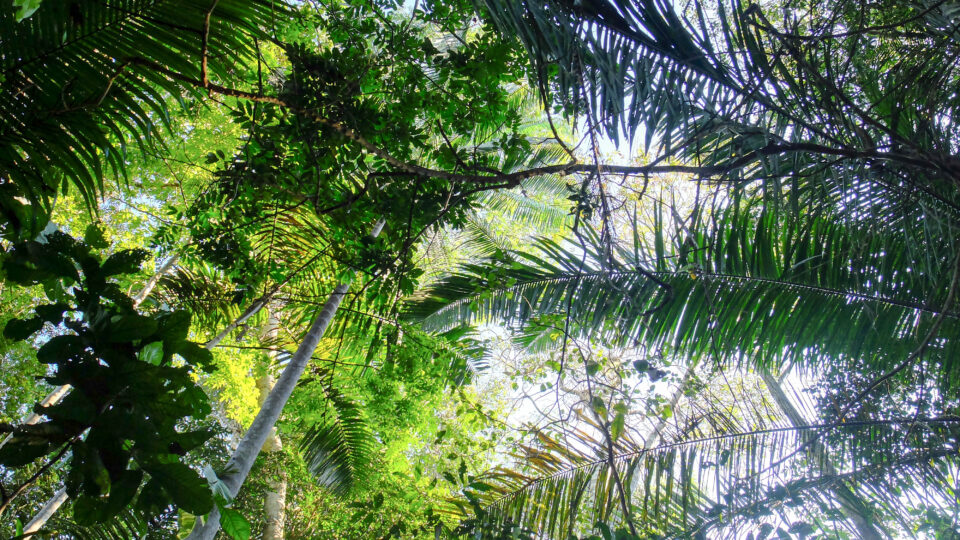
Recent research has found that some of the highest levels of mercury pollution ever recorded are in a patch of pristine Amazonian rainforest.  The international team of researchers discovered that illegal goldmining in the Peruvian Amazon is the source of the pollution.

Illegal miners separate gold particles from river sediments using mercury.  Mercury binds to gold, forming pellets large enough to be caught in a sieve.   The pellets are then burned in open fire ovens, releasing the mercury to the atmosphere, leaving the gold behind.  The mercury smoke ends up being washed into the soil by rainfall, deposited onto the surface of leaves, or directly absorbed into leaf tissues.

Deforested areas had low levels of mercury, while the areas with the largest, densest old-growth trees captured huge volumes of atmospheric mercury, more than any other ecosystem studied in the entire world.  Mercury levels were directly related to leaf area index:  the denser the canopy, the more mercury it holds.  Birds from this area have up to twelve times more mercury in their systems than birds from less polluted areas.  Such high concentrations of mercury could provoke a decline of up to 30% in these birds’ reproductive success.

Small-scale artisanal gold mining is an important livelihood for local communities.  Eliminating it outright may not be a viable solution but coming up with ways to continue to provide a sustainable livelihood while protecting communities from poisonous pollution is essential.

In the meantime, the forests are doing an important service by capturing much of the mercury and preventing it from getting into the general atmosphere and endangering more people and animals.  Burning or harvesting the mercury-ridden trees would release the mercury back into the atmosphere.

**********

Web Links

Modern Day Gold Rush Turns Pristine Rainforests into Heavily Polluted Mercury Sinks

Photo, posted August 24, 2016, courtesy of Anna and Michal via Flickr.

Earth Wise is a production of WAMC Northeast Public Radio.

Tourism And Invasive Species | Earth Wise

March 7, 2022 By EarthWise Leave a Comment

The link between tourism and invasive species

Tourism has experienced exponential growth during the past 70 years.  In 1950, there were 25 million international tourist arrivals.  By 1990, it had ballooned to 435 million.  Between 1990 and 2018, the numbers more than tripled reaching more than 1.4 billion.  And by 2030, the number of international tourist arrivals is expected to reach 1.8 billion.

Tourism is vital to the success of many economies around the world.  Tourism can boost revenue, provide jobs, develop infrastructure, protect wildlife, and help preserve heritage sites and cultures.  But there can also be many downsides to tourism, one of which is that it can contribute to the introduction and spread of invasive species.  Non-native organisms can cause all sorts of social, environmental, and economic damage.   

Tourists help spread invasive organisms far and wide.  These organisms hitch rides in their luggage and on their shoes and clothing.  A 2011 study in New Zealand found that for every gram of soil on the shoes of in-bound international passengers, there were 2.5 plant seeds, 41 roundworms, 0.004 insects and mites, and many microorganisms. 

A new study by researchers from the University of Melbourne in Australia and AgResearch New Zealand examined to what degree tourism plays a role in the spread of invasive species.  According to the study, which was recently published in the journal NeoBiota, the research team found that the number of nights spent in hotels significantly correlated to the incursion of invasive species during that period.

Creating effective mechanisms to prevent the introduction of invasive species in the first place is the best way to prevent this problem. 

**********

Web Links

Unwelcome guests: International tourism and travel can be a pathway for introducing invasive species

Number of tourist arrivals

Photo, posted March 27, 2005, courtesy of John via Flickr.

Earth Wise is a production of WAMC Northeast Public Radio.
Tree Diversity | Earth Wise

March 4, 2022 By EarthWise Leave a Comment

Scientists estimate the number of tree species on earth

Scientists have estimated that there are more than 8 million species of plants and animals in existence.  Amazingly, only about 1.2 million of them have been identified and described so far and most of those are actually insects.  Millions of other organisms have yet to be discovered.

One would imagine that most of these unknown species are tiny things that are hard to spot or encounter.  But our ignorance of species even applies to trees, which are pretty easy to spot if you encounter them.

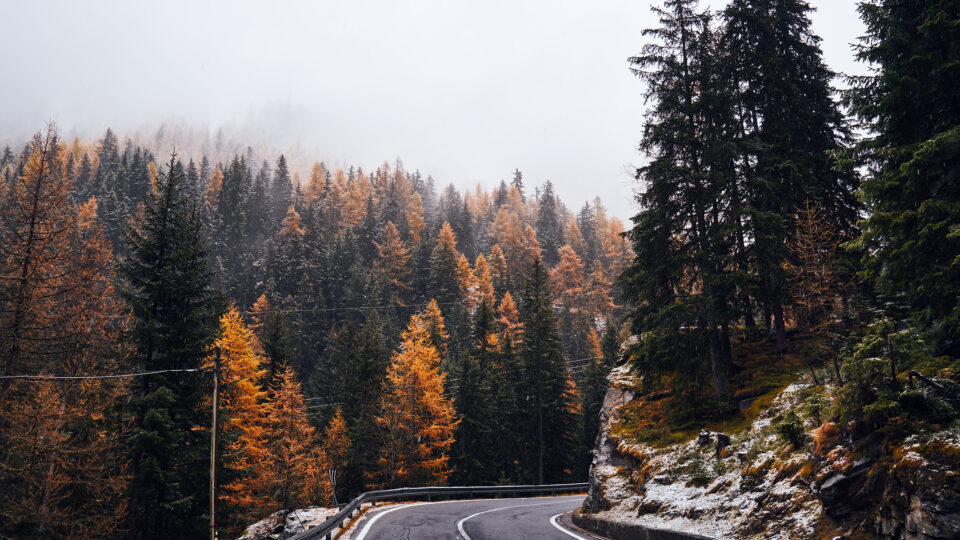
A new study involving more than 100 scientists across the globe has produced an estimate of the number of tree species on the Earth.  The new global estimate is that there are 73,000 tree species, which is about 14% more than previously thought.  Based on a combination of data from two global datasets, the study yielded a total of 64,100 documented tree species worldwide.  The researchers then used novel statistical methods to estimate the total number of unique tree species at biome, continental, and global scales, which includes species yet to be discovered and described by scientists.  Therefore, the estimate predicts that there are likely to be over 9,000 tree species still to be found.

Roughly 40% of the undiscovered tree species are likely to be in South America, which is the continent with the highest number of rare tree species and the highest number of continentally endemic tree species – meaning those found only on that continent.  Hot spots of undiscovered tree species are likely the tropical and subtropical moist forests of the Amazon basin and the Andes-Amazon interface.

Extensive knowledge of tree richness and diversity is key to preserving the stability and functioning of ecosystems.

**********

Web Links

Number of Earth’s tree species estimated to be 14% higher than currently known, with some 9,200 species yet to be discovered

Photo, posted November 5, 2017, courtesy of Deensel via Flickr.

Earth Wise is a production of WAMC Northeast Public Radio.
Cleaning Up Abandoned Wells | Earth Wise      

March 3, 2022 By EarthWise Leave a Comment

Addressing the abandoned oil and gas wells

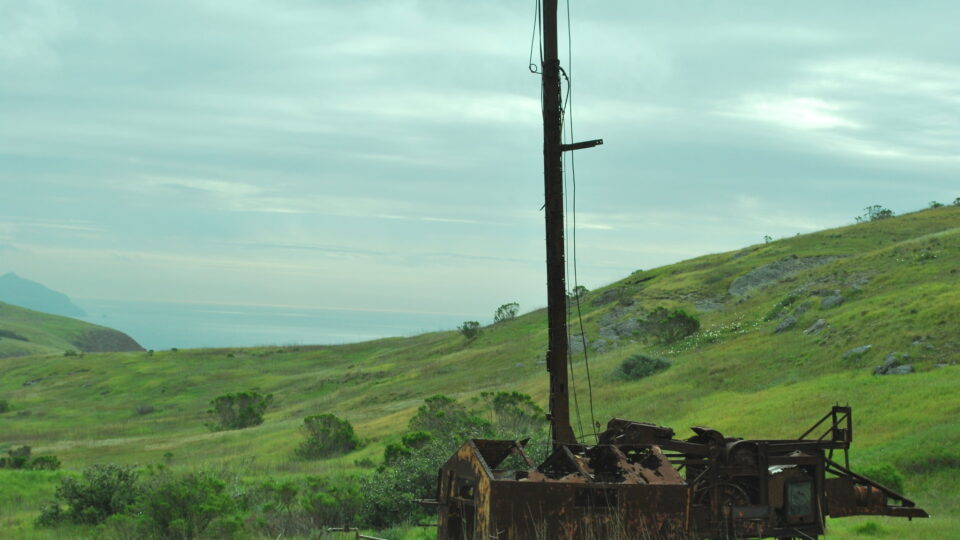
There are 130,000 documented abandoned oil and gas wells in the US, according to the Department of the Interior.  The key word is documented.  According to an EPA study in 2018, the actual number of abandoned wells could be as high as two or three million.  According to an analysis by the Environmental Defense Fund and McGill University, about nine million people in the United States live within a mile of one of these wells.

Some of these wells might be fairly harmless, and others might be quite dangerous.  Wells can emit a variety of gasses, including methane, which is a far stronger greenhouse gas than carbon dioxide.  Leaking wells are a major source of air and groundwater pollution.  Apart from methane, substances such as arsenic can continue to leak from wells even after they are no longer operational.

At the end of January, the Biden Administration announced a series of new actions to tackle methane pollution.  Among these measures is $1.15 billion in funds from the Department of the Interior that states can use to seal up abandoned oil and gas wells.  That funding comes from the Bipartisan Infrastructure Law passed in November, which sets aside $4.7 billion for a federal program dedicated to orphaned wells.

Addressing the largely ignored problem of abandoned wells is important from the standpoint of climate pollution as well as human health.  Efforts to plug the wells will also provide high-paying jobs

Other methane-reduction measures include increased enforcement from the Department of Transportation on reducing pipelines leaks, research funding for limiting methane emissions from beef and dairy farming, and technical assistance from the Department of Energy on well-plugging efforts.

**********

Web Links

Photo, posted March 23, 2011, courtesy of David Stone via Flickr.

Earth Wise is a production of WAMC Northeast Public Radio.
Antarctic Ice Collapse | Earth Wise

March 2, 2022 By EarthWise Leave a Comment

Warming temperatures are causing Antarctic ice collapse

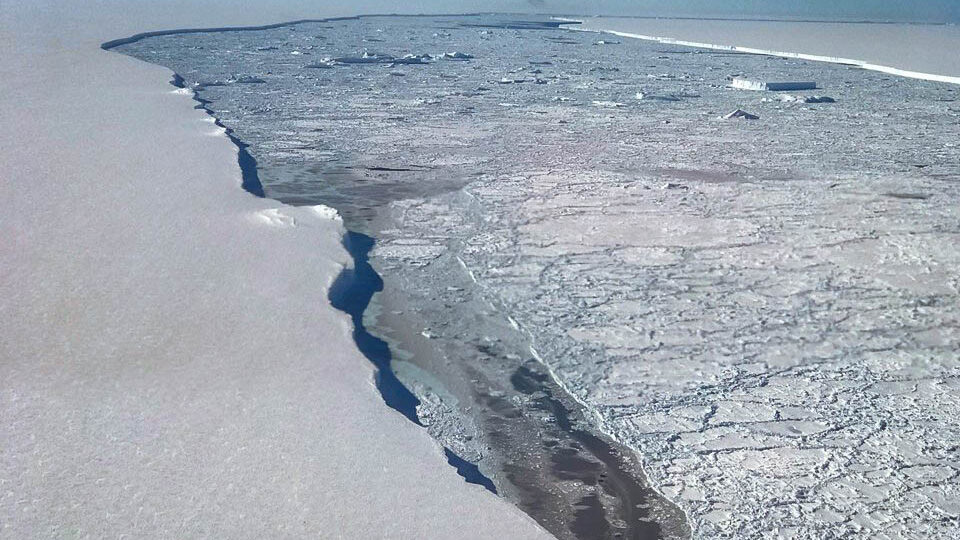
In Antarctica, a huge chunk of the Larsen B Ice Shelf collapsed suddenly and spectacularly in January.

The Larsen Ice Shelf is located on the northeastern side of the Antarctic Peninsula on the Weddell Sea.  It was formed over the course of more than 12,000 years.  The Weddell Sea used to be a completely frozen body of water.  The famous Ernest Shackleton expedition in 1915 was trapped in its ice.  But the Antarctic Peninsula has been steadily warming in recent decades.

The Larsen A Ice shelf collapsed in 1995 and the 1,250-square-mile Larsen B Ice Shelf collapsed in 2002.  After that event, a portion of the detached ice shelf refroze in 2011 and was attached to the Scar Inlet Ice Shelf.  The refrozen ice was called the Larsen B embayment.

In January, the embayment broke apart, taking with it a portion of the Scar Inlet Ice Shelf.  It disintegrated within a matter of days.  The combined Larsen Ice Shelves – called A, B, C, and D – once extended along a 1000-mile stretch of the eastern Antarctic Peninsula.  Since 1995, it has shrunk from 33,000 square miles to 26,000 square miles.

These ice shelves float on the ocean, so their loss does not actually increase global sea levels.   However, the shelves act as dams that hold back glaciers located on the land behind them.  The loss of Antarctic ice shelves dramatically increases the rate at which glaciers flow into the sea, and that does increase global sea levels. 

Now that the sea ice from the Larsen B embayment is gone, it is likely that there will be additional inland ice losses from the newly exposed glaciers.

**********

Web Links

Remnant of Antarctica’s Larsen B Ice Shelf Disintegrates

Photo, posted February 13, 2018, courtesy of NASA/Nathan Kurtz via Flickr.

Earth Wise is a production of WAMC Northeast Public Radio.
Spring Is Coming Earlier In Britain | Earth Wise

March 1, 2022 By EarthWise Leave a Comment

Climate change is causing spring to arrive earlier

The United Kingdom has some of the most detailed records of seasonal changes anywhere in the world.  Since the 18th century, observations of seasonal changes have been recorded by scientists, naturalists, amateur and professional gardeners, and organizations such as the Royal Meteorological Society.  Researchers at two British institutions have collected and collated these records into a database they call Nature’s Calendar, which currently has about 3.5 million records going back to 1736.

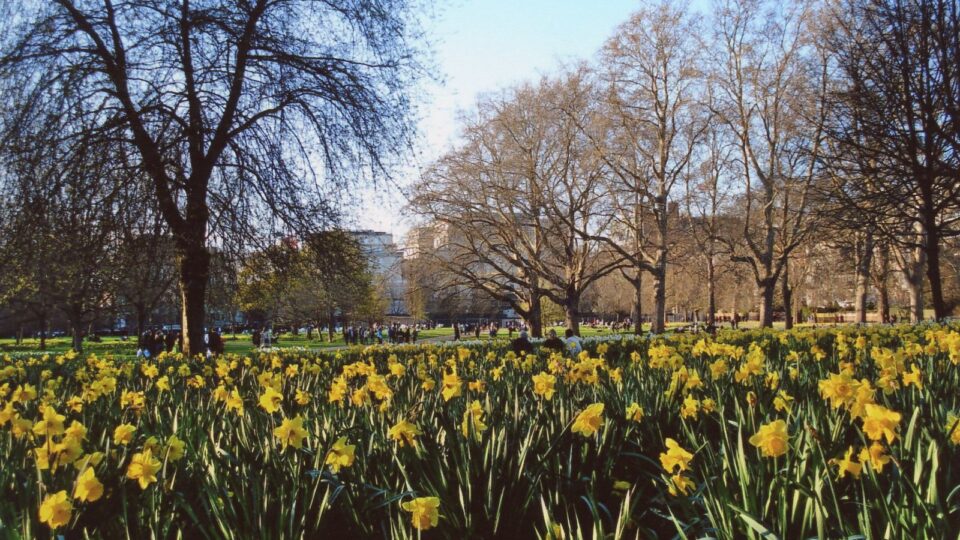
By analyzing more than 400,000 observations of 406 plant species in Nature’s Calendar, they found that the average first flowering date from 1987 to 2019 is a full month earlier than the average from 1753 to 1986.  The change correlates very well with rising global temperatures.

The ecological risks associated with earlier flowering times are high.  When plants flower too early, a late frost can kill them – a phenomenon most gardeners have experienced at some point or another.  Beyond that, plants, insects, birds, and other wildlife have co-evolved to be synchronized with plants in their development stages.  A certain plant flowers and attracts a certain kind of insect, which then attracts a particular kind of bird, and so on.  If plants get out of sync with the animals in the ecosystem and the animals can’t change their behavior quickly enough, it can lead to species collapse.

If global temperatures continue to increase at their current rate, spring in the UK could eventually start in February, creating serious problems for many of the species that inhabit forests, gardens, and farms.  The dangers of climate change are not just about extreme weather.

**********

Web Links

UK plants flowering a month earlier due to climate change

Photo, posted February 1, 2012, courtesy of Mandy via Flickr.

Earth Wise is a production of WAMC Northeast Public Radio.
Safely Storing Carbon | Earth Wise

February 28, 2022 By EarthWise Leave a Comment

How to safely store carbon

As carbon dioxide levels continue to increase in the atmosphere and emissions reductions aren’t happening as fast as needed, there is growing interest in carbon capture and storage technologies.

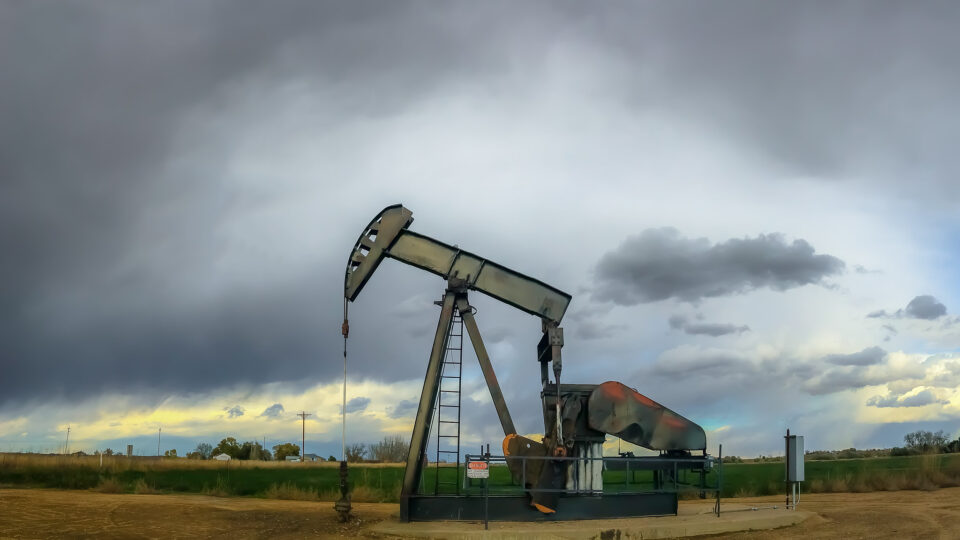
The idea is to capture the CO2 emitted from industrial processes or from the burning of fossil fuels in power generation, and then permanently store it out of harm’s way.  There are several different types of sites where the CO2 might be stored.  Deep saline aquifers are particularly desirable for the purpose, but depleted hydrocarbon reservoirs are commonplace and relatively simple to use.  These are oil and gas wells that have been drained of their resources.

In many cases, CO2 has already been injected into these depleted wells as a means of enhanced oil recovery.  Therefore, such wells provide a unique opportunity to study what happens to carbon dioxide when it’s stored in these places.

Researchers from Oxford University recently published a paper in the journal Nature that compared the state of depleted wells with injected carbon dioxide to that of wells without the injected gas.  They found that nearly 3/4 of the CO2 was dissolved in the groundwater.  Unexpectedly, they also found that 13-19% of the carbon dioxide was converted into methane by methanogenic bacteria.  Methane is less soluble, less compressible, and less reactive than carbon dioxide.

Producing methane in these wells is therefore undesirable.  Deeper sites that have temperatures too high for the bacteria to thrive are much more suitable.  This research is important for identifying future carbon capture and storage sites and for designing long-term monitoring programs that are essential for low-risk, long-term carbon storage.

**********

Web Links

Safer carbon capture and storage

Photo, posted November 6, 2015, courtesy of CL Baker via Flickr.

Earth Wise is a production of WAMC Northeast Public Radio.
A Hot Year With Record GHG Levels | Earth Wise

February 25, 2022 By EarthWise Leave a Comment

Record Greenhouse Gas levels

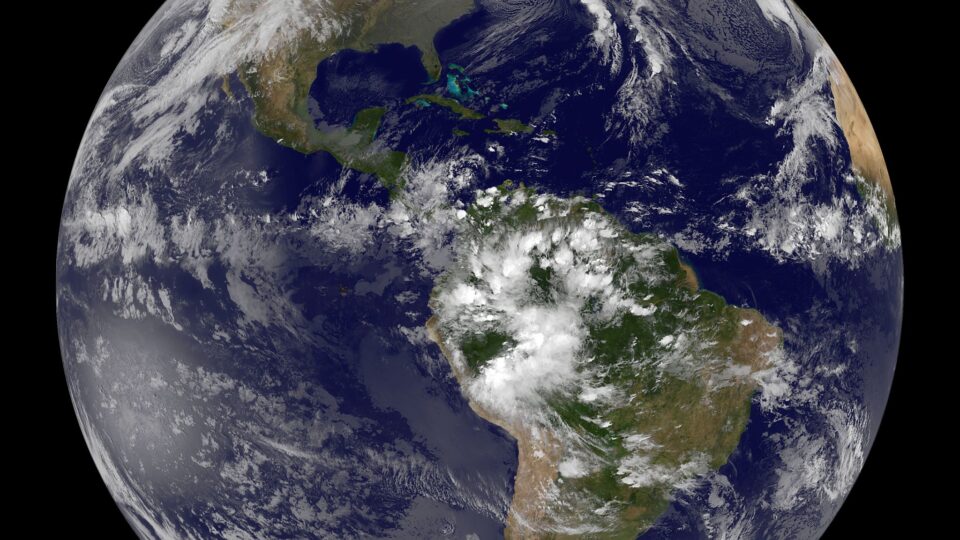
Last year was a year that saw rising temperatures and rising levels of greenhouse gases.  2021 was the fifth-hottest year on record.  The average global temperature was nearly 1.2 degrees Celsius or 2.1 Fahrenheit degrees higher than the preindustrial average.  The past seven years were the hottest ever by a significant margin.

The concentration of carbon dioxide in the atmosphere reached 414 parts per million, compared with preindustrial levels of 280 parts per million.  Concentrations of methane reached 1876 parts per billion, the highest levels ever recorded. 

Apart from these global measurements, local and regional weather saw the effects of the heating planet.  Extreme temperatures were common with the hottest summer in Europe, heatwaves in the Mediterranean, and unprecedented high temperatures in North America.

The West Coast of the US, northeast Canada, Greenland, and parts of north Africa and the Middle East all experienced the highest above-average temperatures.  However, some places, including Australia, Antarctica, Siberia, and much of the Pacific Ocean often saw below-average temperatures, even though the same places occasionally experienced record high temperatures.

The Covid-19 pandemic and its economic disruptions continued to lead to some reductions in greenhouse gas emissions, but in the US, emissions from energy use and industry nonetheless grew 6.2% in 2021 after falling more than 10% in 2020.

Carbon dioxide and methane concentrations are continuing to increase each year and don’t appear to be slowing down.  As long as this situation persists, global temperatures will continue to rise, and extreme and erratic weather will be more and more commonplace.

**********

Web Links

2021 Rated One of the Hottest Years Ever as CO2 Levels Hit Record High

Photo, posted November 11, 2011, courtesy of NASA Goddard Space Flight Center via Flickr.

Earth Wise is a production of WAMC Northeast Public Radio.
Oil Drilling In Los Angeles | Earth Wise      

February 24, 2022 By EarthWise Leave a Comment

Los Angeles may close its oil drilling chapter

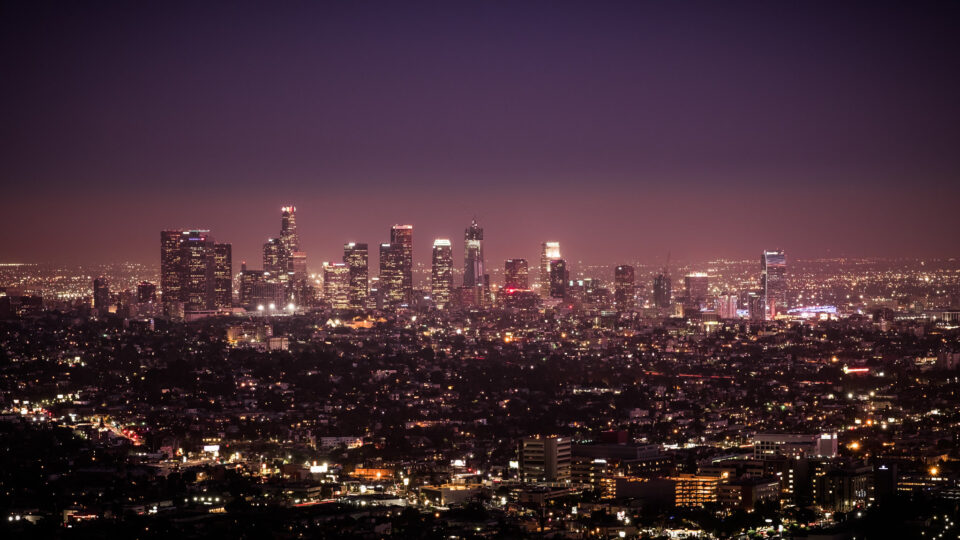
Movies were not the first industry to boom in Los Angeles.  Oil was.  There was a lot of it, and it flowed close to the surface triggering rampant drilling all over the area.  By the 1920s, Los Angeles was one of the largest oil-exporting regions in the world.

A century later, there are over 20,000 active, idle, or abandoned wells spread across LA county, home to 10 million people.  Some are hidden behind facades; others are plainly visible, pumping away day and night.  About a third of Angelenos live less than a mile from an active well site.  In the last 20 years, improved oil extraction technology has actually led to a resurgence of oil drilling in Los Angeles.

Studies of the health impact of LA’s oil wells found that asthma is significantly more common among people living near oil wells than elsewhere in the county.  Surveys of residents’ lung functions revealed lower function on average when people live near wells.   Measurements of toxins in the air – such as benzene, toluene, and n-hexane – showed that levels of these substances were significantly reduced when oil production at a site stopped.

This issue has finally come to the forefront after a nearly a decade of community organizing and studies of adverse health effects.  In a unanimous vote on January 26, the Los Angeles City Council took the first step toward phasing out all oil and gas extraction in the city by declaring oil extraction a nonconforming land use.  The LA County Board of Supervisors voted unanimously to phase out oil extraction in unincorporated county areas.  Los Angeles’ long, troubled history with urban oil drilling appears to be nearing an end.

**********

Web Links

Los Angeles’ long, troubled history with urban oil drilling is nearing an end after years of health concerns

Photo, posted March 26, 2016, courtesy of Giuseppe Milo via Flickr.

Earth Wise is a production of WAMC Northeast Public Radio.
Invasive Species On Ships In Antarctica | Earth Wise

February 23, 2022 By EarthWise Leave a Comment

Invasive species threaten Antarctica

The Southern Ocean around Antarctica is the most isolated marine environment on Earth.  Antarctica’s native species have been isolated for the last 15-30 million years.  As a result, wildlife there has not evolved the ability to tolerate the presence of many groups of species.

New research by the University of Cambridge and the British Antarctic Survey has traced the global movements of all the ships entering Antarctic water and has found that Antarctica is connected to all regions of the globe via ship activity to an extent much greater than previously thought.  Fishing, tourism, research, and supply ships are exposing Antarctica to invasive, non-native species that threaten the existing ecosystems.

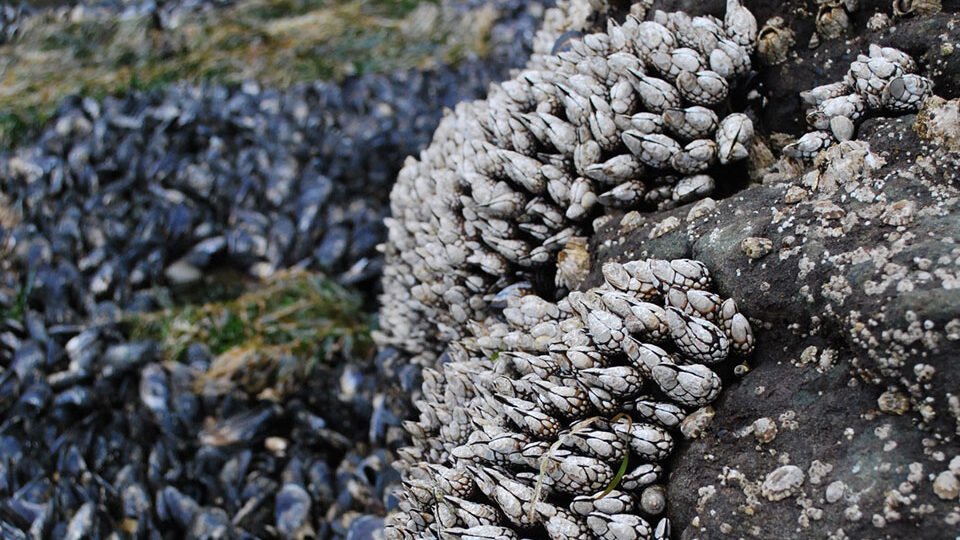
In all, the research identified over 1,500 ports with links to Antarctica.  From all these places, non-native species including mussels, barnacles, crabs, and algae attach themselves to ships’ hulls.  The process is known as biofouling. 

The greatest concern is the movement of species from pole to pole.  These species are already cold-adapted.  They may come on tourist or research vessels that spend the northern hemisphere summer in the Arctic before traveling south for the Antarctic summer season.

Mussels have no competitors in Antarctica should they be accidentally introduced.  Shallow water crabs would introduce a new form of predation that Antarctic animals have never encountered before.

Current biosecurity measures to protect Antarctica, such as cleaning ships’ hulls, focus on a small group of so-called gateway ports.  The new findings indicate that these measures need to be expanded to protect Antarctic waters from non-native species.

**********

Web Links

Invasive species ‘hitchhiking’ on ships threaten Antarctica’s unique ecosystems

Photo, posted April 12, 2016, courtesy of NOAA’s National Ocean Service via Flickr.

Earth Wise is a production of WAMC Northeast Public Radio.

A Car-Free Zone In Berlin | Earth Wise

February 22, 2022 By EarthWise Leave a Comment

Berlin aims going car-free

The regional parliament in Berlin is considering the creation of a car-free zone in the German capital as a result of a petition from a local advocacy group.  The group – called the People’s Decision for Auto-Free Berlin – collected 50,000 signatures, which was enough to require the Berlin Senate to take up the issue.

The city ban would apply to the space ringed by the S-Bahn train line, which circles the city center.  Known as the Ringbahn, the area enclosed was already established as a low-emission zone in 2008.  It is 34 square miles in area, larger than Manhattan.  The ban would restrict vehicle use to trucks, taxis, emergency vehicles, and limited car-sharing programs.

In Berlin, a combination of regular trains, ample bike lanes, and a robust network of public buses makes getting around without a car more practical than in many other major cities.  In fact, automobiles account for only 17% of trips inside of the Ringbahn.

Even so, there is still a lot of car traffic in the city center.  Advocates for the plan believe it would lead to a city with cleaner air and more livable spaces for its citizens.

If the Berlin Senate rejects the measure, the advocacy group will seek to collect 175,000 signatures, which would force the Senate to consider the matter for a second time.  If it is rejected again, it would automatically go to a referendum in 2023.

In Europe, it appears that the revolution in transportation may not just be one about electric vehicles, but in some places may be toward the removal of vehicles in general.

**********

Web Links

Berlin Looks to Create Car-Free Zone Larger Than Manhattan

Photo, posted March 30, 2019, courtesy of Falco Ermert via Flickr.

Earth Wise is a production of WAMC Northeast Public Radio.
Bald Eagles And Lead Poisoning | Earth Wise

February 21, 2022 By EarthWise Leave a Comment

Ammunition threatens bald eagles

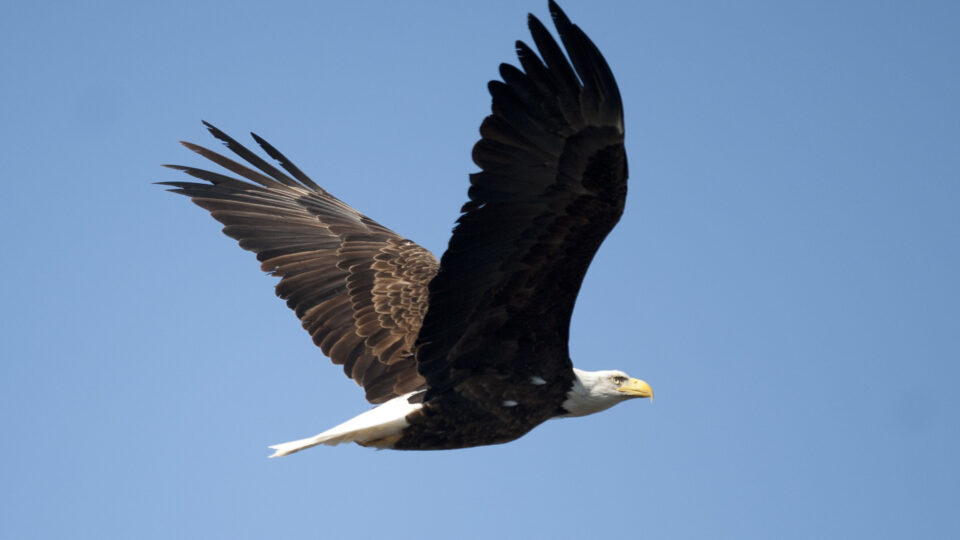
The bald eagle is the national bird of the United States.  It was once a common sight over much of the continent but was severely affected in the mid-20th century by a variety of factors, particularly the use of the pesticide DDT, which caused thinning of its eggshells and sterility.  In the 18th century, the bald eagle population was 300,000 – 500,000.  By the 1950s, there were only 412 nesting pairs in the 48 contiguous states.

The bald eagle was declared an endangered species in the US in 1967 and additional regulations strengthened protections for the bird.  The banning of DDT in 1972 was a major factor in the recovery of the species.

Bald eagle populations have been rebounding for decades but another issue is weakening that rebound – lead poisoning from gunshot ammunition.  According to a new study published in the Journal of Wildlife Management, poisoning from eating dead carcasses or parts contaminated by lead shot has reduced population growth by 4% to 6% annually in the Northeast.

Bald eagle numbers in the lower 48 states quadrupled between 2009 and 2021 to more than 316,000, according to a report by the U.S. Fish and Wildlife Service.  But even though the population has seemingly recovered, some combination of factors such as habitat loss, climate change, infectious disease, and lead poisoning could reverse the trends and lead to population declines.

The hope is that the study could help educate and inform policy on ammunition choices for hunters.  There are alternatives such as copper-based ammunition.  Human health can also be affected when bullets fragment inside game species and are then consumed.

**********

Web Links

Bald eagle rebound stunted by poisoning from lead ammunition

Photo, posted March 28, 2013, courtesy of Ben Johnson via Flickr.

Earth Wise is a production of WAMC Northeast Public Radio.
An Arctic Bus | Earth Wise

February 17, 2022 By EarthWise Leave a Comment

Developing a bus capable of navigating in the Arctic

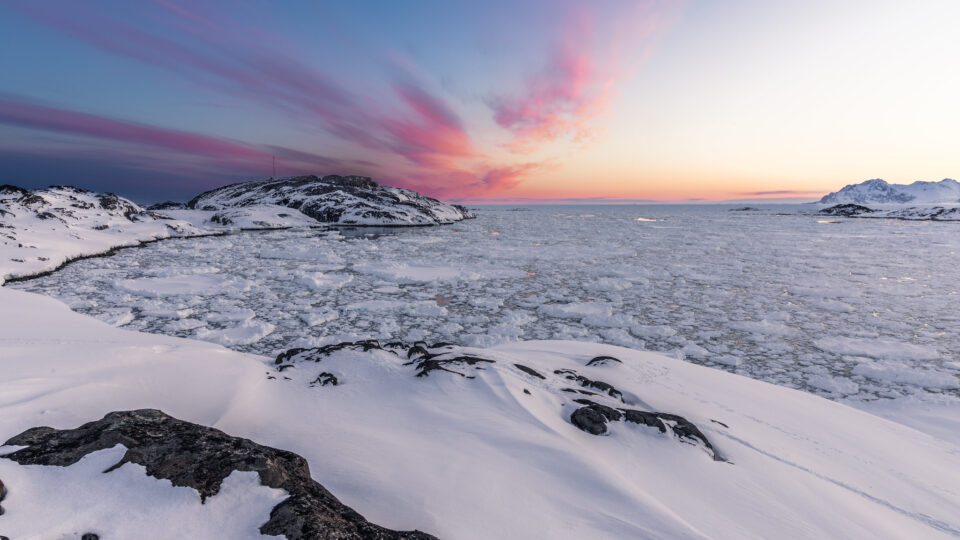
People have built vehicles for all sorts of extreme environments.  There are deep-sea exploration vessels and there have been lunar and Mars rovers.  But one thing that hasn’t existed so far are buses to transport groups of people around in extreme conditions in the Arctic.  Engineers at two Russian Universities are developing a passenger bus for riding in the Far North.   The project is being funded by the Russian Federation Ministry of Science and Higher Education and the URAL Automobile Manufacturing Plant.

The requirements for the vehicle are daunting.  The bus must be operable at extreme temperatures – 60 below zero Fahrenheit and lower – and have no difficulties even in challenging off-road conditions.

Current Arctic crew buses are not capable of getting through snow blockages and the all-terrain tracked vehicles that can get through them do not have sufficient passenger capacity. In addition to being able to go through snowbanks, the bus should be able to float on water for an hour.

Apart from its ability to withstand harsh Arctic conditions, the bus will also have a quarters module.  This means that it will have an autonomous life-support system for passengers in case of emergency.  The quarters module will be designed to sustain up to 20 people for up to 24 hours.  The module might also be used to hold medical equipment, thereby enabling practitioners to reach remote settlements and treat patients. 

The first tests of prototypes for the bus will be conducted in the near future.  The project aims to have the new Arctic Bus design complete and ready for manufacture by the end of 2023 and it will go into production in 2024.

**********

Web Links

“Arctic Bus” Being Readied to Be Tested in the Far North

Photo, posted April 21, 2017, courtesy of Markus Trienke via Flickr.

Earth Wise is a production of WAMC Northeast Public Radio.
The Sixth Mass Extinction | Earth Wise

February 16, 2022 By EarthWise Leave a Comment

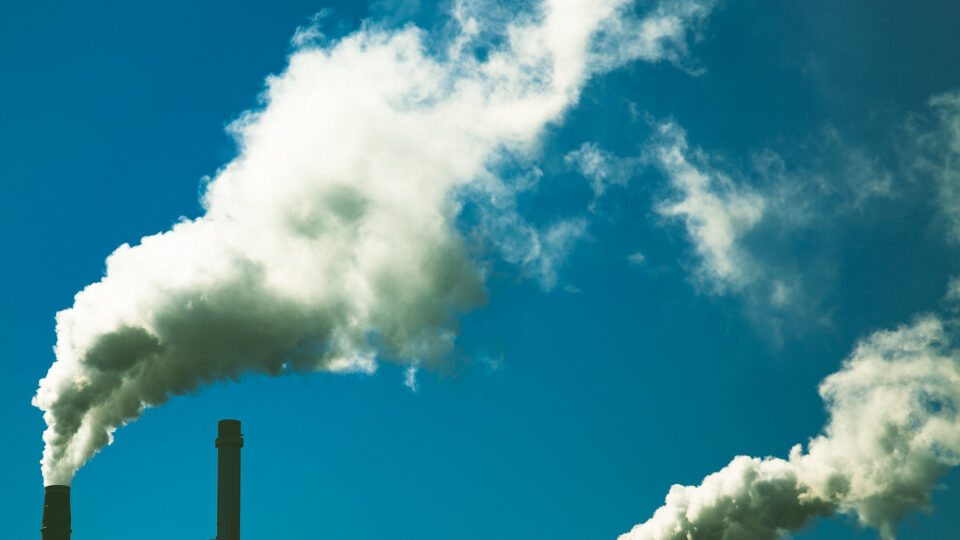
Human activities are driving the planet's sixth mass extinction

Extinction is a natural part of life.  Plants and animals disappear all the time.  When one species goes extinct, its place in the ecosystem is typically filled by another.  The so-called normal rate of extinction is thought to be somewhere between 0.1 and 1 species per 10,000 species per 100 years.

A mass extinction event is when species disappear at a much faster clip than they can be replaced.  By definition, mass extinction is when about three-quarters of the world’s species are lost in a short amount of time on a geologic scale, which is measured in millions of years.  

There have been five previous mass extinction events throughout the history of life on earth.  Today, many experts warn that a sixth mass extinction event is already underway – the first since dinosaurs were wiped out some 65 million years ago.  While previous mass extinctions were the result of extreme natural phenomena like volcanic eruptions and asteroid strikes, this one is a result of human activities. 

Researchers from the University of Hawai’i at Manoa and the National Museum of Natural History in France recently published a comprehensive assessment of evidence of this ongoing extinction event.  The researchers estimated that since the year 1500, Earth could already have lost between 7.5% and 13% of the two million known species on Earth.  This amounts to a staggering 150,000 to 260,000 species.

While mitigating the effects of climate change and reducing the rates of habitat loss would help, raising awareness of this crisis and its fallout for all life forms – including us – would be most effective in driving change. 

The time we have to avoid dramatic consequences is rapidly running out. 

**********

Web Links

Strong evidence shows Sixth Mass Extinction of global biodiversity in progress

Photo, posted September 18, 2015, courtesy of Tony Webster via Flickr.

Earth Wise is a production of WAMC Northeast Public Radio.
Upgrading The U.S. Power Grid | Earth Wise

February 15, 2022 By EarthWise Leave a Comment

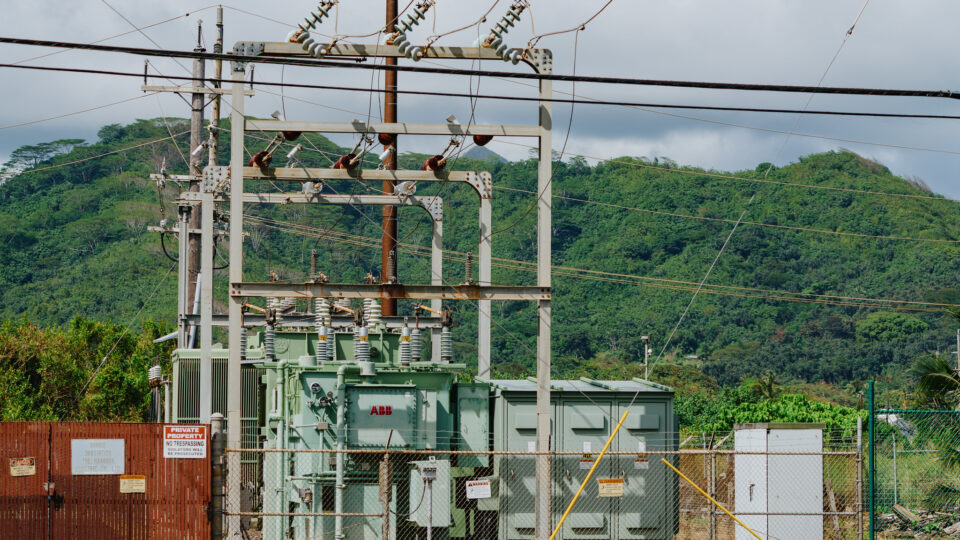
Upgrading the power grid in the United States

The Department of Energy has launched the Building a Better Grid Initiative to accelerate the development of new power transmission lines.  The initiative aims to upgrade the nation’s grid, connect more Americans to clean electricity, and reliably move clean electricity to where it is needed most. The initiative is a part of the Bipartisan Infrastructure bill that was signed into law in November.

Under the initiative, DOE will identify critical national transmission needs and support the buildout of long-distance, high-voltage transmission facilities as well as support transmission planning, financing mechanisms, transmission-related research and development, and efforts on energy justice.

DOE will deploy more than $20 billion in federal financing that includes more than $10 billion in grants to states, Tribes, and utilities to enhance grid resilience and prevent power outages.  It will also coordinate with other agencies to streamline permitting for transmission infrastructure. 

Seventy percent of the US grid’s transmission lines and power transformers are over 25 years old.  There is also insufficient transmission capacity, especially for transmission that facilitates transfer of power across regions.  The current grid is vulnerable to harsh weather and needs improved reliability.

Providing more transmission capacity in areas where it doesn’t exist today is essential for the integration of more large-scale renewable generation sources into the grid.  The national goal of 100% clean electricity by 2035 is not just about decarbonizing the generation sources.  A substantial upgrade to the transmission infrastructure is necessary and the Building a Better Grid Initiative is a major step in the right direction.

**********

Web Links

The big upgrade to the US power grid is kicking off

Photo, posted February 2, 2020, courtesy of Tony Webster via Flickr.

Earth Wise is a production of WAMC Northeast Public Radio.
The All-Time Hottest Day | Earth Wise

February 14, 2022 By EarthWise Leave a Comment

Climate change helping set heat records around the world

Last year saw record high temperatures in many places around the world and this year started out with more of the same.  In mid-January, Onslow, a small town in Western Australia, measured a high temperature of 123.3 degrees, tying the all-time highest temperature ever recorded anywhere in the Southern Hemisphere.  The previous reading was also made in Australia back in 1960.

The new temperature record was set just as climate institutions around the world were announcing that the past seven years have been the highest in recorded history.

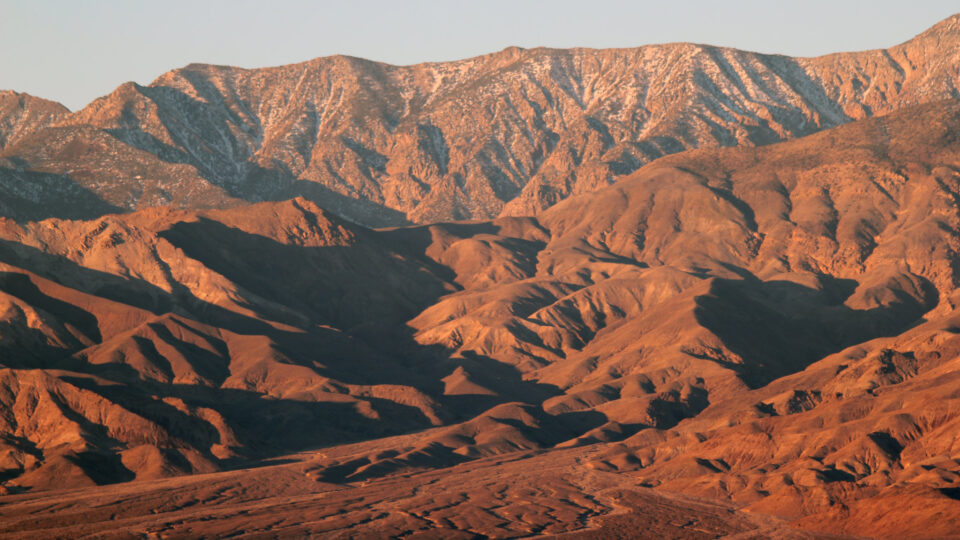
The list of temperature records set in 2020 and 2021 is a long one.   2020 was the hottest year in recorded history.  July 2021 was the hottest month ever recorded.   The hottest official temperature ever recorded anywhere in the world was 129.9 degrees, occurring in Death Valley, California on both August 16, 2020, and July 9, 2021. 

The hottest temperature ever recorded in the Arctic was 100.4 degrees on June 20, 2020 in Verkhoyansk in Russia’s Sakha Republic.  (Amazingly, that small town also holds the record for the coldest temperature ever recorded in Asia at -90 degrees). 2021 saw an all-time high temperature recorded in Europe, in Syracuse, Sicily, on August 11 at 119.8 degrees. 

Overall, 400 documented weather stations in communities or outposts worldwide established all-time high temperatures in 2021 alone.  The climate we have lived through over the past decades is changing and these changes will have consequences to our way of life.

**********

Web Links

Australia hits 123 degrees, tying hottest temperature on record in Southern Hemisphere

Photo, posted January 21, 2013, courtesy of A. Dombrowski via Flickr.

In ogni caso, un proverbio russo comune Informazioni: “Se curi un raffreddore, passa in sette giorni, e se non lo curi, in una settimana”, non è applicabile alla realtà spagnola.

Earth Wise is a production of WAMC Northeast Public Radio.

Lægemiddelbehandling, der kan nedsætte udskillelsen af FDE-hæmmere fra kroppen side. Beskrevne tilfælde af dødsfald i forbindelse med indtagelse af Viagra skyldtes oftest kombineret brug af dette lægemiddel med organiske nitrater.

A New “Wonder Material” | Earth Wise

February 11, 2022 By EarthWise Leave a Comment

A new wonder material

Graphene is a form of carbon made of single-atom-thick layers. It has many remarkable properties and researchers around the world continue to investigate its use in multiple applications.

In 2019, a new material composed of single-atom-thick layers was produced for the first time.  It is phosphorene nanoribbons or PNRs, which are ribbon-like strands of two-dimensional phosphorous.  These materials are tiny ribbons that can be a single atomic layer thick and less than 100 atoms wide but millions of atoms long.  They are comparable in aspect ratio to the cables that span the Golden Gate Bridge.   Theoretical studies have predicted how PNR properties could benefit all sorts of devices, including batteries, biomedical sensors, thermoelectric devices, nanoelectronics, and quantum computers. 

As an example, nanoribbons have great potential to create faster-charging batteries because they can hold more ions than can be stored in conventional battery materials.

Recently, for the first time, a team of researchers led by Imperial College London and University College London researchers has used PNRs to significantly improve the efficiency of a device.  The device is a new kind of solar cell, and it represents the first demonstration that this new wonder material might actually live up to its hype.

The researchers incorporated PNRs into solar cells made from perovskites.  The resultant devices had an efficiency above 21%, which is comparable to traditional silicon solar cells.  Apart from the measured results, the team was able to experimentally verify the mechanism by which the PNRs enhanced the improved efficiency.

Further studies using PNRs in devices will allow researchers to discover more mechanisms for how they can improve performance.

**********

Web Links

‘Wonder material’ phosphorene nanoribbons live up to hype in first demonstration

Photo, posted October 6, 2010, courtesy of Alexander AlUS / CORE-Materials via Flickr.

Earth Wise is a production of WAMC Northeast Public Radio.
Offshore Wind For New York | Earth Wise

February 10, 2022 By EarthWise Leave a Comment

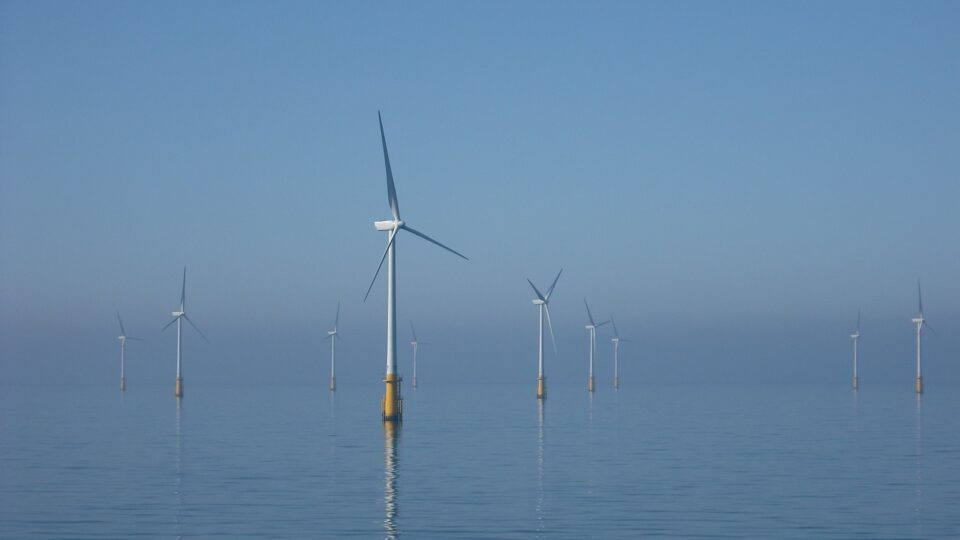
Offshore wind power expanding in New York State

In mid-January, the New York State Energy Research and Development Authority announced that it had finalized contracts with BP and Equinor for the Empire Wind 2 and Beacon Wind offshore wind farms.

The agreements brought to fruition contracts that were awarded in January of 2021 and represent one of the largest clean energy procurements ever in the United States.

Under the finalized contracts, Equinor and BP will provide 1,260 megawatts of offshore wind power from Empire Wind 2 and another 1,230 megawatts from Beacon Wind 1.  Once completed, Empire Wind 1, Empire Wind 2, and Beacon Wind 1 will produce enough electricity to power about 2 million New York homes.

As part of the project, there will be substantial investments in New York infrastructure.  The South Brooklyn Marine Terminal will be transformed into a major staging and assembly facility for the offshore wind industry and will be an operations and maintenance base for the project.   (The project will also invest in the Port of Albany, making it America’s first offshore wind tower and transition piece manufacturing facility).

Empire Wind is located 15-30 miles southeast of Long Island and spans an area of 80,000 acres.  Its two phases will eventually have an installed capacity of more than 2,000 megawatts.

Beacon Wind is located more than 60 miles east of Montauk Point and 20 miles south of Nantucket.  It covers an area of 128,000 acres.  Its two phases will ultimately also have a total capacity of more than 2,000 megawatts.

The wind farms will help generate more than a billion dollars in economic output to New York State.  Empire Wind 1 is expected to begin commercial operation in 2026 and the other wind farms over the following couple of years.

**********

Web Links

New York State just sealed a deal for 2.5 GW of offshore wind

Photo, posted March 24, 2016, courtesy of Andy Dingley via Flickr.

Earth Wise is a production of WAMC Northeast Public Radio.
Climate Change And Hurricanes In The Northeast | Earth Wise

February 9, 2022 By EarthWise Leave a Comment

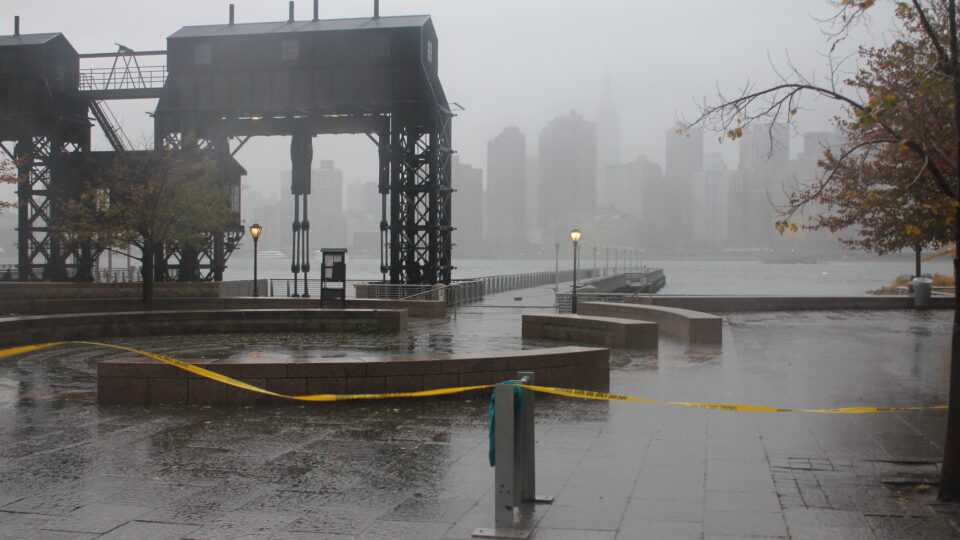
Climate change making hurricanes in the Northeast more likely

According to a new study led by Yale University, more hurricanes are likely to hit Connecticut and the northeastern U.S. as global warming continues to increase temperatures in the region.

Hurricane Henri made landfall in August as a tropical storm on the Connecticut/Rhode Island border.  In September 2020, subtropical storm Alpha made landfall in Portugal, the first subtropical or tropical cyclone ever observed to make landfall in the mainland of that country.

Tropical cyclones, hurricanes, and typhoons are typically intense and destructive in the lower latitudes. 

The study concludes that violent storms could migrate northward in our hemisphere and southward in the southern hemisphere as a result of warming caused by greenhouse gas emissions.

The research predicts that tropical cyclones will likely occur over a wider range of latitudes than has been the case on Earth for the last 3 million years.

In Connecticut, Hurricane Henri was not the only tropical storm to affect the region in 2021.  The remnants of Hurricane Ida brought damaging winds and torrential rain that felled trees and flooded streets and basements.

The northern expansion of such violent storms is going on as water levels in the Atlantic Ocean and Long Island Sound keep rising.  Because of melting glaciers thousands of miles away, water levels in Long Island Sound could rise by as much as 20 inches by 2050, enough to submerge parts of Groton’s shore and cause regular flooding in roads and neighborhoods.

Future hurricane prediction is an inexact science, but the ongoing trends do not bode well for the region.

**********

Web Links

More hurricanes likely to slam Connecticut and region due to climate change, says study

Photo, posted October 29, 2012, courtesy of Rachel via Flickr.

Earth Wise is a production of WAMC Northeast Public Radio.

  • « Go to Previous Page
  • Page 1
  • Interim pages omitted …
  • Page 45
  • Page 46
  • Page 47
  • Page 48
  • Page 49
  • Interim pages omitted …
  • Page 91
  • Go to Next Page »

Primary Sidebar

Recent Episodes

  • An uninsurable future
  • Clean energy and jobs
  • Insect declines in remote regions
  • Fossil fuel producing nations ignoring climate goals
  • Trouble for clownfishes

WAMC Northeast Public Radio

WAMC/Northeast Public Radio is a regional public radio network serving parts of seven northeastern states (more...)

Copyright © 2026 ·