• Skip to primary navigation
  • Skip to main content
  • Skip to primary sidebar

Earth Wise

A look at our changing environment.

  • Home
  • About Earth Wise
  • Where to Listen
  • All Articles
  • Show Search
Hide Search
You are here: Home / Archives for environment

environment

Moving Endangered Species | Earth Wise

December 5, 2022 By EarthWise Leave a Comment

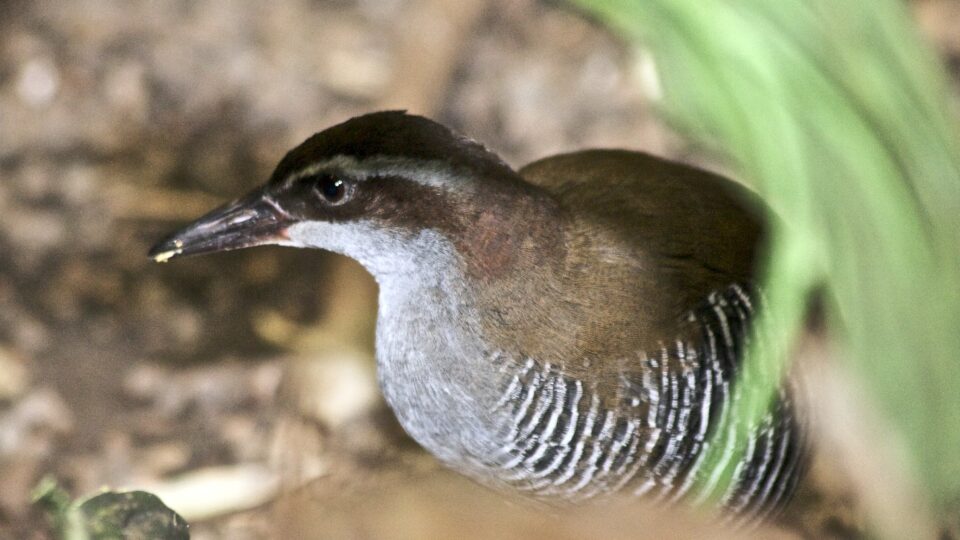
The risks and rewards of relocating endangered species

People have intentionally or accidentally introduced numerous invasive species to habitats around the world.  At the same time, the planet’s wildlife is in a steep decline.  A recent study estimated that the populations of over 5,000 vertebrate species have declined by an average of nearly 70% since 1970.  A United Nations report warns that human activity has threatened as many as a million species with extinction.

With all of this as a background, there is climate change that is altering the habitats of the world’s species – warming lakes and oceans, turning forests into grasslands, tundra into woodland, and melting glaciers.  In response to these changes, living things are rearranging themselves, migrating to more hospitable locations.  But many species are just not capable of finding more suitable habitats on their own.

Conservationists are now increasingly considering the use of assisted migration. In some cases, when a species’ critical habitat has been irreversibly altered or destroyed, agencies are establishing experimental populations outside of the species’ historical range.  Such actions are often deemed extreme but may be increasingly necessary.

However, clear-cut cases are relatively rare.  More likely, it is a more difficult judgement call as to whether assisted migration is a good idea or is possibly a threat to the ecosystem of the species’ new location.  The relative dearth of assisted migration experiments is less likely a result of legal barriers than it is a lack of scientific and societal consensus on the practice. Scientists are now trying to develop risk-analysis frameworks that various agencies can use in considering potential assisted migration experiments. 

**********

Web Links

Last Resort: Moving Endangered Species in Order to Save Them

Photo, posted March 18, 2010, courtesy of Jean via Flickr.

Earth Wise is a production of WAMC Northeast Public Radio
The Clean Energy Transition Is Accelerating | Earth Wise

December 2, 2022 By EarthWise Leave a Comment

The transition to clean and renewable energy is accelerating

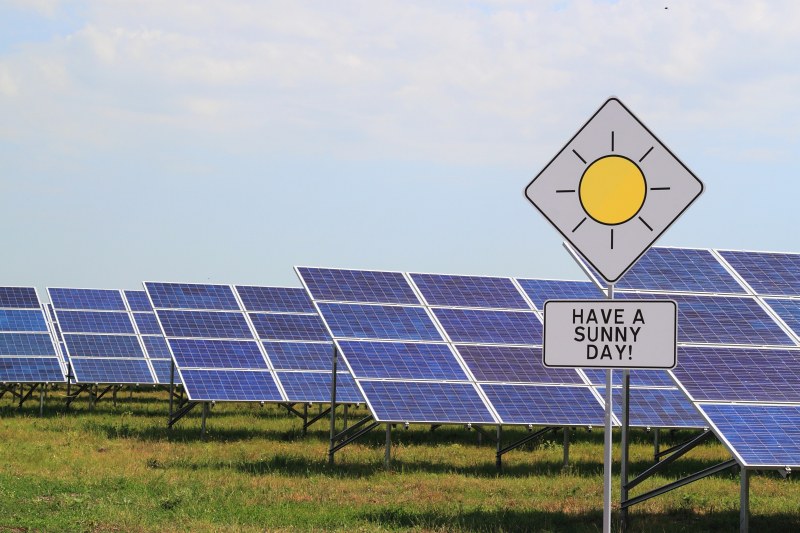
The world’s economies including its energy markets have been in turmoil in recent times but despite the chaotic conditions, the shift to clean energy is gaining momentum.  This year, for the first time, the world is investing more in wind and solar power than in oil and gas drilling.  Investments in renewables are expected to reach $494 billion this year, more than the $446 billion directed towards oil and gas extraction.  It is rather sobering to realize that the world is still spending nearly half a trillion dollars a year to dig up more oil and gas.

According to the International Energy Agency, there will be an estimated 340 gigawatts of new renewable power capacity installed in 2022.  This is roughly equal to the total installed power capacity of Japan, which has the world’s third-largest economy.  This year is also seeing tremendous growth in electric cars, which are projected to make up 13% of all light-duty vehicle sales across the globe.

According to analysis by Bloomberg Green, 87 countries are now getting at least 5% of their power from wind and solar.  This number is considered to be a critical tipping point at which emerging technologies become more widely adopted.  The United States reached that 5% threshold in 2011.  Last year, our country surpassed 20% solar and wind power.  If we follow trends set by pioneering countries like Denmark, Ireland, and others, wind and solar will supply at least half of our power within the next decade.

Despite the turbulence in global energy markets, the shift to clean power is ongoing.  Estimates are that global spending on renewables will double over the next 10 years. 

**********

Web Links

Despite Turmoil in Energy Markets, the Shift to Clean Energy Is Gaining Steam

Photo, posted June 12, 2013, courtesy of Activ Solar via Flickr.

Earth Wise is a production of WAMC Northeast Public Radio
Whales Eating Plastic | Earth Wise

December 1, 2022 By EarthWise Leave a Comment

Whales are eating lots of plastic

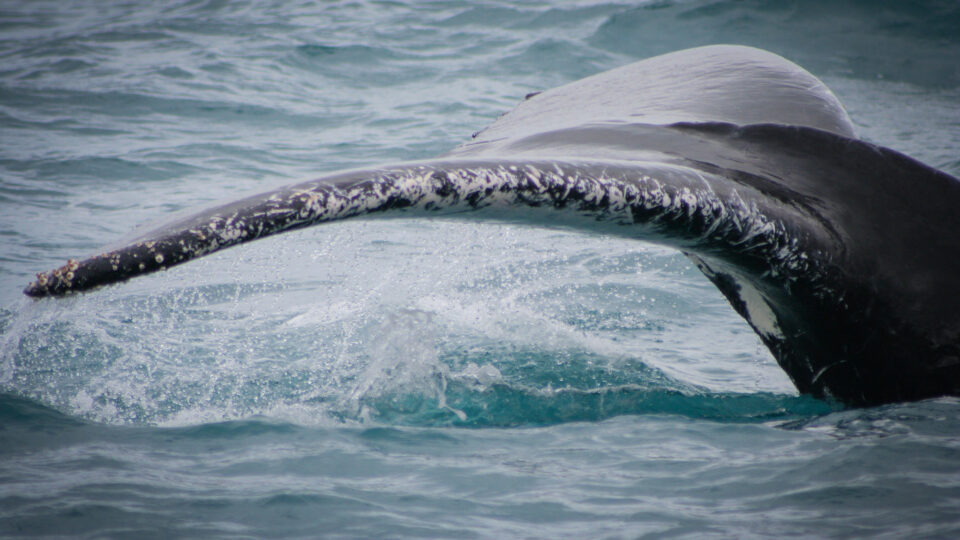
Plastic waste has been accumulating in the world’s oceans in greater and greater quantities and much of it is in the form of microplastic particles.  Many kinds of whales – the largest creatures on Earth – feed by gulping up mouthfuls of krill and other tiny creatures and then straining the seawater through bristly filter structures called baleens.  As they do this, they are likely to be swallowing large amounts of plastic.

Scientists at Stanford University recently estimated just how much plastic whales are ingesting by tracking the foraging behavior of 65 humpback whales, 29 fin whales, and 126 blue whales in the Pacific Ocean.  Each of the whales was tagged with a camera, microphone, and GPS device suction-cupped to their back.

After accounting for the concentration of microplastics in parts of the Pacific Ocean, the researchers were able to estimate the amount of plastic the whales were consuming.  Humpback whales likely consume 4 million microplastic pieces each day, adding up to about 38 pounds of plastic waste.  Fin whales swallow an estimated 6 million pieces each – amounting to 57 pounds of plastic.  Blue whales, which are the largest creatures on Earth, eat an estimated 10 million microplastic pieces, or as much as 95 pounds of plastic waste each day.

Despite their enormous size, whales actually eat rather low on the food chain, which puts them close to where the plastic is in the water.   Krill eats plastic and whales eat the krill.   Many marine animals are at risk of eating microplastics, but whales are unique in that they can consume so much of it.  It is just one more way in which the ocean plastic situation is a global crisis.

**********

Web Links

Blue Whales Swallowing 95 Pounds of Plastic Daily, Scientists Estimate

Photo, posted October 21, 2005, courtesy of Tobias Begemann via Flickr.

Earth Wise is a production of WAMC Northeast Public Radio
Mosquito Magnets | Earth Wise

November 30, 2022 By EarthWise Leave a Comment

Some people are mosquito magnets

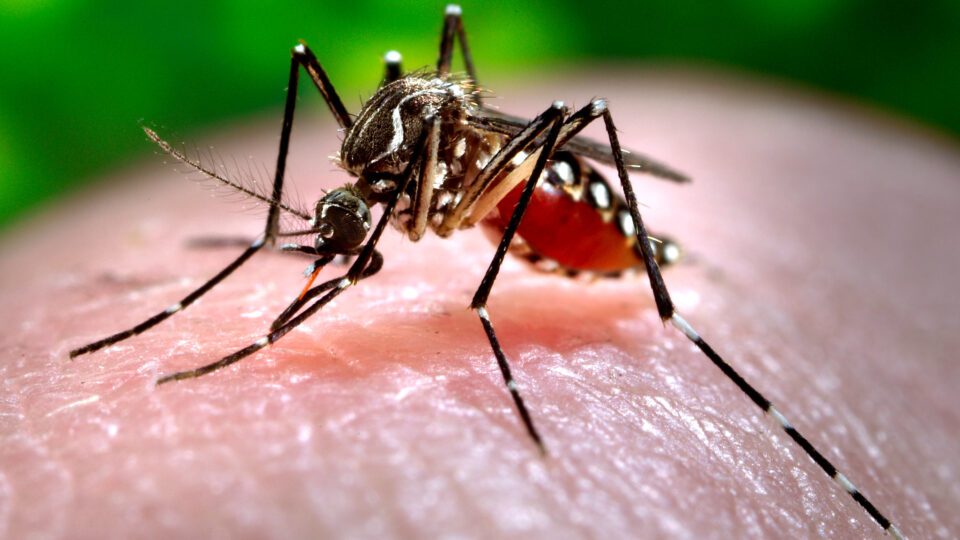
We’ve all probably had the experience of being in the great outdoors with other people and having some of them being nearly devoured by mosquitoes while others didn’t get bitten at all.  It seemed like some people are mosquito magnets while others just aren’t the insects’ cup of tea, so to speak.

There have been various theories proposed over the years including such things as it being a question of blood type, or it having to do with how close one’s blood vessels are to their skin surface.

A new study by the Howard Hughes Medical Institute and the Rockefeller University has uncovered what appears to be the real explanation.  According to the paper published in the journal Cell, certain body odors are the deciding factor.  Every person has a unique scent profile associated with different chemicals present on their skin.  The researchers found that people whose skin produces high levels of carboxylic acids are the most attractive to mosquitos.

The researchers collected scent samples from participants by having them wear silk stockings on their arms for six hours.  The nylons were then cut into pieces and the pieces exposed to mosquitos.  After several months of head-to-head battles between various nylon samples, the study clearly demonstrated that the samples from subjects with higher levels of carboxylic acids in the skin were far more attractive to mosquitos.

Humans produce the substance at much higher levels than other animals.  There is little one can do about their own levels.  Changing one’s diet or what soap they use doesn’t seem to make a difference. 

Perhaps researchers can come up with some method of breaking down carboxylic acids in the skin in the future.  Until such time, there are really people who are mosquito magnets.

**********

Web Links

Some People Really Are Mosquito Magnets, and They’re Stuck That Way

Photo, posted September 4, 2014, courtesy of James Gathany / Centers for Disease Control via Flickr.

Earth Wise is a production of WAMC Northeast Public Radio
The Carbon Footprint Of Electric Vehicles | Earth Wise

November 29, 2022 By EarthWise Leave a Comment

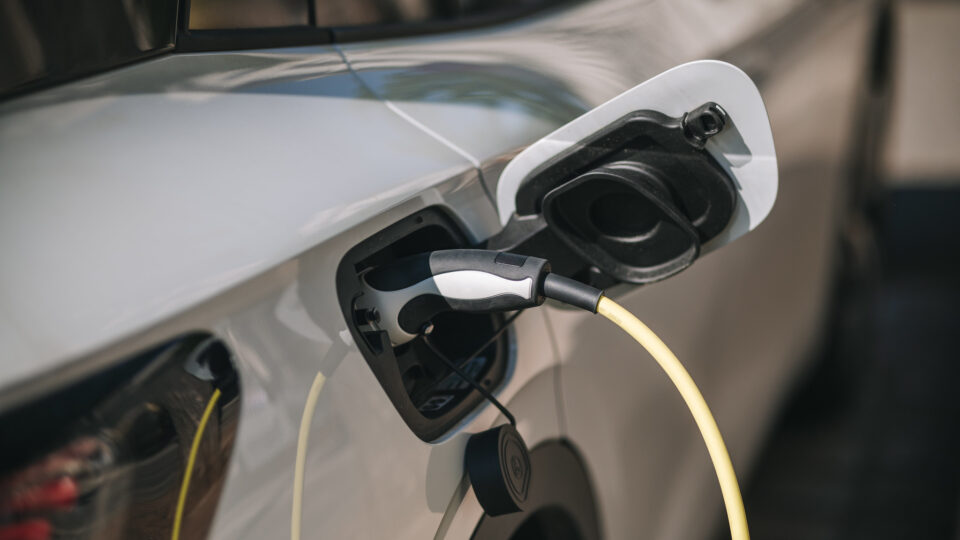
Electric vehicles are widely known to be the environmentally friendly alternative to internal combustion-based cars.   But there are skeptics who argue that EVs actually have a larger carbon footprint than nonelectric vehicles.  The argument is that the manufacturing and disposal of vehicle batteries is very carbon intensive.  They also point to the reliance on coal to produce the electricity that powers the cars.

These claims have led to multiple studies in the form of life-cycle analyses comparing the amount of greenhouse gases created by the production, use, and disposal of a battery electric vehicle to that associated with a gasoline-powered car of a similar size.

In short, the studies have found that while it is true that the production of a battery electric vehicle results in more emissions than a gasoline-powered one, this difference disappears as the vehicle is driven. 

According to a study conducted by the University of Michigan and financed by the Ford Motor Company, the emissions equation evens out in 1.4-1.5 years for sedans, 1.6-1.9 years for S.U.V.s, and about 1.6 years for pickup trucks.

Emissions from driving come from burning gas in the nonelectric vehicles and from the generation of electricity used by the battery-powered cars.  In the current average power mix across the U.S., driving an EV results in a 35% reduction in emissions.  However, it varies tremendously by location.  There are some places with very dirty power and some with very clean power.  But of the more than 3,000 counties in the U.S., only 78 end up with higher emissions from electric cars.  Of course, as the electric grid gets greener, the advantages of electric cars only become greater.

**********

Web Links

E.V.s Start With a Bigger Carbon Footprint. But That Doesn’t Last.

Photo, posted May 21, 2022, courtesy of Ivan Radic via Flickr.

Earth Wise is a production of WAMC Northeast Public Radio
The State Of The Birds | Earth Wise

November 28, 2022 By EarthWise Leave a Comment

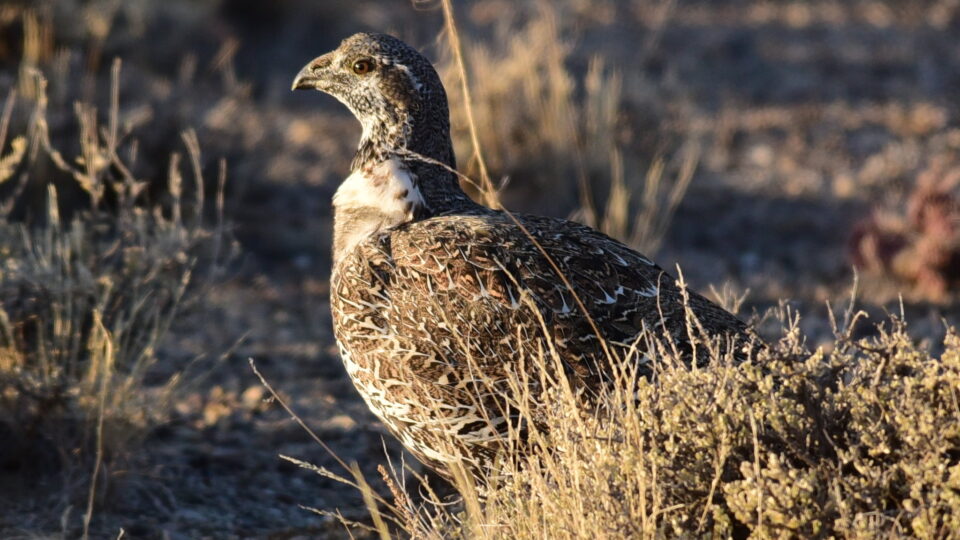
The U.S. Committee of the North American Bird Conservation Initiative has published the State of the Birds 2022, an assessment of bird populations in North America. The news is not good.  The report identifies 70 Tipping Point species, which are those that have lost half or more of their breeding population since 1970 and are on track to lose another half or more in the next 50 years. According to research published in Science in 2019, the United States and Canada have lost 3 billion breeding birds since 1970, which is about a quarter of the total population.

More than half of the bird species in the United States are in decline. According to the Conservation Initiative, the tipping point species in particular require proactive conservation protections to avoid becoming endangered.  Species that inhabit grasslands are declining more rapidly, while waterfowl like ducks and geese are actually increasing.  That increase is most likely a result of the investments in conservation funded by the hunting industry.

Those waterfowl gains demonstrate that when there are concerted efforts to protect and promote bird populations, positve changes can happen.  Some say that protecting birds is not a high priority given all the other crises in the world, but what is good for birds is also good for people.  For example, planting trees and other vegetation to enhance bird habitat also helps to sequester carbon, protect coastlines from storm surges, increase groundwater recharge, and reduce urban heating effects.

The loss of 3 billion birds is a major biodiversity crisis and requires action.  Bird conservation benefits wildlife, people, entire ecosystems, and our planet.

**********

Web Links

What’s Good for Birds Is Good for People and the Planet. But More Than Half of Bird Species in the U.S. Are in Decline

Photo, posted November 4, 2020, courtesy of Tom Koerner/U.S. Fish and Wildlife Service via Flickr.

Earth Wise is a production of WAMC Northeast Public Radio

Food Waste And The Environment | Earth Wise

November 25, 2022 By EarthWise Leave a Comment

It is tragic that 31% of the world’s food production goes uneaten.  About 14% isn’t distributed after it is harvested.  Another 17% ends up wasted in retail or by consumers.  Worldwide, the amount of food that is wasted is enough to feed more than a billion people while at least 828 million people continue to be affected by hunger.  To make matters worse, food waste accounts for 8 to 10% of global greenhouse gas emissions, which is at least double that of aviation.  Food waste, rotting away in landfills, produces methane gas, a major source of global warming.

Around the world, there are efforts being launched to try to improve the situation.  California now has a law that requires grocery stores to donate edible food that would otherwise be disposed of or they face fines.  The state’s cities and counties are required to reduce the amount of organic waste going into landfills by 75% by 2025 and compost it instead.

In London, grocers no longer put date labels on fruits and vegetables because the labels were leading people to trash perfectly good food.  France now requires supermarkets and large caterers to donate food that is still safe to eat.

South Korea has little space for landfills.  So, the country has been campaigning against throwing away food for 20 years.  Nearly all organic waste in the country is turned into animal feed, compost, or biogas.  Koreans even have to pay for throwing out food waste.  There are now trash bins equipped with electronic sensors that weigh food waste.

All of these things can help.  There is no single magic bullet for reducing food waste, but it is essential to do for so many reasons.

**********

Web Links

Inside the Global Effort to Keep Perfectly Good Food Out of the Dump

Photo, posted November 30, 2020, courtesy of Marco Verch via Flickr.

Earth Wise is a production of WAMC Northeast Public Radio
Climate Promises | Earth Wise

November 23, 2022 By EarthWise Leave a Comment

Countries are making climate promises, but are they following through?

The United Nations climate change conference that recently took place in Egypt is an annual event.  Last year, the conference was in Glasgow, Scotland, and the participants – heads of state and business leaders – produced a long list of promises aimed at fighting global warming.  How have the countries and companies making those promises done so far?  Unfortunately, not very well.

Participants made pledges for progress in several major areas.

Countries promised to cut greenhouse gas emissions faster, but only 24 countries out of the 140 participants have actually done so.

Countries agreed to expedite the deployment of clean energy and the phasing out of government subsidies for fossil fuels.  There has been considerable progress on green power, but coal use actually reached record highs this year primarily because of Russia’s invasion of Ukraine, which caused natural gas prices to spike.

Countries pledged $100 billion a year to help poorer countries shift to cleaner energy sources.  There has been lots of effort in this area, but the target has not been met and it isn’t clear that all the money is going where it is supposed to.

More than 100 countries pledged to slash methane emissions, but most nations are only getting started.

More than 130 countries pledged to halt and reverse deforestation by 2030.  Deforestation is slowly declining, but not fast enough to meet the goals of the pledge.

An important goal for this year’s climate conference was to try to find a way to not just set admirable and valuable climate goals, but to actually accomplish them.  It isn’t easy, but it is essential.

**********

Web Links

Countries Made Bold Climate Promises Last Year. How Are They Doing?

Photo, posted July 25, 2009, courtesy of Wagner T. Cassimiro via Flickr.

Earth Wise is a production of WAMC Northeast Public Radio
The Living Planet Index | Earth Wise

November 22, 2022 By EarthWise Leave a Comment

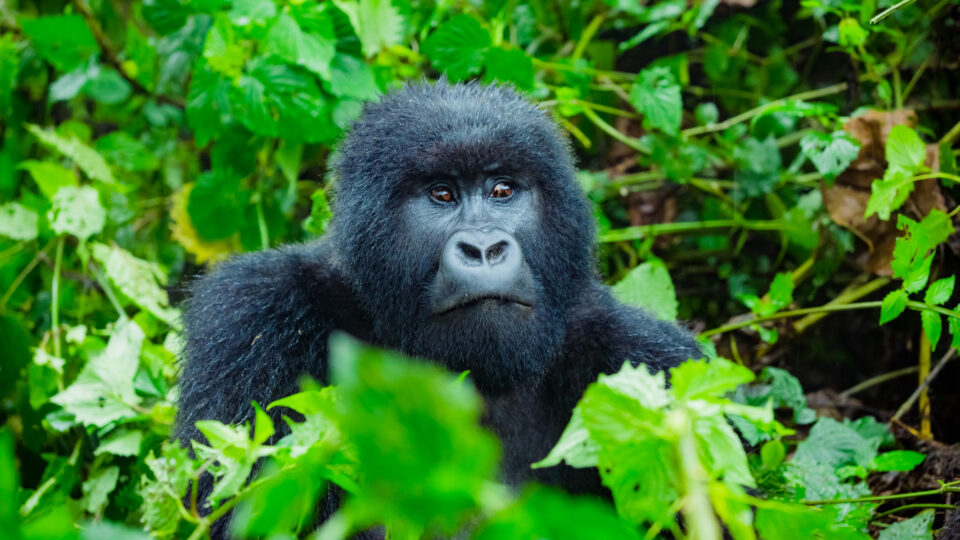
The World Wildlife Fund and the Zoological Society of London recently published the latest Living Planet Index, which is designed to measure how animal populations are changing through time.  The purpose is to provide an assessment of the health of ecosystems and the state of biodiversity.

The LPI only looks at the population of vertebrates:  birds, mammals, reptiles, amphibians, and fish.  The latest survey looked at how populations have changed between 1970 and 2018.  The results are that populations of these animal groups have declined by an average of 69% over that 48-year period.

This result highlights a very real and very severe crisis of biodiversity loss.  However, it does not mean that there are 2/3 fewer animals today than 48 years ago.  The way the index is calculated is to look at the changes in individual populations of over 5,000 different species.  Then these individual relative declines are averaged to get the result.  

There are shortcomings in the LPI.  For example, individual species that have seen massive population declines will bring the average down.  But even removing the outliers both of a negative and a positive impact does not dramatically change the result.

There is no perfect indicator for biodiversity and ecosystem health.  The Living Planet Index is nonetheless a useful metric and indicates that many species around the world are in decline.  Policymakers and environmental advocates need to make decisions about conservation and protection measures and this index is one tool they can use.

**********

Web Links

There’s a frightening new report about wildlife declines. But many are getting the story wrong.

Photo, posted October 12, 2019, courtesy of Visit Rwanda via Flickr.

Earth Wise is a production of WAMC Northeast Public Radio
El Paso’s Water Future | Earth Wise

November 21, 2022 By EarthWise Leave a Comment

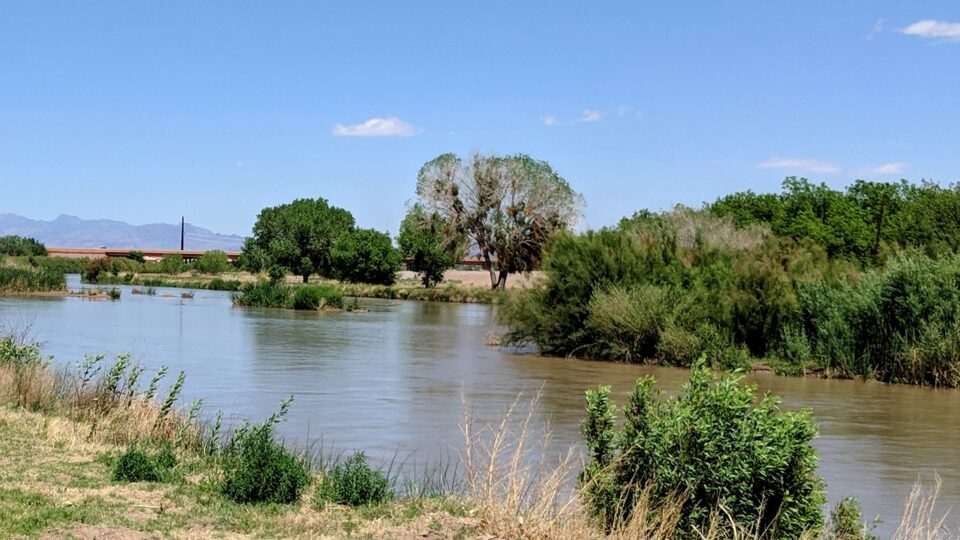
The water future of El Paso uncertain as the Rio Grande river dries up

El Paso, Texas is part of the Paso del Norte region, which includes Ciudad Juarez in Mexico and Las Cruces, New Mexico.  The population on both sides of the border is booming, approaching 3 million people.  The region’s primary water source is the Rio Grande River.  But that river is declining.

Rising temperatures and decreasing rainfall have led to diminishing flow in the river.  Eighty percent of the river’s flow has historically been diverted to agriculture, but the reduced flow of the Rio Grande has forced many farmers to reduce planting or change to less water-hungry crops.  The river is expected to continue to decrease its flow as time goes by.

The city of El Paso gets 40% of its water supply directly from the Rio Grande.  Urban water authorities in the region are scrambling to find ways to provide cities with alternative supplies of water.

El Paso now gets some of its water from a desalination plant, which is the world’s largest inland municipal desalination plant.  The water comes from brackish groundwater rather than from the sea.  The briny waste from the plant is piped to an injection well many miles way and is permanently stored 4,000 feet underground.

El Paso continues to seek new water sources and reduce its water use.  It gets much of its water from wells drilled in nearby aquifers.  It is working to make this use of groundwater more sustainable.  The city recycles used residential water through its so-called purple pipe system, which cleans up waste water and delivers it for non-potable use on golf courses and park lawns. 

Like many places in the increasingly dry west, El Paso’s water future is uncertain. 

**********

Web Links

As Rio Grande Shrinks, El Paso Plans for Uncertain Water Future

Photo, posted April 29, 2018, courtesy of R. Baire via Flickr.

Earth Wise is a production of WAMC Northeast Public Radio
Turning Plastic Into Protein | Earth Wise

November 18, 2022 By EarthWise Leave a Comment

Turning plastic waste into food

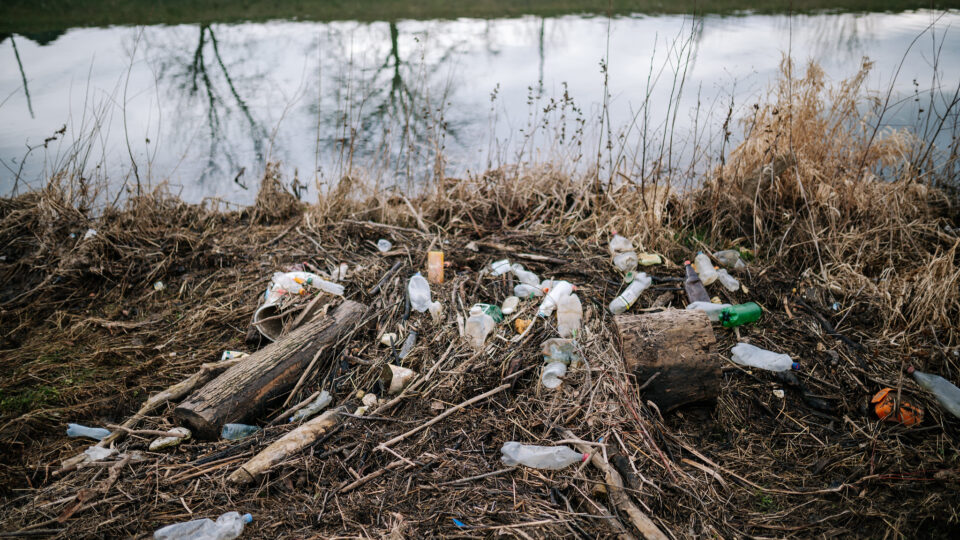
Our planet is choking on plastic.  According to the United Nations, 79% of the 6.3 billion tons of plastic produced every year accumulates in landfills.  Half of all plastic produced is actually designed to be used just once and thrown away.  But plastic is not only accumulating on land.  In fact, the world’s oceans are projected to contain more plastic by weight than fish by the year 2050.     

According to new research, solving the plastic waste issue could help address another prominent global issue: hunger.  A multidisciplinary team of engineers, chemists, and biologists led by researchers from Michigan Tech University has developed a process to break plastics down to be recycled into useful products, including edible protein powder.

The research team’s process converts plastic into compounds using heat and a reactor that deconstructs the material’s polymer chains. The oil-like substance is then fed to a community of oil-eating bacteria.  The bacteria grow rapidly on the oily diet, producing more bacterial cells composed of roughly 55% protein.  This majority-protein byproduct is then dried out and turned into an edible powder.   The end result doesn’t look like plastic at all.  In fact, it resembles a yeast byproduct that comes from brewing beer. 

This research is funded by an award from the US Department of Defense.  The DoD often deploys soldiers in areas where access to food is challenging.  Converting plastic to protein could be part of a solution to that problem. 

While eating something that began as plastic might take some getting used to, it could be part of the solution to both plastic pollution and global hunger.

**********

Web Links

Turning Trash Into Treasure: The Plastic to Protein Powder Solution

Beat Plastic Pollution

Photo, posted February 2, 2022, courtesy of Ivan Radic via Flickr.

Earth Wise is a production of WAMC Northeast Public Radio
Hybrid Renewable Energy Plants | Earth Wise

November 17, 2022 By EarthWise Leave a Comment

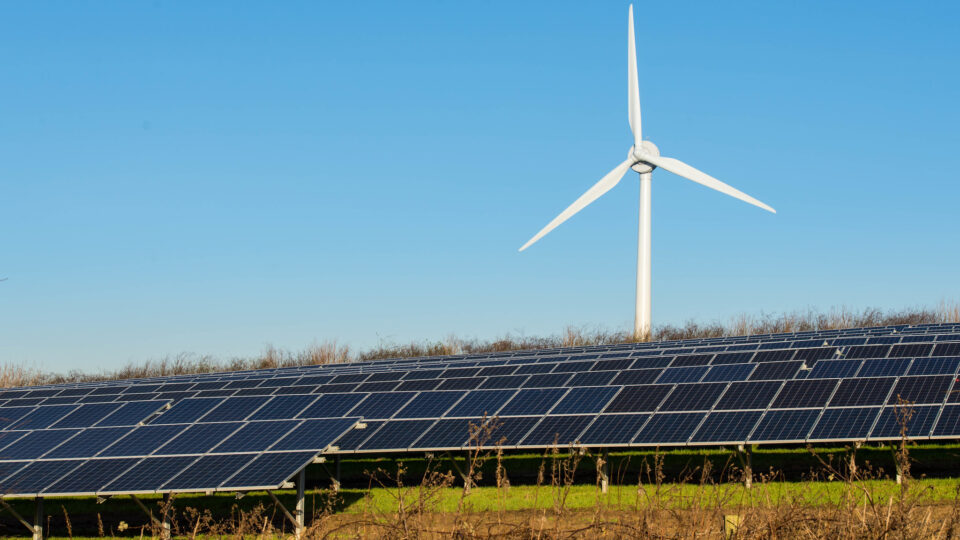
Hybrid renewable energy systems combine multiple renewable energy and/or energy storage technologies into a single plant.  The goal is to reduce costs and increase energy output relative to separate systems taking advantage of common infrastructure and the ability of one renewable energy source having appreciable output while a second one might not at a particular time.

Recently, the largest hybrid renewable power plant in the United States was completed in rural Oregon.  The Wheatridge Renewable Energy Facility combines a wind farm, a solar array, and battery storage.

Plants that include just solar power and energy storage are also called hybrid plants, but the Wheatridge Facility is special because it includes wind power.  The facility comprises a 200-megawatt wind farm, a 50-megawatt solar array, and a 30-megawatt battery system capable of providing power for four hours.  The combined system can provide for the electricity needs of about 100,000 homes.

There are about 140 projects in the United States that combine solar and storage.  There are 14 that combine solar and wind.  There are only four plants – with the completion of Wheatridge – that have wind, solar, and storage.  

Wind and solar energy are generally complementary technologies.  Wind is usually strongest at night while solar, of course, is a daytime source of energy.  Solar and wind plants don’t need to be close together to take advantage of this, but hybrid projects benefit from needing only one grid connection and one lease for land.

**********

Web Links

A Clean Energy Trifecta: Wind, Solar and Storage in the Same Project

Photo, posted December 27, 2015, courtesy of Gerry Machen via Flickr.

Earth Wise is a production of WAMC Northeast Public Radio
California Offshore Wind | Earth Wise

November 16, 2022 By EarthWise Leave a Comment

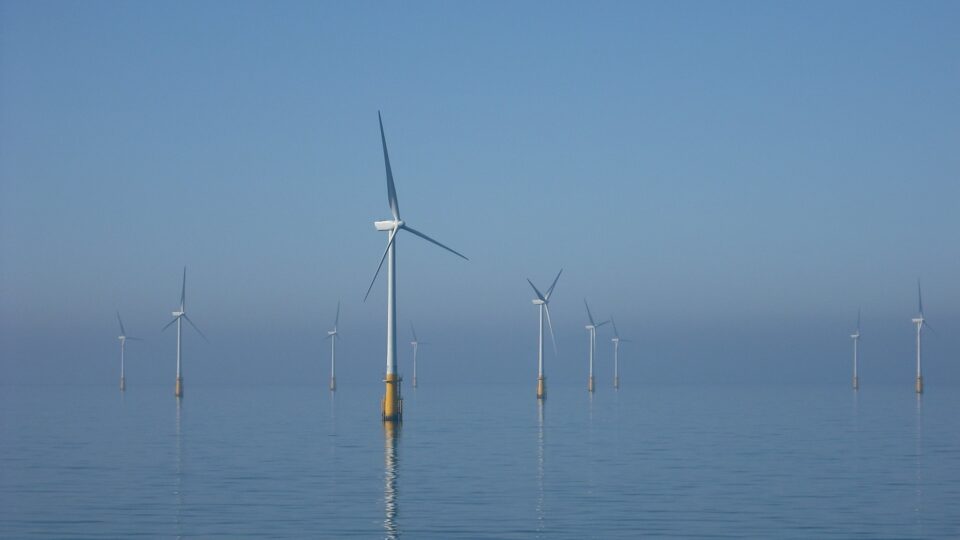
California has tremendous potential offshore wind resources.  The state set a preliminary target of 15 GW of offshore wind by 2045 earlier this year and may increase that number to 25 GW.  But installing offshore wind on the West Coast is much more challenging than it is on the East Coast.  The reason is that the ocean floor drops off rapidly on the Pacific Coast and it is simply not practical to attach wind turbines to the sea bottom.  Instead, floating turbine technology will be required.  That is more complicated and more expensive.

Despite the challenges, offshore wind in California is moving forward.  The federal Bureau of Ocean Energy Management announced that the auction for rights to develop waters off central and northern California will be held on December 6.  This will be the first wind auction ever along the U.S. Pacific Coast.

The auction will include three lease areas in the Morro Bay Wind Energy Area and two proposed areas in the Humboldt Wind Energy Area.  Combined, the two areas cover over 370,000 acres and could potentially host over 4.5 GW of wind generating capacity.  The projects developed in these areas are likely to become the first floating offshore wind projects in operation in the U.S.

Apart from the challenges of building floating wind installations, there will be the issue of the electric grid in the proposed regions being able to support the added generation from the wind farms.  Substantial grid upgrades will be needed to accommodate all the power coming from the offshore facilities.  In addition, California offshore wind projects will need to jump-start new supply chains in the U.S.

**********

Web Links

Date is set for California offshore wind lease auction

Photo, posted March 24, 2016, courtesy of Andy Dingley / TEIA via Flickr.

Earth Wise is a production of WAMC Northeast Public Radio
Agrivoltaics | Earth Wise

November 15, 2022 By EarthWise Leave a Comment

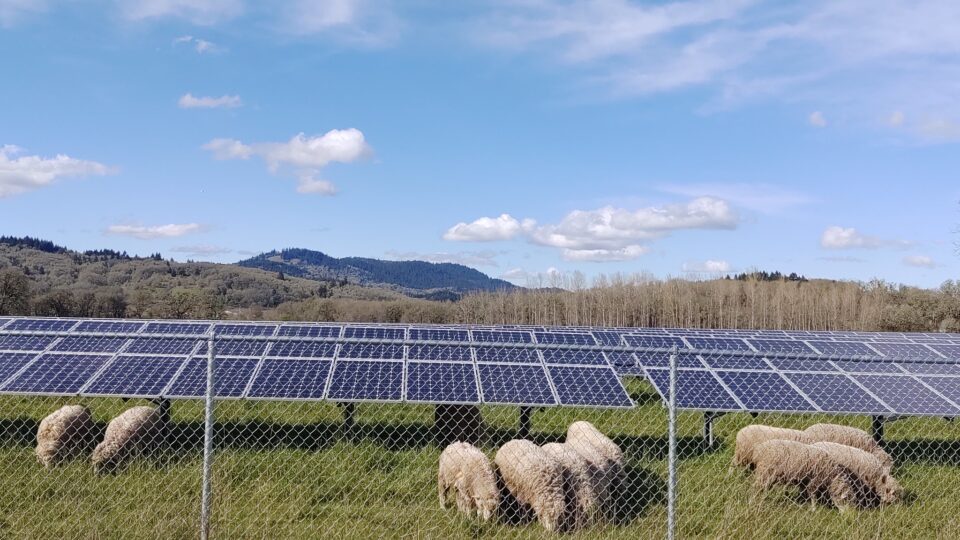
According to a study last year at Oregon State University, co-developing land for both solar photovoltaic power and agriculture could provide 20% of total electricity generation in the United States with an investment of less than 1% of the annual U.S. budget.  Widespread installation of agrivoltaic systems could reduce carbon emissions by 330,000 tons annually and create more than 100,000 jobs in rural communities.

Agrivoltaics could provide the synergistic combination of more food, more energy, lower water demand, lower carbon emissions, and improved local prosperity.  The problem with agrivoltaics to date is that the existing implementations have used solar arrays designed strictly for electricity generation rather than to be used in combination with agriculture.  They are not that well suited to co-exist with growing crops or grazing animals.

A new project is underway at Oregon State that will help researchers to optimize agrivoltaic systems.  The five-acre Solar Harvest Project is being built at the university’s North Willamette Research and Extension Center in Aurora, Oregon in partnership with the Oregon Clean Power Cooperative. 

The solar array for the project is designed specifically for agrivoltaics research and uses panels that are more spread out and able to rotate to a near vertical position to allow farm equipment to pass through.  The project will allow researchers to study the impact of solar panels on soil health, water use, and plant physiology and yields.

Electricity generated from the 326-kW solar system will be available for purchase by Oregon State and community members. 

**********

Web Links

Construction starts on Oregon State agrivoltaics farm that will merge agriculture and solar energy

Photo, posted April 5, 2020, courtesy of Sean Nealon / Oregon State University via Flickr.

Earth Wise is a production of WAMC Northeast Public Radio
The Snail Darter Is Safe | Earth Wise

November 14, 2022 By EarthWise Leave a Comment

The snail darter population has recovered

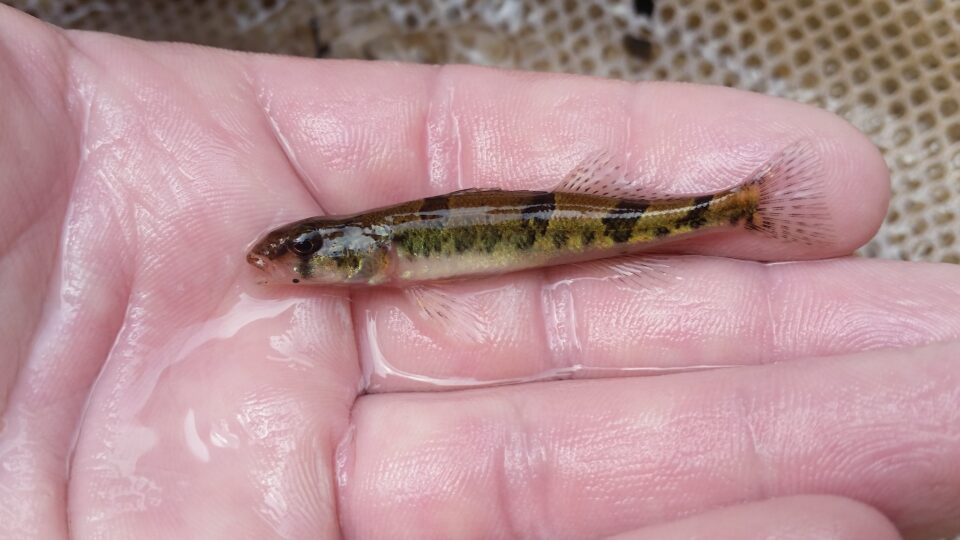
The snail darter is a three-inch-long snail-eating fish that was once only found in the Little Tennessee River.  When that river was going to be dammed by the Tellico Dam under construction in the 1970s, the snail darter was listed on the endangered species list and the little fish subsequently became the subject of a legal battle that made it all the way up to the U.S. Supreme Court.   With the dam project 95% complete in 1978, the Supreme Court blocked further construction, citing the Endangered Species Act.  A year later, Congress exempted the project from the requirements of the Act, thereby clearing the way for the completion of the dam.

In order to save the snail darter, biologists transplanted the fish into several other nearby rivers and waterways.  In addition, the Tennessee Valley Authority modified the operation of the Tellico Dam to release more oxygen-rich water downstream.  Beyond those measures, the river cleanup under the Clean Water Act further aided the fish’s recovery.

In 1984, the snail darter was removed from the endangered species list and was listed as threatened or vulnerable.  Recently, the U.S. Department of the Interior officially removed the snail darter from the federal list of threatened and endangered wildlife. 

The snail darter is the fifth fish species to be delisted because its population has recovered.  It is the first in the eastern United States.  With better management of water releases at dams, many other imperiled aquatic species could be recovered.

Overall, more than 50 plants and animals have recovered under federal protection, including American alligators, humpback whales, peregrine falcons, and bald eagles.

**********

Web Links

Once at Center of Controversial Case, the Snail Darter Fish Is No Longer Threatened

Photo, posted July 22, 2015, courtesy of The U.S. Fish and Wildlife Service via Flickr.

Earth Wise is a production of WAMC Northeast Public Radio

Planting Millions Of Trees Isn’t So Easy | Earth Wise

November 11, 2022 By EarthWise Leave a Comment

Mass tree plantings are not always effective

There are initiatives around the world to plant millions of trees as a way to fight climate change.  Unfortunately, scientists have observed that many of these projects are ill-conceived and poorly managed.  Some have failed to grow any forests at all.

One such project was an attempt to plant a million mangrove seedlings in coastal mud on the Filipino island of Luzon in 2012.  Ten years later, less than 2% of the trees have survived.  The other 98% have died or have washed away.  The problem was that the site of the project was ecologically unsuited to mangroves because it is too waterlogged and there is no oxygen available except in a few sheltered spots.

In 2019, the Turkish government managed the planting of 11 million trees in 2,000 sites across the country.  A later survey found that 90% had died, although the government denies that assertion.

Many other projects have also had dismal results.  The causes of failure vary but include planting single species of trees that become vulnerable to disease, competing demands for land, changing climate, planting in areas not previously forested, and lack of ongoing care for the saplings including watering them.

Nobody is opposed to mass tree planting.  There is no anti-tree lobby.  But tree planting is sometimes a form of greenwashing.  It is great for public relations but unless it is done properly with appropriate planning, it can be a waste of effort and money.  The result can be a phantom forest that does nothing for the climate.

Forest planting can work if the social and environmental conditions are right, and if planting is followed by long-term monitoring and care of the trees.

**********

Web Links

Phantom Forests: Why Ambitious Tree Planting Projects Are Failing

Photo, posted April 20, 2016, courtesy of the U.S. Navy / Mass Communication Specialist 2nd Class John Benson via Flickr.

Earth Wise is a production of WAMC Northeast Public Radio
A Better Way To Recycle Plastics | Earth Wise

November 10, 2022 By EarthWise Leave a Comment

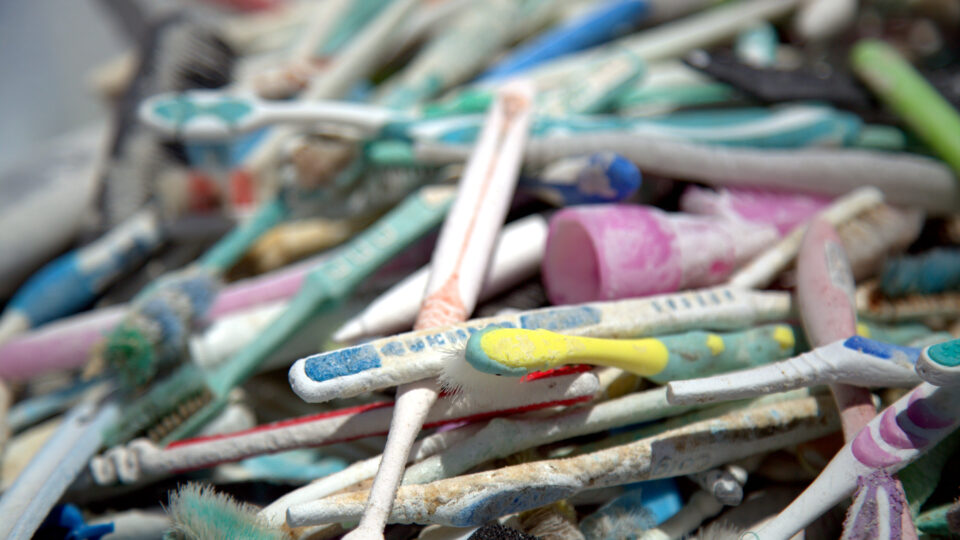
The global accumulation of plastic waste is an ever-growing problem.  At least five billion tons of the stuff has accumulated on land and sea and is even showing up in the bodies of animals and humans.  Recycling plastic instead of making even more of it seems like an essential thing to do but it has proven to be extremely challenging.

The main problem is that plastics come in many different varieties and the ways of breaking them down into a form that can be reused are very specific to each type of plastic.  Sorting plastic waste by plastic type is extremely impractical at large scale.  Certainly, most consumers can’t do it themselves.  As a result, most plastic gathered in recycling programs ends up in landfills.

New research at MIT has developed a chemical process using a catalyst based on cobalt that is very effective at breaking down a variety of plastics, including polyethylene and polypropylene, which are the two most widely produced plastics.   The MIT process breaks plastics down into propane.  Propane can be used as a fuel or as a feedstock for making many different products, including new plastics.

Plastics are hard to recycle because their long-chain molecules are very stable and difficult to break apart.  Most chemical methods for breaking their chemical bonds produce a random mix of different molecules which would somehow have to be sorted out in order to be useful for anything.

The new process uses a catalyst called a zeolite that contains cobalt nanoparticles.  The catalyst selectively breaks down various plastic polymer molecules and turns more than 80% of them into propane.

The researchers are still studying the economics and logistics of the method, but it looks quite promising.

**********

Web Links

New process could enable more efficient plastics recycling

Photo, posted April 25, 2016, courtesy of NOAA Coral Reef Ecosystem Program via Flickr.

Earth Wise is a production of WAMC Northeast Public Radio
Onshore Algae Farms | Earth Wise

November 9, 2022 By EarthWise Leave a Comment

According to some estimates, food production will need to increase by 50% by 2050 in order to feed a projected global population of 10 billion people.  How can this be achieved?  

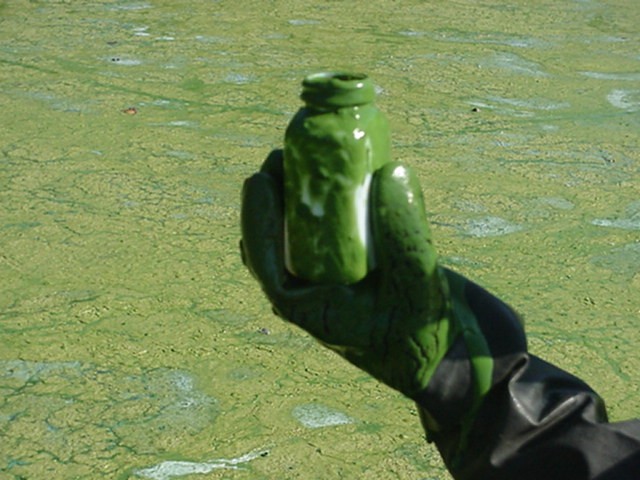
One solution, according to researchers at Cornell University, could be to grow nutritious and protein-dense microalgae in seawater-fed onshore aquaculture systems.

According to the research, which was recently published in the journal Oceanography, growing algae onshore could close a projected gap in society’s future nutritional demands while also improving environmental sustainability.  

Climate change, environmental degradation, limited arable land, and lack of freshwater will all constrain the amount of food that can be grown in the coming decades.  Wild fish stocks are already heavily exploited, and there are limits to how much finfish, shellfish, and seaweed aquaculture can be produced in the coastal ocean. 

As a result, the researchers argue for expanding algae production in onshore aquaculture facilities.  The research team’s models found that the best locations for onshore algae farming facilities are along the coasts of the Global South, including desert environments. 

Algae can grow as much as ten times faster than traditional crops.  Algae can also be produced in a manner that is more efficient than agriculture in its use of nutrients.  In addition to its high protein content, algae also provides nutrients lacking in vegetarian diets, such as essential amino acids, minerals, and omega-3 fatty acids.

Algae could become the breadbasket of the Global South.

**********

Web Links

Onshore algae farms could feed the world sustainably

Photo, posted June 17, 2011, courtesy of NOAA Great Lakes Environmental Research Laboratory via Flickr.

Earth Wise is a production of WAMC Northeast Public Radio
Climate Change And Crabs | Earth Wise

November 8, 2022 By EarthWise Leave a Comment

Climate change wreaking havoc on Arctic crab populations

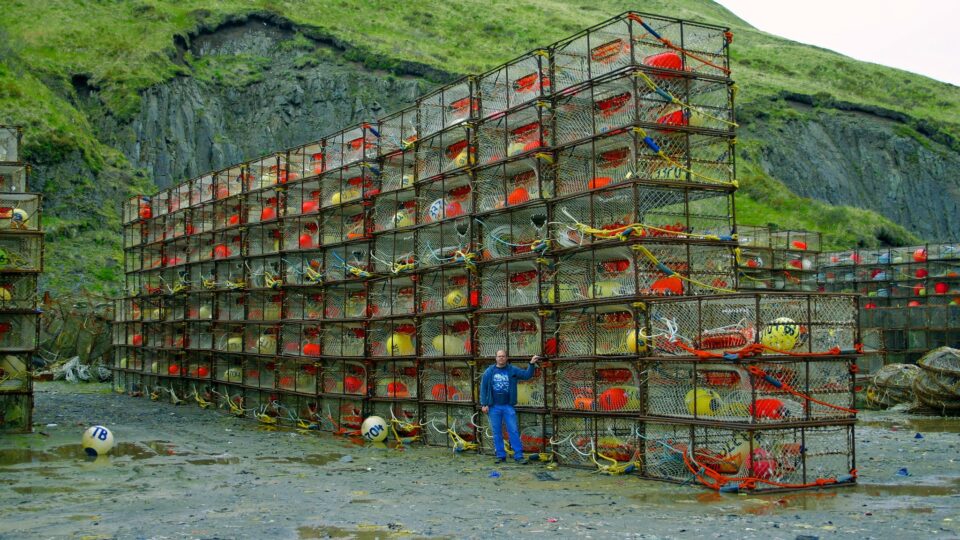
Globally, there are more than 6,000 species of crabs.  In Alaska’s waters alone, there are 18 species, including 10 that are commercially fished.  The perils of crab fishing in this region, including freezing temperatures, turbulent seas, and raising full pots that can weigh well over a ton, have been highlighted for many years in the reality TV series Deadliest Catch.        

One of those commercially-fished species is the Alaska snow crab.  Alaska snow crabs are a cold-water species found off the coast of Alaska in the Bering, Beaufort, and Chukchi Seas. 

In October, officials in Alaska announced that the upcoming winter snow crab season would be canceled for the first time ever due to a sharp population decline. While the number of juvenile snow crabs was at record highs just a few years ago, approximately 90% of snow crabs mysteriously disappeared ahead of last season.  Officials also canceled the Bristol Bay red king crab harvest for similar reasons for the second year in a row.

The closures dealt a severe blow to crab fishers in the region.  According to the Alaska Seafood Marketing Institute, Alaska’s crab fishing industry is worth more than $200 million. 

The canceled seasons also raise questions about the role of climate change in the snow crab population crash. While the causes of the decline are still being researched, scientists suspect that warmer temperatures are responsible.  Temperatures in the Arctic region have warmed four times faster than the rest of the planet. 

As the climate continues to change, the warming waters around Alaska may become increasingly inhospitable to snow crabs and other species.   

**********

Web Links

Alaska’s Bering snow crab, king crab seasons canceled

Alaska cancels snow crab season for first time after population collapses

Photo, posted November 16, 2010, courtesy of David Csepp / NOAA via Flickr.

Earth Wise is a production of WAMC Northeast Public Radio

Bitcoin Mining And The Environment | Earth Wise

November 7, 2022 By EarthWise Leave a Comment

Bitcoin mining, the process by which the prominent cryptocurrency is created, is well-known to be energy intensive, but the environmental impact of it has not been extensively studied.  People have described Bitcoin as ‘digital gold.’  A new analysis by researchers at the University of New Mexico has found that Bitcoin mining shouldn’t be compared to gold mining.  It is more appropriately compared to the creation of much more energy-intensive products such as beef, natural gas, and crude oil.

Furthermore, the study found that rather than becoming more sustainable over time, Bitcoin mining is becoming dirtier and more damaging to the climate as long as it relies upon fossil-fuel generated electricity.  Estimates are that in 2020, Bitcoin mining used 75.4 terawatt hours of electricity, which is more electricity than the entire country of Austria, as well as 150 other nations around the world.

The study looked at the economic cost of the air pollution and carbon emissions associated with Bitcoin mining and found that in many instances, the negative economic impact of creating a single Bitcoin is more than what the resultant coin is worth.

Based on the market value of Bitcoins, the cost of climate damage for that value is a little less that that of electricity produced by natural gas and gasoline produced from crude oil, but actually more than that of beef production.

There are multiple cryptocurrencies.  Ether is one that voluntarily switched away from so-called proof-of-work mining.  Whether Bitcoin or others will act similarly absent potential regulation remains to be seen.  Until such time, Bitcoin mining remains an increasingly dirty and damaging business.

**********

Web Links

Technology: UNM researchers find Bitcoin mining is environmentally unsustainable

Photo, posted May 11, 2017, courtesy of Komers Real via Flickr.

Earth Wise is a production of WAMC Northeast Public Radio

  • « Go to Previous Page
  • Page 1
  • Interim pages omitted …
  • Page 36
  • Page 37
  • Page 38
  • Page 39
  • Page 40
  • Interim pages omitted …
  • Page 91
  • Go to Next Page »

Primary Sidebar

Recent Episodes

  • An uninsurable future
  • Clean energy and jobs
  • Insect declines in remote regions
  • Fossil fuel producing nations ignoring climate goals
  • Trouble for clownfishes

WAMC Northeast Public Radio

WAMC/Northeast Public Radio is a regional public radio network serving parts of seven northeastern states (more...)

Copyright © 2026 ·