• Skip to primary navigation
  • Skip to main content
  • Skip to primary sidebar

Earth Wise

A look at our changing environment.

  • Home
  • About Earth Wise
  • Where to Listen
  • All Articles
  • Show Search
Hide Search
You are here: Home / Archives for endangered

endangered

Vanishing Kelp Forests | Earth Wise

June 25, 2021 By EarthWise Leave a Comment

Bull kelp forests in California are disappearing

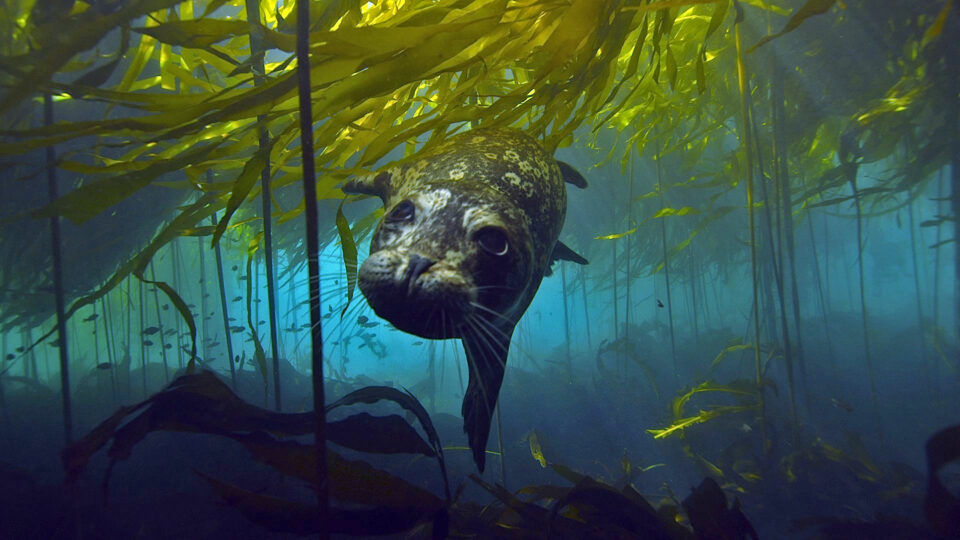
Bull kelp is the dominant species in offshore kelp forests north of Santa Cruz, California along the west coast of North America.  Bull kelp has similar physical structures to terrestrial plants; it anchors to the ocean floor with root-like structures called holdfasts, and has stem-like structures called stipes from which leaf-like blades stretch out through the water, absorbing nutrients and sunshine.

These giant seaweeds form lush underwater forests in northern California’s coastal waters and have long provided critical habitat for many species like salmon, crabs, and jellyfish.  But now, for much of the California coast, only a few patches of bull kelp remain.

A team from University of California Santa Cruz has studied satellite images of about 200 miles of coastline.  They found that starting in 2014, the area covered by kelp has dropped by more than 95%. 

The die-off was driven in part by an underwater heat wave that depleted nutrients in the water and made it harder for the kelp to grow.  Making matters much worse, populations of purple sea urchins, which eat kelp, have exploded in the region because of overfishing and other reductions in urchin predators such as sea otters.  The sea urchins eat kelp holdfasts, creating so-called urchin barrens where their destructive grazing has decimated kelp forests.

Bull kelp is a species at high risk of becoming endangered.  In coming decades, more marine heatwaves are expected.  These events as well as stronger El Niños will become more common and frequent with climate change.  Between these thermal events and the sea urchins, it will be difficult for kelp forests to survive.

**********

Web Links

Ninety-five percent of bull kelp forests have vanished from 200-mile stretch of California coast

Photo, posted October 28, 2015, courtesy of Florian Graner/Green Fire Productions via Flickr.

Earth Wise is a production of WAMC Northeast Public Radio.
What’s Been Killing Salmon? | Earth Wise

January 5, 2021 By EarthWise Leave a Comment

the mysterious deaths of Coho salmon

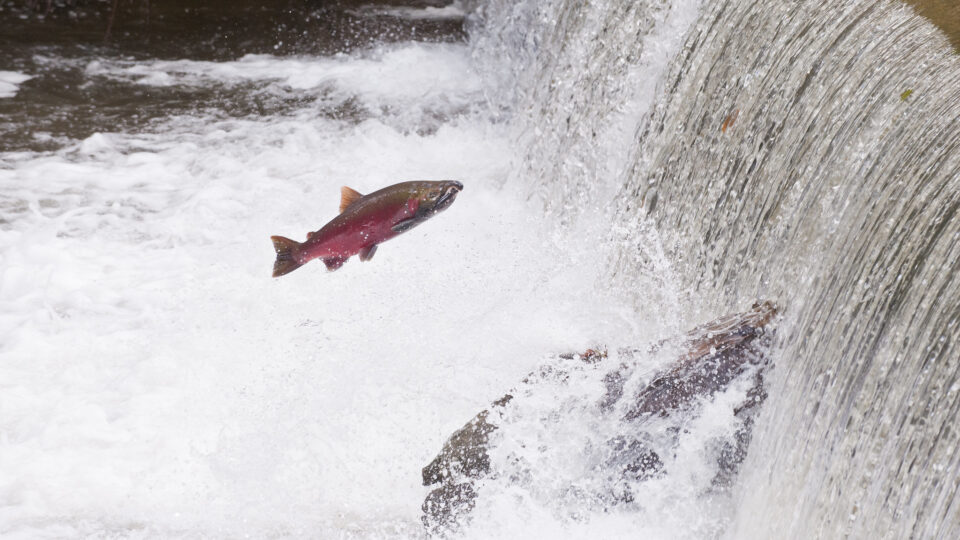
For decades, there have been mysterious deaths of Coho salmon.  The salmon return from the Pacific Ocean each year to spawn along the West Coast.   They can be found from Alaska all the way down into California.  After heavy rain events each fall, fish have been turning up dead in huge numbers before they spawn.  Normally, less than 1% of adult Coho die before spawning. In these mass death events, anywhere from 40% to 90% of fish can perish in affected streams.  The mysterious phenomenon has been the subject of intense research for years.

Recently, scientists announced that they may have solved the mystery.  There is a chemical antioxidant known as 6PPD that is used in the manufacture of tires around the world to make them last longer.  As tire treads break down over time, they leave behind bits of microplastics on roads.  The 6PPD in the plastic bits reacts with ozone to become another chemical:  a previously unreported substance called 6PPD-quinone.

That chemical turns out to be toxic to Coho salmon.  Researchers have found the presence of 6PPD-quinone in roadway water runoff samples taken from across the West Coast.  Based on these observations, they believe it is likely that exposure to this chemical is the main cause of the Coho salmon population decline.

Coho salmon are a favorite of sport fishermen and have great cultural significance to many Native American tribes on the West Coast.  The central California Coho population is classified as endangered and three other Coho populations are listed as threatened.

Tire industry representatives call the study results “preliminary” but say the industry is deeply committed to protecting the environment.  A safe chemical substitute for 6PPD is clearly needed.

**********

Web Links

Salmon have been dying mysteriously on the West Coast for years. Scientists think a chemical in tires may be responsible

Photo, posted November 17, 2011, courtesy of Lynn Ketchum/Oregon State University via Flickr.

Earth Wise is a production of WAMC Northeast Public Radio.

Marine Life Moving The Wrong Way | Earth Wise

October 26, 2020 By EarthWise Leave a Comment

Some marine species are migrating the wrong way

As the oceans have warmed in recent decades, various marine species ranging from whales to corals have begun to shift poleward in search of cooler waters.  But a new study, reported in the journal Nature Climate Change, found that many sedentary marine species – including snails, worms, and mussels – are actually being transported in the wrong direction.

What is happening is that bottom-dwelling species – also known as benthic species – in the northwest Atlantic Ocean are spawning earlier in the year because of the warmer water temperatures.  But earlier in the year is when ocean currents travel southward.  As a result, the larvae of these animals are being carried into warmer waters rather than cooler ones, threatening their survival and shrinking their ranges.  These larvae grow into adults in these warmer regions and are basically trapped there.  This creates a feedback loop where the situation for the species gets worse and worse.  Species like common sand dollars and the economically important blue mussel have had a 30 to 50% contraction of their ranges.

The result is that a number of bottom-dwelling species that previously were quite abundant have entirely disappeared from the outer shelf.

The researchers at Rutgers University likened this “wrong-way migration” of bottom-dwelling marine life to so-called elevator-to-extinction events that have been taking place in mountainous regions.  This is where species such as birds and butterflies move to higher and higher elevations to escape rising temperatures until there is nowhere else for them to go.

The essential fact that this research reveals is that species don’t necessarily move to places where the climate is congenial for them.  They may unfortunately end up migrating to even worse conditions.

**********

Web Links

As Oceans Warm, Some Species Are Moving in the Wrong Direction

Photo, posted June 10, 2016, courtesy of James_Seattle via Flickr.

Earth Wise is a production of WAMC Northeast Public Radio.
Bees Threatening Bees | Earth Wise

October 16, 2020 By EarthWise Leave a Comment

bees threatening bees

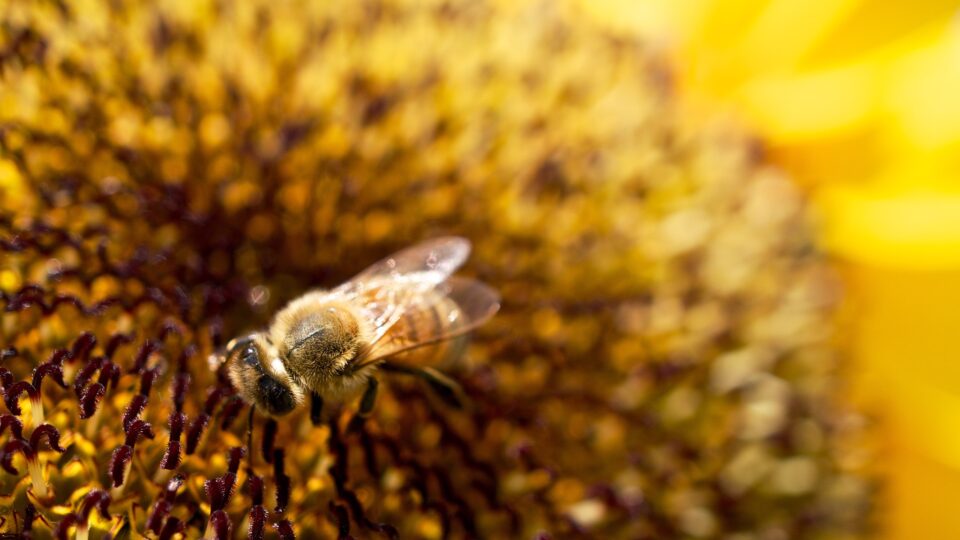
Domesticated honeybees are an essential part of our agricultural system, being responsible for one in every three bites of food Americans consume and contributing $15 billion a year to the value of the nation’s crop production.  Millions of bee colonies are trucked across the country every year to pollinate cranberries, melons, broccoli, blueberries, and cherries, and also to produce honey.

After the growing seasons, honeybees are trucked to various locations to rest and rebuild their population and to replenish bees lost to disease and pesticides.  Some of these locations are in national forests.  Thousands of hives belonging to 112 apiaries are currently permitted in national forests by the Department of Agriculture.  This presents a problem because these hives are being permitted on public lands with virtually no environmental review and with little consideration of the impact these colonies can have on local wild bee populations.

The 4,000 wild bee species in the U.S. consume up to 95% of local available pollen.  Nearly 40 federally listed threatened or endangered species of bees, butterflies, and flower flies depend on national forest land for their survival.  And now the pollinators in these places, which were once refuges for these species and others, increasingly face competition from millions of domesticated honeybees.

Honeybees are super-foraging machines and are literally taking the pollen out of the mouths of other bees and pollinators.  Honeybees themselves have been facing numerous problems from habitat loss, pesticides, and other stress factors.  So, what is happening is essentially a pollinator habitat crunch that carries long-term implications for the U.S. food supply.  We need to find some answers and the sooner the better.

**********

Web Links

Will Putting Honey Bees on Public Lands Threaten Native Bees?

Photo, posted August 9, 2015, courtesy of Tak H. via Flickr.

Earth Wise is a production of WAMC Northeast Public Radio.
Sharks On The Decline | Earth Wise

September 4, 2020 By EarthWise Leave a Comment

shark populations declining

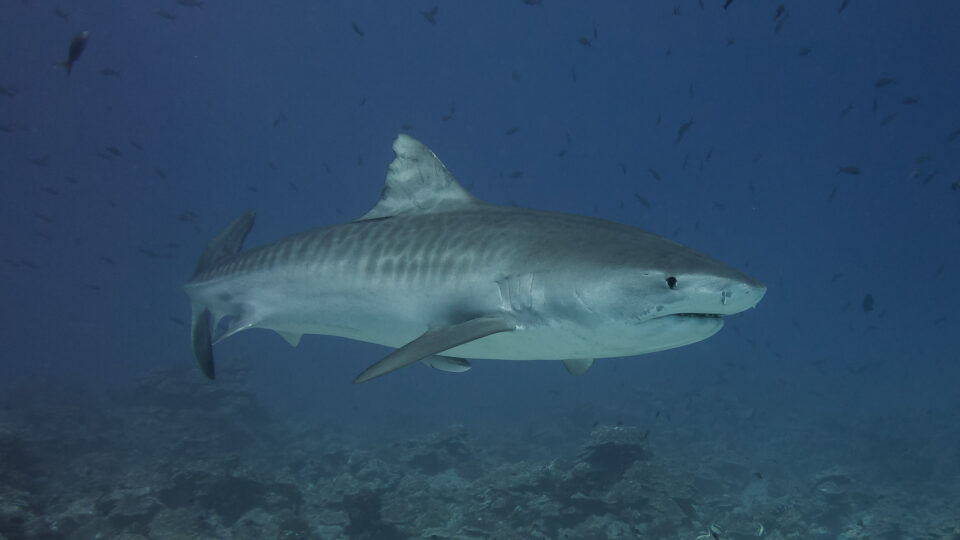
During the past 70 years, global shark populations have been on the decline.   Many species have become threatened or endangered.  Conservation efforts have been underway in many places, but shark populations continue to be at risk because of over-fishing and habitat loss.

A comprehensive study by marine biologists at Texas A&M University deployed more than 15,000 baited remote underwater video stations on 371 coral reefs in 58 countries.   The study included 59 different shark species in the Atlantic, Pacific and Indian Oceans.  The researchers were surprised to find that no sharks at all were detected in almost 20% of the locations surveyed and were almost completely absent from coral reefs in several nations. 

Scientists believe that demand for shark products, such as fins and meat, and bycatch (that is, sharks captured in nets by fisherman trapping other kinds of fish) are strong contributors to the widespread declines in shark numbers around the world.

The study shows that if corrective steps are not taken in regions where marine management is still ineffective, continued depletion of shark populations is highly likely. 

Sharks have important roles in marine ecosystems.  When their habitats deteriorate and their populations decrease, ecosystem stability and health is degraded because sharks help regulate prey populations.

Some countries, notably the Bahamas, are combating the problem by providing sanctuaries for sharks where fishing and harvesting is prohibited.  Such places support some of the healthiest shark populations in the world.  However, the decline of coral reefs is just another challenge facing shark populations around the world.

**********

Web Links

Study Shows Alarming Decline In Shark Numbers Around The World

Photo, posted January 9, 2017, courtesy of Kris-Mikael Krister via Flickr.

Earth Wise is a production of WAMC Northeast Public Radio.
A Giant Marine Preserve | Earth Wise

May 4, 2020 By EarthWise Leave a Comment

Creating A Giant Marine Preserve

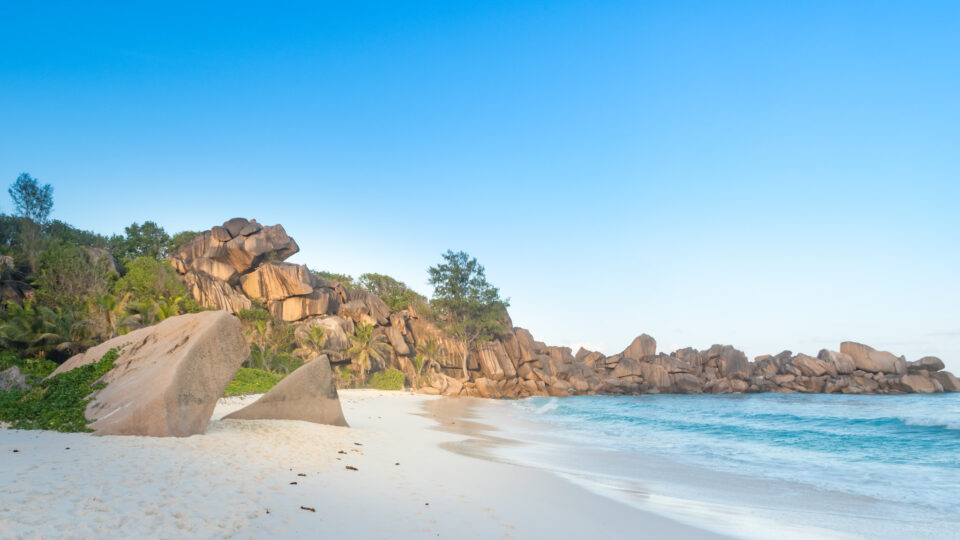
The Seychelles islands are located east of Kenya, near the equator.  Its beautiful beaches, virgin jungles, thriving coral reefs, and UNESCO-listed nature reserves are among the many attractions of the archipelago’s 115 islands.  The larger inner islands are quite developed for tourists, studded with many luxurious five-star resorts.  The natural wonders of the Seychelles are clearly its prime asset.

Given this, the Seychelles have now established 154,000 square miles of marine protected areas, fulfilling a pledge to protect nearly a third of its vast territorial waters.  This is an area twice the size of Great Britain.

About half of the newly protected areas will be “no-take zones” in which economic activity such as fishing and mining will be prohibited.  Only limited economic activities will be permitted in the other half of the protected areas.

The President of the Seychelles signed the decree establishing the marine reserve in mid-March.  The reserve will help protect the nation’s fisheries resources and safeguard a host of species including endangered sea turtles, sharks, and the Indian Ocean’s last remaining population of dugongs, which are marine mammals similar to manatees.

The funding for managing and protecting the new marine reserves will come from what is termed a debt-for-nature deal.  It is an agreement that was worked out with the help of The Nature Conservancy that allows the country to restructure nearly $22 million in foreign debt in exchange for protecting marine resources and enacting climate adaptation measures.

This major expansion of the Seychelles’ marine protected area is a major step in the conservation of the archipelago’s biodiversity.  The success of that conservation will ultimately depend upon enforcement, public-private partnerships, and innovative management.

**********

Web Links

Seychelles Creates a Marine Reserve Twice the Size of Great Britain

Photo, posted October 22, 2017, courtesy of Falco Ermet via Flickr.

Earth Wise is a production of WAMC Northeast Public Radio.

Banning The Shark Fin Trade

July 4, 2019 By EarthWise Leave a Comment

Shark fins are considered a delicacy in many parts of the world, especially in China.  Shark fin soup, for example, is often served at engagement parties and weddings.  But the use of shark fins has come under increasing scrutiny in recent years, especially since an estimated one-third of fins are harvested from species deemed at risk.  

Many of the fins used in shark fin soup come from a practice known as “finning,” which is an inhumane and wasteful practice where the fins are hacked from live sharks and then the sharks are thrown back into the water and left to die.  According to U.N. estimates, 73 million sharks are killed every year for their fins.

The possession, sale, and distribution of shark fins is banned in 12 U.S. states, as well as in all European Union member states.

In 1994, Canada banned the practice of finning in its own waters, but allowed the import of fins to continue.  Canada has been one of the largest markets for shark fins outside Asia, importing nearly 300,000 pounds of shark fins last year.  But in late June, Canada passed a bill that bans both the import and export of shark fins harvested by shark finning.  They are the first G7 and the first G20 country to do so. 

But shark fins taken from sharks sustainably harvested for their meat will continue to be allowed in Canada.  While demand for shark fins is decreasing globally, demand for shark meat is rising.

Since sharks still face a myriad of environmental pressures, including illegal fishing and high bycatch rates, there are concerns that this Canadian ban oversimplifies the threats facing global shark populations. 

**********

Web Links

Canada becomes the first G20 country to ban shark fin trade

Photo, posted January 4, 2013, courtesy of Andrew Currie via Flickr.

Earth Wise is a production of WAMC Northeast Public Radio.
Wildlife Bridges

June 17, 2019 By EarthWise Leave a Comment

Highway accidents involving animals are a big problem for both people and animals.  About 200 people die every year in the U.S. as a result of collisions with animals.  In total, one to two million large animals are killed by motorists every year.  And these crashes are expensive:  deer-car collisions cost an average of more than $8,000 each; elk-vehicle collisions about $25,000; and moose-vehicle collisions over $44,000. 

In the United States, there are 21 threatened and endangered species whose very survival is threatened by road mortalities.   These include Key deer in Florida, bighorn sheep in California, and red-bellied turtles in Alabama.

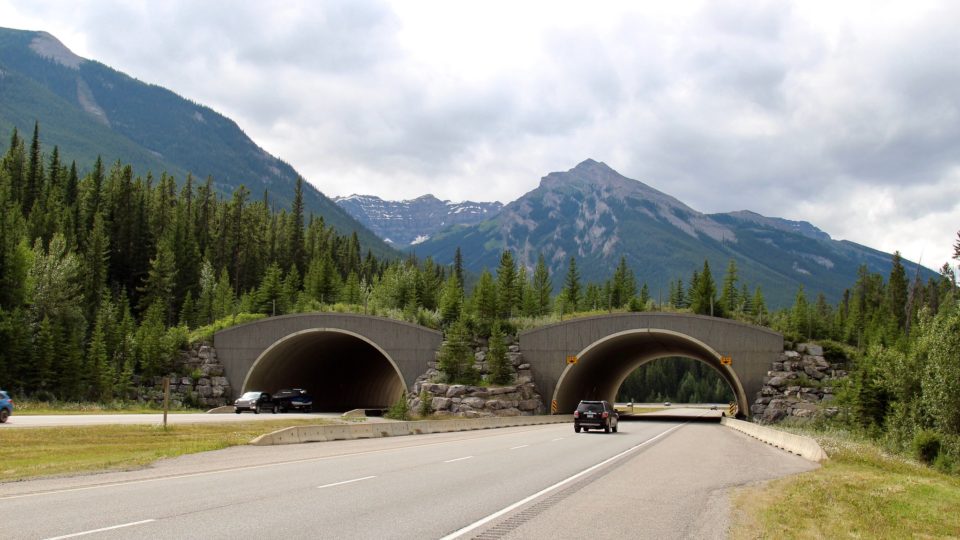
One solution that has been quite effective around the world in reducing car-animal collisions is wildlife overpasses and underpasses.  Crossings and fencing that guide animals over or under highways reduce collisions by 85-95%.

These traffic-spanning bridges and tunnels have been popular in Europe since the 1950s.  The overpasses usually look much like regular overpasses for cars but are decked out with native flora.  The underpasses, which assist shyer and smaller animals, are typically invisible to drivers.

Washington State has recently started building wildlife bridges and underpasses on Interstate 90.  These passes will allow elk, black bears, mountain lions, pika, and even trout to traverse what was once a near-impenetrable barrier of road.

Some animals that are accustomed to human structures start using the crossings almost immediately.  For others, there is learning curve.  As in many things, the early adapters are important as they provide paths and model behavior that more reticent animals learn to follow.

Wildlife bridges are a very good thing for wildlife and for people.

**********

Web Links

How wildlife bridges over highways make animals—and people—safer

Photo, posted July 22, 2017, courtesy of David Fulmer via Flickr.

Earth Wise is a production of WAMC Northeast Public Radio.
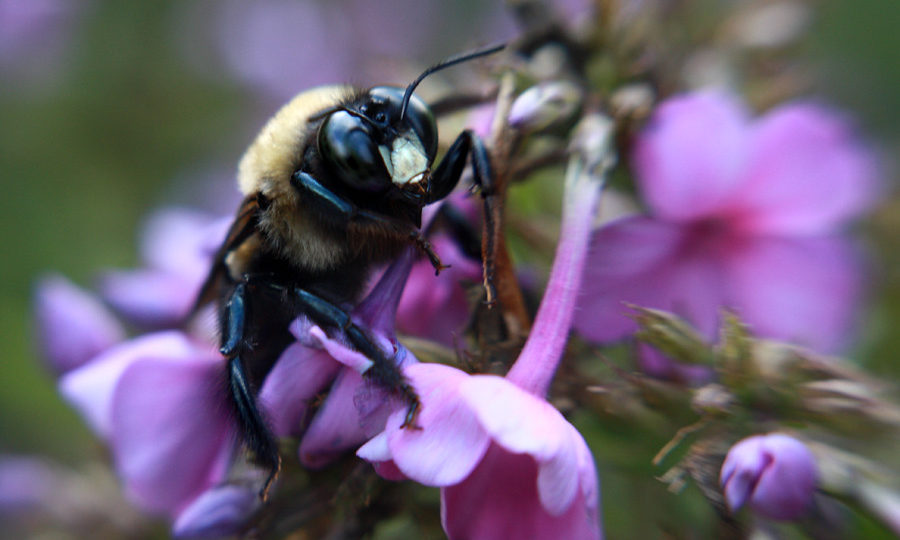
The American Bumblebee

May 29, 2019 By EarthWise Leave a Comment

Pollinators, such as bees and bats, are vital for global food production.  They provide an ecological service that’s necessary for the reproduction of nearly 75% of the world’s flowering plants, including more than two-thirds of the world’s food crops.

Bumblebees are among the most important plant pollinators.  They pollinate many food crops, including apples, tomatoes, blueberries and legumes, as well as countless types of trees, shrubs, and wildflowers.  But researchers have documented declines in both the abundance and range of many bumblebee species.

The American bumblebee, which is native to North America, is one of them.  The species can currently be found in eastern Canada, throughout much of the Eastern United States, and much of Mexico. 

According to a new study led by York University and recently published in the Journal of Insect Conservation, the American bumblebee is critically endangered, and it faces imminent local extinction from Canada.  This is considered the highest and most at-risk classification before extinction. 

The researchers used data from three sources in their study: the Bumble Bee Watch (which is a citizen science project), the Bumble Bees of North America database (that has records dating back to the late-1800s), and their own field survey work.  They used the IUCN’s Red List assessment criteria to evaluate the status of the American bumblebee within its Canadian range.

The research team found that the species’ area of occurrence has decreased by approximately 70% and its relative abundance dropped by 89% from 2007-2016 when compared to 1907-2006. 

The American bumblebee can still be found throughout its Canadian range.  But immediate conservation action is desperately needed.  

*********

Web Links

Disappearing bumblebee species under threat of extinction

Photo, posted August 22, 2011, courtesy of Rachel Elaine via Flickr.

Earth Wise is a production of WAMC Northeast Public Radio.

Wildlife And The Border Wall

February 14, 2019 By EarthWise Leave a Comment

The border between the United States and Mexico is nearly 2,000 miles long, stretching from San Ysidro, California to Brownsville, Texas.  Discontinuous barriers currently cover approximately 650 miles of our southern border. As the particulars of how to better secure the remaining 1,350 miles of border are worked out, one thing is abundantly clear: extending physical barriers would negatively impact wildlife and the environment.

The Trump Administration has called for a 1,000-mile wall, which would cut across land that includes important habitats for wildlife.  According to an article signed by nearly 3,000 scientists, this plan would “threaten some of the continent’s most biologically diverse regions” by inhibiting species movement and triggering flooding. The paper, which was published in the journal Bioscience, highlights how more than 1,500 native animal and plant species would be affected by the wall, including 62 that are listed as endangered or vulnerable.

An extended border wall would not only impede movement of many wildlife species but it would also put pressure on creatures already in peril, such as the Mexican gray wolf and the Sonoran pronghorn.  Other at risk animals include the ocelot, black bear, and desert bighorn sheep. 

According to researchers, extending the border wall could cause problems for low-flying birds and insects. Even plants, including the endangered wildflower Zapata bladderpod and the threatened whiskerbush cactus, are particularly at risk.

According to a 2011 study, bird-watching and other forms of ecotourism in the Lower Rio Grande Valley brought in more than $344 million in economic activity and approximately 4,400 jobs. 

Preserving our natural heritage must be part of this national security discussion. 

**********

Web Links

Nature Divided, Scientists United: US–Mexico Border Wall Threatens Biodiversity and Binational Conservation

Photo, posted December 14, 2014, courtesy of Tony Webster via Flickr.

Earth Wise is a production of WAMC Northeast Public Radio.
Endangered Language Species

January 14, 2019 By EarthWise Leave a Comment

There are approximately 7,000 languages spoken in the world today but only about half of them are expected to survive this century.  There are many factors contributing to the decline in languages.  Perhaps the most significant is globalization, which pushes countries and individuals to shift to national or international languages for economic reasons.   Other factors include the lack of support for regional languages in educational systems and mass media, persecution of minority linguistic groups by governments, and disruption of communities during war and emigration.

Predicting which languages will survive and which won’t is difficult.  A potential tipping point for languages is the same one affecting the survival of species:  climate change.  Many small linguistic communities are located on islands and coastlines that are vulnerable to hurricanes and rising sea levels.  Other communities live in places where increases in temperatures and erratic rainfall threaten traditional farming and fishing economies.

These climate-related changes will force communities to relocate,creating climate change refugees. Dispersing these people will lead to the splintering of linguistic communities and the need for the use of other languages.  Such changes will place additional pressures on languages that are already struggling to survive.

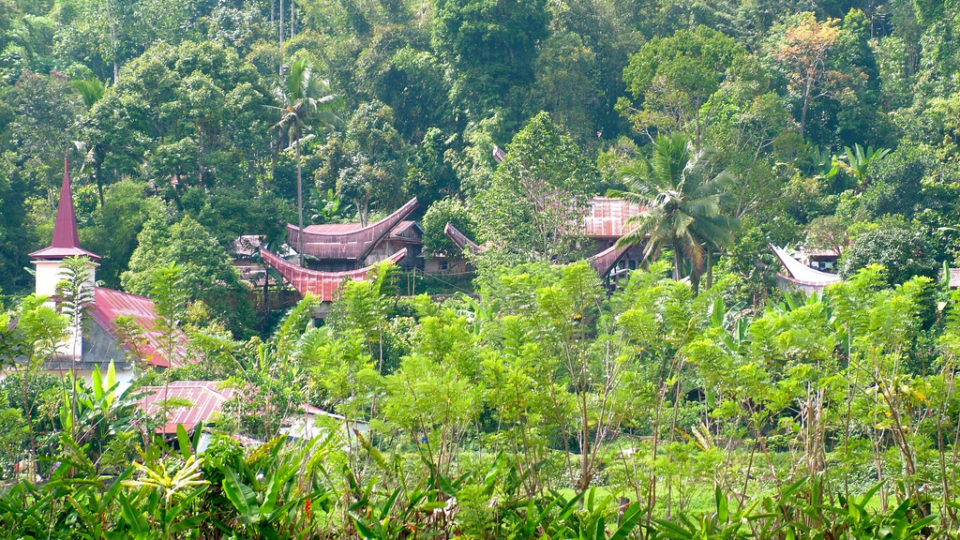
There are endangered languages in many places around the world.  Some are exotic such as the island of Sulawesi in Indonesia, which is home to dozens of distinct languages spoken by no more than a few thousand people. Others are much closer to home, such as in indigenous communities in Canada.

The rich tapestry of human language is just another of many things threatened by the changing climate.

**********

Web Links

The Conversation: The impact of climate change on language loss

Photo, posted May 19, 2009, courtesy of Flickr. 

Earth Wise is a production of WAMC Northeast Public Radio.
Trading Rhino Horn And Tiger Bone

November 21, 2018 By EarthWise Leave a Comment

https://earthwiseradio.org/wp-content/uploads/2018/11/EW-11-21-18-Trading-Rhino-Horn-and-Tiger-Bone.mp3

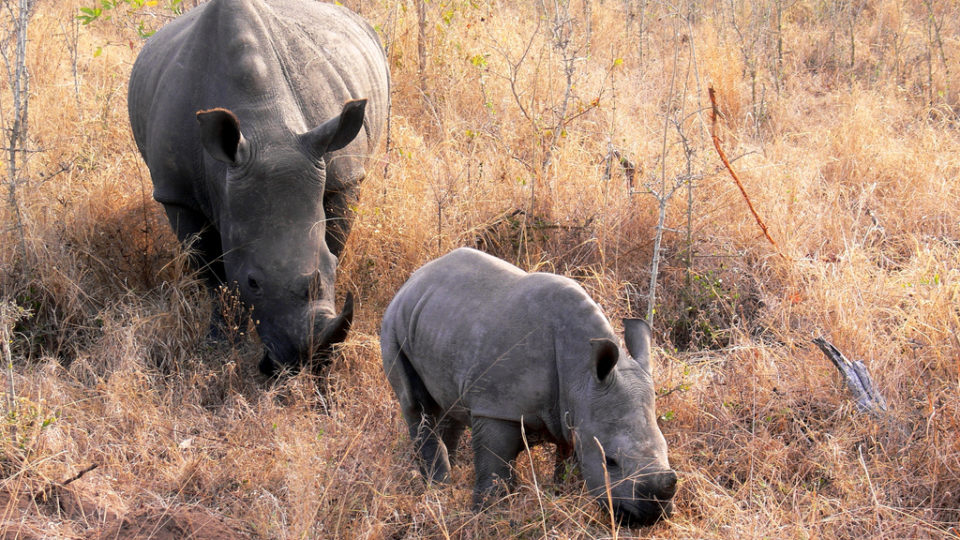
Historically, rhino horn and tiger bone were used in traditional Chinese medicine to treat various illnesses, despite the lack of any evidence of their effectiveness.  In fact, rhino horn is simply keratin, a protein that is found in human fingernails and hair.  Rhino horn is used to treat everything from cancer to gout in traditional Chinese medicine.  Similarly, a paste made from crushed tiger bone is thought to treat a variety of ailments, including rheumatism and back pain.

[Read more…] about Trading Rhino Horn And Tiger Bone

Endangered Orangutans

March 20, 2018 By EarthWise 1 Comment

https://earthwiseradio.org/wp-content/uploads/2018/03/EW-03-20-18-Endangered-Orangutans.mp3

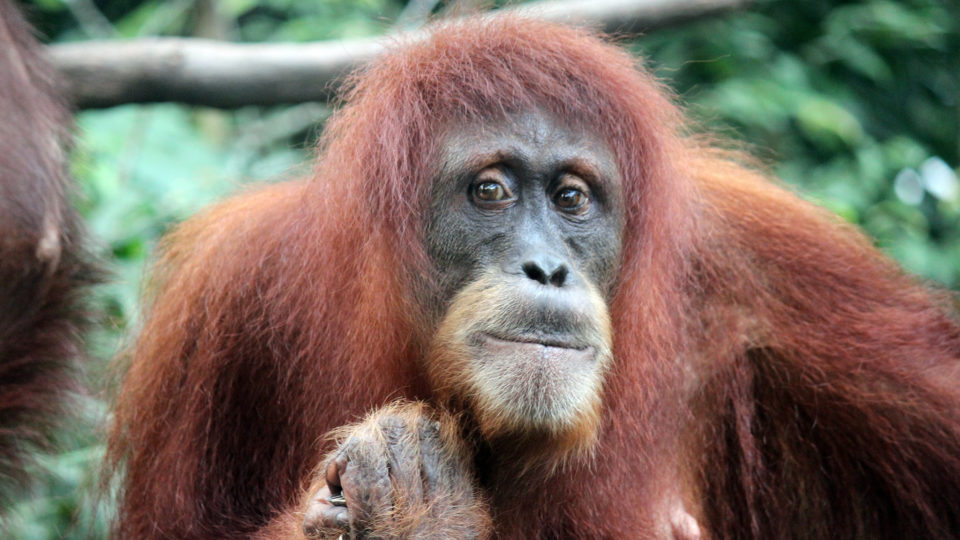
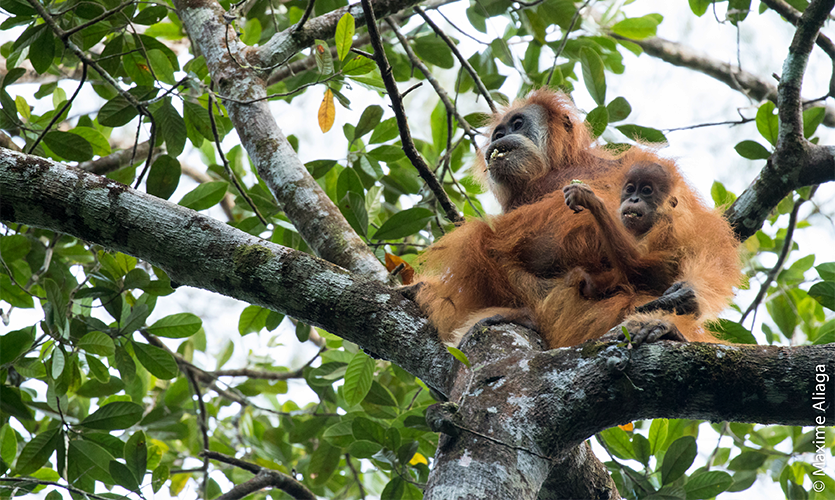
Orangutans are some of the planet’s most intelligent animals.  In fact, orangutans and human beings share 97% of their DNA sequence.  Orangutans can only be found in the wild in Southeast Asia on the Indonesian island of Sumatra and the island of Borneo, which is a landmass shared by Indonesia, Malaysia, and Brunei.  And while all orangutans are endangered, the critically-endangered Bornean orangutans are under exceptional duress. 

[Read more…] about Endangered Orangutans

Saving The Siberian Tiger

March 13, 2018 By EarthWise Leave a Comment

https://earthwiseradio.org/wp-content/uploads/2018/03/EW-03-13-18-Saving-the-Siberian-Tiger.mp3

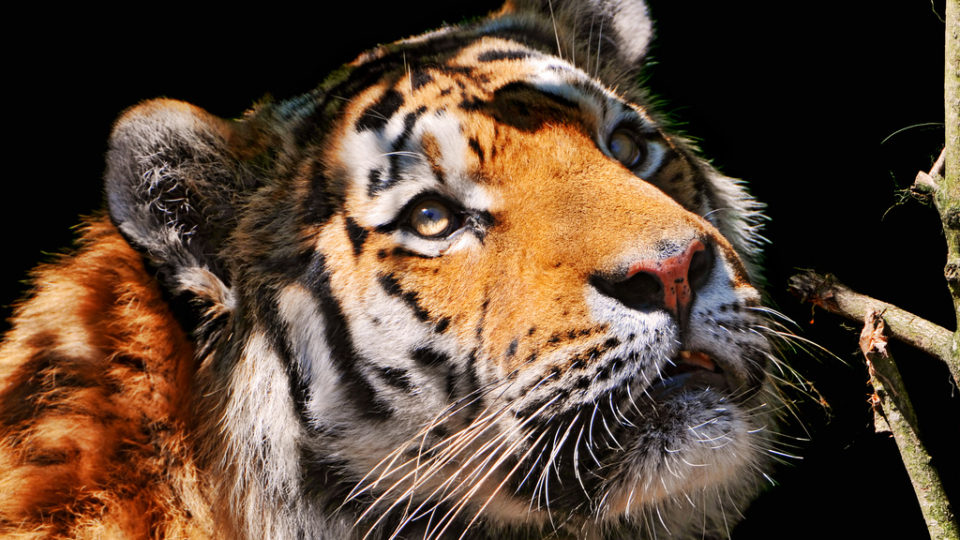
The northeastern part of China, wedged between North Korea to the south and Russia to the northeast, is home to two highly endangered big cats:  the Siberian tiger and the Amur leopard.   Siberian tigers, which can weigh over 600 pounds and grow to more than 10 feet in length, now number only about 500 in the wild, mostly in Russia.  Amur leopards, weighing more than 100 pounds and growing to more than four feet in length, number only about 80 in the wild.  While both species are right on the edge of extinction, both are slowly rebounding.

[Read more…] about Saving The Siberian Tiger

Endangered Chocolate

February 14, 2018 By EarthWise Leave a Comment

https://earthwiseradio.org/wp-content/uploads/2018/01/EW-02-14-18-Endangered-Chocolate.mp3

There are many scary stories floating about with regard to dire potential consequences of climate change, but one that should really strike fear into many of our hearts is the prediction from scientists at the National Oceanic and Atmospheric Administration that cacao plants are likely to go extinct as early as 2050 as a result of the changing climate.

[Read more…] about Endangered Chocolate

Is The World’s Largest Sea Turtle No Longer Endangered?

January 29, 2018 By EarthWise 3 Comments

https://earthwiseradio.org/wp-content/uploads/2018/01/EW-01-29-18-Sea-Turtles.mp3

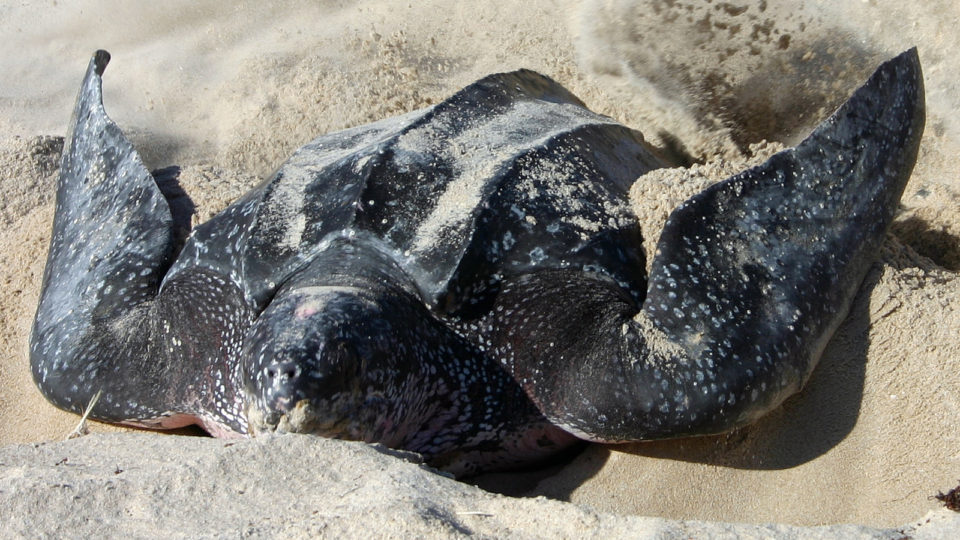
The rapid disappearance of many plants and animals around the world has many scientists saying we are experiencing a sixth mass extinction – the first since the dinosaurs were wiped out some 66 million years ago.  Despite all sorts of conservation efforts, living things are struggling as a result of climate change, habitat loss, and countless other natural and manmade pressures.  Conservation success stories have been few and far between. 

[Read more…] about Is The World’s Largest Sea Turtle No Longer Endangered?

North Atlantic Right Whales

January 12, 2018 By EarthWise Leave a Comment

https://earthwiseradio.org/wp-content/uploads/2017/12/EW-01-12-18-North-Atlantic-Right-Whales.mp3

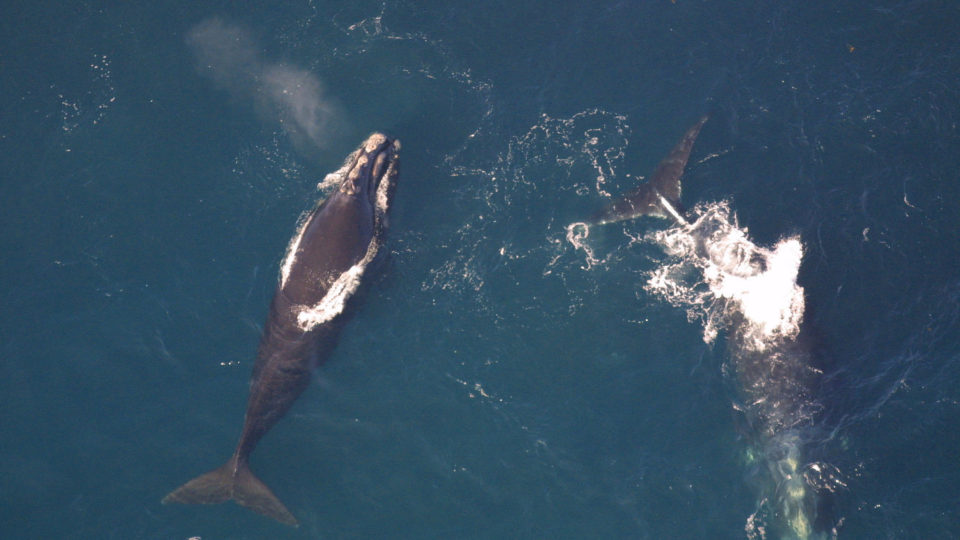
North Atlantic right whales are one of the rarest marine mammals in the world.  In fact, according to the National Oceanic and Atmospheric Administration, there are only about 450 of the whales left.  Measuring approximately 50 feet long and weighing close to 100,000 pounds, North Atlantic right whales are now more critically endangered than mountain gorillas, black rhinos, and giant pandas.

[Read more…] about North Atlantic Right Whales

A New Orangutan Species

November 29, 2017 By EarthWise Leave a Comment

https://earthwiseradio.org/wp-content/uploads/2017/11/EW-11-29-17-A-New-Orangutan-Species.mp3

Orangutans are some of the planet’s most intelligent animals.  In fact, orangutans and human beings share 97% of their DNA sequence.  Orangutans can only be found in the wild on the Indonesian island of Sumatra and the island of Borneo, which is a land mass shared by Indonesia, Malaysia and Brunei. 

[Read more…] about A New Orangutan Species

A Big Problem For The Giant Panda

November 10, 2017 By EarthWise Leave a Comment

https://earthwiseradio.org/wp-content/uploads/2017/11/EW-11-10-17-A-Big-Problem-for-the-Panda.mp3

The giant panda, a national icon of China, has been the focus of an intensive, high-profile conservation campaign since the 1970s.  In an update to the IUCN’s Red List of Threatened Species last year, the giant panda had its designation changed from “endangered” to “vulnerable” following a nationwide census that revealed its population was improving.  But it appears as though this conservation success may be short-lived. 

[Read more…] about A Big Problem For The Giant Panda

Reviving Vaquitas

May 9, 2017 By EarthWise

https://earthwiseradio.org/wp-content/uploads/2017/05/EW-05-09-17-Reviving-Vaquitas.mp3

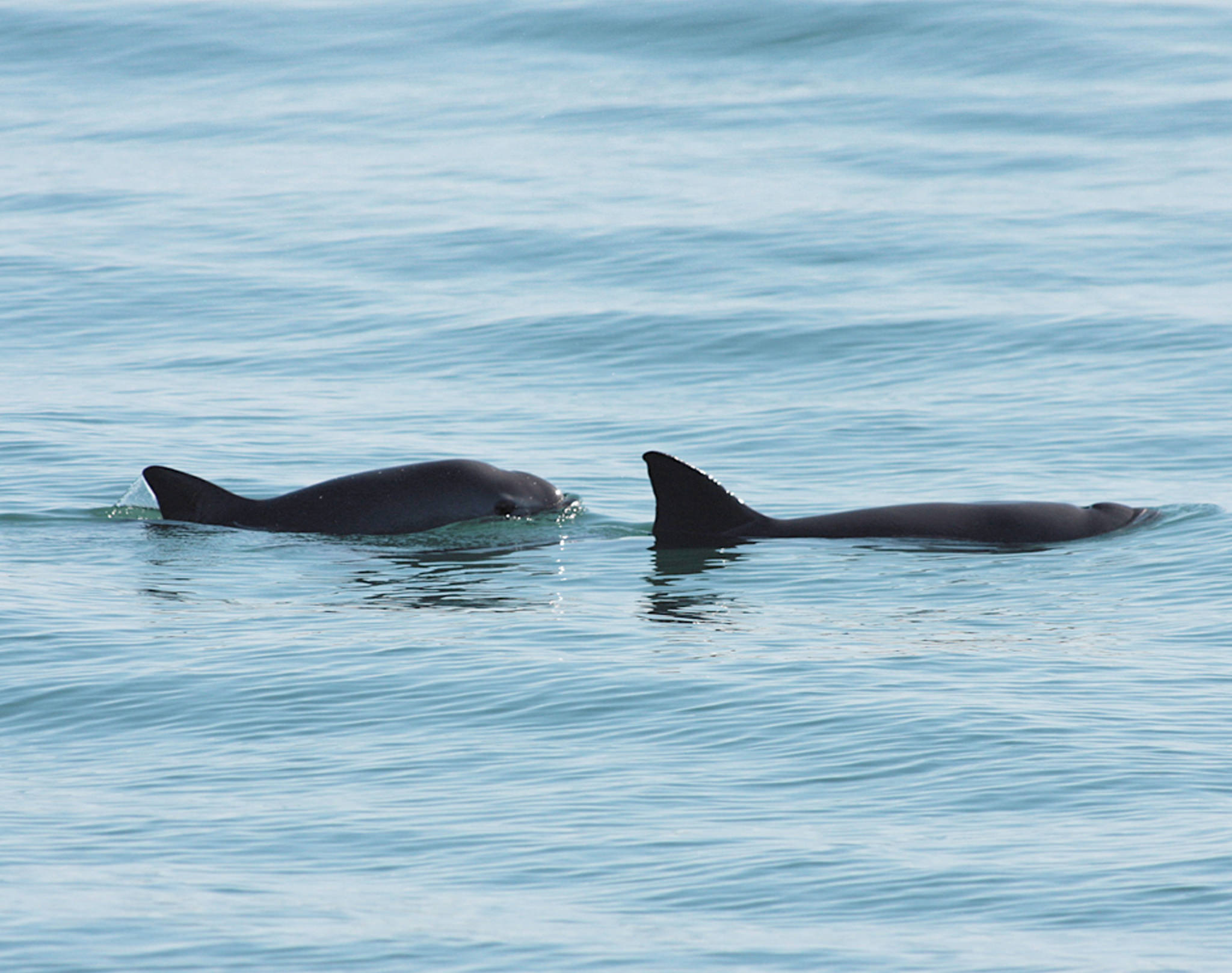
The world’s smallest porpoise is in real trouble. According to scientists, there could be as few as 30 vaquitas remaining on the planet.   We highlighted the plight facing this species in detail last month. 

[Read more…] about Reviving Vaquitas

  • « Go to Previous Page
  • Page 1
  • Page 2
  • Page 3
  • Go to Next Page »

Primary Sidebar

Recent Episodes

  • An uninsurable future
  • Clean energy and jobs
  • Insect declines in remote regions
  • Fossil fuel producing nations ignoring climate goals
  • Trouble for clownfishes

WAMC Northeast Public Radio

WAMC/Northeast Public Radio is a regional public radio network serving parts of seven northeastern states (more...)

Copyright © 2026 ·