• Skip to primary navigation
  • Skip to main content
  • Skip to primary sidebar

Earth Wise

A look at our changing environment.

  • Home
  • About Earth Wise
  • Where to Listen
  • All Articles
  • Show Search
Hide Search
You are here: Home / Archives for ecosystems

ecosystems

Shifting Ecosystems

August 29, 2019 By EarthWise Leave a Comment

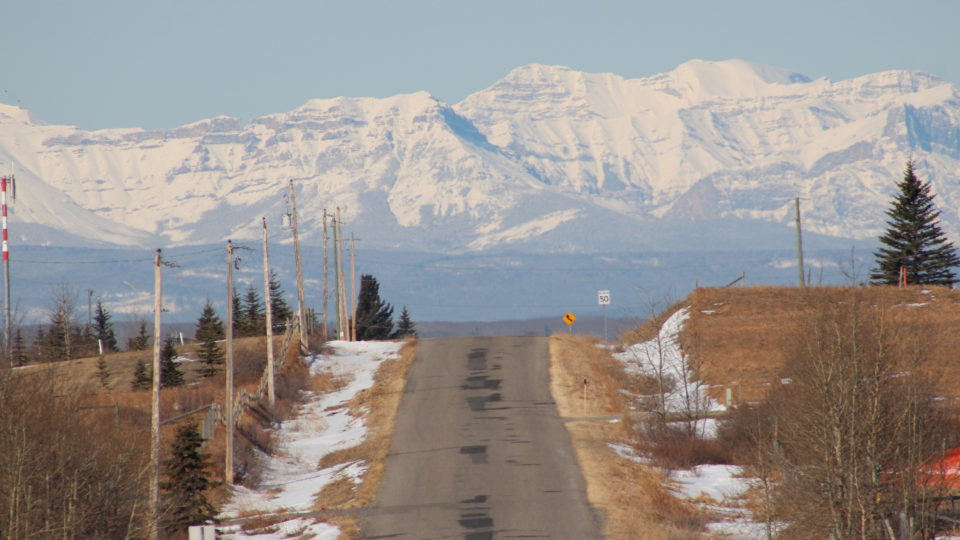
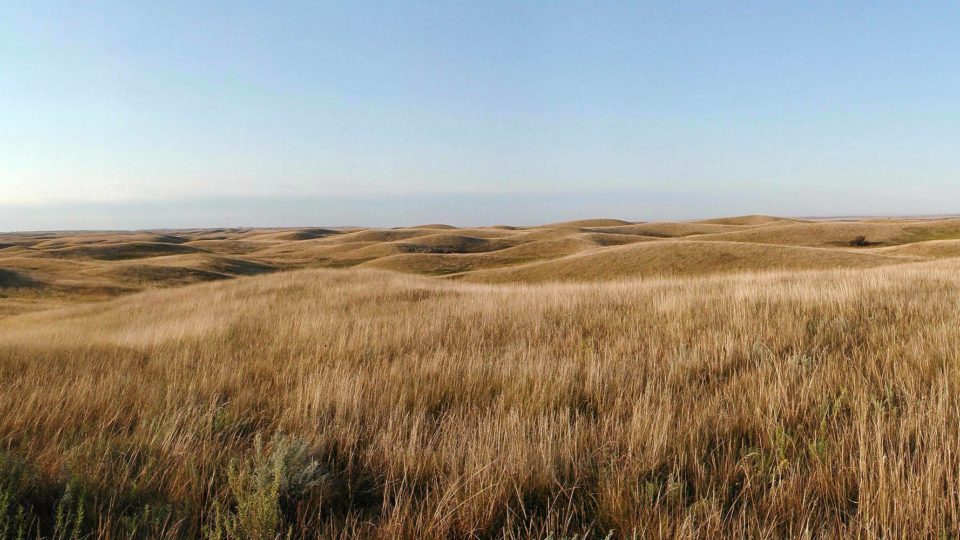
The Great Plains ecosystem has been shifting northward over the past fifty years, driven by climate change, wildfire suppression, energy development, land use changes, and urbanization.  The ecosystem is an area historically rich with grasslands and shrub steppe and is prime habitat for grassland birds.

According to a recent study published in the journal Nature Climate Change, the northernmost ecosystem boundary of the Great Plains has moved more than 365 miles north since 1970, amounting to about 8 miles a year.  The region’s southernmost ecosystem boundary has shifted 160 miles north, or about 4 miles a year.

The study used bird distribution data as an indicator of shifting ecosystem boundaries.  The researchers analyzed 46 years of data for 400 bird species across a 250-mile-wide strip stretching from Texas to North Dakota.  They tracked how the birds’ distributions changed as a measure of how these ecosystems were shifting.

While climate change has been a major driver of these ecosystem shifts since the 1970s, several other factors such as wildfire trends, land use changes, and invasion of tree species into grassland habitat have also played a role.  Like most things in ecological systems, the changes are likely to have multiple causes.  One cannot really separate causes like tree invasions, warming climate, and wildfires, as they are all interrelated.

Using bird distribution patterns for tracking ecosystem shifts could be a useful tool for scientists and land managers in the coming decades to give them an early warning of how habitats are changing in response to rising global temperatures and therefore allow them to take action to protect vulnerable species.

**********

Web Links

Great Plains’ Ecosystems Have Shifted 365 Miles Northward Since 1970

Photo, posted March 24, 2017, courtesy of Rick Bohn / USFWS via Flickr.

Earth Wise is a production of WAMC Northeast Public Radio.
Trees And Methane

August 14, 2019 By EarthWise Leave a Comment

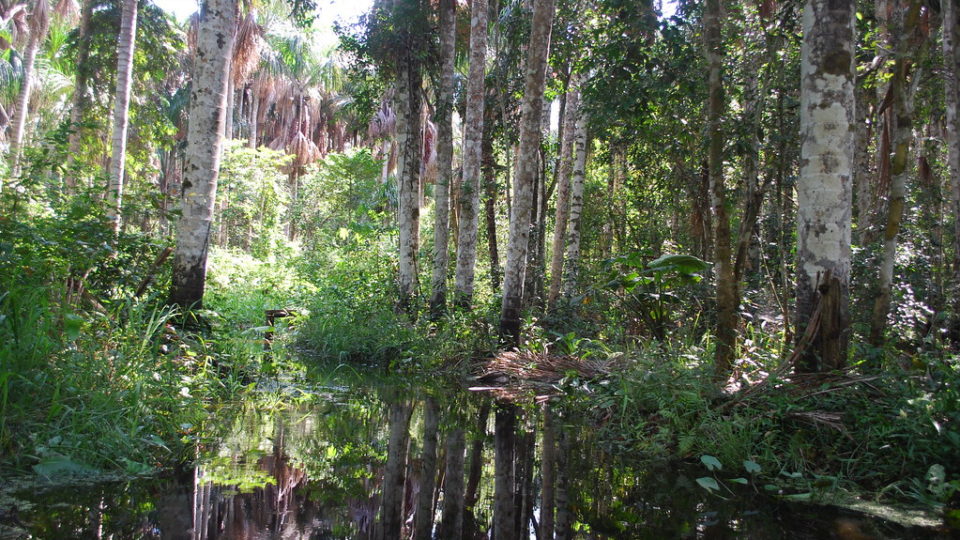
The Amazon is a source of many mysteries.  One that was as troubling as it was mysterious was the large amounts of methane emissions coming from the rainforest that were observed by satellites but that nobody could find on the ground.  In total, there were 20 million tons of methane whose origin was unknown.

An expedition by a British postdoctoral researcher who spent two months strapping gas-measuring equipment to thousands of trees has solved the mystery.  It turns out that trees, especially in the extensive flooded forests, were stimulating methane production in the waterlogged soils and pumping it into the atmosphere.

This research has uncovered a previously-ignored major source of the second most important greenhouse gas in the world.  Apparently, most of the world’s estimated 3 trillion trees emit methane at least some of the time.

This in no way implies that trees are bad for the climate and therefore should be cut down.  The reality is that the carbon storage capability of trees far outweighs their methane emissions.  But since corporations these days are planting trees to offset their carbon emissions, it is essential to know if their numbers add up.  Carbon accounting has to include the complex chemistry of trees and methane.

Wetland tree trunks can act as passive conduits for methane generated by micro-organisms in waterlogged soils.  The solid-looking trunks contain spaces and channels through which gases travel up and down.  But in wetland systems, trees also create the conditions, and provide the raw materials, for methane generation by micro-organisms.  Trees are essentially bioreactors.  Some trees even actively generate methane from photochemical reactions in their foliage.

Understanding the interactions of ecosystems and the atmosphere is a complicated business.

**********

Web Links

Scientists Zero in on Trees as a Surprisingly Large Source of Methane

Photo, posted December 13, 2008, courtesy of Ivan Mlinaric via Flickr.

Earth Wise is a production of WAMC Northeast Public Radio.
Protecting Vulnerable Shorelines

May 21, 2019 By EarthWise Leave a Comment

Global climate change is having noticeable effects on the environment. For example, glaciers are shrinking.  Plant and animal ranges are shifting and populations decreasing.  And droughts, floods, and wildfires are becoming more frequent and more intense.  According to the Intergovernmental Panel on Climate Change, the evidence indicates that the net damage costs of climate change are likely to be significant and to increase over time. 

Our coastal shorelines, which are already stressed by human activity, pollution, storms, and invasive species, are one of many areas expected to be further threatened by climate change.  Sea level rise and more intense and frequent storms are expected to erode and inundate coastal ecosystems and eliminate wetlands.  Ocean acidification is also projected to disrupt marine environments. 

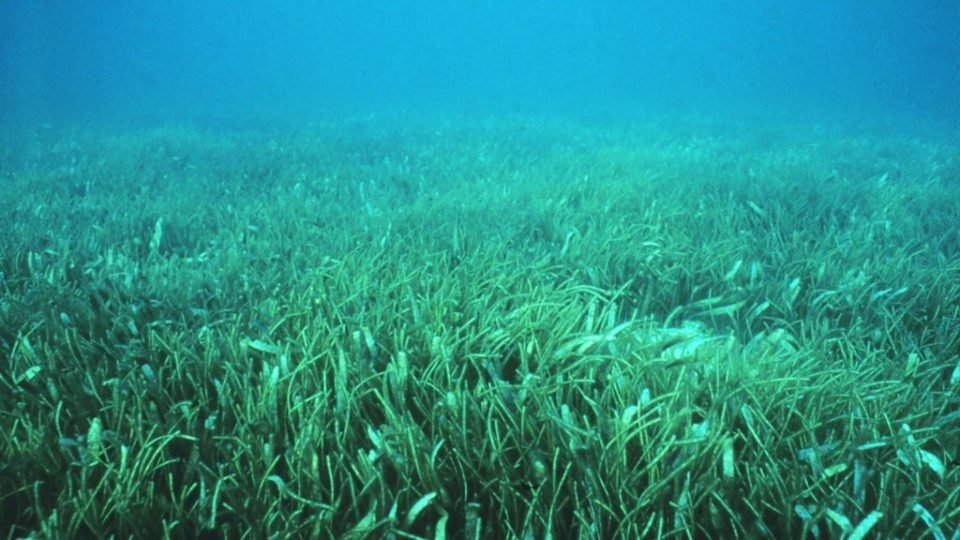
But according to scientists at the Massachusetts Institute of Technology, seagrasses could play a key role in protecting these vulnerable shorelines from this onslaught.  The MIT research team demonstrated how the ubiquitous marine plants dissipate wave energy and help protect against erosion, which could help mitigate damage from rising seas. 

Using mathematical modelling and experiments, the MIT researchers were able to quantify for the first time how large and dense a continuous meadow of seagrass must be in order to provide adequate damping of waves in a given setting.  They also found that seagrasses offer significant environmental benefits, including preventing beach erosion, protecting seawalls and coastal structures, improving water quality, and sequestering carbon. 

Submerged aquatic vegetation, including seagrasses, provides an ecosystem service exceeding $4 trillion annually.  Hopefully these findings can help provide useful guidance for seagrass restoration efforts.

**********

Web Links

Seagrass’ strong potential for curbing erosion

The Effects of Climate Change

Photo, posted October 13, 2010, courtesy of the NOAA Photo Library via Flickr.

Earth Wise is a production of WAMC Northeast Public Radio.
Natural Climate Solutions Are Not Enough

April 1, 2019 By EarthWise Leave a Comment

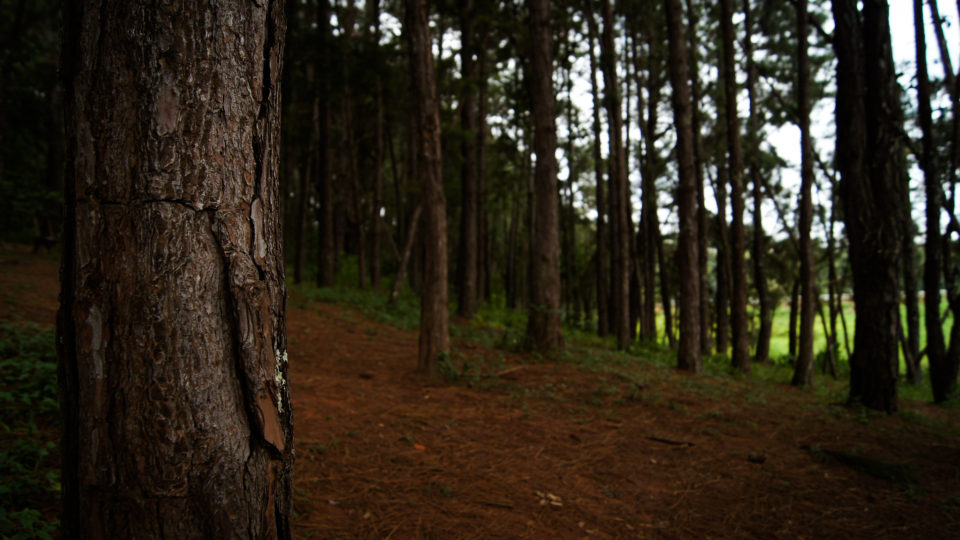
A new policy perspective published in Science by researchers at seven prestigious institutions looked at the role of natural science solutions in stabilizing the Earth’s climate for people and ecosystems.   While they asserted that it is imperative to ramp up natural climate solutions, they also concluded that natural solutions alone will not be sufficient.

Natural science solutions include such things as enhancing carbon sinks from forests, agriculture and other lands.  Doing these things are very beneficial in their own right as they lead to improved forests, croplands, grazing lands, and wetlands.

However, these things will not be enough to meet the goals of the Paris Climate Agreement and must be combined with rapid efforts to decrease emissions from the energy and industrial sectors.  Among their various findings, the researchers warn that a ten-year delay in emissions reductions from these sectors could completely negate any potential benefits of natural climate solutions.

As has become increasingly clear, there is not an either-or situation with regard to the actions that need to be taken with respect to climate change.

Maximizing natural climate solutions and reducing emissions from the energy and industrial sectors will provide broad benefits beyond climate change mitigation.  Doing these things will improve forests and habitats, reduce the risk of wildfires, and decrease air and water pollution thereby improving human health and well-being.

Of course, to reduce cumulative emissions and put a cap on the warming of the planet, there will need to be policy mechanisms and incentives in place that support both natural climate solutions and increasing mitigation efforts across the energy and industrial sectors.

**********

Web Links

Natural Climate Solutions Are Not Enough

Photo, posted February 11, 2012, courtesy of Joao Andre O. Dias via Flickr.

Earth Wise is a production of WAMC Northeast Public Radio.
Glaciers And Water Supply

March 25, 2019 By EarthWise Leave a Comment

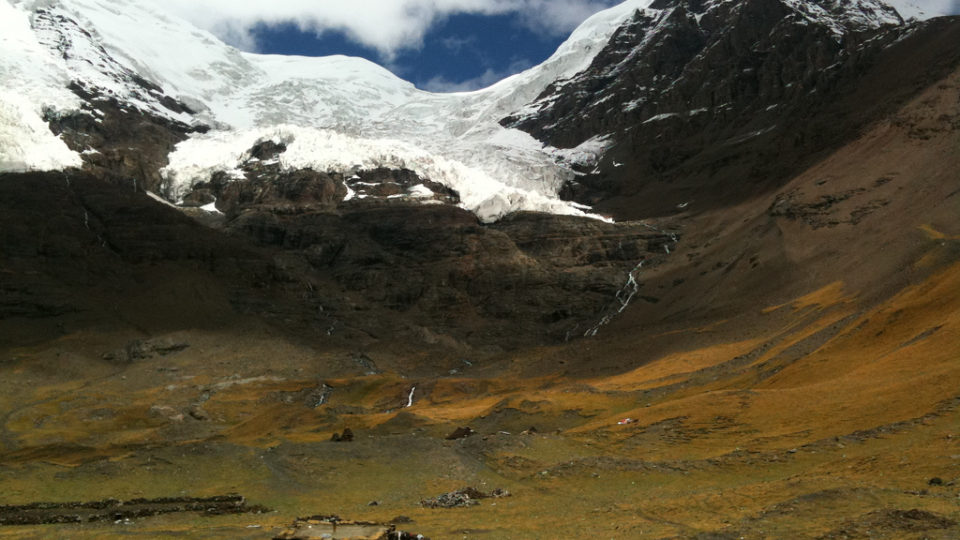
The world has roughly 150,000 glaciers covering about 200,000 square miles of the earth’s surface.  Over the last 40 years they’ve lost the equivalent of a layer of ice 70 feet thick.  Most of them are getting shorter as well.  Some have shrunk to nothing; many smaller glaciers in places like the Rockies and the Andes have disappeared entirely.

Glaciers represent the snows of centuries, compressed over time to form flowing rivers of ice.  They always change over time, accumulating snow in winter and losing ice to melting in summer.  But in recent times, the warming climate has allowed the melting to outpace the accumulation.

Much of the discussion about the retreating glaciers relates to sea level rise, catastrophic floods, debris flow, and the effects on rivers and ecosystems.

But in some places, the biggest impact of the loss of glaciers is on the supply of water for people and agriculture.  In Kazakhstan, Almaty, the country’s largest city depends on glacier-fed rivers for drinking water for its 2 million people and for irrigation water for crops.  All across the Tibetan Plateau and the Himalayan and Karakmoram mountain ranges, hundreds of millions of people rely on glacier-fed rivers for their water supplies. 

A melting glacier can at first increase stream flow but eventually reaches a tipping point and meltwater begins to taper.  In the short term, the melting glaciers may provide increased amounts of water coming down from the mountains, but eventually the flow in the rivers will begin to decline and populations will face a crisis.

It will be essential for people in many places to carefully plan for their future water needs in a changing world.

**********

Web Links

Glaciers Are Retreating. Millions Rely on Their Water.

Photo, posted September 16, 2011, courtesy of Flickr.

Earth Wise is a production of WAMC Northeast Public Radio.
Your Children’s Yellowstone

January 25, 2019 By EarthWise Leave a Comment

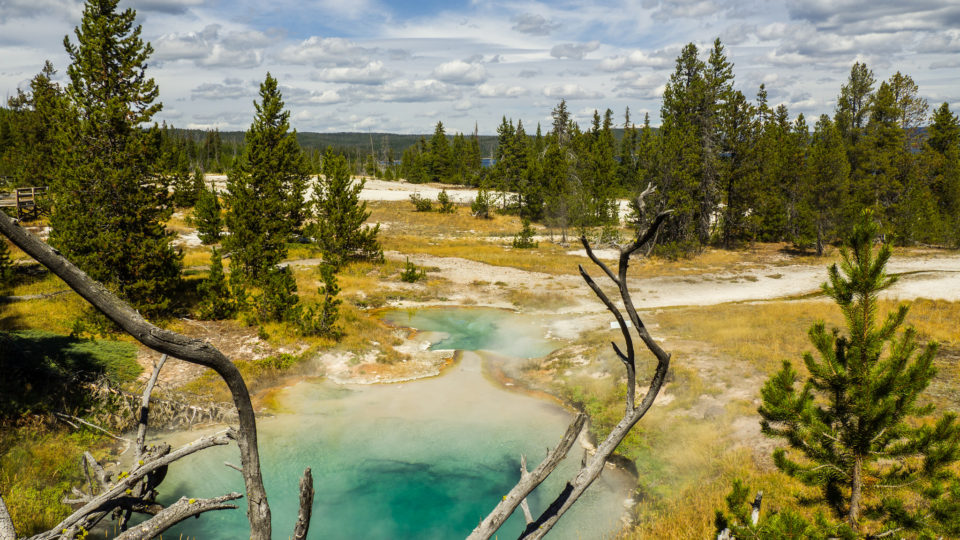
Yellowstone National Park was the first national park in the US and according to some sources, the first in the world.  It is the home of charismatic megafauna and stunning geysers that attract over four million visitors a year.  It is the only place in the United States where bison and wolves can be seen in great numbers.  And it is changing.

Over the next few decades of climate change, Yellowstone will quite likely see increased fire, less forest, expanding grasslands, shallower, warmer waterways, and more invasive plants.  All these things will alter how and how many animals move through the landscape.   Ecosystems are always changing, but climate change is transforming habitats so quickly that many plants and animals may not be able to make the transition at all.

Since 1948, the average annual temperature in the Greater Yellowstone ecosystem has gone up by 2 degrees Fahrenheit.  On balance, winter is 10 days shorter and less cold.  The Northern Rockies snowpack has fallen to its lowest level in eight centuries. Summers in the park are warmer, drier, and increasingly prone to fire.

Non-nutritious invasive plants like cheatgrass and desert madwort have replaced nutritious native plants.  When plants like these take over, they suck moisture out of the ground early so that bison and elk cannot be sustained throughout the summer.

The behavior of elk and other animals is already changing, with many staying outside the park to nibble lawns and alfalfa fields.  In turn, wolves go where the elk go.   Forests and waterways are changing as well.

The rapid changes going on at Yellowstone mean that the park that our children and grandchildren will visit in the future is likely to be a very different one from the Yellowstone we remember.

**********

Web Links

In Yellowstone National Park, warming has brought rapid changes.

Photo, posted September 7, 2016, courtesy of Mike Yang via Flickr.  

Earth Wise is a production of WAMC Northeast Public Radio.
Japan And Whaling

January 10, 2019 By EarthWise Leave a Comment

The commercial hunting of whales nearly drove the giant mammals to extinction.  By the 1960s, as hunting technologies improved and ships began to resemble floating factories, it became clear that whaling could not continue unchecked. 

But despite all this, commercial whaling was never actually banned.  Instead, in 1986, members of the International Whaling Committee (IWC) agreed to a whaling moratorium in order to allow whale stocks to recover.  Pro-whaling nations like Japan, Iceland, and Norway expected the moratorium to be temporary until the whales stocks recovered, and a consensus on catch quotas could be established.  But the temporary moratorium became a quasi-permanent ban, much to the delight of conservationists and to the dismay of whaling nations. 

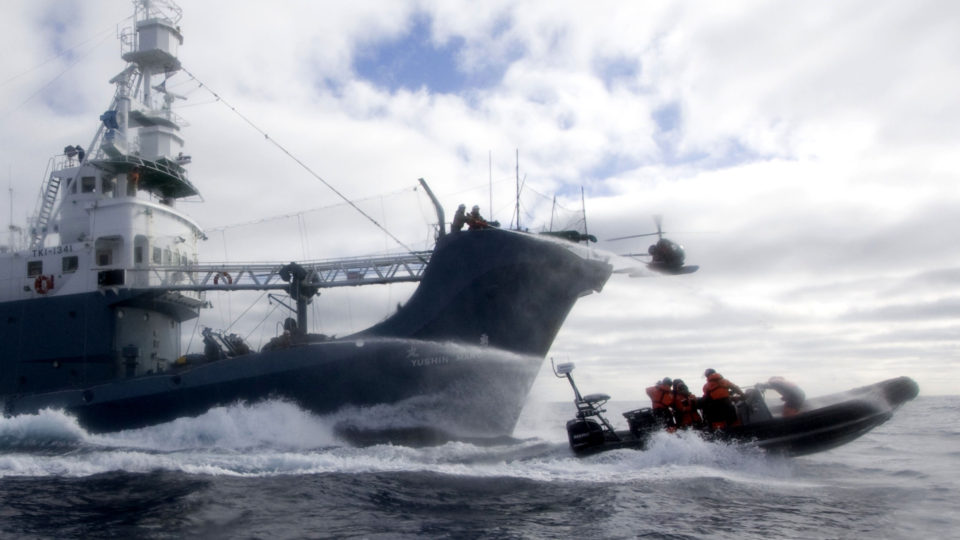
As a result, Japan recently announced it is leaving the international agreement and plans to resume commercial whaling.  The agreement though never really stopped Japanese whaling in the first place, because it allowed the country to kill whales for scientific research.  Japan has had an annual Antarctic catch quota of 333 minke whales, producing notoriously little in terms of whale science while producing  lots of whale meat.  As part of its withdrawal from the IWC, Japan will cease its Antarctic hunts and limit whalers to its own waters.  Commercial Japanese whaling will resume in July. 

Once popular in Japan, whale meat consumption has plummeted, falling 98% between 1962 and 2016. The industry employs fewer than 1,000 people and is dependent on government subsidies. 

Many governments and conservationist groups condemned Japan’s withdrawal, declaring the move out of step with the international community.  They argue that, rather than hunting whales, urgent action is needed to conserve marine ecosystems. 

**********

Web Links

Japan to Resume Commercial Whaling, Defying International Ban

Photo, posted February 5, 2009, courtesy of Flickr.

Earth Wise is a production of WAMC Northeast Public Radio.
Throwing Off Nature’s Seasonal Clock

October 29, 2018 By EarthWise Leave a Comment

https://earthwiseradio.org/wp-content/uploads/2018/10/EW-10-29-18-Throwing-Off-Natures-Clock.mp3

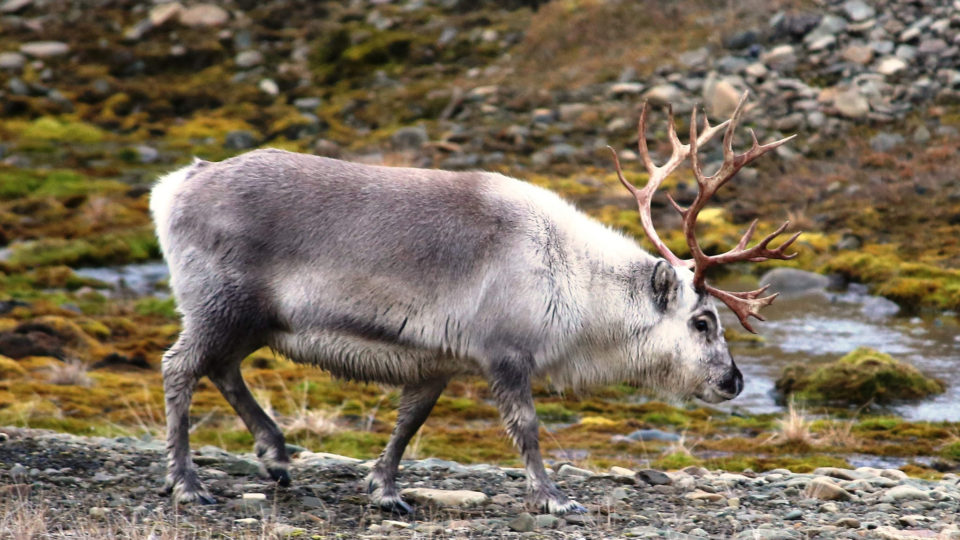
Ecosystems throughout the Arctic are regulated by seasonal changes leading to a finely tuned balance between the greening of vegetation and the reproduction of animals.  The rapidly warming climate and the disappearing sea ice are upending that balance.

[Read more…] about Throwing Off Nature’s Seasonal Clock

Rapid Response To Climate Change More Important Than Ever

October 17, 2018 By EarthWise Leave a Comment

https://earthwiseradio.org/wp-content/uploads/2018/10/EW-10-17-18-Rapid-Response-to-Climate-Change.mp3

The Intergovernmental Panel on Climate Change has issued a new report emphasizing the importance of taking rapid action to limit global warming to 1.5 degrees Celsius and examining the consequences of allowing temperatures to rise 2 degrees instead.

[Read more…] about Rapid Response To Climate Change More Important Than Ever

Insects In A Warming World

July 19, 2018 By EarthWise Leave a Comment

https://earthwiseradio.org/wp-content/uploads/2018/07/EW-07-19-18-Insects-in-a-Warming-World.mp3

The revered biologist E. O. Wilson once said that “if all mankind were to disappear, the world would regenerate back to the rich state of equilibrium that existed ten thousand years ago.  If insects were to vanish, the environment would collapse into chaos.”

[Read more…] about Insects In A Warming World

The Value Of Biodiversity

July 16, 2018 By EarthWise Leave a Comment

https://earthwiseradio.org/wp-content/uploads/2018/06/EW-07-16-18-The-Value-of-Biodiversity.mp3

It is often said that biodiversity is crucial for staving off extinctions.  Ecosystems are complex and are essentially defined by the interdependencies among the various animals and plants.  It stands to reason that removing species from an ecosystem can have significant effects up and down the food chain.  Extinctions are much more likely when biodiversity diminishes.

[Read more…] about The Value Of Biodiversity

Coral Nurseries

July 9, 2018 By EarthWise Leave a Comment

https://earthwiseradio.org/wp-content/uploads/2018/06/EW-07-09-18-Coral-Nurseries.mp3

In the past, coral conservationists focused their efforts on protecting reefs from direct environmental threats such as land-based pollution and damaging fishing practices.   These efforts continue, but as coral reefs face increasingly dire threats, conservationists are turning toward more proactive approaches.

[Read more…] about Coral Nurseries

Nitrogen In The Rocks

May 23, 2018 By EarthWise Leave a Comment

https://earthwiseradio.org/wp-content/uploads/2018/05/EW-05-23-18-Nitrogen-in-the-Rocks.mp3

The carbon cycle is the biogeochemical process by which carbon is exchanged between the atmosphere, the terrestrial biosphere, the ocean, sediments, and the earth’s interior.  Its balance is a key factor that influences the climate.

[Read more…] about Nitrogen In The Rocks

Deepwater Aquaculture

March 14, 2018 By EarthWise Leave a Comment

https://earthwiseradio.org/wp-content/uploads/2018/03/EW-03-14-18-Deepwater-Aquaculture.mp3

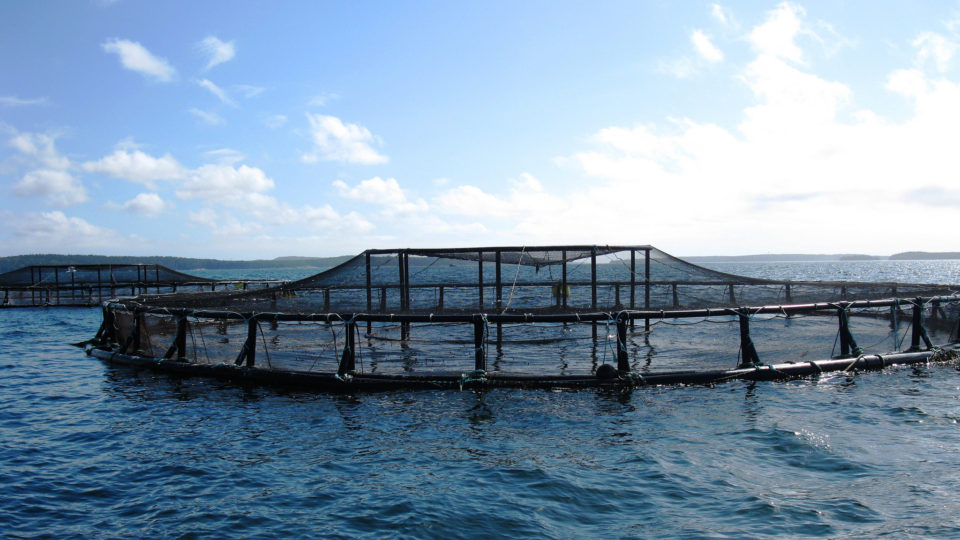
Near-shore fish farms have created many environmental problems.   Raising large numbers of fish creates concentrations of fish waste and sea lice, which can adversely impact near-shore ecosystems.

[Read more…] about Deepwater Aquaculture

Reviled Animals Can Be Beneficial

February 16, 2018 By EarthWise Leave a Comment

https://earthwiseradio.org/wp-content/uploads/2018/01/EW-02-16-18-Reviled-Animals-Can-Be-Beneficial.mp3

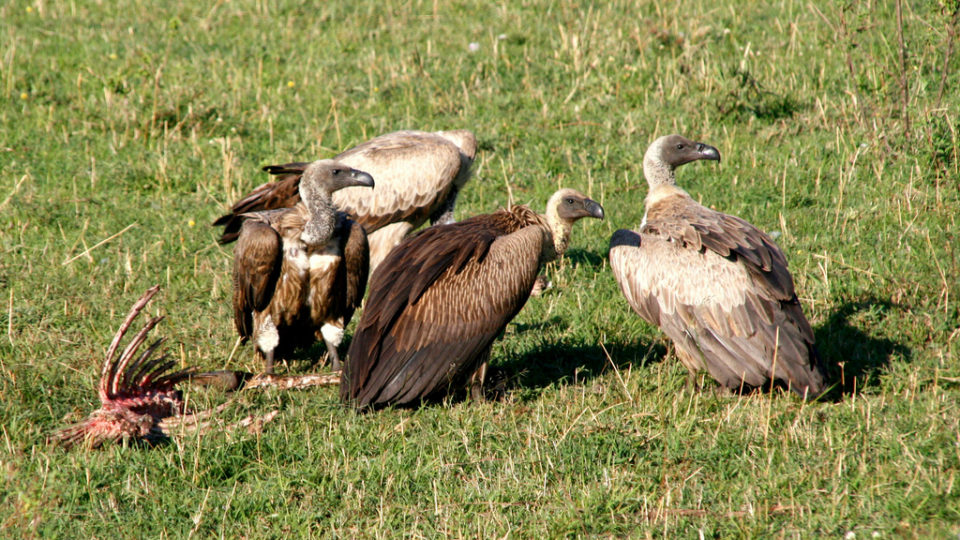
Predators and scavengers are widely persecuted by people because they are often harmful to property, livestock, and human beings.  Nonetheless, research has shown that many of these animals play important roles in ecosystems and their removal can be quite harmful.

[Read more…] about Reviled Animals Can Be Beneficial

Biomimicry Is Big

February 8, 2018 By EarthWise Leave a Comment

https://earthwiseradio.org/wp-content/uploads/2018/02/EW-02-08-18-Biomimicry-is-Big.mp3

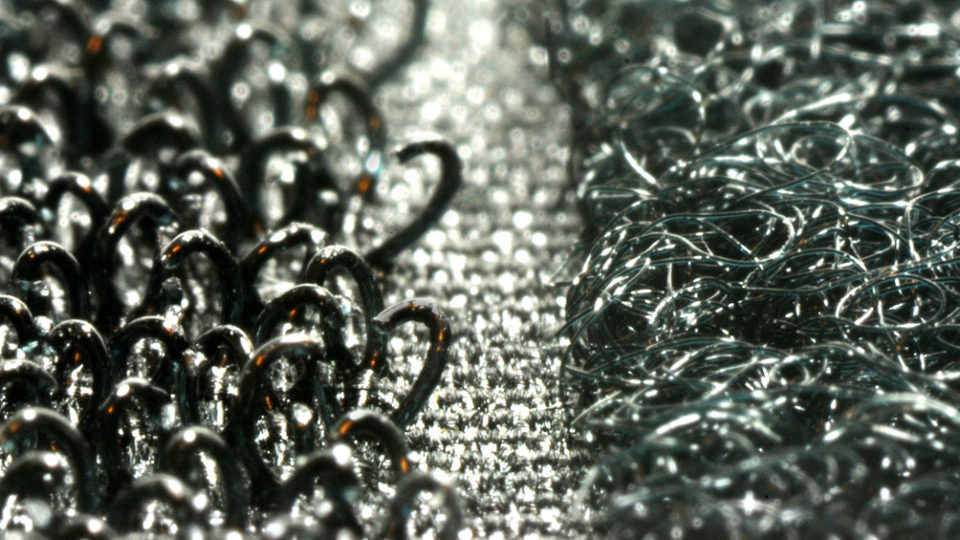
Biomimicry is learning from and then emulating nature’s forms, processes, and ecosystems to create more sustainable designs.   Mother Nature is already the inspiration for countless products and designs ranging from Velcro copied from plant burs to the shape of wind turbines modeled after whale fins.  There are wetsuits inspired by beaver pelts and office buildings that copy termite dens.  Increasingly, innovators are looking at nature for designs in architecture, chemistry, agriculture, energy, health, transportation, computing, and even for the structure of organizations and cities.

[Read more…] about Biomimicry Is Big

The Ecology Of Dust

January 19, 2018 By EarthWise Leave a Comment

https://earthwiseradio.org/wp-content/uploads/2017/12/EW-01-19-18-The-Ecology-of-Dust.mp3

It isn’t something we think about very often, but dust is a connector of ecosystems around the world.  Dust carries various minerals and nutrients to places where such things are in very scarce supply.  This includes the oceans of the world as well as many forests and other ecosystems.  For example, phosphorus-bearing dust carried from the Gobi Desert is essential to the growth of giant redwoods in California’s Sierra Mountains.

[Read more…] about The Ecology Of Dust

Strange Ocean Current Behavior

January 18, 2018 By EarthWise 4 Comments

https://earthwiseradio.org/wp-content/uploads/2017/12/EW-01-18-18-Strange-Ocean-Current-Behavior.mp3

The Beaufort Gyre is a massive wind-driven current in the Arctic Ocean.  Located north of Alaska and Canada’s Yukon Territory, it is like a giant spinning top that corrals vast amounts of sea ice in the far north.

[Read more…] about Strange Ocean Current Behavior

Cities Can Help Bees

December 14, 2017 By EarthWise Leave a Comment

https://earthwiseradio.org/wp-content/uploads/2017/12/EW-12-14-17-Cities-Can-Help-Bees.mp3

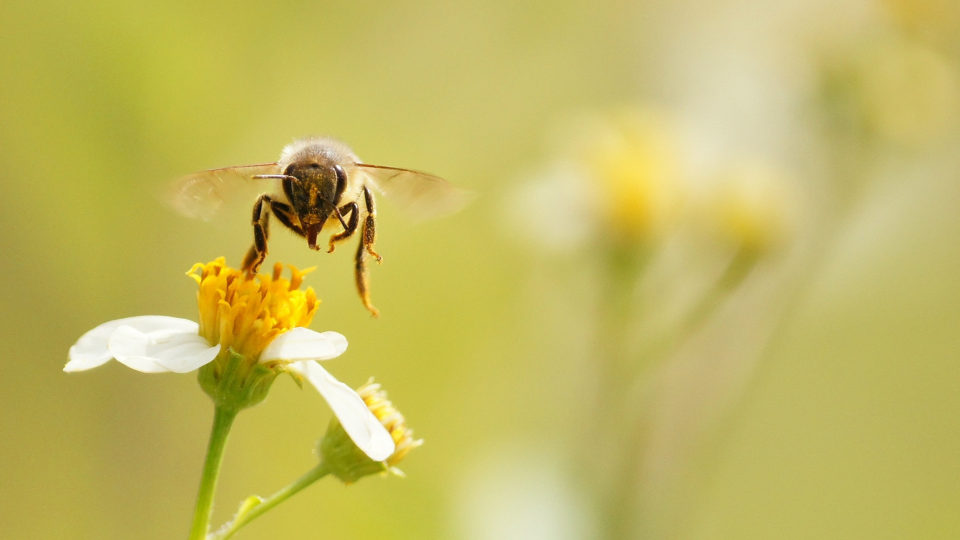
Global bee populations have been drastically declining as a result of habitat loss, pesticides and climate change.  But studies are showing that planting flower patches in urban gardens and green spaces can make a real difference in restoring natural pollinators.   There are already positive results in cities from Chicago to London to Melbourne.

[Read more…] about Cities Can Help Bees

A Decline In Flying Insects

November 23, 2017 By EarthWise Leave a Comment

https://earthwiseradio.org/wp-content/uploads/2017/10/EW-11-23-17-A-Decline-in-Flying-Insects.mp3

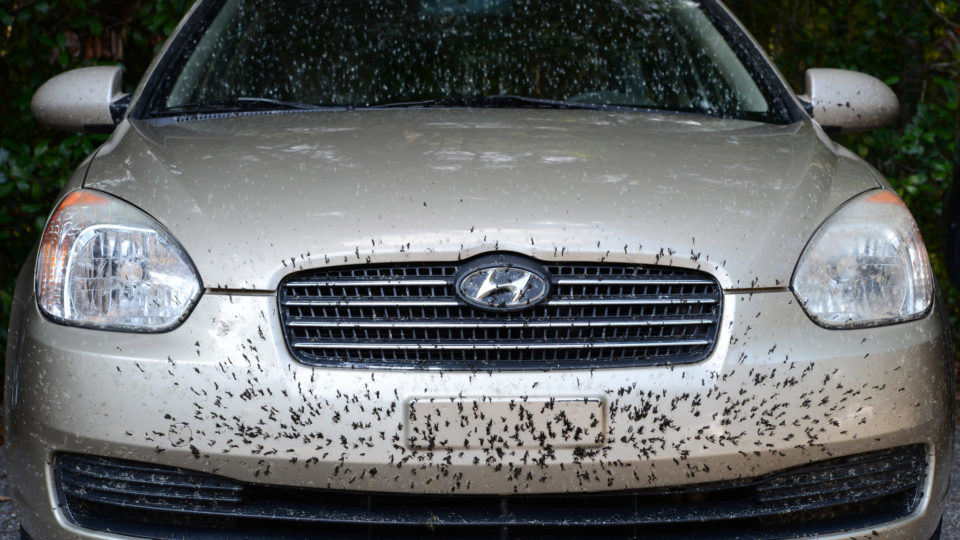
When was the last time you used a squeegee to remove squashed insects from your windshield?  It’s been a while, right?  It’s not just you.  This is known as the windscreen phenomenon.  Scientists and some motorists have long suspected that flying insects are in dramatic decline.  New research has confirmed these suspicions.

[Read more…] about A Decline In Flying Insects

  • « Go to Previous Page
  • Page 1
  • Interim pages omitted …
  • Page 4
  • Page 5
  • Page 6
  • Page 7
  • Go to Next Page »

Primary Sidebar

Recent Episodes

  • An uninsurable future
  • Clean energy and jobs
  • Insect declines in remote regions
  • Fossil fuel producing nations ignoring climate goals
  • Trouble for clownfishes

WAMC Northeast Public Radio

WAMC/Northeast Public Radio is a regional public radio network serving parts of seven northeastern states (more...)

Copyright © 2026 ·