• Skip to primary navigation
  • Skip to main content
  • Skip to primary sidebar

Earth Wise

A look at our changing environment.

  • Home
  • About Earth Wise
  • Where to Listen
  • All Articles
  • Show Search
Hide Search
You are here: Home / Archives for wildfires

wildfires

Companies Promise Climate Action | Earth Wise

March 30, 2020 By EarthWise Leave a Comment

Companies scramble to achieve climate promises

A growing number of major corporations are making promises on climate and the promises are getting more ambitious and for faster action.  More companies are disclosing their carbon emissions and more of those companies have emissions reduction targets. 

There has also been an acceleration in the rate at which companies set so-called science-based targets, which are specific, measurable carbon reduction goals that align the company with the Paris Agreement.  Among the hundreds of companies with such targets are Coca-Cola, Nike, Best Buy, Walmart, and Hilton Hotels.  According to one analysis, the number of Fortune 500 companies with concrete, ambitious carbon targets quadrupled in the past four year to 23%.

Environmental advocates have been pressuring companies for decades, but companies seem to be far more proactive now despite the fact that the U.S. government has largely dropped the ball on climate issues.

The reasons include the fact that the effects of climate change are becoming clearer to companies.  Wildfires, rising sea levels, droughts and other aspects of the crisis both make headlines and affect business operations.

Meanwhile, solar and wind energy have gotten significantly cheaper, making it more attractive for companies to shift away from fossil fuels.

At the same time, investors are increasingly asking companies to act on climate issues.  Consumers, employees, and the general public are increasingly demanding action and even children are adding to the pressure to act.

Making these commitments is one thing; following through on them and sticking to them is another.  There are real concerns that there is a great deal of green-washing going on among companies trying to project a favorable image.  In any case, if companies really want to lead on climate, they need to put their money where their mouths are.

**********

Web Links

Better Late Than Never? Big Companies Scramble To Make Lofty Climate Promises

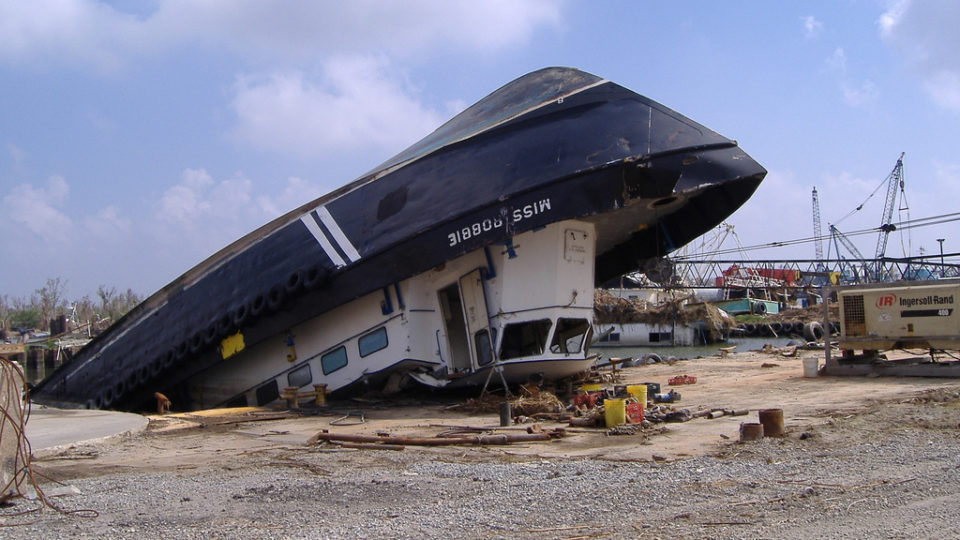
Photo, posted June 22, 2016, courtesy of Mike Mozart via Flickr.

Earth Wise is a production of WAMC Northeast Public Radio.
Dangerous Smoke From Australia’s Wildfires | Earth Wise

January 13, 2020 By EarthWise Leave a Comment

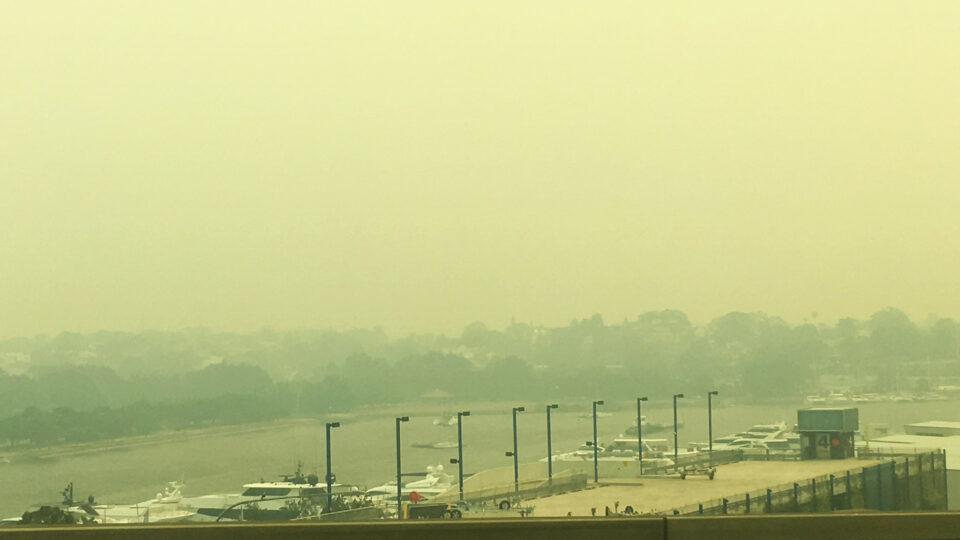
wildfire smoke in Sydney, Australia

Wildfires raging across Australia have devastated large swathes of land and prompted one of the largest evacuations in the country’s history.  The fires, which have scorched approximately 20 million acres, have also killed 27 people and affected an estimated one billion animals at the time of this recording. The fire season, though still young, already ranks as among the worst in Australia’s recorded history. 

Away from the flames, millions more in Australia are breathing unhealthy air as a result of the smoke from these wildfires. Wildfires release all sorts of dangerous air pollutants, like carbon monoxide and nitrous oxide.  But wildfires also release fine particulate matter (more commonly referred to as PM2.5), which can be transported long distances.  Breathing in these microscopic particles can lead to respiratory and cardiovascular problems.  High levels of PM2.5 are particularly harmful to older people, young children, and those with weakened immune systems.  

The Australian capital city of Canberra has been covered in a thick haze of smoke from nearby wildfires.  Canberra recorded its worst air quality day on January 2nd, when levels of PM2.5 spiked to more than 200 micrograms per cubic meter during the worst hour.

Smoke has also been fouling Sydney’s air off and on for months, with PM2.5 readings hitting nearly 400 micrograms per cubic meter last month during the highest hour of pollution. 

The U.S. EPA has in place an annual PM2.5 standard of 12 micrograms per cubic meter and a daily (or 24 hour) standard of 35. 

According to the IPCC, southern Australia is expected to see increased risk of fire as the planet continues to warm.  Regrettably, this could be the new normal. 

********** 

Web Links

Millions of Australians Are Choking on Smoke From Wildfires

Photo, posted December 5, 2019, courtesy of Flickr.

Earth Wise is a production of WAMC Northeast Public Radio.
Air Quality In The U.S.

November 13, 2019 By EarthWise Leave a Comment

Globally, poor air is a serious problem.  According to the World Health Organization, exposure to air pollution is linked to the premature deaths of an estimated 7 million people every year.  In fact, 91% of the people on the planet live in places where air pollution exceeds WHO guideline limits. 

In the United States, air pollution has dramatically improved over the last four decades due in large part to federal regulations put in place under the Clean Air Act of 1970.  Fine particulate matter (known as PM2.5) and other pollution, including ozone, sulphur dioxide, and nitrogen dioxide, have all decreased during this time span. 

But according to recent research, this trend has unfortunately done an about-face.  New data reveals that air pollution has increased nationally since 2016.  An analysis of Environmental Protection Agency data by researchers at Carnegie Mellon University found that, on average, fine particulate pollution increased 5.5% across the country between 2016 and 2018. 

This increase in fine particulate pollution was associated with nearly 10,000 additional premature deaths in the United States during that time period. 

According to researchers, there are several factors likely causing this uptick in unhealthy air, including increases in both driving and the burning of natural gas.  Wildfires out west are also thought to be a major contributor. 

The researchers also suggest that a decrease in enforcement of the Clean Air Act may also be playing a role.  The law put in place strict air pollution standards for vehicles, factories, power plants, and other sources, and is credited with saving hundreds of thousands of lives.

It’s time for clean air to be recognized as a basic human right.

***********

Web Links

America’s Air Quality Worsens, Ending Years of Gains, Study Says

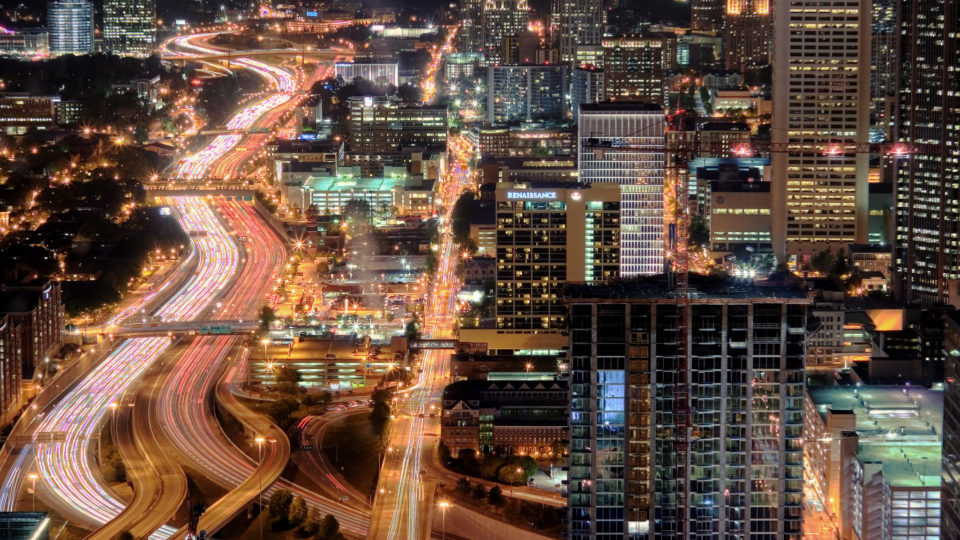
Photo, posted April 6, 2007, courtesy of Brett Weinstein via Flickr.

Earth Wise is a production of WAMC Northeast Public Radio.
Wildfires And Carbon

September 17, 2019 By EarthWise Leave a Comment

This summer has been an unprecedented year for fires in the Arctic.  Major fires have burned throughout the Arctic in Russia, Canada, and Greenland.  In total these fires released 50 million tons of carbon dioxide in June alone, which is as much as Sweden emits in an entire year.

In an average year, wildfires around the world burn an area equivalent to the size of India and emit more carbon dioxide to the atmosphere than global road, rail, shipping and air transport combined.

Ordinarily, this is part of a natural cycle.  As vegetation in burned areas regrows, it draws CO2 back out of the atmosphere through photosynthesis.  This is part of the fire-recovery cycle, which can take less than a year in grasslands, but decades in forests.  But in Arctic or tropical peatlands, full recovery may not occur for centuries.

A recent study looked at and quantified the important role that charcoal plays in helping to compensate for carbon emissions from fires.  In wildfires, some of the vegetation is not consumed by burning, but instead is transformed to charcoal – referred to as pyrogenic carbon.   This carbon-rich material can be stored in soils and oceans over very long time periods.

Researchers have combined field studies, satellite data, and modelling to quantify the amount of carbon that is placed in storage in the form of charcoal.  Their results are that the production of pyrogenic carbon amounts to about 12% of the CO2 emissions from fires and can be considered a significant buffer for landscape fire emissions.

Charcoal does not represent a solution to the problem of increasingly intense wildfires, but it is important to take it into account in understanding what is happening.

**********

Web Links

How wildfires trap carbon for centuries to millennia

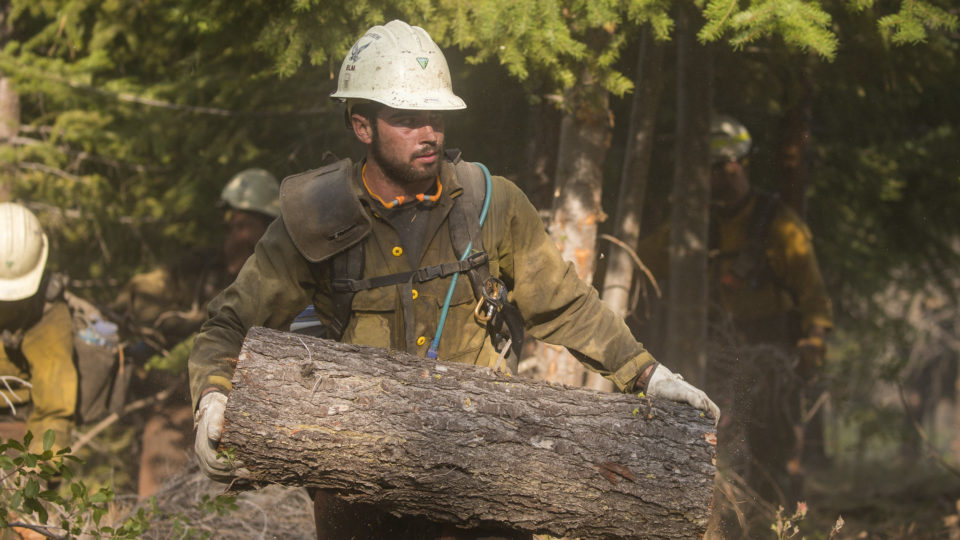
Photo, posted August 17, 2018, courtesy of the Bureau of Land Management Oregon and Washington via Flickr.

Earth Wise is a production of WAMC Northeast Public Radio.
The Importance Of The Amazon Rainforest Fires

September 10, 2019 By EarthWise Leave a Comment

The Amazon rainforest covers extensive parts of Brazil, Peru, Colombia, and small parts of six other countries.  It is the largest rainforest in the world and is instrumental in driving the weather and climate in South America.

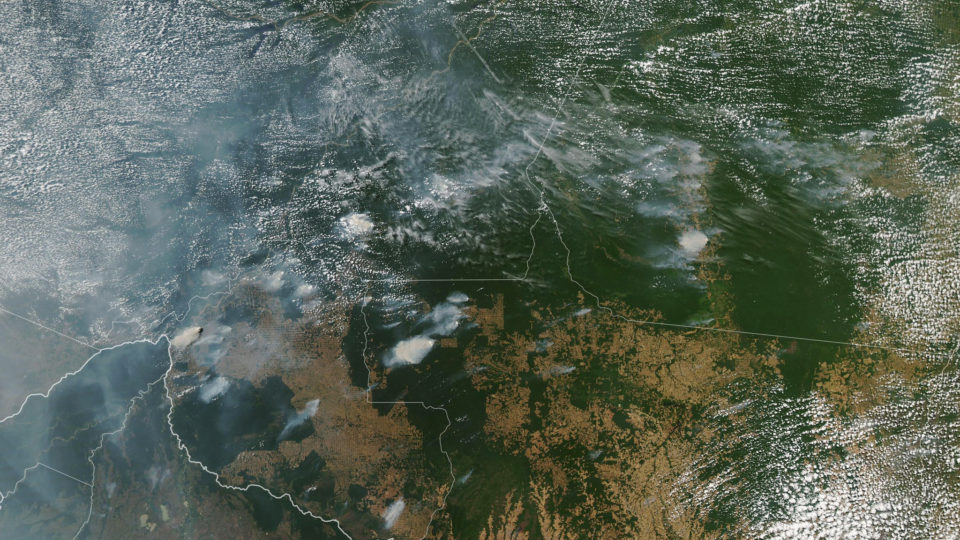
The raging wildfires in the Amazon rainforest are a source of great concern.  The Amazon is always prone to wildfires during the dry season in South America, but the extent and number of fires this year cannot be attributed simply to drought.  The surge in fires has come from illegal deforestation by loggers and farmers, who are using the cleared-out land for cattle ranching.

Rainforests produce consistently high amounts of rainfall throughout the year by pulling water from the soil and then releasing it into the atmosphere.  The Amazon rainforest essentially makes it rain in South America. 

Over time, the forest plays a crucial role in cycling carbon out of the atmosphere by turning it into biomass.  The Amazon jungle sucks up as much as a quarter of the planet’s atmospheric carbon dioxide.

Pristine rainforest burns less frequently and less intensely than cleared and recovering forest.  As more and more of the Amazon rainforest is deforested, it becomes more likely to burn each year.

The major disruption of the water dynamics in South America has the potential to not only drive the weather in South American countries but even potentially influence natural resources like snow packs in the Northern Hemisphere.

The skies of Sāo Paulo, Brazil’s financial hub have been dark at midday because of the Amazon fires.  This is like having a fire in California and seeing the smoke in Boston.  The Amazon rainforest fires are a big problem for the whole world.

**********

Web Links

The Amazon Rainforest has been burning for weeks. Here’s why that matters.

Photo, posted August 21, 2019, courtesy of NASA Goddard Space Flight Center via Flickr.

Earth Wise is a production of WAMC Northeast Public Radio.
The Hottest Month Ever

August 27, 2019 By EarthWise Leave a Comment

European climate researchers announced that July was the hottest July ever recorded and since July is generally the hottest month of the year, it was indeed the hottest month ever recorded.  It just barely beat out the previous record set in July 2016.  There are multiple agencies that track temperatures around the world, and it is possible that some of them may report slightly different results. 

But whatever July’s ultimate ranking is, it is part of a long-term trend.  The past five years have been the hottest on record.   The 10 hottest years ever recorded have all occurred during the past twenty years.

This June was also the warmest on record, and the previous five months were all among the four warmest for their respective months.  All of that puts this year on track to be in the top five warmest years, or perhaps the hottest ever.

The highest above-average conditions were recorded across Alaska, Greenland, and large areas of Siberia.   Large parts of Africa and Australia were warmer than normal, as was much of central Asia.  New temperature records were set in Belgium, the Netherlands, and Germany with temperatures over 104 degrees Fahrenheit.  Great Britain saw an all-time record of 101.7 degrees and Anchorage, Alaska stayed above 79 degrees for a record six days in a row.

Wildfires have raged across the Russian Arctic, India has suffered heatwaves and severe water shortages, and Japan saw more than 5,000 people seek hospital treatment during a heatwave.

While scientists cannot directly link any particular heatwave to climate change, the trend for new heat records is likely to continue and accelerate unless we do something about curbing greenhouse gas emissions.

**********

Web Links

How Hot Was July? Hotter Than Ever, Global Data Shows

Photo, posted May 25, 2019, courtesy of Jakob Montrasio via Flickr.

Earth Wise is a production of WAMC Northeast Public Radio.
Another Bad Year For Bees

August 6, 2019 By EarthWise Leave a Comment

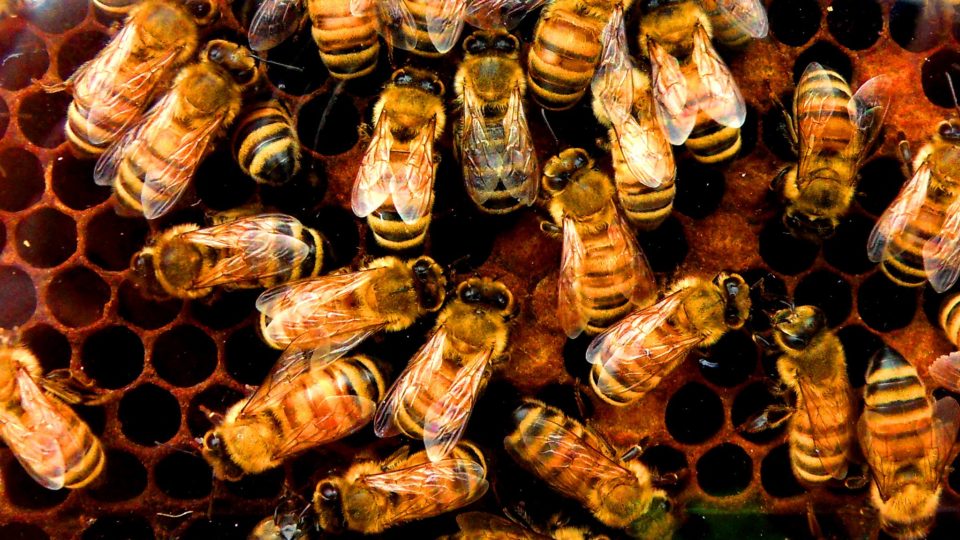
The latest annual nationwide survey of beekeepers in the US revealed that honeybees are still dying off at an alarming rate.  According to the survey, beekeepers across the country lost 40.7% of their honey bee colonies from April 2018 to April 2019. 

This annual loss represents a slight increase over the average annual loss of 38.7%.  Of greater concern is that winter losses of 37.7% were the highest reported since these annual surveys began 13 years ago and are almost 9% higher than the survey average.

These results are very troubling considering that the elevated losses are continuing even after a decade of intense work trying to understand and reduce colony loss.  Evidently, there has not been much progress.

The number one concern among beekeepers is varroa mites, which are lethal parasites that can readily spread from colony to colony.  These mites have been decimating bee colonies for years.  Products developed to remove mites seem to be getting less and less effective.

But mites are not the only problem for bees.  Land use changes have resulted in reduced availability of pollen sources for bees.  Add to that pesticide exposures, environmental factors, and even problems with beekeeping practices.   In addition, extreme weather conditions such as wildfires and floods are only adding to the problems facing bees.

The tools that used to work for beekeepers seem to be failing and they are already stretched to their limits trying to keep their bees alive. Honey bees pollinate $15 billion worth of food crops in the United States each year. The problems facing bees are a problem for all of us.

**********

Web Links

U.S. Beekeepers Suffered Higher than Average Colony Loss Last Year, with Winter Losses the Highest Recorded, According to UMD-Led Annual Survey

Photo, posted June 3, 2009, courtesy of Jennifer C via Flickr.

Earth Wise is a production of WAMC Northeast Public Radio.
Protecting Vulnerable Shorelines

May 21, 2019 By EarthWise Leave a Comment

Global climate change is having noticeable effects on the environment. For example, glaciers are shrinking.  Plant and animal ranges are shifting and populations decreasing.  And droughts, floods, and wildfires are becoming more frequent and more intense.  According to the Intergovernmental Panel on Climate Change, the evidence indicates that the net damage costs of climate change are likely to be significant and to increase over time. 

Our coastal shorelines, which are already stressed by human activity, pollution, storms, and invasive species, are one of many areas expected to be further threatened by climate change.  Sea level rise and more intense and frequent storms are expected to erode and inundate coastal ecosystems and eliminate wetlands.  Ocean acidification is also projected to disrupt marine environments. 

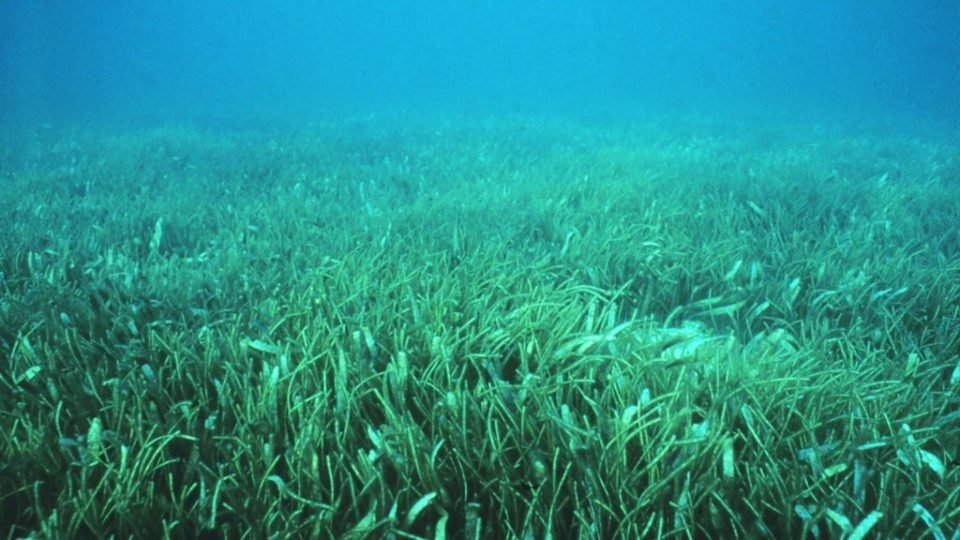
But according to scientists at the Massachusetts Institute of Technology, seagrasses could play a key role in protecting these vulnerable shorelines from this onslaught.  The MIT research team demonstrated how the ubiquitous marine plants dissipate wave energy and help protect against erosion, which could help mitigate damage from rising seas. 

Using mathematical modelling and experiments, the MIT researchers were able to quantify for the first time how large and dense a continuous meadow of seagrass must be in order to provide adequate damping of waves in a given setting.  They also found that seagrasses offer significant environmental benefits, including preventing beach erosion, protecting seawalls and coastal structures, improving water quality, and sequestering carbon. 

Submerged aquatic vegetation, including seagrasses, provides an ecosystem service exceeding $4 trillion annually.  Hopefully these findings can help provide useful guidance for seagrass restoration efforts.

**********

Web Links

Seagrass’ strong potential for curbing erosion

The Effects of Climate Change

Photo, posted October 13, 2010, courtesy of the NOAA Photo Library via Flickr.

Earth Wise is a production of WAMC Northeast Public Radio.
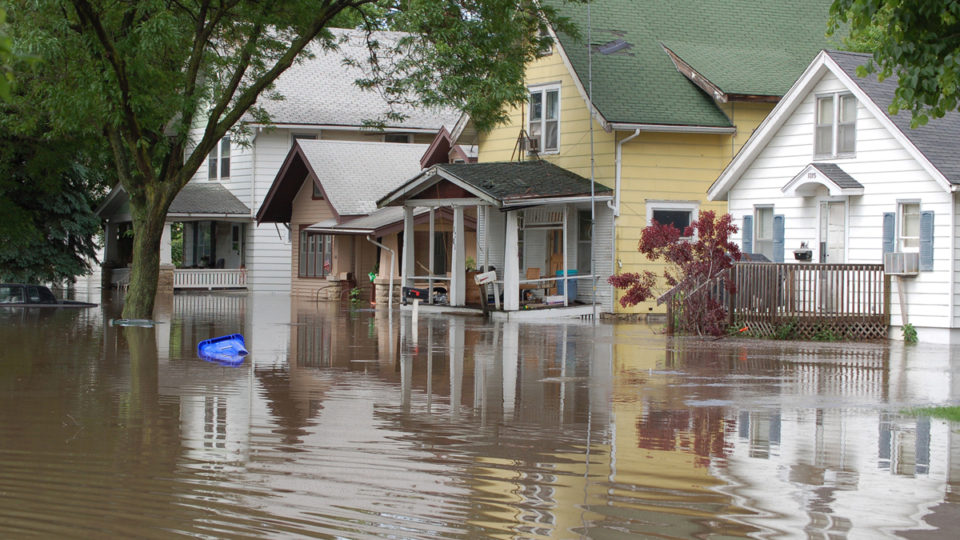
Building For Climate Change

May 13, 2019 By EarthWise Leave a Comment

The manifestations of climate change are creating increasingly familiar images:  floodwaters rising up house windows, charred buildings in the wake of wildfires, and homes and businesses demolished by storm winds. As these sorts of calamities become ever more common, changes to how houses are built are going to be necessary.

How can homes become more resilient against severe and unpredictable weather?

Research at Carlton University’s Sprott School of Business looks at this issue.

As an example, houses can be framed and finished in certain ways that help protect them from wind and flooding.  But such methods are currently only happening in the custom-build fringes of the housing sector.  Widespread adoption will require, at the minimum, significant changes to building codes.

Revising building codes is not an easy matter.  The codes themselves are highly technical and complex, and beyond that, the process Is often politicized.

Even simple things like hurricane ties, which are small pieces of hardware that prevent a roof from lifting during a severe wind are not now included in building codes.  Insurance companies support their use as inexpensive protection for houses.  But even though the overall cost is relatively minor, the building industry pushes back at the additional expense.

The need to reduce carbon emissions has created a push for sustainable housing.  But the increasingly erratic weather means that houses also need resilience and adaptation.  These features will inevitably add costs and incorporating them into building codes requires producing convincing business cases.

The U.S. experienced 394 natural catastrophe events last year costing $225 billion in damage.  Finding ways to make homes and businesses more resilient is not just a good idea; it is essential.

**********

Web Links

How to Start Weather-Proofing Homes for Unpredictable Weather

Photo, posted June 12, 2008, courtesy of U.S. Geological Survey via Flickr.

Earth Wise is a production of WAMC Northeast Public Radio.
Natural Climate Solutions Are Not Enough

April 1, 2019 By EarthWise Leave a Comment

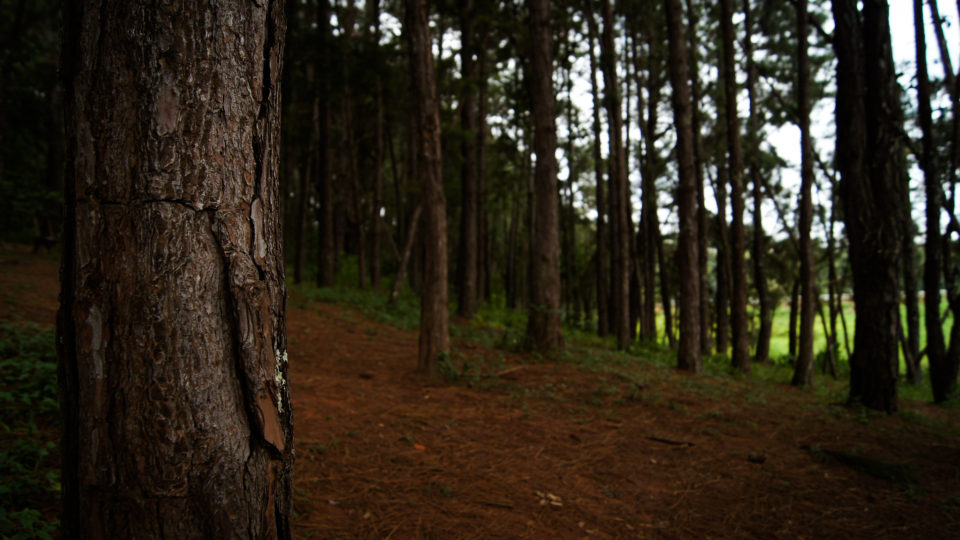
A new policy perspective published in Science by researchers at seven prestigious institutions looked at the role of natural science solutions in stabilizing the Earth’s climate for people and ecosystems.   While they asserted that it is imperative to ramp up natural climate solutions, they also concluded that natural solutions alone will not be sufficient.

Natural science solutions include such things as enhancing carbon sinks from forests, agriculture and other lands.  Doing these things are very beneficial in their own right as they lead to improved forests, croplands, grazing lands, and wetlands.

However, these things will not be enough to meet the goals of the Paris Climate Agreement and must be combined with rapid efforts to decrease emissions from the energy and industrial sectors.  Among their various findings, the researchers warn that a ten-year delay in emissions reductions from these sectors could completely negate any potential benefits of natural climate solutions.

As has become increasingly clear, there is not an either-or situation with regard to the actions that need to be taken with respect to climate change.

Maximizing natural climate solutions and reducing emissions from the energy and industrial sectors will provide broad benefits beyond climate change mitigation.  Doing these things will improve forests and habitats, reduce the risk of wildfires, and decrease air and water pollution thereby improving human health and well-being.

Of course, to reduce cumulative emissions and put a cap on the warming of the planet, there will need to be policy mechanisms and incentives in place that support both natural climate solutions and increasing mitigation efforts across the energy and industrial sectors.

**********

Web Links

Natural Climate Solutions Are Not Enough

Photo, posted February 11, 2012, courtesy of Joao Andre O. Dias via Flickr.

Earth Wise is a production of WAMC Northeast Public Radio.
Climate Change And Infertility

March 8, 2019 By EarthWise Leave a Comment

Many of us are all too familiar with the effects of climate change.  Our changing climate, as a result of our actions, is leading to rising global temperatures, biodiversity loss, ocean acidification, wildfires, more weather extremes like floods and droughts. But a lesser known effect of climate change could lead to frightening consequences: infertility.

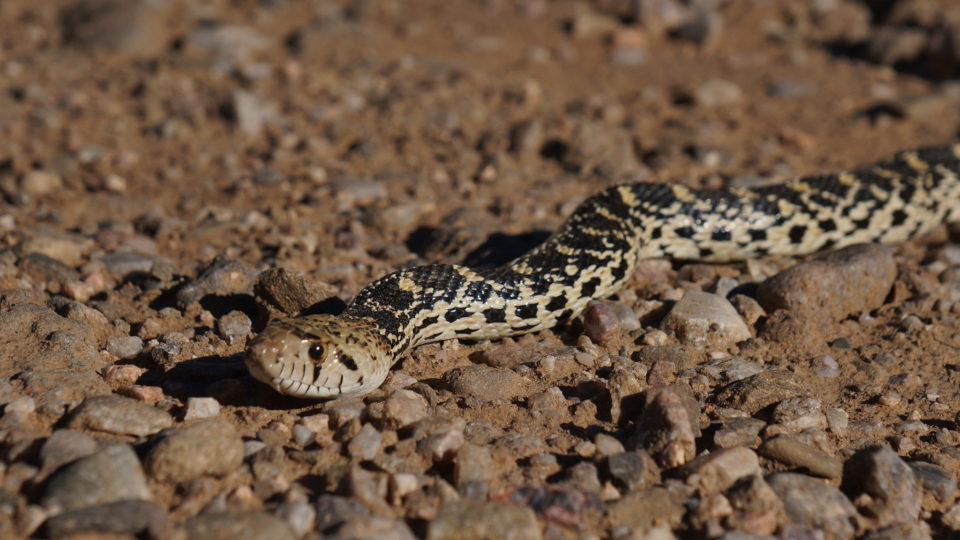
According to researchers at the University of Liverpool, rising temperatures could make some species sterile and lead them to succumb to the effects of climate change far earlier than currently thought. Their work was recently published in the journal Trends in Ecology and Evolution, and it was produced in collaboration with scientists from the University of Leeds, University of Melbourne, and Stockholm University.

Biologists and conservationists are trying to predict where species will be lost due to climate change so that suitable reserves can be established in other locations.  But the problem is that most data on when temperature will make an area unlivable for a species is based on its ‘critical thermal limit’ or CTL.  This is the temperature at which a species would collapse, stop moving, or die. 

The authors of the article fear that the impact of climate change on species survival is being underestimated.  Because rather than zeroing in on lethal temperatures, the scientists argue the focus should be on the temperatures at which organisms can no longer breed.  Extensive plant and animal data suggest organisms lose fertility at a lower temperature than their CTL.

The scientists have proposed a new fertility-based metric to gauge how organisms function as temperatures climb: Thermal Fertility Limit or TFL.  Understanding when a species will cease to reproduce will certainly help conservation measures. 

**********

Web Links

Climate change and infertility — a ticking time bomb?

Photo, posted August 11, 2013, courtesy of Mike Lewinski via Flickr.

Earth Wise is a production of WAMC Northeast Public Radio.
Fire-Driven Thunderstorms

March 6, 2019 By EarthWise Leave a Comment

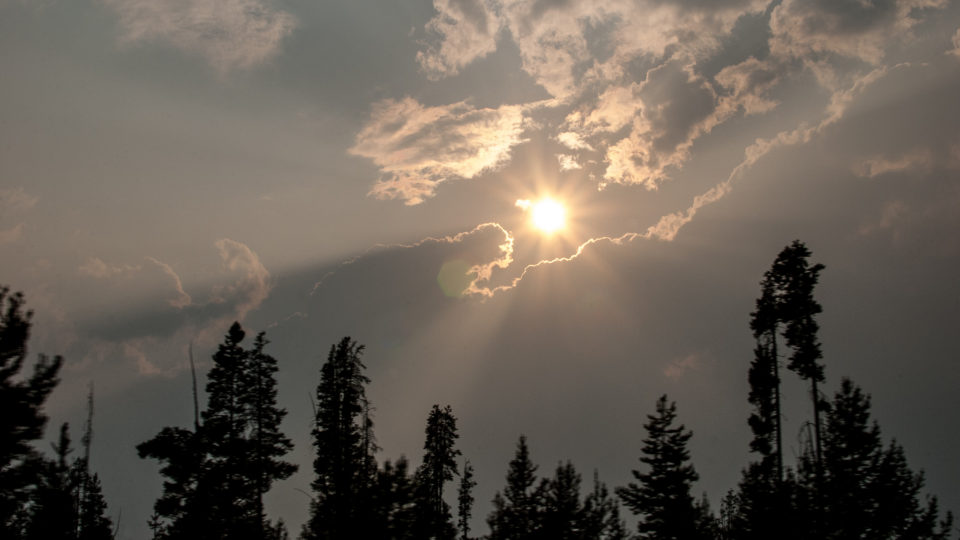
In 2016 and 2017, wildfires in western Canada spawned thunderstorms that ignited additional fires, in some cases tens of miles away from the original fire.  These fire-triggered thunderstorms are technically known as pyrocumulonimbus clouds, or “pyroCb’s”.

The physics of pyroCb’s is complex.  When super-heated updrafts from an intense fire suck smoke, ash, burning materials, and water vapor high into the air, these elements cool and form so-called fire clouds that look and act like the cumulonimbus clouds associated with classic thunderstorms.  What is different is that the heat and particulates in the smoke almost always arrest the ability of the cloud to produce rain.  Instead, what remains is a lightning storm that moves across the landscape, triggering more fires.

These PyroCb events appear to be happening far more often, producing more energy, and erupting in places where they have never been seen before.  As the world warms, wildfires themselves are becoming larger and hotter.  In the past decade, wildfires have been burning more than twice as many acres as they did before the turn of the 21st century.  Along with the growth in wildfire activity, there has been an increase in PyroCb events, and there are now an average of 25 per year in western North America.

Apart from starting new fires, pyroCb’s also have similar effects as moderate-sized volcanic eruptions.  Smoke and aerosols from wildfires can rise high into the stratosphere, where they can linger for months.  Eventually, the particles carried aloft in the atmosphere do come down, dumping dangerous chemicals on far flung regions of the earth.  But unlike volcanic eruptions, which are relatively rare events, pyroCb’s are happening more and more each year.

**********

Web Links

Fire-Induced Storms: A New Danger from the Rise in Wildfires

Photo, posted July 31, 2013, courtesy of Loren Kerns via Flickr.

Earth Wise is a production of WAMC Northeast Public Radio.
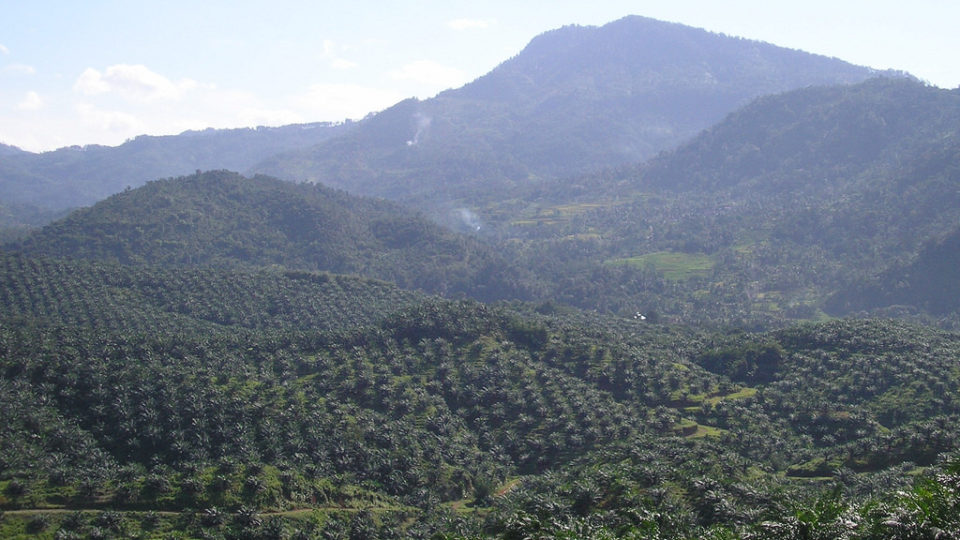
Indonesian Deforestation

February 28, 2019 By EarthWise Leave a Comment

Deforestation is defined as the intentional destruction of trees and other vegetation without reforesting or allowing the forest to regenerate itself. 

In Indonesia, industrial agriculture, primarily for the production of palm oil, is a major driver of deforestation.  But, according to researchers at Duke University, its impact has diminished  proportionately in recent years as other natural and human causes have emerged. Their peer-reviewed findings were recently published in the journal Environmental Research Letters.

According to the study’s lead author, large-scale plantations were responsible for more than half of Indonesia’s deforestation in the late 2000s, peaking between 2008-2010 when an average of 1.5 million acres of forest was lost annually.  The expansion of the massive plantations was responsible for 57% of the forest loss. Between 2014-2016, an average of more than 2 million acres of forest was lost annually, but plantation expansion only accounted for 25% of this figure.  While the overall rate of deforestation continued to grow, other factors were responsible for most of it.

Conversions of forests to grasslands rose sharply in 2015 and 2016 when El Nino caused severe droughts and forest fires. Small-scale farming, often overshadowed by industrial agriculture, was also found to play a bigger role, accounting for 25% of all forest loss. 

Indonesia has experienced some of the highest rates of deforestation.  Its forests absorb and store vast amounts of climate-warming carbon dioxide, help prevent erosion and flooding, and provide habitat to thousands of species.  Understanding the varied causes of Indonesian deforestation should help conservationists and policymakers better address the problem.

************

Web Links

Palm oil not the only driver of forest loss in Indonesia

Photo, posted March 26, 2018, courtesy of Achmad Rabin Taim via Flickr.

Earth Wise is a production of WAMC Northeast Public Radio.
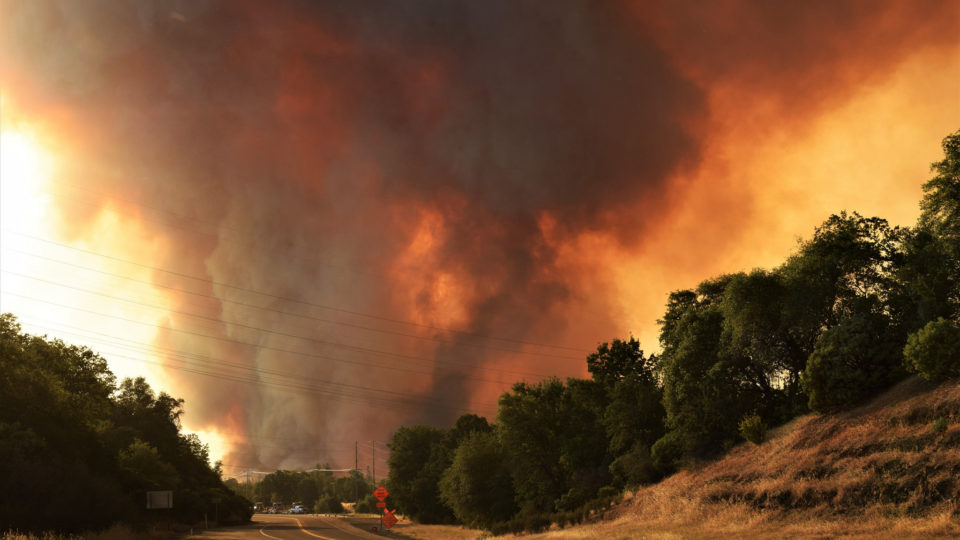
A Disastrous Year

February 5, 2019 By EarthWise Leave a Comment

The number and economic impact of natural disasters around the world have increased dramatically over the past 30 years.  In dollar terms, the amount has actually more than doubled.  While 2017 and especially 2011 hold the records for worldwide economic damage, 2018 was pretty disastrous in its own right, totaling at least $160 billion.

The year was dominated by costly wildfires in California and tropical storms in the United States and Asia.   According to a recent report by the reinsurance company Munich Re, the Camp and Woolsey fires in California alone caused losses of $21.7 billion, $16.5 billion of which was insured.

Overall, insurance companies paid out $80 billion in damage claims from natural disasters last year.  This was less than the $140 billion in 2017 but is still double the 30-year average.

Losses from wildfires have increased dramatically in recent years and summers continue to get hotter and dryer, a likely consequence of climate change.  These mounting costs bring into question whether people can continue to build in high-risk wildfire areas without dramatic changes in materials and the aggressive use of other protective measures.

Twenty-nine natural disaster events in 2018 caused more than a billion dollars in damage each.  Tropical storms including hurricanes Michael and Florence in the United States and three Asian typhoons caused $57 billion in damage.

A severe drought in Europe that set off major wildfires and caused agricultural losses caused $3.9 billion in losses.  Only about $280 million of this damage was covered by insurance companies since farmers in Europe don’t typically purchase insurance against drought.  For them, 2018 was truly a disastrous year.

**********

Web Links

Natural Disasters Caused $160 Billion in Damage in 2018

Photo, posted July 26, 2018, courtesy of Bureau of Land Management California via Flickr.

Earth Wise is a production of WAMC Northeast Public Radio.

Bad News For Beer

November 28, 2018 By EarthWise Leave a Comment

https://earthwiseradio.org/wp-content/uploads/2018/10/EW-11-28-18-Bad-News-for-Beer.mp3

As extreme weather events become increasingly common, arctic ice disappears, and wildfires burn for weeks on end, many people wonder just what it will take to change some of the entrenched opinions about climate change.

[Read more…] about Bad News For Beer

Wildfires And The Water Supply

November 12, 2018 By EarthWise Leave a Comment

https://earthwiseradio.org/wp-content/uploads/2018/10/EW-11-12-18-Wildfires-and-the-Water-Supply.mp3

Hotter and dryer conditions are leading to an increasing number of wildfires in North America and elsewhere around the world.  The damage they cause is well-known.  But one aspect of that damage that tends to be overlooked is the impact on aquatic environments and drinking water supplies.

[Read more…] about Wildfires And The Water Supply

Carbon And North American Forests

September 24, 2018 By EarthWise Leave a Comment

https://earthwiseradio.org/wp-content/uploads/2018/09/EW-09-24-18-Carbon-and-North-American-Forests.mp3

Researchers have for the first time calculated the capacity of North American forests to sequester carbon.  The detailed analysis by UC Santa Cruz and collaborators in China and Arizona considers two key factors:  the natural process of forest growth and regeneration, and effects brought about by climate change.

[Read more…] about Carbon And North American Forests

Yet Another Hot Year

September 14, 2018 By EarthWise Leave a Comment

https://earthwiseradio.org/wp-content/uploads/2018/09/EW-09-14-18-Yet-Another-Hot-Year.mp3

This summer has seen record heat in many places and some record-breaking wildfires.  In short, it looks a lot like the future that scientists have been warning about in the era of climate change.  And still some people continue to argue about whether anything is happening to the climate.

[Read more…] about Yet Another Hot Year

Fires And Atmospheric Cooling

September 11, 2018 By EarthWise Leave a Comment

https://earthwiseradio.org/wp-content/uploads/2018/08/EW-09-11-18-Fires-and-Atmospheric-Cooling.mp3

Aerosols – tiny particles in the atmosphere released from fires and other sources – can cool the planet by reflecting sunlight back into space and by increasing cloud brightness.

[Read more…] about Fires And Atmospheric Cooling

FEMA And Climate Change

April 13, 2018 By EarthWise 1 Comment

https://earthwiseradio.org/wp-content/uploads/2018/04/EW-04-13-18-FEMA-and-Climate-Change.mp3

In 2017, the United States spent a record $306 billion on weather and climate-related disasters, making it the costliest and most damaging year on record. The wildfires out west, Hurricanes Irma, Maria, and Harvey, the Minnesota hailstorm, and the midwest drought are just some of the costly examples.  Officials say that already-bloated figure will increase further in the coming years as temperatures rise.

[Read more…] about FEMA And Climate Change

  • « Go to Previous Page
  • Page 1
  • Interim pages omitted …
  • Page 3
  • Page 4
  • Page 5
  • Page 6
  • Go to Next Page »

Primary Sidebar

Recent Episodes

  • An uninsurable future
  • Clean energy and jobs
  • Insect declines in remote regions
  • Fossil fuel producing nations ignoring climate goals
  • Trouble for clownfishes

WAMC Northeast Public Radio

WAMC/Northeast Public Radio is a regional public radio network serving parts of seven northeastern states (more...)

Copyright © 2026 ·