• Skip to primary navigation
  • Skip to main content
  • Skip to primary sidebar

Earth Wise

A look at our changing environment.

  • Home
  • About Earth Wise
  • Where to Listen
  • All Articles
  • Show Search
Hide Search
You are here: Home / Archives for utility scale

utility scale

Offshore wind in Massachusetts

February 1, 2024 By EarthWise Leave a Comment

Offshore wind power in the United States at last

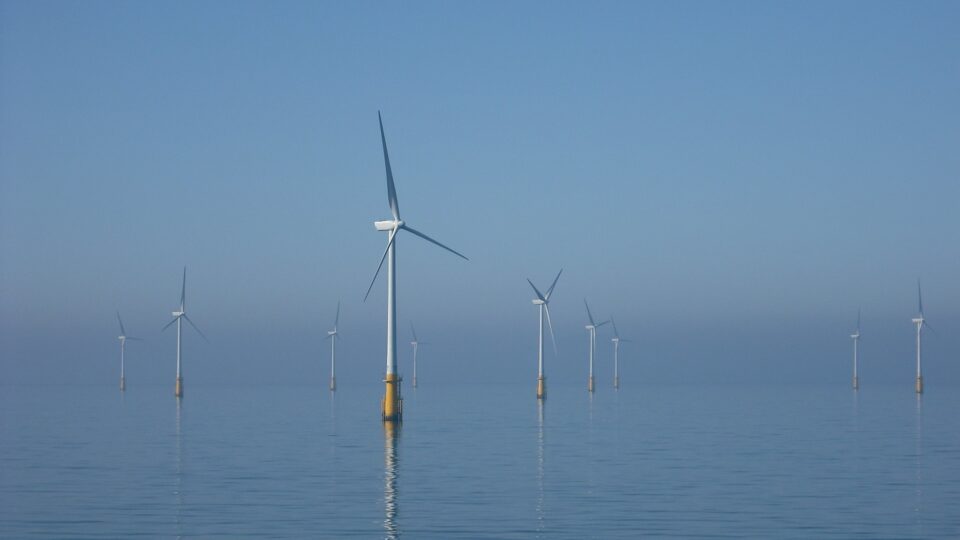
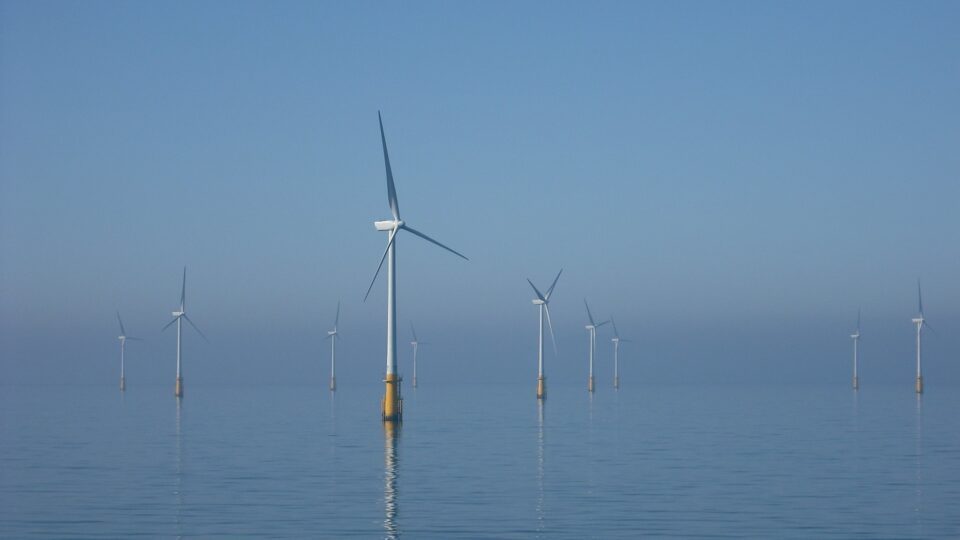
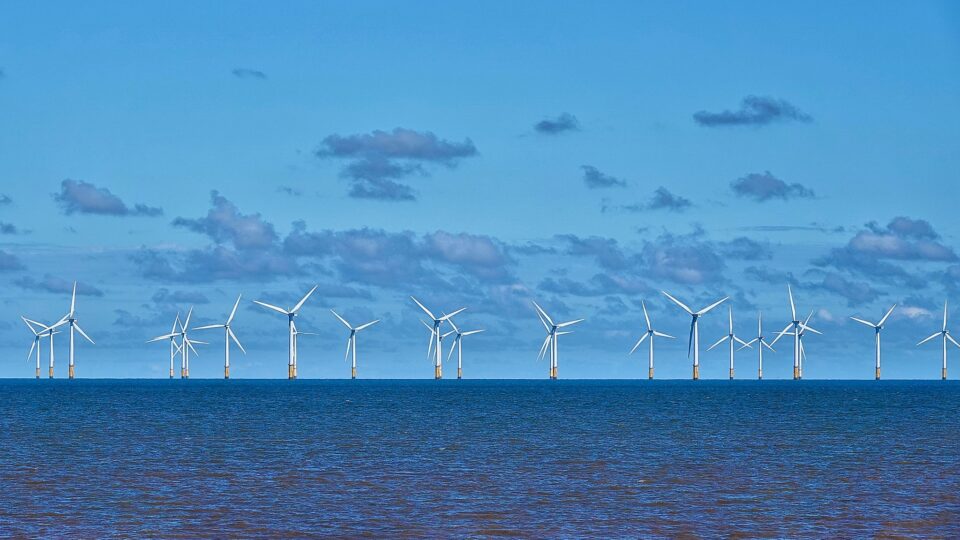
On January 2nd, the first large offshore wind farm in New England started producing electricity when its first turbine came online.  The Vineyard Wind project, located off the coast of Martha’s Vineyard, will by the end of the year have a total of 62 turbines with a capacity of 800 megawatts, enough electricity to power 400,000 homes.

Power finally flowing from Vineyard Wind is an important milestone for an industry that has struggled to get going.  It is the second utility-scale offshore wind farm in the U.S. to begin generating electricity.  The South Fork Wind project off the coast of New York began producing power in December.  That project will eventually produce 132 megawatts of electric power.

The offshore wind industry in the U.S. has faced some difficulties in recent times.  A combination of rising costs, high interest rates, supply chain delays, and incidents of local opposition have created headwinds.  Developers for several large planned windfarms in the northeast have terminated contracts because of inflation and high interest rates.  The second phase of Empire Wind, located southeast of Long Island, has been at least temporarily shelved awaiting more favorable contract terms.

To fight climate change, many Eastern states are hoping to install dozens of large wind farms in the Atlantic that can generate electricity without emitting greenhouse gases.  But as a result of the recent project cancellations, analysts are now projecting that U.S. offshore wind capacity in 2030 will likely be about a third less than previously predicted.

So far, the United States remains far behind Europe, which has already installed more than 32,000 megawatts of wind capacity in its waters.

**********

Web Links

Massachusetts Switches On Its First Large Offshore Wind Farm

Photo, posted August 31, 2022, courtesy of Nina Ali via Flickr.

Earth Wise is a production of WAMC Northeast Public Radio
A Big Year For Rooftop Solar | Earth Wise

July 19, 2023 By EarthWise Leave a Comment

Rooftop solar growing around the globe

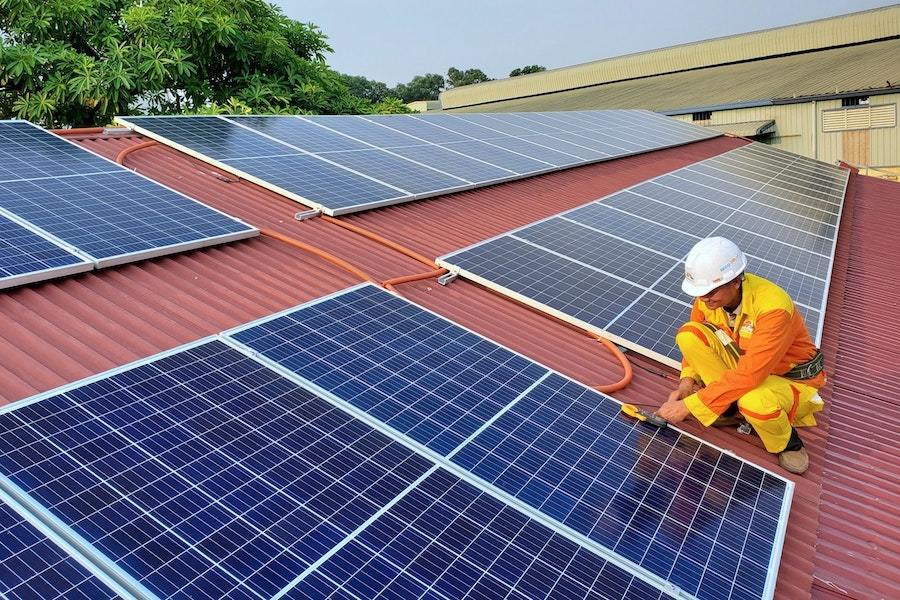
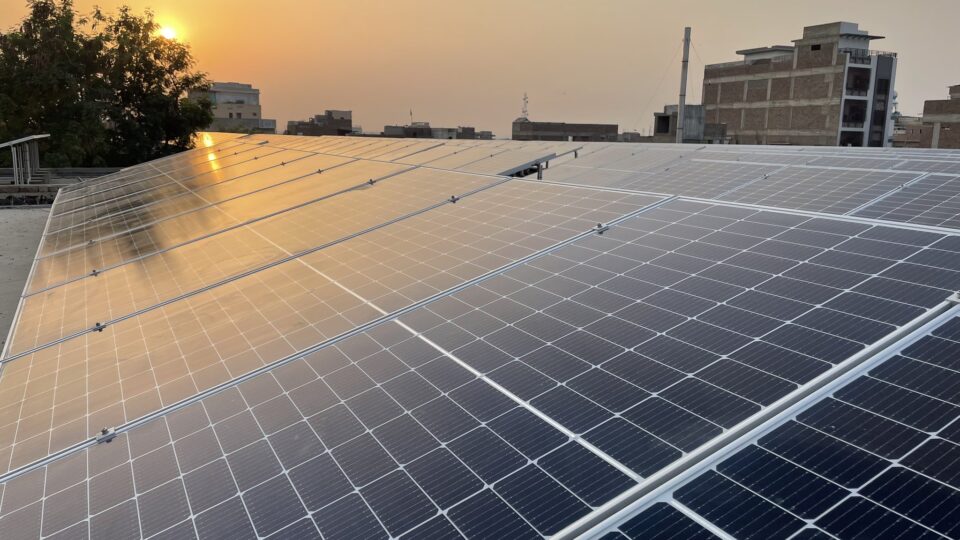
The global capacity of rooftop solar power grew by 49% in 2022.  Overall, the installed amount of rooftop solar grew from 79 gigawatts to 118 gigawatts last year and it is projected to reach 159 gigawatts by the end of this year.  By comparison, a typical nuclear power plant can produce 1 gigawatt; a gas-powered power plant is typically half a gigawatt.

Rooftop solar constitutes a relatively small fraction of the total global installed solar capacity, which is dominated by utility-scale solar arrays.  Total installed solar capacity rose from 950 gigawatts to 1,177 gigawatts last year and is projected to reach 1,518 gigawatts this year.  That is enough power to meet more than half the electricity demand of the European Union.

The rapid growth of solar power can only continue if there is more energy storage put in place to manage the peaks and troughs in solar output.  Countries will also need to upgrade their power grids to be able to transport excess solar power from where it is generated to where it is needed.   Bottlenecks in the grids of most of the leading solar-producing nations are already interfering with further solar development.

The overall potential for rooftop solar is based on the number of rooftops that would be suitable for solar power, which depends on the size, shading, orientation, and location of the roofs.  According to the National Renewable Energy Laboratory, rooftops in the United States have the potential for more than 1,000 gigawatts of solar capacity. Currently, only about 4% of US homes have rooftop solar. 

**********

Web Links

Rooftop Solar Grew Nearly 50 Percent Globally Last Year

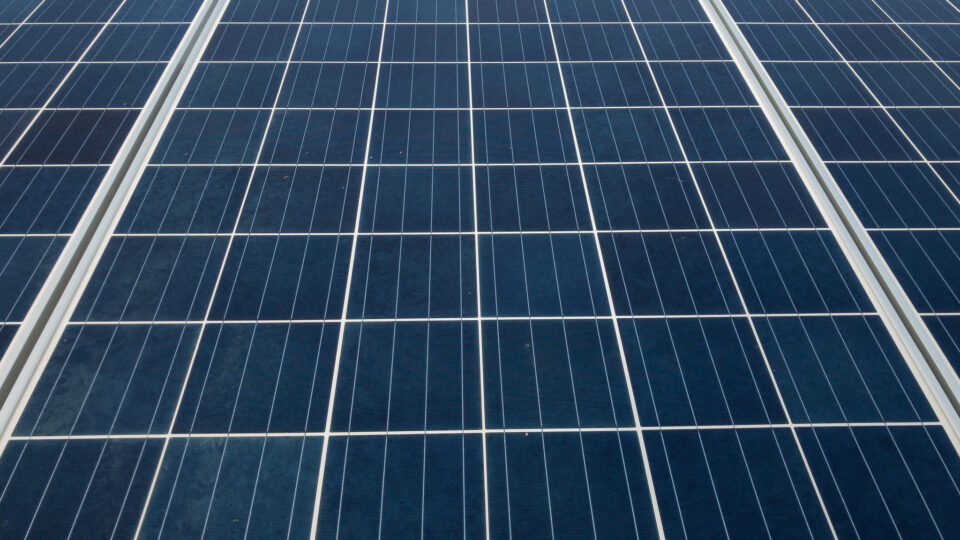
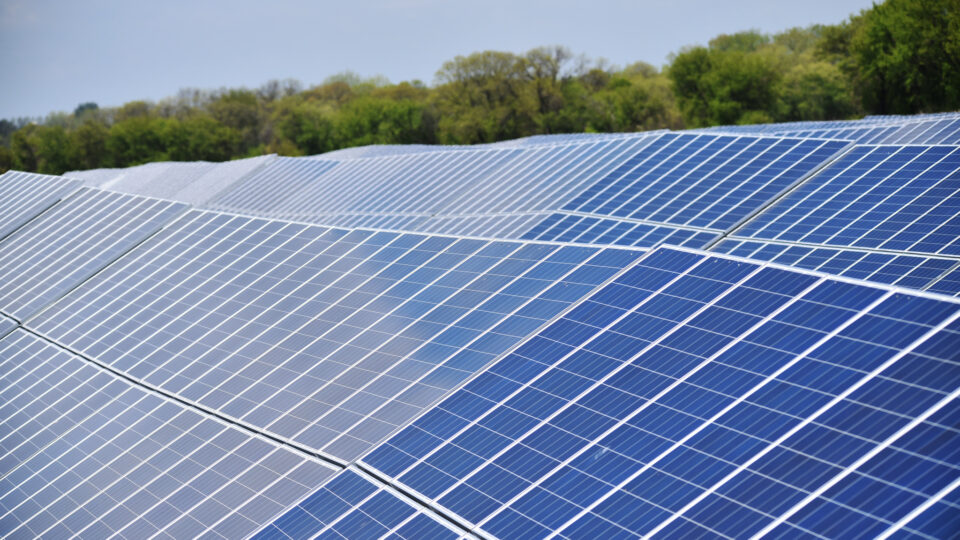
Photo, posted November 16, 2022, courtesy of Oliver Knight via Flickr.

Earth Wise is a production of WAMC Northeast Public Radio
Distributed Wind Energy | Earth Wise

March 17, 2023 By EarthWise 1 Comment

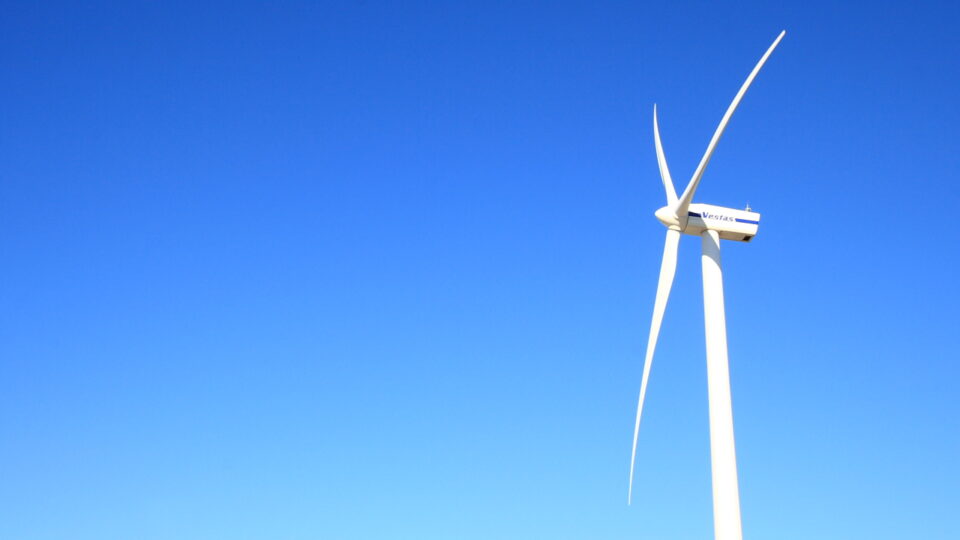
When we think about wind power, we are usually talking about increasingly giant windfarms – either on land or offshore – that produce power on a utility scale.  But there is also distributed wind energy, which refers to wind technologies in locations that directly support individuals, communities, and businesses.  

Distributed wind can be so-called behind-the-meter applications that directly offset retail electricity usage much as rooftop solar installations do.  It can also be front-of-the-meter applications where the wind turbines are connected to the electricity distribution system and supplies energy on a community scale.  Distributed wind installations can range from a several-hundred-watt little turbine that powers telecommunications equipment to a 10-megawatt community-scale energy facility. As of 2020, there were nearly 90,000 distributed wind turbines in the U.S. with a total capacity of about 1 GW.

A study by the National Renewable Energy Laboratory has estimated the potential for distributed wind energy in the U.S.   According to the new analysis, the country has the ability to profitably provide nearly 1,400 GW of distributed wind energy capacity. 

Entire regions of the country have abundant potential. The regions with the best economic prospects have a combination of high-quality wind, relatively high electricity rates, and good siting availability.  Overall, the Midwest and Heartland regions had the highest potential especially within agricultural land.

Realizing this outcome for distributed wind will require improved financing and performance to lower costs, relaxation of siting requirement to open up more land for wind development, and continued investment tax credits and the use of net metering.

**********

Web Links

U.S. has potential for 1,400 GW distributed wind energy, NREL finds

Photo, posted January 3, 2009, courtesy of skyseeker via Flickr.

Earth Wise is a production of WAMC Northeast Public Radio

Iron Flow Batteries | Earth Wise

November 15, 2021 By EarthWise Leave a Comment

Lithium-ion batteries power computers, cell phones, and increasingly, automobiles.  They started out being rather expensive but have become dramatically cheaper over the last decade, with prices dropping about 90%.  Batteries are needed to store clean power from wind and solar generation and lithium-ion batteries are increasingly being used for that purpose as well.

Utility-scale energy storage requires substantial battery installations and battery cost is still very much an inhibiting factor in the widespread adoption of the technology.  Lithium-ion battery costs continue to drop but because they require expensive materials like lithium and cobalt, there are limits to how low their prices are likely to get.

As a result, researchers have continued to seek ways to produce batteries made out of cheaper materials.  Among the more promising technologies are flow batteries, which are rechargeable batteries in which electrolyte flows through electrochemical cells from tanks. 

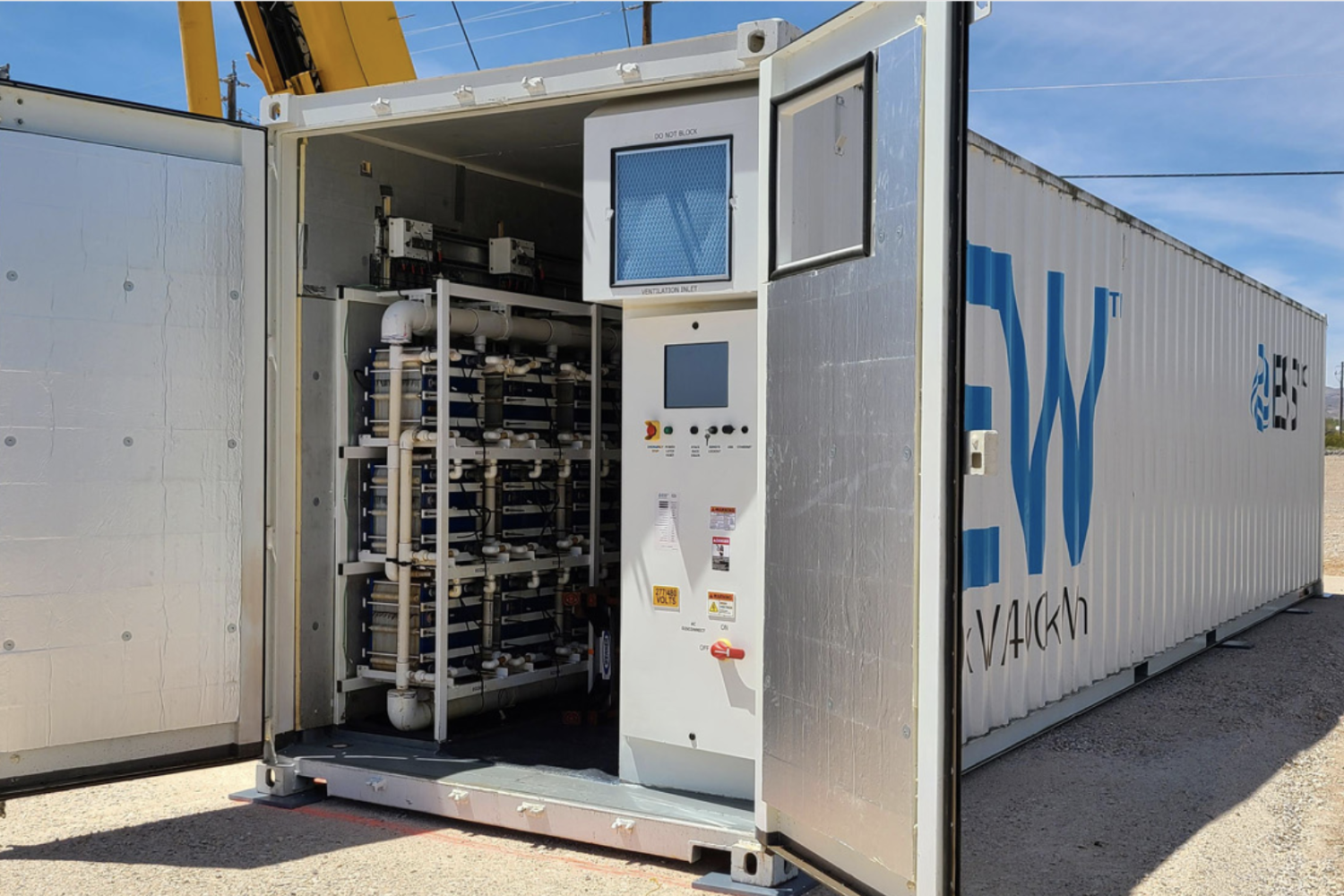
Flow batteries are much larger than lithium-ion batteries and include physical pumps to move electrolytes.  They typically are sold inside shipping containers.  Clearly, such batteries are not suitable for use in vehicles, much less in consumer electronics.  Nevertheless, they represent a practical option for grid storage.

A company called ESS has developed an iron flow battery suitable for utility energy storage.  Clean energy firm CSB Energy plans to install iron flow batteries at several solar projects across the U.S. that will store enough energy to provide power 50,000 homes for a day.  According to ESS, the iron-based batteries should sell for about half the price of lithium-ion batteries by 2025 and be able to store energy for longer periods.

**********

Web Links

New Iron-Based Batteries Offer an Alternative to Lithium

Photo, posted March 21, 2021, courtesy of Nenad Stojkovic via Flickr.

Earth Wise is a production of WAMC Northeast Public Radio.

Vineyard Wind Prepares For Construction | Earth Wise

November 5, 2021 By EarthWise Leave a Comment

Vineyard Wind 1 will be the first utility-scale offshore wind energy project in the United States.  It will be located 15 miles off the coast of Massachusetts and will consist of an array of 62 wind turbines, spaced one nautical mile apart.  It will generate 800 megawatts of electricity, enough to power over 400,000 homes.

The project has recently closed on $2.3 billion of senior debt financing, which sets the stage for construction to begin.  The joint venture between Avangrid Renewables and Copenhagen Infrastructure partners is one of the single largest investments in a renewable energy project in the U.S.  The financial close is basically the final milestone for launching the project following years of clearing regulatory and other hurdles.

With the financial closing, Vineyard Wind will be instructing its contractors to begin work.  Onshore work will start this fall and offshore work will begin in 2022.

The project will use Haliade-X wind turbine generators made by GE.  These are some of the largest and most powerful wind turbines currently available, each one capable of generating 13 megawatts of electricity.  The electricity generated by the turbines will be collected by an offshore substation and then transmitted to shore.  Two submarine cables will bring the electricity from the substation to a landing point in Barnstable.  The cables will be buried six feet below the seafloor.  Underground cables will then route the power to an onshore substation in the village of Hyannis where it will be connected to the New England Grid.

Vineyard Wind is the first of many offshore wind farms in the works for the Northeastern United States.

**********

Web Links

U.S.’s first commercial-scale offshore wind project prepares for construction

Photo, posted March 24, 2016, courtesy of Andy Dingley via Flickr.

Earth Wise is a production of WAMC Northeast Public Radio.

Wind Power Update | Earth Wise

October 8, 2021 By EarthWise Leave a Comment

Wind power growth continues

The Department of Energy recently released three reports showing record growth in land-based wind energy, a growing number of offshore wind projects, and the continuing reduction in the cost of wind power.

The U.S. installed a record amount of land-based wind energy in 2020.  In total, 16,836 MW of new utility-scale land-based wind power capacity was added during the year, representing $24.6 billion in new wind power projects.  This was more added than from any other energy source and represented 42% of new U.S. energy capacity.

For the year, wind energy provided more than 10% of in-state electricity generation in 16 states.  Notably, wind provided 57% of Iowa’s electricity and more than 30% in Kansas, Oklahoma, South Dakota, and North Dakota.

As wind turbines continue to grow in size and power, they are producing more energy at lower cost.  Turbine prices have gone from $1,800/kW in 2008 to $770-850/kW now.

The pipeline for U.S. offshore wind energy projects has grown to 35,324 MW, a 24% increase over the previous year.   The Bureau of Ocean Management created five new wind energy areas in the New York Bight with a total of 9,800 MW of capacity. 

Distributed wind power, which are systems connected on the customer’s side of the power meter as opposed to those on the utility side, also saw increased growth last year. 

Wind power is a key element in the adminstration’s goal of having a decarbonized electricity sector by 2035.

**********

Web Links

DOE Releases New Reports Highlighting Record Growth & Declining Costs Of Wind Power

Photo, posted March 24, 2016, courtesy of Adam Dingley via Flickr.

Earth Wise is a production of WAMC Northeast Public Radio.

Utility-Scale Solar In Upstate New York | Earth Wise

June 22, 2021 By EarthWise 2 Comments

utility scale solar projects to generate jobs and profits to upstate ny communities

The first operational utility-scale solar projects in upstate New York are expected to commence commercial operations by the end of this year.  A portfolio of eight projects comprising over 200 megawatts of generating capacity is being developed by CS Energy in partnership with Goldman Sachs Renewable Power Group and NYSERDA.

The projects include three 27-megawatt installations in the Capital Region – in Easton and Stillwater, three 27-megawatt installations in the Mohawk Valley – in Mohawk and Pattersonville, and two 27-megawatt installations in the Southern Tier – in Willet and Greene.

The projects will support more than 500 jobs and represent more than $160 million of private investment that is expected to generate over $80 million in benefits to local communities and regions.  Those benefits will come to local landowners, property tax jurisdictions, and to local contractors who will provide ongoing operations and maintenance support for the projects.

The projects are the result of New York’s Clean Energy Standard, established in 2016 as well as 2019’s Climate Leadership and Community Protection Act.  These initiatives made commitments that 70% of the electricity consumed in New York would be generated by renewable energy sources by 2030. 

CS Energy has built over 150 megawatts of solar projects in New York to date.  By the end of this year, that number will be close to 500 megawatts.  CS Energy recently opened a regional headquarters in Albany to further support the company’s growth. The Goldman Sachs Renewable Power Group owns and operates more than 2.3 gigawatts of clean power across the country.

**********

Web Links

Upstate New York’s first utility-scale solar projects set to come online this year

Photo, posted October 16, 2019, courtesy of Jonathan Cutrer via Flickr.

Earth Wise is a production of WAMC Northeast Public Radio.

A Solar Power Boom In Texas | Earth Wise

May 31, 2021 By EarthWise Leave a Comment

Texas is becoming a leader in renewable energy

Texas has been a leader in wind energy for a number of years.  In 2020, wind made up 23% of the state’s generating capacity and provided 20% of in-state generation.  But although wind capacity in Texas has grown rapidly in recent years, solar power is expected to make up the largest share of the state’s capacity additions over the next two years.

Texas plans to add 4.6 gigawatts of utility-scale solar power this year and 5.4 gigawatts in 2022.  This will give the state a total capacity of 15 gigawatts, which will nearly catch up to California, the state with the most large-scale solar power.  California already has 16 gigawatts of installed solar capacity and plans to add about two more over the next two years.

The planned capacity for Texas will provide enough power for roughly 5 million homes, taking into account the intermittency of solar energy.  Much of the new solar capacity will be in the Permian Basin in West Texas, which is a particularly sunny place.  Because solar generation is greatest in the middle of the day, when wind generation is typically lower, the transmission line infrastructure already in place for the wind power will be adequate for the new solar installations.

The boom in solar power in Texas is driven in part by the federal solar Investment Tax Credit that is available to project developers as well as by the ever-lower cost of solar technology. 

One-third of the utility-scale solar capacity planned to come online in the U.S. in the next two years will be in Texas.  Currently, utility-scale solar only makes up 4% of electrical generating capacity in Texas, but that is clearly changing.

**********

Web Links

Texas likely to add 10 GW of utility-scale solar capacity in the next two years

Photo, posted May 14, 2020, courtesy of Courtney Celley/USFWS via Flickr.

Earth Wise is a production of WAMC Northeast Public Radio.

Ever Cheaper Solar Power | Earth Wise

May 14, 2021 By EarthWise Leave a Comment

The cost of solar panels continues to decline

The price of electricity from solar panels has been dropping dramatically over the last decade.  The average cost of utility-scale solar power has gone down more than 80% since 1980, making it the least expensive power source in many places.  The plunging price of solar power is one of the driving forces behind the transition to clean energy. 

The 2020 average cost of solar power was 4.6 cents per kilowatt-hour.  The Department of Energy has recently set a target of reducing the cost of solar power by more than half again by 2030, to an unsubsidized average of 2 cents per kilowatt-hour.  The 2-cent goal is not just the ordinary cost of electricity; it is the levelized cost of energy which is based on a formula that includes the cost of construction and operation of a power plant.

If the least expensive power source becomes that much cheaper, it will really shake the foundation of many energy debates.  One of these debates is how to meet the need for more interstate power lines to transport renewable energy from rural areas to population centers.   If large amounts of additional renewable energy sources are added, policymakers will need to work harder to reform the regulatory system to make sure that new interstate power lines get built.

If the average cost of solar power reaches 2 cents a kilowatt-hour, the actual price will be lower in sunnier regions and higher in those that get less sun.  However, the continuing decrease in solar electricity costs will actually have the greatest impact in the northern, less sunny regions, because solar power may not currently be the least expensive option there but it will become the cheapest alternative over time.

**********

Web Links

Inside Clean Energy: What Happens When Solar Power Gets Much, Much Cheaper?

Photo, posted May 14, 2020, courtesy of Courtney Celley/USFWS via Flickr.

Earth Wise is a production of WAMC Northeast Public Radio.

Upstate Energy Storage | Earth Wise

October 9, 2020 By EarthWise Leave a Comment

A large scale battery energy storage project

In August, the New York Power Authority announced the start of construction on one of the largest battery energy storage projects in the nation.  Located in Franklin County at the very top of New York State, the project will comprise 20 MW of lithium ion battery storage that will help the state meet its peak power needs by absorbing excess generation that can be discharged later when the grid demands it.

The Northern New York region gets more than 80% of its electricity supply from renewable sources, including the St. Lawrence hydropower project and more than 650 MW of wind generation.  Having the ability to store some of this renewable energy for later delivery will help to eliminate transmission constraints that can prevent energy from being delivered to consumers.

The battery storage facility is one of two such large systems in the state.  The other one is a 20 MW battery storage system developed by Key Capture Energy in Stillwater in Saratoga County.  That project, which was funded by NYSERDA under the state’s Bulk Storage incentive program, is connected to the wholesale transmission network and is a revenue source for Key Capture, an independent utility-scale battery storage developer based in Albany.

The new storage project’s location is an ideal opportunity to spotlight the value of energy storage given the proximity of the hydropower project and extensive wind resources.  Being able to store renewable energy will improve transmission of the state’s electric power to downstate markets as well as help meet the state’s goals for reducing its carbon footprint and increasing its reliance upon renewable energy.

**********

Web Links

Construction begins on NYPA’s second large-scale storage project

Photo courtesy of ceedub13, CC BY 2.0.

Earth Wise is a production of WAMC Northeast Public Radio.

Powering Amazon By The Sun | Earth Wise

June 29, 2020 By EarthWise Leave a Comment

Amazon and solar power

Amazon.com is a multinational conglomerate company that sells nearly $300 billion dollars a year worth of products, employs over 800,000 people, and by any measure, consumes a tremendous amount of resources.  In terms of its environmental impact, Amazon is estimated to be responsible for the emission of 50 million tons of CO2 annually, which is more than the yearly total for countries like Switzerland, Ireland, New Zealand, Denmark, and about 140 other countries.

Amazon is trying to reduce its environmental impact.  The company recently announced five new renewable energy projects in China, Australia and the U.S. as part of its commitment to reach 80% renewable energy by 2024, 100% renewable energy by 2030, and to reach net zero carbon by 2040.

The projects include a 100 MW solar project in Shandong, China, a 105 MW solar project in New South Wales, Australia, two solar projects in Ohio (one 200 MW and one 80 MW), and a 130 MW solar project in Virginia.

To date, Amazon has announced 31 utility-scale wind and solar renewable energy projects as well as 60 solar rooftops on fulfillment centers and sort centers around the world.  Taken together, these projects provide almost 3 GW of capacity and will deliver more than 7.6 million MWh of renewable energy annually.

In order for the world to meet the climate goals set by the Paris Agreement, it will take more than just countries to make and keep commitments.   Whatever else one may think about Amazon’s place in the world, their latest efforts for the environment are a big step in the right direction.

**********

Web Links

Amazon announces five new utility-scale solar projects to power operations in China, Australia, and the US

Photo, posted November 16, 2018, courtesy of Todd Van Hoosear via Flickr.

Earth Wise is a production of WAMC Northeast Public Radio.

Small-Scale Climate Solutions | Earth Wise

May 18, 2020 By EarthWise Leave a Comment

climate change and emissions targets

In order to meet international climate targets, we need to cut greenhouse gas emissions in half over the next decade and reach net-zero by mid-century.  Achieving this will require unprecedented and rapid changes in how energy is supplied, distributed and used.

Researchers at several European universities collected data on a wide variety of energy technologies at different scales and tested how well they performed in accomplishing an accelerated low-carbon transformation. 

Large-scale, costly, non-divisible or so-called lumpy technologies, such as utility-scale generation, nuclear power, carbon capture and storage, high-speed transportation, and whole-building retrofits are often seen as the most effective way to achieve emission-reduction goals. A key finding of their study is that low-carbon technologies that are smaller scale and can be mass deployed are more likely to enable a faster transition to net-zero emissions.

So-called granular options include solar panels, electricity storage batteries, heat pumps, smart thermostats, electric bikes, and ride-share services.  These options scale not by becoming larger but by replicating.

Small-scale options are quicker to deploy, their technologies have shorter lifespans and are less complex, so innovations and improvements can be brought to market more rapidly.  They are also more widely accessible and help create more jobs, giving governments a sound basis for strengthening climate policies.

However, smaller-scale technologies are not a panacea.  There are no small-scale replacements for industrial plants and other kinds of major infrastructure, but in many different contexts, they can outperform larger-scale alternatives as a means of accelerating the low-carbon transformation.

**********

Web Links

Smaller scale solutions needed for rapid progress towards emissions targets

Photo, posted April 8, 2019, courtesy of the City of St Pete via Flickr.

Earth Wise is a production of WAMC Northeast Public Radio.

Compressed Air Energy Storage

October 23, 2019 By EarthWise Leave a Comment

The increasing use of solar and wind power has created a growing need for technology to store up the energy they generate for use when it is most needed.

Historically, pumped hydropower has provided the largest amount of storage capacity, but it is limited to only certain geographic locations.   Battery energy storage has been growing rapidly, with the technology becoming better and cheaper over time.  But there are various other ways to store energy that have potential and may well find their place in the changing energy infrastructure.

One of these is compressed air energy storage, which has been around for more than a century.  It has been used as a backup method for restarting power plants.  But to date, the economic viability of using it at a large scale has been lacking.

A Canadian startup company called Hydrostor is developing compressed air energy storage technology that it believes can be used on a utility scale.

The way it works is excess renewable energy is used to run compressors that compress air.  Compressing the air heats it up and the heat is captured and stored in insulated hot water tanks.  The compressed gas is then injected into underground caverns.  When energy is needed, the compressed air is released, the stored heat is added, and the warmed gas is run through turbines to generate electricity.  Additional features improve the system’s efficiency.

Hydrostore has built a 1 MW pilot project in Ontario, Canada and is now commissioning a 2MW system as well.  It is funded to build a 5 MW system in Australia next year and it is bidding for 300 MW and 500 MW systems in North America.  The company has received equity funding from Baker Hughes, a large oil-and-gas services and equipment company.

**********

Web Links

Storing energy in compressed air could finally become cheap enough for the big time

Photo courtesy of Hydrostor.

Earth Wise is a production of WAMC Northeast Public Radio.

The World’s Largest Storage Battery

May 24, 2019 By EarthWise Leave a Comment

Many homeowners are installing solar energy systems with battery backup.  Energy stored in the battery can be used when the sun isn’t shining.   As battery prices come down, utility-scale solar installations are also turning to battery-based energy storage.

Florida Power & Light has announced plans to build the world’s largest solar-storage combination facility in Manatee County.  The 409-MW Manatee Energy Storage Center will be the largest solar-battery system by a factor of four.  The specifics of the technology and source of the battery system components have yet to be announced.

The system, which is scheduled to be completed in late 2021, will be charged by a nearby FPL solar power plant.  The plan is to discharge batteries during times of higher demand, thereby offsetting the need to run other power plants.  As a result, there will be reduced emissions and customers will save as much as $100 million through avoided fuel costs.

Installing the mega-sized battery system will accelerate the retirements of two nearby 1970’s-era gas-fired generation units.  At peak efficiency, the Manatee energy storage system will be able to power 390,000 homes for up to two hours.

FPL has already been pursuing the use of battery storage technology.  Last year, they added a 10 MW battery storage system to its 74.5 MW Babcock Ranch Solar Energy Center in Charlotte County.

These large battery systems are increasingly practical because of dramatic reductions in lithium-ion battery costs.  The levelized cost of electricity from lithium-ion batteries has declined a remarkable 38% just since the beginning of 2018.  The economics of clean energy continue to get better and better.

**********

Web Links

FP&L Plans World’s Largest Energy Storage Battery To Support Its Renewable Energy Goals

Photo, posted April 21, 2010, courtesy of Frank Starmer via Flickr.

Earth Wise is a production of WAMC Northeast Public Radio.

Utility-Scale Solar On The Rise

May 8, 2019 By EarthWise Leave a Comment

According to research from Goldman Sachs, utility-scale solar power capacity is expected to grow by double digits globally over the next two years.  The growth will be driven by expanding use of the technology in the United States, Europe, the Middle East, and China.

Solar power is the world’s fastest growing source of electricity generation and is slowly taking market share from fossil fuels like coal and natural gas.  The transition is being driven by a combination of continuously lower prices for solar power and the impact of policies aimed at reducing emissions.

Utility-scale solar is defined as installations designed solely to feed electricity into the grid, in contrast to smaller-scale residential or commercial building units.  There are now solar farms larger than half a gigawatt in generating capacity.  According to the Goldman report, global utility-scale solar installations will reach 108 gigawatts in 2019, up 12% over the previous year, and will then grow another 10% to 119 gigawatts in 2020.

When residential and other smaller installations are included, most analysts expect global solar power capacity to soon hit 600 gigawatts.  To put this in perspective, the global capacity only reached 100 gigawatts in 2012 and was actually less than 10 gigawatts in 2007.

Even more dramatic than the growth of solar installations is the reduction in solar cost, and the two are obviously closely related.  Solar panel costs have dropped from around $70 per watt of electricity generated in 1980 to 36 cents per watt currently in the United States.  When favorable policies both from governments and related to corporate sustainability targets are added to the mix, the booming growth in solar power is easy to understand.

**********

Web Links

Large-scale solar power set for double-digit growth: Goldman Sachs

Photo, posted March 7, 2019, courtesy of Hedgerow Inc via Flickr.

Earth Wise is a production of WAMC Northeast Public Radio.

Major Investments In Solar Power

February 22, 2018 By EarthWise Leave a Comment

https://earthwiseradio.org/wp-content/uploads/2018/02/EW-02-22-18-Major-Investments-in-Solar-Power.mp3

There is big money going into renewable energy and energy-smart technologies and half of that is going into solar power.  In 2017, global investments in green energy reached $334 billion and $161 billion of that was in solar.

[Read more…] about Major Investments In Solar Power

Surging Wind Power In The U.S.

June 16, 2017 By EarthWise

https://earthwiseradio.org/wp-content/uploads/2017/06/EW-06-16-17-Surging-Wind-Power-in-the-U.S.-.mp3

So far, it has been a big year for the U.S. wind industry, which experienced its fastest first-quarter growth since 2009.  In total, about 2,000 megawatts of new capacity was installed, enough to power about 500,000 homes.   With this addition, wind now produces 5 1/2% of the country’s electricity.

[Read more…] about Surging Wind Power In The U.S.

Utility-Scale Solar Power

May 11, 2017 By EarthWise

https://earthwiseradio.org/wp-content/uploads/2017/05/EW-05-11-17-Utility-Scale-Solar-Power.mp3

Solar panels on the roofs of houses have become a familiar sight in recent years, but utility-scale solar – installations of 10 megawatts and greater – are really booming these days.   Throughout the United States, more than 10.5 gigawatts of utility-scale solar were added to the electric grid in 2016 – enough to power more than 2 million homes – and at least 8 gigawatts more are scheduled to come online this year.

[Read more…] about Utility-Scale Solar Power

The Largest Battery Storage Substation

March 10, 2017 By EarthWise

https://earthwiseradio.org/wp-content/uploads/2017/02/EW-03-10-17-The-Largest-Battery-Storage-Substation.mp3

At the end of last year, Southern California Edison turned on the largest lithium-ion battery storage facility in the world in Ontario, California.   It is a substation with 80 megawatt-hours of capacity, enough energy to power 2,500 households or charge 1,000 Tesla cars a day.

[Read more…] about The Largest Battery Storage Substation

The Success Of SunShot

March 8, 2017 By EarthWise

https://earthwiseradio.org/wp-content/uploads/2017/03/EW-03-08-17-The-Success-of-SunShot.mp3

Back in 2011, utility-scale solar power cost a little over $4 per watt on average.  In February of that year, former Energy Secretary Steven Chu announced the SunShot initiative, which had the goal of reducing the total cost of photovoltaic systems by 75% to the target value of $1 a watt by the year 2020.

[Read more…] about The Success Of SunShot

  • Page 1
  • Page 2
  • Go to Next Page »

Primary Sidebar

Recent Episodes

  • An uninsurable future
  • Clean energy and jobs
  • Insect declines in remote regions
  • Fossil fuel producing nations ignoring climate goals
  • Trouble for clownfishes

WAMC Northeast Public Radio
WAMC/Northeast Public Radio is a regional public radio network serving parts of seven northeastern states (more...)
Copyright © 2026 ·