• Skip to primary navigation
  • Skip to main content
  • Skip to primary sidebar

Earth Wise

A look at our changing environment.

  • Home
  • About Earth Wise
  • Where to Listen
  • All Articles
  • Show Search
Hide Search
You are here: Home / Archives for synthetic

synthetic

Repurposing used tires

April 29, 2025 By EarthWise Leave a Comment

Every year, millions of tires from cars and trucks end up in landfills.  Just in the U.S., more than 270 million tires were scrapped in 2021 and more than 50 million of them ended up in landfills.  Discarded tires take up huge amounts of space but, more importantly, create environmental hazards.  They leach chemicals into the environment and are a serious fire hazard.

Some tires are chemically recycled via pyrolysis, which is a high-temperature process to decompose the materials in the tire.  But that process introduces harmful byproducts like benzene and dioxins. 

Researchers at the University of North Carolina Chapel Hill have introduced a new chemical method for breaking down rubber waste.  The process transforms discarded rubber into valuable precursors for epoxy resins.

Rubber – either natural rubber or the synthetic kind used in tires – is made of polymers cross-linked together to form a tough, flexible, and durable material.  These very desirable properties make it difficult to break down rubber.

The new research has led to a two-step chemical process that breaks down the rubber into functional materials that be used to produce epoxy resins.  The method does not require extremely high temperatures, uses aqueous media, and takes only six hours.   It represents an efficient, scalable solution for repurposing rubber waste which, even as many other aspects of motor vehicle are changing for the better, remains a continuing environmental problem associated with driving.

This new research marks a significant step towards greener recycling technologies.

**********

Web Links

A Cleaner Future for Tires: Scientists Pioneer Chemical Process to Repurpose Rubber Waste

Photo, posted May 5, 2011, courtesy of TireZoo via Flickr.

Earth Wise is a production of WAMC Northeast Public Radio
Fertilizer from thin air

January 16, 2025 By EarthWise Leave a Comment

Creating fertilizer from thin air

Ammonia is one of the largest-volume synthetic chemicals produced in the world. Globally, manufacturing plants produce about 200 million tons of it each year.  About 70% of ammonia is used to produce fertilizers.

Most ammonia is produced using the Haber-Bosch process, which converts hydrogen and nitrogen into ammonia.  The process is energy-hungry, running at over 900 degrees Fahrenheit, and therefore results in lots of greenhouse gas emissions – about 1% of the world’s annual CO2 emissions.

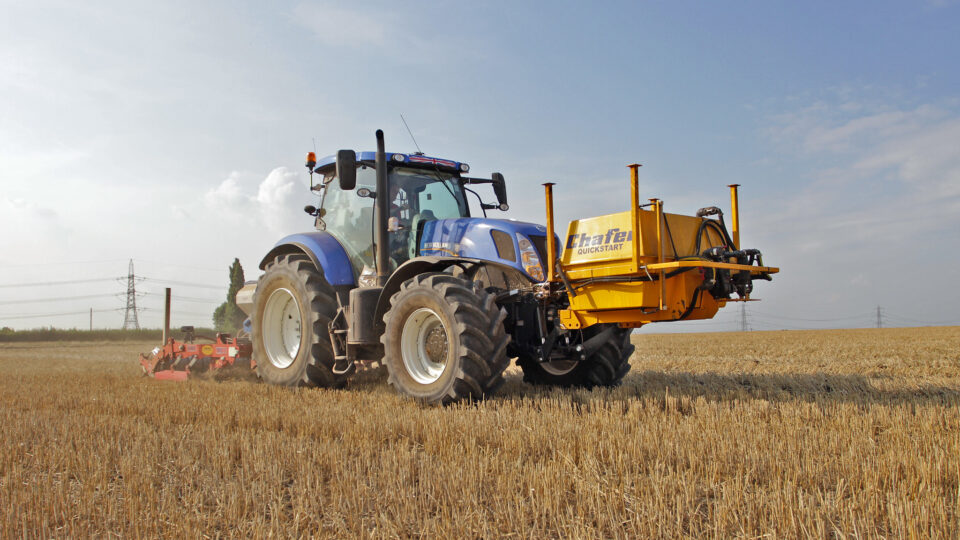
Researchers at Stanford University and King Fahd University in Saudi Arabia have developed a prototype device that can produce ammonia using wind energy to draw air through a mesh.  The method allows sustainable production of ammonia using the nitrogen in the air.

The process gets nitrogen from the air along with hydrogen from water vapor.  A mesh coated with catalysts facilitates the necessary chemical reactions.  The process operates at room temperature and standard atmospheric pressure, eliminating the need  for the high temperatures and high pressures of the Haber-Bosch process.

In principle, farmers could run a portable device onsite, eliminating the need to purchase and ship fertilizer from a manufacturer. 

The device is two or three years away from being market ready.  The developers are designing increasingly large mesh systems to produce greater quantities of ammonia.  Ammonia has more uses beyond fertilizers including its use as an energy carrier that can store and transport energy more efficiently than hydrogen gas.

**********

Web Links

New device produces critical fertilizer ingredient from thin air, cutting carbon emissions

Photo, posted September 2, 2013, courtesy of Chafer Machinery via Flickr.

Earth Wise is a production of WAMC Northeast Public Radio
Bio-based products on the rise

January 30, 2024 By EarthWise Leave a Comment

There is a growing global movement working towards replacing conventional synthetic products – ones that are toxic to make or use, difficult to recycle, and have large carbon footprints – with products made from plants, trees, or fungi that can be safely returned to the earth at the end of their useful life.  This so-called bioeconomy is in its infant stages, but there is increasing interest in turning successful research into manufactured products.

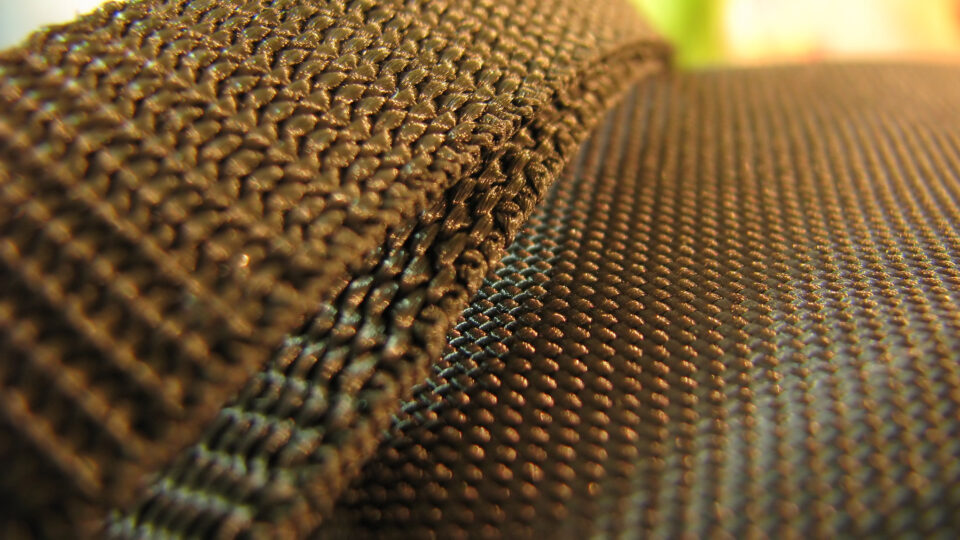
One example is nylon.  Nylon was created in the 1930s by DuPont.  It has been used and continues to be used in a wide range of products.  The problem with it is that it is made from petroleum, it doesn’t biodegrade, and producing it generates nitrous oxide, which is a problematic greenhouse gas.

A San Diego-based company called Genomatica has developed a plant-based nylon using biosynthesis, a process in which a genetically engineered microorganism ferments plant sugars to create a chemical intermediate that can be turned into the nylon-6 polymer, and then into textiles. 

The impetus for developing bio-based products includes the growing public disgust at the mounting environmental toll of plastic, not the least of which is that people and animals are increasingly ingesting it.  Coupled with this, there is a rapidly-growing torrent of funding, especially in the US and Europe, aimed at accelerating the transition away from products that are non-biodegradable, toxic, and that produce carbon emissions.   Last September saw the launch of the National Biotechnology and Biomanufacturing Initiative which will support research and development on such topics as the use of sustainable biomass and waste resources to make non-toxic, bio-based fuels, chemicals, and fertilizers.

**********

Web Links

From Lab to Market: Bio-Based Products Are Gaining Momentum

Photo, posted May 27, 2010, courtesy of André C via Flickr.

Earth Wise is a production of WAMC Northeast Public Radio
How to reduce pollution from food production

January 17, 2024 By EarthWise Leave a Comment

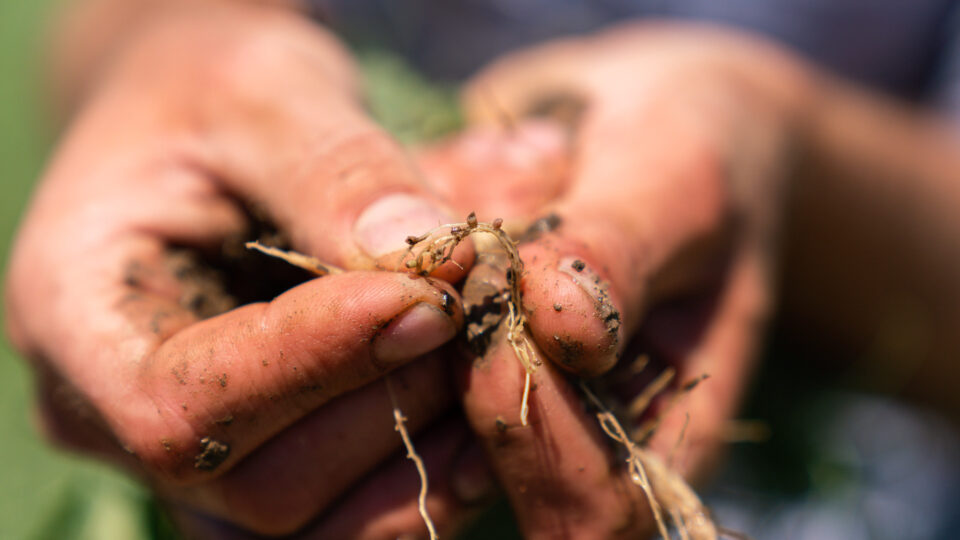
Present in animal manure and synthetic fertilizers, nitrogen is an essential nutrient for plant growth and is a critical input to enhance agricultural productivity on farms around the world.  But excessive and inefficient use of this nutrient is widespread.  In fact, up to 80% of it leaks into the environment, mostly in various polluting forms of nitrogen: ammonia and nitrogen oxides (which are harmful air pollutants), nitrous oxide (a potent greenhouse gas), and nitrate (which affects water quality).

A new report prepared for the United Nations has put forth some solutions to greatly reduce nitrogen pollution from agriculture in Europe.  A group of researchers coordinated by the U.K. Centre for Ecology & Hydrology, the European Commission, the Copenhagen Business School, and the National Institute for Public Health and the Environment of The Netherlands produced the report.

In it, the research team puts forth its recipe to reduce nitrogen pollution in Europe.  The report’s ingredients include:

  • Reducing by 50% the average European meat and dairy consumption
  • More efficient fertilizer application and manure storage
  • Reducing food production demand by reducing food waste by retailers and consumers
  • Better wastewater treatment to capture nitrogen from sewage
  • Adopting policies addressing food production and consumption to transition them towards more sustainable systems

Taking action to reduce nitrogen pollution will require a holistic approach involving farmers, policymakers, retailers, water companies, and individuals. 

Do Europeans have an appetite for change?

**********

Web Links

Scientists provide recipe to halve pollution from food production

Photo, posted March 10, 2022, courtesy of USDA NRCS Montana via Flickr.

Earth Wise is a production of WAMC Northeast Public Radio

Food and the climate crisis

December 18, 2023 By EarthWise Leave a Comment

Farm-free food could help mitigate climate warming

Agriculture is a major part of the climate problem and remains one of the hardest human activities to decarbonize.  It’s responsible for approximately 25% of global greenhouse gas emissions. 

Many experts contend that alternative food sources – like insect farming and seaweed aquaculture – are part of the solution.  Additionally, expanding production of climate resilient food crops, including quinoa, kernza, amaranth, and millet, likely also have a role to play. 

But according to a new study led by researchers from the University of California – Irvine, another solution to this problem may be to eliminate farms altogether.  In the study, which was recently published in the journal Nature Sustainability, the research team explored the potential for wide scale synthetic production of dietary fats through chemical and biological processes.  The materials needed for this method are the same as those used naturally by plants: hydrogen (in water) and carbon dioxide (in the air).   

The research team highlighted some of the potential benefits of farm-free food, including reduced water use, less pollution, localized food production, and less risk to food production from weather. 

Cookies, crackers, chips, and many other grocery products are made with palm oil, a dietary fat that continues to be a major driver of deforestation around the world.  However, it remains to be seen how consumers would react if the oil used to bake their cookies came from a food refinery up the road instead of a palm plantation in Indonesia.     

According to the researchers, depending on food refineries instead of tropical plantations for dietary fats could mitigate lots of climate-warming emissions while also protecting land and biodiversity.

**********

Web Links

UC Irvine-led science team shows how to eat our way out of the climate crisis

Photo, posted July 15, 2008, courtesy of Quinn Dombrowski via Flickr.

Earth Wise is a production of WAMC Northeast Public Radio
Synthetic Palm Oil | Earth Wise

February 18, 2022 By EarthWise Leave a Comment

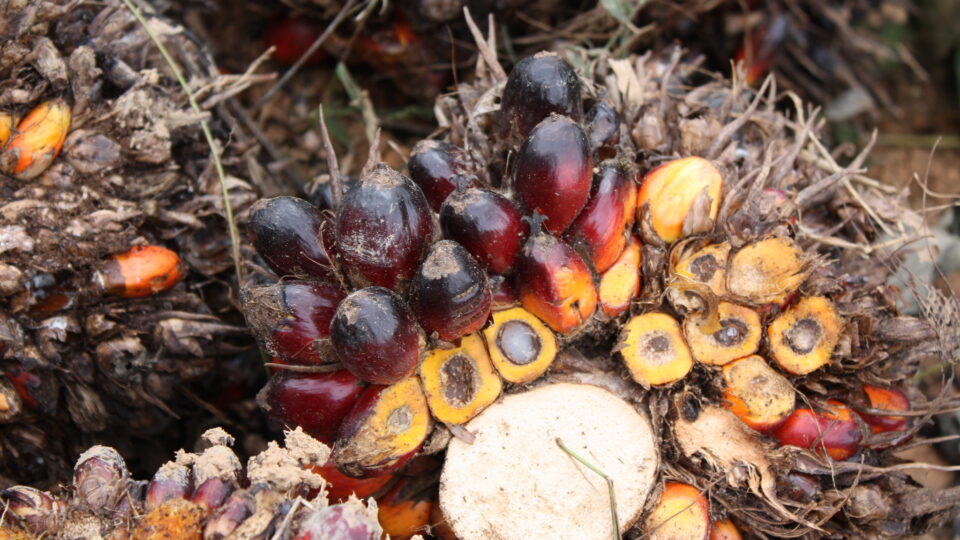
Palm oil is the world’s cheapest and most widely used vegetable oil.  Producing it is a primary driver of deforestation and biodiversity loss in the tropics.  In Borneo, for example, oil palm cultivation has accounted for more than half of all deforestation over the past two decades.   More than one million square miles of biodiversity hotspots could be threatened by oil palm cultivation, which could potentially affect more than 40% of all threatened bird, mammal, and amphibian species.

Today, the world consumes over 70 million tons of palm oil each year, used in products ranging from toothpaste and oat milk to biodiesel and laundry detergent.

Given this situation, there are now multiple companies developing microbial oils that might offer an alternative to palm oil while avoiding its most destructive impacts.

A company called C16 Biosciences is working on the problem in Manhattan, backed by $20 million from a Bill Gates’ climate solutions investment fund.  A California-based startup called Kiverdi is working to manufacture yeast oil using carbon captured from the atmosphere. 

Xylome, a Wisconsin-based startup is working to produce a palm oil alternative that they call “Yoil”, produced by a proprietary strain of yeast.  The oil from the yeast strain is remarkably similar to palm oil. 

The challenge is to be able to produce microbial oils at large scale and at a competitive price.  Unless valuable co-products could be manufactured along with the oil, it may be difficult to compete with palm oil.  Without regulatory pressures and willingness of consumers to pay more, it may be difficult to replace palm oil in many of its applications.

**********

Web Links

Can Synthetic Palm Oil Help Save the World’s Tropical Forests?

Photo, posted December 9, 2008, courtesy of Fitri Agung via Flickr.

Earth Wise is a production of WAMC Northeast Public Radio.

Turning Food Waste Back Into Food | Earth Wise

March 3, 2021 By EarthWise Leave a Comment

Reincorporating food waste into agriculture

Scientists at the University of California Riverside have discovered that fermented food waste can boost bacteria that increase crop growth, make plants more resistant to pathogens, and reduce the carbon emissions resulting from farming.

Food waste is a serious problem from multiple perspectives.  As much as 50% of food is thrown away in the United States and most of that simply ends up in landfills, taking up more than 20% of America’s landfill volume.  Food waste is a huge economic loss as well as a significant waste of freshwater resources used to produce food.

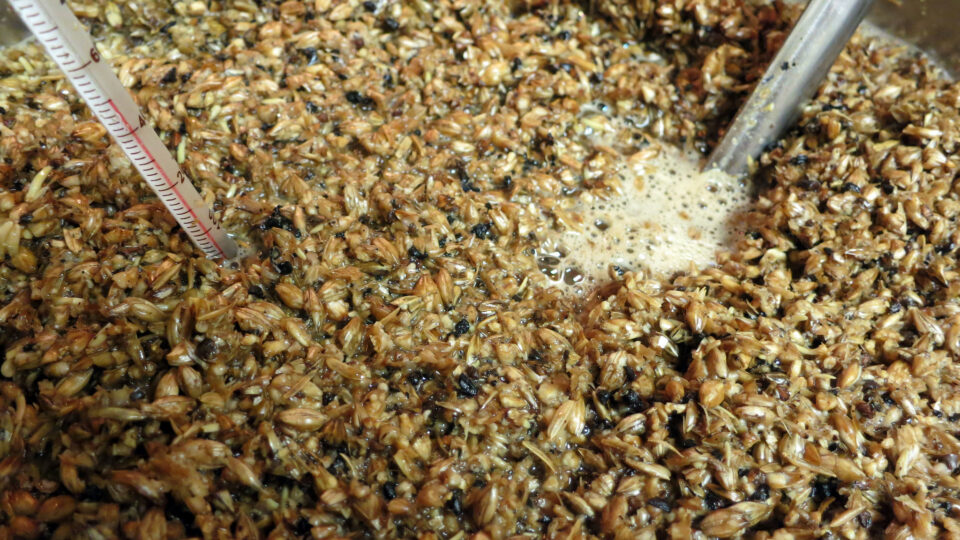
The researchers studied byproducts from two kinds of food waste readily available in Southern California:  beer mash – a byproduct of beer production – and mixed food waste discarded by grocery stores.

Both types of waste were fermented and then added to the irrigation system watering citrus plants in a greenhouse.  Within 24 hours, the average population of beneficial bacteria was two to three orders of magnitude greater than in plants that did not receive the treatments. This led to improvements in the carbon to nitrogen ratio in crops.  When there are enough so-called good bacteria in plants, they produce antimicrobial compounds and metabolites that help plants grow better and faster.

The results of the study suggest that the use of food waste products in agriculture is beneficial and could complement the use of synthetic chemical additives by farmers, perhaps eliminating it entirely.  Crops would in turn become less expensive.

Making use of food waste in agriculture is a step towards a more circular economy in which we use something and then find a new purpose for it.

**********

Web Links

Turning food waste back into food

Photo, posted October 28, 2012, courtesy of Daniel Lobo via Flickr.

Earth Wise is a production of WAMC Northeast Public Radio.

Finding Plastic In Seafood | Earth Wise

September 15, 2020 By EarthWise Leave a Comment

plastic in seafood

Researchers from the University of Exeter in the UK and the University of Queensland in Australia have developed a new method for identifying and measuring the presence of five different types of plastic in seafood.

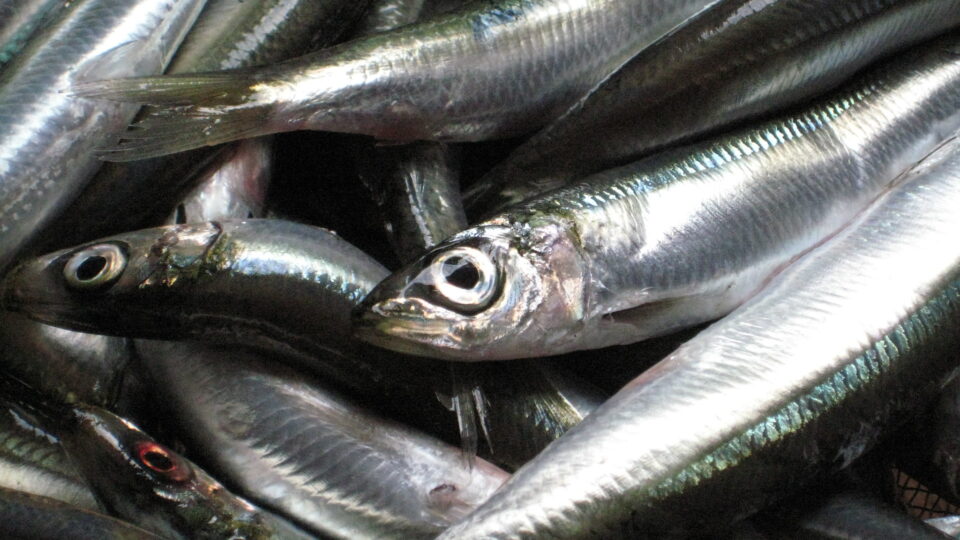
The researchers purchased oysters, prawns, squid, crabs, and sardines from a market in Australia and analyzed them using the new technique.  They found plastic in every single sample.

Their findings showed that the amount of plastics present varies greatly among species and differs between individuals of the same species.  The measured plastic levels were 0.04 mg per gram of seafood in squid, 0.07 mg in prawns, 0.1 mg in oysters, 0.3 mg in crabs, and 2.9 mg in sardines. 

All the plastics are types commonly used in plastic packaging and synthetic textiles and are increasingly found in marine litter:  polystyrene, polyethylene, polyvinyl chloride, polypropylene, and polymethyl methacrylate.

The new method treats the seafood tissues with chemicals that dissolve the plastics present within them.  The resulting solution is then analyzed using a highly sensitive technique called Pyrolysis Gas Chromatography Mass Spectrometry which both identifies and quantifies the plastics.

Microplastics are an increasing source of pollution for much of the planet, including the oceans where they are eaten by all types of marine creatures ranging from planktonic organisms to large mammals.  Microplastics enter our diet not only from seafood, but also from bottled water, sea salt, beer, and honey, as well as from dust that settles on our food.

**********

Web Links

Seafood study finds plastic in all samples

Photo, posted June 23, 2007, courtesy of Flickr.

Earth Wise is a production of WAMC Northeast Public Radio.

Safer Ways To Be Blue | Earth Wise

May 5, 2020 By EarthWise Leave a Comment

A safer way to create blue

Creating blue fabric has always been desirable for people.  It has never been easy, but the original way to do it – by using indigo from plants – has been around for 6,000 years.  Natural indigo is a rare commodity, often referred to as blue gold.  In the 19th century, synthetic indigo was developed and ultimately replaced the natural substance.

Synthetic indigo dye is not an environmentally friendly substance.  In order to get it to adhere to fabrics, substances called mordants are required.  These are commonly made from metals like chromium and aluminum, are generally toxic, and kill off plants exposed to factory wastewater, destroy ecosystems, and poison drinking water.   The dye itself is slow to decompose and is bad for the environment. 

Recently, an organic chemist in Brazil named Erick Bastos has figured out a new way to produce blue dye using, of all things, a pigment from beets.  By extracting the pigment and tweaking its molecular pattern, he has managed to transform the red color of the pigment to a brilliant blue.

Beet roots contain pigments called betalains and just a tiny amount of beetroot juice can render a lot of dye.  By mixing these pigments with a couple of ingredients, a chemical reaction occurred, and the color transformed from red, to yellow, then green, and finally blue.

Testing so far on human liver cells, retinal cells, and developing zebrafish has revealed no toxicity.  The results suggest that the new dye – dubbed BeetBlue – is safe.  Further testing is needed to know if it is truly safe and whether it will last in the wash.  Meanwhile, Professor Bastos is not patenting the dye and hopes it will provide a better way to be blue.

**********

Web Links

How Do You Make a Less Toxic Blue Dye? Start With Red Beets

Photo, posted November 7, 2005, courtesy of Lain Buchanan via Flickr.

Earth Wise is a production of WAMC Northeast Public Radio.

Engineering Mosquitoes | Earth Wise

February 21, 2020 By EarthWise Leave a Comment

Engineering mosquitoes to repel disease

Tropical regions grapple with the spread of diseases – such as dengue, yellow fever, zika, chikungunya, and malaria – by mosquitoes.  A fairly successful strategy has been the Sterile Insect Technique, which is essentially insect birth control. The process involves rearing large quantities of sterilized male mosquitoes in dedicated facilities, and then releasing them to mate with females in the wild. As they do not produce any offspring, the insect population declines over time.

A problem with this approach is that while mosquitoes create health problems for people, they also play important roles in various ecosystems, such as providing food for bats and other animals.  Eliminating mosquito populations on a large scale can trigger major changes in ecosystems.

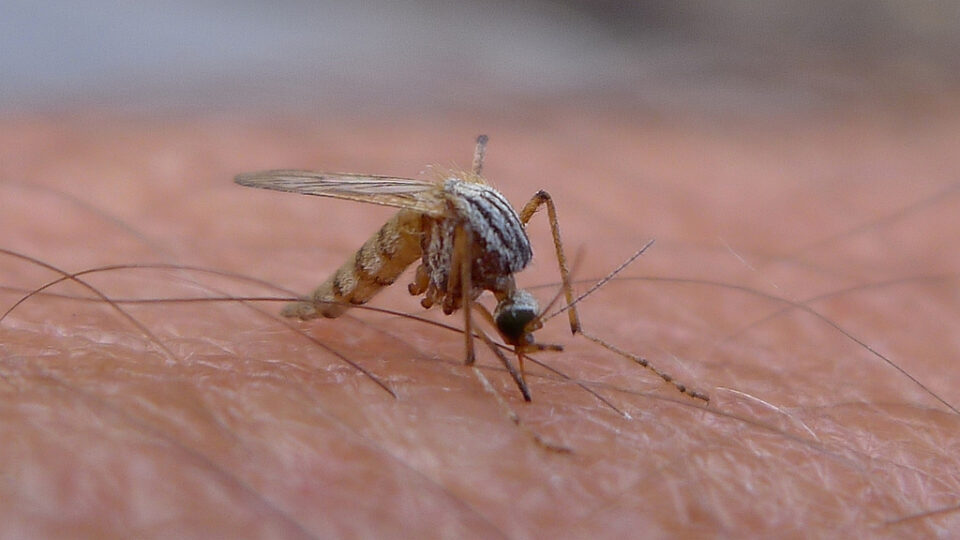
Recently, an international team of scientists has synthetically engineered mosquitoes that halt the transmission of the dengue virus.  They genetically engineered mosquitoes with an antibody “cargo” that gets expressed in the female mosquitoes that spread the dengue virus.  Once the female mosquito takes in blood, the antibody is activated which hinders the replication of the virus and prevents its dissemination throughout the mosquito, thereby preventing its transmission to humans. Essentially, what the researchers have done is transfer genes from the human immune system to confer immunity to mosquitoes.  The researchers are testing methods to neutralize mosquitoes against other viruses they spread.

This opens up a whole new approach to interrupt mosquito-borne human diseases.  Mosquitoes are among the deadliest killers on the planet because they are the messengers that transmit deadly diseases.  Until now, the only real solution has been to kill the messenger.  The new approach may be a better way to deal with a serious problem.

**********

Web Links

Mosquitoes engineered to repel dengue virus

Photo, posted June 20, 2014, courtesy of Flickr.

Earth Wise is a production of WAMC Northeast Public Radio.

Hydrogen From Water And Sun

March 7, 2019 By EarthWise 1 Comment

There are research efforts around the world seeking ways to produce hydrogen starting from water and using clean energy.  Finding an economical and scalable way to do this is a key to the so-called hydrogen economy.

A recent study at Argonne National Laboratory makes use of a chemical reaction pathway central to plant biology to create a process that converts water into hydrogen using energy from the sun.

The process combines two membrane-bound protein complexes to perform the conversion of water molecules into hydrogen and oxygen.

The first protein complex, which the researchers call Photosystem I, is a membrane protein that uses energy from light to feed electrons to an inorganic catalyst that makes hydrogen.  But this represents only half of the overall process.

A second protein complex that they call Photosystem II uses energy from light to split water and take electrons from it.  The electrons are then fed to Photosystem I.

The two protein complexes are embedded in thylakoid membranes, which are like those found inside the oxygen-creating chloroplasts in plants.  This membrane is an essential part of pairing the two photosystems.  It supports both of the photosystems and provides a pathway for transferring electrons between the proteins.

The researchers also make use of a synthetic catalyst made from nickel or cobalt that replaces expensive platinum catalysts used in conventional water-splitting schemes.  Combining the light-triggered transport of electrons with the synthetic catalyst results in what the researchers call the “Z-scheme”, an adaptation of photosynthesis to produce hydrogen.

The next step is to incorporate the scheme into a living system which the researchers hope will lead to a practical system for hydrogen production.

**********

Web Links

Discovery adapts natural membrane to make hydrogen fuel from water

Photo, posted December 25, 2017, courtesy of Flickr.

Earth Wise is a production of WAMC Northeast Public Radio.

Urban Streams Are Breeding Superbugs

August 14, 2018 By EarthWise Leave a Comment

https://earthwiseradio.org/wp-content/uploads/2018/08/EW-08-14-18-Urban-Streams.mp3

City streams are subjected to a constant onslaught of synthetic chemicals found in pharmaceuticals and personal care products. Wastewater treatment facilities are not designed to filter out these compounds. Instead, they flow into surface waters where they impact aquatic organisms like microbes – which perform key ecosystem services like removing excess nutrients and breaking down leaf litter.

[Read more…] about Urban Streams Are Breeding Superbugs

Dioxane And Drinking Water

October 24, 2017 By EarthWise Leave a Comment

https://earthwiseradio.org/wp-content/uploads/2017/10/EW-10-24-17-Dioxane-And-Drinking-Water.mp3

A byproduct of plastics production, dioxane is a clear, synthetic, liquid solvent that easily mixes with water.  It’s frequently used in paint strippers, dyes, and varnishes, as well as shampoos and body washes – particularly those that are sudsy.  Dioxane doesn’t really biodegrade and is widely regarded as a contaminant.    

[Read more…] about Dioxane And Drinking Water

Fast Food Packaging

April 6, 2017 By EarthWise

https://earthwiseradio.org/wp-content/uploads/2017/03/EW-04-06-17-Dangers-of-Fast-Food-Packaging.mp3

Much has been made of the dangers of eating fast food.  Certainly, its high fat, sodium, and calorie content calls for moderating its role in our diets.  But a recent study has found that even the packaging that the food comes in might present health hazards.

[Read more…] about Fast Food Packaging

Polystyrene Foam

August 11, 2016 By WAMC WEB

https://earthwiseradio.org/wp-content/uploads/2016/07/EW-08-11-16-Polystyrene-Foam-in-SF.mp3

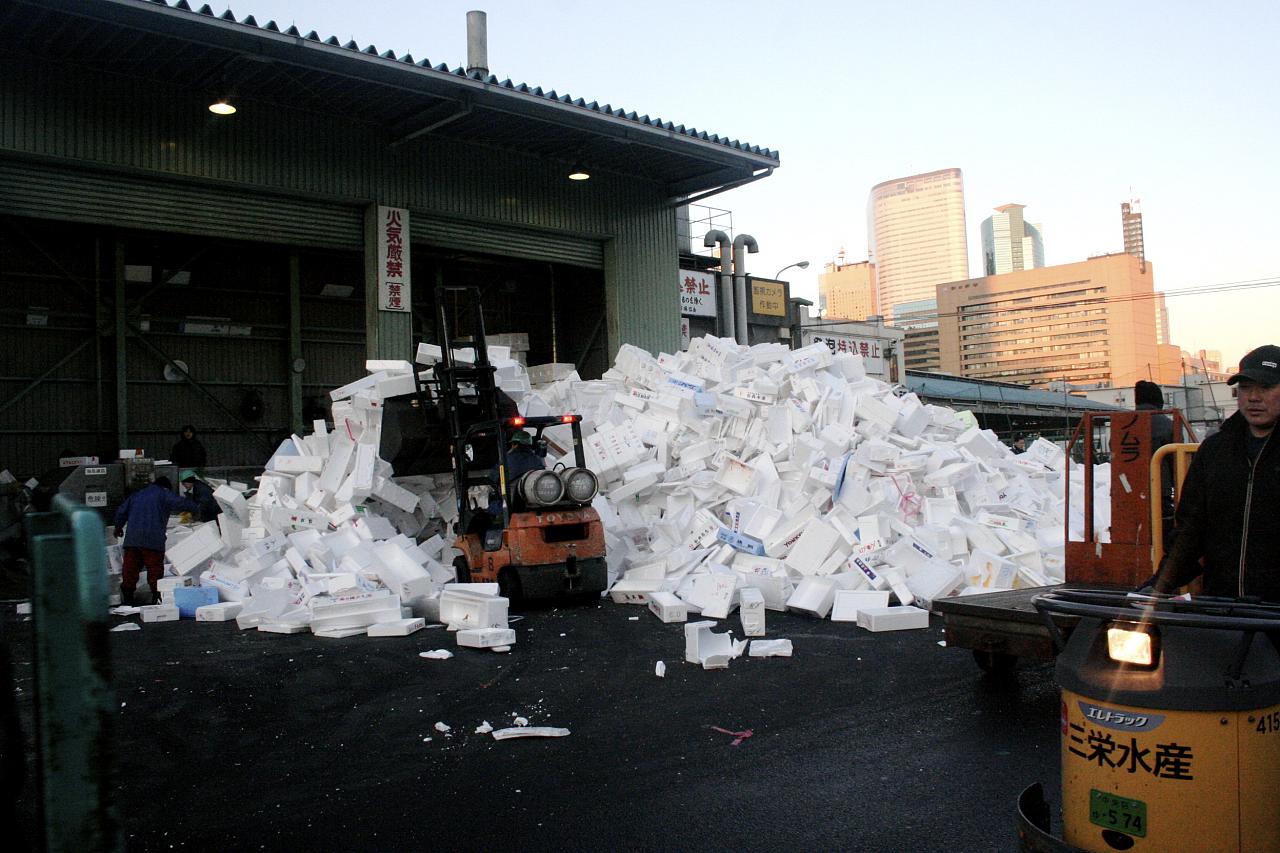
The San Francisco Board of Supervisors has voted to ban expanded polystyrene, the foam plastic used in food packaging, packing peanuts, coffee cups, and more.  It is one of the most extensive bans of this type in the U.S.

[Read more…] about Polystyrene Foam

Primary Sidebar

Recent Episodes

  • An uninsurable future
  • Clean energy and jobs
  • Insect declines in remote regions
  • Fossil fuel producing nations ignoring climate goals
  • Trouble for clownfishes

WAMC Northeast Public Radio
WAMC/Northeast Public Radio is a regional public radio network serving parts of seven northeastern states (more...)

Copyright © 2025 ·