renewable

New Energy Goals For New York
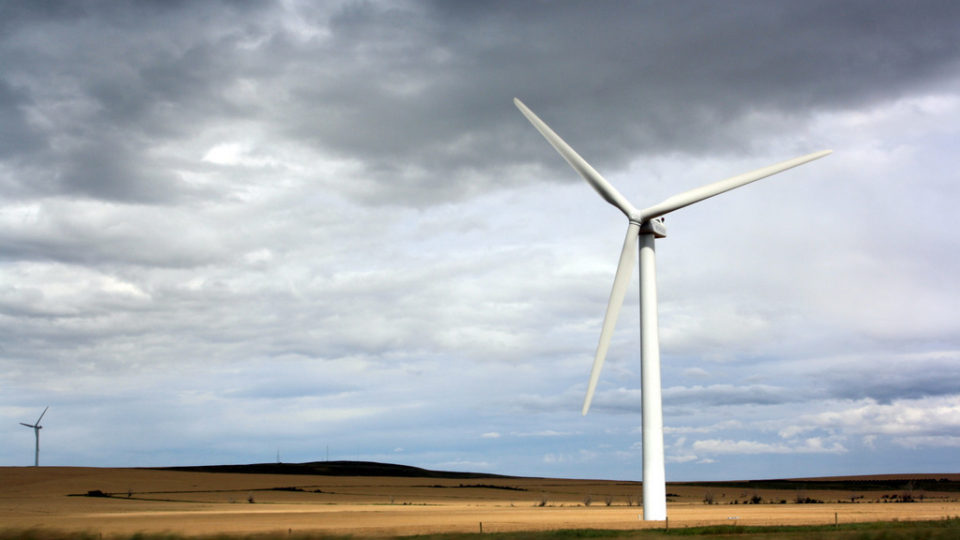
Since 2015, New York has had in place an energy plan aimed at building a clean, resilient and cost-effective energy system for the state. A key part of that plan is to reduce greenhouse gas emissions by 40% from 1990 levels by the year 2030. Another major goal is to have 50% of the state’s electricity produced from renewable sources by the same year.
Hydrogen Progress
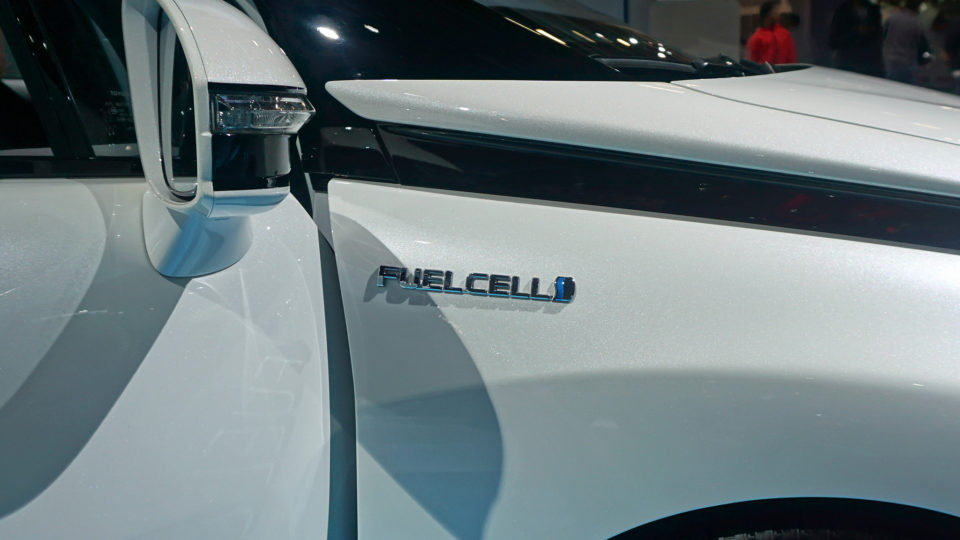
As low-cost solar and wind energy become increasingly pervasive, the prospects for hydrogen-based transportation systems are improving. The reason is that cheap electricity makes it practical to produce hydrogen by breaking down water rather than getting it from reforming natural gas, which results in carbon dioxide emissions. The real goal is for hydrogen to be a renewable and carbon-free fuel.
Renewable Energy From Wood
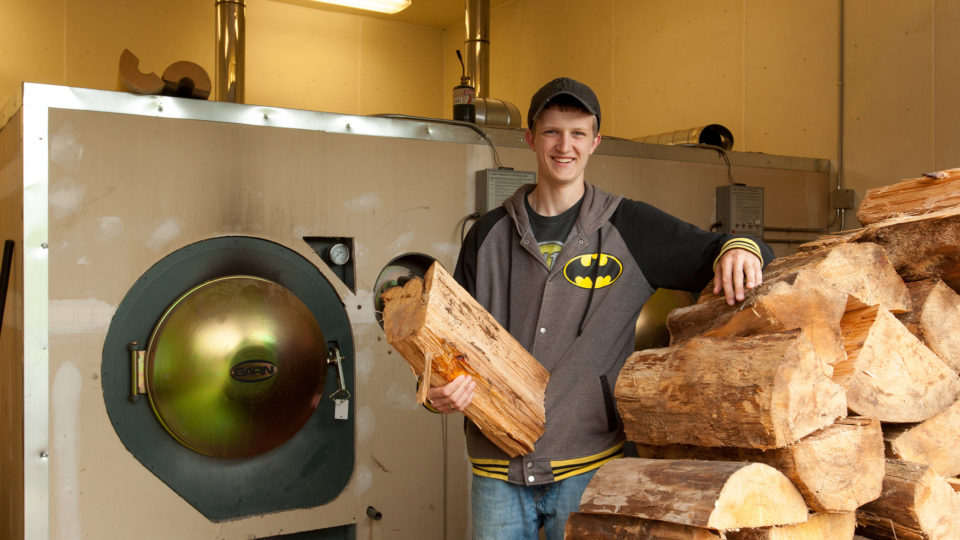
Biofuels are fuels produced through contemporary biological processes rather than geological processes such as those involved in the formation of fossil fuels.
Hydrogen On Demand
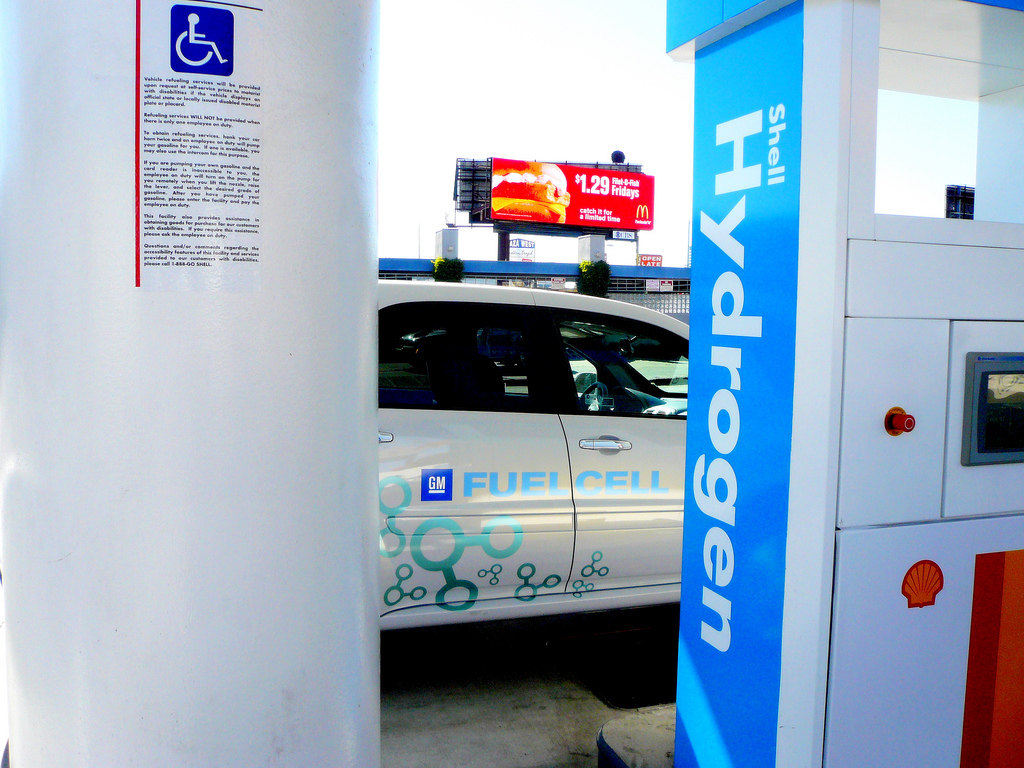
Researchers at the Technion-Israel Institute of Technology have developed a new method for producing hydrogen from water using solar energy. If successfully developed, their approach would make it possible to produce hydrogen in a centralized manner at the point of sale such as at a fueling station for hydrogen-powered cars.
Tires From Trees
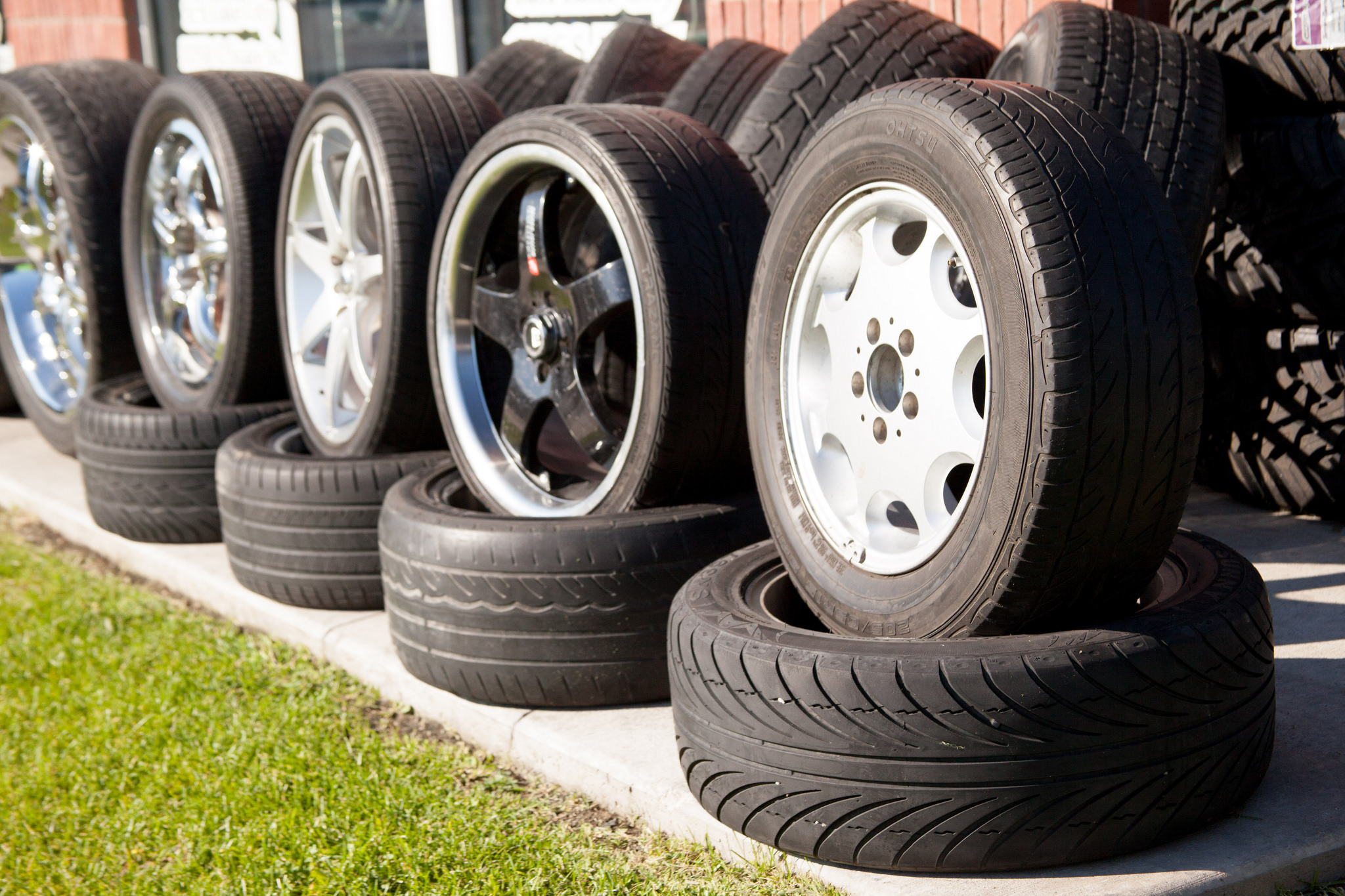
Car tires are generally considered environmentally unfriendly because they are predominantly made from fossil fuels. Natural rubber is generally not used anymore; most tires are made from isoprene, which is chemically very like rubber but is produced by thermally breaking apart molecules in petroleum in a process called cracking. The isoprene is separated out and purified and then reacted to form the artificial rubber that is the major component in car tires. The tires eventually end up discarded in giant piles that represent one of our biggest waste disposal problems.
The Largest Battery Storage Substation
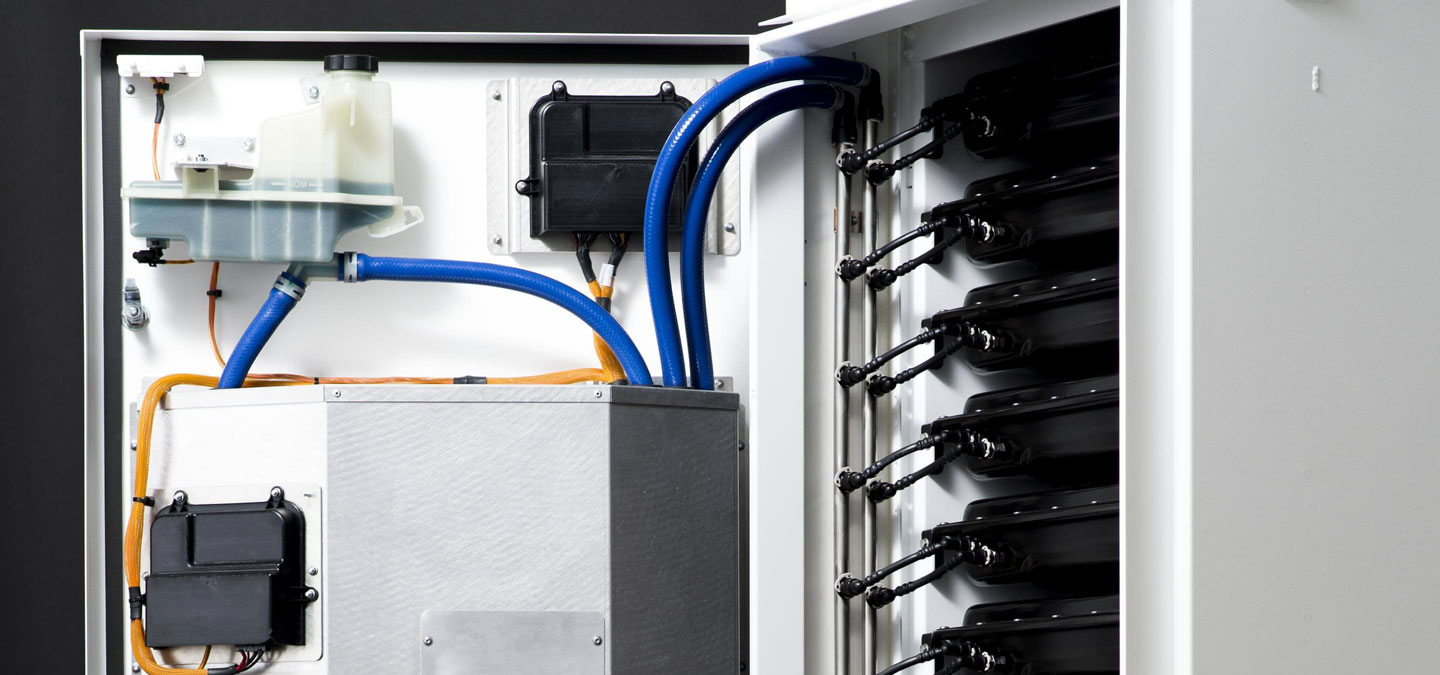
At the end of last year, Southern California Edison turned on the largest lithium-ion battery storage facility in the world in Ontario, California. It is a substation with 80 megawatt-hours of capacity, enough energy to power 2,500 households or charge 1,000 Tesla cars a day.
2016 Carbon Progress Report
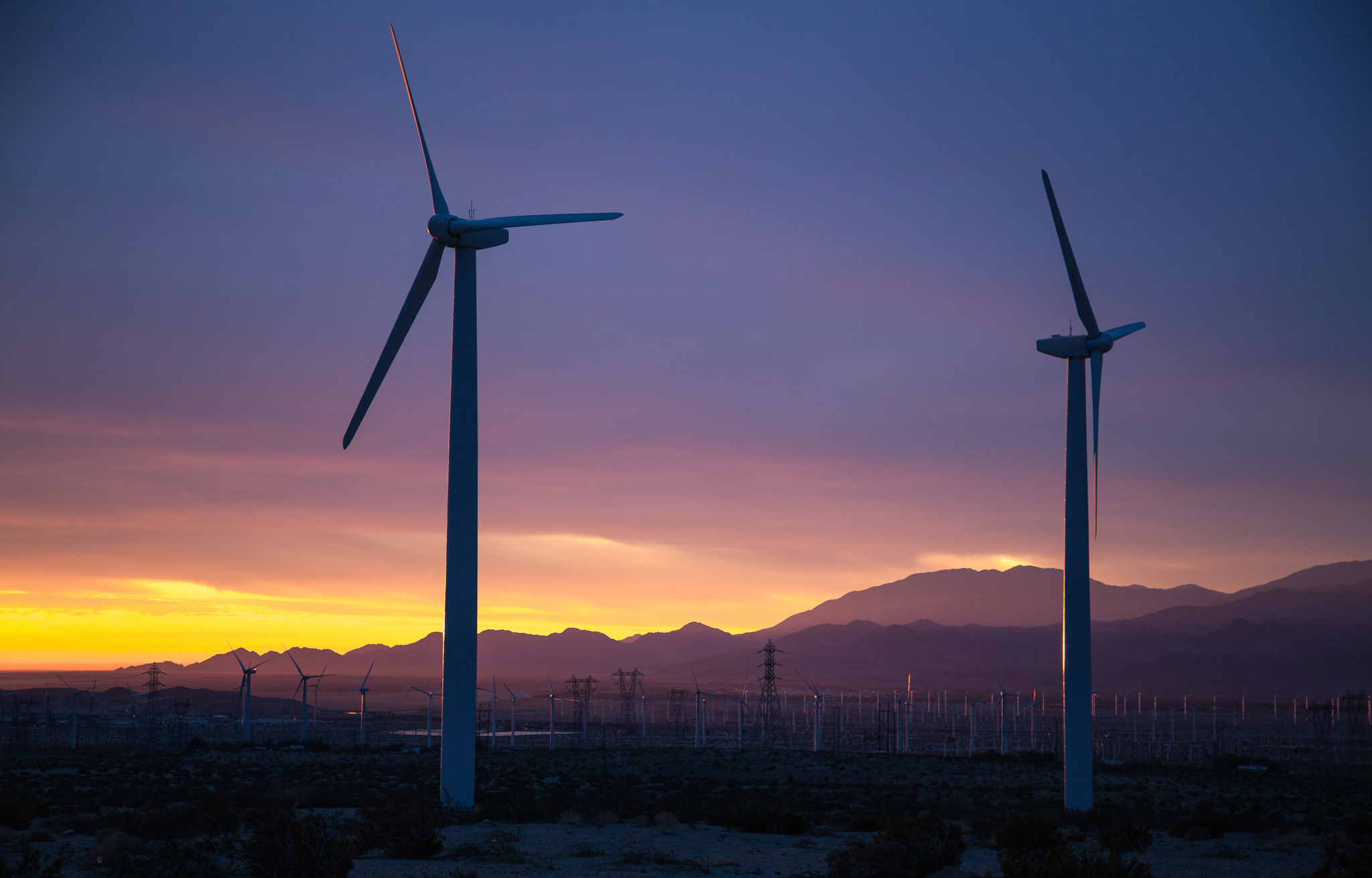
Last year was a big year for progress in the U.S. power sector. Renewable energy provided nearly 17% of the country’s electricity, up from 13.7% in 2015. The first offshore wind farm in the U.S. opened off the coast of Rhode Island. And most significantly, carbon emissions from the power sector continued to decline and reached the lowest levels in nearly 25 years.
The Trouble With Sustainability