products

Biodegradable Microbeads
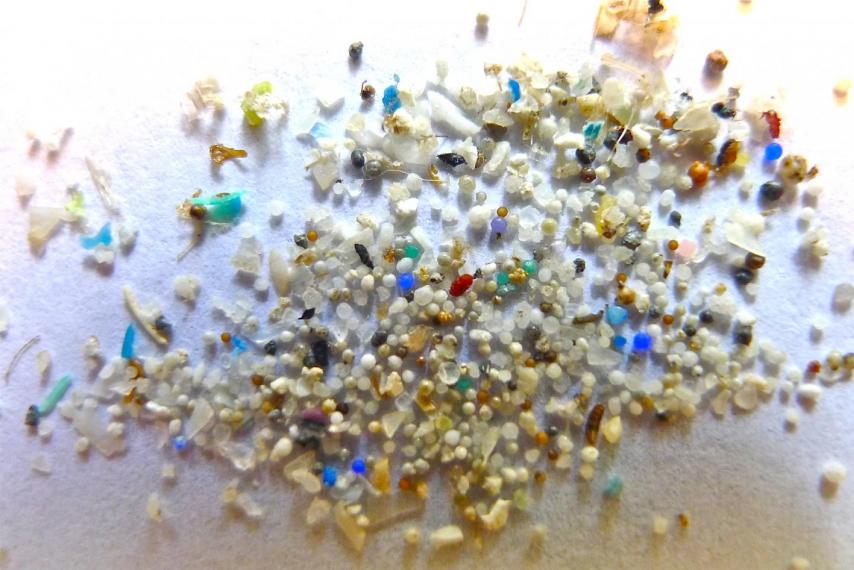
Microbeads are little spheres of plastic less than half a millimeter in diameter that are added to a variety of personal care and cleaning products such as cosmetics, sunscreens and fillers. They give these products a desirable smooth texture. However, they are so small that sewage filtration systems can’t remove them and they end up in rivers and oceans where they are ingested by birds, fish and other marine life.
Spider Silk
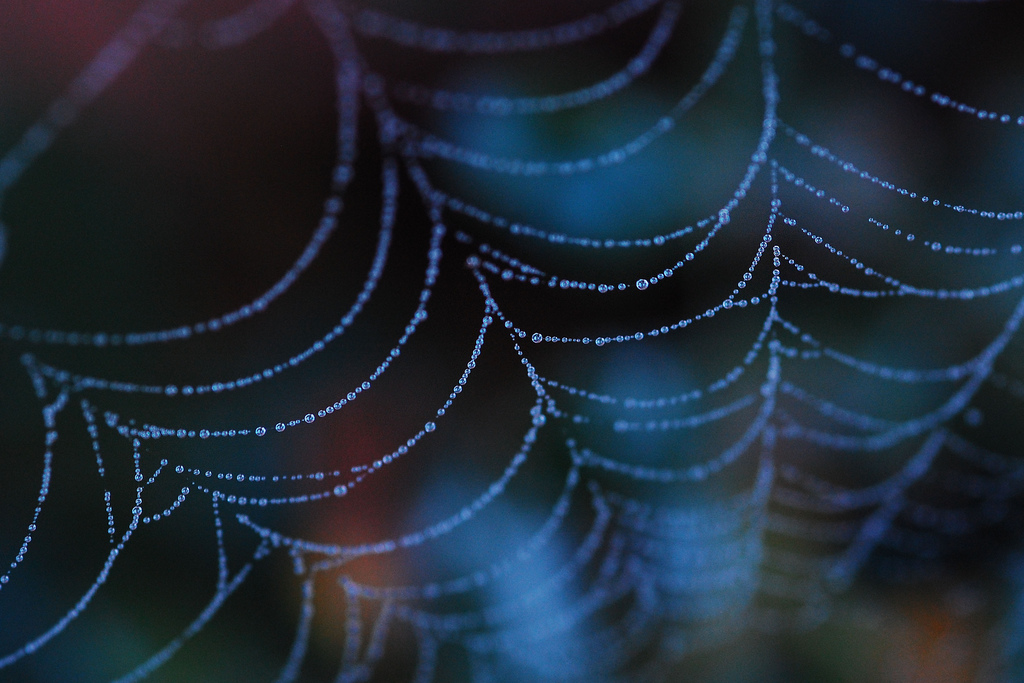
Spider silk – the protein fiber spun by spiders to make webs, nests, cocoons, and wrapping for prey that they stash away – is a remarkable substance. Its mechanical properties combine high tensile strength and high extensibility or ductility. This allows spider silk to absorb a lot of energy before breaking. It is stronger than steel, but not as strong as Kevlar, for example. On the other hand, it is tougher than either.
The Carbon XPrize
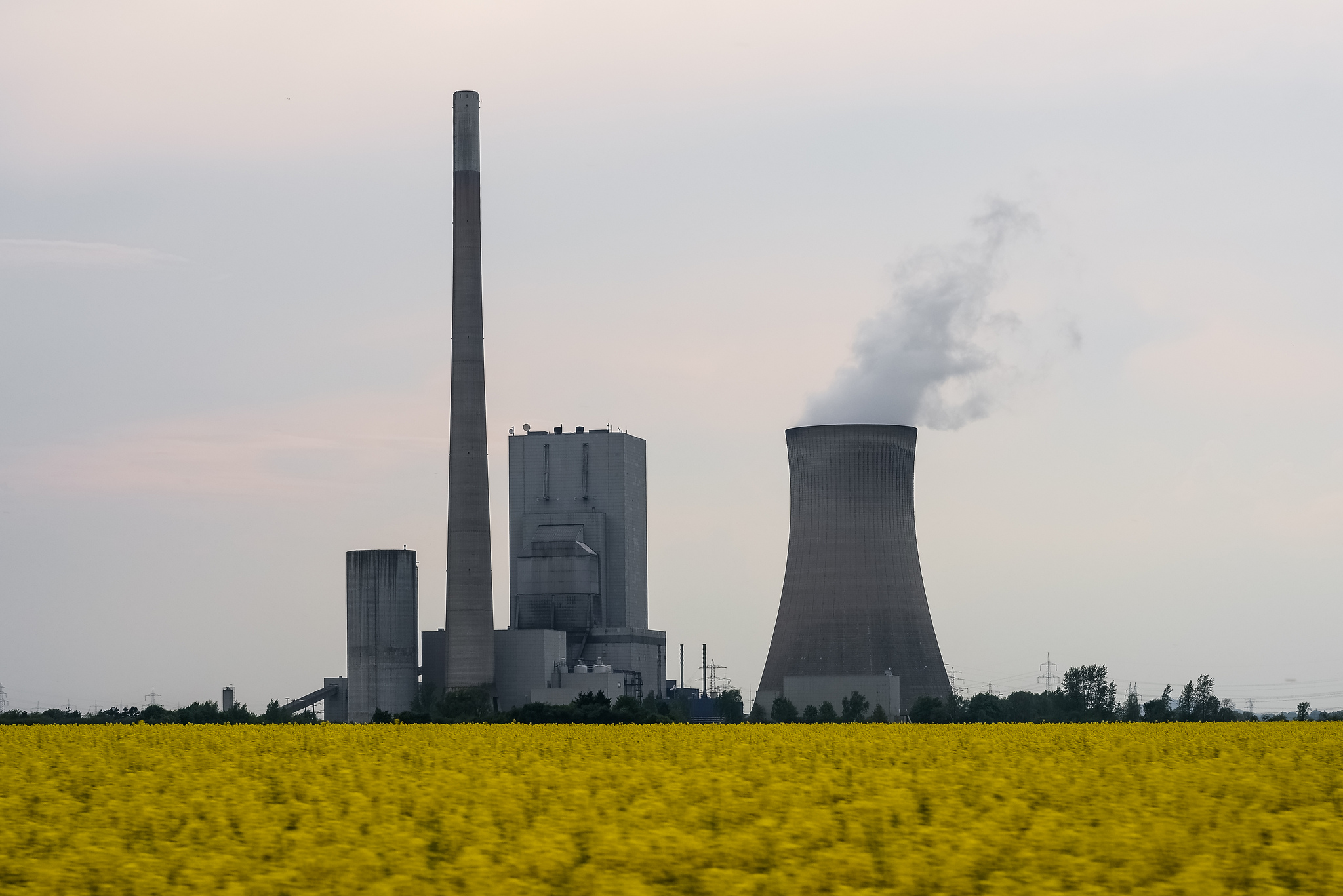
The Carbon XPrize is a five-year, $20 million competition to identify ways to convert carbon emissions into successful, profitable and useful products. Forty-seven organizations from seven countries are competing for the prizes and include large companies, startups and university researchers.
Polystyrene Foam
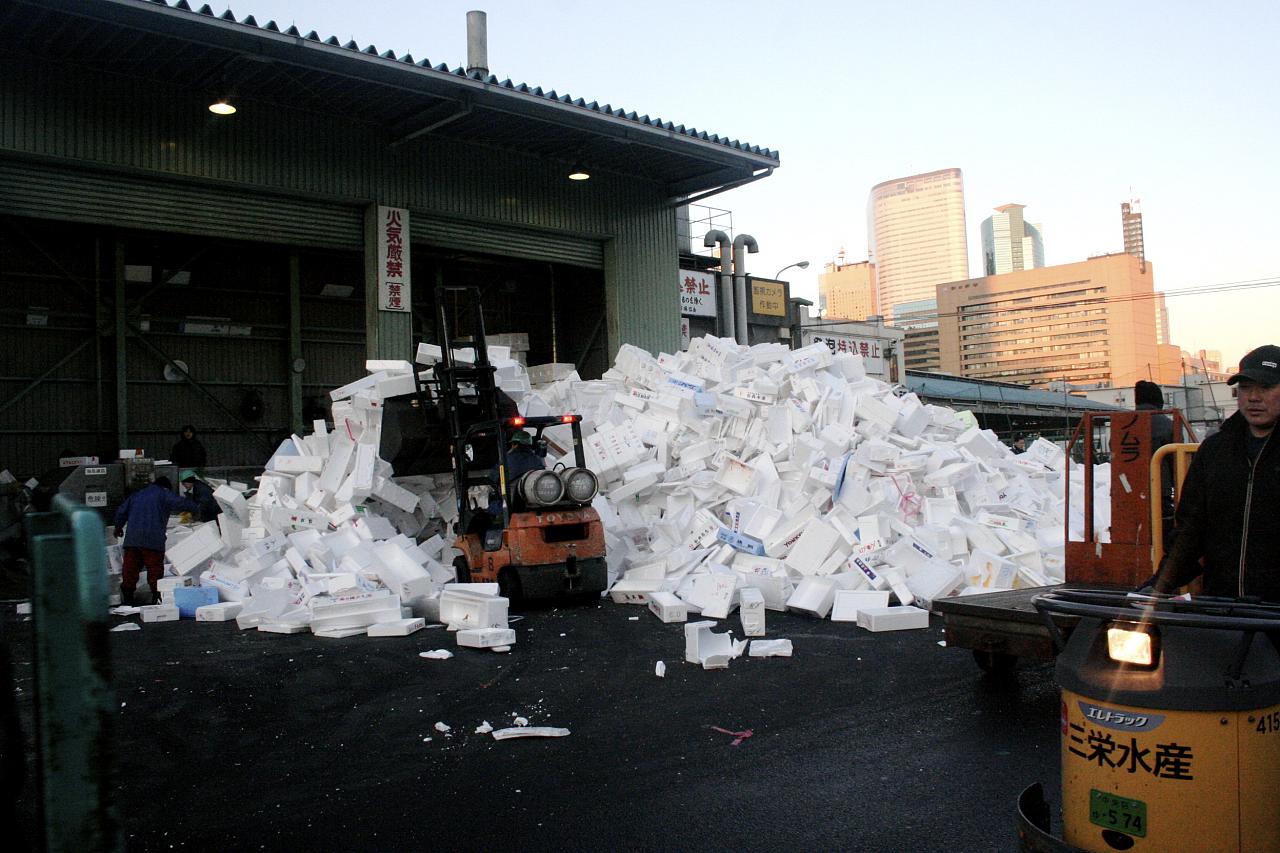
The San Francisco Board of Supervisors has voted to ban expanded polystyrene, the foam plastic used in food packaging, packing peanuts, coffee cups, and more. It is one of the most extensive bans of this type in the U.S.
Cleaning Up The Palm Industry
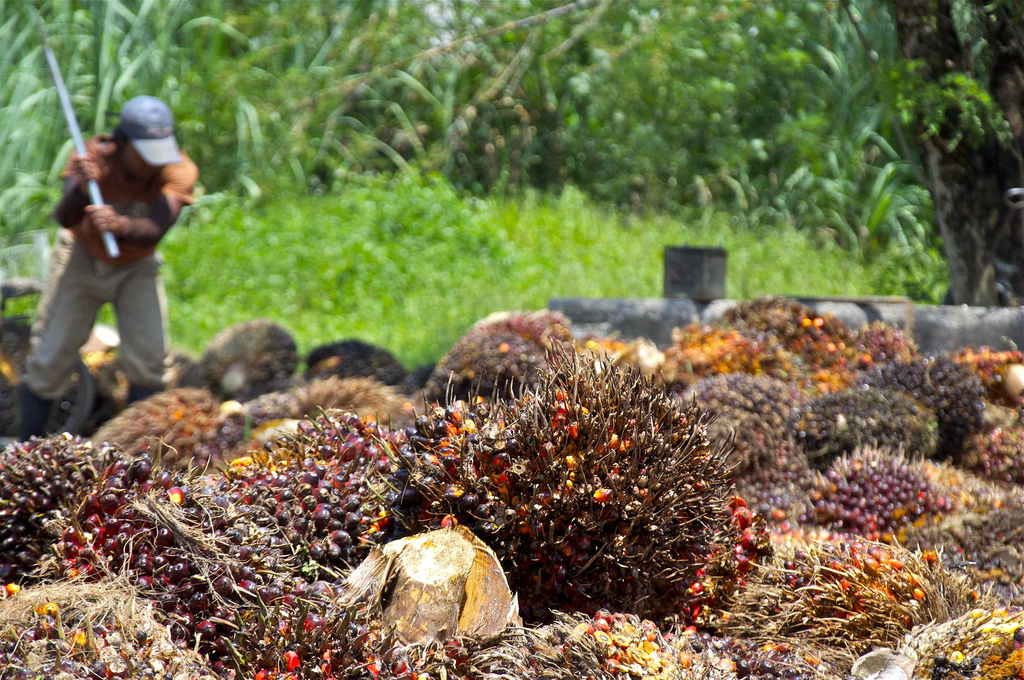
Few of us cook with palm oil or have ever even seen the stuff. Nevertheless, half of the world’s consumer products include it as an ingredient and the global market for palm oil could be as high as $50 billion. The palm oil industry has been tied to environmental destruction in countries such as Malaysia and Indonesia and has been found to be complicit in human rights violations.