• Skip to primary navigation
  • Skip to main content
  • Skip to primary sidebar

Earth Wise

A look at our changing environment.

  • Home
  • About Earth Wise
  • Where to Listen
  • All Articles
  • Show Search
Hide Search
You are here: Home / Archives for populations

populations

How To Bend The Curve On Biodiversity Loss | Earth Wise

October 15, 2020 By EarthWise Leave a Comment

how to bend the curve on biodiversity loss

Biodiversity has been declining at an alarming rate in recent years as a result of human activities, including land use changes, pollution, and climate change.  According to a 2019 UN report, one million species – out of an estimated eight million – are threatened with extinction.  Many scientists warn we are in the middle of the sixth mass extinction event in Earth’s history.  Previous mass extinction events wiped out up to 95% of all species and took ecosystems millions of years to recover. 

Fortunately, new research indicates that it might not be too late to bend the curve on biodiversity loss.  According to the report, which was recently published in the journal Nature, more ambitious conservation measures are needed in order to  preserve biodiversity.  In addition, more efficient food production and healthier and less wasteful consumption and trade are needed to bend the curve. 

If these measures are undertaken with unprecedented ambition and coordination, the research team says the efforts will provide an opportunity to reverse biodiversity loss by 2050.

But even under the best case scenario, ongoing land conversion will lead to further biodiversity losses before the curve starts to bend.  In fact, at least one third of projected losses in the coming years are unlikely to be avoided under any scenario.  Biodiversity losses were projected to be highest in the regions richest in biodiversity, including South Asia, Southeast Asia, Sub-Saharan Africa, the Caribbean, and Latin America. 

The study, which was led by the International Institute for Applied Systems Analysis in Austria, makes it clear that urgent action is needed this decade in order to have any chance of bending the curve. 

**********

Web Links

Curbing land clearing for food production is vital to reverse biodiversity declines

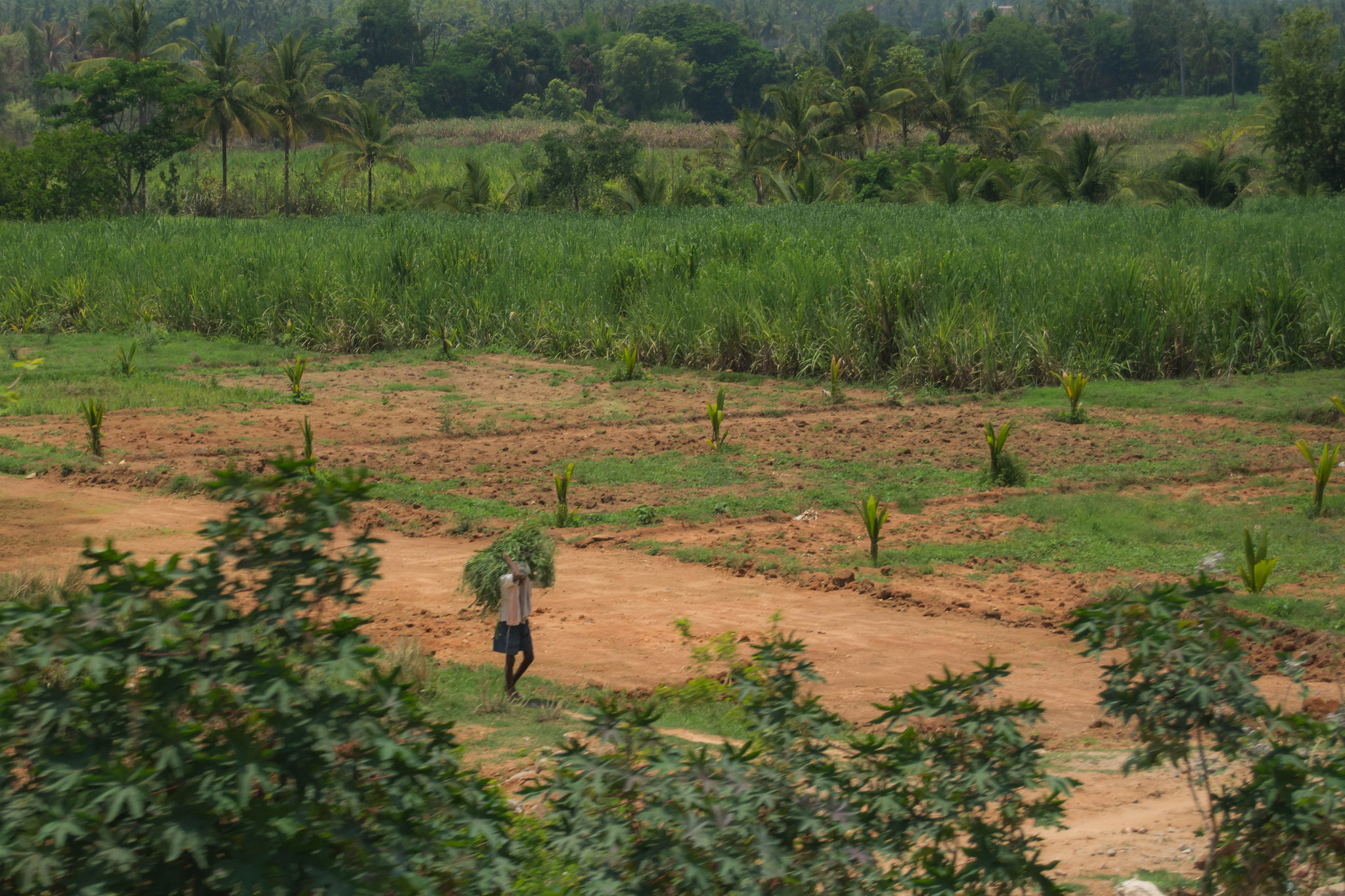
Photo, posted November 1, 2017, courtesy of Rod Waddington via Flickr.

Earth Wise is a production of WAMC Northeast Public Radio.
Native Bees In A Honeybee World | Earth Wise

September 21, 2020 By EarthWise Leave a Comment

native bees are in trouble

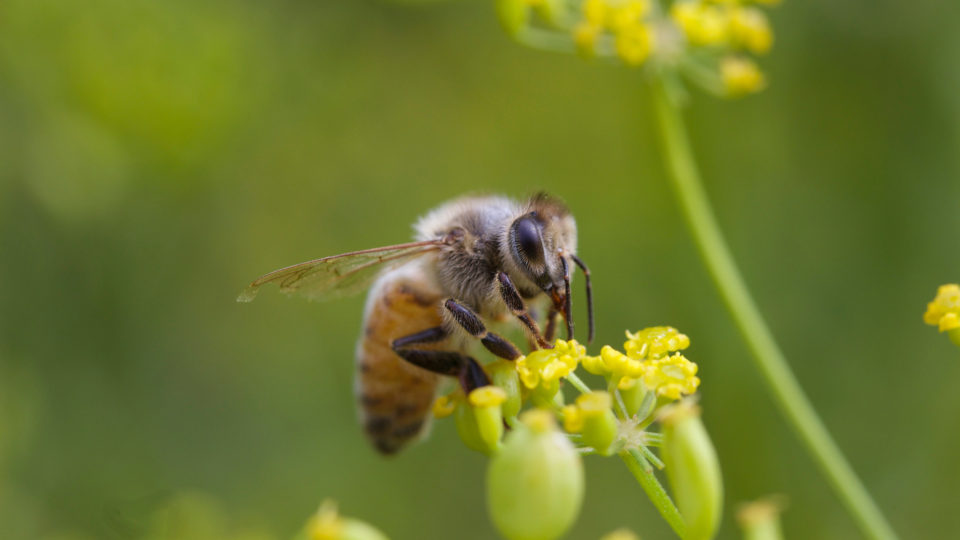
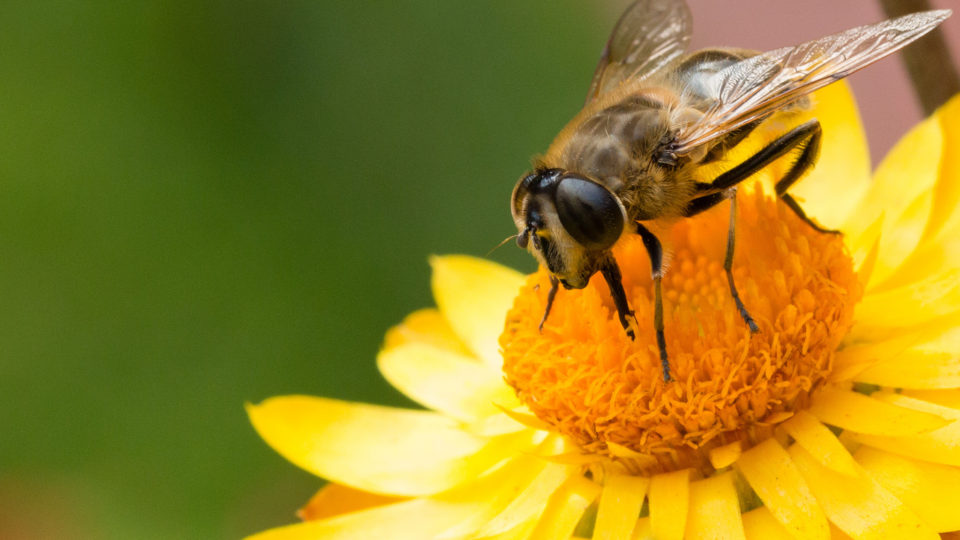
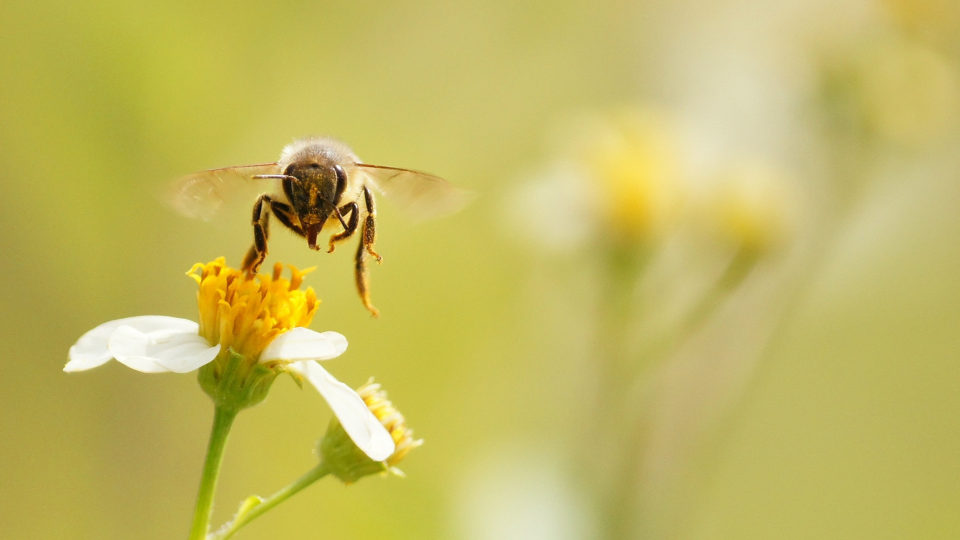
There is a great deal of attention on the plight of bees and other pollinators.  Much of that focuses on the problems plaguing the large, domesticated honeybee colonies that are trucked from region to region to pollinate everything from almonds to fruit trees.  Managed bee colonies have recently been losing more than 40% of their population over the course of a year.  But overall, honeybees are still relatively safe. They are a globally distributed, domesticated species and are not remotely threatened with extinction.

But another group of bees – native bees – faces a different range of threats, most linked to habitat loss.   Worldwide, roughly 20,000 native bee species have evolved over millions of years to thrive in countless habitats, where they have specialized in pollinating specific flowers and plants – in some cases just a single plant.

Scientists have estimated that, globally, 1 in 6 bee species is regionally extinct. In the United States there are about 4,000 native bee species, most of which are solitary bees that nest in the ground or cavities, with many that require just one or a few plant species for sustenance. At least 23 percent of U.S. native bees have declined, with bees in areas with heavy commodity-crop production particularly hard hit due to habitat loss and pesticide use. Other threats to native bees include climate-driven sea-level rise and increased temperatures, loss of host plants, and competition and disease from non-native honeybees. 50% of Midwestern native bee species disappeared from their historic ranges in the last 100 years.   Four of our bumblebee species declined 96% in the last 20 years, and three species are believed to already be extinct. 

Native bees are in big trouble.

**********

Web Links

Backyard Battle: Helping Native Bees Thrive in a Honeybee World

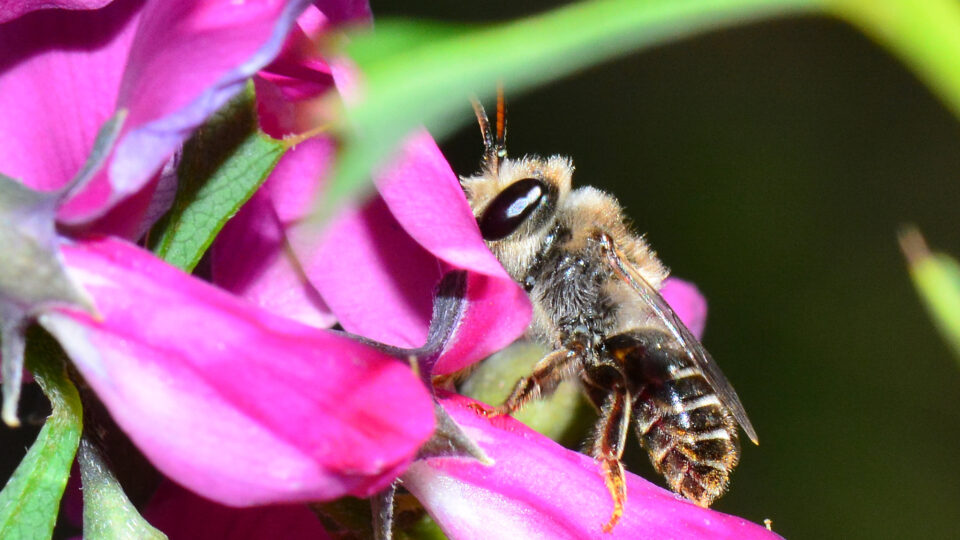
Photo, posted December 2, 2017, courtesy of Flickr.

Earth Wise is a production of WAMC Northeast Public Radio.
Giant Jellyfish | Earth Wise

August 28, 2020 By EarthWise Leave a Comment

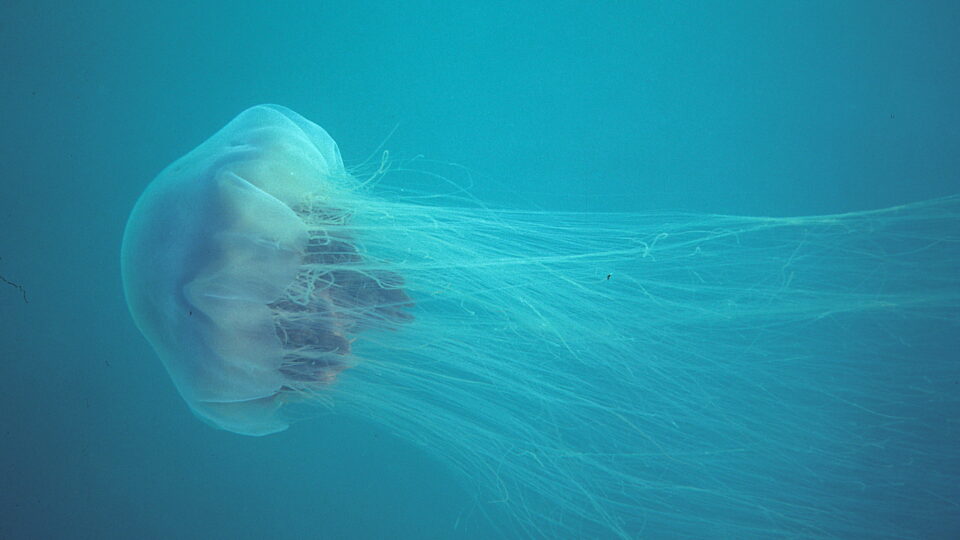
There have been recent news stories about giant jellyfish washing ashore from Maine to the south coast of Massachusetts.  These stories have claimed that some of these lion’s mane jellyfish have been the largest on record and even might be the largest animals in the ocean.

The truth of these accounts is rather suspect.  For one thing, it is rather difficult to measure the size of a jellyfish when it is out of the water.  Gravity compresses and spreads out the bell portion of the animal, and that makes up the bulk of its mass.  For example, a jellyfish bell that measures four feet across on the beach would appear to be much smaller if the animal was floating in the water.

Some claims that lion’s mane jellyfish are larger than blue whales date back a full century and are very much disputable.  The claimed size certainly included the animal’s long tentacles, and such things hardly compare with a blue whale.

In any event, the current spate of jellyfish sightings is not necessarily that unusual.  Many factors influence jellyfish populations, including water temperature and food supply.  It is possible that warming water temperatures may be influencing the jellyfish population this year, but there is not enough data to know for sure.

People do need to be cautious around lion’s mane jellyfish.  They do sting and while their stings are not as bad as those of a number of other species, they can be a problem for people who have allergic reactions.  Furthermore, the stinging cells remain active in a jellyfish that has washed ashore.

Sightings of these animals are continuing, and reports of larger specimens continue as well, even if they don’t compare with blue whales.

**********

Web Links

Jellyfish larger than blue whales?

Photo, posted September 13, 2015, courtesy Derek Keats via Flickr.

Earth Wise is a production of WAMC Northeast Public Radio.
Boutique Hotels For Birds | Earth Wise

April 28, 2020 By EarthWise Leave a Comment

building boutique hotels for threatened birds

The changing Arctic climate has had a drastic effect on its seabirds.  In fact, seabirds worldwide are in crisis, with global populations plummeting nearly 70% over the past 70 years as a result of climate change, over-fishing, habitat loss, and other human impacts on their environment.

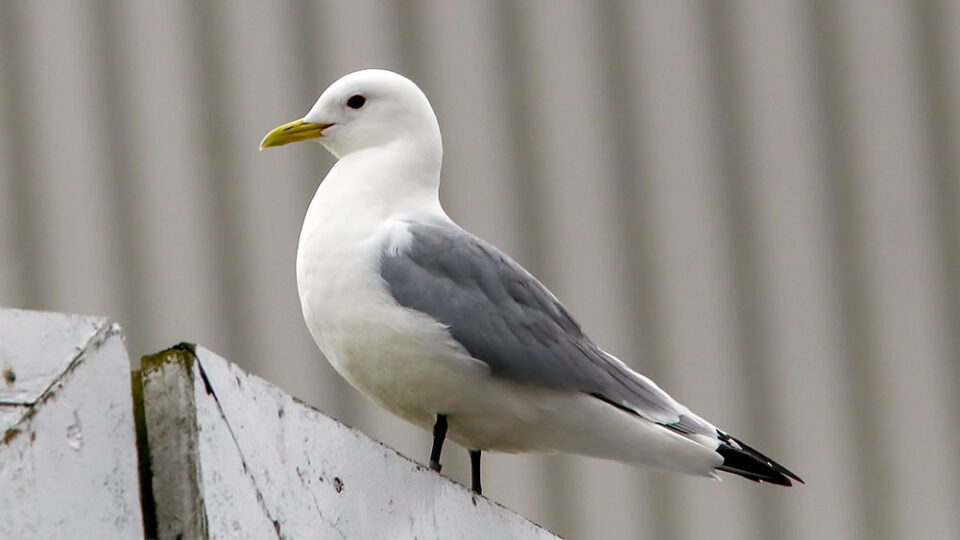
Above the Arctic circle in Norway, seabird behavior has changed dramatically.  Black-legged kittiwakes – which are the most seafaring member of the gull family – used to nest in cliffs over the ocean and seldom ventured inland.  But in recent years, that has changed.  Because of a warming ocean, increased storminess and other changes that are decimating chick populations in their normal habitat, the birds have been setting up housekeeping in places like shopping centers and office buildings in Tromsø and other towns along Norway’s north coast.

Tromsø, Hammerfest and other towns at the very north end of Norway have become very popular with tourists seeking the Northern Lights and wanting to see glaciers before they disappear.  The booming tourism has been put on hold for the moment as it has elsewhere, but when it returns, the regions growing hotels and shopping areas are facing a problem.

The birds taking up residence on these buildings are unpleasant neighbors.  They are especially noisy during the breeding season and people are having to put up nets or spikes on buildings to discourage the kittiwakes from settling there.

Local ecologists are now building boutique hotels just for kittiwakes. Using abandoned buildings on piers, they are adding ledges for nesting, materials for nest-building, and electronic speakers that croon kittiwake songs.  The hope is that the birds will stay in their own hotels and leave the other ones for the human tourists.

**********

Web Links

Norwegians are building boutique hotels for threatened Arctic birds

Photo, posted April 14, 2018, courtesy of Charlie Jackson via Flickr.

Earth Wise is a production of WAMC Northeast Public Radio.
More Trouble For Monarchs | Earth Wise

April 14, 2020 By EarthWise Leave a Comment

the decline of monarch butterflies

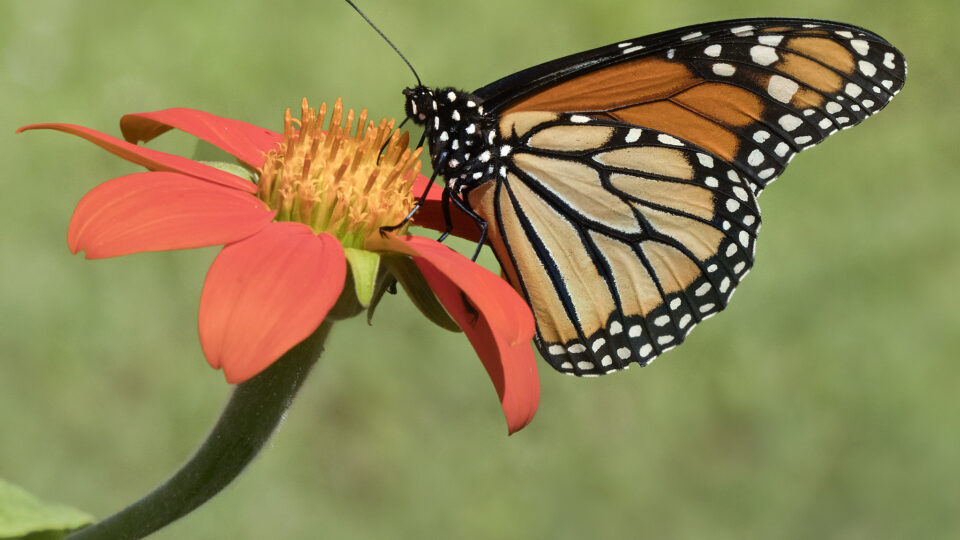
Monarch butterflies have been in trouble for quite a while and now it seems like their prospects are worse than ever.  Multiple surveys of butterfly populations are reporting plummeting numbers.

Western monarch butterflies spend their winters on the central California coast.  Months later, they breed in California’s Central Valley and as far north and east as Idaho.  But in recent years, it has become harder and harder to find them in their breeding sites.

The Western monarch population was in the millions in the 1980s.  In 2017, an annual survey found 200,000 butterflies.  In 2018 and 2019, only about 30,000 butterflies were tallied.  The loss of Western butterflies in general has come about from a variety of factors, including development, climate change, farming practices and the widespread use of pesticides by farmers and on home and business lawns.

Scientists use the area of land that migrating Monarchs occupy in Mexico to gauge populations.  This year, they covered about 7 acres, down from 15 acres in 2019.

Meanwhile, there are also far fewer Eastern monarch butterflies on the opposite side of the country.  According to a new population survey, the Eastern monarch has passed the extinction threshold.  Its population in 2020 dropped 53% from its already low 2019 numbers.  Scientists were expecting lower numbers this year, but they were staggered by their findings.

Butterfly populations are quite variable, so it is possible that the drastic declines this year are not necessarily irreversible, but the news is not good.   Researchers and environmental advocates continue to point out that mitigating the climate crisis, reducing pesticide use and planting pollinator gardens could help the butterflies to recover.

**********

Web Links

Monarch Butterfly Populations Are Plummeting

Photo, posted September 7, 2017, courtesy of C. Watts via Flickr.

Earth Wise is a production of WAMC Northeast Public Radio.
Community Action And Coral Reefs

January 1, 2020 By EarthWise Leave a Comment

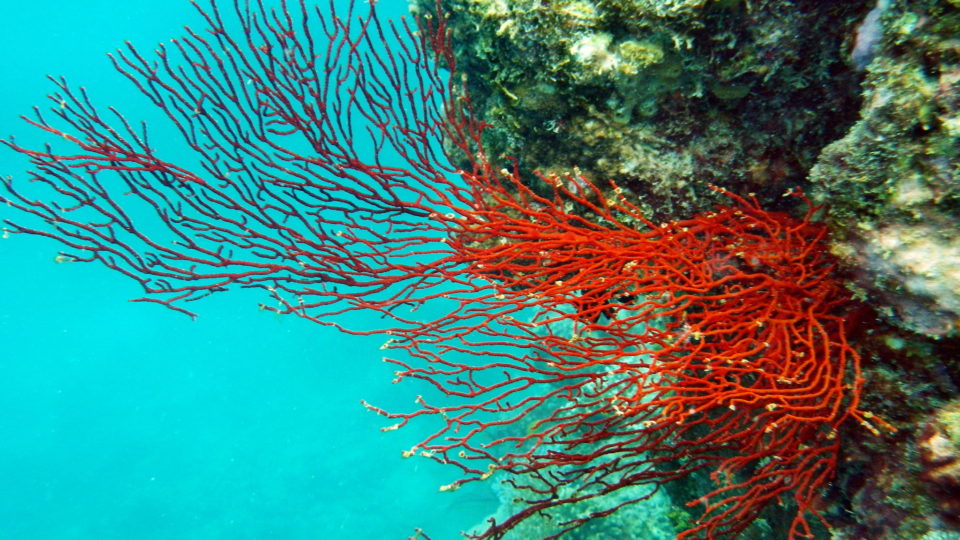
Coral reef habitats are some of the densest and most varied ecosystems on earth.  While coral reefs cover just 0.2% of the ocean floor, scientists estimate that nearly one million different species of fish, invertebrates, and algae can be found in or around coral reefs. 

However, climate change is wreaking havoc on the health of coral reefs.  Warming and acidifying oceans are resulting in enormous coral losses.  Overfishing, development, and pollution are also threatening coral reef health.

According to new research, positive community action can help boost fish populations in coral reefs and safeguard future fish numbers.  The paper, which was recently published in the journal Proceedings of the National Academy of Sciences, details the social and ecological outcomes of work being done in Papua New Guinea since 2001. 

These communities have established a traditional system of rotational fishing closures in order to manage their fisheries resources.   They ban fishing on part of their reefs for a few years, and then open these closures when village elders believe fish behavior has changed and fish populations have recovered.  They then close a different part of their reefs, and repeat the process. 

The researchers found that these rotational practices resulted in more than twice as many fish on the closed reefs as compared to open ones, and the closures made fish less scared of people and easier to catch.  But the researchers did caution that this short term boost in fish numbers may not be enough to stop the overall impact of fishing.

Globally, more than 500 million people depend on coral reefs for food, income, and coastal protection.  Balancing community needs with environmental needs can be tricky business.  

**********

Web Links

Positive community action can help coral reef health

Photo, posted October 11, 2011, courtesy of Paul Toogood via Flickr.

Earth Wise is a production of WAMC Northeast Public Radio.
Birds Are Disappearing

October 16, 2019 By EarthWise 1 Comment

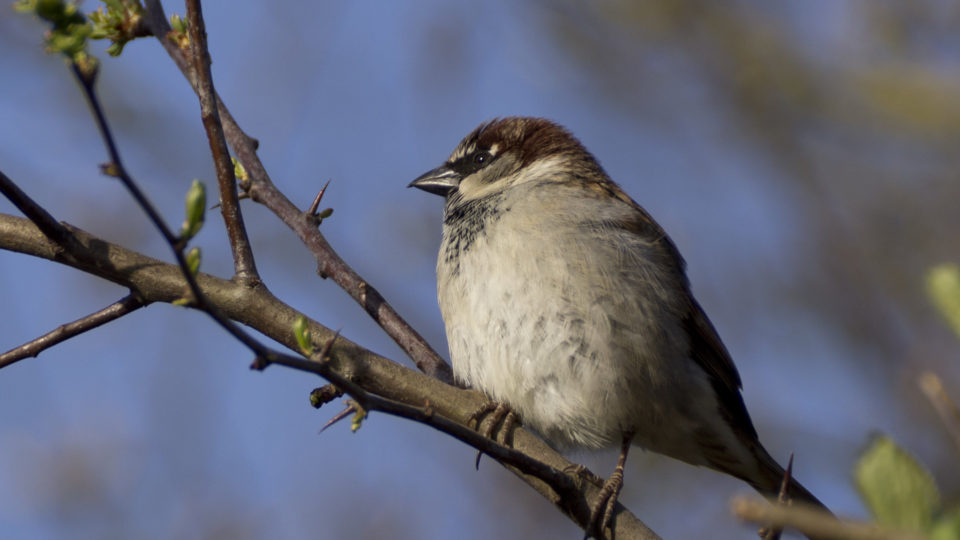
A new analysis, published in the journal Science, reports that the number of birds in the United States and Canada has fallen by 29% since 1970.  There are 2.9 billion fewer birds in the two countries now than there were 50 years ago.

The analysis is the most comprehensive attempt to date to look at the status of avian populations.  The results were a shock to researchers and conservation organizations.

It is well-known that some bird species have become vulnerable to extinction, but the new study, which surveyed more than 500 species, uncovered steep losses even among such traditionally abundant birds as robins and sparrows.

There appear to be multiple causes for the steep declines.  The largest ones are likely habitat loss and the wider use of pesticides.  Rachel Carson’s 1962 book Silent Spring warned of the dangers of pesticides and took its title from a world that has lost its birds.

The survey includes 76% of all bird species in the US and Canada, but actually represents almost the entire population of birds.  Grassland species have suffered the biggest declines by far, as a result of modern agriculture and development.  Pesticides, such as neonicotinoids, make it harder for birds to put on weight needed for migration, delaying their travel.

There are a few bright spots:  bald eagles are thriving, and falcon and waterfowl populations are on the upswing.  These are species that have been the subject of conservation measures in recent decades.

Stopping the bird decline will require a great deal of effort to defend habitats, restrict chemicals, and redesign buildings.  Without that effort, birds will continue to disappear.

**********

Web Links

Birds Are Vanishing From North America

Photo, posted April 1, 2012, courtesy of Barry Skeates via Flickr.

Earth Wise is a production of WAMC Northeast Public Radio.
Falling Bee Populations

September 9, 2019 By EarthWise Leave a Comment

For many years, scientists have been sounding the alarm on the global struggle of pollinators.  A reported 40% of invertebrate pollinator species, including bees and butterflies, are facing extinction. And since as much as three-quarters of the world’s food crops depend on pollination, the decline of these pollinators poses a major threat to global food security.

Pollinators aid in the production of all sorts of crops, including coffee, cacao, cotton, apples, and almonds – to name a few.  The global value of crops requiring pollination ranges from $235-$577 billion annually.

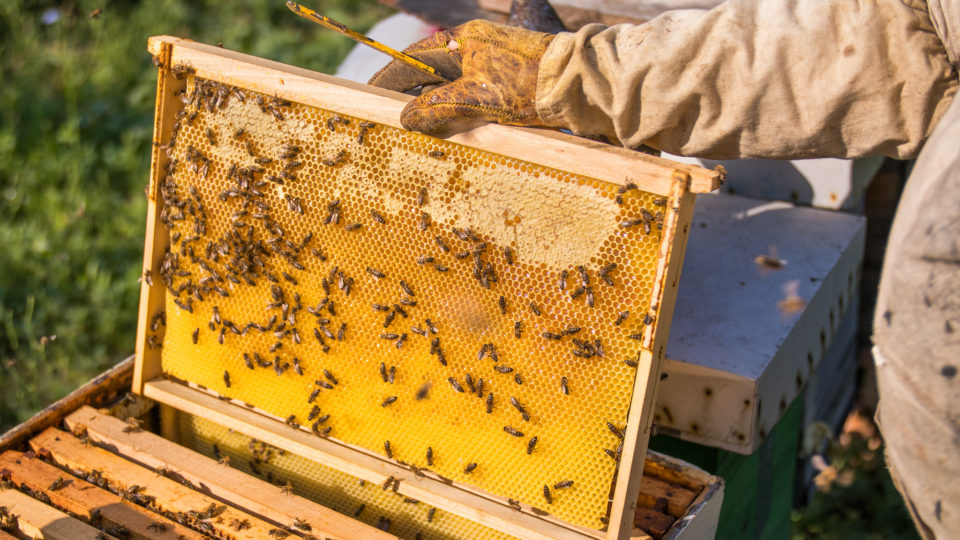
Honey bees are among the struggling pollinators.  Over the past 15 years, bee colonies have been disappearing at an alarming rate in what is known as the “colony collapse disorder.”  Some regions have seen losses of up to 90%. 

In the United States, managed honey bee populations declined by nearly 40% over this past winter, the largest such winter decline since surveying began in 2006.

In recent months, mass honey bee declines have also been reported in Russia, according to the BBC.  Russia, which produces a whopping 110,000 tons of honey annually, expects that figure to drop by as much as 20%.  The widespread bee decline is likely to not only push up honey prices, but the prices of other popular foods as well.  Many staple food crops in Russia, including sunflowers, buckwheat, and fruit trees, rely on bees for pollination.

Experts have blamed the bee decline crisis on a combination of factors, including pesticides (most notably neonicotinoids), varroa mites, and climate change.   

Bees play a vital role in food production, and their continued decline will have devastating consequences. 

**********

Web Links

Russia alarmed by large fall in bee populations

Photo, posted July 28, 2019, courtesy of Ivan Radic via Flickr.

Earth Wise is a production of WAMC Northeast Public Radio.
The American Bumblebee

May 29, 2019 By EarthWise Leave a Comment

Pollinators, such as bees and bats, are vital for global food production.  They provide an ecological service that’s necessary for the reproduction of nearly 75% of the world’s flowering plants, including more than two-thirds of the world’s food crops.

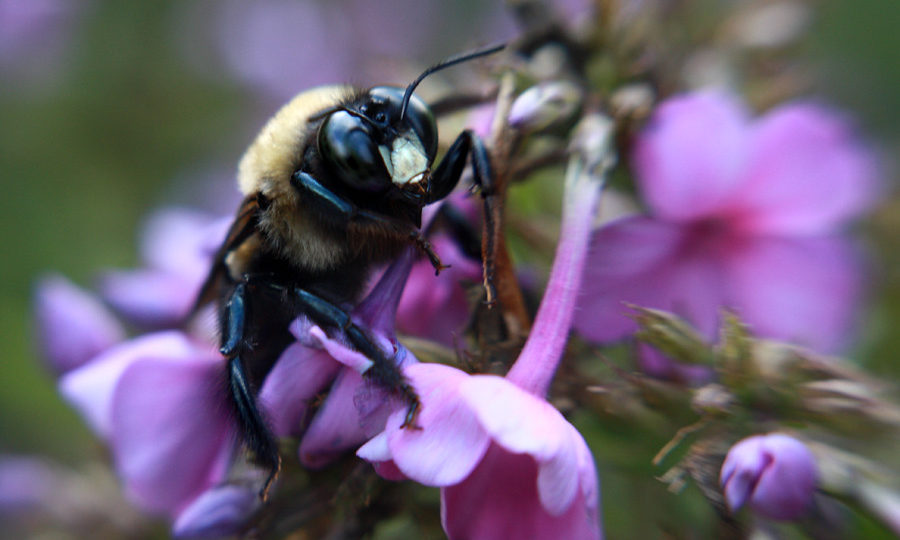
Bumblebees are among the most important plant pollinators.  They pollinate many food crops, including apples, tomatoes, blueberries and legumes, as well as countless types of trees, shrubs, and wildflowers.  But researchers have documented declines in both the abundance and range of many bumblebee species.

The American bumblebee, which is native to North America, is one of them.  The species can currently be found in eastern Canada, throughout much of the Eastern United States, and much of Mexico. 

According to a new study led by York University and recently published in the Journal of Insect Conservation, the American bumblebee is critically endangered, and it faces imminent local extinction from Canada.  This is considered the highest and most at-risk classification before extinction. 

The researchers used data from three sources in their study: the Bumble Bee Watch (which is a citizen science project), the Bumble Bees of North America database (that has records dating back to the late-1800s), and their own field survey work.  They used the IUCN’s Red List assessment criteria to evaluate the status of the American bumblebee within its Canadian range.

The research team found that the species’ area of occurrence has decreased by approximately 70% and its relative abundance dropped by 89% from 2007-2016 when compared to 1907-2006. 

The American bumblebee can still be found throughout its Canadian range.  But immediate conservation action is desperately needed.  

*********

Web Links

Disappearing bumblebee species under threat of extinction

Photo, posted August 22, 2011, courtesy of Rachel Elaine via Flickr.

Earth Wise is a production of WAMC Northeast Public Radio.
Frogs Are In Big Trouble

May 22, 2019 By EarthWise Leave a Comment

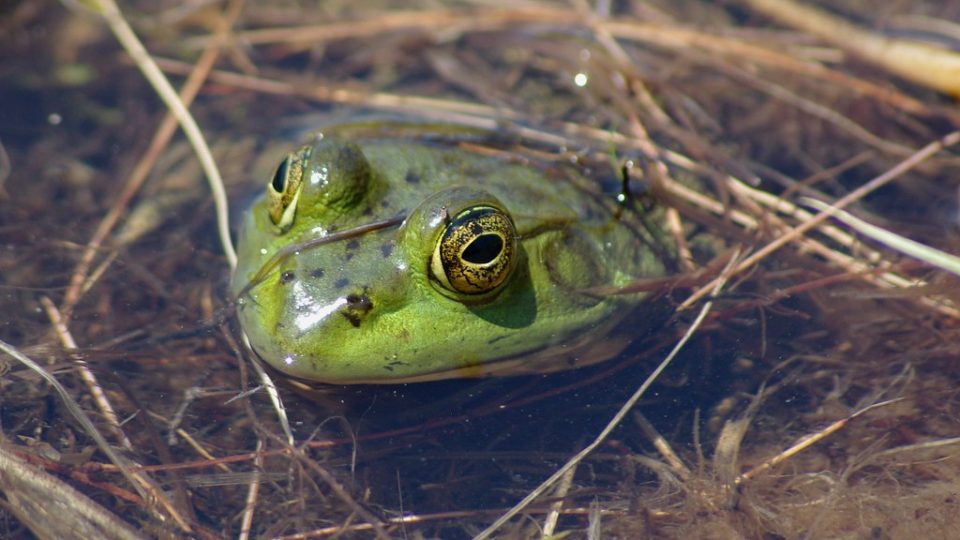
Scientists first noticed in the 1970s that some frog populations were declining rapidly.  By the 1980s, some species appeared to be extinct.  The loss of frog species was mysterious because many were actually living in pristine habitats that did not face pollution or deforestation.

By the late 1990s, researchers had identified that frogs in widely different places around the world were infected with a deadly fungus called Batrachochytrium dendrobatidis – or Bd for short.  The fungus originated on the Korean peninsula, but the pathogen spread throughout the world, probably via the international trade in pet amphibians.  By 2007, researchers speculated that Bd might be responsible for all known declines of frogs that had no other apparent cause – about 200 species.

Recently, a group of 41 scientists published the first worldwide analysis of the fungal outbreak and the devastation turns out to be far worse than anyone had previously realized.  Populations of more than 500 species of amphibians have declined significantly because of the outbreak, including at least 90 species presumed to have gone extinct.  These figures are more than twice as large as earlier estimates.

According to biologists, Bd is now considered to be the deadliest pathogen known to science.  But the decimation of frogs peaked in the 1980s.  Today, although 39% of the species that suffered population declines in the past are still declining, 12% are showing signs of recovery, possibly because natural selection is favoring resistant animals.

There is cautious optimism for the surviving amphibian species, but scientists worry that another strain of Bd or some different species of fungus altogether may prove even deadlier.  The best we can do is not participate in moving pathogens around the world.

**********

Web Links

The Plague Killing Frogs Everywhere Is Far Worse Than Scientists Thought

Photo, posted June 19, 2010, courtesy of Chris Luczkow via Flickr.

Earth Wise is a production of WAMC Northeast Public Radio.
Deepwater Impacts Lingering

May 10, 2019 By EarthWise Leave a Comment

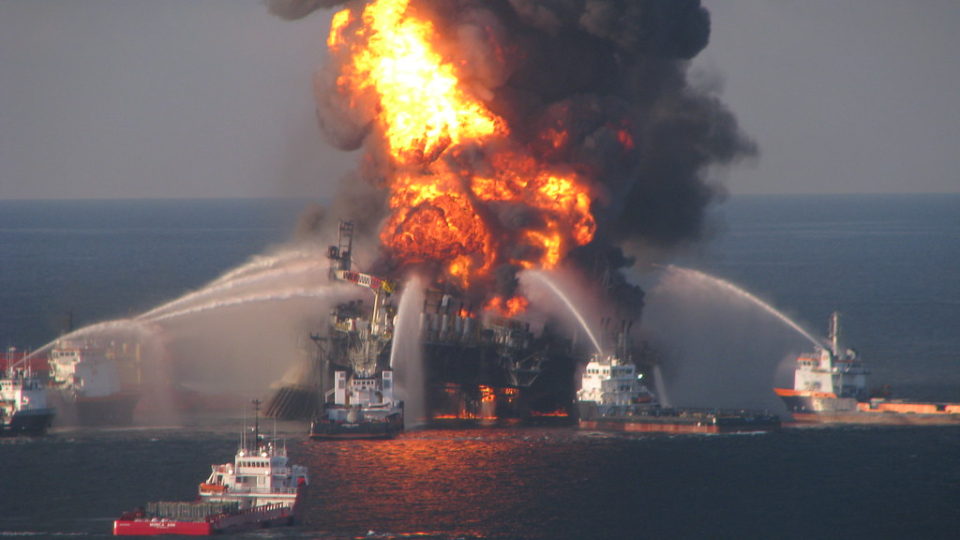
On April 20, 2010, an explosion on the BP-owned Deepwater Horizon drilling rig released an estimated 210 million of gallons of oil into the Gulf of Mexico.  Some of the oil was recovered, burned, or dispersed at sea, while some washed up onto coastal shorelines. 

Now, more than nine years later, a long-term study suggests the oil is still affecting the salt marshes of the Gulf Coast.  A multi-institutional research team began sampling in the region once the spill was contained and continue their work to this day.

The researchers found that heavily-oiled marsh areas remained less healthy than less polluted sites more than six years after the spill.  They fear that complete recovery of these oil-soaked regions will likely take more than a decade. 

But the researchers also discovered that salt marsh grasses play a key role in coastal wetland recovery.  Two plants dominate healthy salt marshes in the Gulf: smooth cordgrass and black needlerush.  Single-celled, plant-like organisms known as benthic microalgae also abound in healthy salt marshes, as do many small invertebrates. 

In heavily-oiled areas, the researchers found that nearly all the plants died, and benthic microalgae and small invertebrate populations declined significantly.  Importantly, however, they also found that it was only after smooth cordgrass started its comeback in these areas that invertebrate populations began to recover.  They noted that these salt marsh grasses provide habitat, bind soil, slow water, facilitate colonization, and fuel the food web. 

Plants are the foundation of and play a crucial role in salt marshes.  The researchers hope these findings will help shape the mitigation strategies of any future oil spills. 

**********

Web Links

Continuing impacts of Deepwater Horizon oil spill

Photo, posted April 21, 2010, courtesy of Deepwater Horizon Response via Flickr.

Earth Wise is a production of WAMC Northeast Public Radio.
Reducing Polar Bear Attacks

April 8, 2019 By EarthWise Leave a Comment

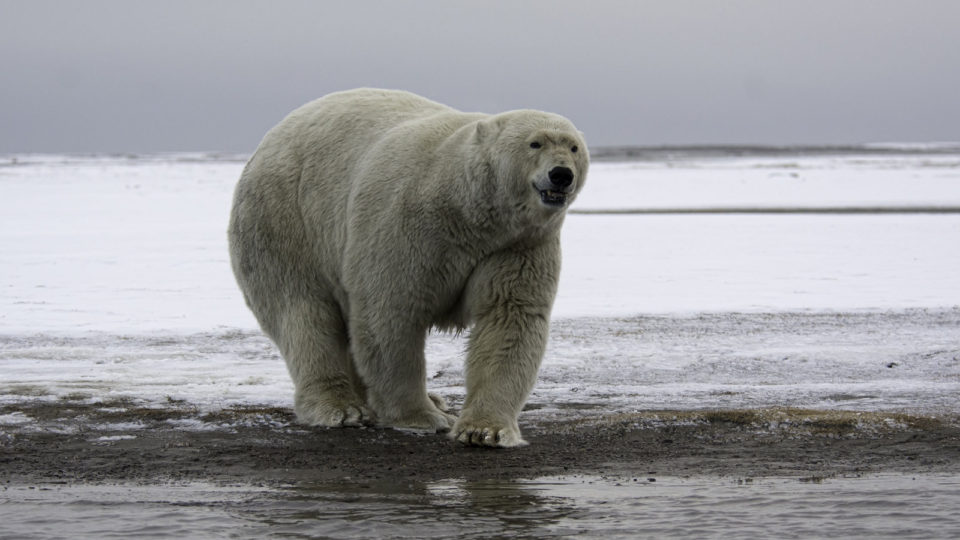
The increasing reduction of sea ice in the Arctic is changing the behavior of polar bears.  Because they are spending more time on land, they are interacting with people much more frequently, occasionally with deadly results.

A study, published in 2017, looked at 144 years’ worth of polar bear attacks on humans in the Arctic.  Between 1960 and 2009, there were a reported 47 attacks by polar bears on people – between 7 and 12 per decade.  Between 2010 and 2014, as sea ice reached record lows, there were 15 attacks, a record for a four-year period.  Since 2000, 88% of attacks have occurred between July and December, when sea ice is at its lowest level of the year.

Last July, a young male polar bear attacked and killed a man who was berry picking with his children.  A month later, a mother polar bear attacked and killed an Inuit hunter and injured two others.  This was the first known fatal attack by a mother polar bear.

As a result, Inuit communities in the Nunavut region are asking for higher legal polar bear harvest quotas, arguing that bear populations have increased to a dangerous level.

These recent human fatalities have also provided an impetus for developing new non-lethal conflict-resolution tools than can be used in northern communities before more people as well as bears are killed.

There are now polar bear patrol teams tasked with driving bears away from settlements.  There is a bear hotline and electric fencing around sled dog compounds.

The changing face of the Arctic is creating growing stress on the polar bear population and on the people who make their home in that region.

**********

Web Links

As Polar Bear Attacks Increase in Warming Arctic, a Search for Solutions

Photo, posted September 28, 2015, courtesy of Anita Ritenour via Flickr.

Earth Wise is a production of WAMC Northeast Public Radio.
Glaciers And Water Supply

March 25, 2019 By EarthWise Leave a Comment

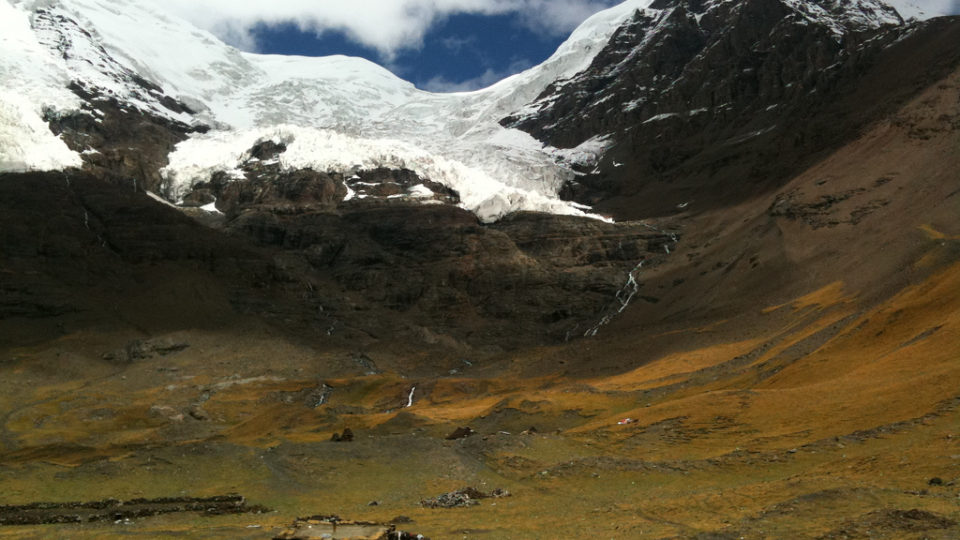
The world has roughly 150,000 glaciers covering about 200,000 square miles of the earth’s surface.  Over the last 40 years they’ve lost the equivalent of a layer of ice 70 feet thick.  Most of them are getting shorter as well.  Some have shrunk to nothing; many smaller glaciers in places like the Rockies and the Andes have disappeared entirely.

Glaciers represent the snows of centuries, compressed over time to form flowing rivers of ice.  They always change over time, accumulating snow in winter and losing ice to melting in summer.  But in recent times, the warming climate has allowed the melting to outpace the accumulation.

Much of the discussion about the retreating glaciers relates to sea level rise, catastrophic floods, debris flow, and the effects on rivers and ecosystems.

But in some places, the biggest impact of the loss of glaciers is on the supply of water for people and agriculture.  In Kazakhstan, Almaty, the country’s largest city depends on glacier-fed rivers for drinking water for its 2 million people and for irrigation water for crops.  All across the Tibetan Plateau and the Himalayan and Karakmoram mountain ranges, hundreds of millions of people rely on glacier-fed rivers for their water supplies. 

A melting glacier can at first increase stream flow but eventually reaches a tipping point and meltwater begins to taper.  In the short term, the melting glaciers may provide increased amounts of water coming down from the mountains, but eventually the flow in the rivers will begin to decline and populations will face a crisis.

It will be essential for people in many places to carefully plan for their future water needs in a changing world.

**********

Web Links

Glaciers Are Retreating. Millions Rely on Their Water.

Photo, posted September 16, 2011, courtesy of Flickr.

Earth Wise is a production of WAMC Northeast Public Radio.
PCBs And Killer Whales

November 7, 2018 By EarthWise Leave a Comment

https://earthwiseradio.org/wp-content/uploads/2018/11/EW-11-07-18-PCBs-and-Killer-Whales.mp3

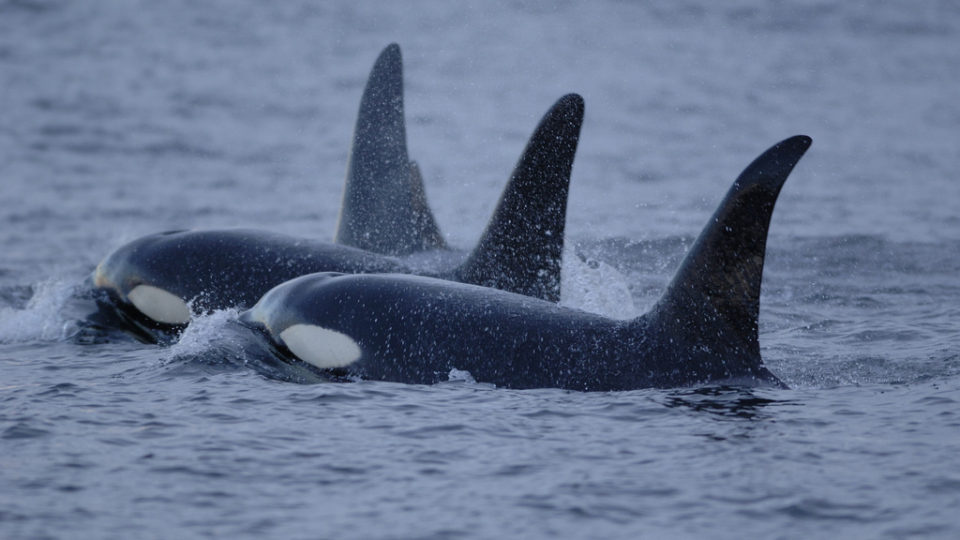
PCBs belong to a broad family of man-made organic chemicals known as chlorinated hydrocarbons.  PCBs were once widely used in electrical equipment like capacitors and transformers, as well as in paints, dyes, and heat transfer fluids.

[Read more…] about PCBs And Killer Whales

Pesticides And Bees

March 22, 2018 By EarthWise Leave a Comment

https://earthwiseradio.org/wp-content/uploads/2018/03/EW-03-22-18-Pesticides-and-Bees.mp3

According to a European food safety watchdog, most applications of neonicotinoids – the world’s most widely used insecticides – represent a risk to wild bees and honeybees.  The use of these insecticides has been restricted in Europe since 2014 following earlier risk assessments. 

[Read more…] about Pesticides And Bees

Accidentally Saving The Bees

March 7, 2018 By EarthWise Leave a Comment

https://earthwiseradio.org/wp-content/uploads/2018/02/EW-03-07-18-Accidentally-Saving-the-Bees.mp3

There is no shortage of dangers to honey bees, but a parasitic mite known as Verroa destructor is considered to be the greatest threat because it transmits virus diseases which lead to colony death.

[Read more…] about Accidentally Saving The Bees

Cities Can Help Bees

December 14, 2017 By EarthWise Leave a Comment

https://earthwiseradio.org/wp-content/uploads/2017/12/EW-12-14-17-Cities-Can-Help-Bees.mp3

Global bee populations have been drastically declining as a result of habitat loss, pesticides and climate change.  But studies are showing that planting flower patches in urban gardens and green spaces can make a real difference in restoring natural pollinators.   There are already positive results in cities from Chicago to London to Melbourne.

[Read more…] about Cities Can Help Bees

Sea Turtle Populations Are Rebounding

November 7, 2017 By EarthWise Leave a Comment

https://earthwiseradio.org/wp-content/uploads/2017/11/EW-11-07-17-Sea-Turtle-Populations.mp3

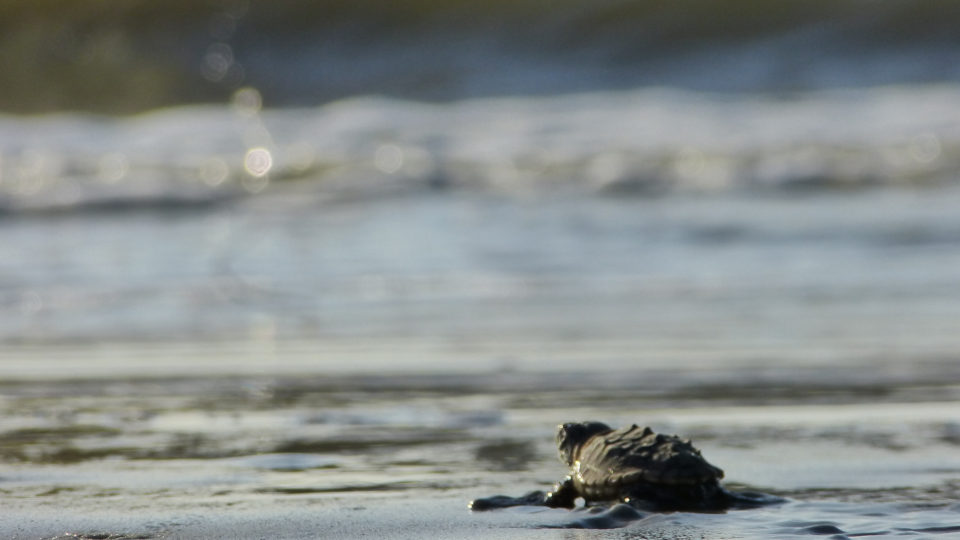
The increasing disappearance of so many plants and animals around the world has made many scientists believe that we are experiencing a sixth mass extinction.  Despite ongoing conservation efforts, living things are struggling with habitat loss, climate change, and many other natural and man-made pressures.  Conservation success stories seem to be rare events.

[Read more…] about Sea Turtle Populations Are Rebounding

The Effects Of One Degree

October 9, 2017 By EarthWise Leave a Comment

https://earthwiseradio.org/wp-content/uploads/2017/09/EW-10-09-17-The-Effects-of-One-Degree.mp3

In discussions of global warming, we often hear about the effects of a 2-degree rise in temperature or a 1-degree rise in temperature.   For most of us, such changes seem pretty insignificant.  Of course, in our daily lives, a one-degree temperature change is not particularly noticeable.   But in the context of climate change, we are talking about a change in average temperature over time, not the temperature on a particular day or at a particular time.

[Read more…] about The Effects Of One Degree

Raw Wastewater On Farms

August 21, 2017 By EarthWise

https://earthwiseradio.org/wp-content/uploads/2017/08/EW-08-21-17-Raw-Wastewater-on-Farms.mp3

Clean water supplies are dwindling around the world.  As a result, the use of untreated wastewater on farms for crop irrigation is on the rise. 

[Read more…] about Raw Wastewater On Farms

  • « Go to Previous Page
  • Page 1
  • Page 2
  • Page 3
  • Page 4
  • Go to Next Page »

Primary Sidebar

Recent Episodes

  • An uninsurable future
  • Clean energy and jobs
  • Insect declines in remote regions
  • Fossil fuel producing nations ignoring climate goals
  • Trouble for clownfishes

WAMC Northeast Public Radio

WAMC/Northeast Public Radio is a regional public radio network serving parts of seven northeastern states (more...)

Copyright © 2026 ·