Fossil fuel-based power plants are increasingly considering the use of carbon capture technologies as a way to reduce emissions. The biggest challenge to the wide-spread adoption of such technology is its energy cost, which of course equates to economic cost. Present-day power plants equipped with carbon capture systems can use up to 30% of the electricity they generate just to power the capture, release, and storage of carbon dioxide.
Ice buildup can cause all sorts of problems ranging from performance issues to catastrophic failures. For example, ice buildup can negatively impact things like airplanes, power lines, wind turbines, and the like. Preventing this ice buildup typically requires energy-intensive heating systems or environmentally-harmful chemical sprays.
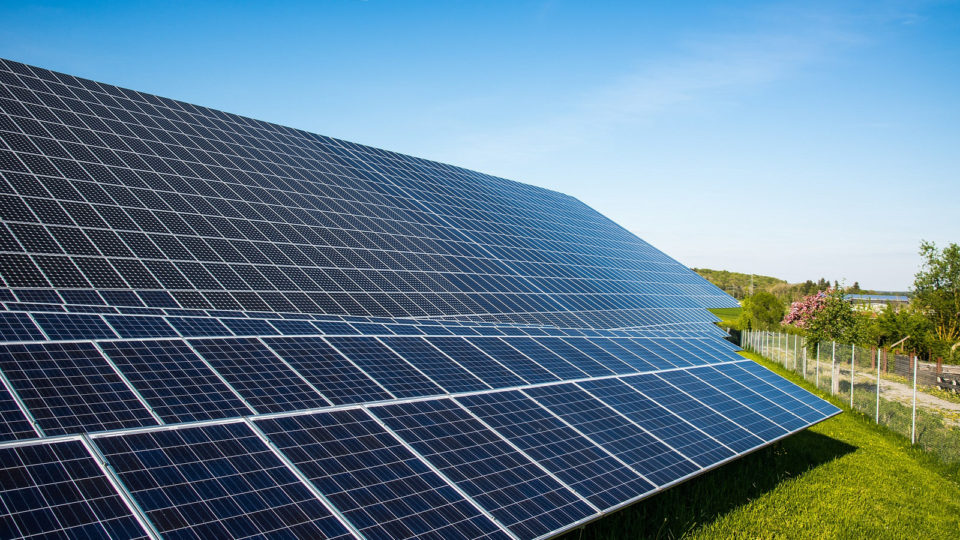
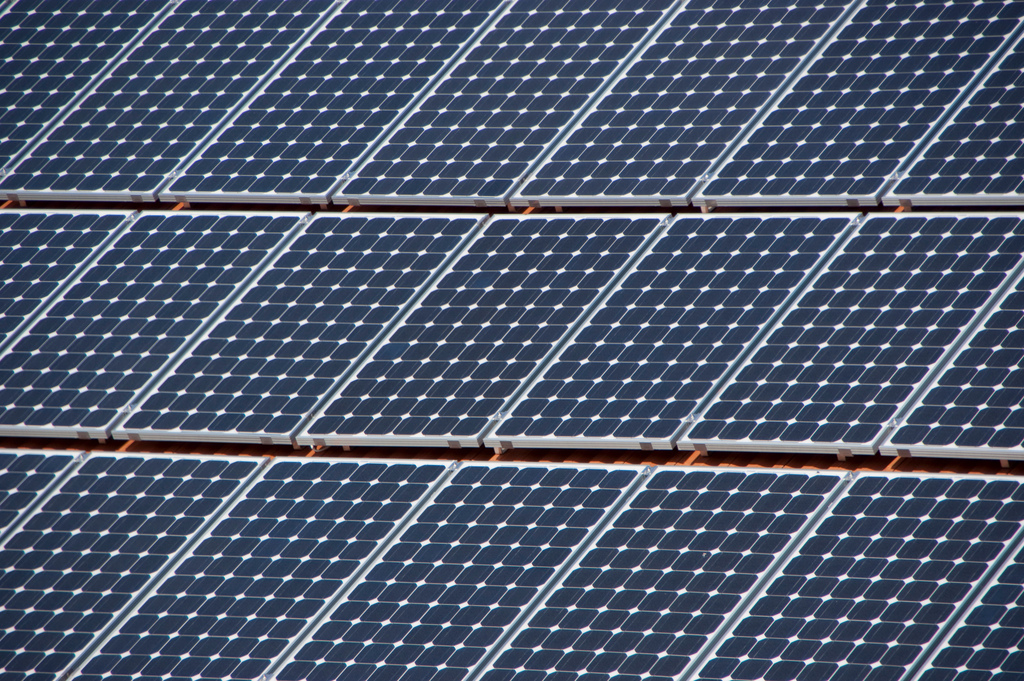
Commercially-available solar panels are composed of solar cells that are most often made from various forms of silicon. Some panels use thin-film cells made from other semiconductor materials. Solar cells utilize a property of semiconductors that allows them to convert light energy into electrical energy.
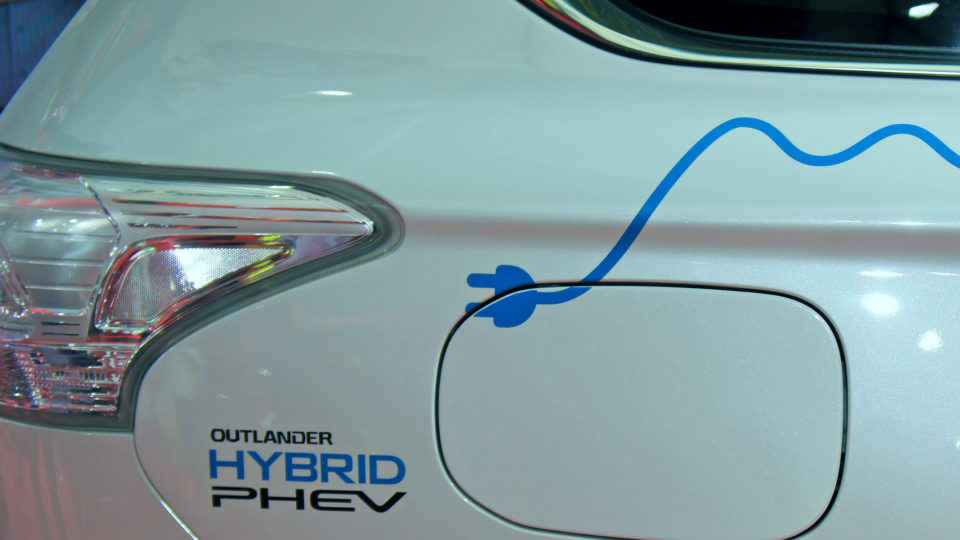
Plug-in hybrid vehicles are ones that can run both on electricity provided by a power outlet as well as on gasoline. There are many of them on the market these days built by quite a few car makers. But these vehicles have an undeserved reputation as being the fig leaf of electric mobility. Many environmental organizations and political decision-makers don’t consider them to be “real electric cars.”
The battery industry is currently dominated by lithium-ion batteries. We have them in our phones and computers. They power electric cars. And they are increasingly being used to store energy generated by solar panels and other renewable energy sources.
UPS recently announced a demonstration project that will put a prototype electric truck powered by a hydrogen fuel cell through the delivery company’s challenging paces. Fuel cells have been used in some commercial vehicles to power auxiliary systems, but this is the first time that they will be used to propel a vehicle.
The great majority of solar cells being manufactured today are based on silicon crystals. That technology has come a long way over time and has gotten cheaper and more plentiful as the industry has grown.
Ocean energy is still one of the biggest untapped clean energy sources on the planet. There are many studies that have shown that it could provide power for millions of homes in the U.S. alone. But despite this, the technology is still in its infancy and it is unclear when and if it can become a major contributor to our energy needs.