• Skip to primary navigation
  • Skip to main content
  • Skip to primary sidebar

Earth Wise

A look at our changing environment.

  • Home
  • About Earth Wise
  • Where to Listen
  • All Articles
  • Show Search
Hide Search
You are here: Home / Archives for people

people

Trees And The Future Of Cities

April 16, 2019 By EarthWise Leave a Comment

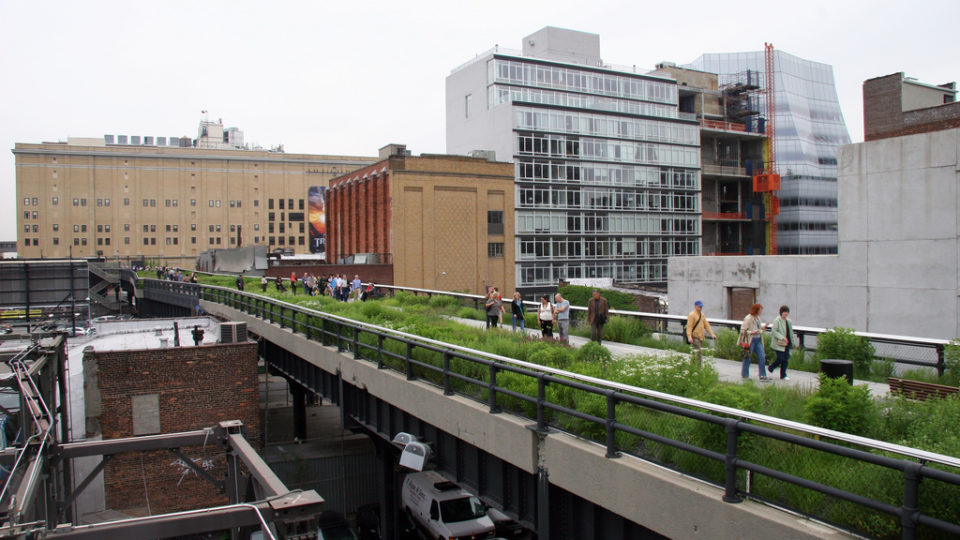
The shade of a single tree is a welcome source of relief on a hot summer day.  But even a relatively small patch of woods can have a profound cooling effect.  A new study at the University of Wisconsin-Madison looks at the role trees play in keeping towns and cities cool.

According to the study, the right amount of tree cover can lower daytime temperatures in the summer by as much as 10 degrees.  The effects are noticeable from neighborhood to neighborhood and even on a block-by-block basis.

Cities are well-known to be hot spots due to the urban heat islanding effect.  Using trees to keep temperatures more comfortable in cities can make a big difference for the people who live and work there.

The man-made structures of cities – roads, sidewalks, and buildings – absorb heat from the sun during the day and slowly release it at night.  Trees, on the other hand, not only shade those structures from the sun, but they also transpire -or release water in the air through their leaves – which helps to cool things down.

According to the study, to get maximum cooling benefits, tree canopies must exceed forty percent, meaning that city blocks need to be nearly halfway covered by tree branches and leaves.  To get the biggest bang for the buck, cities should start planting more trees in areas that are already near the forty percent threshold.  But

trees can’t just be in parks.  They need to be in places where people are active.

If we want the places where we live to be more comfortable and resilient in a warming world, we need to plant more trees.

**********

Web Links

Study suggests trees are crucial to the future of our cities

Photo, posted May 26, 2012, courtesy of Mislav Marohnic via Flickr.

Earth Wise is a production of WAMC Northeast Public Radio.
The Problem Of Microplastics

February 15, 2019 By EarthWise Leave a Comment

In recent years, there have been multiple reports of microplastic contamination seemingly everywhere:  in the ocean, in lakes and rivers, in beverages and foods, and in the bodies of birds, fish, and even people.  As the world tries to come to grips with this growing problem, there are many things that we simply don’t know.

Microplastics are usually formed by the breakdown of larger pieces of plastic.  Shopping bags and cups degrade into microplastics.  Microfiber clothing generates microplastics in washing machines.  And some manufacturers still intentionally add microplastics to personal care products like toothpaste and facial scrubs.

Technically, a microplastic is any piece of plastic measuring five millimeters in size down to one micron – which is one thousandth of a millimeter.  But there can be even smaller plastic particles classified as sub-microplastics and even nanoplastics.

A real concern is that it is not actually clear how dangerous microplastics are for living organisms.  We know that aquatic and terrestrial species – including humans – can and do absorb microplastic particles, but whether there is actual toxicity and the nature of any detrimental effects is not yet well understood.

Another real problem is that it is actually not easy to distinguish microplastics from other particles in a given sample.   When you are looking at a particle that is smaller than a millimeter in size, it is not easy to tell whether it is a grain of sand, a bit of cellulose from a plant, or a microplastic.  There are reliable and definitive ways to analyze samples for microplastics, but they are not as simple and commonplace as just looking through a microscope.

Microplastics are a rapidly growing problem and we don’t even really know how big and how bad the problem is.

**********

Web Links

How dangerous is microplastic?

Photo, posted January 10, 2015, courtesy of Daria Nepriakhina via Flickr.

Earth Wise is a production of WAMC Northeast Public Radio.
Science And False Beliefs

January 21, 2019 By EarthWise Leave a Comment

There are sizeable numbers of people who hold to beliefs that run counter to overwhelming contrary evidence. Flat Earthers and Holocaust deniers are well-known examples and, more recently, people – some of them in high places – who reject the evidence for climate change.

New research published in the journal Open Mind by developmental psychologists at UC Berkeley suggest that feedback, rather than hard evidence, boosts people’s sense of certainty when learning new things or trying to tell right from wrong.  People’s beliefs are more likely to be reinforced by the positive or negative reactions they are exposed to than by logic, reasoning, and scientific data.

People’s learning habits can limit one’s intellectual horizons.  According to the study, if you think you know a lot about something, even though you don’t, you’re less likely to be curious enough to explore the topic further and will fail to learn how little you know.

This phenomenon plays out in social media and cable-news echo chambers and explains how some people are easily duped by charlatans.  Receiving positive feedback for what they are saying can make people believe they know more than they actually do.  This confidence makes them less likely to seek out and learn more information about the subject, as well as take into account contradicting opinions or facts.

Another factor is that what influences people’s certainty is that their confidence tends to depend on what they heard most recently rather than on long-term cumulative data.  A few pieces of recent information tend to get much more attention than an extensive body of data.  If a crazy theory is able to make a correct prediction a few times, people tend to get fixed in their belief in that theory and be less open to other information.

**********

Web Links

Here’s Why People Advocate False Beliefs, Conspiracy Theories Despite Evidence

Photo, posted February 2, 2007, courtesy of Tim J. Keegan via Flickr. 

Earth Wise is a production of WAMC Northeast Public Radio.

Making Self-Driving Cars Safer

March 6, 2018 By EarthWise 1 Comment

https://earthwiseradio.org/wp-content/uploads/2018/02/EW-03-06-18-Making-Self-Driving-Cars-Safer.mp3

We hear quite a bit about self-driving cars these days.  More and more cars on the road have at least some ability to do things on their own (steer, brake, or park) and some can do much more.

[Read more…] about Making Self-Driving Cars Safer

Trends Influencing Our Cities

February 23, 2018 By EarthWise Leave a Comment

https://earthwiseradio.org/wp-content/uploads/2018/02/EW-02-23-18-Trends-Influencing-Our-Cities.mp3

The Environmental Protection Agency removed its information hub about climate change last year.  In response, 17 cities reposted the information on their own city government sites.  This is indicative of the fact that cities are increasingly taking on a leadership role in environmental, social and economic change.

[Read more…] about Trends Influencing Our Cities

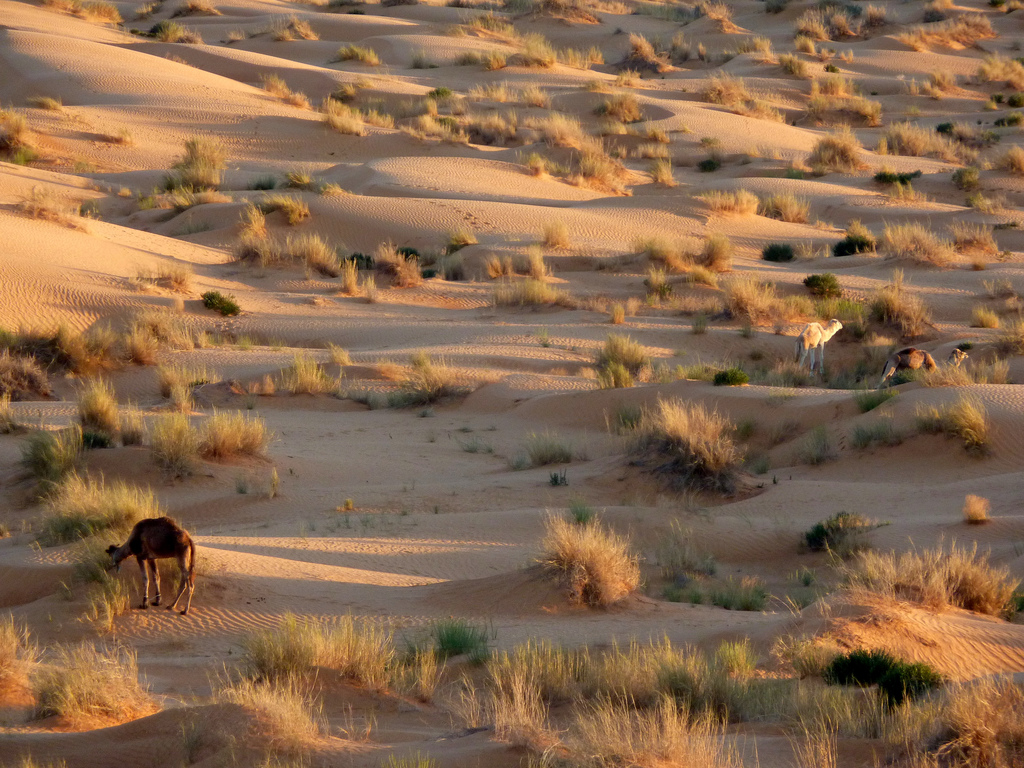
Did People Create The Sahara Desert?

April 25, 2017 By EarthWise

https://earthwiseradio.org/wp-content/uploads/2017/04/EW-04-25-17-Did-People-Create-the-Sahara.mp3

One of the arguments some people make when discussing human causes of climate change is that people can’t cause such massive changes.  However, there is a long historical record of human-driven ecological and climatic change in Europe, North America and New Zealand, among other places.

[Read more…] about Did People Create The Sahara Desert?

DNA Analysis of River Water

April 17, 2017 By EarthWise

https://earthwiseradio.org/wp-content/uploads/2017/04/EW-04-17-17-DNA-Analysis-of-River-Water.mp3

DNA analysis has become commonplace and inexpensive.  Millions of people have their DNA tested to learn about their origins and family connections.  And the technology has spread to biological research in the form of Environmental DNA or eDNA, which is such a powerful tool that it is transforming the field of wildlife biology.

[Read more…] about DNA Analysis of River Water

Saving Saharan Oases

February 6, 2017 By EarthWise

https://earthwiseradio.org/wp-content/uploads/2017/02/EW-02-06-17-Saving-Saharan-Oases.mp3

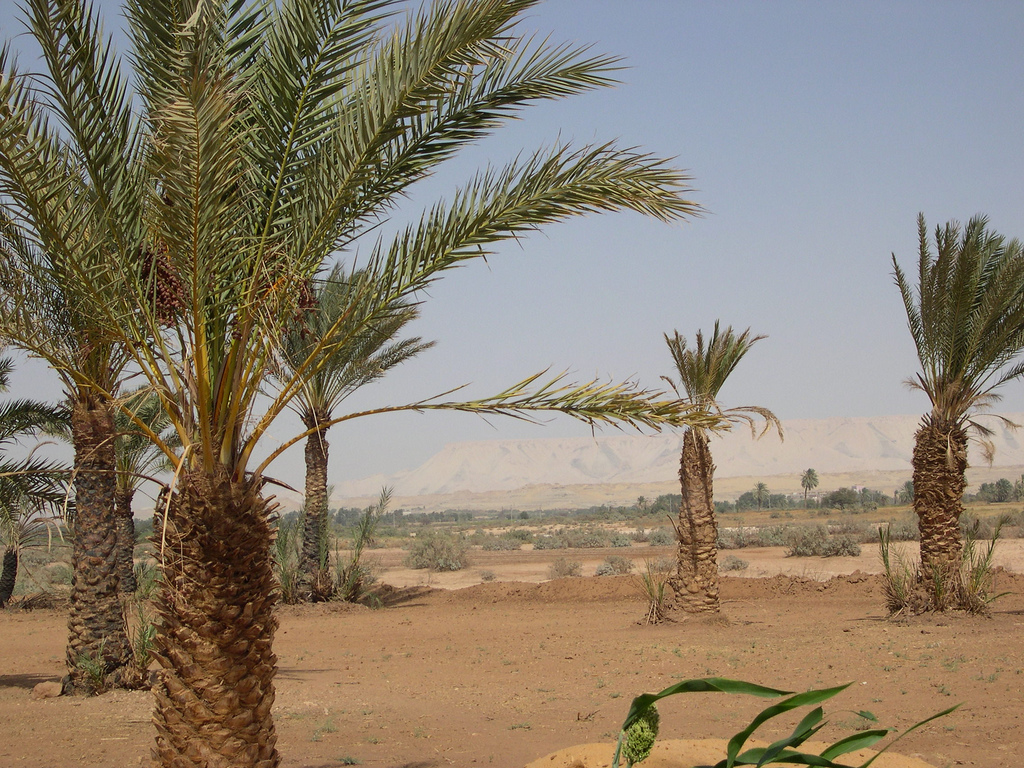
An oasis is an isolated area of vegetation in a desert, typically surrounding a spring or similar water source such as a pond or a small lake.  Oases can provide habitat for animals as well as people.   Oases have long been essential for trade and transportation routes in desert areas; caravans typically travel via oases so that supplies of water and food can be replenished.

[Read more…] about Saving Saharan Oases

Fencing Out People And Animals

February 2, 2017 By EarthWise

https://earthwiseradio.org/wp-content/uploads/2017/02/EW-02-02-17-Fencing-Out-People-and-Animals.mp3

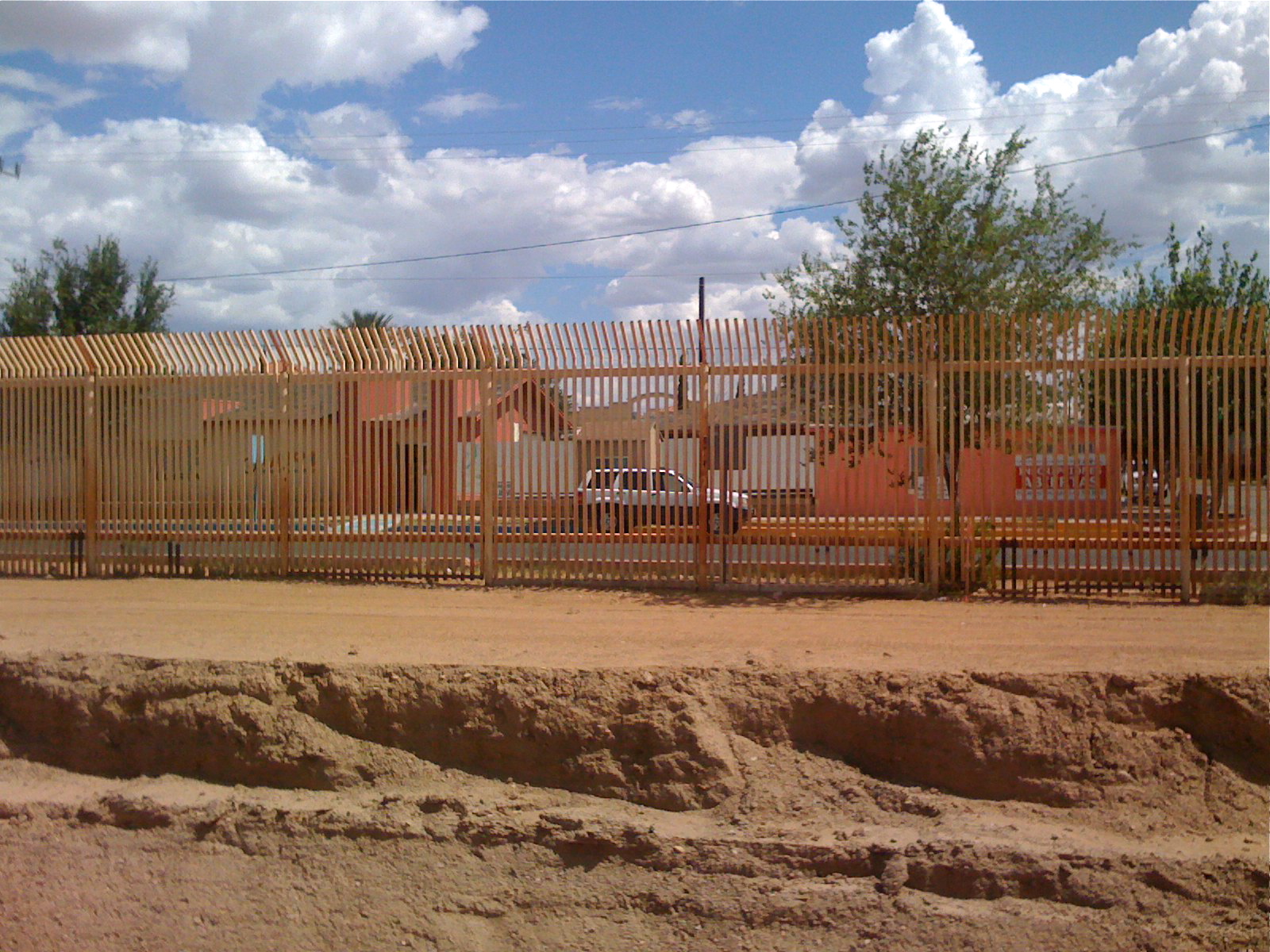
The flood of refugees from the Middle East and Africa has prompted governments in the Balkan countries to erect hundreds of miles of border fences.  Countries like Slovenia have put up razor-wire security fences to stem the tide of migrants.  These border fences are built with little if any consideration of the environmental impacts on wildlife.

[Read more…] about Fencing Out People And Animals

Some Good News For Coral Reefs

August 12, 2016 By WAMC WEB

https://earthwiseradio.org/wp-content/uploads/2016/08/EW-08-12-16-Good-News-for-Coral-Reefs.mp3

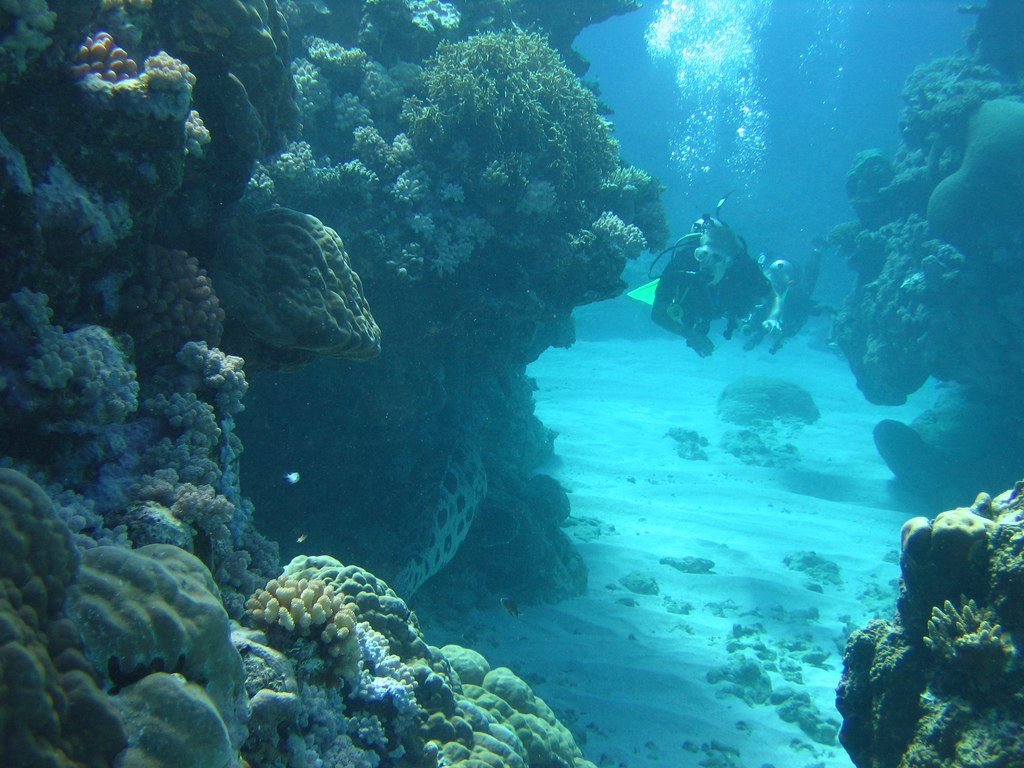
Most recent news about coral reefs around the world has been bad news.  There has been unprecedented coral bleaching in places like Australia’s Great Barrier Reef.   The effects of climate change – including warming temperatures and rising seas – as well as the recent El Niño event have led to damaged reefs across the globe.

[Read more…] about Some Good News For Coral Reefs

  • « Go to Previous Page
  • Page 1
  • Interim pages omitted …
  • Page 3
  • Page 4
  • Page 5

Primary Sidebar

Recent Episodes

  • An uninsurable future
  • Clean energy and jobs
  • Insect declines in remote regions
  • Fossil fuel producing nations ignoring climate goals
  • Trouble for clownfishes

WAMC Northeast Public Radio

WAMC/Northeast Public Radio is a regional public radio network serving parts of seven northeastern states (more...)

Copyright © 2026 ·