
• Skip to primary navigation
  • Skip to main content
  • Skip to primary sidebar

Earth Wise

A look at our changing environment.

  • Home
  • About Earth Wise
  • Where to Listen
  • All Articles
  • Show Search
Hide Search
You are here: Home / Archives for oil

oil

Drilling Rights In The Arctic National Wildlife Refuge | Earth Wise

February 2, 2021 By EarthWise Leave a Comment

Arctic drilling plans fall through

The battle to prevent oil and gas drilling rights from being sold in the Arctic National Wildlife Refuge in Alaska has been going on for 40 years.  The Trump administration spent nearly four years pushing to auction off those drilling rights and finally accomplished it in early January.

The ANWR was created in 1960 and is the largest intact wilderness in the U.S., covering nearly 30,000 square miles in Alaska.  It is an important breeding habitat for polar bears as well as the home of more than 200 other species including caribou, arctic foxes, golden eagles, and snowy owls.  Parts of it are also sacred ground for the indigenous Gwich’in people.

The auction carved out a 5% slice of the refuge for leases and proponents anticipated it would generate billions of dollars in revenues that would offset tax cuts in Alaska.

Of the 22 parcels of land offered, totaling 1.1 million acres, only 12 were bid on at all and the state of Alaska was the sole bidder on 9 of those.  In total, the auction raised a paltry $14 million. 

Whether the remarkable absence of interest was due to a lack of infrastructure or roads around the region, the decline of fossil fuel investments and use during the pandemic, or the anticipation that any leases would be the subject of endless legal battles by indigenous tribes and environmental activists, the net result was that the auction was basically a flop.

President Biden has stated that he is entirely against Arctic drilling, so the new administration is likely to try to repeal or interfere with any drilling leases or other industrial activity in the ANWR. 

**********

Web Links

Arctic Oil Drilling Plans Suffer ‘Stunning Setback’ as Almost ‘No One Shows Up’ For the Sale

Photo, posted July 3, 2019, courtesy of Alaska Region U.S. Fish and Wildlife Service via Flickr. Photo Credit: Danielle Brigida/ USFWS

Earth Wise is a production of WAMC Northeast Public Radio.
Shifting Climate Attitudes – Even In Texas | Earth Wise

January 25, 2021 By EarthWise Leave a Comment

Attitudes on climate change continue to evolve

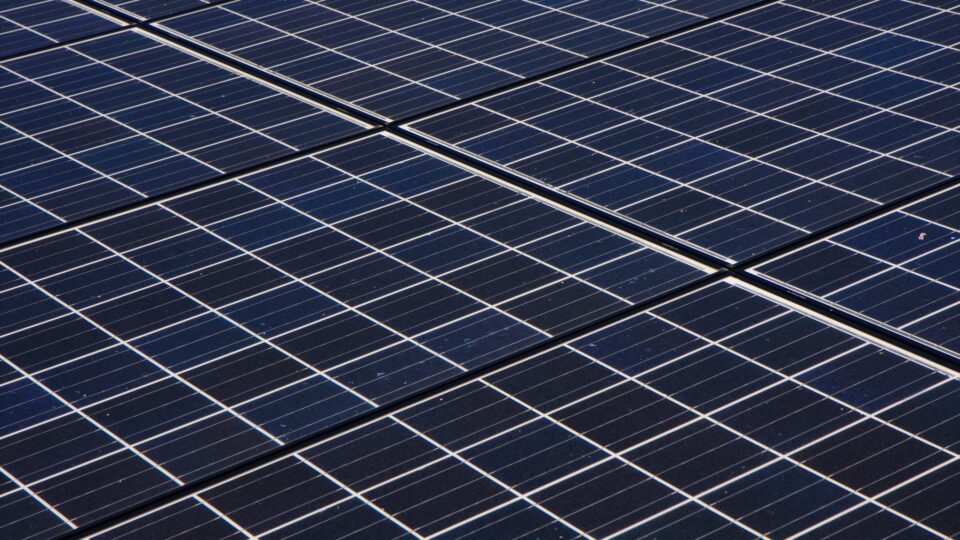
Any conversation about climate policy and energy in the United States has to take Texas into consideration.  Texas leads the nation in energy production, providing more than one-fifth of U.S. domestically produced energy.  Texas also uses more energy than any other state and accounts for almost one-seventh of total U.S. energy consumption.  The state’s industrial sector, which includes petroleum refining and chemical manufacturing, accounts for almost half of Texas energy consumption.

As a result, longstanding skepticism among Texans toward the climate movement has represented a real impediment in developing and implementing effective climate policy in this country.  But according to new research at the University of Houston, attitudes in Texas have changed and now mirror those in the rest of the United States.

About 80% of Americans believe that climate change is happening, and now about 81% of Texans hold the same view.  Two out of three Americans are worried about climate change; more than 60% of Texans agree.

Nationwide, 55% agree that the oil and gas industries have deliberately misled people on climate change; 49% of Texans agree. 64% of Americans say hydraulic fracking has a negative effect on the environment and 61% of Texans agree.  People everywhere are willing to pay more for carbon-neutral energy, and a higher premium for gasoline as well.

Mitigation strategies for climate change are not well understood.  While 61% nationwide have heard of carbon taxes, less than half are familiar with carbon management, and only a third have heard of carbon pricing.

As the U.S. heads toward reengaging in efforts to address climate change, Texans appear to have caught up with the rest of the nation.

**********

Web Links

Attitudes About Climate Change Are Shifting, Even in Texas

Photo, posted October 1, 2011, courtesy of Steve Rainwater via Flickr.

Earth Wise is a production of WAMC Northeast Public Radio.

Replacing Plastic Tableware | Earth Wise

December 30, 2020 By EarthWise Leave a Comment

Replacing plastics

Plastics have been described as the “ubiquitous workhorse material of the modern economy.”  But their versatility, pliability, and durability comes at a heavy price to the environment.  Plastic pollution is quite literally everywhere.  Plastic debris and microplastic particles can be found in every corner of the globe, including the Arctic and Antarctic. 

The scourge of plastic pollution is driving scientists to create ecologically-friendly alternatives.  According to a paper recently published in the journal Matter, scientists have developed “green” tableware made from sugarcane and bamboo that doesn’t sacrifice on convenience or functionality.  This eco-friendly tableware could serve as a permanent replacement for plastic cups and other disposable plastic containers. 

Traditional plastic polymers, a product of petroleum, can take as long as 1,000 years to decompose in landfills.  The new material only takes 60 days to break down.

To create this material, scientists used bamboo and bagasse, also known as sugarcane pulp.  Bagasse is one of the largest food-industry waste products.  The researchers wound the fibers together to form a mechanically stable and biodegradable material.  They added an alkyl ketene dimer, an eco-friendly chemical, to increase the oil and water resistance of the material.  The green material is durable enough to hold liquids like hot coffee and hot greasy foods like pizza.   

There’s another advantage: the green material’s manufacturing process emits 97% less CO2 than the process to make commercial plastic containers.  The next step is to lower the manufacturing cost.  While the cost of cups made from the green material is $2,333 per ton, traditional cups made from plastic are still slightly cheaper at $2,177 per ton.

**********

Web Links

This tableware made from sugarcane and bamboo breaks down in 60 days

Photo, posted May 19, 2013, courtesy of Henry Burrows via Flickr.

Earth Wise is a production of WAMC Northeast Public Radio.

The First Earth Fund Awards | Earth Wise

December 25, 2020 By EarthWise Leave a Comment

Environmental organizations receiving large grants

Last February, Amazon CEO Jeff Bezos announced that he was launching the Bezos Earth Fund that would grant money to scientists, activists, NGOs and others making an effort to help preserve and protect the natural world.  The fund would start out with $10 billion and would begin issuing grants later in the year.

In November, the first Earth Fund award recipients were announced.  In total, 16 organizations will be receiving nearly $800 million in funding.

The largest awards include the following:  the Environmental Defense Fund received $100 million to build and launch MethaneSAT, a satellite that will locate and measure sources of methane pollution around the world and provide public access to data that assures accountability.

The Natural Resources Defense Council was awarded $100 million to advance climate solutions and legislation at the state level, promote policies and programs focused on reducing oil and gas production, protect and restore ecosystems that store carbon, and accelerate sustainable and regenerative agriculture practices.

The Nature Conservancy also received $100 million and plans to use the money to help protect the Emerald Edge forest.  (That is the largest intact coastal rainforest on Earth, spanning 100 million acres through Washington, British Columbia and Alaska).

The World Resources Institute will receive $100 million, doled out over five years, to be used to develop a satellite-based monitoring system to advance natural climate solutions around the world.

An additional $100 million award went to the World Wildlife Fund to help protect and restore mangroves, develop new markets for seaweed as an alternative to fossil fuel-based products, and to protect forests and other ecosystems around the world.

**********

Web Links

The organizations that will benefit from Bezos’ $791M and what will they do with the money

Photo, posted March 4, 2015, courtesy of Kevin Gill via Flickr.

Earth Wise is a production of WAMC Northeast Public Radio.
Finding Methane Leaks from Space | Earth Wise

December 23, 2020 By EarthWise Leave a Comment

Innovations to detect methane leaks

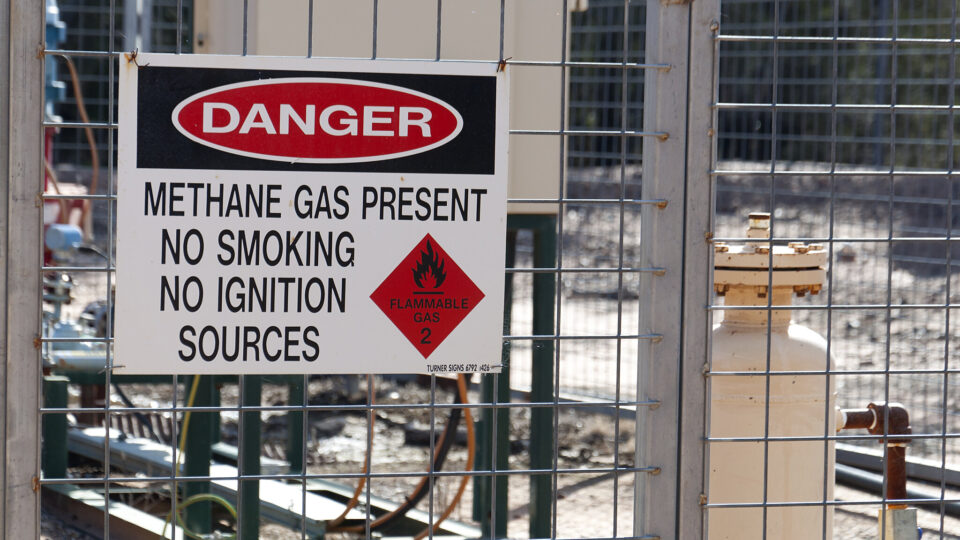
There is growing concern about the climate effects of methane leaking from oil and gas wells.  The 20-year global warming potential of methane is 84, meaning that over a 20-year period, it traps 84 times more heat per mass unit than carbon dioxide.  Global methane concentrations have increased by nearly a factor of 3 since the industrial revolution.

More than a century of oil and gas drilling has left behind millions of abandoned wells, many of which are leaching pollutants into the air and water.   In the U.S. alone, more than 3.2 million abandoned oil and gas wells emitted 280,000 tons of methane just in 2018.  And the data is incomplete.

Part of the problem is finding out which wells are leaking.  Ground-based sensors or airplanes and drones are effective ways to find leaks but considering how many wells there are to check, the costs are considerable, and the process is time consuming and complicated. 

New technology is coming along that uses satellites to detect methane leaks.  A Canadian company called GHGSat recently used satellites to detect what it has called the smallest methane leak ever seen from space and has begun selling data to emitters interested in pinpointing leaks.

Another company, New York-based Bluefield Technologies, plans a group of satellites for launch in 2023 that promises even finer resolution.  The Environmental Defense Fund, with support from Jeff Bezos’ Earth Fund, plans to launch MethaneSAT in the next couple of years, which is designed to find small sources of methane.

Research at Stanford University determined that just 5% of methane leaks produce around half the total leakage. 

**********

Web Links

New Technology Claims to Pinpoint Even Small Methane Leaks From Space

Photo, posted June 8, 2011, courtesy of Jeremy Buckingham via Flickr.

Earth Wise is a production of WAMC Northeast Public Radio.
A Palm Oil Replacement | Earth Wise

December 15, 2020 By EarthWise Leave a Comment

A possible replacement for palm oil

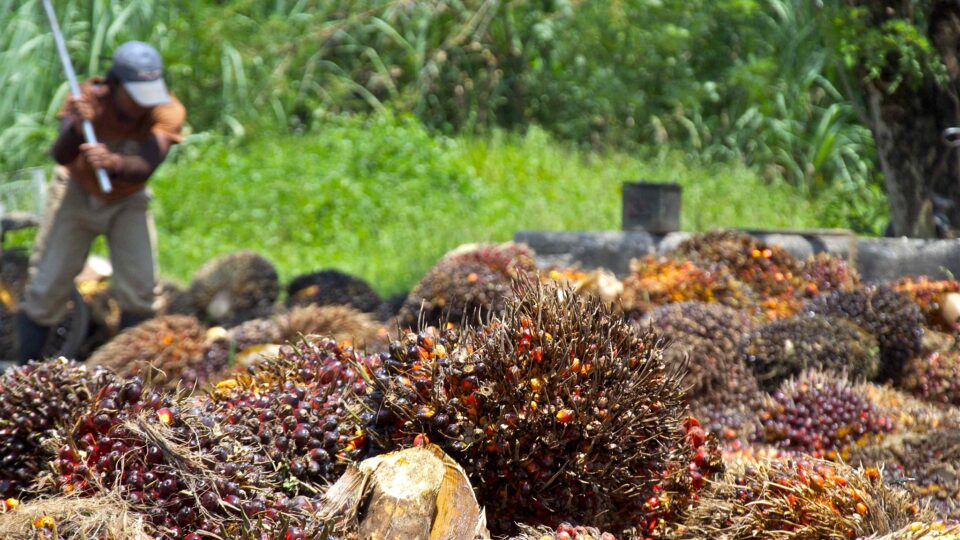
In the 1990s, cardiovascular health issues associated with partially hydrogenated oils containing harmful trans fats became a focus of great concern.  As a result, food companies looked for substitutes and the alternative they identified was palm oil.  Its ability to remain solid at room temperature made it well suited for many food applications.  Unfortunately, that property stems from its high saturated fat content, which means it also increases the risk of coronary heart disease.

The widespread use of palm oil has also caused significant environmental problems.  Palm oil plantations have replaced millions of acres of tropical forests, destroying the habitat for numerous species and threatening biodiversity.

Other potential replacements for partially hydrogenated oils such as coconut oil tend to be more costly, limited in supply, and also high in saturated fats.

Food scientists at the University of Guelph in Ontario, Canada, recently demonstrated the use of enzymatic glycerolysis (EG) to turn liquid vegetable oils into solid fats.  Their process is able to produce solid fats with the textural and structural properties desired by consumers.

The process is fairly simple, relatively easy to scale up, and is amenable to smaller food production or even local production.  Using it would enable food producers to use all sorts of readily available vegetable oils that can be produced in parts of the world that are not necessarily tropical regions.

Palm oil use is not going to go away, but this work may point a way to help slow down the destruction of ecosystems and animal habitats as well lead to more sustainable and healthy food sources.

*********

Web Links

U of G Food Scientists Find Palm Oil Alternative That’s Good for Human, Planet Health

Photo, posted February 21, 2010, courtesy of Craig Morey via Flickr.

Earth Wise is a production of WAMC Northeast Public Radio.

Green Hydrogen | Earth Wise

December 11, 2020 By EarthWise Leave a Comment

Countries betting big on hydrogen

Saudi Arabia is a country built around oil, but it is now placing a big bet on green hydrogen as the next big thing in its energy future.  The country is constructing a $500 billion futuristic city called Neom in the desert along the Red Sea.  The brand-new city will be home to a million people, and it will be powered by green hydrogen.

The U.S. company Air Products & Chemicals has been building a green hydrogen plant there for the last four years.  The giant plant will be powered by 4 gigawatts of wind and solar projects.

Green hydrogen is hydrogen produced without carbon emissions.  Most hydrogen produced commercially is made from natural gas, which results in CO2 emissions.  Green hydrogen is made by using electricity to split water into its component elements using renewable energy to power the process.

Saudi Arabia is an ideal place for a giant green hydrogen plant.  The Middle East has the world’s cheapest wind and solar power.  The sun reliably shines there almost every day and the wind blows almost every night.

While some proponents argue that hydrogen should fuel the entire energy system, other experts see it as a more targeted solution.  The view is that wind and solar power can provide the electricity we need to power homes and electric cars.  However, green hydrogen could be ideal to power energy-intensive industries like concrete and steel manufacturing, as well as parts of the transportation sector that are more difficult to electrify.

While green hydrogen is barely on the radar in the US, around the world a green hydrogen rush is underway, developing it as an energy source that could help end the reign of fossil fuels.

**********

Web Links

Green Hydrogen: Could It Be Key to a Carbon-Free Economy?

Photo, posted November 6, 2020, courtesy of RSM Chrystie via Flickr.

Earth Wise is a production of WAMC Northeast Public Radio.
A New Super-Enzyme For Breaking Down Plastic | Earth Wise

November 13, 2020 By EarthWise Leave a Comment

Breaking down plastic

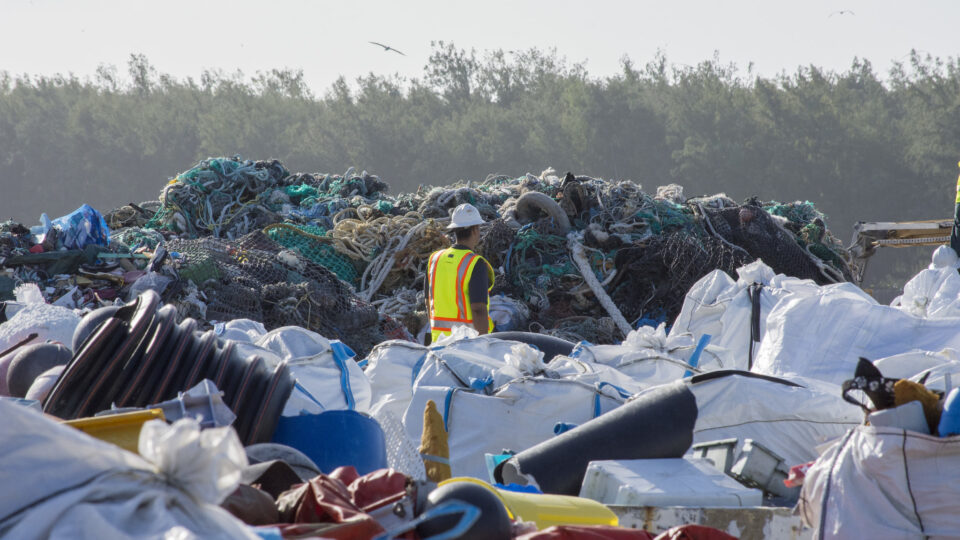
The problems caused by plastic waste continue to grow.  Plastic pollution is everywhere, from the Arctic to the depths of the ocean.  We consume microplastics in our food and breathe them in the air.  It is very difficult to break down plastic bottles into their chemical constituents in order to make new ones from old ones. Therefore, we continue to produce billions of single-use plastic bottles, creating more and more new plastic from oil each year. 

Scientists at the University of Portsmouth in the UK have developed a new super-enzyme that degrades plastic bottles six times faster than before.  They believe that the new enzyme could be used for plastic recycling within a year or two.

The super-enzyme was derived from bacteria that naturally have the ability to eat plastic.  The researchers engineered it by linking two separate enzymes, both of which were found in a plastic-eating bug discovered in a Japanese waste site in 2016.  They revealed an engineered version of the first enzyme in 2018, which started breaking down plastic in a few days.  They had the idea that connecting two enzymes together would speed up the breakdown of plastic.  Such linkage could not happen naturally in a bacterium. 

Carbios, a French company, announced a different enzyme in April that can degrade plastic bottles within 10 hours but requires heating above 160 degrees Fahrenheit.  The new super-enzyme works at room temperature.

The team is now examining how the enzymes can be tweaked to make them work even faster.  Meanwhile, they plan to work in partnership with companies like Carbios, to bring super-enzymes for breaking down plastics into commercial use.

**********

Web Links

New Super-Enzyme Can Break Down Plastic at Rapid Pace

Photo, posted March 24, 2017, courtesy of the USFWS – Pacific Region via Flickr. Photo credit: Holly Richards/USFWS.

Earth Wise is a production of WAMC Northeast Public Radio.

The Largest Turbines In The Largest Offshore Wind Farm | Earth Wise

November 11, 2020 By EarthWise Leave a Comment

wind energy progress

The world’s largest planned offshore wind farm is going to make use of the world’s largest installed offshore wind turbines.  The Dogger Bank Wind Farm in the North Sea off the Yorkshire coast of England will ultimately generate electricity for more than 4.5 million homes in the United Kingdom.

The 3.6 GW project will cost $10 billion and will be developed in three phases, the first two of which will use 13-MW wind turbines built by General Electric.  The turbine’s blades measure 351 feet – longer than a soccer field.  The turbines stand more than 850 feet tall, which is five times the size of the Arc de Triomphe.  GE claims that a single rotation of one of these huge turbines can supply enough electricity to power the average British household for two days.  When the project is completed in 2026, it will generate 5% of the United Kingdom’s electricity.

The previous version of GE’s Haliade-X turbines, rated at 12 MW, were ordered by the energy company Orsted for installation in two forthcoming U.S. windfarm: the Skipjack Farm off the coast of Maryland, and the Ocean Wind farm off the coast of New Jersey.  The new version will be the largest turbines to reach operation in a commercial project.  Meanwhile, Siemens Gamesa has a 14 MW turbine under development.

The order for 190 of the 13 MW giant turbines for the Dogger Bank farm arrived at GE on the same day that the company announced that it will no longer supply power equipment to new coal plants.  Work on the Dogger Bank project started in January in an area of the North Sea that was previously dominated by oil and gas development.

**********

Web Links

World’s Biggest Offshore Wind Farm Will Boast World’s Largest Installed Turbines

Photo, posted February 22, 2014, courtesy of Jonny Longrigg via Flickr.

Earth Wise is a production of WAMC Northeast Public Radio.

Vehicle Electrification On The Rise | Earth Wise

August 21, 2020 By EarthWise Leave a Comment

increasing vehicle electrification

Nearly 70% of U.S. oil consumption is for transportation and transportation accounts for 28% of the country’s greenhouse gas emissions.  Therefore, technology improvements in transportation that can reduce emissions are a key element of combating climate change.  The highest impact strategy is the electrification of the transportation sector, and it is definitely accelerating.

Demand for electric vehicles is growing for multiple reasons.  These include long-term cost savings, tax incentives, declining battery costs, and greater environmental awareness.  This year, about 2.7 percent of global passenger vehicle sales will be for electric vehicles.  It is still a fairly small number, but that number is growing rapidly.  It is expected to be 10% in 2025, 28% in 2030, and more than half of all vehicle sales by 2040.  By that year, more than 30% of passenger vehicles on the road worldwide will be electric.  The numbers for electric buses, delivery vans and trucks, mopeds, scooters, and motorcycles are expected to be even higher.

The environmental impact of electrification will be significant in reducing carbon emissions and pollution in general.  Electric vehicles already reduce oil demand by a million barrels a day.  By the year 2040, they will displace nearly 18 million barrels of oil a day and reduce CO2 emissions by 2.5 billion tons per year.

Electric cars still face challenges.  They are still more expensive than gas-powered cars, but their cost-benefit analysis is changing rapidly as technology improvements and volume efficiencies drive down the cost of battery packs.  Analysts predict that electric vehicles will achieve price parity with internal combustion vehicles in as soon as two years but in any case within the next ten years.

**********

Web Links

Electrification of transportation sector nears tipping point

Photo, posted May 7, 2020, courtesy of Mark Vletter via Flickr.

Earth Wise is a production of WAMC Northeast Public Radio.
Green Bills Pass In New York | Earth Wise

August 19, 2020 By EarthWise 3 Comments

Green legislation

In late July, the two houses of the New York legislature passed a number of environmental bills covering a wide range of topics.

These included a bill to add protected status for streams that support fisheries and non-contact recreation.  A second bill bans the use of PFAS in food packaging.  A third bill classifies all wastes resulting from oil and gas exploration, development, extraction or production as hazardous waste, closing a previous loophole in the law.

A fourth bill requires water works corporations with more than 1,000 service connections to post their annual water supply statements online, thereby providing transparency and openness to water quality data.  A fifth bill expands protections for endangered species to protect them from environmental rollbacks by the federal government.

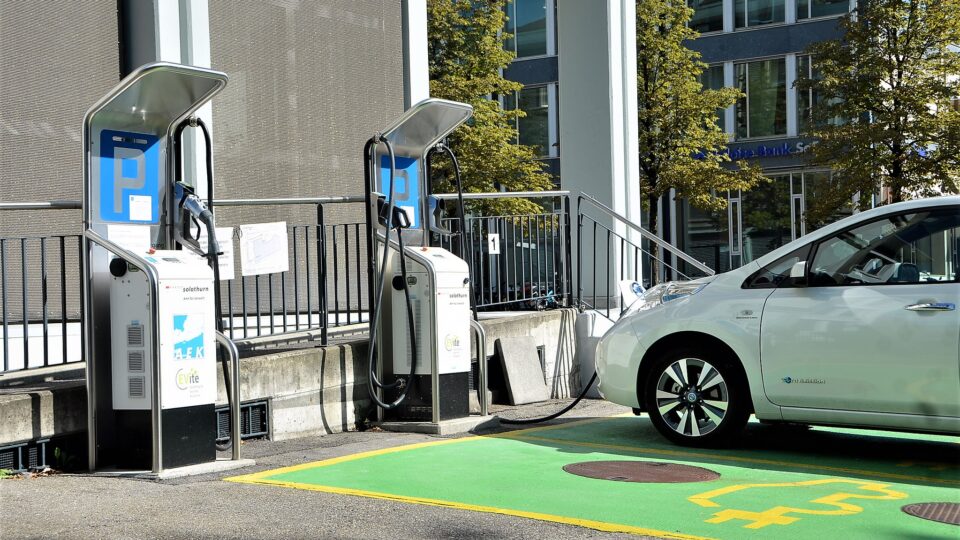
A sixth bill prohibits non-electric vehicles from parking in spaces designated for electric vehicle charging, thereby establishing penalties for this practice that is often done for spite.  A seventh bill bans the use of glyphosate – the herbicide found in Roundup and other products – on state property.

An eighth bill reduces the use of road salt in the Adirondacks.  A ninth bill requires supermarkets to make good faith efforts to donate edible excess food to qualifying entities such as food pantries, food banks, or similar entities.   A tenth bill bans certain uses of trichloroethylene or TCE, including as a vapor degreaser, an intermediate chemical to produce other chemicals, a refrigerant, or an extraction solvent.

When signed by the governor, these ten pieces of legislation will help protect New York’s environment, water, and health.  It was a busy session for green legislation.

**********

Web Links

Several Green Bills Pass in State Legislature

Photo, posted September 12, 2018, courtesy of Flickr.

Earth Wise is a production of WAMC Northeast Public Radio.
Renewables Are Slowly Taking Over | Earth Wise

August 17, 2020 By EarthWise Leave a Comment

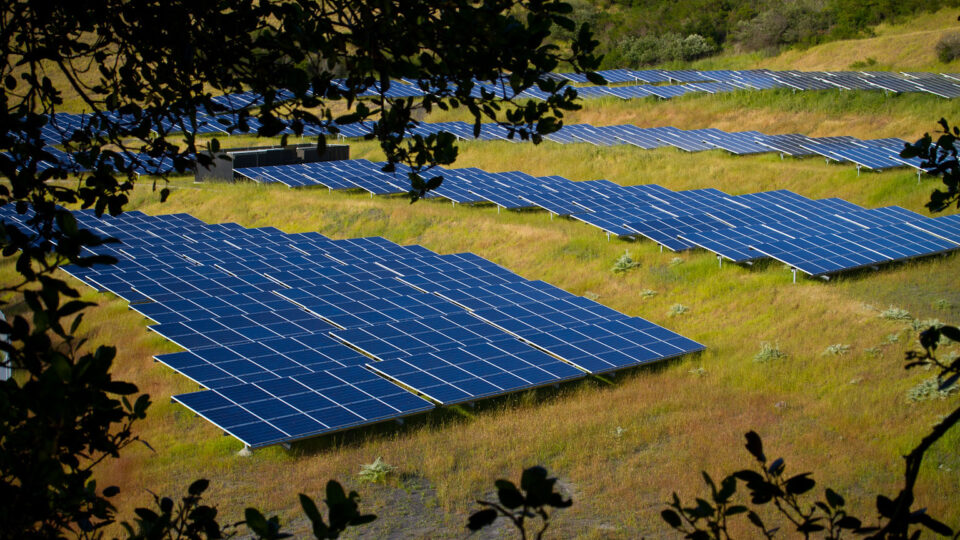
According to data released by the Federal Energy Regulatory Commission, wind, solar, and hydropower provided 100% of the 1.3 GW in new U.S. electrical generating capacity added in April 2020.  Furthermore, the FERC report revealed that renewable sources accounted for 56% of the 9 GW added during the first four months of the year.  Apart from renewables, the balance of new generation was almost entirely made up of new natural gas capacity.   There have been no new capacity additions by coal, oil, nuclear power, or geothermal energy since the beginning of the year.

Renewable energy sources now account for nearly 23% of the nation’s total available installed generating capacity and continue to increase their lead over coal, which now accounts for only 20% of the nation’s electricity generation.

FERC data also suggests that renewables’ share of generating capacity should increase significantly over the next three years.  So-called “high probability” generation capacity additions for wind, minus anticipated retirements, project a net increase of nearly 27 GW, while solar is projected to grow by 24 GW.  By comparison, net growth for natural gas is expected to be just over 20 GW. 

Hydropower, geothermal, and biomass are all expected to experience net growth while the generating capacity of coal and oil are expected to plummet.   Nuclear power is forecasted to remain essentially unchanged.

In total, over the next three years,  the mix of all renewables is predicted to add more than 50 times the net new generating capacity added by natural gas, coal, oil, and nuclear power combined.  Renewables are truly on the rise.

**********

Web Links

Renewable Energy Provides All New US Generating Capacity in April – Forecast to Add Almost 50x More Than Coal, Oil, Gas & Nuclear Over Next Three Years

Photo, posted May 24, 2011, courtesy of Michael Mees via Flickr.

Earth Wise is a production of WAMC Northeast Public Radio.
The Menace Of Abandoned Oil Wells | Earth Wise

August 3, 2020 By EarthWise Leave a Comment

Abandoned oil wells are leaking methane

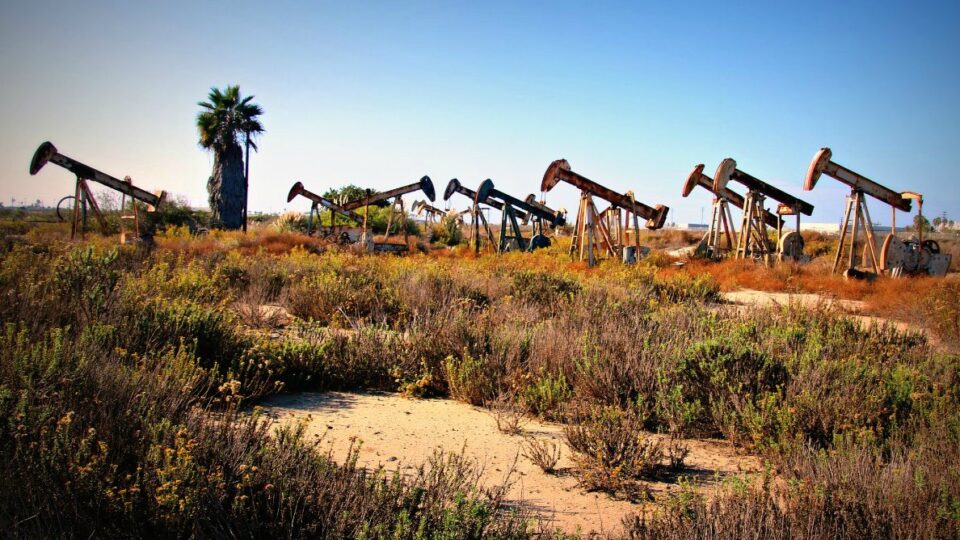
More than a century of oil and gas drilling has left behind millions of abandoned wells and many of them are leaching pollutants into the air and water.  Drilling companies continue to abandon even more wells as demand for oil diminishes and bankruptcies become more common.

Leaks from abandoned wells have long been known to be an environmental problem and a health hazard.  They have been linked to many instances of groundwater contamination and to dangerous fumes near homes and farms.

There have recently been efforts to track the amounts of methane leaching from abandoned oil and gas wells, and the figures in United States are alarming.  According to the most recent EPA report, more than 3.2 million abandoned oil and gas wells emitted a total of 281,000 tons of methane in 2018.  That is the climate-damage equivalent of consuming about 16 million barrels of crude oil, which is as much as the U.S. uses in a typical day.  According to the EPA, the actual amount could be as much as three times higher, because of incomplete data.   The agency believes that most of the methane comes from more than 2 million abandoned wells that were never properly plugged.

New York’s Department of Environmental Conservation has records of over 2,000 abandoned wells, but the state believes the actual number could be much higher.  This is a problem that won’t just go away.  Wells don’t leak for a year and then stop.  They can continue to leak for a century or more.  Cleaning up and plugging an abandoned well runs from $20,000 to $145,000, meaning that countrywide, cleaning up this environmental menace could cost somewhere between $60 billion and $435 billion.

**********

Web Links

Special Report: Millions of abandoned oil wells are leaking methane, a climate menace

Photo, posted October 13, 2015, courtesy of Flickr.

Earth Wise is a production of WAMC Northeast Public Radio.
Plant-Based Bottles | Earth Wise

June 30, 2020 By EarthWise Leave a Comment

Single-use plastic soda and water bottles are a real problem.  Every year, billions of them are produced – comprising nearly 300 million tons of plastic that mostly ends up in landfills or in the ocean.   This discarded plastic ends up on remote islands, in the snow atop mountains, and in trenches in the deepest parts of ocean.

There has been increasing pressure on beverage companies to put an end to this environmental disaster, but the convenience and economy of disposable bottles is just too attractive.

These bottles are made of plastic derived from oil and once they are produced, they take decades or even centuries to decompose.  Recycling them is a not-starter because it is cheaper to just make new ones.

A possible solution has emerged.  A Dutch company called Avantium has found a way to take plant sugars and transform them into a plastic capable of standing up to carbonated beverages like soda and beer but that will also break down in as little as a year in a composter or 3 years if left exposed to the elements.

Coca Cola and Carlsberg are working with Avantium to develop new drink packaging based on their material that could be in stores as soon as 2023.  The new packaging would be quite different from what we use today.  Instead of a clear or tinted bottle, beverages would come inside a cardboard container with a liner made of plant-based plastic.

It may take a while for people to get used to the change, but we have already managed to get used to milk, juice and other liquids coming in cardboard containers instead of glass or plastic bottles.  The benefits to the planet would make the effort well worthwhile.

**********

Web Links

Plant-Based Bottles Could Degrade In One Year

Photo courtesy of Avantium.

Earth Wise is a production of WAMC Northeast Public Radio.

Plastic From Algae | Earth Wise

June 9, 2020 By EarthWise Leave a Comment

Producing plastic from algae

Many researchers consider algae to be one of the best renewable resources for replacing fossil fuels and even as a food source.  The green microalgae Nannochloropsis salina is already a common source of omega-3 fatty acids that are sold as dietary supplements.  As a result, that algae strain is already grown on a large scale for the production of omega-3 products.

A group of researchers at UC San Diego has developed a way to make use of the waste stream from that production to create plastics and other useful products.  Currently, when the algae is processed to extract the omega-3 oil, leftover oils comprising more than 70% of the starting material are either thrown away or burned. 

The UCSD team has developed a process to purify and convert this waste stream into azelaic acid, which is a building block for flexible polyurethanes.   These materials have all kinds of commercial applications from flip-flops and running shoe soles to mattresses and yoga mats.

By analogy to the use of animals by native American tribes, the researchers wanted to “use the whole buffalo” in their solution for algae processing waste and therefore figured out how to convert heptanoic acid – another substance in the algae waste stream – into a food flavoring and fragrance.  The flavoring molecule is valued at over $500 per kilogram.

The work, published in the journal Green Chemistry, demonstrates that an algae-source waste stream has both the practical and economic potential to support production of polyurethanes.  The team is already working with shoe companies to commercialize the technology.  With mounting concern over petroleum-based plastic waste, renewable plastic made from algae is an attractive alternative.

**********

Web Links

Researchers Turn Algae Leftovers into Renewable Products with Flare

Photo, posted November 8, 2006, courtesy of Adam Moore via Flickr.

Earth Wise is a production of WAMC Northeast Public Radio.
Renewable Energy And The Post-COVID World | Earth Wise

June 2, 2020 By EarthWise Leave a Comment

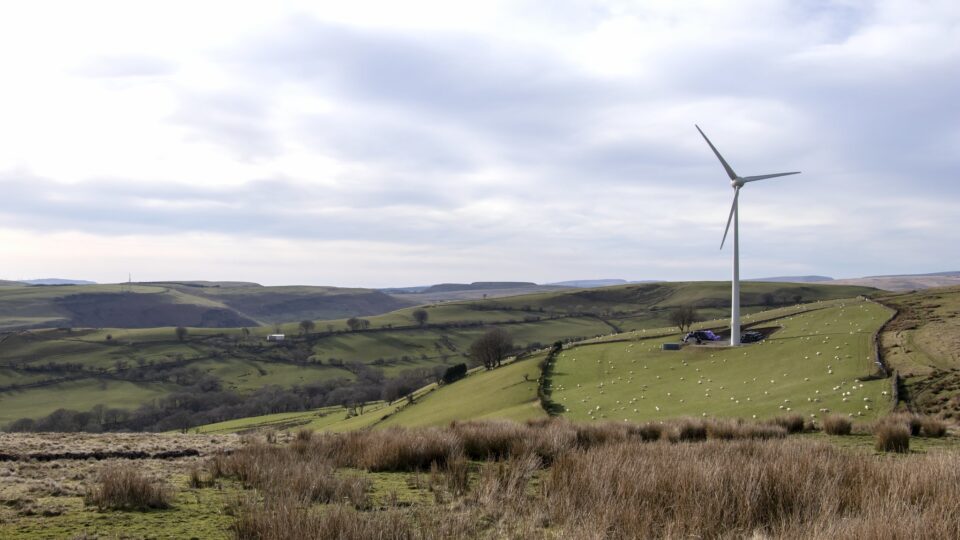
As is the case for virtually all sectors of the global economy, the short-term prospects for wind and solar power look pretty grim.  Lockdowns, social distancing requirements, and financial upheavals have put many new projects on ice and have halted production at factories making solar panels and wind turbines.  Sales of home solar have struggled as people have put off spending during the economic slowdown.

Ironically, the shutdowns aimed at reducing the spread of the Coronavirus have led to renewable sources accounting for an increased share of power generation.  Global energy demand has plummeted and, because of the low cost of solar and wind power, sources like coal and nuclear power have been curtailed in favor of the renewables.  The dramatically reduced demand has pushed oil and gas prices to historic lows and has left fossil fuel companies struggling to find storage space for the glut of product.

When the world emerges from the pandemic, the question is whether renewable energy will end up on a faster track than before or will end up in a long-term slowdown.  The answer will depend to large extent on the choices political leaders make.

Leaders will unquestionably be designing economic recovery packages.  Such packages could accelerate the shift towards wind and solar power, or they could prop up the fossil fuel economy.  Unfortunately, leaders are prone to be motivated by lobbyists more than by the greater needs of society.  The global economic upheaval represents a real opportunity to change the pace of efforts to address climate change.  Whether that change is a positive one or a negative one is just another looming question facing society when we emerge from the pandemic.

**********

Web Links

How Renewable Energy Could Emerge on Top After the Pandemic

Photo, posted April 12, 2020, courtesy of Jeremy Segrott via Flickr.

Earth Wise is a production of WAMC Northeast Public Radio.
Coronavirus And European Energy | Earth Wise

April 23, 2020 By EarthWise Leave a Comment

Coronavirus Boosts European Renewable Energy

As people all over the world shelter in place and much ordinary commerce and other activities have ground to a halt, there have been big changes in energy usage.   With production halted, offices shut down, schools closed, and public transport operated on reduced timetables, the demand for energy has decreased dramatically.

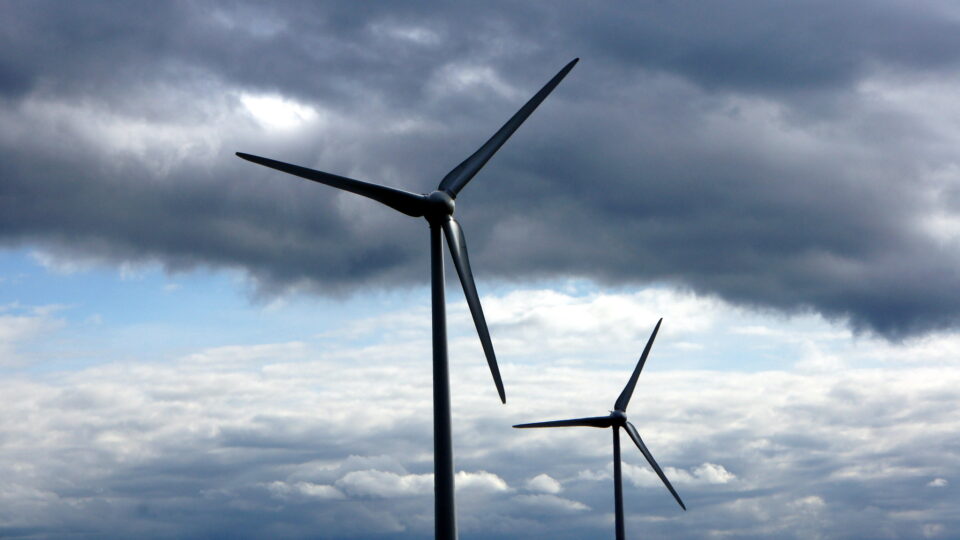
In Europe, as a result of all this, during the first quarter of this year, renewables’ share of total energy production was greater than 60%.  Wind farms provided more than 40% of the renewables’ share of total electricity generation.   During February, Denmark, Germany and Ireland saw nearly 50% of their electricity demand met with wind power.  Hydroelectric power was the second largest source of renewable energy during the first quarter, with Norway providing the largest share of this.  In contrast, generation from nuclear plants was at its lowest first quarter figure for the past five years.

The large shift to renewable generation was in great part due to the overall reduction in demand.  This impacts nuclear and fossil-fuel generation much more than renewables because those plants can be throttled back or shut down entirely so as not to needlessly consume costly fuels.   Generation that runs on sunlight, wind, or flowing water does not require fuel expenses, so it makes sense to prefer them when demand is reduced.

The reduction in demand has in turn had a major effect on fuel costs as oil reached low prices that haven’t been seen in years.

The decline in demand and fuel prices and the enhanced role of renewables are expected to continue in the current quarter as the timetable for renewed economic activity remains unknown.

**********

Web Links

Renewables achieve clean energy record as COVID-19 hits demand

Photo, posted June 25, 2010, courtesy of Martin Abegglen via Flickr.

Earth Wise is a production of WAMC Northeast Public Radio.
The Blue Acceleration | Earth Wise

February 24, 2020 By EarthWise Leave a Comment

Human pressures on world's oceans show no sign of slowing

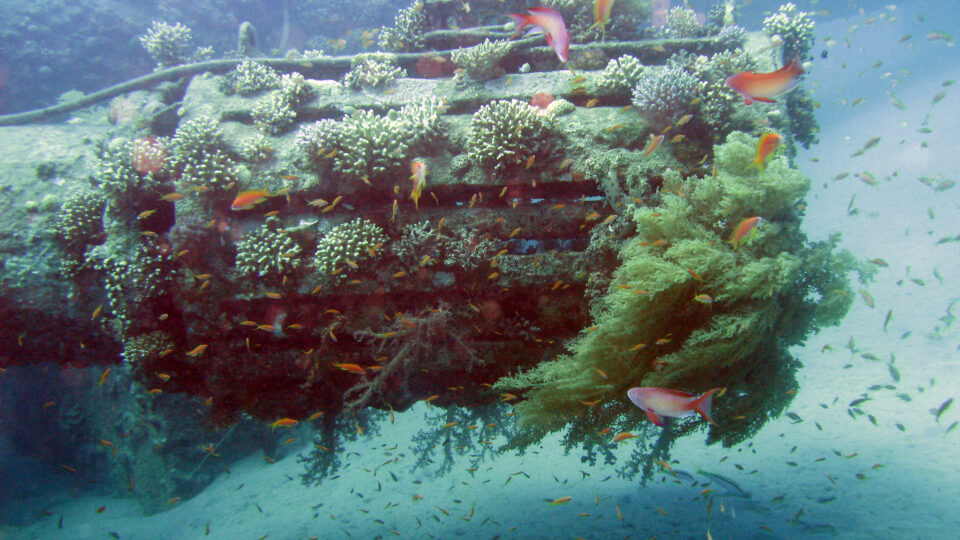
The oil and gas sector is the largest ocean industry.  It’s responsible for about one third of the value of the ocean economy.  Sand and gravel, destined for the construction industry, are the most mined minerals in the ocean.  And during the past 50 years, approximately 16,000 desalination plants have popped up around the world to help supply people with an increasingly scarce commodity: freshwater. 

As a result of these and other human pressures, the world’s oceans have suffered a lot over time.  But according to a comprehensive new analysis on the state of the ocean, human pressure on the world’s oceans, driven by a combination of technological progress and declining land-based resources, sharply accelerated at the start of the 21st century.  Scientists have dubbed this dramatic increase, which shows no signs of slowing down, the “Blue Acceleration.”

A  research team from Stockholm University analyzed 50 years of data from aquaculture, bioprospecting, shipping, drilling, deep-sea mining, and more.  Their findings were recently published in the journal One Earth.

While claiming ocean resources and space is not new, lead author Jean-Baptiste Jouffray from the Stockholm Resilience Centre says “the extent, intensity, and diversity of today’s aspirations are unprecedented.”

The researchers also highlight how not all human impacts on the ocean are negative.  For example, offshore wind farm technology has reached commercial viability allowing the world to reduce reliance on fossil fuels.

But how can the Blue Acceleration be slowed?  Since only a handful of multinational companies dominate sectors like the seafood industry, oil and gas exploitation, and bioprospecting, one idea is to have banks and other investors adopt more stringent sustainability criteria for making ocean investments. 

**********

Web Links

Human pressure on world’s ocean shows no sign of slowing

Photo, posted October 29, 2008, courtesy of Silke Baron via Flickr.

Earth Wise is a production of WAMC Northeast Public Radio.
Minerals And Metals For A Low-Carbon Future | Earth Wise

February 14, 2020 By EarthWise Leave a Comment

low carbon energy future

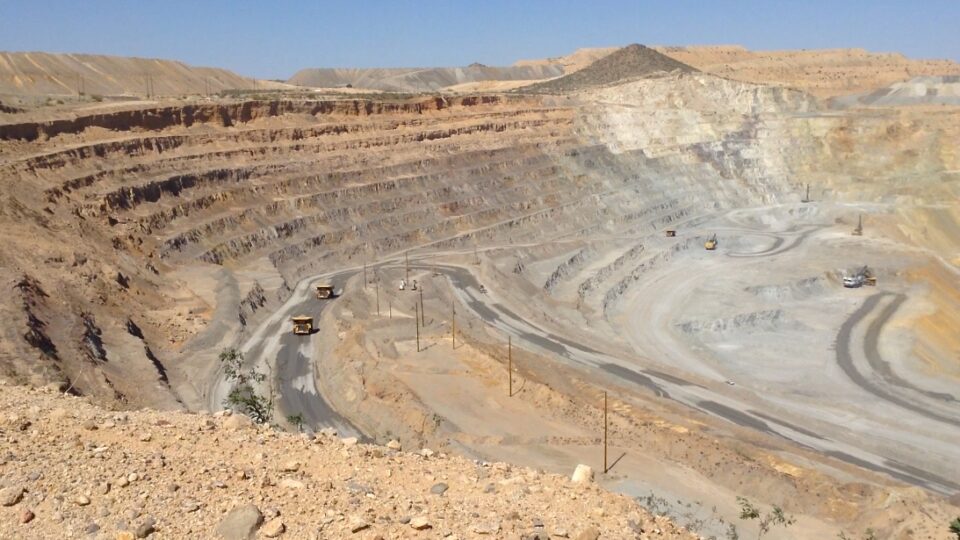
For the past century, economies and geopolitics have largely been driven by our insatiable appetite for oil and fossil fuels in general.  As we gradually make the transition to a low-carbon energy future, the focus on oil will shift to sustainable supplies of essential minerals and elements.

The use of solar panels, batteries, electric vehicle motors, wind turbines, and fuel cells is growing rapidly around the world.  These technologies make use of cobalt, copper, lithium, cadmium, and various rare earth elements.  The need for any one of these things may diminish if alternatives are found, but there will continue to be a growing reliance on multiple substances whose physical and chemical properties are essential to the function of modern devices and technologies.

In some cases, global supplies of particular minerals and elements are dominated by a particular country, are facing social and environmental conflicts, or face other market issues.  Shortages of any of them could create economic problems and derail progress much as the oil-related energy crises of the past have.

The world faces challenges in managing the demand for low-carbon technology minerals as well as limiting the environmental and public health damage that might be associated with their extraction and processing.  Expanded use of recycling and reuse of rare minerals will be essential.

As the relatively easy sources of these materials become exhausted, other resources will become more attractive.  These include various valuable ecosystems, oceanic deposits, and even space-based reserves.

Ushering in the low-carbon future is not a simple matter and will require responsible actions by the world’s governments and industries. In undoing the damage from the oil age, we must avoid new damage from the low-carbon age.

**********

Web Links

Sustainable supply of minerals and metals key to a low-carbon energy future

Photo, posted March 13, 2015, courtesy of Joyce Cory via Flickr.

Earth Wise is a production of WAMC Northeast Public Radio.
Conspicuous Consumption

February 6, 2020 By EarthWise 2 Comments

human consumption and the circular economy

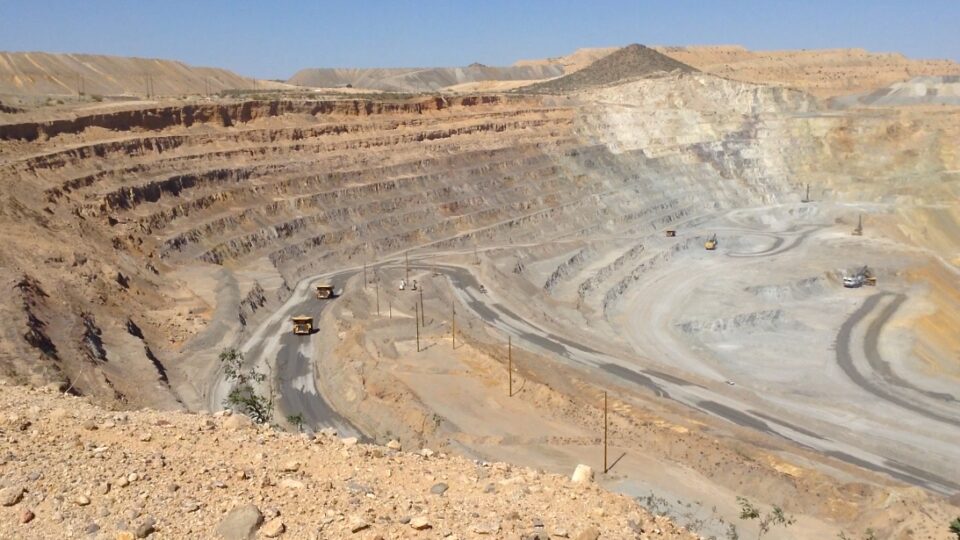
Human civilization consumes vast amounts of material.   The Circle Economy think tank actually puts some numbers on it.  According to their latest report, the amount of material consumed by humanity has passed 100 billion tons every year.  So, on average, every person on Earth uses more than 13 tons of materials per year.

That number has quadrupled since 1970, which is far faster than the population, which has only doubled during that time.  In the past two years alone, consumption has jumped by more than 8%.  While this has been going on, the proportion being recycled has been falling.

Of the 100 billion tons of materials, half of the total is sand, clay, gravel, and cement used for building, along with other minerals used for fertilizer.  Coal, oil and gas make up 15% and metal ores 10%. The final quarter are plants and trees used for food and fuel.  About 40% of all materials are turned into housing.  A third of the annual materials consumed remain in use, such as in buildings or vehicles.  But 15% is emitted into the atmosphere as greenhouse gases and a third is treated as waste.

The global emergencies of climate change and disappearing wildlife have been driven by the unsustainable extraction of fossil fuels, metals, building materials, and trees.  The authors of the report warn that if we continue to treat the world’s resources as limitless, we are heading for a global disaster.

The Circle Economy think tank promotes the idea of a circular economy in which renewable energy supports systems where waste and pollution are reduced to zero.  Some nations are taking steps towards circular economies, while others are not.  This is a problem we can’t allow to be unaddressed.

**********

Web Links

World Consumes 100 Billion Tons of Materials Every Year, Report Finds

Photo, posted March 13, 2015, courtesy of Joyce Cory via Flickr.

XXXXXXXXXXX

  • « Go to Previous Page
  • Page 1
  • Page 2
  • Page 3
  • Page 4
  • Page 5
  • Page 6
  • Page 7
  • Go to Next Page »

Primary Sidebar

Recent Episodes

  • An uninsurable future
  • Clean energy and jobs
  • Insect declines in remote regions
  • Fossil fuel producing nations ignoring climate goals
  • Trouble for clownfishes

WAMC Northeast Public Radio

WAMC/Northeast Public Radio is a regional public radio network serving parts of seven northeastern states (more...)

Copyright © 2026 ·