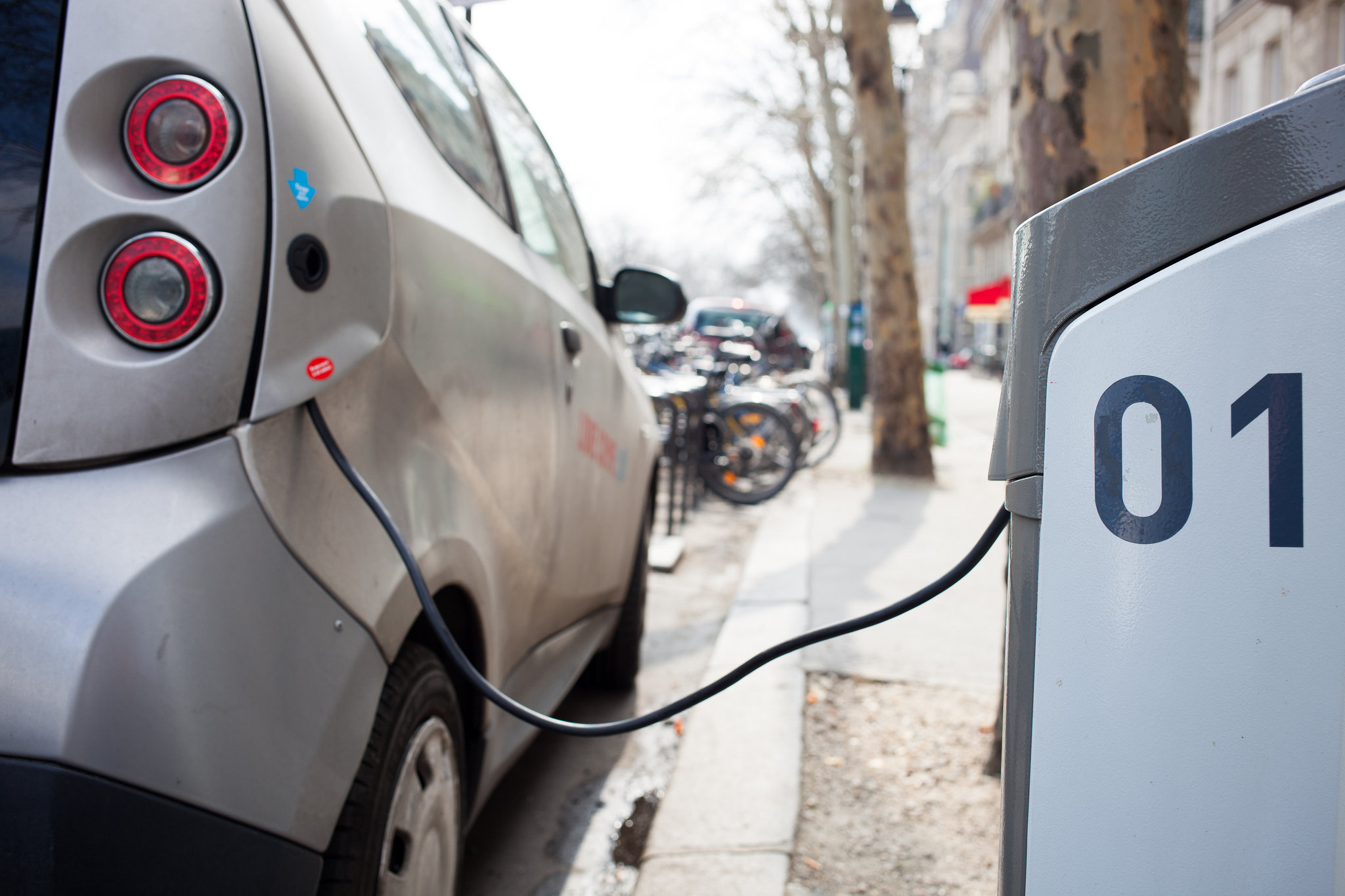
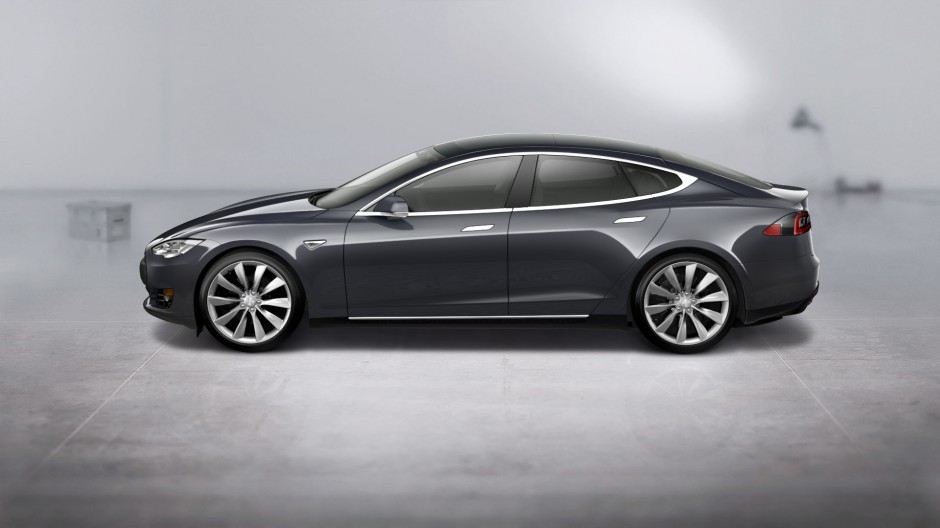
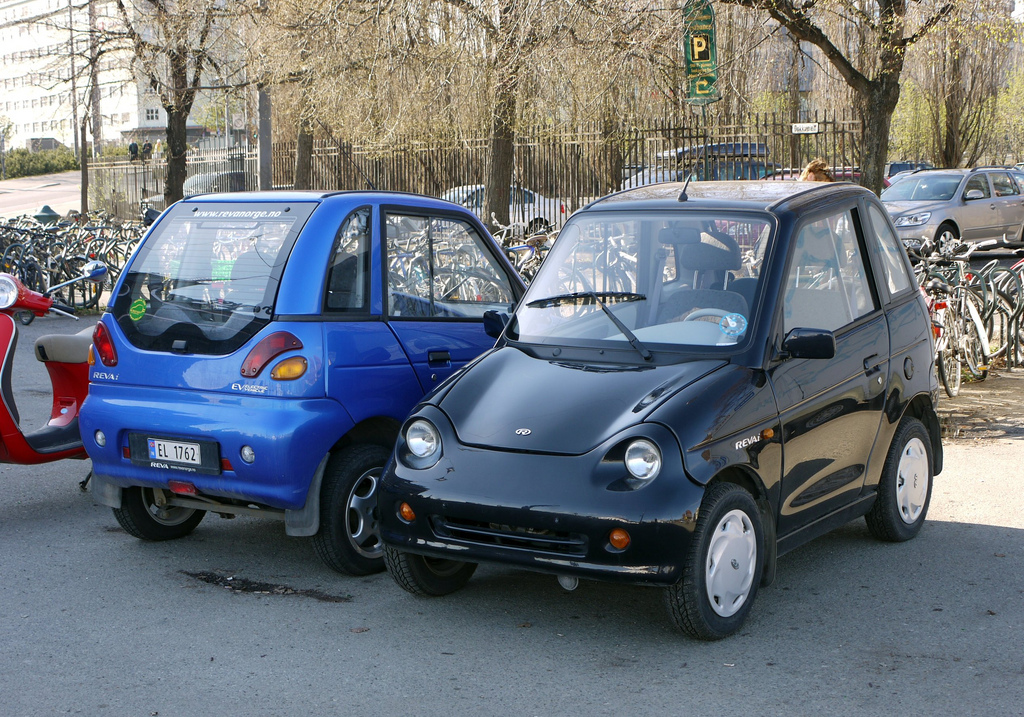
With the arrival of the Chevy Bolt and the long waiting list for the forthcoming Tesla 3, there is starting to be some momentum for electric cars in the United States. But we are still well behind Europe in terms of the significant growth of so-called e-mobility.
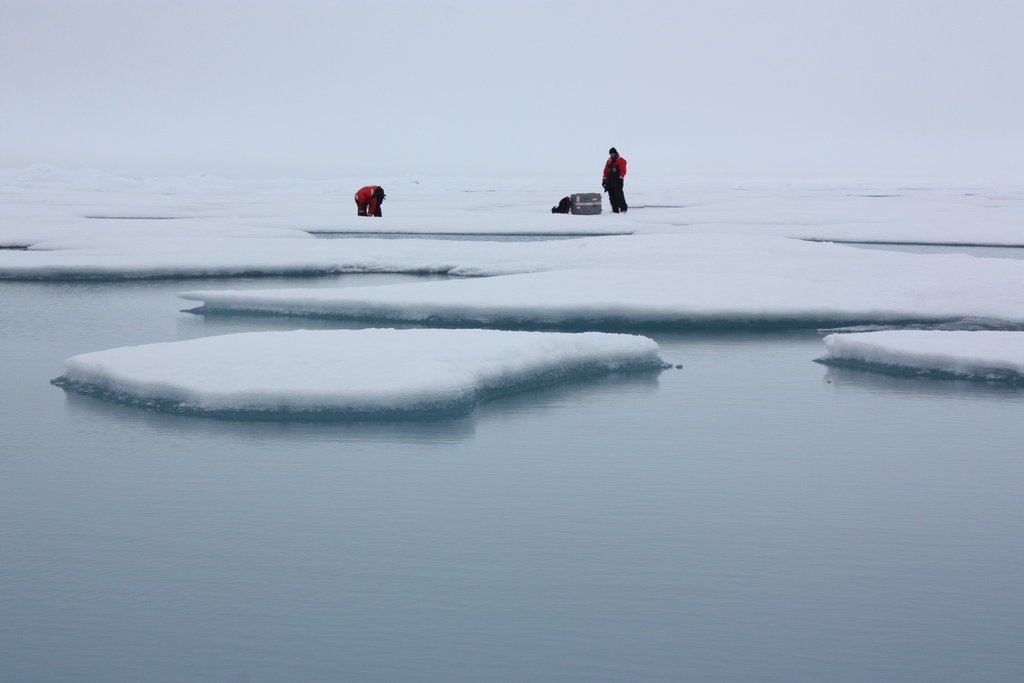
This time of the year, sea ice in the Arctic is on the rise as winter sets in. A combination of unusually high air temperatures and a warmer than normal ocean led to a record low for Arctic sea ice extent in November. In the Southern Hemisphere, Antarctic sea ice extent also hit a record low for the month.
The introduction of the Tesla 3 and the 400,000 advanced orders for the vehicle have put the spotlight on electric cars recently. But despite all the buzz, electric cars are sill only a tiny piece of the US car market: about 0.66 percent last year.
One of the standard criticisms aimed at electric cars is whether they actually are good for the environment when everything is taken into account. For example, people worry about the amount of energy expended and the environmental impact of actually building the car. Recent studies have shown that this balances out over a relatively short amount of the car’s lifetime.
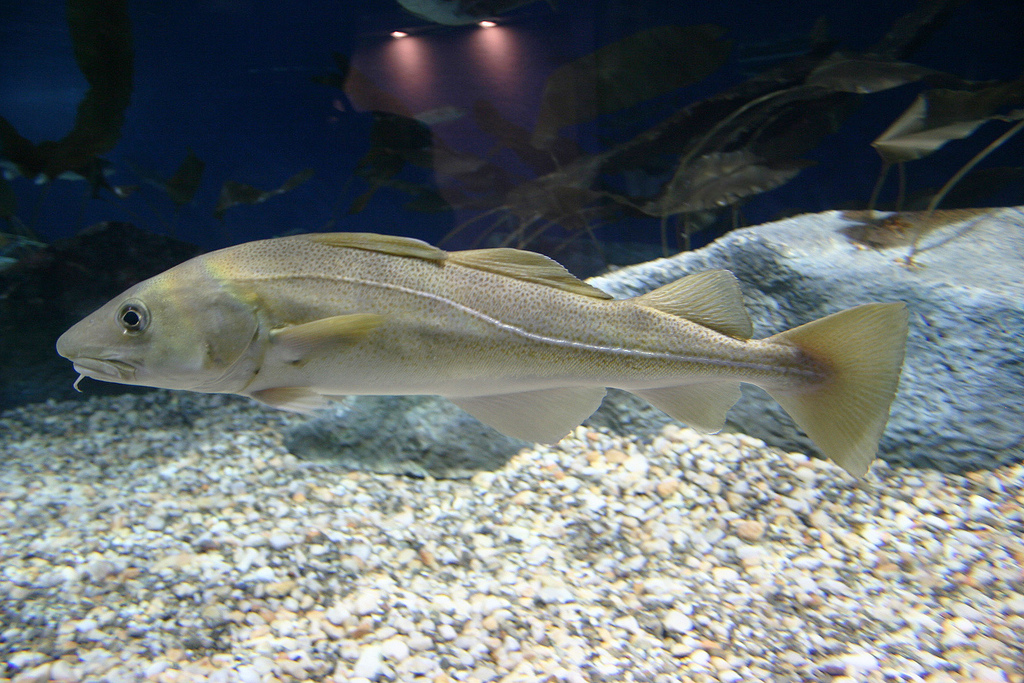
Atlantic cod has been the basis of a major fishing industry in the Gulf of Maine for centuries and is a key species in the local ecosystem. Overfishing decimated the population of cod and in 2010, fisheries managers imposed a series of restrictions on harvesting the fish in order to try to help the species to rebound.