• Skip to primary navigation
  • Skip to main content
  • Skip to primary sidebar

Earth Wise

A look at our changing environment.

  • Home
  • About Earth Wise
  • Where to Listen
  • All Articles
  • Show Search
Hide Search
You are here: Home / Archives for new jersey

new jersey

The cicadas are coming

June 18, 2025 By EarthWise Leave a Comment

After hiding underground for the last 17 years, billions of cicadas are taking to the skies this summer.  This batch of insects, known as Brood XIV, will cover more of the U.S. than any other 17-year brood.  New York and at least 13 other states – Georgia, Kentucky, Maryland, Massachusetts, New Jersey, North Carolina, Ohio, Pennsylvania, South Carolina, Tennessee, Virginia, West Virginia, and parts of Indiana are being serenaded by the sound of cicadas in May and June.

There are 15 broods of periodical cicadas that emerge every 13 or 17 years.  They come out when soil temperatures reach 64 degrees.  Around the world there are annual cicadas while periodical cicadas can only be found in the eastern United States.

Once the insects emerge, they will issue their noisy, chirping mating calls for just a few weeks before they lay eggs and die.  The offspring from the eggs will burrow underground and remain dormant or in the nymph stage feeding on tree roots for another 17 years.  Surfacing in vast numbers is a way to overwhelm predators and ensure that at least some cicadas survive to reproduce. 

The emergence of these insects provides a bounty of food to squirrels, lizards, birds, and other creatures.  A study found that once cicadas emerge, the population of cuckoos, blue jays, and red-bellied woodpeckers grows.

As the climate changes, the timing of cicada cycles may also change.  Warmer weather will lead to cicadas emerging earlier in the year.  Eventually, even the time they spend underground may shorten.

**********

Web Links

After 17 Years Underground, Massive Cicada Brood to Swarm U.S.

Photo, posted July 16, 2017, courtesy of Renee Grayson via Flickr.

Earth Wise is a production of WAMC Northeast Public Radio

Living in a warming world

June 13, 2025 By EarthWise Leave a Comment

As global temperatures rise due to increased greenhouse gas emissions, communities around the world face more frequent and intense heatwaves, droughts, and extreme weather events. These growing climate pressures not only strain infrastructure and natural resources, but also play a critical role in shaping where people live. 

Recent projections from the First Street Foundation, which analyzes climate risks across the United States, highlight just how significant these shifts could be. In Sacramento County, California, rising flood risks, declining air quality, and soaring insurance costs could lead to a population decline of up to 28% by 2055. The risk assessment also projects that Monmouth and Ocean counties in New Jersey could each lose more than 30% of their populations. And Fresno County, California, could see nearly half of its residents relocate due to mounting climate-related pressures.

Urban areas like cities, towns, and suburbs are particularly vulnerable to the impacts of climate change.  Cities become significantly hotter due to the abundance of heat-absorbing surfaces and lack of green spaces, which intensifies heatwaves, worsens conditions for vulnerable populations, and may ultimately force some people to move.

Addressing these challenges requires a combination of climate solutions focused on both mitigation and adaptation. Solutions like expanding green infrastructure with urban parks and green roofs, and promoting sustainable development through energy-efficient buildings and transit-friendly design could all play a vital role in strengthening climate resilience.

As the planet warms, where we live – and how we live there – is rapidly being redefined.

**********

Web Links

The 12th National Risk Assessment

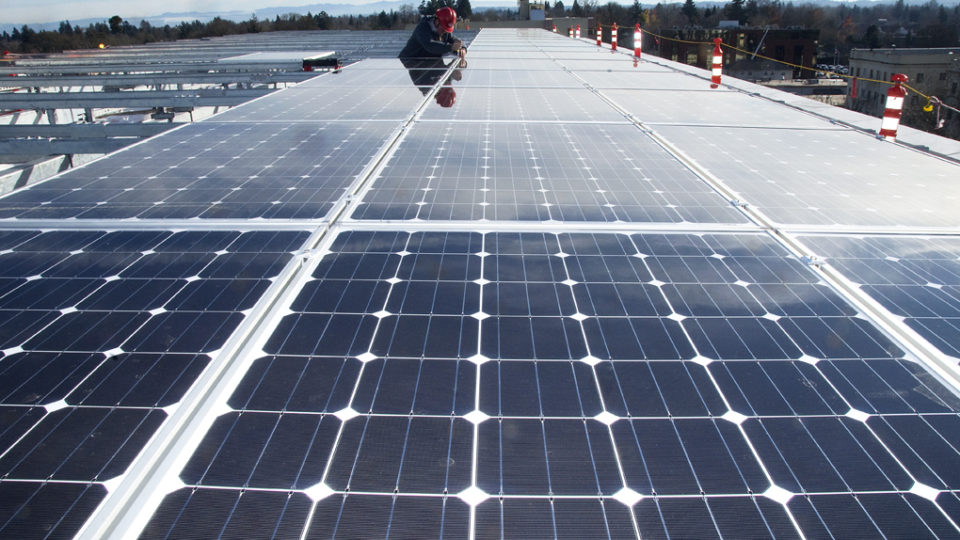
Solar on farmland

Photo, posted May 15, 2013, courtesy of Germán Poo-Caamaño via Flickr.

Earth Wise is a production of WAMC Northeast Public Radio
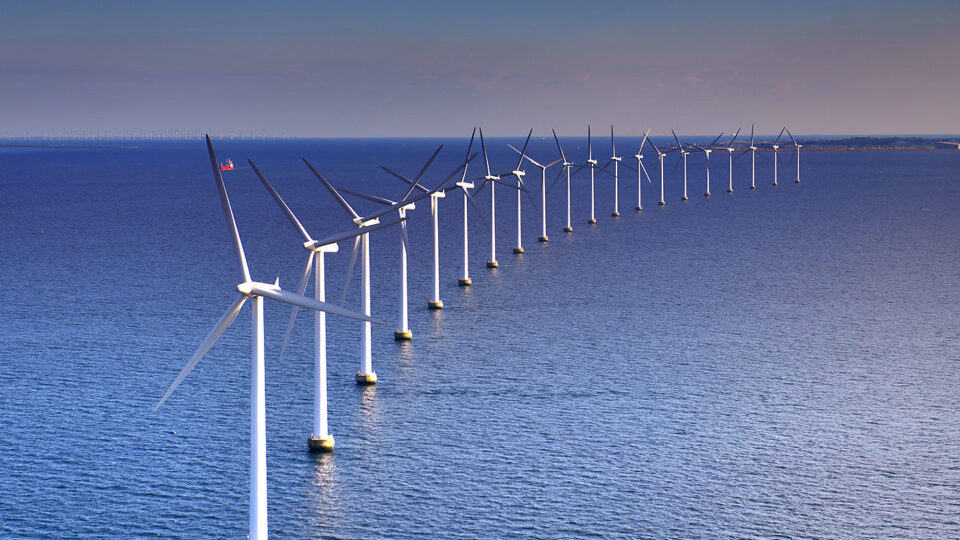
Empire Wind moves forward

February 13, 2025 By EarthWise Leave a Comment

Empire Wind, an offshore wind project, is moving forward

Empire Wind 1, the first offshore wind project that will connect to the New York City grid, has received the financing needed to move forward.  Equinor, the Norwegian state-owned multinational energy company developing the project, closed on a more than $3 billion financing package.

The wind farm will span 80,000 acres in an area 15-30 miles southeast of Long Island.  When completed, it will have a capacity of 810 megawatts.  Equinor has executed a Purchase and Sale Agreement with the New York State Energy Research and Development Authority to purchase power from Empire Wind 1 for 25 years at a strike price of $155/MWh. The operations and maintenance hub for Empire Wind 1 will be at the South Brooklyn Marine Terminal.  Commercial operation is expected by 2027.

The previously-planned Empire Wind 2 project was terminated a year ago because of inflation, interest rates, and supply chain disruptions.  More broadly, the U.S. offshore wind industry has been struggling for the past year. 

With the return of President Donald Trump to the White House, there is much greater uncertainty facing the industry.  As a result of the election, Attentive Energy, a planned 3-gigawatt wind project off the coasts of New York and New Jersey has been put on pause.  Trump’s public disdain for offshore wind energy is likely to create a major slowdown in the growth of the offshore wind pipeline.  On the other hand, the new administration is less likely to have much influence on projects already in progress including 4 gigawatts under active construction and more than 50 gigawatts in other stages of development.

**********

Web Links

Empire Wind 1 secures $3B+ financing package, enters ‘full execution mode’

Photo, posted May 2, 2022, courtesy of California Energy Commission via Flickr.

Earth Wise is a production of WAMC Northeast Public Radio
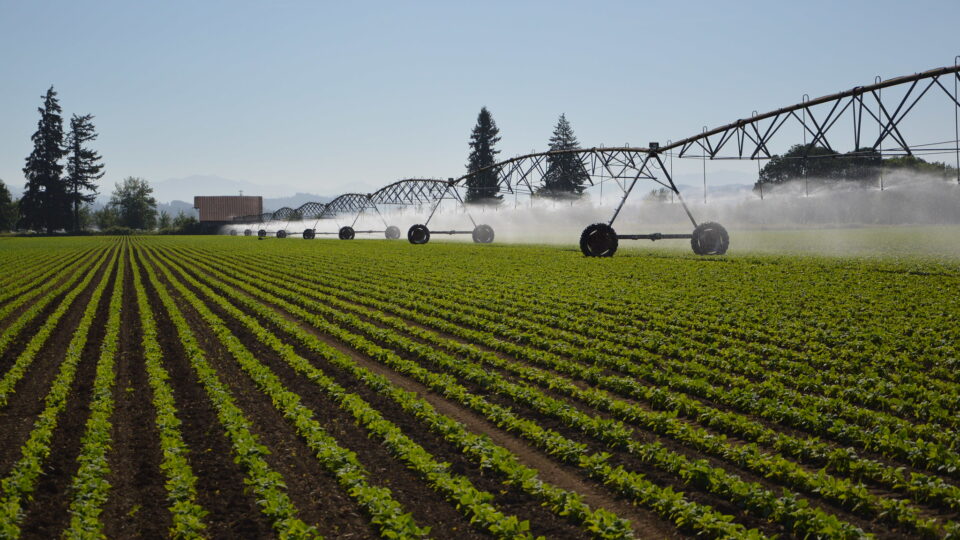
The East Coast is sinking

March 11, 2024 By EarthWise Leave a Comment

Most of the world’s largest cities are located in coastal regions and coastal regions are on the front lines of the climate crisis.  Human populations continue to migrate towards low-elevation coastal areas at the same time that sea level rise is accelerating.  Coastal communities worldwide are increasingly vulnerable to the dangers of flooding and erosion.  With these hazards occupying a great deal of attention, there has been less attention paid to the dangers of land subsidence.

A recent study by researchers at Virginia Tech and the US Geological Survey using satellite data shows that parts of America’s east coast are sinking, and the culprit is the withdrawal of too much water from the aquifers beneath these coastal areas.

A series of overlapping aquifers extends all the way from New Jersey to Florida along the coast, providing a reliable source of water for drinking, irrigation, and industrial uses.  Even though these areas get regular rainfall, the deeper aquifers can take hundreds or even thousands of years to refill once water is pumped out.  Once water is removed, soils can compress and collapse, causing the land surface to sink.

Cities that were built on drained marshland or on fill soil are especially vulnerable to compaction. 

Seal level rise is slow, but it is insidious and continuous.  Add land subsidence to the mix and effects multiply.  Places like Boston, New York, Washington DC, Roanoke, Savannah, Jacksonville, and Miami, among others, all are increasingly vulnerable to these coastal hazards.  The combined effects of sea level rise and subsidence may even triple the prospects for flooding areas over the next few decades.

**********

Web Links

As Aquifers Are Depleted, Areas Along The East Coast Of The US Are Sinking

Photo, posted August 7, 2015, courtesy of Tracy Robillard / NRCS Oregon via Flickr.

Earth Wise is a production of WAMC Northeast Public Radio
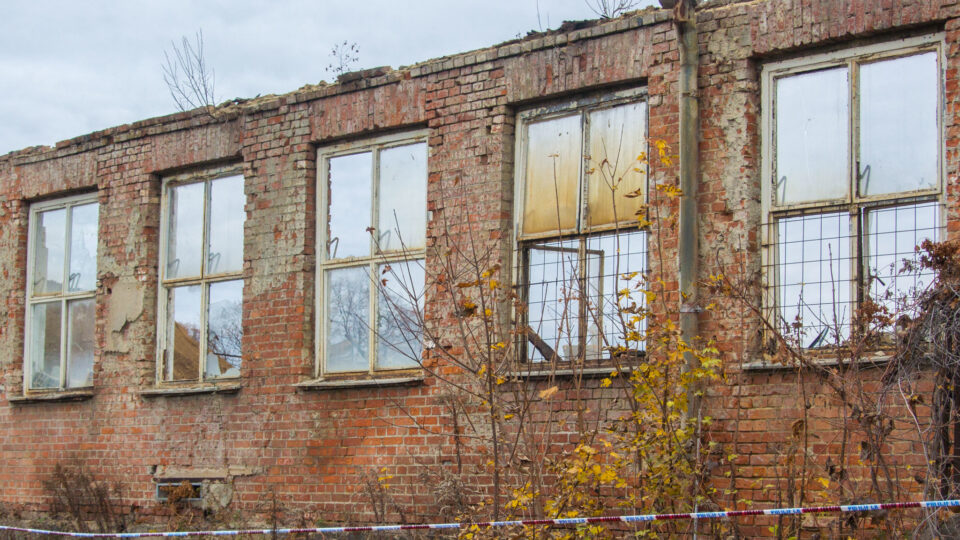
Brownfields and solar power

December 19, 2023 By EarthWise Leave a Comment

Repurposing brownfields for solar power generation

Brownfields are blighted lands that have suffered environmental contamination, making it very difficult to redevelop them or make good use of them.  Generally, they are previously used lands that have the presence or at least the potential presence of hazardous substances, pollutants, or other contaminants at levels exceeding health-based or environmental standards.  There are nearly half a million brownfields in the U.S. that are ripe for repurposing.

One very attractive use for brownfields is to convert them to “brightfields,” which is the colloquial term for brownfields redeveloped into solar projects.  Estimates are that nearly 200,000 U.S. brownfield sites are eligible for brightfield conversion, which could provide hundreds of gigawatts of energy production.  Over 10,000 of these sites are inactive landfills, which alone could power 8 million homes.  Many of these sites have sat unused for decades.

A recent success story took place in Old Bridge Township, New Jersey where an abandoned waste site – designated a Superfund site by the EPA for decades – has now become a solar project that will generate more than $1.2 million a year for the township and will provide reduced-cost electricity for 400 homes, half of which are low- and moderate-income residents.

The site was on the EPA list of Superfund National Priorities , meaning it was considered one of the most serious abandoned hazardous waste sites.  Such sites required continuous monitoring, modifications, and cleanup. 

Projects like the Old Bridge solar project are likely to become increasingly common in the future, as legacy liabilities can be turned into valuable assets.

**********

Web Links

How solar installations give new life to blighted brownfields

Photo, posted November 11, 2015, courtesy of Martin Malec via Flickr.

Earth Wise is a production of WAMC Northeast Public Radio
New York’s first offshore wind farm

December 14, 2023 By EarthWise Leave a Comment

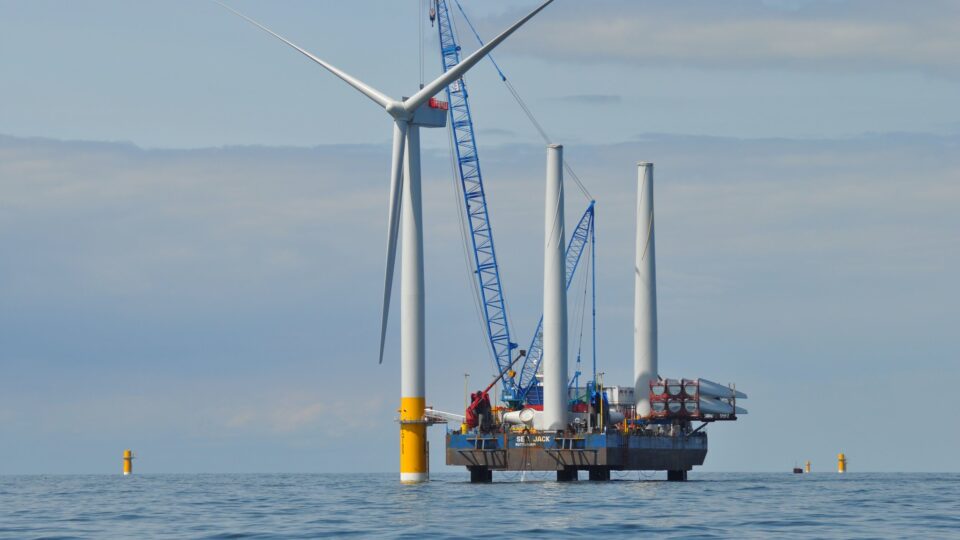
New York has set a target of installing 9 GW of offshore wind capacity by 2035.  The first offshore wind farm in the state – South Fork Wind – was approved by the Long Island Power Authority in 2017.  Construction began in 2022.

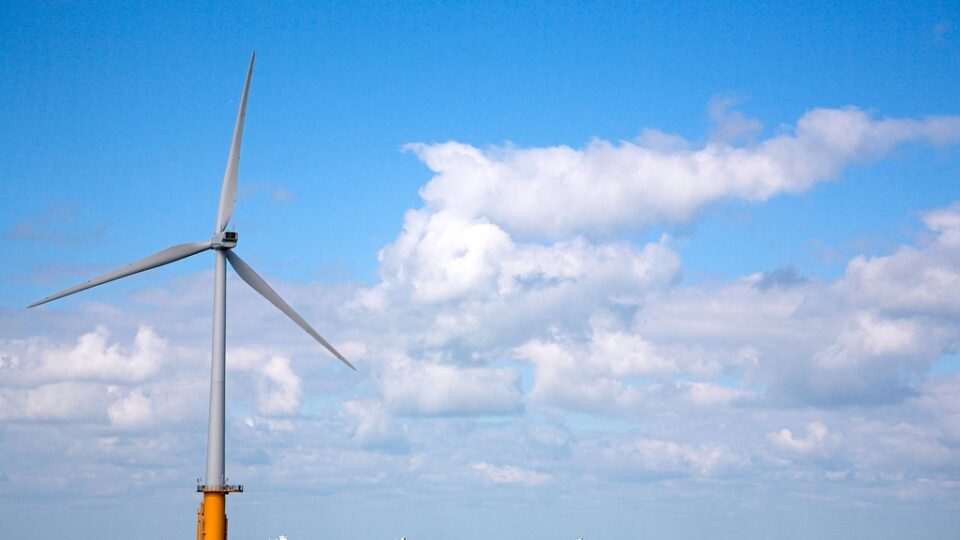
South Fork Wind Farm is a 132 MW project sited 35 miles offshore from Montauk, New York.  Early this year, the subsea power export cable was installed by Nexans, a cable and optical fiber company.  In June, the project reached its “steel in the water” milestone with the installation of the farm’s first monopile foundation.

In November, the first of South Fork Wind’s 12 Siemens Gamesa wind turbine generators was hoisted into place by the offshore construction team.  The turbines are being installed by a specialized vessel called the Aeolus.  Turbine installation involves using a crane to place the steel turbine tower onto the foundation.  The nacelle and rotor are then installed on top of the tower.  Finally, the blades are bolted one by one to the rotor.

All 12 turbines for the project are expected to be installed by the end of this year or by early 2024.

There have been setbacks for the U.S. offshore wind industry in recent times.  Two projects in New Jersey have been scrapped because of supply chain issues.   Rhode Island Energy pulled out of a project citing higher interest rates, increased expenses, and problems with tax credits.

But despite these setbacks, the industry continues to make headway.  Vineyard Wind in Massachusetts is on the precipice of delivering its first power to the grid and the pipeline of additional projects continues to grow.

**********

Web Links

First turbine installed at South Fork Wind, New York’s first offshore wind farm

Photo, posted August 7, 2013, courtesy of SSE / Department of Energy and Climate Change via Flickr.

Earth Wise is a production of WAMC Northeast Public Radio
Hydrogen hubs

November 2, 2023 By EarthWise Leave a Comment

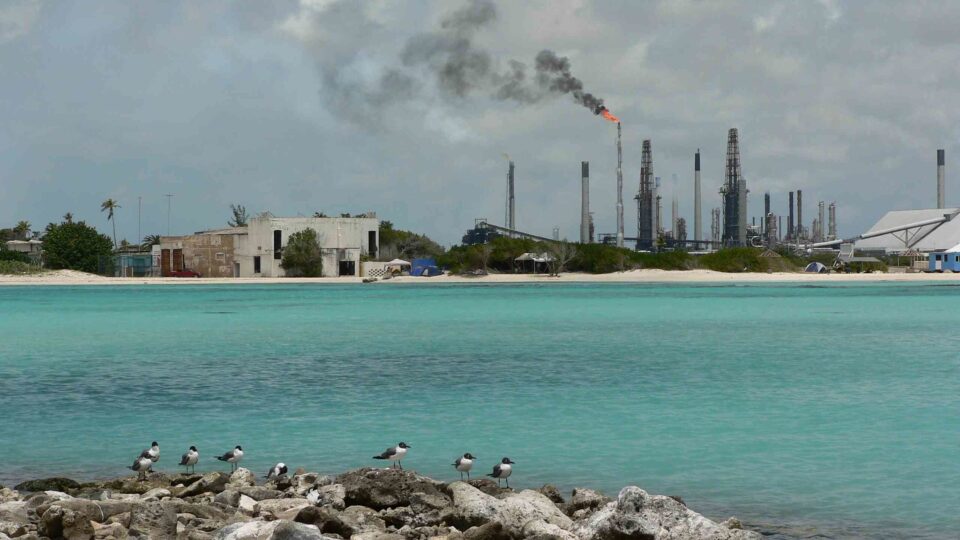
The Infrastructure Investment and Jobs Act of 2021 earmarked $7 billion in federal funding aimed at accelerating the commercial-scale deployment of hydrogen as well as driving down its cost.  Clean hydrogen is considered to be a key technology for cleaning up hard-to-decarbonize industrial sectors like refining, chemicals, and heavy-duty transport. 

On October 13th, the Department of Energy named seven regional clean hydrogen hubs which will provide clean hydrogen production, storage, delivery, and end-use components.  The so-called H2Hubs are expected to collectively produce three million metric tons of hydrogen annually. 

One selected project is the Appalachian Hydrogen Hub that includes West Virginia, Ohio, Kentucky, and Pennsylvania.  Another is the California Hydrogen Hub, that will produce hydrogen exclusively from renewable energy and biomass.  Then there is the Gulf Coast Hydrogen Hub, centered in the Houston, Texas region.  A fourth hub is the Heartland Hydrogen Hub, which includes Minnesota, North Dakota, and South Dakota.  A fifth hub is the Mid-Atlantic Hydrogen Hub, that includes Pennsylvania, Delaware, and New Jersey.  The sixth is the Midwest Hydrogen Hub that includes Illinois, Indiana, and Michigan.  Finally, there is the Pacific Northwest Hydrogen Hub that includes Washington, Oregon, and Montana.

Each of these hubs involve multiple partner organizations in their regions and each has specific goals and strategies. The seven centers are located all around the country and are intended to jumpstart a national network of clean hydrogen producers, consumers, and connective infrastructure.

**********

Web Links

Hydrogen hubs have arrived. Here are the big winners of the $7 billion sweepstakes

Photo, posted August 17, 2010, courtesy of David Stanley via Flickr.

Earth Wise is a production of WAMC Northeast Public Radio
More Offshore Wind Proposed For New Jersey | Earth Wise

September 13, 2023 By EarthWise Leave a Comment

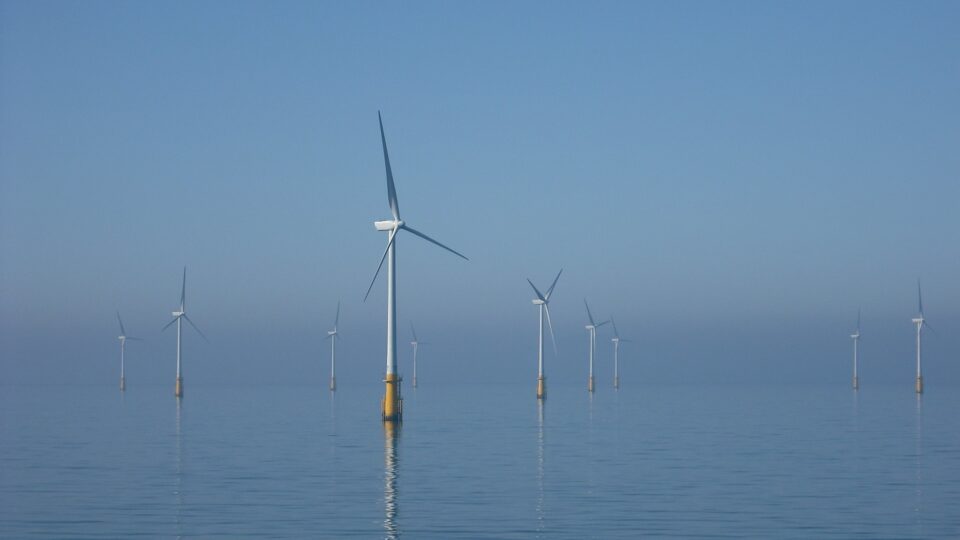
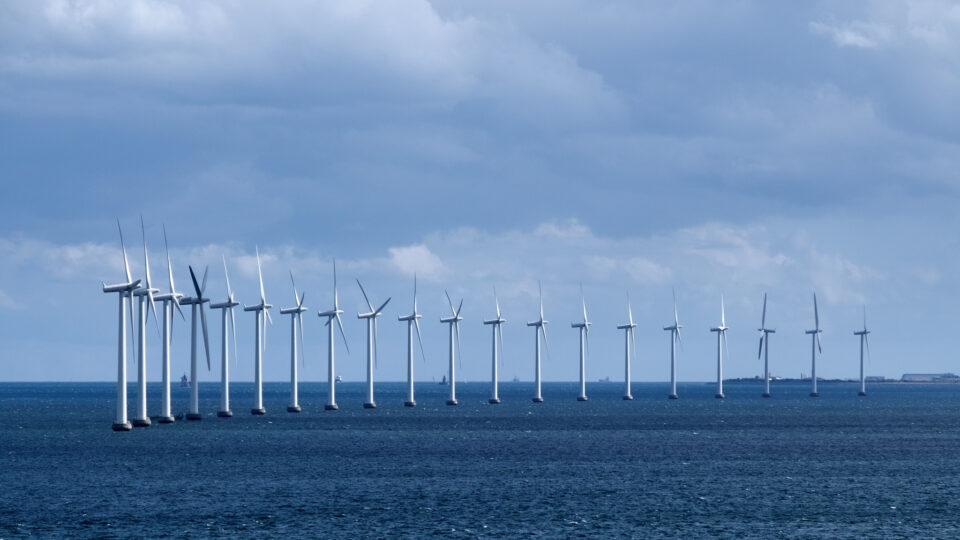
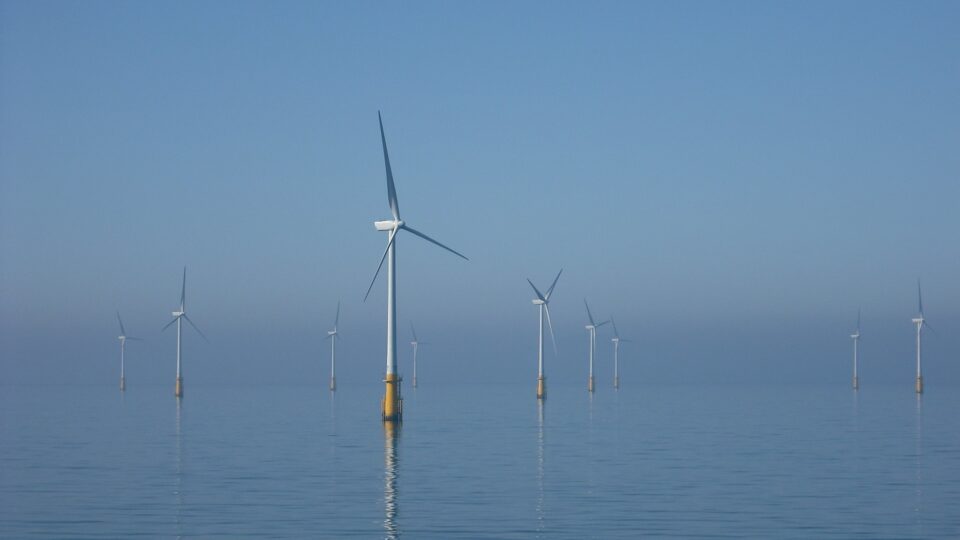
There have been three offshore wind projects previously approved by utility regulators in New Jersey.  New Jersey is vying to become an East Coast leader in the fast-growing offshore wind industry and now developers have proposed four new projects off the New Jersey Shore.

Two of the projects would be located far out to sea where they would not be visible at all from the shore.  One of them, called Community Offshore Wind, would be built 37 miles offshore from Long Beach Island.  It aims to generate enough electricity to power 500,000 homes.

A second project, called Leading Light Wind, would be located 40 miles off Long Beach Island and would consist of up to 100 turbines that would generate enough electricity to power 1 million homes.

The two companies that are building the already-approved Atlantic Shores Wind Farm have submitted a bid for a new project located 10 to 20 miles offshore.  In addition, a fourth application to the New Jersey Board of Public Utilities has also been submitted, but there is yet no public information about it.

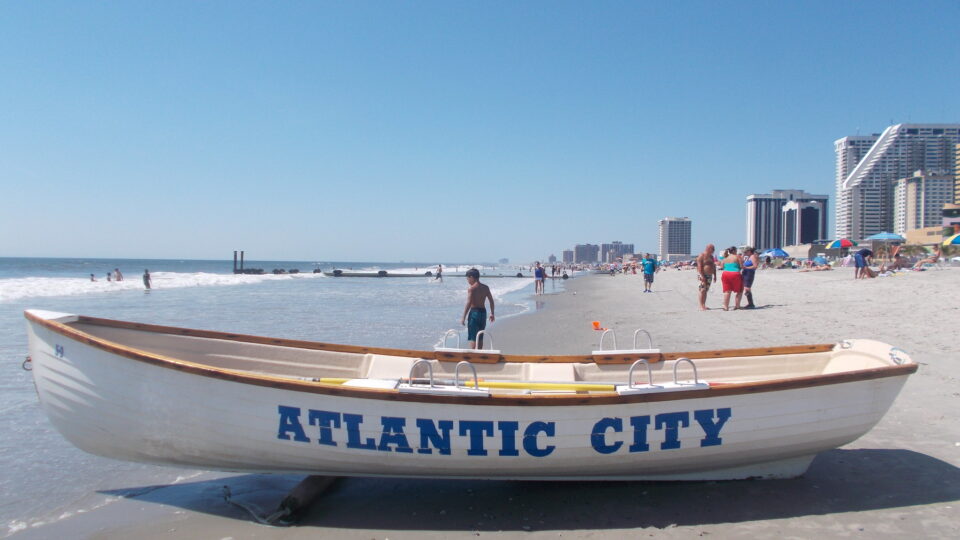
Existing offshore projects have drawn intense opposition from homeowners in part because they are close enough to the Atlantic City and Ocean City shorelines to be seen by beachgoers, albeit as tiny objects on the horizon.  The new proposed projects located far offshore would not have this problem.

The new projects can take advantage of existing federal tax credits, but the bidders say they will not seek the tax breaks from New Jersey that the earlier project received as they have also been the subject of legal challenges by opponents of offshore wind.

**********

Web Links

4 new offshore wind power projects proposed for New Jersey Shore; 2 would be far out to sea

Photo, posted March 25, 2016, courtesy of TEIA via Flickr.

Earth Wise is a production of WAMC Northeast Public Radio
Offshore Wind In Maine | Earth Wise

June 15, 2023 By EarthWise Leave a Comment

Offshore wind is coming to Maine

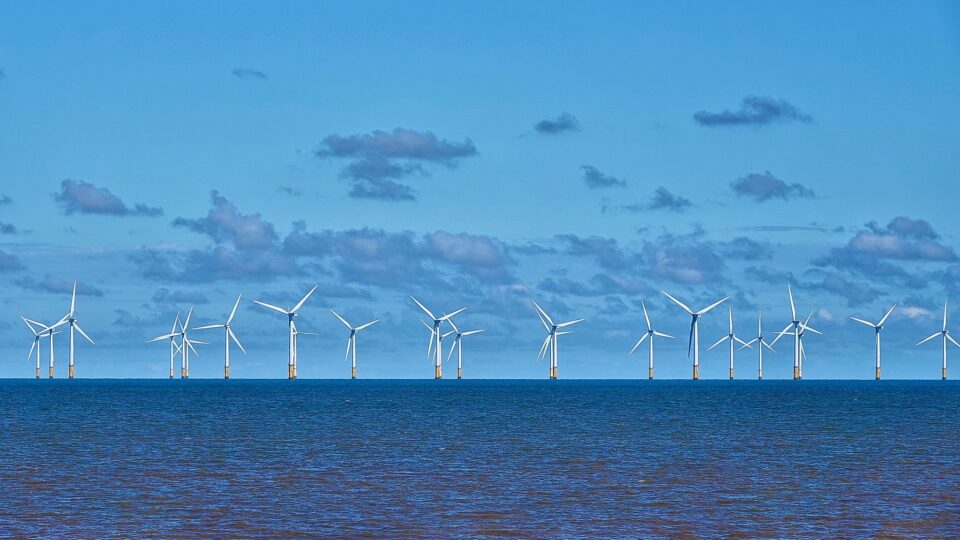
There are currently only two small offshore wind farms operating in the United States, but there are now several more under construction or in the permitting process.  Substantial wind farms are expected to come online over the next five years off the coasts of Virginia, New Jersey, Massachusetts. North Carolina, Delaware, Rhode Island, and New York.   There has been a recent auction for offshore wind sites off the California coast as well.

In April, the Bureau of Ocean Energy Management issued its Gulf of Maine Call for Information and Nominations, inviting public comment and assessing the interest in areas offshore of Maine, New Hampshire, and Massachusetts.  This is the first official step in the lengthy process that leads to offshore wind development in new areas.  Last year, the Department of the Interior defined an area of about 13.7 million acres in the Gulf of Maine that could end up providing energy leases for windfarm development.

The Biden administration has set a goal of deploying 30 gigawatts of offshore wind electricity generation by 2030, which is enough to power more than 10 million homes. It would also create thousands of jobs across manufacturing, shipbuilding, port operations, construction, and other industrial sectors.  Existing offshore wind projects have been structured to develop American-based supply chains for the offshore wind industry.

The European Union currently has over 15 gigawatts of installed offshore wind, has a target of 60 gigawatts by 2030, and 300 gigawatts by 2050.  The EU has five substantial sea basins which have tremendous potential for wind energy generation.  As a result, offshore wind is the centerpiece of the ambitious European Green Deal.

**********

Web Links

U.S. moves to develop offshore wind in the Gulf of Maine

Photo, posted August 31, 2022, courtesy of Nina Ali via Flickr.

Earth Wise is a production of WAMC Northeast Public Radio

Banning Gas-Powered Cars | Earth Wise

May 12, 2023 By EarthWise Leave a Comment

The European Union has banned the sale of new gas-powered cars starting in 2035.  The vote came after weeks of negotiations related to possible exemptions to the rule.

Germany lobbied for an exemption to be made for cars powered by e-fuels.  These are made by combining hydrogen with carbon dioxide that has been removed from the atmosphere using processes powered by renewable energy.  Because of this source of the carbon dioxide, such fuels are considered to be carbon neutral.  The EU agreed to grant this exemption, so there can be cars that run only on e-fuels after 2035.

About a quarter of carbon emissions in the EU come from transportation.  The new law requires a 55% drop in carbon emissions from new cars by 2030.  Poland voted against the new law, while Bulgaria, Romania, and Italy abstained.  (Italy wanted an exemption for biofuels, but it was not granted).

Here in the US, seven states have adopted rules banning the sale of new gas-powered cars in 2035.  These are California, Maryland, Massachusetts, New Jersey, New York, Oregon, and Washington. 

California has committed to having 35% of new car sales being zero-emission vehicles by 2026, and the number rising to 68% by 2030.

As these policies proliferate around the world, the auto industry is moving ahead to keep up with them.  Most automakers are planning to have substantial parts of their product line be electric by 2030.  Given the financial and physical inertia involved in shifting to electric vehicle production, regardless of what happens with policies around the world, there is little possibility of turning back from the electric vehicle transition.

**********

Web Links

EU Approves 2035 Ban on Sales of Gas-Powered Cars

Photo, posted May 31, 2012, courtesy of Mike Norton via Flickr.

Earth Wise is a production of WAMC Northeast Public Radio
Community Solar On The Rise | Earth Wise

April 14, 2023 By EarthWise Leave a Comment

Community solar continues to grow

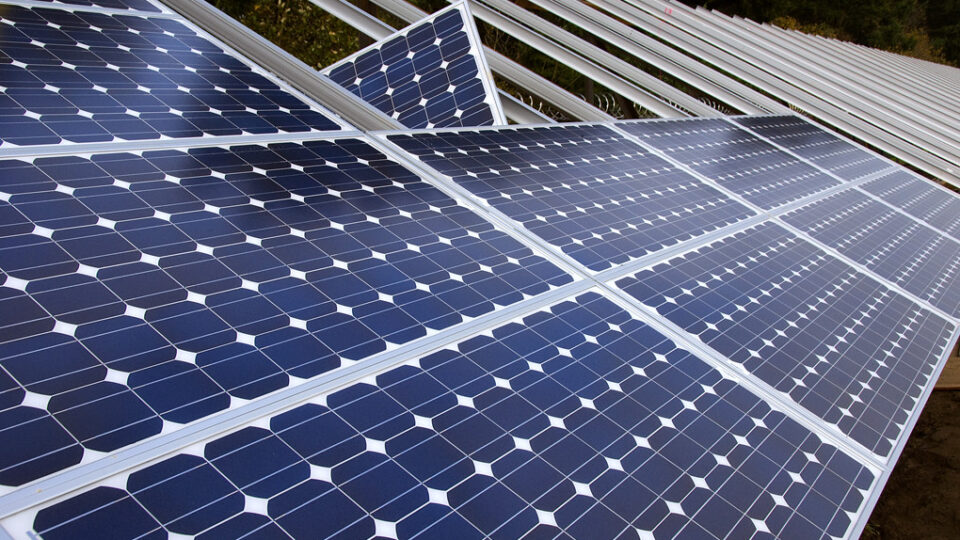
Community solar is a way for people who can’t put solar on their own roofs to still take advantage of its benefits.  Whether they can’t afford to install their own panels, have too much shade on their roof, or don’t even own a home, community solar is another way to participate in green energy.

Community solar – also called “shared solar” or “solar gardens” – is a kind of development in which consumers can subscribe to a large solar installation in their area and receive credits on their monthly utility bills for their share of the solar electricity produced.

The large majority of community solar installations are in six states:  Colorado, Illinois, Massachusetts, Minnesota, New Jersey, and New York.  After substantial growth in community solar in 2022, New York now is the national leader, thanks to initiatives by the state government and the nonprofit sector.  Some programs focus on giving low-income households access to solar.  As of last fall, New York had over 728 community solar projects online.

One should understand that electrons are indistinguishable.  The power generated by a community solar installation is not piped directly to subscribers’ homes.  It just goes into the grid.  Subscribers get credit for their share of the power, but that is essentially a matter of bookkeeping, not physics.

The federal government now has $7 billion that can be used for community solar as part of the Greenhouse Gas Reduction Fund within the Inflation Reduction Act enacted last August.  The EPA plans to award up to 60 grants to assist projects deploying residential and community solar.  Research firm Wood Mackenzie forecasts the community solar market will double by 2027.

**********

Web Links

Community Solar Is About to Get a Surge in Federal Funding. So What Is Community Solar?

Photo, posted November 18, 2008, courtesy of the Oregon Department of Transportation via Flickr.

Earth Wise is a production of WAMC Northeast Public Radio
A Hot July | Earth Wise

August 24, 2022 By EarthWise Leave a Comment

July was a hot month around the world

At the beginning of July, the National Oceanic and Atmospheric Administration’s monthly climate outlook predicted temperatures well above average across much of the United States.  The prediction was quite correct.  Beyond that, world-wide, there were multiple heat waves, especially in Europe and Asia, where there were thousands of heat-related deaths.  On July 19th, the United Kingdom had its hottest day ever reported with a temperature over 104 degrees.

In the U.S., a series of atmospheric high-pressure systems resulted in stagnant heat domes, which resulted in more than 150 million people living under heat warnings and advisories.  Nearly every part of the continental U.S. saw above-average temperatures.  There were record-breaking triple-digit highs in several states, sometimes persisting for days.

The south-central part of the country developed a ridge of high pressure that established a heat dome that acted like a lid, trapping hot air over that area.  The extreme heat persisted throughout the month, at times expanding to the Southwest, Upper Midwest, and Southeast.

In the second half of the month, the Great Plains experienced temperatures as high as 115 degrees.  Utah and Oklahoma both broke long-standing records for the most consecutive days on which temperatures exceeded 100 degrees.  Utah saw 16 straight days over 100.

In the Pacific Northwest temperatures reached 110 degrees in Dallasport, Washington, and 114 in Medford, Oregon.  In the Northeast, Newark, New Jersey saw a record-breaking five straight days over 100 degrees.

In Albany, New York, where the average daily high temperature is 82 degrees in July, there were 10 days in the 90s, with highs of 97 on three occasions.

July was a hot month indeed.

**********

Web Links

A July of Extremes

Photo, posted July 10, 2022, courtesy of Dominic Alves via Flickr.

Earth Wise is a production of WAMC Northeast Public Radio.

New York Bight Offshore Wind | Earth Wise

May 2, 2022 By EarthWise Leave a Comment

Late in February, the U.S. completed the most successful offshore wind lease auction in history.  The auction for rights to develop offshore wind in the New York Bight brought in a record $4.37 billion from the companies bidding for them.

The New York Bight is an area of ocean off the coasts of New York and New Jersey that the Bureau of Ocean Energy Management has divided into six lease areas for offshore wind development.  It covers a total of 480,000 acres.  The more than $4 billion secured in the auction is more than three times the revenue received from all U.S. offshore oil and gas lease auctions over the past five years.

Five out of the six winning bids have European connections in the form of various partnerships.  Europe has a far more advanced offshore wind market than the U.S. with a total of 25 GW of installations as of 2020.  Winning bidders included participation by RWE from Germany, British-owned National Grid, and Copenhagen Infrastructure Partners, among others.  Chicago-based Invenergy was the only American company without a European partner to have a winning bid.

The expected installed capacity for the 6 leased areas in the New York Bight is expected to be between 5.6 and 7 GW, enough to power 2 million homes.  The Bureau of Ocean Energy Management said capacity could be even higher.

The successful action has set the tone and expectations for auctions to come.  BOEM has six more offshore wind auctions planned over the next three years.  Forthcoming auctions are for areas of the Carolinas, Northern and Central California, the Gulf of Mexico, the Central Atlantic, Oregon, and the Gulf of Maine.

**********

Web Links

New York Bight: 5 takeaways from the record-breaking offshore wind auction

Photo, posted August 13, 2013, courtesy of Larry via Flickr.

Earth Wise is a production of WAMC Northeast Public Radio.

Offshore Wind In New Jersey | Earth Wise

August 26, 2021 By EarthWise Leave a Comment

Offshore wind coming to New Jersey coast

The New Jersey Board of Public Utilities recently selected to fund Ocean Wind 2, a 1,148-MW offshore wind energy project proposed by the Danish company Ørsted.  The agency also awarded Atlantic Shores Offshore Wind a contract to develop 1,410-MW of offshore wind capacity.

Ocean Wind 2 will develop the second section of the Ocean Wind federal lease area and will provide enough power for half a million New Jersey homes.  The first Ocean Wind project, also under development by Ørsted, was awarded in 2019. It’s expected to come online in 2024, and is located 15 miles off the coast of southern New Jersey. (The second project will be located adjacent to the first).

As part of the project, Ørsted is contributing to an expansion for the EEW facility in Paulsboro, where monopiles, which are foundation supports for offshore wind turbines, are manufactured.  That facility will be home to 500 full-time jobs and represents a $250 million investment into southern New Jersey.  The project is also bringing a commitment from GE Renewables to locate one of the country’s first offshore wind nacelle assembly facilities in New Jersey.  (This facility will assemble the nacelles for Ocean Wind 2 as well as other American offshore wind projects).

Overall, Ocean Wind 2 is expected to generate nearly $5 billion in net economic benefits for the state of New Jersey. 

The Atlantic Shores Offshore Wind project will be located 10-20 miles off the coast of New Jersey between Atlantic City and Barnegat Light and will bring about $850 million in local economic benefits to the state, including a variety of investments in local communities.

Overall, New Jersey has the goal of supplying more than 3.2 million homes with offshore wind power by 2035.

**********

Web Links

New Jersey moves forward with two offshore wind projects representing almost 3 GW of capacity

Photo, posted March 24, 2016, courtesy of TEIA via Flickr.

Earth Wise is a production of WAMC Northeast Public Radio.

Is U.S. Offshore Wind Finally Happening? | Earth Wise

March 26, 2021 By EarthWise Leave a Comment

United States offshore wind is finally happening

Offshore wind capacity has been growing rapidly in recent years, especially in Europe and China.  Globally, there is now more than 30 GW of offshore wind and industry experts predict that there will be well over 200 GW of installed capacity by 2030.

Meanwhile, the U.S. has only two small pilot projects, one with five turbines off Rhode Island and another with two turbines off Virginia.  But after many years of battles with determined opponents, false starts, regulatory struggles, and other hurdles, the U.S. offshore wind industry appears to be poised to take off.

A combination of significant commitments by power companies to purchase offshore wind power, strong support by the Biden administration, and billions of dollars in investments is creating the new-found momentum.

New York, New Jersey, Virginia, Massachusetts, Connecticut, Rhode Island, and Maryland have collectively committed to buying 30 GW of offshore electricity by 2035.  (That’s enough to power roughly 20 million homes).

Among the first major offshore installations to be completed in the next few years in the U.S. will be Vineyard Wind, 15 miles off of Martha’s Vineyard, another wind farm 60 miles east of New York’s Montauk Point, a third fifteen miles off Atlantic City, New Jersey, and a fourth off the Virginia Coast.

Offshore wind projects will create nearly 40,000 jobs just in the New York-New Jersey area over the next ten years.  There is still some opposition from elements of the commercial fishing industry and from some coastal residents.  However, with state and federal governments committed to reducing carbon emissions and rapidly reducing regulatory barriers, and with the price of offshore wind continuing to get lower and lower, most observers agree that the U.S. offshore wind industry is finally on the verge of really getting going.

**********

Web Links

On U.S. East Coast, Has Offshore Wind’s Moment Finally Arrived?

Photo, posted August 9, 2016, courtesy of Lars Plougmann via Flickr.

Earth Wise is a production of WAMC Northeast Public Radio.

New Jersey And Offshore Wind | Earth Wise

July 28, 2020 By EarthWise Leave a Comment

New Jersey commits to offshore wind

New Jersey intends to become a major hub for offshore wind in the United States.  The state recently announced a plan to build a 30-acre port along the Delaware River for assembling and deploying wind turbines, as well as an additional 25 acres for manufacturing facilities.   The new port is expected to cost as much as $400 million and create 1,500 jobs in southern New Jersey.

The port will be located on an artificial island that was built by the U.S. Army Corps of Engineers early in the 20th century.  The island is already home to three nuclear reactors.  No bridges exist between the island and the Atlantic Ocean, so turbines that are built at the staging facility could be hoisted upright and towed out to sea without obstruction.  Some components are as tall as 500 feet and when fully constructed on the ocean, the turbines selected for New Jersey’s first offshore wind project will be more than 850 feet tall.

A second phase of the program would add over 150 acres to accommodate extensive manufacturing facilities for turbine components like blades and nacelles.

Construction on the port is expected to start next year.  New Jersey has pledged to produce 7,500 megawatts of offshore wind energy by 2035 and to generate 100% of its electricity from renewables by 2050.  Apart from deploying offshore wind, New Jersey wants to have a significant piece of the supply chain for what is likely to be a growing industry along the northeast coast.  The state views offshore wind as a once-in-a-generation opportunity to not only protect the environment but also greatly expand its economy in a way that has immediate impacts and long-term growth.

**********

Web Links

New Jersey Announces $400 Million Offshore Wind Port

Photo, posted September 18, 2010, courtesy of Vattenfall Nederland via Flickr.

Earth Wise is a production of WAMC Northeast Public Radio.

A First In The Climate Change Fight | Earth Wise

March 6, 2020 By EarthWise Leave a Comment

Under a new initiative, builders in New Jersey will have to take climate change into account in order to win government approval for projects.  New Jersey is the first state in the United States to enact such a requirement, which will leverage land-use rules to control what and where developers can build, and limit the volume of pollution. 

Through executive order, New Jersey Governor Phil Murphy will require the state Department of Environmental Protection to draft new building regulations.  The changes, to be adopted by January 2022, do not require legislative approval, but could face political and legal challenges. 

Climate change is expected to have a significant impact on New Jersey and its 130 miles of coastline.  According to a recent study from Rutgers University, the sea level along the New Jersey coast rose 1.5 feet since 1911, which was more than twice as much as the global average. The sea level is expected to rise by as much as another foot by 2030.  At the same time, some coastal areas of New Jersey are gradually sinking.

The initiative by New Jersey comes on the heels of a Trump administration proposal which would allow federal agencies to not take climate change into account when evaluating infrastructure projects. The federal changes are geared towards speeding up approvals for highway construction, pipelines, oil and gas leases, and other major infrastructure projects.   

In the absence of anything resembling leadership on climate change from the federal government, it remains for states like New Jersey to continue to press ahead.  In addition to the new building initiative, New Jersey also plans to produce 100% clean energy by 2050. 

**********

Web Links

Excluding Climate Change From Infrastructure Planning | Earth Wise

With 130-Mile Coast, New Jersey Marks a First in Climate Change Fight

Photo, posted August 27, 2016, courtesy of Rashaad Jorden via Flickr.

Earth Wise is a production of WAMC Northeast Public Radio.

Packing With Banana Leaves

July 25, 2019 By EarthWise Leave a Comment

More and more places are instituting bans on single-use plastic bags.  Places like California and Hawaii already have bans in place and New Jersey is considering such a ban.  New York’s law will go into effect next March.  Supermarkets will no longer provide plastic bags at the checkout line.  But the laws have some exceptions, including the plastic bags used to hold produce and to pack up meats.

Banning or reducing single-use plastic bags is a growing trend in Asia as well including places like South Korea, Vietnam and Thailand.

One supermarket in Thailand came up with a novel approach to eco-friendly packaging:  wrapping produce in banana leaves.  The idea quickly became a viral hit on social media and drew the attention of supermarkets in Vietnam.  Several big supermarket chains in that country also began experimenting with banana leaves as a packaging alternative.

Representatives of Vietnam’s Lotte Mart chain said that the banana leaf packaging was still in the testing phase, but they plan to replace plastic with leaves nationwide very soon.  Aside from wrapping vegetables and fruits, the grocery chain intends to also use the leaves for fresh meat products.

Customers seem to be quite positive about the new packaging noting that it is actually quite attractive visually.  The banana leaf packaging also makes people more aware of the need for protecting the environment.

While Vietnam is a relatively small country, it turns out that it ranks number four in the world for the largest amount of plastic waste dumped into the ocean.  The country disposes of about 2,500 tons of plastic waste per day. So, efforts like the banana leaf packaging are not just symbolically important, they are genuinely a major environmental imperative.

**********

Web Links

Supermarkets in Asia are Now Using Banana Leaves Instead of Plastic Packaging

Photo courtesy of Perfect Homes Chiangmai via Facebook.

Earth Wise is a production of WAMC Northeast Public Radio.

Fresh Water Under The Sea

July 18, 2019 By EarthWise Leave a Comment

A new survey of the sub-seafloor off the U.S. Northeast coast has revealed the existence of a gigantic aquifer of relatively fresh water trapped in porous sediments lying beneath the salty ocean.  This appears to be the largest such formation ever found.

The newly-discovered aquifer stretches from the shore at least from Massachusetts to New Jersey and extends more-or-less continuously out about 50 miles to the edge of the continental shelf.   The deposits begin at around 600 feet below the ocean floor and bottom out at about 1,200 feet.  If all that water was found on the surface, it could create a lake some 15,000 miles in area.  The researchers estimate that the region holds at least 670 cubic miles of fresh water.

Researchers made use of innovative measurements of electromagnetic waves to map the water, which had not been detected by other technologies.   It was already known that fresh water existed in places under the sea bottom as a result of oil drilling as far back as the 1970s.  But there was previously no hint of the extent of the undersea aquifer. 

The water probably was trapped by sediments deposited during the last ice age when sea levels were much lower.  But modern subterranean runoff from land sources might also be a contributor.

If water from the aquifer was to be withdrawn, it would still have to be desalinated for most uses, but the cost would be much less than processing ordinary seawater.  There is probably no need to do this in the Northeastern US, but the discovery suggests that such aquifers probably lie off many other coasts worldwide and could provide desperately needed water in places like southern California, Australia, the Mideast or Saharan Africa.

**********

Web Links

Scientists Map Huge Undersea Fresh-Water Aquifer Off U.S. Northeast

Photo, courtesy of August 1, 2015, courtesy of Michael Vadon via Flickr.

Earth Wise is a production of WAMC Northeast Public Radio.

Two Million Solar Installations

July 1, 2019 By EarthWise Leave a Comment

Three years ago, we reported that the United States had installed its one millionth solar energy system, a feat that took 40 years to accomplish.  Recently, the Solar Energy Industries Association announced that there are now more than 2 million U.S. installations.

Analysts forecast that there will be 3 million installation in 2021 and 4 million in 2023.

California continues to lead the nation in installing solar power.  More than 50% of the first million installations were in that state and California accounted for 43% of the second million.  Its share is nevertheless slowly dropping with the growth of the residential solar sector that is rapidly diversifying across state markets.  Some places have seen extremely rapid growth.  In South Carolina, there were barely more than 1,000 cumulative installations in 2016; today, the state is home to more than 18,000 solar systems and expects to add 22,000 more over the next five years.

The five leading states in terms of number of solar installations are California, Arizona, New York, New Jersey, and Massachusetts.    Other states recently seeing rapid growth in solar installations are Texas, Utah, Florida, Rhode Island and Maryland.  Looking ahead, Illinois is forecast to grow from only 4,000 installations today to nearly 100,000 by 2024.  The top ten state markets apart from California expect to add nearly 750,000 installation over the next five years.

The United States is at least the third nation that is home to more than 2 million solar installations.  (Australia hit the milestone late least year and Japan actually topped 2 million in September 2014).

According to forecasts from analyst first Wood Mackenzie, by the year 2024, there will be on average one new solar installation every minute.

**********

Web Links

The United States surpasses 2 million solar installations

Photo, posted January 11, 2012, courtesy of the Oregon Department of Transportation via Flickr.

Earth Wise is a production of WAMC Northeast Public Radio.

  • Page 1
  • Page 2
  • Go to Next Page »

Primary Sidebar

Recent Episodes

  • An uninsurable future
  • Clean energy and jobs
  • Insect declines in remote regions
  • Fossil fuel producing nations ignoring climate goals
  • Trouble for clownfishes

WAMC Northeast Public Radio
WAMC/Northeast Public Radio is a regional public radio network serving parts of seven northeastern states (more...)
Copyright © 2025 ·