• Skip to primary navigation
  • Skip to main content
  • Skip to primary sidebar

Earth Wise

A look at our changing environment.

  • Home
  • About Earth Wise
  • Where to Listen
  • All Articles
  • Show Search
Hide Search
You are here: Home / Archives for monitoring

monitoring

Climate Change And Allergies | Earth Wise

March 23, 2021 By EarthWise Leave a Comment

Climate change is making allergy season worse

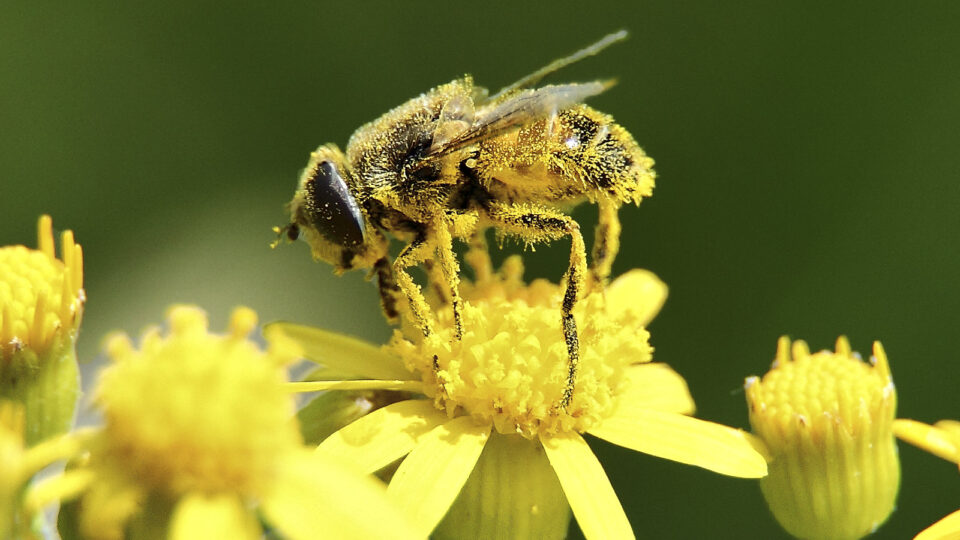
According to a new study published in the Proceedings of the National Academy of Sciences, an addition to the many hardships that climate change is causing around the world is the fact that it is making allergy season worse.

Researchers have found that there is a strong link between planetary warming and pollen seasons.  The combination of warming air and higher levels of carbon dioxide in the atmosphere has caused North American pollen seasons since 1990 to start some 20 days earlier, on average, and to have 21% more pollen.

The most pronounced effects were seen in Texas, the Midwest, and the Southeast.  The effects were less obvious in the northern United States, including New England and the Great Lakes states.  The greatest pollen increases came from trees, as opposed to grasses and weeds.

Allergies do not just trigger sniffles and sneezes; they have serious effects on public health in the form of asthma and other respiratory conditions.  Studies have shown that students do less well in school during peak pollen season.  Of special concern at the moment is that high-pollen periods have been associated with greater susceptibility to respiratory viruses.  The U.S. has nearly 25 million people with asthma and 19 million adults reported hay fever in the past 12 months.  Research suggests that the early onset of pollen season correlates with a higher risk of hospitalization for asthma.

There are far fewer pollen monitoring stations than those measuring particle pollutants and air quality.  As the climate warms, we need to pay more attention to pollen as an airborne pollutant.

**********

Web Links

Achoo! Climate Change Lengthening Pollen Season in U.S., Study Shows

Photo, posted May 18, 2012, courtesy of Forest Wander via Flickr.

Earth Wise is a production of WAMC Northeast Public Radio.
Monitoring Wildlife For Warning Signs of the Next Pandemic | Earth Wise

July 29, 2020 By EarthWise Leave a Comment

Monitoring wildlife to prevent the next pandemic

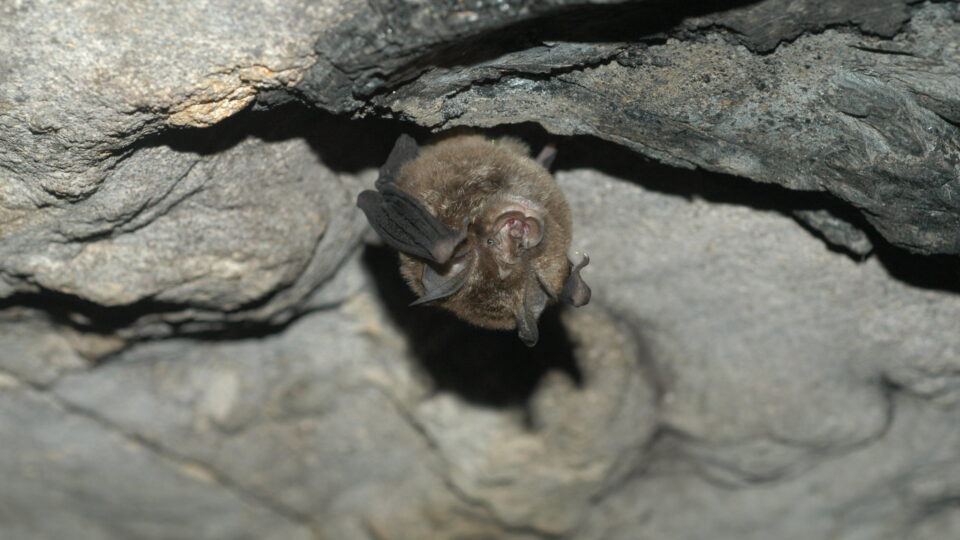
According to the World Health Organization, the coronavirus that causes COVID-19 likely originated in wild bats near Wuhan, China, and may have been passed to a second animal species before infecting people.  Since then, according to data from Johns Hopkins University, more than 13 million people around the world have been infected by COVID-19 and about 600,000 have died. 

But despite the ever-present threat of a new virus sparking the next pandemic, there is currently no global system to screen for viruses in wild animals that could eventually spill over to humans. 

In an article recently published in the journal Science, a group of scientists is calling for the creation of a decentralized global system of wildlife surveillance.  The establishment of this global system could help identify viruses in wild animals that have the potential to infect and sicken people before another global disease outbreak begins. 

According to the scientists, coronaviruses alone have caused outbreaks in humans three times in the last 20 years:  SARS (or Severe Acute Respiratory Syndrome), MERS (or Middle East Respiratory Syndrome), and COVID-19. 

While it’s impossible to know today how often viruses jump from animals to humans, human activity is making such spillover events more and more likely.  For instance, many continue to develop wild animal habitat to build new homes or businesses.  Some catch wild animals and re-sell them either for consumption or as exotic pets.  Parts from these wild animals are often shipped around the world as trinkets or as ingredients for traditional medicines. 

A global system that could identify potentially harmful viruses before they jump to humans is technologically feasible, affordable, and clearly necessary. 

**********

Web Links

COVID-19 Dashboard by the Center for Systems Science and Engineering (CSSE) at Johns Hopkins University (JHU)

Global wildlife surveillance could provide early warning for next pandemic

Photo, posted January 15, 2008, courtesy of Doug Beckers via Flickr.

Earth Wise is a production of WAMC Northeast Public Radio.
Lake George Health Report

December 26, 2019 By EarthWise Leave a Comment

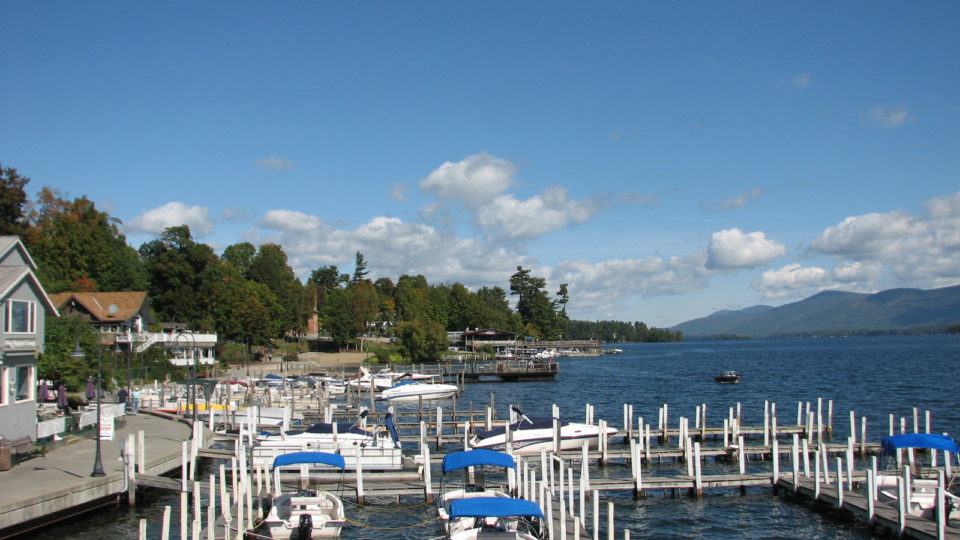
The Offshore Chemistry Program, run by the Darrin Fresh Water Institute at RPI, has been monitoring the deep waters of Lake George in New York for 40 years.  Lake George, nicknamed the Queen of American Lakes, is famed for the transparency of its water and a new report on the health of the lake reveals that it is doing rather well.

According to the report, although concentrations of chemicals and pollutants like salt and nutrients have increased in the deep waters of Lake George, they are still too low to harm the ecosystem at those depths.

The Offshore Chemistry Program studies the lake as part of a collaboration between RPI, IBM Research, and the FUND for Lake George that is called the Jefferson Project.  This long-term commitment provides a wealth of information over time matched by few lake studies in the world.

The recent results show that levels of salt, the nutrient orthophosphate, and chlorophyll have increased substantially over time, but none are yet at a level that will cause harm.

Orthophosphate occurs naturally, but most likely the higher levels are due to improperly functioning septic systems, failing wastewater treatment systems, and stormwater runoff.  The orthophosphate most likely triggered the increase in chlorophyll, which probably is associated with increased density of chlorophyll in individual algal cells, rather than an increase in total algal mass in the lake.

Overall, the results demonstrate the continuing resilience of Lake George to a growing array of stressors.  In nearly 40 years of human activities, the lake has changed in a number of ways, but the changes have so far been relatively small.  With such careful monitoring, we can hope to keep them that way.

**********

Web Links

Four Decades of Data Sounds Early Warning on Lake George

Photo, posted September 24, 2009, courtesy of GPA Photo Archive via Flickr.

Earth Wise is a production of WAMC Northeast Public Radio.
Salt Cocktails Compromise Freshwater

August 1, 2018 By EarthWise Leave a Comment

https://earthwiseradio.org/wp-content/uploads/2018/07/EW-08-01-18-Salt-Cocktails.mp3

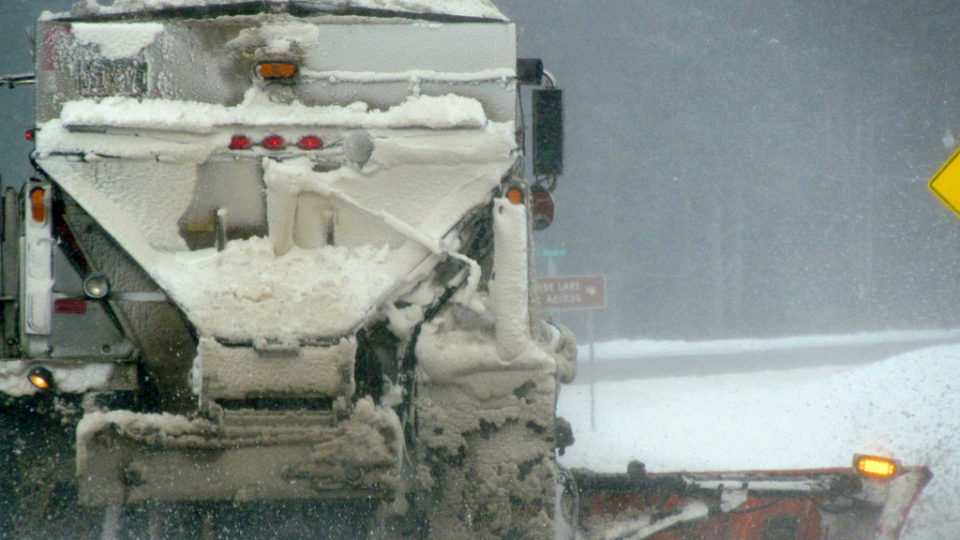
Human activities are exposing US rivers and streams to a cocktail of salts, with consequences for infrastructure and drinking water supplies. Road salt, fertilizers, and mining waste – as well as natural weathering of concrete, rocks, and soils – all contribute to increased salt in waterways. When these different salt compounds combine, their harmful effects can amplify.

[Read more…] about Salt Cocktails Compromise Freshwater

Fracking And Streams

March 8, 2018 By EarthWise Leave a Comment

https://earthwiseradio.org/wp-content/uploads/2018/03/EW-03-08-18-Fracking-and-Streams.mp3

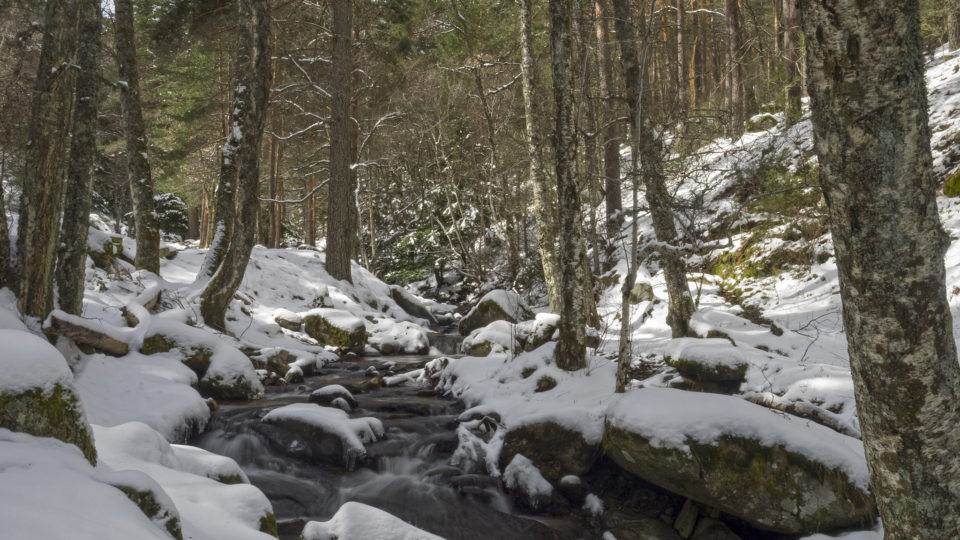
Hydraulic fracturing – better known as fracking – is a method of extracting oil and gas from shale deposits in which millions of gallons of freshwater and chemicals are injected into deep underground deposits.  There has been a great deal of concern related to the effects that this process has on water quality and also on the stability of the ground in the vicinity of where it takes place.

[Read more…] about Fracking And Streams

Learning From Fire

December 28, 2017 By EarthWise Leave a Comment

https://earthwiseradio.org/wp-content/uploads/2017/12/EW-12-28-17-Learning-from-Fire-1.mp3

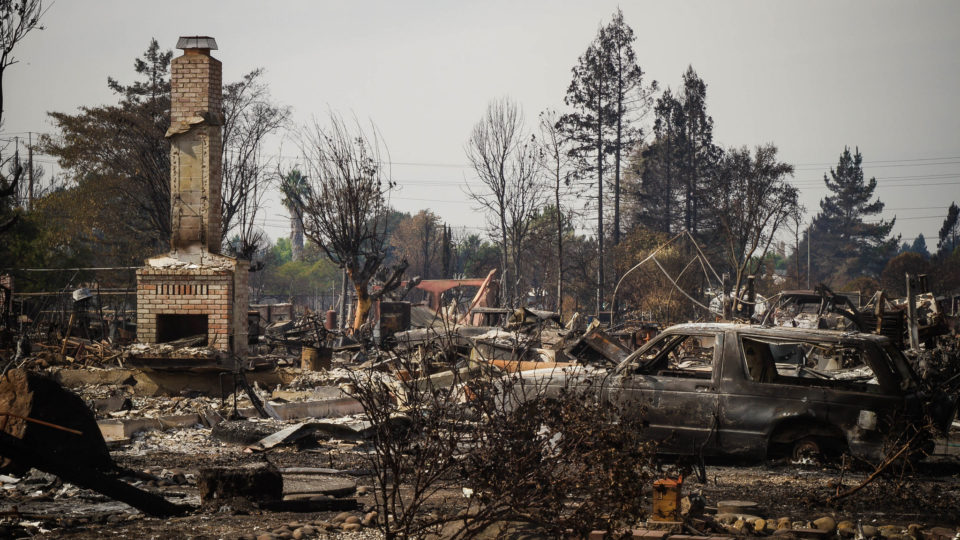
The Tubbs Fire was the huge wildfire that burned parts of Napa, Sonoma and Lake counties in Northern California in October.  Between that fire and several smaller ones going on at the same time, at least 43 people died and over 8,400 homes and buildings were destroyed.  The Tubbs Fire alone burned over 36,000 acres. The even larger December wildfires in Southern California scorched hundreds of thousands of acres in multiple counties.

[Read more…] about Learning From Fire

Wind Farms And Ordinary Farms

January 18, 2017 By EarthWise

https://earthwiseradio.org/wp-content/uploads/2016/12/EW-01-18-17-Wind-Farms-and-Ordinary-Farms.mp3

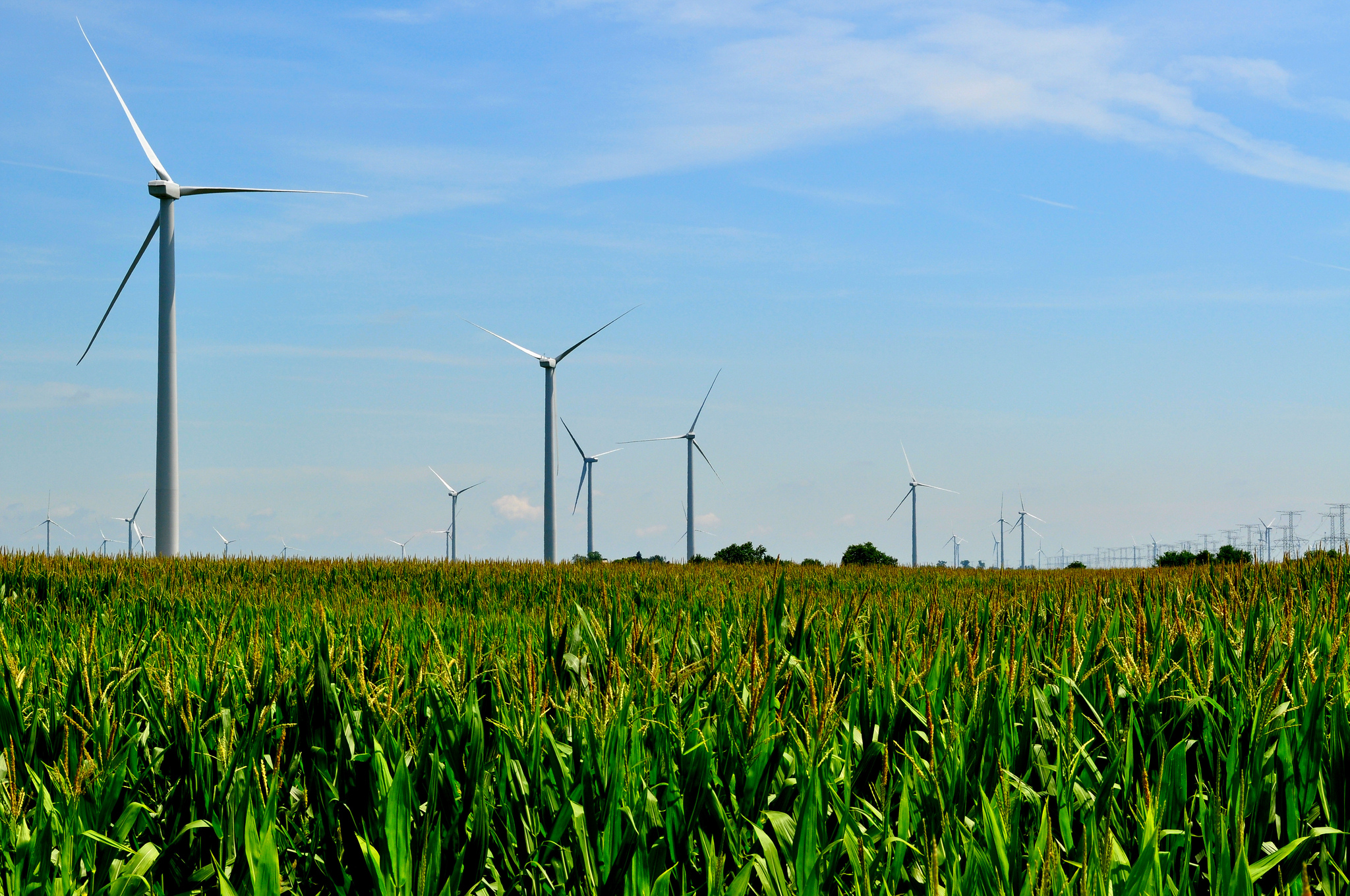
Farmers in many places have found additional sources of income by allowing wind turbines to be built on their land.  One example is the Amazon Wind Farm, which is a massive project of over 100 turbines near Elizabeth City, North Carolina.  The 494-foot tall turbine towers scattered over 34 square miles are rising up above farms that grow corn, wheat and soybeans.  It is the first utility-scale wind farm in the Southeast.

[Read more…] about Wind Farms And Ordinary Farms

Record Low Sea Ice

January 13, 2017 By EarthWise

https://earthwiseradio.org/wp-content/uploads/2016/12/EW-01-13-17-Record-Low-Sea-Ice.mp3

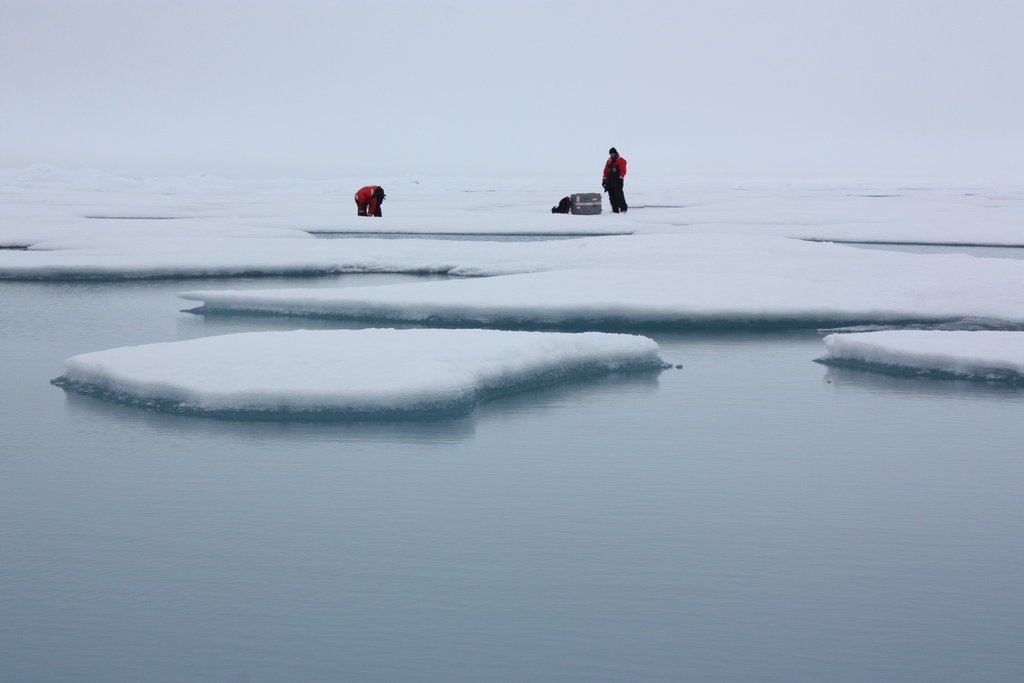
This time of the year, sea ice in the Arctic is on the rise as winter sets in.  A combination of unusually high air temperatures and a warmer than normal ocean led to a record low for Arctic sea ice extent in November.  In the Southern Hemisphere, Antarctic sea ice extent also hit a record low for the month.

[Read more…] about Record Low Sea Ice

  • « Go to Previous Page
  • Page 1
  • Page 2

Primary Sidebar

Recent Episodes

  • An uninsurable future
  • Clean energy and jobs
  • Insect declines in remote regions
  • Fossil fuel producing nations ignoring climate goals
  • Trouble for clownfishes

WAMC Northeast Public Radio

WAMC/Northeast Public Radio is a regional public radio network serving parts of seven northeastern states (more...)

Copyright © 2026 ·