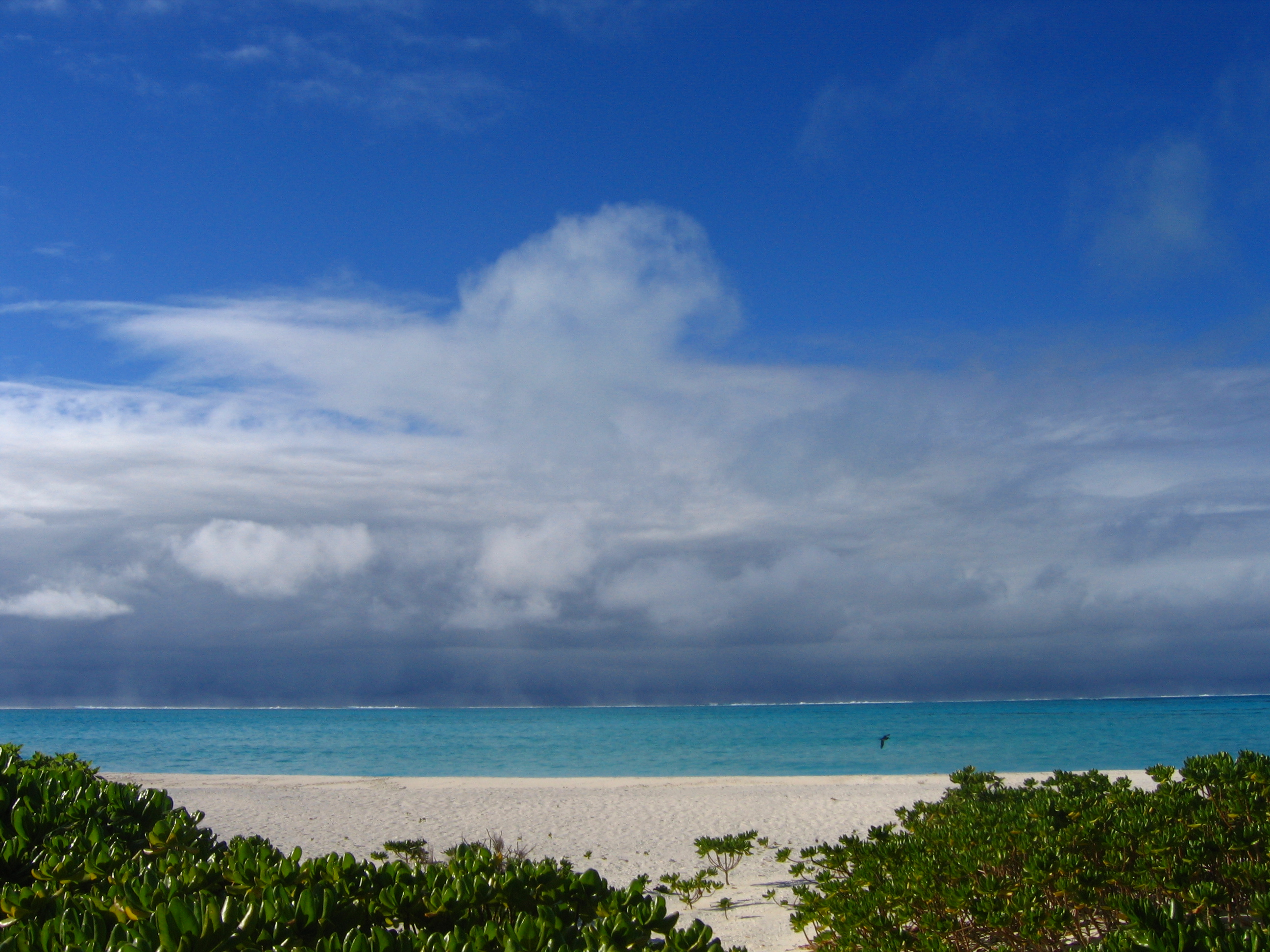
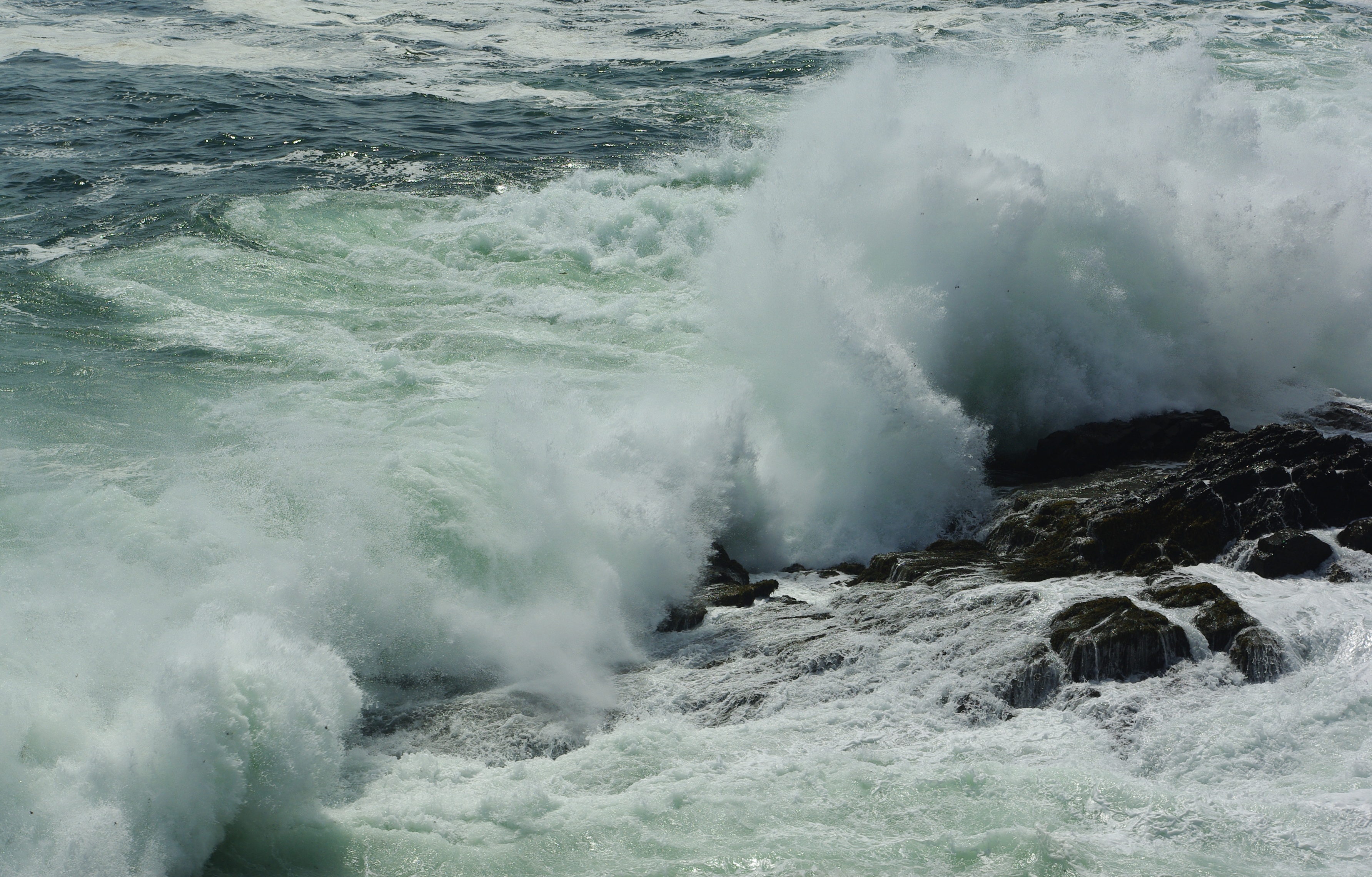
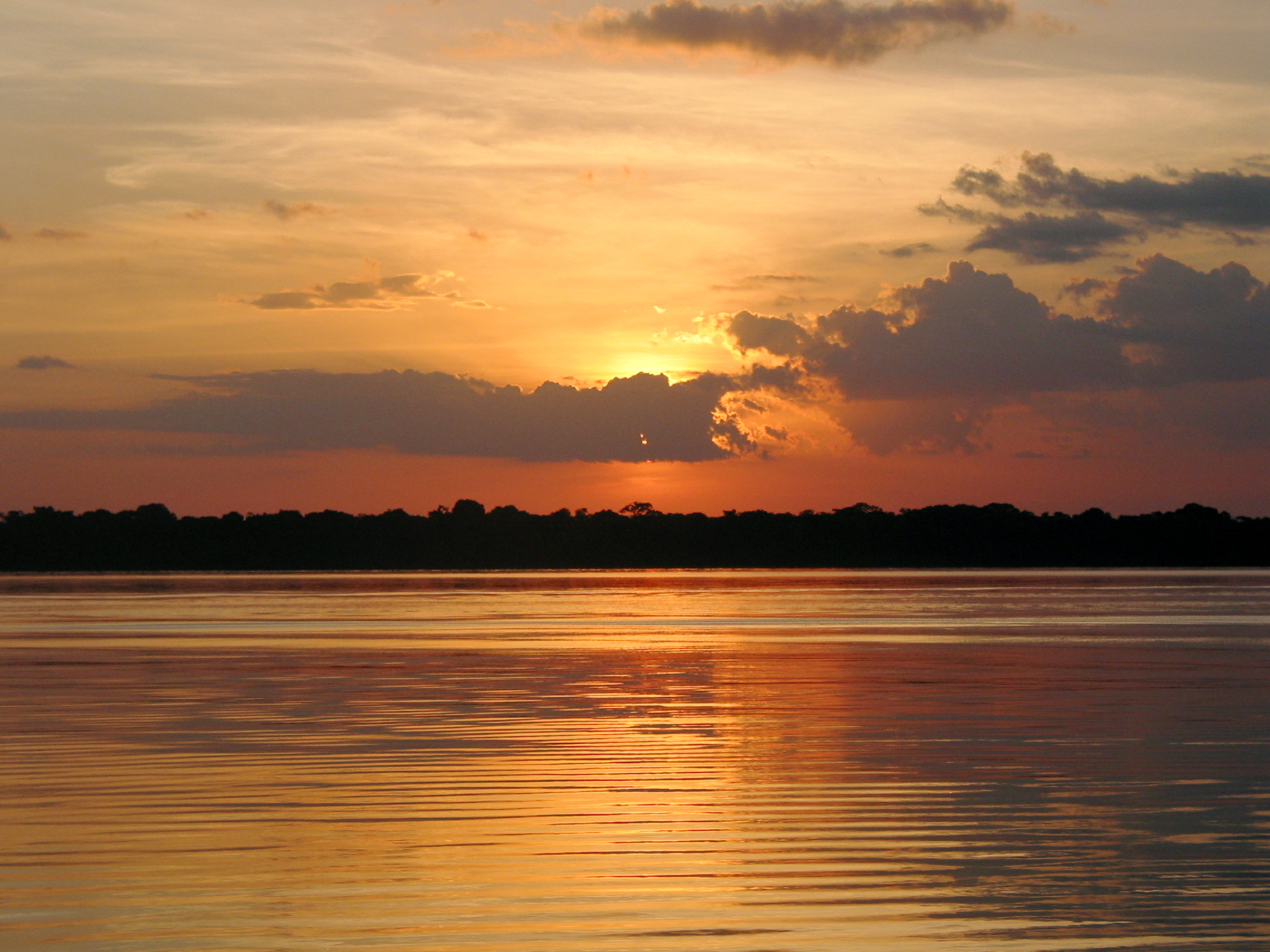
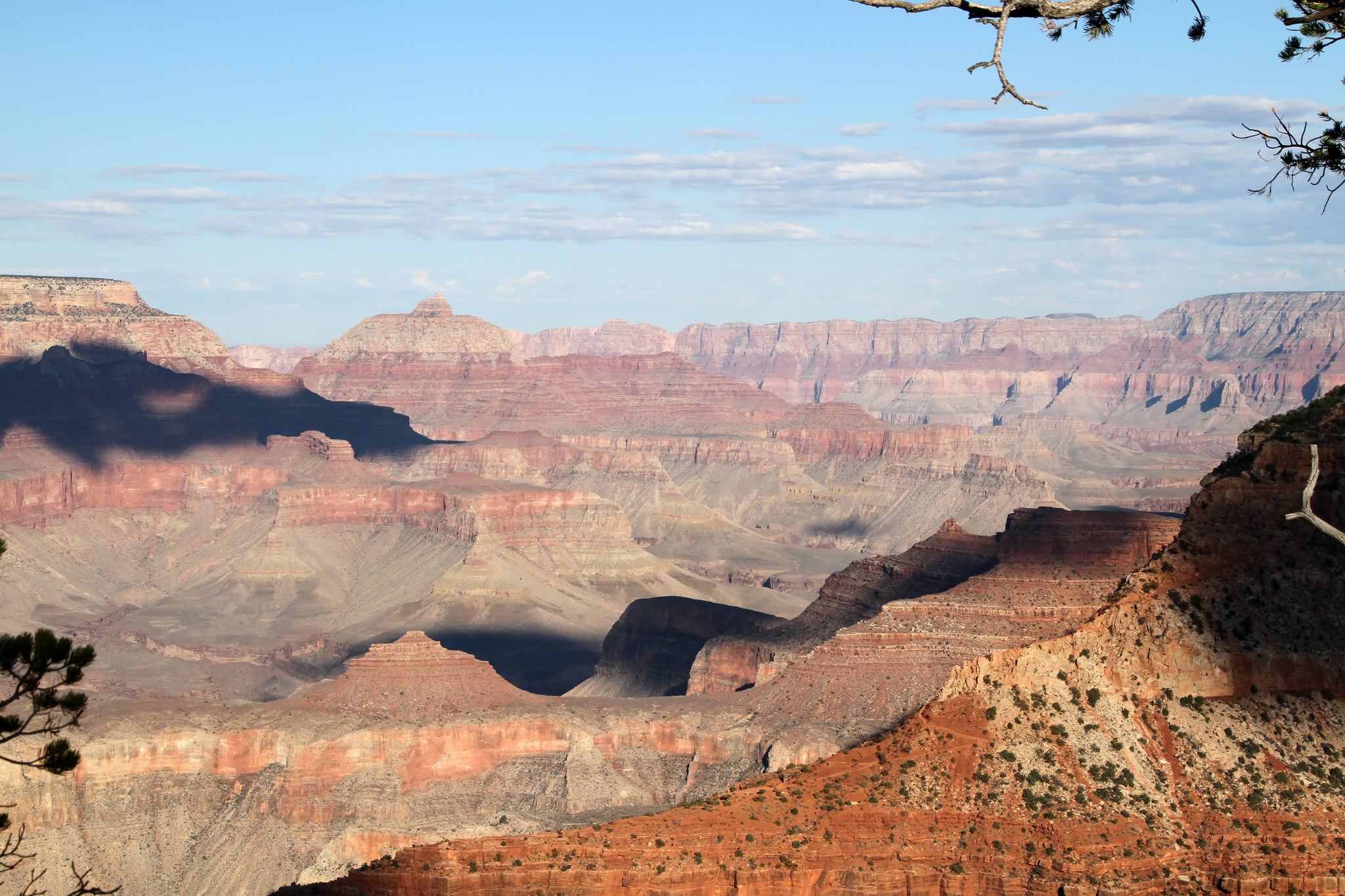
This year marks the 100th anniversary of the National Parks and this year the largest protected area anywhere on Earth has now been created. Twice the size of Texas, the marine park also has the longest name among National Parks: it is the Papahanaumokuakea Marine National Monument.
Farming, forestry, mining and recreation are the primary vocations in rural America. In coastal areas like Maine, fishing joins the list. And for Maine, commercial fishing has long been a major engine for the economy.
Hydrogen is the most abundant element in the universe. Estimates are that it comprises 75% of all matter. There is plenty of it here on earth too, but almost none of it is in its elemental form. It is mostly bound up in compounds like water.
Natural world heritage sites exemplify the world’s greatest areas of natural beauty, ecology, geology, and biodiversity. They are recognized internationally for their value as places with significance that is “so exceptional as to transcend national boundaries and be of common importance for present and future generations of all humanity.” Many of these areas also are a vital source of food, fuel, and water for rural communities, and provide a revenue stream for national economies through tourism and recreation. The livelihoods of some 11 million people are directly dependent on these areas.
We recently highlighted how safe drinking water is in short supply. According to research published in the journal Science Advances, at least two thirds of the global population – more than four billion people – live with severe water scarcity for at least one month every year. And 500 million people around the world face water scarcity all year.