• Skip to primary navigation
  • Skip to main content
  • Skip to primary sidebar

Earth Wise

A look at our changing environment.

  • Home
  • About Earth Wise
  • Where to Listen
  • All Articles
  • Show Search
Hide Search
You are here: Home / Archives for local

local

Can We Tow Icebergs To Use Their Water? | Earth Wise

February 23, 2021 By EarthWise Leave a Comment

Using icebergs for freshwater

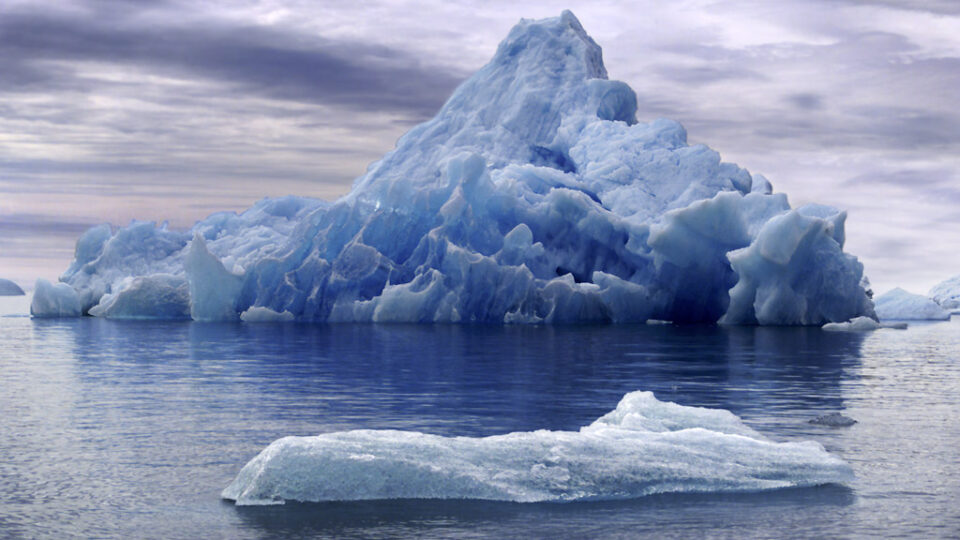
At any given time, there are thousands of icebergs adrift in Antarctica that are hundreds or even thousands of feet across.  For at least fifty years, there has been speculation about whether such icebergs could be towed from the Antarctic to places experiencing freshwater shortages.  The feasibility of such a scheme is still the subject of studies that nowadays include sophisticated computer modeling.

Places like the Persian Gulf, Cape Town, South Africa, and Perth, Australia all experience water shortages and could benefit tremendously from having a large iceberg towed to their waters.

How big an iceberg would it take to quench the thirst of a city like Cape Town?  Computer models show that an iceberg 2,000 feet long and 650 feet thick could produce enough water to supply the city for more than a year.  However, with water temperatures in the 60s in the area, even such a large iceberg would melt away within weeks.  So, to get enough water for a year, it would require a much larger iceberg – one at least a couple of miles long.

Daunting problems include figuring out how many and what sort of ships would be required.  An alternative to such giant icebergs would be finding a way to insulate the icebergs so they don’t melt as quickly, thereby allowing much smaller and more towable icebergs to be harvested.

Beyond these issues, there are the ecological issues of the effects of huge amounts of very cold fresh water affecting local marine ecosystems. 

Despite a wide range of challenges, there is continued interest in the idea of using icebergs as a source of very pure fresh water.  In an increasingly thirsty world, it might someday actually happen.

**********

Web Links

Can icebergs be towed to water-starved cities?

Photo, posted November 1, 2007, courtesy of M A Felton via Flickr.

Earth Wise is a production of WAMC Northeast Public Radio.
Volunteer Tourism | Earth Wise

February 13, 2020 By EarthWise 1 Comment

volunteer tourism aids disaster recovery

Spending vacation time in a disaster zone seems like a crazy idea, but so-called volunteer tourism can actually be a big help to communities trying to recover from natural disasters.  It can also be a unique and rewarding experience for the volunteers.

Such volunteer tourism should not be confused with “disaster tourism”, the unfortunate practice of rushing to the scene of a calamity to gawk.  That is certainly no help to anyone.

When disaster strikes a destination usually frequented by tourists, people naturally tend to stay away, leaving communities to deal with the loss of tourism income on top of the costs of repair and recovery.

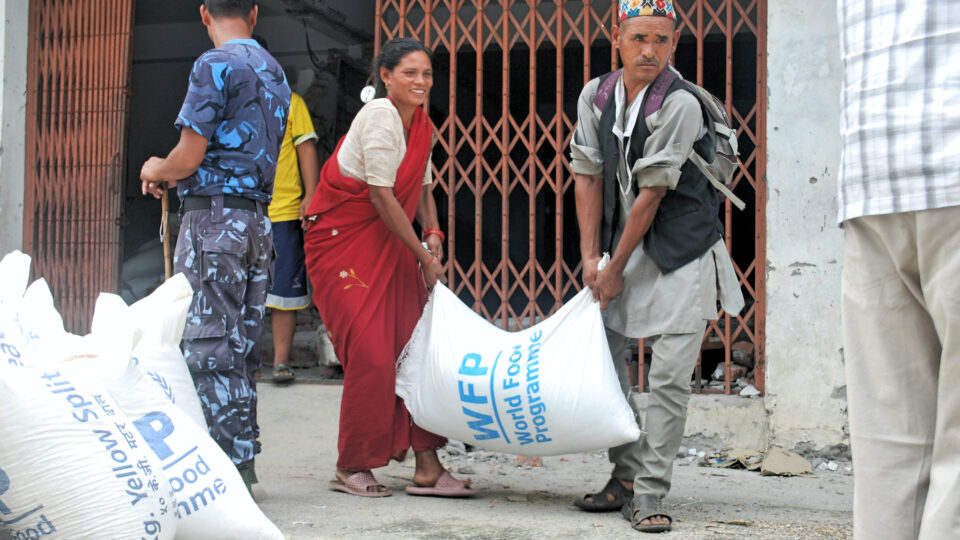
A study by UTS, a technology university in Sydney, Australia, looked at the effects of volunteer tourism in the wake of the April 2015 earthquake in Nepal.  They found that when it is done in an ethical matter than takes into account local conditions and the affected community, volunteer tourism can aid recovery and resilience.

In the months following the earthquake, most relief organizations asked international volunteers not to come unless they had specific expertise, such as medical skills, building skills, or emergency response experience.  Eventually, Nepal relaxed conditions to include volunteers to help rebuild homes and schools, to intern in hospitals, and to support NGOs and to re-establish sustainable agriculture.

According to the Nepal Association of Tour and Travel Agents, almost one third of the tours booked to Nepal in the two years after the earthquake comprised groups who combined tourism with volunteering or philanthropy.

Volunteer tourism isn’t for everyone and for every situation, but for places that rely on tourism for their economy, building volunteer tourism into the recovery process can be a good strategy.

**********

Web Links

Volunteer tourism can aid disaster recovery

Photo, posted July 2, 2015, courtesy of the World Humanitarian Summit via Flickr.

Earth Wise is a production of WAMC Northeast Public Radio.
Scandinavian Wine

December 20, 2019 By EarthWise Leave a Comment

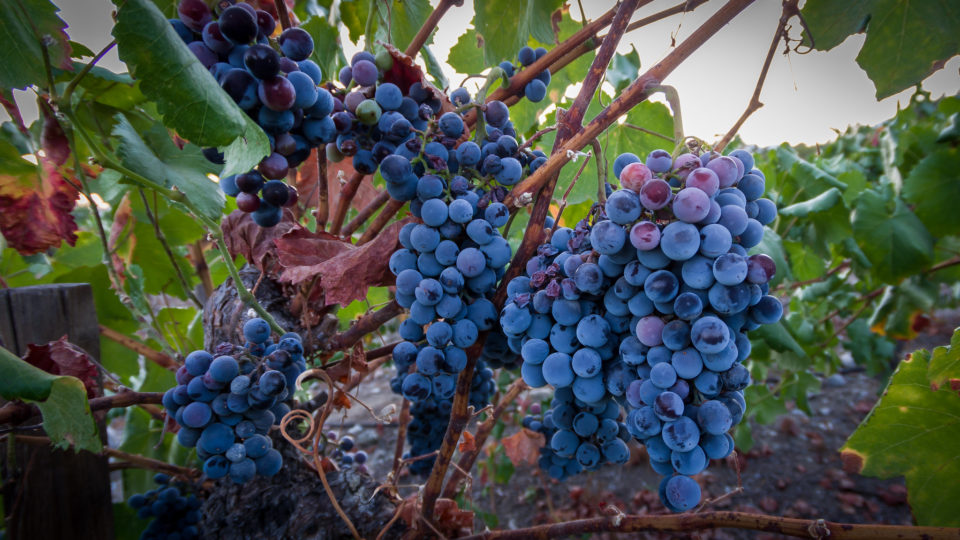
The warming climate is creating some unexpected entrepreneurial opportunities.  Many places that have traditionally dominated the wine industry are starting to be worried that the local climates that made them ideal for vineyards are changing and becoming much less ideal.  On the other hand, places where wine-making was regarded as a losing proposition are becoming much more hospitable.  A prime example is Scandinavia.

Nordic vintners are increasingly convinced that they can develop thriving commercial operations in what used to be places that are too cold for successful wine-making.

Denmark now has 90 commercial vineyards, up from just two 15 years ago.  Forty vineyards have sprung up in Sweden.  About a dozen vineyards are now operating as far north as Norway.

Many of these Nordic vineyards are in the startup stage and are tiny compared with the established wineries of Europe.  Europe has 10 million acres of vineyards, which is enough to cover almost the entire country of Denmark.  At the moment, there are only about 1,000 acres of vineyards in Denmark and Sweden.

But, looking forward, Scandinavia’s climate is forecast to be more like northern France, as regional temperatures climb as much as 10 degrees Fahrenheit.  Over the past decade, warming has produced milder winters, a longer growing season, and even a small but rising number of award-winning Scandinavian wines.

Meanwhile, traditional wine-growing regions are also dealing with climate change.  Winemakers in France, for example, are experimenting with grapes from warmer countries like Tunisia to see if they can retain the tastes and yields that are the basis of a multibillion-dollar wine industry.  Spanish and Italian winemakers are planting grapes higher up on mountainsides or on shaded north-facing slopes to preserve the quality of their wine.

**********

Web Links

Scandinavian Wine? A Warming Climate Tempts Entrepreneurs

Photo, posted August 24, 2019, courtesy of Ron Reiring via Flickr.

Earth Wise is a production of WAMC Northeast Public Radio.
Food Production And Climate Change

January 29, 2019 By EarthWise Leave a Comment

According to a University of Oxford study recently published in the journal Science, food production is a major driver of climate change as it’s responsible for 26% of all greenhouse gas emissions.  But the research team found that the environmental impact of different foods varied greatly. 

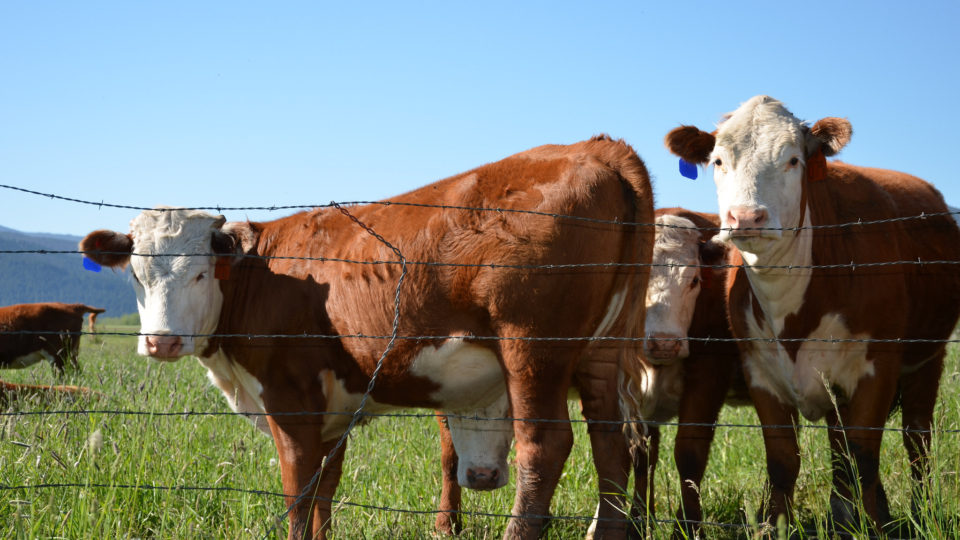
Meat and other animal products are responsible for 58% of all food-related greenhouse gas emissions, despite only providing approximately one-fifth of the calories we consume.  The researchers found that beef and lamb in particular have the most damaging effect on the planet, responsible for half of all greenhouse gas emissions from animal agriculture. 

These findings echo recommendations from the Intergovernmental Panel on Climate Change about how individuals can reduce their carbon footprint through diet.  The IPCC suggests we consume less meat and dairy products, consume more locally-sourced seasonal foods, and throw less food in the trash.  

Avoiding meat and dairy products can reduce an individual’s carbon footprint from food by two-thirds.  The effects of doing so include everything from conserving water and preserving biodiversity to reducing pollution and deforestation. 

Interestingly, the same food can have major differences in terms of environmental impacts.  For example, beef raised on deforested land is responsible for 12 times as many greenhouse gas emissions as that raised on natural pastures.  But even the most climate-friendly meat options are still responsible for more greenhouse gas emissions than the highest-impact vegetable proteins, like beans and nuts. 

Big differences can also be made by avoiding chocolate and coffee produced from deforested lands.  

To learn more about the climate impact of your diet, follow the link to the ‘Climate Change Food Calculator’ on our website: Earth-Wise-Radio.org. 

**********

Web Links

Reducing food’s environmental impacts through producers and consumers

Climate change food calculator

Photo, posted June 21, 2011, courtesy of USDA NRCS Montana via Flickr.

Earth Wise is a production of WAMC Northeast Public Radio.
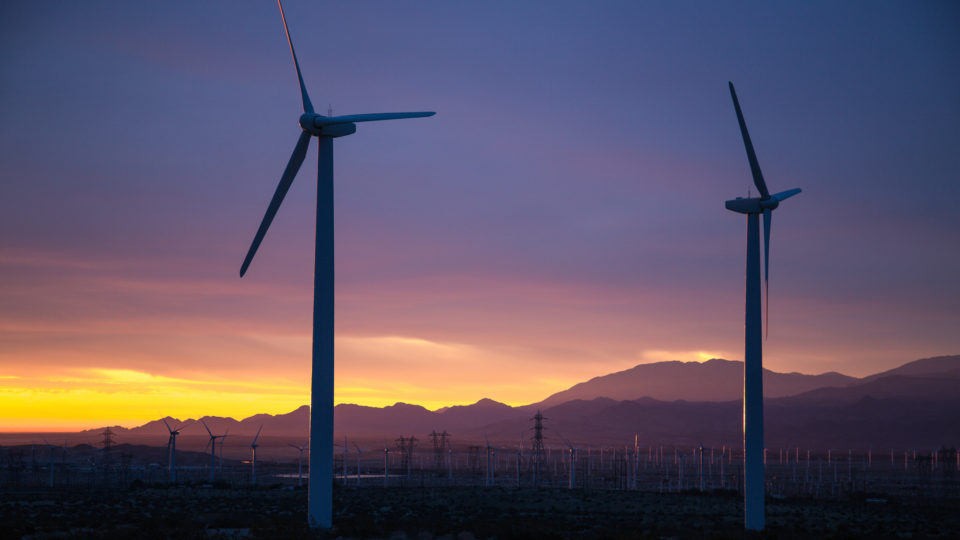
Environmental Impact of Wind Power

November 8, 2018 By EarthWise Leave a Comment

https://earthwiseradio.org/wp-content/uploads/2018/11/EW-11-08-18-Environmental-Impact-of-Wind-Power.mp3

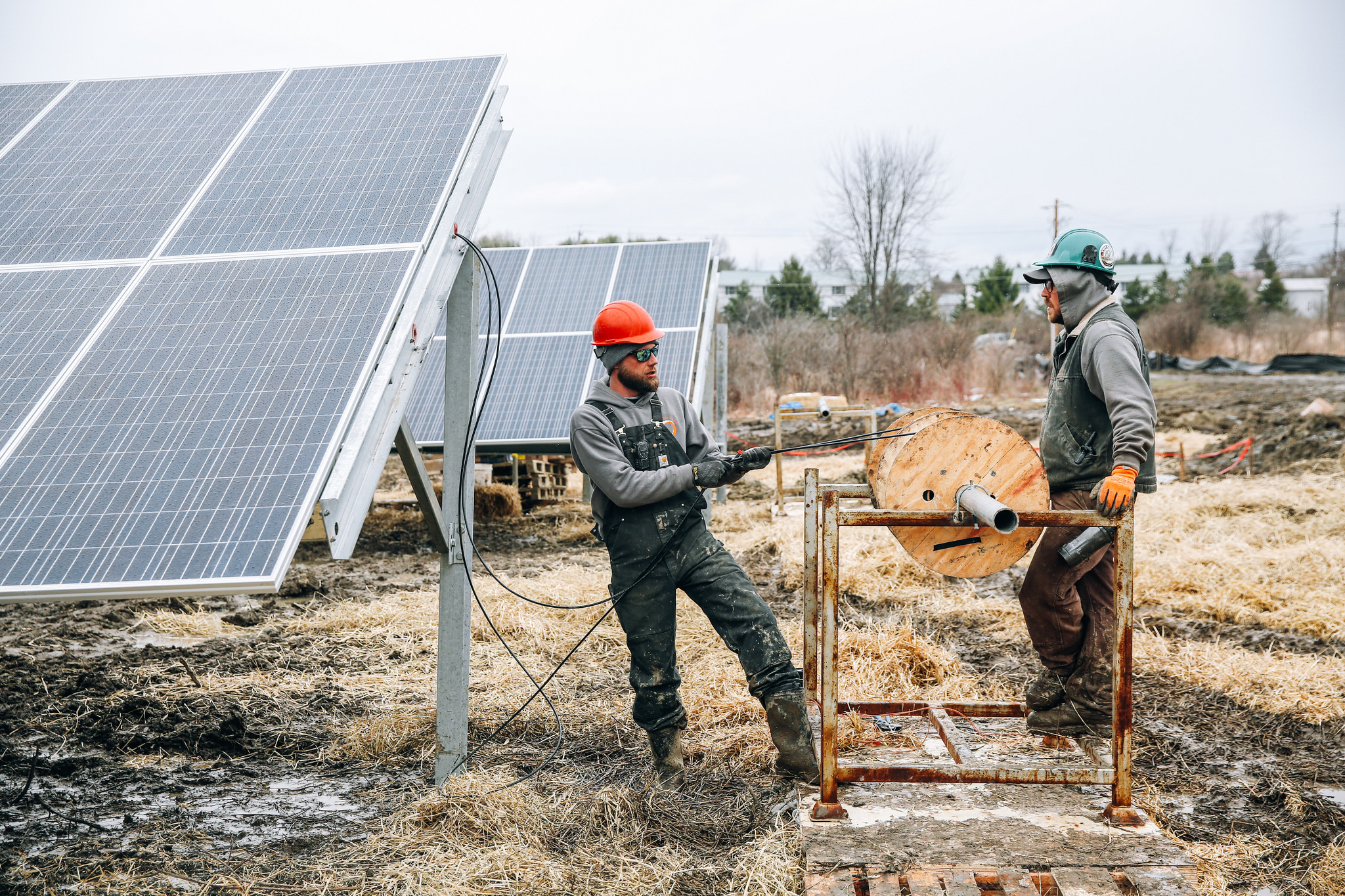
A recent study by Harvard University researchers published in two papers looked at the environmental impact of installing sufficient wind power to meet all the energy needs of the US.  While doing so would be far better for the environment than burning coal, it would not have negligible impacts. 

[Read more…] about Environmental Impact of Wind Power

Losing Forests Is Felt Far Away

July 6, 2018 By EarthWise 2 Comments

https://earthwiseradio.org/wp-content/uploads/2018/06/EW-07-06-18-Losing-Forests-is-Felt-Far-Away.mp3

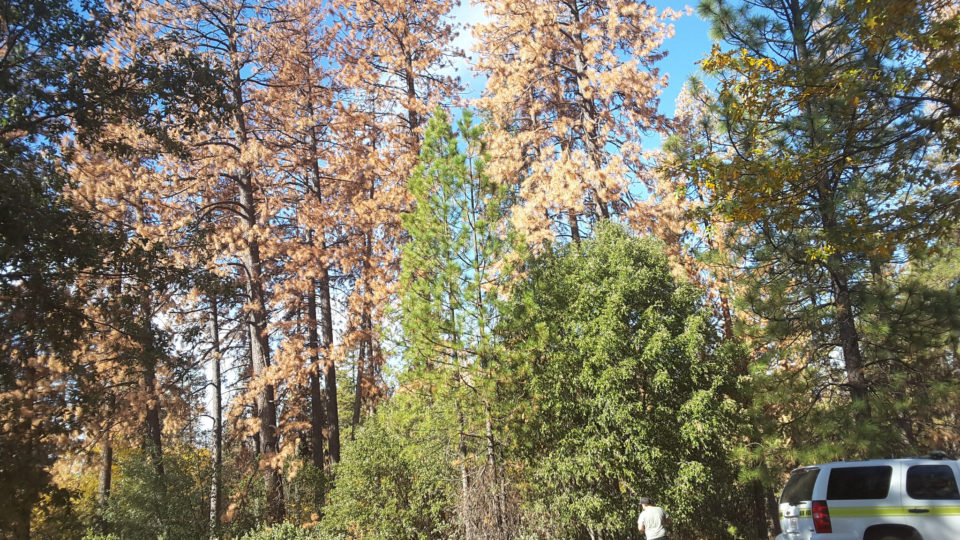
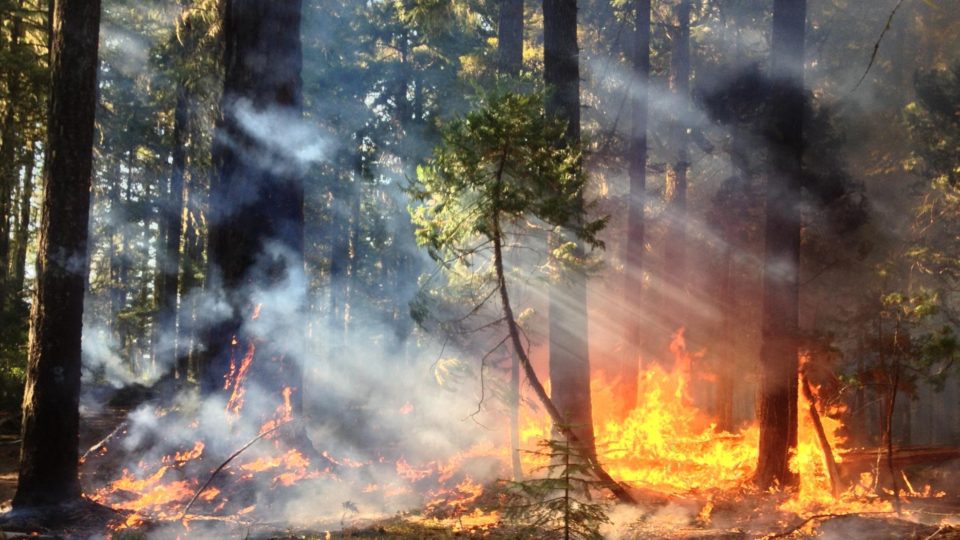
Large areas of forests in our country are vulnerable to drought, fires and disease.  When forests are heavily damaged, there are well-known local impacts:  drier soils, stronger winds, increased erosion, loss of shade and loss of habitat.

[Read more…] about Losing Forests Is Felt Far Away

Air Pollution Reducing Global Warming

April 12, 2018 By EarthWise Leave a Comment

https://earthwiseradio.org/wp-content/uploads/2018/04/EW-04-12-18-Air-Pollution-Reducing-Global-Warming.mp3

Pollution particles emitted by diesel cars and trucks, coal-fired power plants, factories, primitive cook stoves, and the burning of forests are major contributors to the pervasive air pollution that plagues many cities and regions of the world.  In India and China, such pollution leads to hundreds of thousands of deaths each year.   And countries around the world are working hard to reduce pollution.

[Read more…] about Air Pollution Reducing Global Warming

Is A Real Christmas Tree Or A Fake One Better for the Planet? 

December 7, 2017 By EarthWise 2 Comments

https://earthwiseradio.org/wp-content/uploads/2017/11/EW-12-07-17-Real-or-Fake-Xmas-Trees.mp3

For many, the Christmas tree is a quintessential part of the holiday season.  According to the American Christmas Tree Association, 81% of Christmas trees Americans decorated in 2016 were artificial.  But are artificial trees really the better option for the environment?

[Read more…] about Is A Real Christmas Tree Or A Fake One Better for the Planet? 

New York Steps Up

August 14, 2017 By EarthWise

https://earthwiseradio.org/wp-content/uploads/2017/07/EW-07-24-17-New-York-Steps-Up.mp3

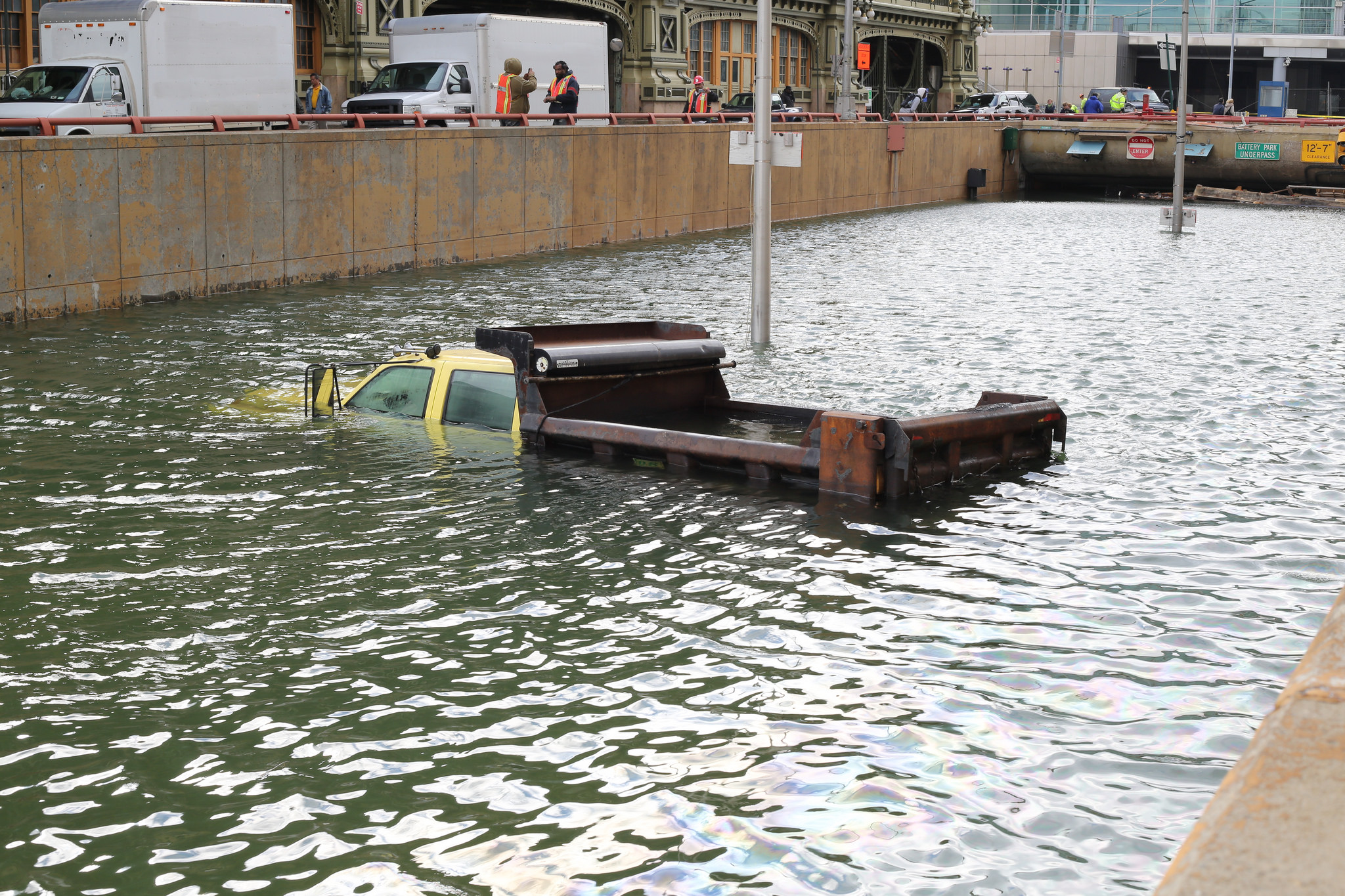
Now that the Trump administration announced that the United States would cease implementation of the Paris Climate Agreement, various state, local and corporate entities in this country have been stepping up to assume climate leadership.

[Read more…] about New York Steps Up

Greening Vacations

April 18, 2017 By EarthWise

https://earthwiseradio.org/wp-content/uploads/2017/03/EW-04-18-17-Making-Vacations-Greener.mp3

According to the United Nations World Tourism Organization, more than one billion international tourists travel the world each year.  Tourism has become a powerful and transformative force for many millions of people.  But all this travel is not as positive for the planet.  To that end, the luxury travel network Virtuoso assembled a short, simple list everyone can follow to reduce the environmental impact of their travel. 

[Read more…] about Greening Vacations

Restoring The Taste Of Tomatoes

March 1, 2017 By EarthWise

https://earthwiseradio.org/wp-content/uploads/2017/03/EW-03-01-17-Restoring-the-Taste-of-Tomatoes.mp3

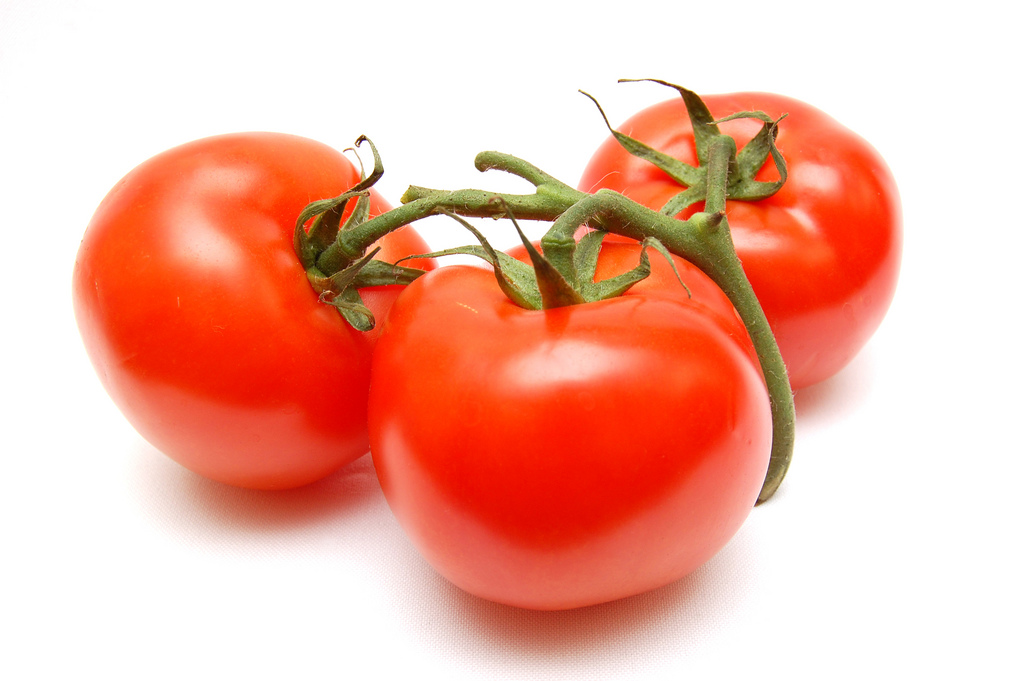
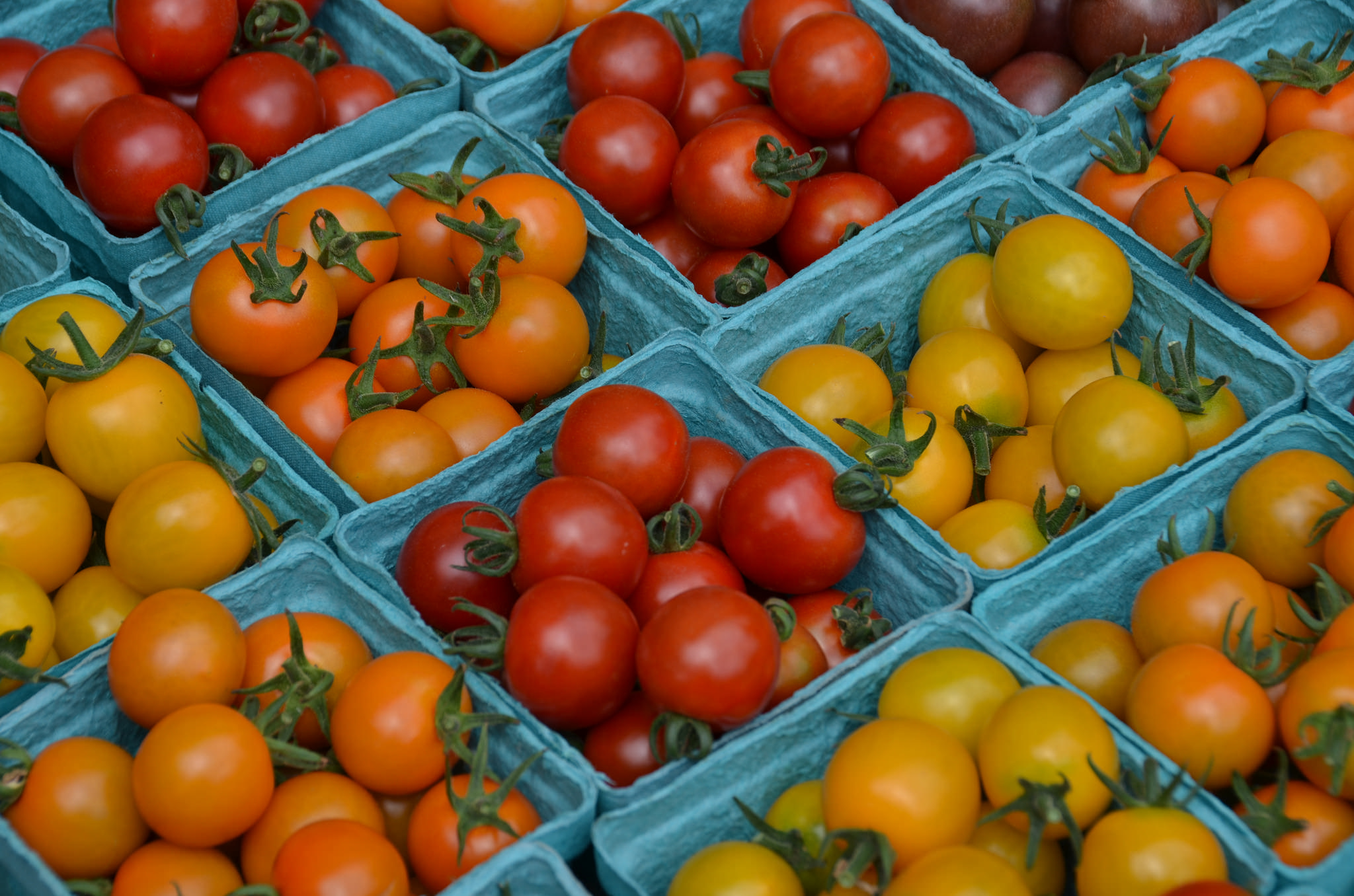
Over the years, tomatoes have been selectively bred for qualities such as size and firmness for shipping purposes and appearance, but selection for flavor has generally been overlooked.  Many of us find that the tomatoes we buy in the grocery store just don’t taste like they used to.  In fact, often they don’t taste like much of anything.  Comparing them to the delicious local-grown varieties we can find during the summer provides evidence for this conclusion.

[Read more…] about Restoring The Taste Of Tomatoes

Global Climate Or Local Weather?

January 25, 2017 By EarthWise

https://earthwiseradio.org/wp-content/uploads/2017/01/EW-01-25-17-Global-Climate-or-Local-Weather.mp3

We don’t experience climate; we experience weather.  And a new study has found that what Americans believe about the changing climate often depends more on their personal experience than what is going on around the world.

[Read more…] about Global Climate Or Local Weather?

Help Save The Bees

December 13, 2016 By EarthWise

https://earthwiseradio.org/wp-content/uploads/2016/12/EW-12-13-16-Help-Save-the-Bees.mp3

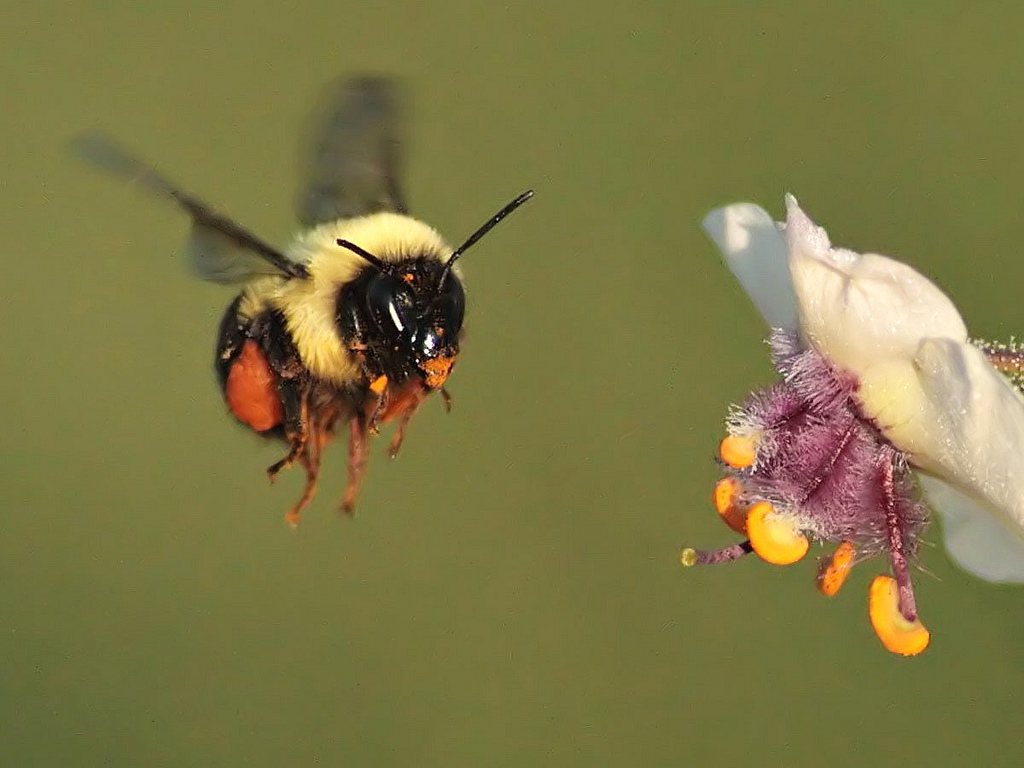
Globally, 40% of invertebrate pollinator species, such as bees and butterflies, are facing extinction.  And since approximately three-quarters of the world’s food crops depend on pollination, the decline of these pollinators could pose a threat to food security around the globe. 

[Read more…] about Help Save The Bees

Local Food In A Global World

November 12, 2015 By WAMC WEB

https://earthwiseradio.org/wp-content/uploads/2015/11/EW-11-12-15-Food-Miles.mp3

In the Northeast, many are enjoying the last of autumn’s bounty. When we grow fruits and vegetables, we can choose to forgo pesticides, GMOs, or industrial fertilizer. When we shop at farmer’s markets, we support family farms and help maintain open space that we all enjoy.

[Read more…] about Local Food In A Global World

Electricity Goes Local

August 10, 2015 By EarthWise

Wind Power

https://earthwiseradio.org/wp-content/uploads/2015/08/EW-08-10-15-Electricity-Goes-Local-.mp3

Towns and cities are increasingly aware of the value of gaining control over their energy supply in order to make sure it is clean, efficient, reliable and secure.  The central concept of what may become a local power revolution is the microgrid.

[Read more…] about Electricity Goes Local

It’s National Farmers Market Week!

August 3, 2015 By EarthWise

NYC Farmers Market

https://earthwiseradio.org/wp-content/uploads/2015/08/EW-08-03-15-Finding-Farmers-Markets.mp3

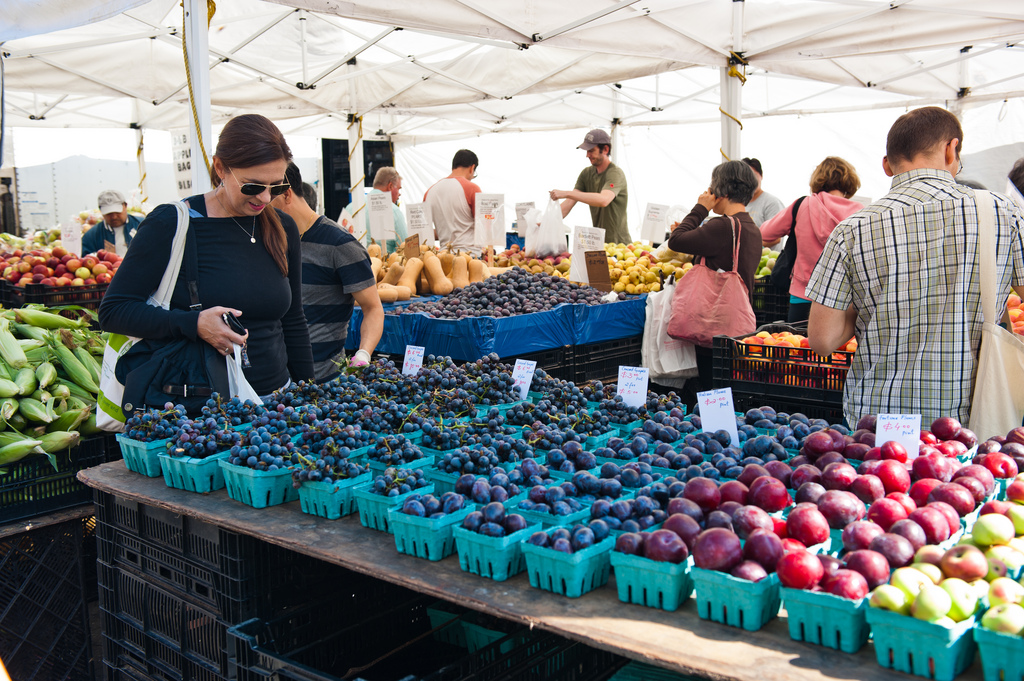
Are you familiar with the farmers markets, CSAs, and food hubs near you?  Do you know what products are for sale and what forms of payment are accepted?  Can you find these places while on vacation?

[Read more…] about It’s National Farmers Market Week!

  • « Go to Previous Page
  • Page 1
  • Page 2

Primary Sidebar

Recent Episodes

  • An uninsurable future
  • Clean energy and jobs
  • Insect declines in remote regions
  • Fossil fuel producing nations ignoring climate goals
  • Trouble for clownfishes

WAMC Northeast Public Radio

WAMC/Northeast Public Radio is a regional public radio network serving parts of seven northeastern states (more...)

Copyright © 2026 ·