leaves
Is It Time to Ban Neonics?
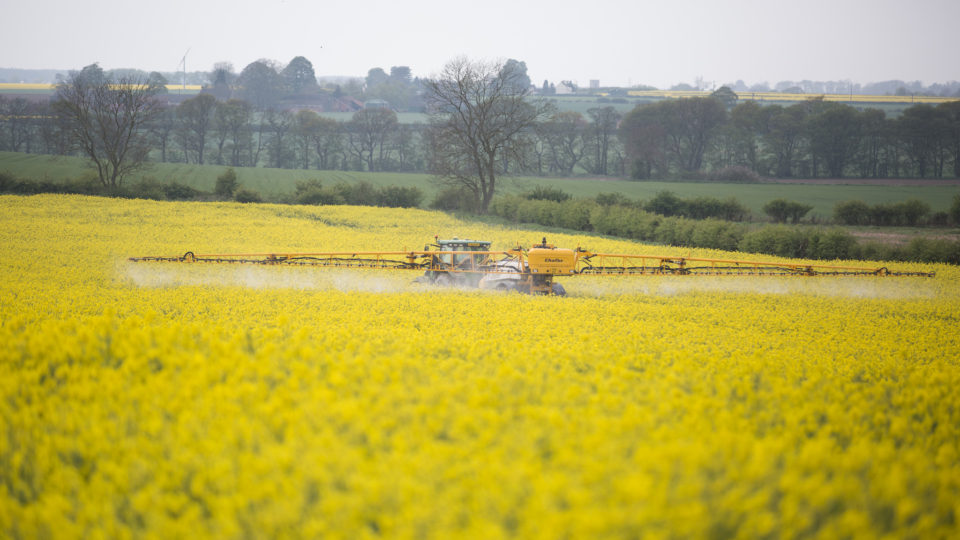
Neonicotinoids (or ‘neonics’ for short) are a class of insecticides chemically related to nicotine. In fact, the name ‘neonicotinoid’ literally means “new nicotine-like insecticide.” And like nicotine, neonics act on certain kinds of receptors in the nerve synapse. Most corn, soy, and wheat seeds planted today are coated with neonics, which is reportedly 5,000 to 10,000 times more toxic than DDT.
Spring Is Springing Earlier
A comprehensive study has confirmed what has been widely believed in the scientific community and in popular reports for years: spring is arriving earlier and the further north you go, the more pronounced is the effect.
Carbon And Heating Soil
Plants are a critical part of the Earth’s carbon cycle. They take in carbon dioxide during photosynthesis. Eventually, dead leaves, branches and other materials fall to the ground where bacteria and fungi decompose the materials and release the CO2 back into the atmosphere. This carbon-soil feedback loop is a complicated one that is critical to the overall carbon balance because soils actually contain two to three times more carbon than the atmosphere.
Earthworms And Sugar Maple Decline
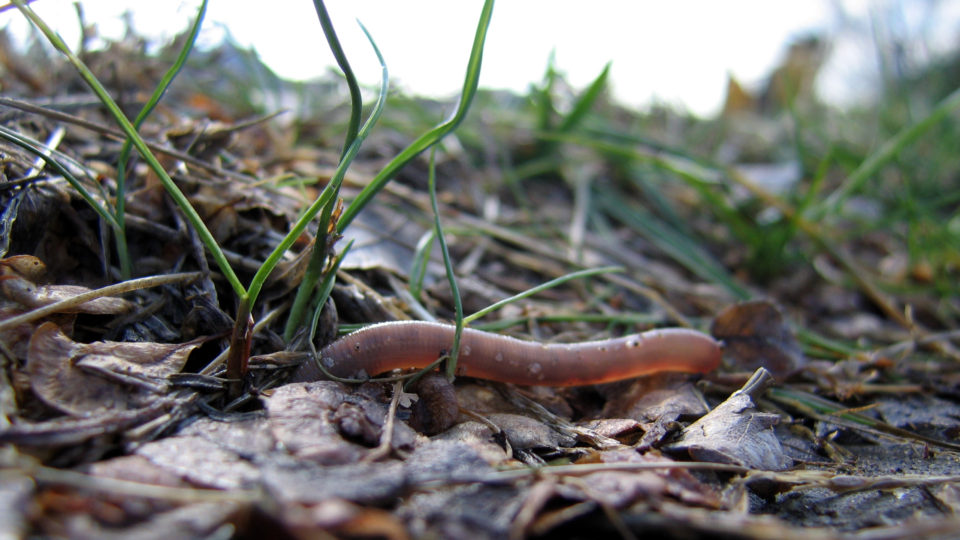
The decline of sugar maple trees has been observed for well over 50 years. It is not a specific disease or a syndrome but instead is a generalized set of symptoms that have been affecting these valuable trees in many areas for a long time.
Trees Are Not Enough
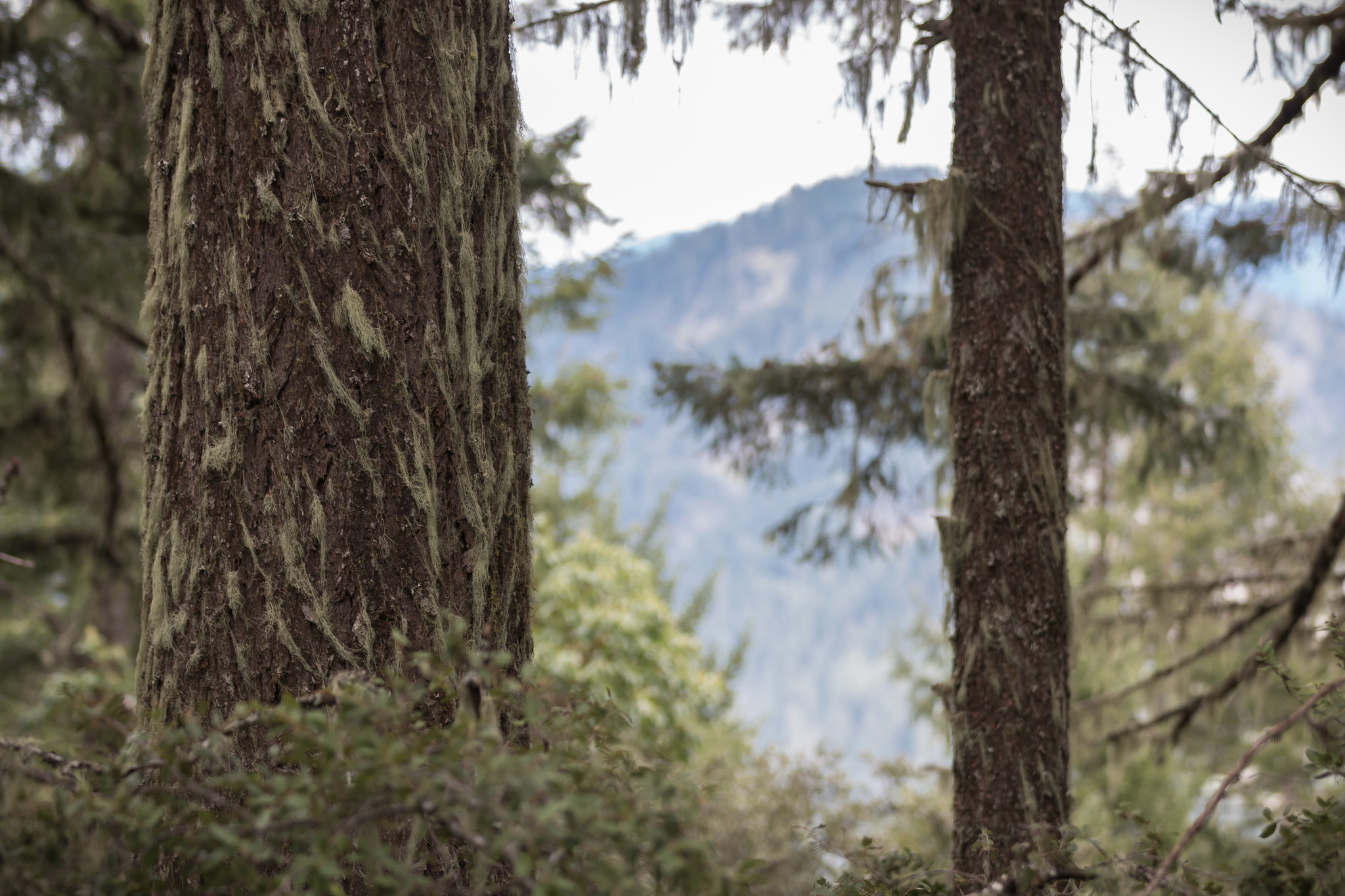
Trees are nature’s way of removing carbon dioxide from the atmosphere. Growing plants take up CO2 and store it in the form of their roots, stems and leaves. And in fact, a significant factor in the growing levels of carbon dioxide in the atmosphere has been the extensive deforestation that has gone on over the past couple of centuries.
Fern-Inspired Energy Storage
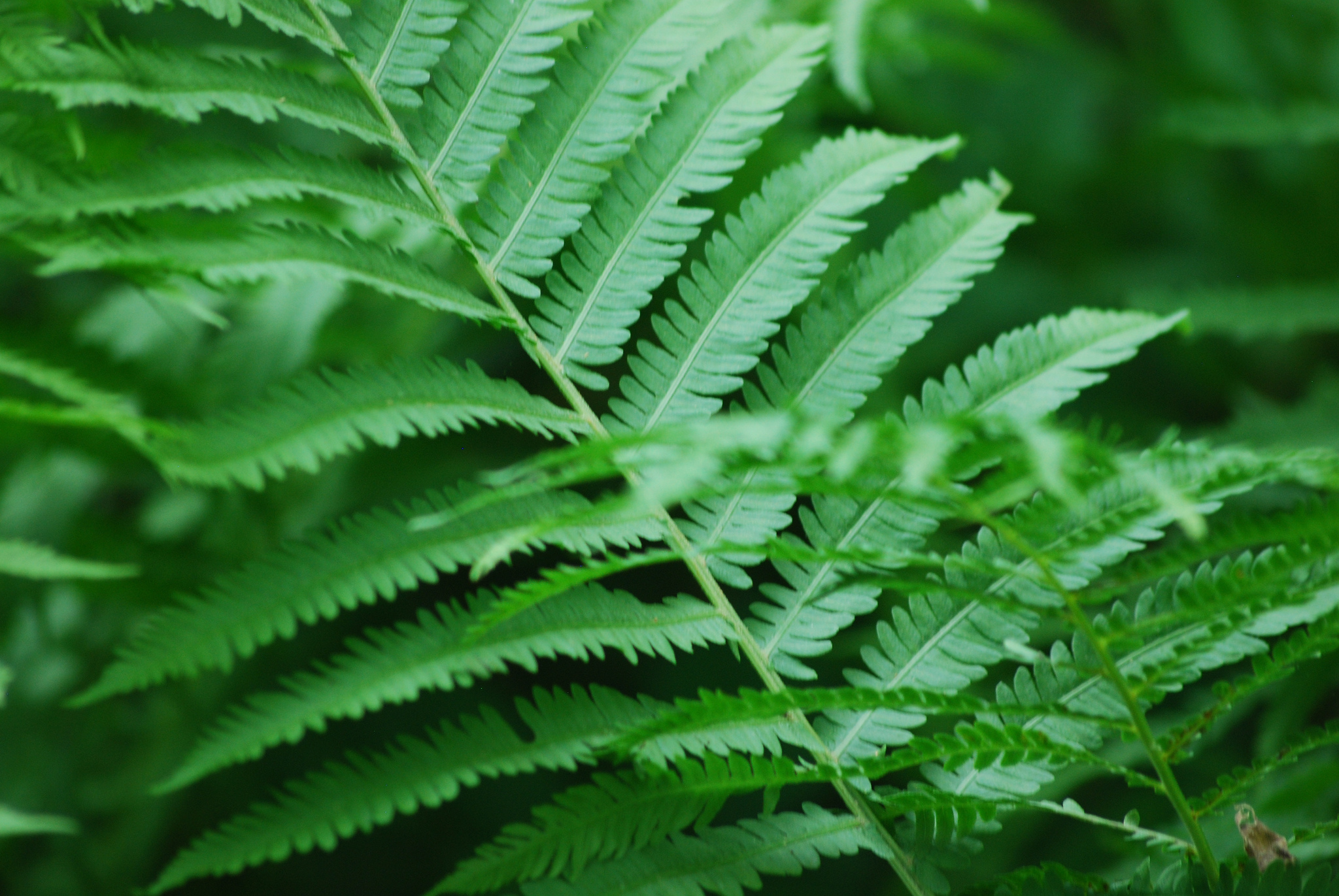
The amount of solar energy striking the surface of the earth in two hours is enough to supply all of humankind’s needs for an entire year. For this reason, it is widely thought that solar energy should be our primary source of electricity. If this is to happen, however, there must be cost-effective ways to obtain solar electricity regardless of the time of day, weather, or seasonal changes. Essentially, there must be ways to store the energy from the sun to use it when we need it.
Terrestrial Plants and Lake Ecosystems
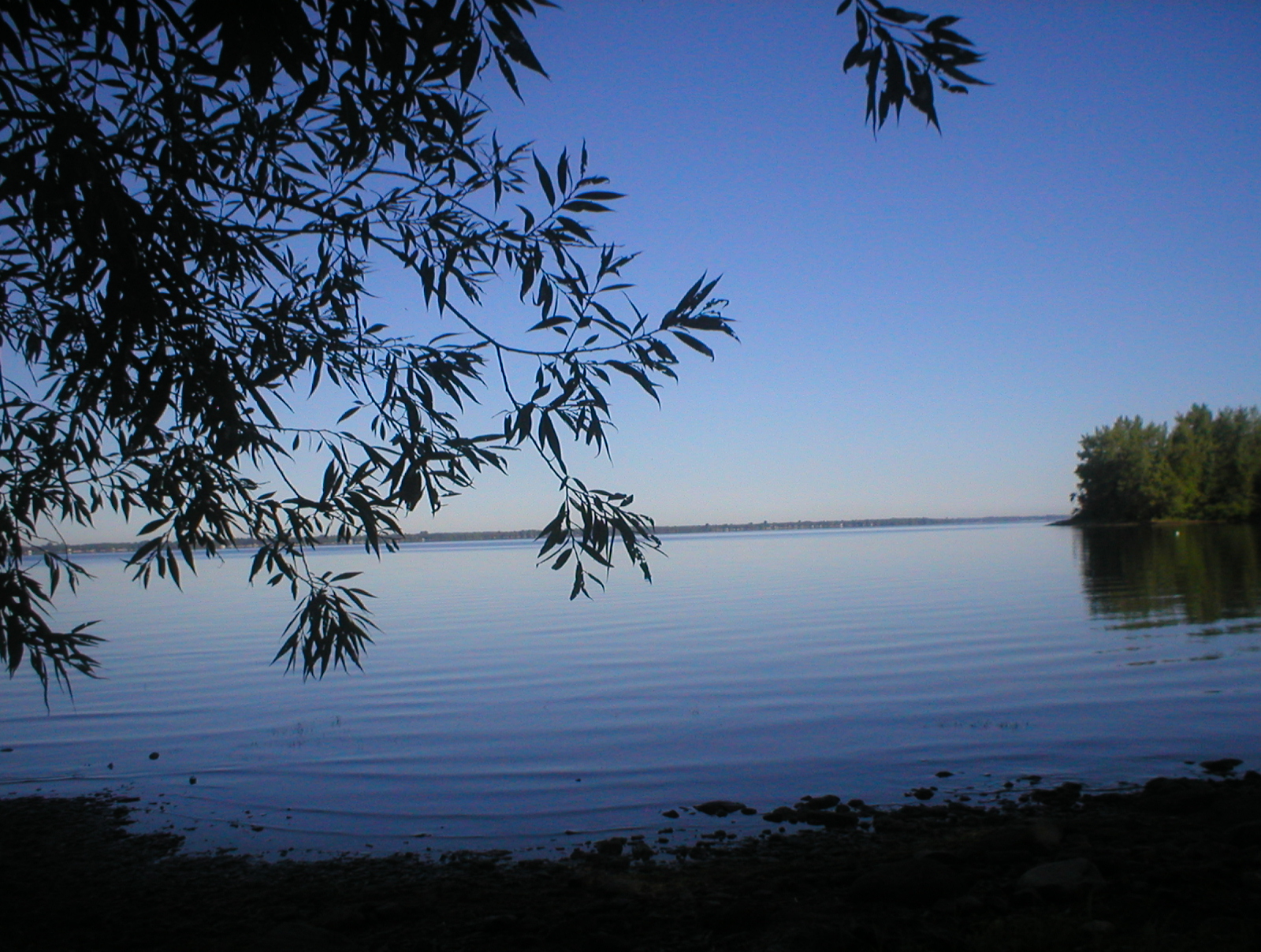
Most of the planet’s freshwater stores are found in the northern hemisphere, a region that is changing rapidly in response to human activity and shifting climate trends. A recent study analyzed 147 northern lakes and found that many rely on nutrients from tree leaves, pine needles, and other land-grown plants to feed aquatic life.
Light Pollution And Early Spring
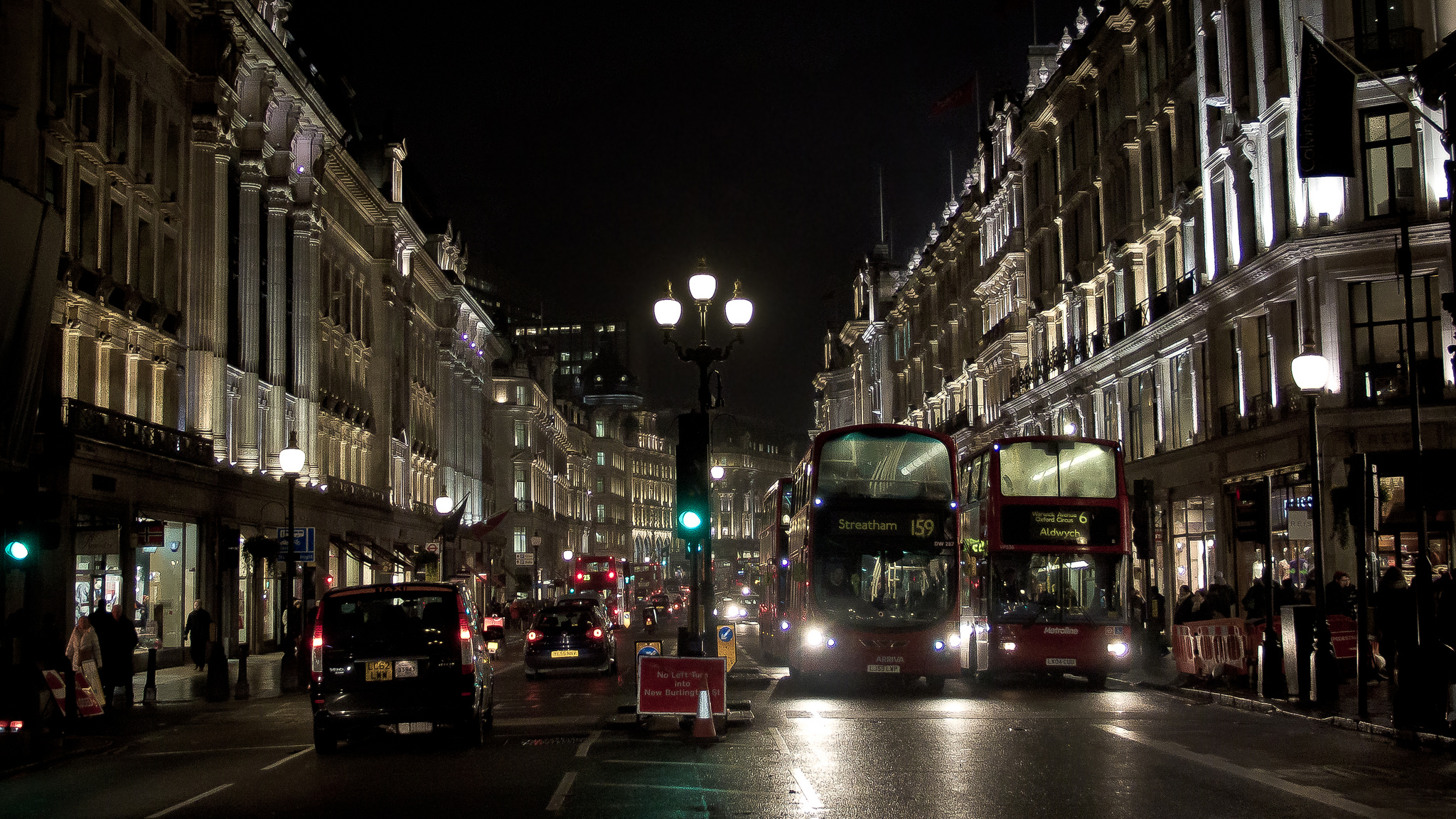
We have talked about the impact of light pollution on our ability to see stars and the Milky Way. We have also discussed its impact on our circadian rhythms. Recently, scientists in Great Britain published a report on the relationship between light pollution and the timing of when trees produce their buds. The results of the study suggest that light pollution is causing plants to jump the gun on spring.
Composting Pays
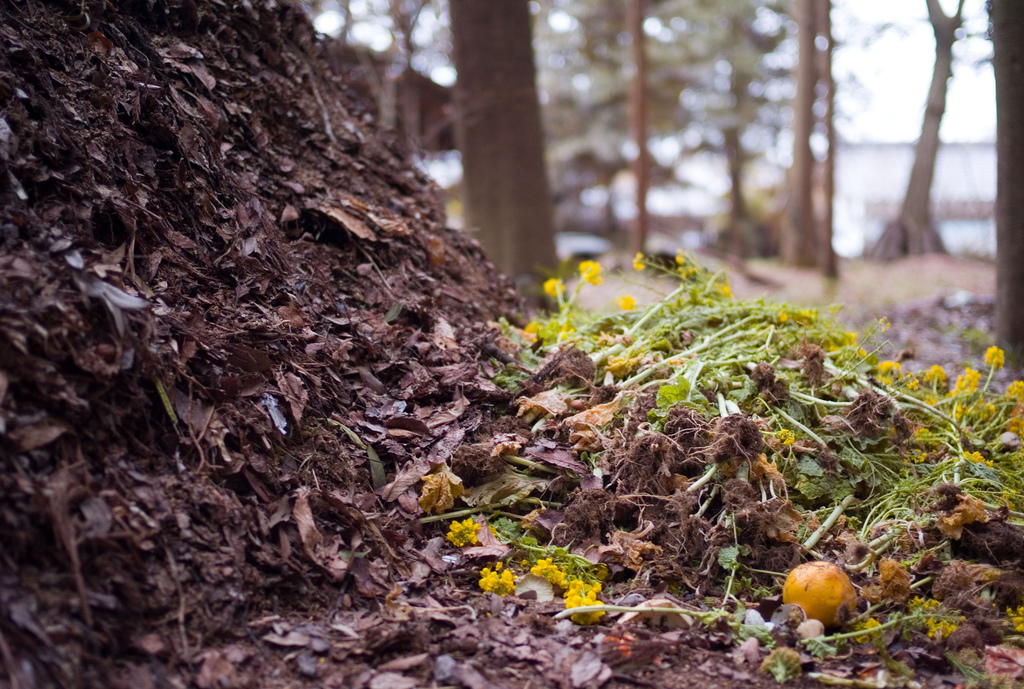
Many people compost their food scraps and yard waste because they think it is the right thing to do. In some places, like San Francisco and Seattle, there is curbside pickup available to have these organic materials composted.
Leave Leaves Alone
