• Skip to primary navigation
  • Skip to main content
  • Skip to primary sidebar

Earth Wise

A look at our changing environment.

  • Home
  • About Earth Wise
  • Where to Listen
  • All Articles
  • Show Search
Hide Search
You are here: Home / Archives for insects

insects

Artificial Light And Nature | Earth Wise

December 4, 2020 By EarthWise Leave a Comment

Light pollution has far reaching consequences

Most of us are familiar with air pollution, water pollution, soil pollution, and noise pollution.  But it turns out that light can also be a pollutant as well. 

Light pollution is a consequence of industrial civilization.  Sources of light pollution include building interior and exterior lighting, advertising billboards, factories, commercial properties, streetlights, and sporting venues.      

According to findings in a new report from the University of Exeter, artificial nighttime lighting has a wide range of effects across the natural world and should be limited wherever possible.  The research team analyzed more than 100 studies and found that artificial lighting has widespread impacts on both animals and plants. 

In the study, which was funded by the Natural Environment Research Council in the U.K., researchers consistently found changes to animals’ bodies and behavior as a result of artificial lighting.  In particular, levels of the sleep cycle-regulating hormone melatonin were reduced by exposure to artificial lighting at night in all animal species studied. 

Exposure to artificial nighttime lighting also affected the timing of animals’ activities.  For rodents, which are largely nocturnal, the duration of activity was often reduced by exposure to nighttime lighting.  On the other hand, for diurnal birds, exposure to nighttime lighting led to an extension of the duration of their activities.  

Previous studies have found other wide-ranging impacts of nighttime lighting, from reducing pollination by insects to trees budding earlier in spring.  

Artificial nighttime lighting is human driven and very disruptive to the natural world.  While there’s no off switch for the planet, we could reduce the amount of light pollution drastically with no impact on our lives. 

**********

Web Links

Artificial night lighting has widespread impacts on nature

Photo, posted July 29, 2017, courtesy of spacedust2019 via Flickr.

Earth Wise is a production of WAMC Northeast Public Radio.
Alien Species On The Rise | Earth Wise

November 3, 2020 By EarthWise Leave a Comment

the number of alien species is rising

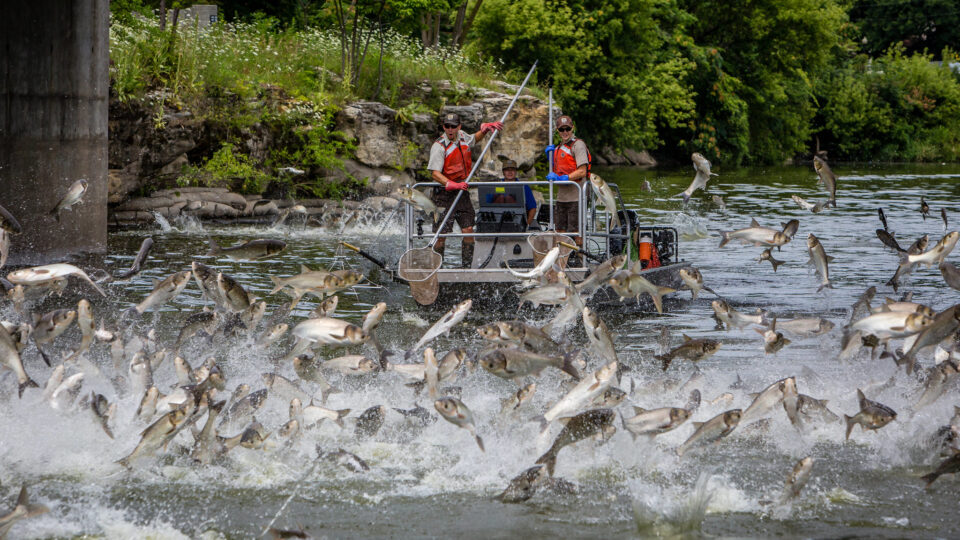
Alien species are species that are introduced, accidentally or intentionally, outside of their natural geographic range as a result of human activities.  More than 35,000 alien species have been recorded through 2005, which is the most recent year for which researchers have comprehensive global data. 

Some of the alien species go on to become invasive alien species, which can have damaging impacts on both ecosystems and economies.  In fact, alien species are one of the main drivers of plant and animal extinctions around the globe.  

According to a new study by an international research team involving University College London, the number of alien species, particularly insects, arthropods and birds, is expected to increase globally by 36% by 2050 when compared to 2005 levels.  The research was recently published in the journal Global Change Biology.

Using a mathematical model developed for the study, the researchers identified high levels of variations between regions.  For example, the largest increase in alien species by the middle of the century is expected in Europe, where numbers are predicted to jump by 64%.  The temperate regions of Asia, North America, and South America are also predicted to be hotspots of alien species.  The lowest relative increase in alien species is expected in Australia.

The researchers do not expect a reversal or slowdown in the spread of alien species.  In fact, with global transportation and trade forecasted to increase in the coming decades, they anticipate many new species will infiltrate non-native habitats by hitching rides as stowaways.   

According to the research team, it would take a concerted global effort with stricter regulations and more rigorous enforcement to slow the flow of new species. 

**********

Web Links

Alien species to increase by 36% worldwide by 2050

Photo, posted October 3, 2016, courtesy of the Asian Carp Regional Coordinating Committee via Flickr. Photo credit: Ryan Hagerty/USFWS.

Earth Wise is a production of WAMC Northeast Public Radio.
Global Decline In Wildlife | Earth Wise

October 14, 2020 By EarthWise Leave a Comment

global wildlife declining rapidly

According to a new report released by the World Wildlife Fund, global populations of mammals, birds, amphibians, reptiles, and fish have declined by 68% in less than half a century. 

The report presents a comprehensive overview of the state of the natural world based on the tracking of almost 21,000 populations of more than 4,000 vertebrate species between 1970 and 2016. 

The report shows that the main cause of the dramatic decline in species populations on land is habitat loss and degradation, which includes deforestation driven by food production.  Additional factors include land-use change and the use and trade of wildlife.

Wildlife populations found in freshwater habitats have suffered a decline of 84%, which is the steepest decline in any biome.

Insect populations have declined rapidly in many places, but most of the information about insects comes from a small number of countries in the northern hemisphere.  There is very little information from large parts of the world, such as Africa, South America, and Asia, where land-use change and agricultural expansion are happening fast.  What happens to insects matters a lot to humanity.  Insects play central roles in the world’s ecosystems as waste processors, pollinators, predators, and prey. 

The report is clear evidence of the damage human activity is doing to the natural world.  Threats to the integrity of ecosystems endanger humans and all of nature.  This is especially apparent in the midst of a global pandemic.  It is now more important than ever to take coordinated global action to halt and reverse the loss of biodiversity and wildlife populations across the globe.

**********

Web Links

Living Planet Report reveals 68% decline in global wildlife populations since 1970

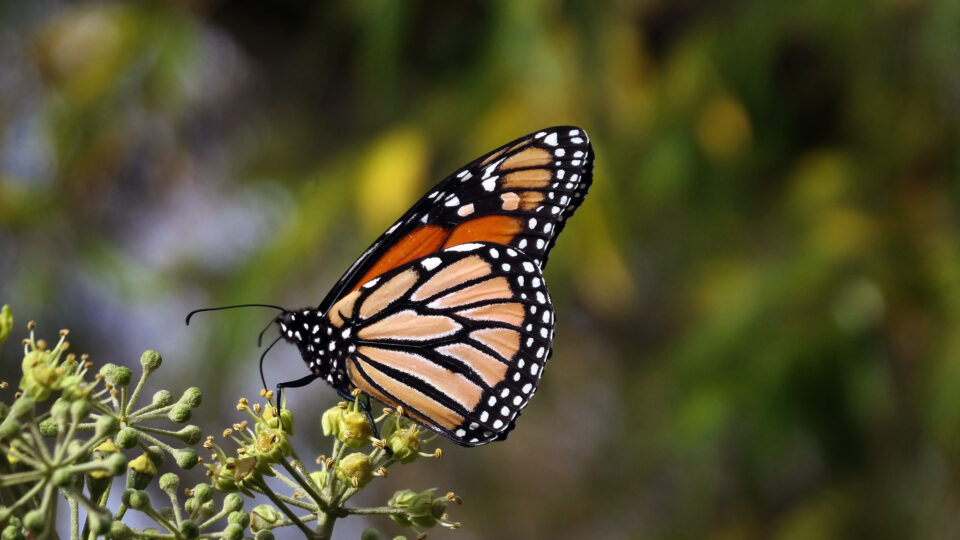
Photo, posted May 7, 2020, courtesy of Bernard Spragg via Flickr.

Earth Wise is a production of WAMC Northeast Public Radio.
More Bugs That Eat Plastic | Earth Wise

September 29, 2020 By EarthWise Leave a Comment

Breaking down plastic with beetles

The world continues to struggle with the proliferation of plastic that is polluting the environment.  The Great Pacific Garbage Patch has now grown so large that it has spread across an area four times the size of California.  But there is no silver bullet in the struggle to reduce plastic pollution.  Reducing the use of plastic is probably the most viable approach, but increased recycling, the use of bioplastics, and various other strategies must play a role.

The essence of the problem is that plastic takes from decades to hundreds of years to decompose naturally.  The world produces billions of tons of plastic waste each year and less than 10% of it is recycled.  As a result, researchers around the world seek ways to safely and economically accelerate the decomposition of plastics.

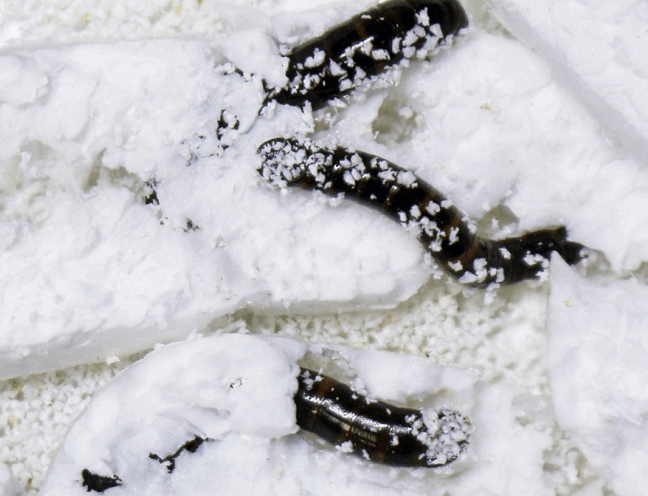
A research team at Andong National University in South Korea has discovered the larvae of a particular species of darkling beetle can decompose polystyrene, which is one of the trickiest plastics to break down.  There are thousands of species of darkling beetles found in different habitats all over the world.  The one they identified is indigenous to East Asia.

The beetle larvae can consume polystyrene and reduce both its mass and molecular weight.  Furthermore, they found that the bacteria in the gut of the larvae could oxidize and change the surface property of polystyrene.  The handful of bacterial strains they identified were not like those of earlier insects found to degrade polystyrene.  As result, the researchers are hopeful that it may be possible to break down the plastic using other insects that feed on rotten wood.  Apart from the insects themselves, using just the bacterial strains found in the darkling beetles may prove to be an effective method for decomposing polystyrene.

**********

Web Links

A New Species of Darkling Beetle Larvae That Degrade Plastic

Photo courtesy of Flickr.

I farmaci a base di erbe e omeopatici rappresentano una percentuale significativa (circa una confezione su otto) dell’assortimento da banco delle farmacie. Nel 2017, i farmaci a base di erbe hanno registrato vendite per 1,48 milioni di euro e 120 milioni di confezioni, mentre maschioforte.com i farmaci omeopatici hanno registrato vendite per 630 milioni di euro e 52 milioni di confezioni, secondo l’Associazione federale dell’industria farmaceutica (Bundesverband der Pharmazeutischen Industrie – BPI).

Earth Wise is a production of WAMC Northeast Public Radio.
A Camera For Insects | Earth Wise

August 26, 2020 By EarthWise Leave a Comment

Developing tiny cameras for insects

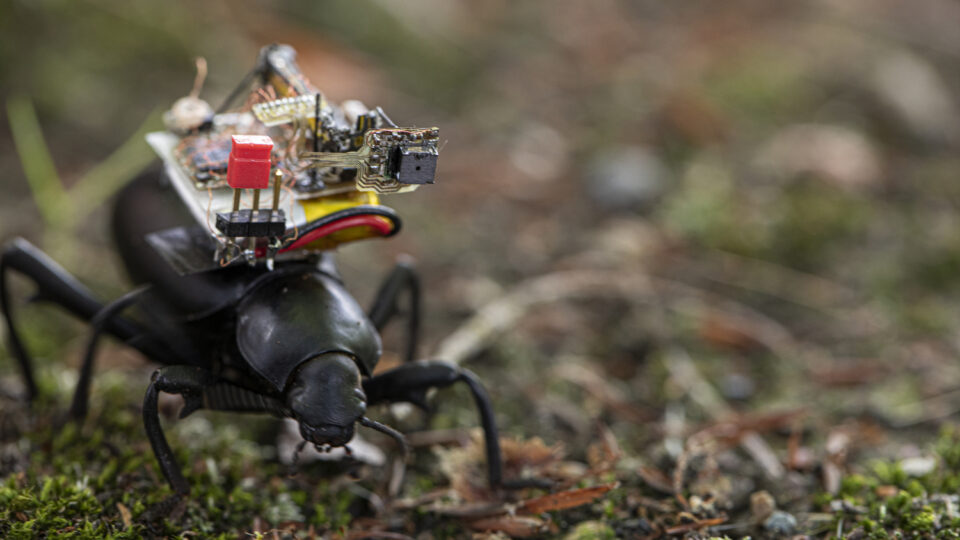
Electronic devices get smaller and smaller all the time.  We are used to carrying around phones in our pockets that incorporate a whole host of sophisticated devices. But we can still be amazed by miniaturization.  Recently, scientists at the University of Washington announced the development of a tiny, wireless camera small enough to be worn by insects.  The work was published in the journal Science Robotics.

The device weighs only 250 milligrams, which is less than one hundredth of an ounce.  The camera streams high-resolution video to a smartphone at up to 5 frames per second, which allows scientists to record video of what insects see in real time.

The device has a mechanical arm that allows the camera to pivot 60 degrees, which can allow it to create panoramic shots.  It is controlled by a smartphone app and can be operated up to 120 meters away from the insect.

The new camera system enables scientists to better understand insect behavior and explore novel environments.  Having a first-person view from the back of a beetle while it is walking around allows researchers to explore how it responds to different stimuli that it sees in its environment.

Of more general interest, the technology can be used to help develop the next generation of small robots.  Insects can traverse rocky environments, which is really challenging for small robots to do.  The device will allow engineers to study how insects can move around in such environments.  It will also be useful for observing and collecting samples from hard-to-navigate spaces.

It is remarkable how sophisticated technology keeps getting smaller and smaller.

*********

Web Links

Scientists Develop Tiny Camera Backpack for Insects

Photo courtesy of Mark Stone/University of Washington.

Earth Wise is a production of WAMC Northeast Public Radio.
The Decline Of Pollinators Threatens Food Security | Earth Wise

August 24, 2020 By EarthWise Leave a Comment

Pollinator decline threatens food security

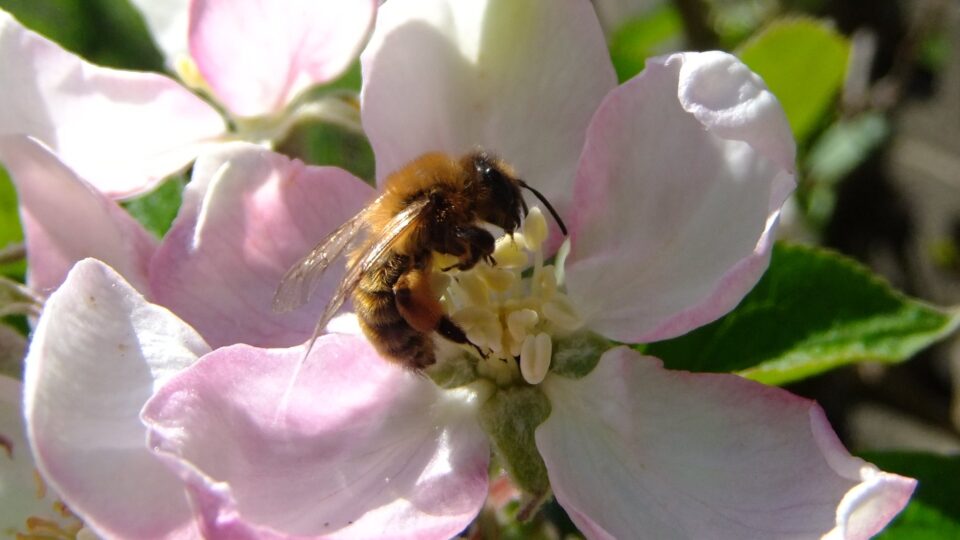
Scientists have been sounding the alarm on the global struggle of pollinators for many years.  According to a United Nations-sponsored report, 40% of invertebrate pollinator species, including bees and butterflies, are facing extinction.  Approximately 80% of all flowering plant species, which are responsible for 35% of global food production, depend on pollination. 

According to new research led by Rutgers University, crop yields for apples, blueberries, and cherries in the United States are being reduced by a lack of pollinators.  The study, the most comprehensive of its kind to date, found that crop production would be increased if crop flowers received more pollination.  In the U.S., the production of crops that depend on pollinators generates more than $50 billion a year.    

For the study, which was recently published in the journal Proceedings of the Royal Society B, researchers collected data on insect pollination of crop flowers and yield of apples, highbush blueberries, sweet cherries, tart cherries, almonds, watermelons, and pumpkins at 131 farms across the United States and British Columbia, Canada.  Four of those seven crops – apples, blueberries, sweet cherries, and tart cherries – showed evidence of being limited by pollination, meaning that their yields are lower than they would be with full pollination. 

The researchers observed that honey bees and wild bees provided similar amounts of overall pollination, so managing habitat for native bee species or stocking more honey bees would boost pollination levels and, in turn, crop production.

Bees and other pollinators play a critical role in food production, and their continued decline could have devastating consequences.

**********

Web Links

Decline of bees, other pollinators threatens US crop yields

Photo, posted April 22, 2012, courtesy of Flickr.

Earth Wise is a production of WAMC Northeast Public Radio.
PFAS In The Food Chain | Earth Wise

July 8, 2020 By EarthWise Leave a Comment

PFAS in the food chain

Per- and polyfluoroalkyl substances (PFAS) are a family of human-made chemicals that have been manufactured and used in a variety of industries around the globe.  PFOA and PFOS have been the most extensively produced and the most extensively studied of these chemicals. 

Exposure to PFAS has been linked to a host of adverse health effects, including thyroid hormone disruption and cancer.

PFAS compounds can be found in such things as non-stick cookware, stain-resistant carpets, water-repellent outdoor gear, and food packaging, like fast food wrappers and microwave popcorn bags. 

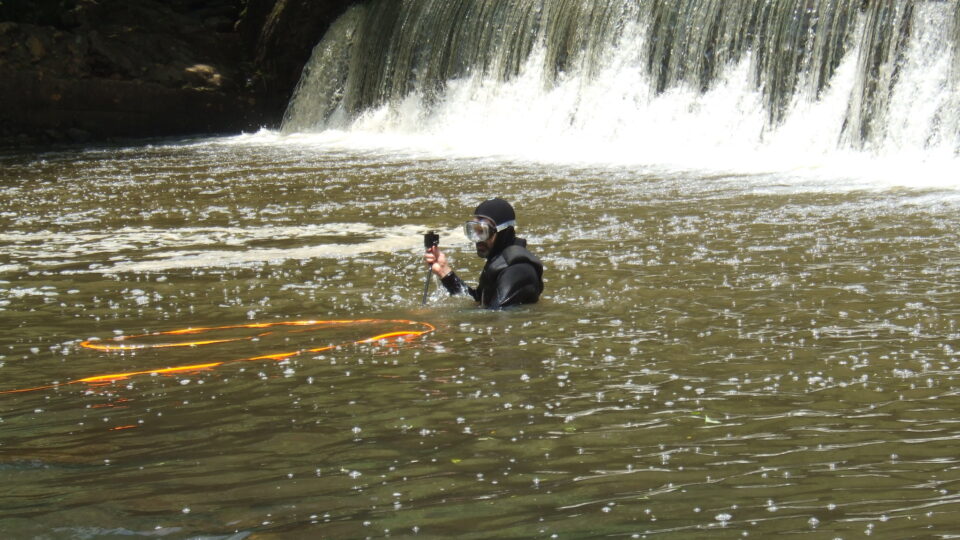
According to a new study, researchers from North Carolina State University have found PFAS substances in every step of the Yadkin-Pee Dee River food chain, even though the river doesn’t have a known industrial input of these compounds. 

The team collected water, sediment, algae, plant, insect, fish, crayfish, and mollusk samples at five sites along the river and analyzed them for 14 different PFAS compounds.  Nearly every sample tested contained PFAS compounds.  Biofilm contained the largest concentrations of 10 of the 14 PFAS compounds measured.  Insects, which primarily eat biofilm, had the greatest accumulation of PFAS compounds of all the living taxa the researchers sampled. 

When PFAS compounds are present at every step of the food chain, the compounds accumulate at each step leading to greater concentrations in animals that sit higher on the food chain – including humans.  This is known as biomagnification. 

Studies like this that reveal how prevalent PFAS can be within ecosystems without an industrial input highlight the need for further research into how these compounds affect the environment and human health.

*********

Web Links

PFAS present throughout the Yadkin-Pee Dee river food chain

Photo, posted May 24, 2011, courtesy of the U.S. Fish and Wildlife Service via Flickr.

Earth Wise is a production of WAMC Northeast Public Radio.
Foods of the Future? | Earth Wise

March 27, 2020 By EarthWise Leave a Comment

foods of the future

In a world where many go hungry in the context of rapidly changing environments, many experts contend that alternative food sources will be necessary to solve global food security problems.  So-called novel food sources are central to this conversation, defined as foods with no history of consumption in a region – or perhaps anywhere.

Three popular examples are lab-grown meat, insect farming, and seaweed aquaculture.  Each of these offer opportunities as well as challenges.

Lab-grown meat can refer to actual animal tissues raised in vats as well as the increasingly common cultured plant products made to resemble meat.  Lab-grown meat faces push back from the livestock industry that contends it should not be labeled as any kind of meat. While results to date are positive, barriers still remain including concerns over product taste, healthiness, and cost.  And while less land- and water-intensive than conventional livestock, cultured meat production is still energy intensive.

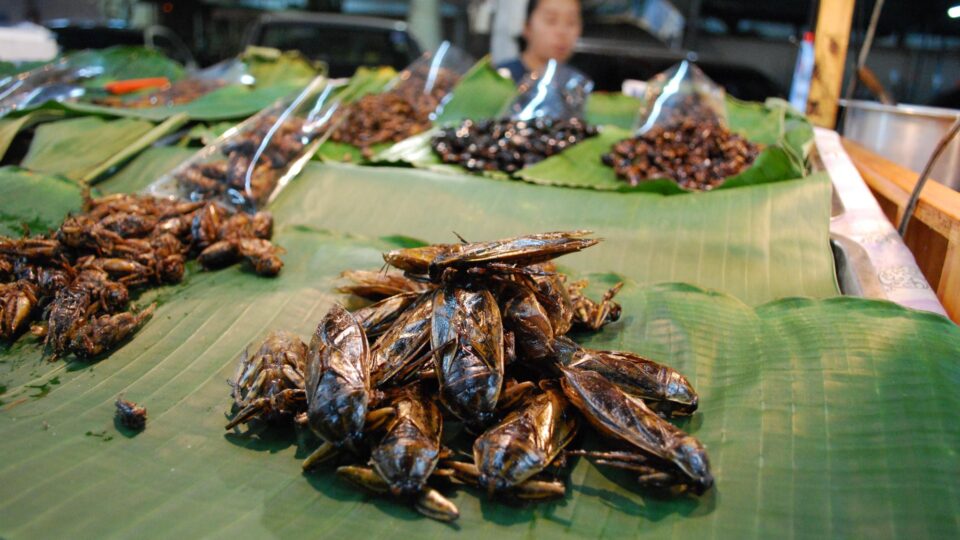
Insects do form a significant part of diets across the globe but have yet to be embraced in any substantial way in western cultures.  Nutritionally, numerous species of insects are rich in key proteins, micronutrients, and minerals.  But the “yuck factor” is a big barrier to cross.

Seaweed is a long-established part of many East Asian diets and has many potential dietary uses.  Several selectively bred varieties of seaweed supply a range of valuable nutrients.  Growing seaweed does not tax freshwater and terrestrial resources.  But intensively cultivated seaweeds would have potential negative effects on local marine ecosystems.

There is no single solution to complex issues like food security.  Novel foods may very well form part of the solution to a growing food crisis.

**********

Web Links

Insects, seaweed and lab-grown meat could be the foods of the future

Photo, posted March 12, 2009, courtesy of Flickr.

Earth Wise is a production of WAMC Northeast Public Radio.
Bird Migration And Climate Change | Earth Wise

January 22, 2020 By EarthWise Leave a Comment

bird migration climate change

A new study of bird migration shows the migration patterns are shifting as a result of climate change.   Researchers at Colorado State University, the University of Massachusetts, and the Cornell Lab of Ornithology, looked at the impacts of climate change on a continental scale.

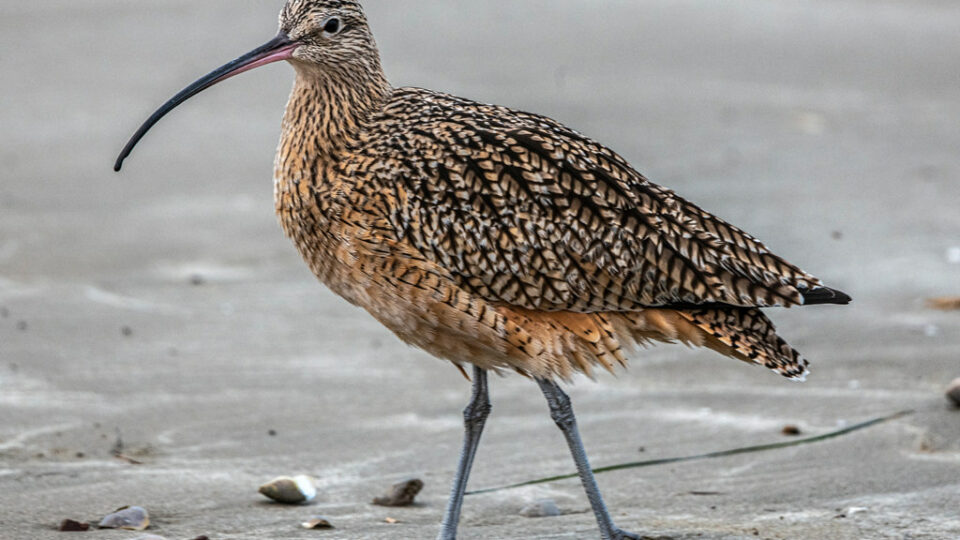
The team looked at the nocturnal migratory behaviors of hundreds of species representing billions of birds using radar and other data.  They found that spring migrants are likely to pass certain stops earlier now than they would have 20 years ago.  Temperature and migration timing are closely aligned and the greatest changes in migration timing are occurring in regions warming most rapidly.  During the fall, shifts in migration were less apparent.

Migratory birds play an important role in ecosystems.  They consume insects, disperse seeds, and perform various other significant functions. Birds serve as critical metrics of the health of ecosystems.

Bird migration is a global phenomenon that can provide unique visibility into changes in the climate.  The ability to look at it on a global scale has only recently become practical as a result of big data technology and cloud computing.  The team was able to crunch the numbers for the study in 48 hours, a task that previously would have taken over a year of continuous computing.

The findings have implications for understanding future patterns of bird migration because birds depend on food and other resources as they travel.  As the climate changes, the timing of blooming vegetation or the emergence of insects may end up out of sync with the passage of migratory birds.  This could have negative consequences for the health of migratory birds.

**********

Web Links

Bird migration timing skewed by climate, new research finds

Photo, posted November 5, 2019, courtesy of Jerry Kirkhart via Flickr.

Earth Wise is a production of WAMC Northeast Public Radio.
Why Save Endangered Species?

December 9, 2019 By EarthWise Leave a Comment

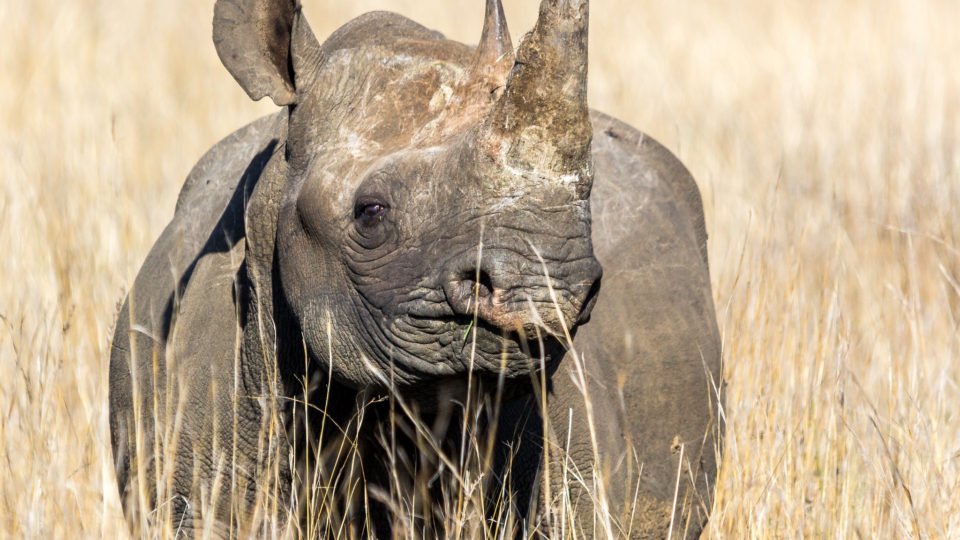
One often hears the argument that humans need to save the world’s endangered species in order to save ourselves.  Carl Safina, a marine ecologist and award-winning environmental writer, has written a thought-provoking essay that offers the viewpoint that we don’t actually need the wild species of the world but that they need us.

The truth is that human beings have thrived by destroying nature.  We have exploited other species when they were useful to us and simply pushed them aside when they weren’t.  We drove America’s most abundant bird – the passenger pigeon – to extinction.  The most abundant large mammal – the bison – was driven to functional extinction.

In today’s world, people live at high densities in places devoid of wild species and natural beauty.  And while we express concern for elephants, gorillas, sperm whales, tigers, and various other species, how would the lives of most of us be affected at all should they vanish entirely?  The unfortunate truth is that it would make little difference to our lives.

The only species that are really essential to modern living are actually microbes of decay, a few insect pollinators, and the ocean’s photosynthesizing plankton.  Life would go on little changed without most other co-inhabitants of our planet.

Safina argues that our obligation to protect endangered species does not come from our dependence upon them but rather on a moral obligation.  Humans consider ourselves to be the most moral species and, as such, we have moral obligations.  In this case, it is to protect the beauty and wonder of our world, which is not trivial but in fact is the most profound thing on earth.

Safina has much more to say about this and I strongly recommend reading his essay.  You can find the link here.

**********

Web Links

The Real Case for Saving Species: We Don’t Need Them, But They Need Us

Photo, posted December 9, 2014, courtesy of Gerry Zambonini via Flickr.

Earth Wise is a production of WAMC Northeast Public Radio.
Bioacoustics

December 5, 2019 By EarthWise Leave a Comment

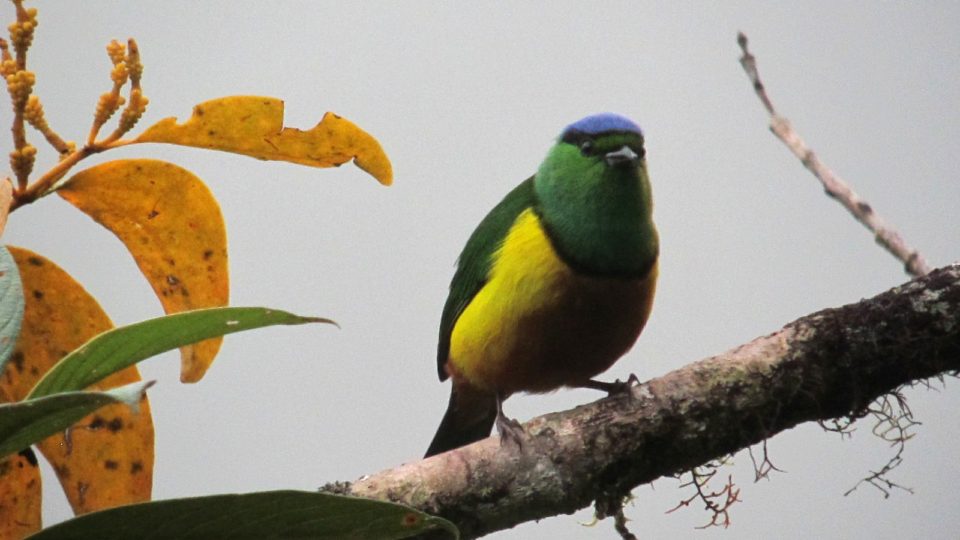
Researchers are increasingly placing microphones in forests and other ecosystems to monitor birds, insects, frogs, and other animals.  Advances in technology are enabling the wide-spread use of bioacoustics as an important research tool.

Studying animals in their natural habitat Is often a difficult task.  For one thing, many animals are difficult to find, and the presence of humans disrupts their behavior or even drives them off.  Remote cameras are useful, but cameras can only see what is in front of them and aren’t much use for detecting small animals, hidden animals, or ones high up in trees.

Biologists have long recognized the value of recording sound to identify animals and learn about their havior.  Animal sounds can be as definitive a means of identification as visual images and microphones can pick up the sounds from animals located anywhere within their detection range.

The two advances in technology that are turning bioacoustics into a widely used tool are a steep drop in the price of recording equipment and the rapidly expanding capabilities of user-friendly artificial intelligence algorithms.

Autonomous environmental audio recorders tended to cost between $500 and $1000 until quite recently.  Now, such equipment can be had for as little as $70.

The other big challenge is analyzing audio data.  Finding specific animal sounds among hundreds of hours of recordings is an untenably tedious task.  Identifying the characteristic sounds of specific species in crowded environments is a tricky business.  But neural network-based artificial intelligence technology is making such big data analysis quite practical and, remarkably, it is becoming quite user-friendly.

**********

Web Links

Listening to Nature: The Emerging Field of Bioacoustics

Photo, posted January 28, 2013, courtesy of Felix Uribe via Flickr.

Earth Wise is a production of WAMC Northeast Public Radio.
Controlling Malaria Without Chemicals

August 28, 2019 By EarthWise Leave a Comment

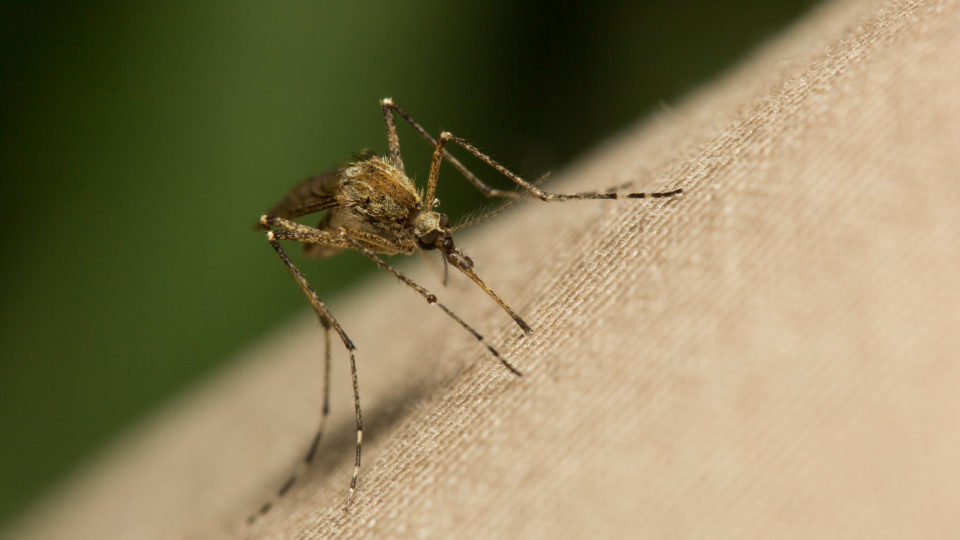
Nearly half of the world’s population lives in areas vulnerable to malaria.  The disease kills roughly 450,000 people each year, most of them children and pregnant women.  Malaria is spread by Anopheles mosquitoes and, over time, the mosquitoes have been developing resistance to the chemical insecticides that are used to control them.  In addition, there is great concern about the toxic side effects of the chemicals used on the mosquitoes.

About 30 years ago, scientists identified a type of bacteria that kills Anopheles, but the mechanism was not understood.  As a result, the bacteria could not be replicated or used as an alternative to chemical insecticides.

But now, an international research team, headed by researchers at UC Riverside, has identified the neurotoxin produced by the bacteria and has determined how it kills Anopheles.  The work is described in a paper published in Nature Communications.

It took the team 10 years to achieve a breakthrough in understanding the bacteria.  Modern gene sequencing techniques were the key.

While many neurotoxins target vertebrates and are highly toxic to humans, the neurotoxin that kills Anopheles mosquitoes does not affect humans, vertebrates, fish, or even other insects.  Known as PMP1, the substance is not even toxic to mice when given by direct injection.

The team has applied for a patent on this discovery and hopes to find partners to help them develop the bacteria-based insecticide.

There is a high likelihood that PMP1 actually evolved to kill the Anopheles mosquito.  This finding opens the door to new avenues of research into other environmentally friendly insecticides that would be targeted at other disease-spreading pests.

**********

Web Links

Controlling deadly malaria without chemicals

Photo, posted June 9, 2018, courtesy of Mario Yardanov via Flickr.

Earth Wise is a production of WAMC Northeast Public Radio.

Sunlight As A Cash Crop

July 10, 2019 By EarthWise Leave a Comment

It isn’t so easy to be a farmer these days.  Farming has always involved long hours, hard work and the uncertainties of weather and yield.  The 21st Century has added new and unique challenges such as increasingly unpredictable weather, insect infestation and disease, and low commodity prices.  Add in sudden tariffs and farmers struggle even more to make ends meet.  The default rate for farmers’ loans is the the highest in at least nine years.

One thing that remains reliable for farmers is the sun.  It rises in the morning and goes down at night.  The sun can be trusted, unlike politicians, rain, or commodity prices.  These days, many farmers are taking advantage of the dependability of the sun to make money from a new cash crop: solar energy.

The trend is spreading.  North Carolina has been a leading solar energy state for several years and a 2017 report found that solar energy generates 30% of the income of many farms.  Typical annual rent payments for farmland by solar companies range from $500 to $1,400 per acre in North Carolina.

A growing list of states have clean energy mandates targeting 100% use of renewable energy.   These mandates provide incentives for farmers that make installing solar a financially smart decision and falling prices for solar installations make it an even better deal.

Solar works well when co-located on a farm and can be built in ways that minimizes impact.  It is quiet, uses almost no water, doesn’t pollute, and if it is decommissioned, the land can go back to its previous use.  If the solar facilities are raised up, the same land can be used to graze livestock or grow shade-tolerant crops.

**********

Web Links

Harvesting the sun is the new cash crop

Photo, posted December 25, 2017, courtesy of Flickr.

Earth Wise is a production of WAMC Northeast Public Radio.
One Million Extinctions

June 14, 2019 By EarthWise Leave a Comment

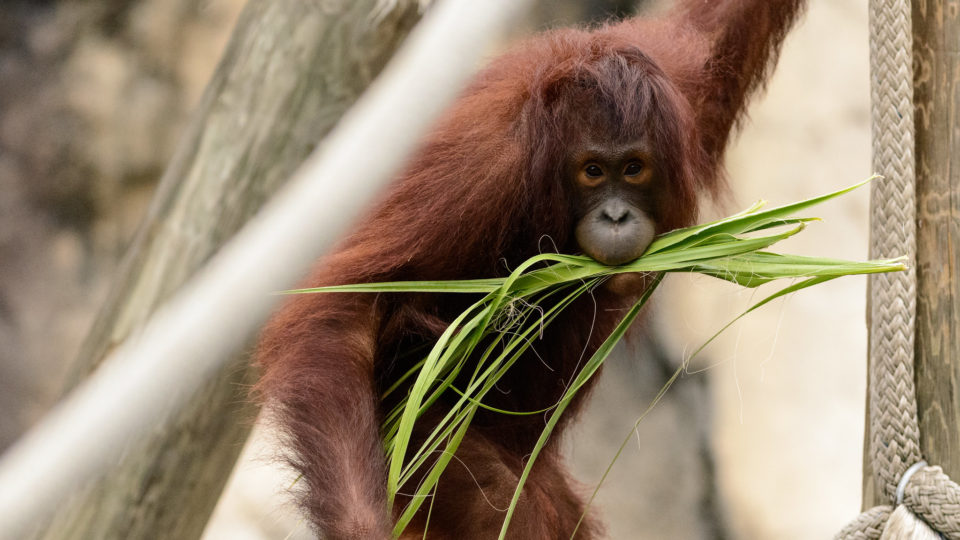
A group of 145 expert authors from 50 countries has produced a report based upon a review of 15,000 scientific and government sources that is the first comprehensive look at the state of the planet’s biodiversity in 15 years.  The conclusions are alarming.

Thanks to human pressures, one million species may be pushed to extinction in the next few years, something with serious consequences for human beings as well as the rest of life on earth.

Based upon scientific studies as well as indigenous and local knowledge, the evidence is overwhelming that human activities are the primary cause of nature’s decline.  The report ranked the major drivers of species decline as land conversion, including deforestation; overfishing; bush meat hunting and poaching; climate change; pollution; and invasive alien species.

The tremendous variety of living species on our plant which number at least 8.7 million and perhaps many more – biodiversity – constitutes a life-supporting safety net that provides our food, clean water, air, energy, and more.

In parts of the ocean, little life remains but green slime.  Some remote tropical forests are nearly silent because insects have vanished.  Many grasslands are becoming deserts.  Human activity has severely altered more than 75% of Earth’s land areas and has impacted 66% of the oceans.  The world’s oceans increasingly are characterized by plastics, dead zones, overfishing, and acidification.

The main message of the 1,500-page report is that transformative change is urgently needed.  In order to safeguard a healthy planet, society needs to shift from a sole focus on chasing economic growth.  This won’t be easy, but we must come to the understanding that nature is the foundation for development before it is too late.

**********

Web Links

One million species at risk of extinction, UN report warns

Photo, posted January 1, 2014, courtesy of Eric Kilby via Flickr.

Earth Wise is a production of WAMC Northeast Public Radio.
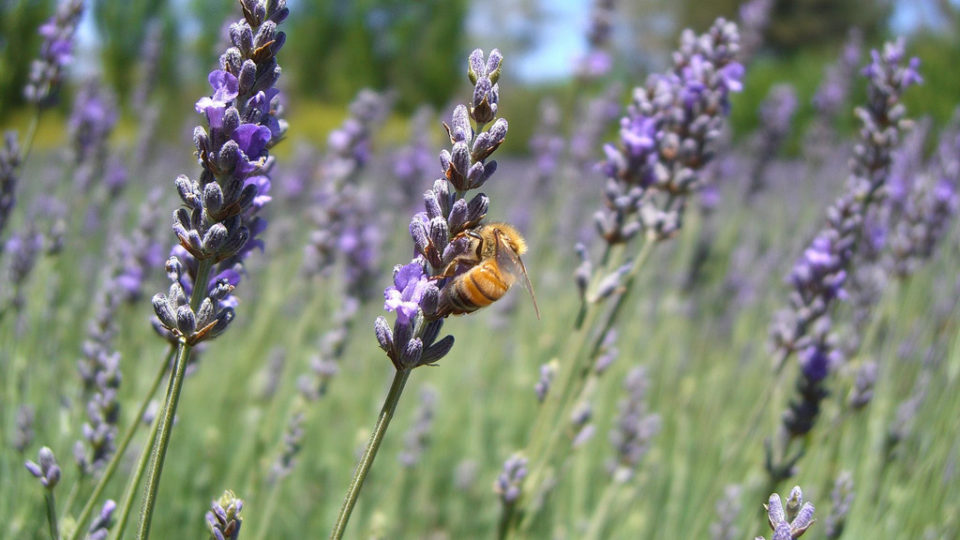
Bee Friendly Amsterdam

February 11, 2019 By EarthWise Leave a Comment

Scientists around the world have been sounding the alarm for years about the decline of bees and other pollinators that are crucial to the growth of crops.   One place where this trend has been bucked is in Amsterdam.  The diversity of wild bee and honeybee species in the Dutch capital has actually increased by 45% since 2000.

The city attributes this success to creating bee-friendly environments including the installation of so-called insect hotels.  There has also been a ban on the use of chemical pesticides on public land.

Four years ago, Amsterdam set a goal to convert half of all public green spaces to native plants including species that produce flowers and fruits that provide nourishment for bees.  Developers in Amsterdam are encouraged to install green roofs on new buildings which reduce reliance on heating and cooling systems and also create habitat for wildlife.

Residents can request to have a 16-inch strip of pavement adjacent to their homes removed in order to plant shrubs, flowers or climbing vines.  When a new highway was built in the area in 2015, local activists planted wildflowers along the sides of the road that otherwise would have been left with only gravel or grass.  This practice has spread to other major routes and along dikes and railways and is referred to as the Honey Highway.

All of these efforts seem to be having a positive effect.  An initial survey was conducted in 2000 to establish a baseline.  A 2015 survey of pollinators found 21 bee species not previously documented in the city.  The rest of the Netherlands has not done as well, and the Dutch government has recently introduced a pollinator strategy to revive bees, butterflies and other insects crucial to the country’s food crop.

**********

Web Links

Bees are dying at an alarming rate. Amsterdam may have the answer.

Photo, posted December 28, 2006, courtesy of Flickr.

Earth Wise is a production of WAMC Northeast Public Radio.
Bring The Wild Back Into Farmlands

December 4, 2018 By EarthWise Leave a Comment

https://earthwiseradio.org/wp-content/uploads/2018/11/EW-12-04-18-Bring-the-Wild-Back.mp3

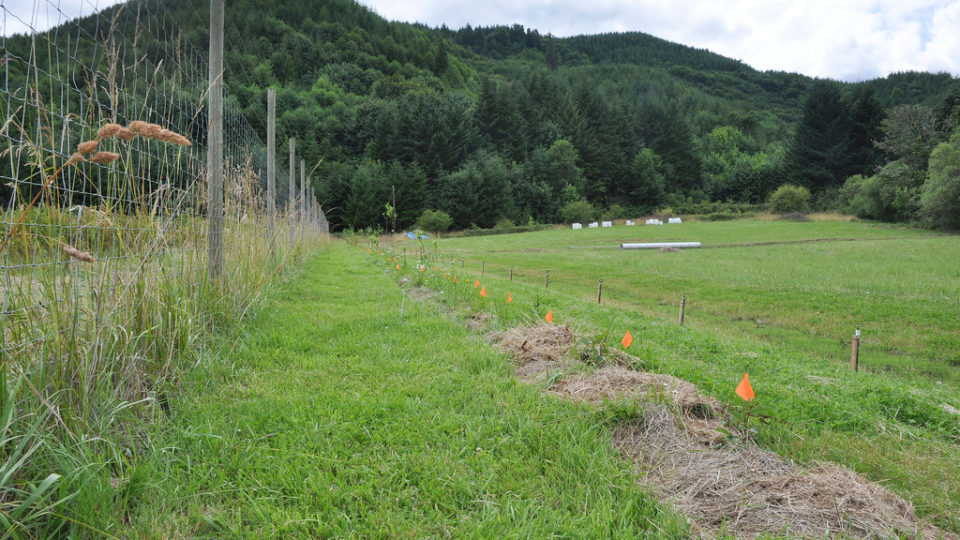
A recent study published in Science looks at the effects of maintaining at least a little bit of the wild on working lands including farmland, rangeland and forests.  The study concludes that doing so may be a key to preserving biodiversity in the face of climate change.

[Read more…] about Bring The Wild Back Into Farmlands

Zika Insecticides And Honeybees

November 30, 2018 By EarthWise Leave a Comment

https://earthwiseradio.org/wp-content/uploads/2018/11/EW-11-30-18-Zika-Insecticides-and-Honeybees.mp3

Honeybees, which play a critical role in agriculture by pollinating crops, are not native to the United States.  Beekeepers manage most honeybee colonies and they move the bees around to support farmers.        

[Read more…] about Zika Insecticides And Honeybees

Pests And Crops In A Warming World

October 1, 2018 By EarthWise Leave a Comment

https://earthwiseradio.org/wp-content/uploads/2018/09/EW-10-01-18-Pests-and-Crops-in-Warming-World.mp3

By the year 2050, scientists predict that there will be two billion more people to feed in the world.  And climate change isn’t making that task any simpler.  From extreme weather events to rising global temperatures, climate change is expected to affect the types of food we grow, and to negatively affect the food production needed to feed the growing population.

[Read more…] about Pests And Crops In A Warming World

Insects In A Warming World

July 19, 2018 By EarthWise Leave a Comment

https://earthwiseradio.org/wp-content/uploads/2018/07/EW-07-19-18-Insects-in-a-Warming-World.mp3

The revered biologist E. O. Wilson once said that “if all mankind were to disappear, the world would regenerate back to the rich state of equilibrium that existed ten thousand years ago.  If insects were to vanish, the environment would collapse into chaos.”

[Read more…] about Insects In A Warming World

Spring Is Springing Earlier

April 9, 2018 By EarthWise Leave a Comment

https://earthwiseradio.org/wp-content/uploads/2018/04/EW-04-09-18-Spring-is-Springing-Earlier.mp3

A comprehensive study has confirmed what has been widely believed in the scientific community and in popular reports for years:  spring is arriving earlier and the further north you go, the more pronounced is the effect.

[Read more…] about Spring Is Springing Earlier

  • « Go to Previous Page
  • Page 1
  • Page 2
  • Page 3
  • Page 4
  • Go to Next Page »

Primary Sidebar

Recent Episodes

  • An uninsurable future
  • Clean energy and jobs
  • Insect declines in remote regions
  • Fossil fuel producing nations ignoring climate goals
  • Trouble for clownfishes

WAMC Northeast Public Radio

WAMC/Northeast Public Radio is a regional public radio network serving parts of seven northeastern states (more...)

Copyright © 2026 ·