• Skip to primary navigation
  • Skip to main content
  • Skip to primary sidebar

Earth Wise

A look at our changing environment.

  • Home
  • About Earth Wise
  • Where to Listen
  • All Articles
  • Show Search
Hide Search
You are here: Home / Archives for great lakes

great lakes

Little ice on the Great Lakes

March 8, 2024 By EarthWise Leave a Comment

Great Lakes missing lots of ice

In an average year, the Great Lakes end up about 40% covered in ice.  But this is not an average year.  2023 was the warmest year on record and, in fact, the global temperature was more than 1.5 degrees above the pre-industrial average for the full year.  That hasn’t happened before.  As a result of the record-breaking warmth, as of mid-February, the average ice cover on the Great Lakes was only 5.9%.

Lake Erie and Lake Ontario tied their records for the lowest ice cover, which has been tracked since 1973.  Lake Huron, Lake Michigan, and Lake Superior are at historic lows.  Some parts of the Great Lakes have experienced the winter without any ice cover.

The warming air temperatures have led to rapid ice loss and warming summer temperatures.  According to experts, if the planet continues to warm, more than 200,000 lakes may no longer freeze every winter and 5,700 lakes may permanently lose ice cover by the end of the century.

Studying the Great Lakes is important because their ice melt can be a significant indicator of the progress of global warming.  Decreasing ice cover can affect hydropower generation, commercial shipping and fishing, and have environmental impacts such as the development of plankton blooms.

Since the 1970s, there has been a 5% decline in Great Lakes ice cover per decade.  Unfrozen lakes bring more rain than snow which has environmental, cultural, and societal impacts.  The Great Lakes hold 21% of the world’s freshwater supply and over 30 million people depend on them for drinking water.  They are also linked to over $3 trillion in gross domestic product.

**********

Web Links

Great Lakes Winter Ice Cover Averaging Just 5.9%: NOAA

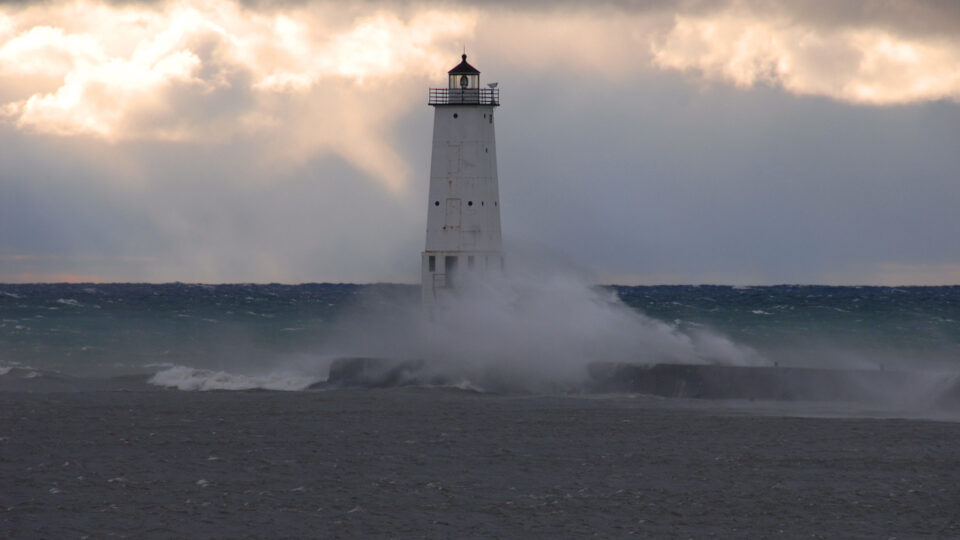
Photo, posted November 7, 2007, courtesy of Jim Sorbie via Flickr.

Earth Wise is a production of WAMC Northeast Public Radio
Attack of the giant goldfish

January 15, 2024 By EarthWise Leave a Comment

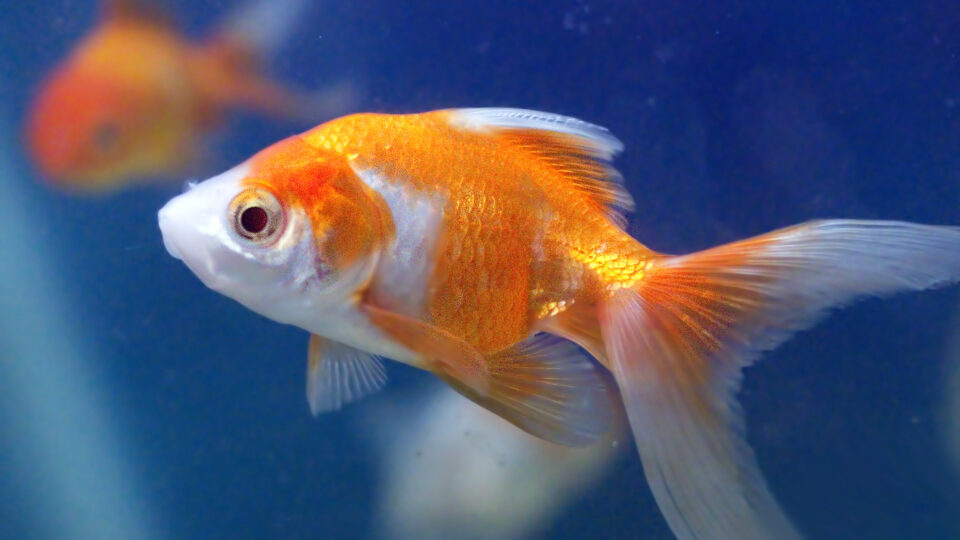
Giant goldfish are an invasive species

Goldfish are just about the easiest pets to keep.  A species of carp native to East Asia, they have been bred to look pretty and are generally little more than home décor.  We keep them in little glass bowls and feed them mysterious flakes out of a container.  With these confined quarters and meager meals, they remain small, harmless creatures.  But released into the wild, it is a very different story.

People dump pet goldfish into lakes and ponds with some frequency.  Once they are in the wild, these humble creatures can grow to monstrous proportions.  They can eat nearly anything, including algae, aquatic plants, eggs, and invertebrates.  They can kill off native marine wildlife and damage or even destroy fragile and economically valuable ecosystems.

For a few years, Canadian researchers have been tracking invasive goldfish in Hamilton Harbour, at the western tip of Lake Ontario, about 35 miles southwest of Toronto.  That part of the lake has been decimated by industrial and urban development as well as by invasive species.

Goldfish were first spotted in the harbor in the 1960s, mostly died off in the 70s because of industrial contamination, but then recovered in the 2000s.  Goldfish can tolerate a wide range of water temperatures, reach sexual maturity quickly, and can reproduce several times in one season.  In resource-rich places, they can grow up to 16 inches long, making them too large a meal for many predators.

There are literally millions of goldfish in the Great Lakes and not only there.  Feral goldfish are a problem in Australia and in the United Kingdom.  Invasive species are a big problem, even if they start out small and cute.

**********

Web Links

Once They Were Pets. Now Giant Goldfish Are Menacing the Great Lakes.

Photo, posted September 20, 2015, courtesy of Watts via Flickr.

Earth Wise is a production of WAMC Northeast Public Radio
Climate Change And Allergies | Earth Wise

March 23, 2021 By EarthWise Leave a Comment

Climate change is making allergy season worse

According to a new study published in the Proceedings of the National Academy of Sciences, an addition to the many hardships that climate change is causing around the world is the fact that it is making allergy season worse.

Researchers have found that there is a strong link between planetary warming and pollen seasons.  The combination of warming air and higher levels of carbon dioxide in the atmosphere has caused North American pollen seasons since 1990 to start some 20 days earlier, on average, and to have 21% more pollen.

The most pronounced effects were seen in Texas, the Midwest, and the Southeast.  The effects were less obvious in the northern United States, including New England and the Great Lakes states.  The greatest pollen increases came from trees, as opposed to grasses and weeds.

Allergies do not just trigger sniffles and sneezes; they have serious effects on public health in the form of asthma and other respiratory conditions.  Studies have shown that students do less well in school during peak pollen season.  Of special concern at the moment is that high-pollen periods have been associated with greater susceptibility to respiratory viruses.  The U.S. has nearly 25 million people with asthma and 19 million adults reported hay fever in the past 12 months.  Research suggests that the early onset of pollen season correlates with a higher risk of hospitalization for asthma.

There are far fewer pollen monitoring stations than those measuring particle pollutants and air quality.  As the climate warms, we need to pay more attention to pollen as an airborne pollutant.

**********

Web Links

Achoo! Climate Change Lengthening Pollen Season in U.S., Study Shows

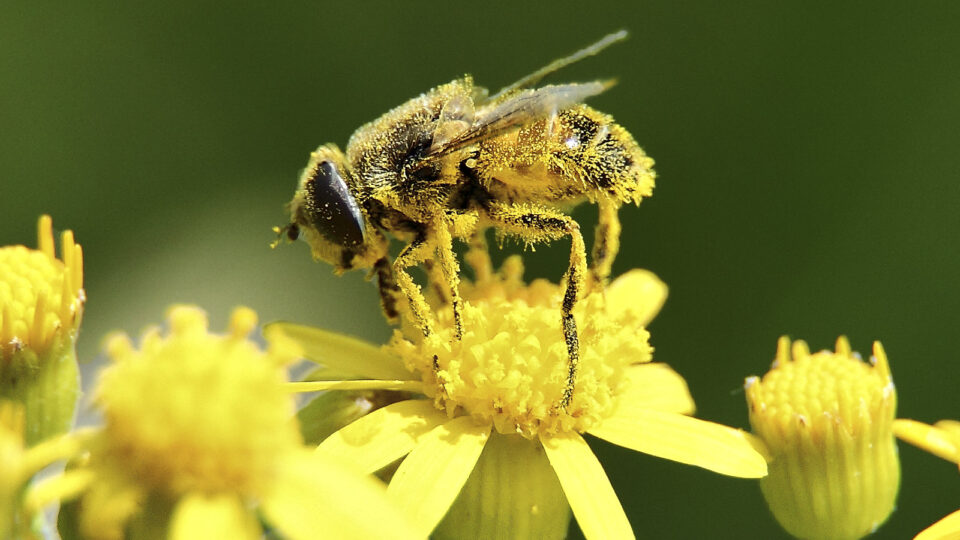
Photo, posted May 18, 2012, courtesy of Forest Wander via Flickr.

Earth Wise is a production of WAMC Northeast Public Radio.

Fish In Small Lakes

March 28, 2018 By EarthWise 1 Comment

https://earthwiseradio.org/wp-content/uploads/2018/03/EW-03-28-18-Fish-in-Small-Lakes.mp3

There are millions of lakes on our planet.  Many are quite large such as the Great Lakes in our country and Lake Victoria in Africa, but one-third of the world’s standing water is contained in lakes and ponds of 25 acres or less.  Many of these lakes are found in remote, often mountainous areas with no inflow and outflow.   Nevertheless, in most of these lakes there are fish.

[Read more…] about Fish In Small Lakes

Strange Ocean Current Behavior

January 18, 2018 By EarthWise 4 Comments

https://earthwiseradio.org/wp-content/uploads/2017/12/EW-01-18-18-Strange-Ocean-Current-Behavior.mp3

The Beaufort Gyre is a massive wind-driven current in the Arctic Ocean.  Located north of Alaska and Canada’s Yukon Territory, it is like a giant spinning top that corrals vast amounts of sea ice in the far north.

[Read more…] about Strange Ocean Current Behavior

Energy From Evaporating Water

November 17, 2017 By EarthWise Leave a Comment

https://earthwiseradio.org/wp-content/uploads/2017/10/EW-11-17-17-Energy-from-Evaporating-Water.mp3

Researchers at Columbia University have demonstrated a potential new energy harvesting technique based on the natural evaporation of water.   Every day, vast amounts of water evaporate from the surfaces of lakes and rivers, a process powered by the heat energy of the sun.   The amount of energy involved is enormous but generally speaking is not something we can tap into.

[Read more…] about Energy From Evaporating Water

DNA Analysis of River Water

April 17, 2017 By EarthWise

https://earthwiseradio.org/wp-content/uploads/2017/04/EW-04-17-17-DNA-Analysis-of-River-Water.mp3

DNA analysis has become commonplace and inexpensive.  Millions of people have their DNA tested to learn about their origins and family connections.  And the technology has spread to biological research in the form of Environmental DNA or eDNA, which is such a powerful tool that it is transforming the field of wildlife biology.

[Read more…] about DNA Analysis of River Water

Lake Baikal

January 4, 2017 By EarthWise

https://earthwiseradio.org/wp-content/uploads/2016/12/EW-01-04-17-Lake-Baikal.mp3

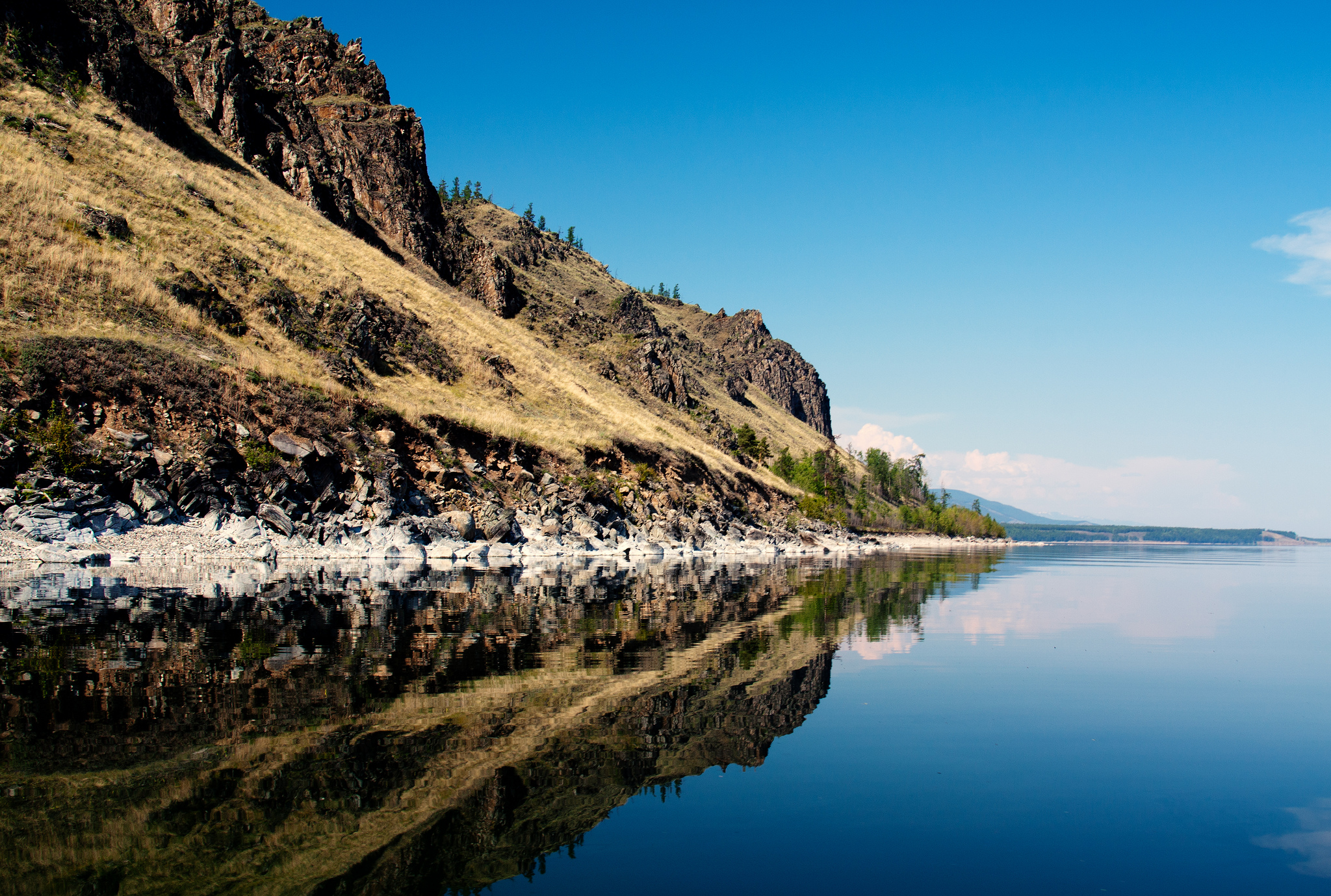
Lake Baikal is an ancient and massive body of freshwater found in the mountainous Russian region of Siberia.  Deep and voluminous, Lake Baikal holds 20% of the planet’s unfrozen freshwater.  And it’s often been described as the world’s cleanest and most pristine lake. 

[Read more…] about Lake Baikal

Preventing Toxic Algal Blooms

May 12, 2016 By WAMC WEB

https://earthwiseradio.org/wp-content/uploads/2016/05/EW-05-12-16-Preventing-Toxic-Algal-Blooms.mp3

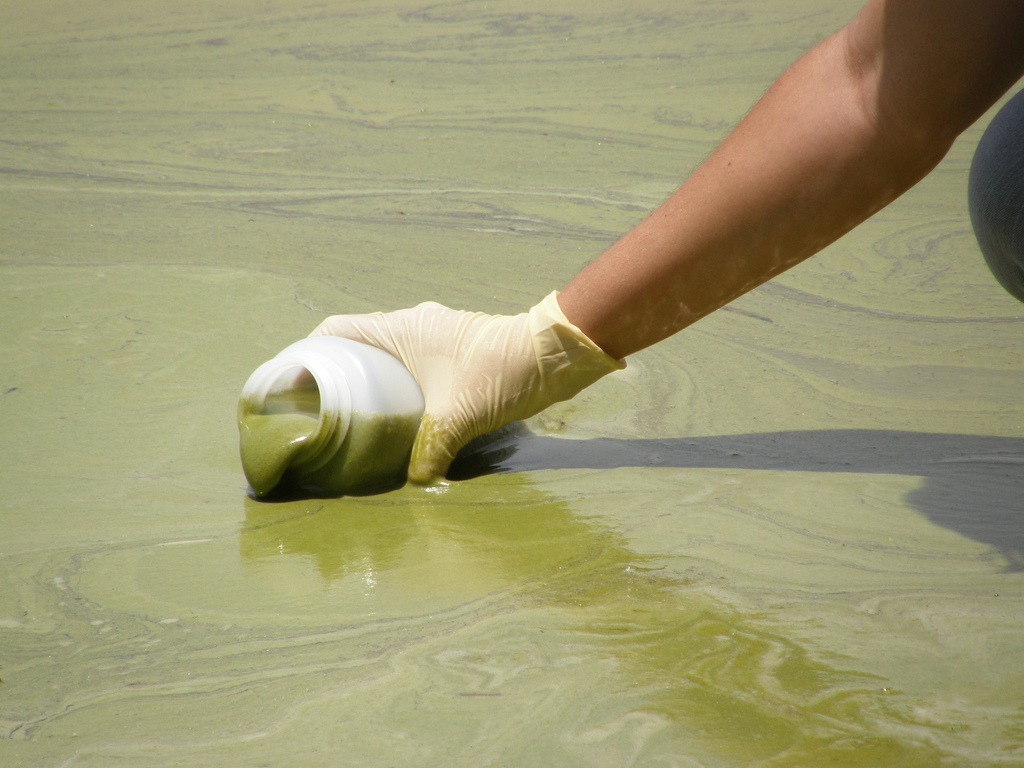
We have talked about the growing problem of toxic algal blooms on a number of occasions.  The increasing occurrence of these blooms has been associated with rising temperatures and carbon dioxide levels as well as the presence of wastewater nutrients and agricultural fertilizers in rivers, lakes and reservoirs.  The most notable incident occurred in the summer of 2014, when algae contamination in Lake Erie left 400,000 residents in Ohio and Michigan without water for 72 hours.

[Read more…] about Preventing Toxic Algal Blooms

Primary Sidebar

Recent Episodes

  • An uninsurable future
  • Clean energy and jobs
  • Insect declines in remote regions
  • Fossil fuel producing nations ignoring climate goals
  • Trouble for clownfishes

WAMC Northeast Public Radio

WAMC/Northeast Public Radio is a regional public radio network serving parts of seven northeastern states (more...)

Copyright © 2026 ·