• Skip to primary navigation
  • Skip to main content
  • Skip to primary sidebar

Earth Wise

A look at our changing environment.

  • Home
  • About Earth Wise
  • Where to Listen
  • All Articles
  • Show Search
Hide Search
You are here: Home / Archives for food

food

Amphibians and climate change

April 7, 2025 By EarthWise Leave a Comment

Amphibians are a group of vertebrate animals that include frogs, toads, and salamanders. They are unique for their ability to live both in water and on land during different stages of life. Amphibians play a crucial role in ecosystems, often serving as both predators and prey in food webs.

Amphibians are the world’s most at-risk vertebrates, with more than 40% of species listed as threatened.  They are cold-blooded creatures and rely on external sources to regulate their body temperature.  But needing to regulate their body heat this way makes amphibians particularly vulnerable to temperature change in their habitats. 

Researchers from the University of New South Wales in Australia can now predict the heat tolerance of 60% of the world’s amphibian species.  This new tool will allow scientists to better identify which amphibian species and habitats will be most impacted by climate change.  

The study’s landmark findings, which were recently published in the journal Nature, found that 2% of amphibian species are already exposed to overheating in shaded terrestrial conditions.  According to the research team, a 4°C global temperature increase could push 7.5% of amphibian species beyond their physiological limits. 

Local amphibian extinctions can trigger ecological repercussions, including reshuffling community compositions, eroding genetic diversity, and impacting the food chain and overall ecosystem health.

The researchers highlight the importance of vegetation and water bodies in protecting amphibians during heat waves, and emphasize the need to provide adequate water and shade during future conservation efforts. 

**********

Web Links

The pot is already boiling for 2% of the world’s amphibians: new study

Photo, posted October 8, 2011, courtesy of Dave Huth via Flickr.

Earth Wise is a production of WAMC Northeast Public Radio
The green grab for land

March 27, 2025 By EarthWise Leave a Comment

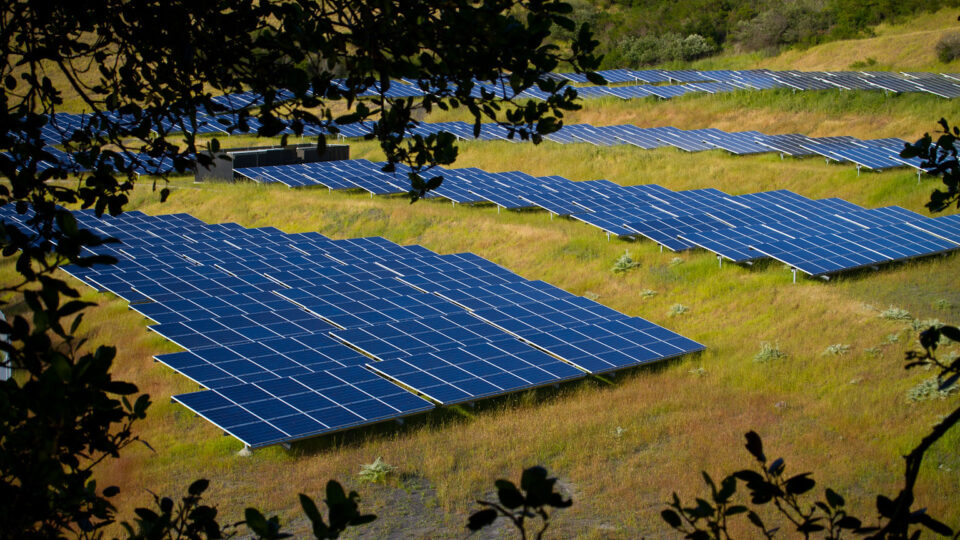
Solar and wind farms are spreading rapidly around the world.  Many economists believe that solar power has crossed the threshold where it is generally cheaper than other ways to make electricity and will become the dominant energy source in the next couple of decades.  As a result, both solar and wind farms are gobbling up more and more land around the world.  Estimates are that they will take up around 30,000 square miles by mid-century.

One concern is whether we are entering an era of trading food for energy.  Land conflicts seem inevitable since solar power operates best in unshaded areas with gentle winds and moderate temperatures, which are the same conditions favored by many crops.

China is installing more solar farms than the rest of the world combined.  Many of these are in the Gobi Desert, where there is no competing need for the land.  But some are in eastern China, in densely populated grain-growing areas.

There are a number of strategies that reduce the impact of solar farms on land use.  One approach is to put them on old industrial or brownfield sites that are otherwise unusable.  Another is floatovoltaics:  putting solar panels on the surface of lakes and reservoirs.  And then there is agrivoltaics, where solar panels are installed above crop fields or where livestock graze between or even beneath solar arrays.  China has more than 500 agrivoltaic projects that incorporate crops, livestock, aquafarming, greenhouses, and even tea plantations.

Green energy has both environmental and economic benefits to offer, but it must conserve nature and not excessively grab land needed for people, wildlife, and ecosystems.

***********

Web Links

‘Green Grab’: Solar and Wind Boom Sparks Conflicts on Land Use

Photo, posted May 25, 2011, courtesy of Michael Mees via Flickr.

Earth Wise is a production of WAMC Northeast Public Radio
Rats and climate change

March 10, 2025 By EarthWise Leave a Comment

Rat populations are exploding as temperatures warm

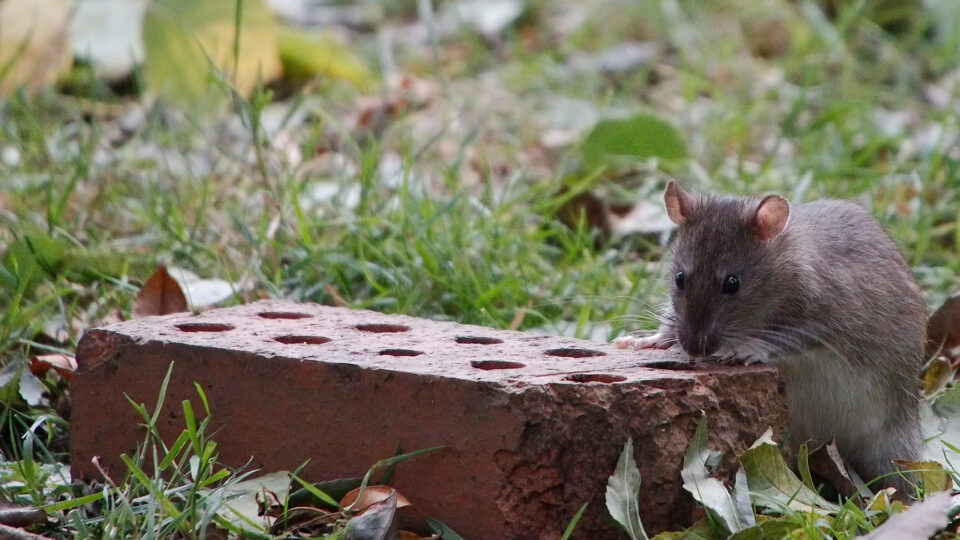
Human activity has made rats one of the most prolific mammals on the planet. Our waste, buildings, and ships provide food, shelter, and transport.  In the United States alone, rats cost the country approximately $27 billion each year in damage to infrastructure, crops, and contaminated food supplies. Additionally, rats carry and spread over 50 zoonotic pathogens and parasites, impacting public health around the world.

Now, climate change is adding to the problem. According to a new study recently published in the journal Science Advances, urban rat populations are exploding as global temperatures rise.  The researchers found that Washington DC, San Francisco, Toronto, New York City, and Amsterdam had the greatest population increases.  In fact, over the past decade, rats increased by a whopping 390% in Washington DC, 300% in San Francisco, 186% in Toronto, and 162% in New York City.  The study, which examined data from 16 cities globally, found that 11 of them showed significant increases in rat numbers.

Only Tokyo, Louisville, and New Orleans bucked the trend with declining rat numbers.

According to the researchers, the best pest management strategies involve making the urban environment less rat-friendly as opposed to removing rodents that are already there.  An example would be putting trash in containers instead of bags on the street. 

There aren’t many perks to the changing climate – unless, of course, you’re a rat. 

**********

Web Links

Increasing rat numbers in cities are linked to climate warming, urbanization, and human population

‘Perfect rat storm’: urban rodent numbers soar as the climate heats, study finds

Photo, posted September 25, 2018, courtesy of Tim Felce via Flickr.

Earth Wise is a production of WAMC Northeast Public Radio

Curbing food waste

February 3, 2025 By EarthWise Leave a Comment

Efforts to curb food waste are failing

According to the U.S. Department of Agriculture, as much as 40% of the food supply in the United States is wasted.  In fact, Americans generate more food waste than all but two countries.

To address this problem, the federal government announced a goal nearly a decade ago to cut food waste in half by 2030 compared to 2016 levels.  Doing so would bring food waste down to approximately 164 pounds per person annually.

However, according to a new study led by researchers from the University of California – Davis, since 2016, per capita food waste has actually increased instead of decreasing. 

The study, which was recently published in the journal Nature Food, looked at how state policies align with federal targets.  The research team found that state policies focus more on recycling methods, such as composting and anaerobic digestion, rather than on prevention and rescue strategies, like food donations or repurposing food for animal feed.

In 2021, the EPA revised its definition of food waste to no longer include recycling methods.  But when food is wasted, the resources used to grow the food, including energy, water, and fertilizer, are also wasted. 

In the study, the researchers analyzed state-level food waste reduction efforts across four areas: prevention, rescue, repurposing, and recycling.  They found that recycling policies offered the most potential for diversion. Despite this, most states still fell short of the federal goal of 164 pounds per person annually. 

According to the research team, more comprehensive policies to address food waste must be implemented as soon as possible.

**********

Web Links

States Struggle to Curb Food Waste Despite Policies

Photo, posted June 28, 2021, courtesy of Ivan Radic via Flickr.

Earth Wise is a production of WAMC Northeast Public Radio

Engineering plants to consume more carbon dioxide

January 23, 2025 By EarthWise Leave a Comment

The most abundant protein on the planet is an enzyme called ribulose-1,5-bisphosphate carboxylase/oxygenase, better known as RuBisCO.  Its critical role in photosynthesis makes life as we know it on earth possible.  What it does is convert carbon dioxide from the atmosphere into the organic matter contained in plants.

Getting plants to take up more carbon dioxide from the atmosphere is a key strategy for mitigating climate change.  Planting lots of trees is one way to do it.  Another is to get individual plants to capture more carbon dioxide.

Scientists at the University of Illinois have focused on getting plants to produce more RuBisCO which allows them to grow faster, consuming more carbon dioxide in the process.

Some plants are better than others at taking advantage of the earth’s rising carbon dioxide levels.  Among these are food crops like corn, sugarcane, and sorghum.  Such plants’ growth is not primarily limited by how much carbon dioxide is in the atmosphere but rather by how much RuBisCO is in their leaves.  The Illinois scientists tweaked genes in corn and sorghum to produce plants containing more RuBisCO.  Laboratory experiments on corn demonstrated faster corn growth.  Recent outdoor field experiments on sorghum demonstrated a 16% boost in its growth rate. 

Improving photosynthesis in this way is not only a potential strategy for increasing plants’ ability to combat climate change.  It is also a way to cope with the world’s increasing demand for food by producing crops that can grow larger and more quickly.

**********

Web Links

Scientists Engineer Crops to Consume More Carbon Dioxide

Photo, posted April 12, 2016, courtesy of K-State Research and Extension via Flickr.

Earth Wise is a production of WAMC Northeast Public Radio
Growing safer potatoes

January 15, 2025 By EarthWise Leave a Comment

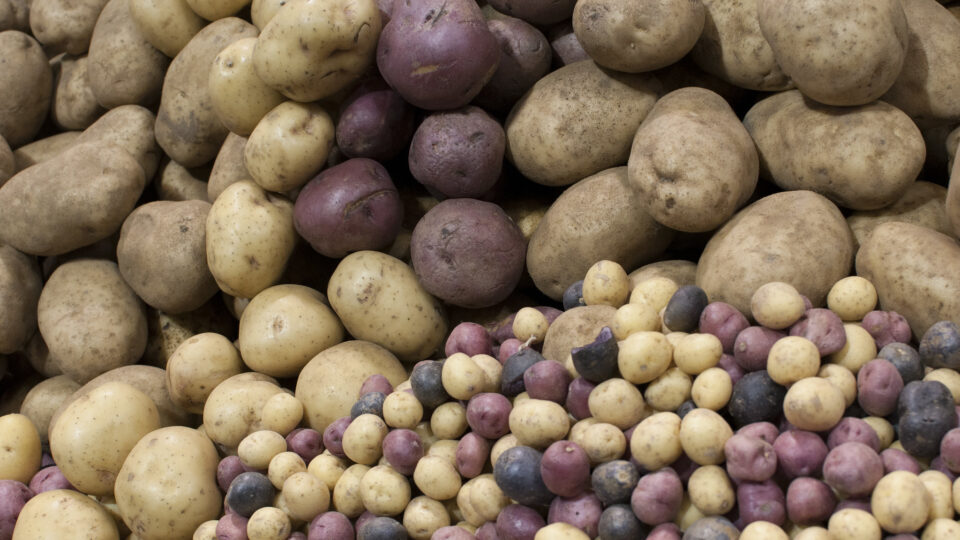
We are often advised to avoid eating green areas on potatoes.  The green comes from chlorophyll that occurs naturally when potatoes are exposed to light.  It is harmless but when it is there, it can be accompanied by a natural toxin – a substance called solanine, which is a steroidal glycoalkaloid or SGA.  Sunlight can produce solanine as well as chlorophyll.  Solanine is produced by plants to protect them from insects. 

Solanine is bitter tasting so one is unlikely to consume much of it.  But consuming enough of it can lead to gastrointestinal complications like diarrhea, abdominal pain, vomiting, and sweating. 

Researchers at the University of California Riverside have discovered a way to eliminate toxic compounds from potatoes, making them safer to eat and easier to store.  They have identified a key genetic mechanism in the production of SGAs.  They found a specific protein that controls the production and believe it will be possible to control where and when SGAs are produced.  Thus, it may be possible to have SGAs present in the leaves of potato plants, thereby protecting them from insects, while having none in the potatoes themselves.  By limiting SGAs to non-edible parts of plants, they can be safer and more versatile plants.  For example, modified potatoes could be stored in sunny places without worry and would always be safe to eat.

Plants have evolved ingenious ways to balance growth, reproduction, and defense.  Our growing understanding of these mechanisms can allow people to redesign crops to meet modern needs, increase food safety, and reduce food waste.

**********

Web Links

Growing safer spuds: Removing toxins from potatoes

Photo, posted October 14, 2013, courtesy of Elton Morris via Flickr.

Earth Wise is a production of WAMC Northeast Public Radio
Climate change and the global food supply

January 8, 2025 By EarthWise Leave a Comment

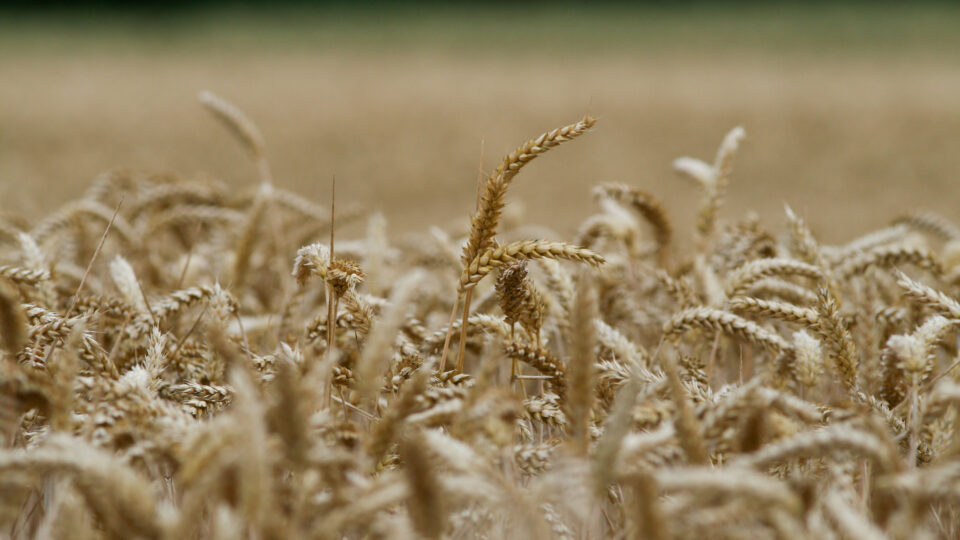
One of the most troubling aspects of global climate change is its potential to severely disrupt the production, distribution, and quality of food. While food security is already challenged by many factors, including population growth, poverty, and changing eating habits, climate change intensifies these issues by altering weather patterns, causing more frequent droughts, floods, and extreme temperatures that damage crops and reduce yields. 

These shifts not only threaten agricultural productivity and increase food prices, but they also impact water resources, pests, and disease dynamics, further destabilizing food systems and exacerbating vulnerabilities, particularly in regions already facing food insecurity.

According to a new paper, which was co-authored by 21 scientists from 9 different countries, climate change will cause widespread food shortages, leading to famine, mass migration, and global instability, unless swift action is taken to develop climate-resilient crops.

Adding to the urgency is the fact that agriculture itself also contributes approximately 30% of global greenhouse gas emissions, creating a vicious feedback loop that threatens to further accelerate global climate change.

The research, which was recently published in the journal Trends in Plant Science, outlines five key recommendations to address this crisis: Study plants in real-world conditions, strengthen partnerships with farmers, streamline regulations for faster innovation, build public trust in new technologies, and create global research initiatives that unite scientists from developed and developing nations to share resources and expertise.

**********

Web Links

Climate Change Threatens Global Food Supply: Scientists Call for Urgent Action

Photo, posted September 21, 2014, courtesy of Peter via Flickr.

Earth Wise is a production of WAMC Northeast Public Radio
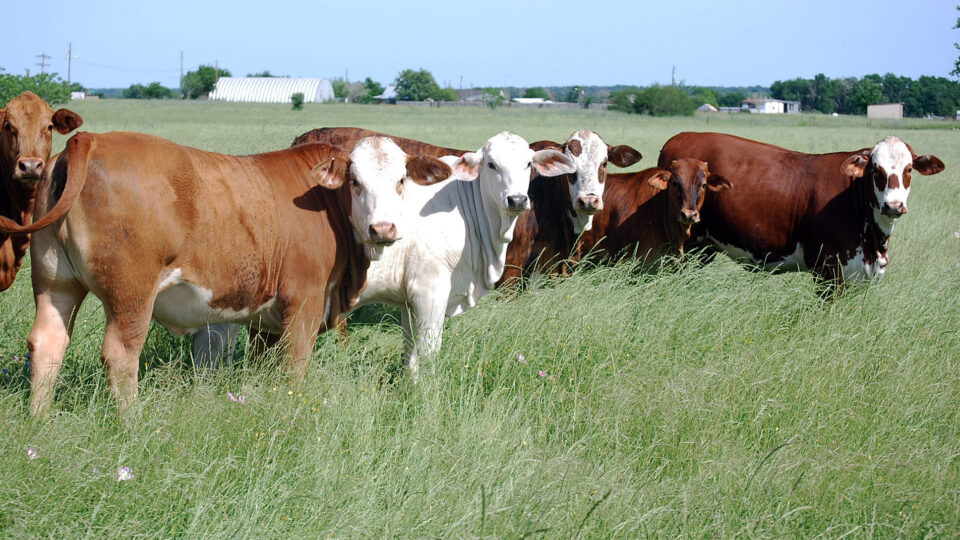
Reducing methane from cattle

December 26, 2024 By EarthWise Leave a Comment

Methods to reduce methane emissions from cattle

Livestock is responsible for almost 15% of global greenhouse gas emissions.  Most of that is in the form of methane that cattle release when they burp.  Grazing cattle produce more methane than feedlot cattle or dairy cows because they eat more fiber from grass.  There are 9 million dairy cows in the U.S. but more than 64 million beef cattle.

Beef cattle spend most of their lives grazing in pastures and producing methane.  Controlling the food of pasture-raised cattle is difficult because they often graze far from ranches for extended periods of time.  During the winter and during times when grass is scarce, ranchers supplement the diet of cattle.

A new study by researchers at the University of California – Davis has found that feeding grazing cattle a seaweed supplement in pellet form reduced their methane emissions by nearly 40% without affecting their health or weight.  There have been previous studies that showed seaweed cut methane emissions by 82% in feedlot cattle and over 50% in dairy cows.  But this is the first study to test the effects of seaweed on grazing beef cattle.

The seaweed pellets were made available to grazing cattle and they ate the supplement voluntarily.  Compared to a group of cattle who didn’t receive the supplements, the seaweed eaters had a 40% reduction in methane emissions.

Other research studies to reduce methane emissions using feed additives have taken place in controlled environments with daily supplements.  This method provides a way to make a seaweed supplement easily available to grazing animals.  It could even be introduced through a lick block for cattle.

**********

Web Links

Feeding Grazing Cattle Seaweed Cuts Methane Emissions by Almost 40%

Photo, posted February 18, 2016, courtesy of Beverly Moseley/NRCS via Flickr.

Earth Wise is a production of WAMC Northeast Public Radio
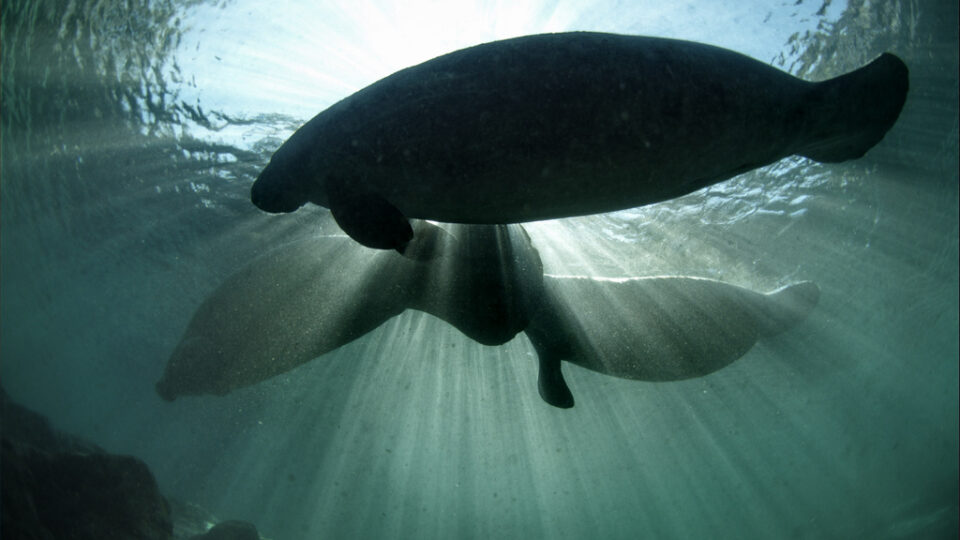
Manatees are not Florida natives

December 20, 2024 By EarthWise 1 Comment

Manatees might not be native to Florida

Florida is very proud of its manatees.  It has a county named after them and has pictures of them on license plates.  These gentle creatures are part of Florida culture.  But recent research indicates that manatees – also known as sea cows – might only be relatively recent residents of the Sunshine State.

Manatees have been spotted in Florida waters for several centuries but might have only been tourists visiting briefly before returning to their home waters in the Caribbean in places like Cuba.

The new research suggests that manatees might not have actually taken up residence in Florida until after Europeans colonized the area in the 1500s.  There is a rarity of manatee bones on archaeological sites that date back further.  It was particularly striking that Crystal River, which is an epicenter for modern manatee populations, had little evidence of their presence in earlier times.

Even into the early 1900s, Florida newspaper reports treated manatee sightings as a spectacle rather than a common occurrence.  In the 1920s and 1930s, there started to be more routine sightings in places like yacht basins and canal harbors.  In the 1950s, manatees became more plentiful in Tampa Bay and Crystal River. The warming waters and human activities creating shallow warm water refuges increased manatee populations, particularly near places like power plants.

The current Florida manatee population is between 8,000 and 12,000 and is classified as threatened under the Endangered Species Act, an improvement over its previous endangered status.  But pollution is killing a lot of the seagrass that they eat, and their safety is by no means assured.

**********

Web Links

Why manatees are likely not Florida natives

Photo, posted March 25, 2012, courtesy of David Hinkel / USFWS via Flickr.

Earth Wise is a production of WAMC Northeast Public Radio

Mangrove forests and rising seas

December 6, 2024 By EarthWise Leave a Comment

Mangrove forests are drowning in the Maldives

Mangrove forests play a vital role in the health of our planet.  They protect coastal regions by acting as natural barriers against storms, erosion, and flooding. The intricate root systems of mangrove forests, which allow the trees to handle the daily rise and fall of tides, also serve as biodiversity hotspots, attracting fish and other species seeking food and shelter from predators.

But mangrove forests around the world are under increasing threat from deforestation, coastal development, and climate change.  In fact, according to a new study led by researchers from Northumbria University in England, the mangrove trees in the Maldives are actually drowning. 

The research, which was recently published in the journal Scientific Reports, found that sea levels around the Maldives rose more than 1.18 inches per year from 2017 to 2020.  An unusually intense climate phenomenon, known as the Indian Ocean Dipole, occurred toward the end of this period, causing warmer sea surface temperatures and an increase in sea level in the Western Indian Ocean. 

While mangrove forests can naturally keep pace with gradually rising seas, this rate of sea level rise was too fast.  The rising sea level meant that seawater effectively flooded mangrove forests, causing many trees to lose their resilience and die.  Some islands in the Maldives have lost more than half of their mangrove cover since 2020.

Since mangrove forests also store massive amounts of carbon, the research team fears that the loss of mangrove forests could release large amounts of carbon, further accelerating climate change.

The researchers warn that the findings in the Maldives could have implications for coastal ecosystems around the world.

**********

Web Links

“Drowning” mangrove forests in Maldives signal global coastal threat

Photo, posted February 11, 2015, courtesy of Alessandro Caproni via Flickr.

Earth Wise is a production of WAMC Northeast Public Radio
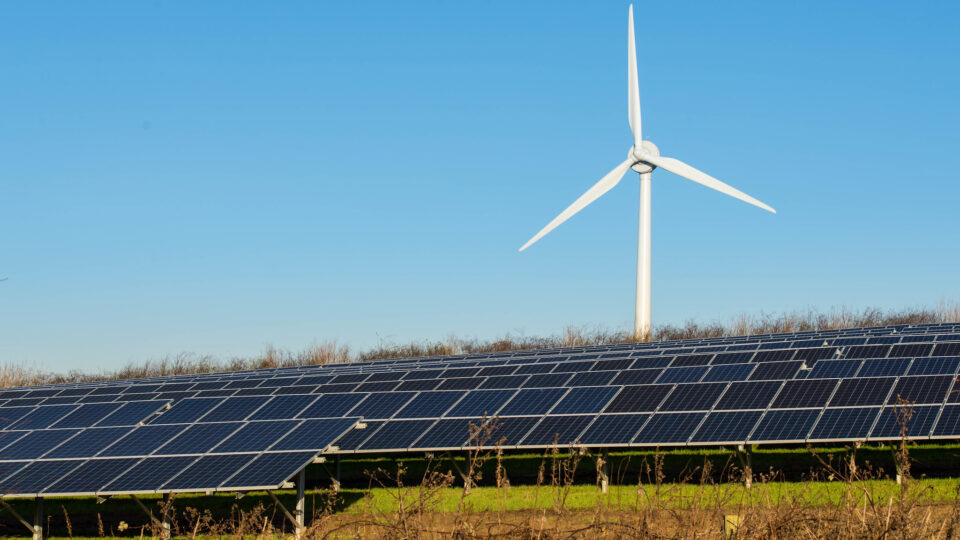
Limiting global warming

December 4, 2024 By EarthWise Leave a Comment

Limiting global warming is going to require some countries to do much more

A pressing question from the recently concluded 29th annual United Nations Climate Change Conference in Azerbaijan is how to transition away from fossil fuels and speed up climate mitigation in line with the 1.5 °C global warming target.

Keeping global average temperatures below 1.5 °C above pre-industrial levels is crucial to avoid the most severe impacts of climate change, including extreme weather, rising seas, biodiversity loss, and disruptions to food and water security. 

According to a new study by researchers from Stockholm University, Chalmers University of Technology, and Uppsala University in Sweden, it is still possible to limit global warming to 1.5 °C.  But the study found that the United States, the European Union, and 16 other countries will have to exceed their own current targets in order to achieve this global goal.  

The study, which was recently published in the journal Nature Communications, introduced an “additional carbon accountability” indicator, which quantifies countries’ responsibility for mitigation and carbon dioxide removal in addition to achieving their own targets.

The study identified 18 countries that should be accountable for increasing their ambitions to stay within their equal per capita share of the global carbon budget for 1.5 °C.  Additional carbon accountability is highest for the United States and China, and highest per capita for the United Arab Emirates, Russia, Saudi Arabia, and the U.S.

Failure to limit global warming risks catastrophic impacts of climate change.

**********

Web Links

COP29: Possible to limit climate change to 1.5°C – if EU and 17 other countries go beyond their own targets

Photo, posted December 27, 2015, courtesy of Gerry Machen via Flickr.

Earth Wise is a production of WAMC Northeast Public Radio

Carbon levies for shipping

November 27, 2024 By EarthWise Leave a Comment

The global shipping industry is responsible for 90 percent of world trade.  The ships crossing the world’s oceans emit nearly 3% of the global greenhouse gas emissions caused by human activity that are contributing to climate change.  Among the effects of climate change are sea level rise, which is threatening the very existence of small island nations.

One such nation is Tuvalu, which is a group of islands in the South Pacific.  Tuvalu has a total landmass of just 10 square miles, and sea level there is rising 1.5 times faster than the global average.  Predictions are that within 50 to 100 years, low-lying islands like those of Tuvalu could be fully submerged by the ocean.

Representatives from six Pacific Island states and a growing number of Caribbean nations known as the 6Pac+ Alliance are urgently calling upon the International Marine Organization to enact a mandatory universal levy of $150 per ton of shipping emissions from large commercial vessels. 

Most marine vessels typically run on highly polluting heavy fuel oil.  Burning really filthy fuel is the cheapest way to cross the oceans.  There are alternatives including entirely carbon-free technologies, but they will be expensive to implement and utilize.  The cost of shipping would undoubtedly go up and be especially felt by small island nations and in developing countries where most food is imported.

The idea behind putting a price on ships’ carbon emissions is to both provide a financial incentive for the shipping industry to reduce its emissions and provide revenue for countries that incur costs from dealing with rising seas.

**********

Web Links

Pacific and Caribbean Island Nations Call for the First Universal Carbon Levy on International Shipping Emissions

Photo, posted November 23, 2006, courtesy of Stefan Lins via Flickr.

Earth Wise is a production of WAMC Northeast Public Radio
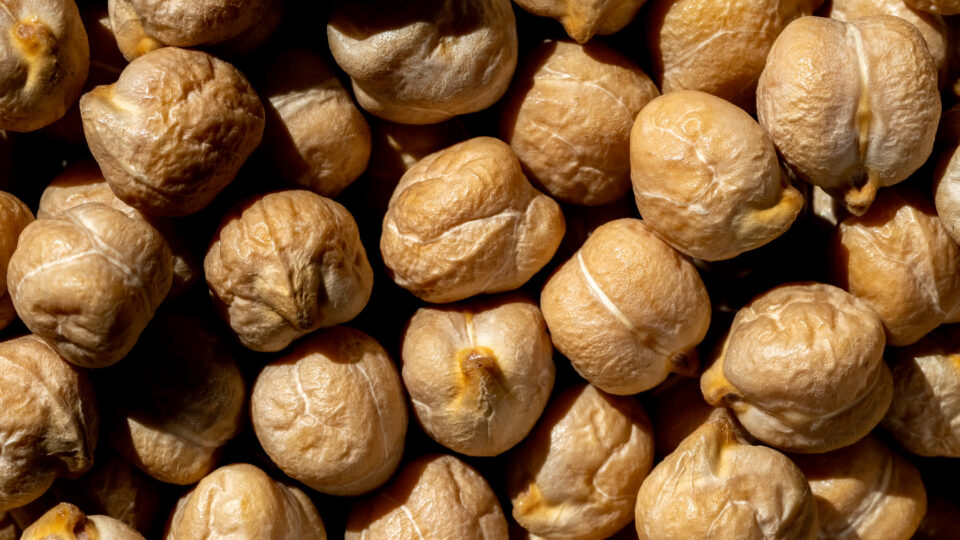
A sustainable and climate-friendly food

November 22, 2024 By EarthWise Leave a Comment

Researchers predict that climate change will negatively impact the yield and nutritional quality of most staple food crops, including rice, corn, and soybeans, due to factors like extreme weather events, rising temperatures, and altered precipitation patterns, potentially leading to reduced food security globally.   

As a result, many experts contend that alternative food sources – like insect farming and seaweed aquaculture – are part of the solution.  Additionally, expanding production of climate resilient food crops will also have an important role to play in global food security.

According to a new international study led by researchers from University of Vienna in Austria, chickpeas – also known as garbanzo beans – are a drought-resistant legume plant with a high protein content that can help combat food insecurity amid climate change.

In the study, which was recently published in the journal Plant Biotechnology, the researchers investigated the natural variations of different chickpea genotypes and their resistance to drought stress and achieved promising results.  The research team managed to grow many different chickpea varieties under drought stress in a field experiment outside of Vienna. The results demonstrate that chickpeas are a great alternative legume plant that can complement grain farming systems in urban areas.

The study highlights how the decline of plant genetic diversity poses a major threat to plant productivity and harvests.  In fact, while there are approximately 7,000 edible crops, two-thirds of global food production is based on just nine crop species. 

According to the research team, highly nutritious and drought-resistant legumes such as chickpeas are a “food of the future.”

**********

Web Links

Chickpeas – sustainable and climate-friendly foods of the future

Photo, posted March 21, 2020, courtesy of Ajay Suresh via Flickr.

Earth Wise is a production of WAMC Northeast Public Radio
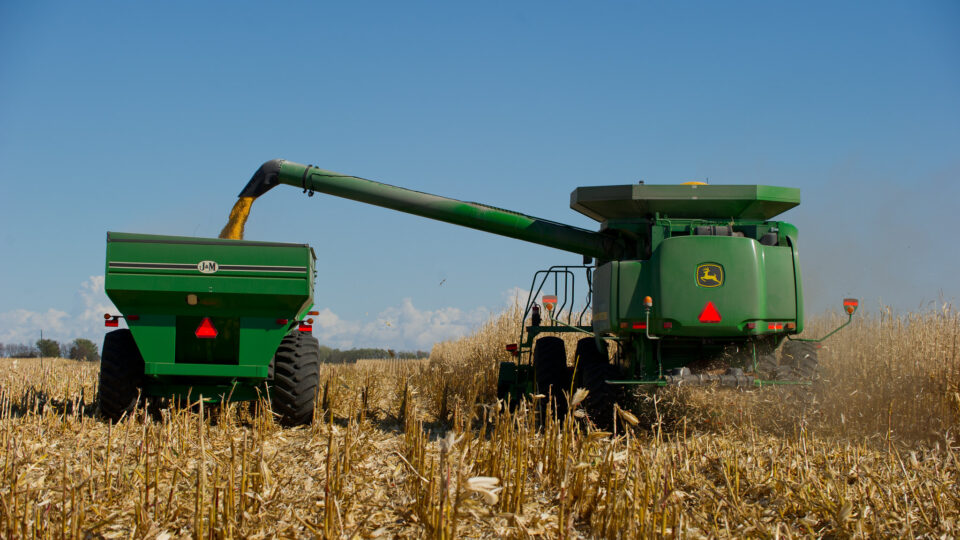
Big Food and greenhouse gas emissions

October 29, 2024 By EarthWise Leave a Comment

Analyzing Big Food and its greenhouse gas emissions

The global food system is responsible for as much as 40% of human-generated greenhouse gas emissions. The investor advocacy group Ceres has tracked whether the 50 largest North American food and agriculture companies have set targets to lower their emissions and whether doing so has actually resulted in lower emissions.

The emissions from food and agriculture companies are grouped into three so-called scopes.  Scope 1 are emissions from a company’s direct operations.  Scope 2 are emissions from its energy use.  Scope 3 are emissions from a company’s supply chain:  from the farmers who grow crops, raise cattle, and otherwise provide necessary items for a company’s final products.  In the food industry, the scope 3 category is responsible for about 90% of overall emissions.

Of the 50 food companies studied, 23 reduced their scope 1 and scope 2 emissions over the past 2 years, but only 12 reduced their scope 3 emissions.  Companies have more control over their scope 1 and scope 2 emissions. 

Reducing scope 3 emissions is more difficult.  And most companies haven’t set scope 3 reduction targets. 

The findings of the study suggest that reducing scope 3 emissions is especially difficult for companies whose supply chains are linked to carbon-intensive commodities, like meat, or crops linked to deforestation or land-use change, both of which result in increased emissions.

In March, the Securities and Exchange Commission finalized rules requiring companies to disclose their climate risk to regulators, increasing the visibility of the food industry emissions issue.

**********

Web Links

North America’s Biggest Food Companies Are Struggling to Lower Their Greenhouse Gas Emissions

Photo, posted October 13, 2011, courtesy of the United Soybean Board via Flickr.

Earth Wise is a production of WAMC Northeast Public Radio

Halloween pumpkins

October 28, 2024 By EarthWise Leave a Comment

According to the National Retail Federation, spending on Halloween festivities this year by the 72% of Americans who plan to celebrate is expected to total $11.6 billion – or about $104 per person.  The annual consumer survey also found that 67% of Americans plan to pass out candy this year, and nearly 50% of Americans plan to carve a pumpkin.

To produce enough pumpkins for Halloween, farmers grow lots of them every year.  In fact, more than two billion were grown in 2020 alone.  But the vast majority of pumpkins are never eaten; instead, most are carved and placed on porches across the country.  This means Americans spend hundreds of millions of dollars on pumpkins annually just to toss them in the trash when Halloween ends. 

When pumpkins are placed in landfills, they produce methane gas.  Methane is a potent greenhouse gas that affects climate change by contributing to increased warming. 

Instead of throwing pumpkins into the landfill, there are several responsible ways to dispose of them. 

If the pumpkin is still in good shape, use the outer, meaty part of the pumpkin to make pumpkin puree.  The pumpkin seeds can also be scooped out, rinsed, seasoned, and then baked in the oven, resulting in a delicious snack.

Pumpkins also have the potential to turn into great soil through composting. Pumpkins can help naturally add moisture to compost piles that need to be damp in order to effectively decompose food waste.   

If eating or composting the pumpkins isn’t an option, consider donating them to a local farm.  Farmers will often collect pumpkins as treats for their pigs, goats, and other animals. 

**********

Web Links

Halloween Retail Holiday and Seasonal Trends

Ready to toss out your pumpkins? Here’s how to keep them out of the landfill

US grows over 2 billion pumpkins yearly

Photo, posted November 8, 2014, courtesy of Martin Brigden via Flickr.

Earth Wise is a production of WAMC Northeast Public Radio
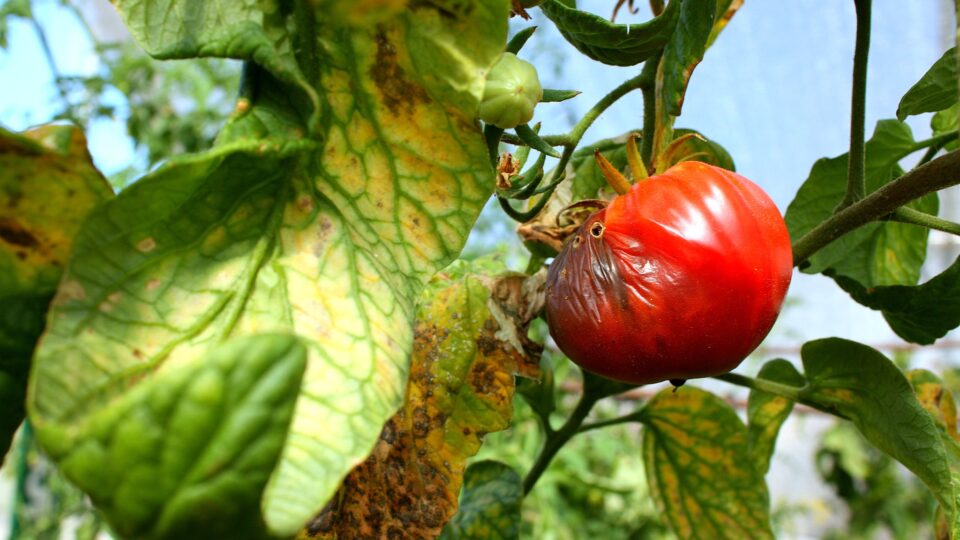
The impact of climate change on agriculture

October 18, 2024 By EarthWise Leave a Comment

Climate change is changing the landscape of global agriculture

Agriculture is a major part of the climate problem and remains one of the hardest human activities to decarbonize.  Agriculture is responsible for approximately 30% of global greenhouse gas emissions.

On farms around the world, excess fertilizer gets broken down by microbes in the soil, releasing nitrous oxide into the atmosphere.  Nitrous oxide is a greenhouse gas that is 300 times more potent than carbon dioxide.

According to a sweeping global research review recently published in the journal Science, greenhouse gas emissions from agriculture are now 18 times higher than they were in the 1960s. 

The research, which was co-written by professors at the University of Minnesota with more than 20 experts around the world, also reveals the likelihood of an emergent feedback loop between climate and agriculture.  As the changing climate puts more pressure on the global food supply, agriculture will, out of necessity, adopt practices that may exacerbate its environmental impact. Without changes in agriculture, this feedback loop could make it impossible to achieve the Paris Climate Agreement goal of limiting global warming to 1.5 degrees Celsius above pre-industrial levels. 

The research identifies several agricultural practices that could improve efficiency and stabilize our food supply in the decades to come, including precision farming, perennial crop integration, agrivoltaics, nitrogen fixation, and novel genome editing. 

Finding ways to reduce the warming impact of agriculture while maintaining high crop yields are essential to both mitigating climate change and protecting our food supply from its impacts.

**********

Web Links

Impact of Climate Change on Agriculture Suggests Even Greater Challenges to the Environment, Global Food Supply and Public Health

Photo, posted October 16, 2010, courtesy of Timlewisnm via Flickr.

Earth Wise is a production of WAMC Northeast Public Radio
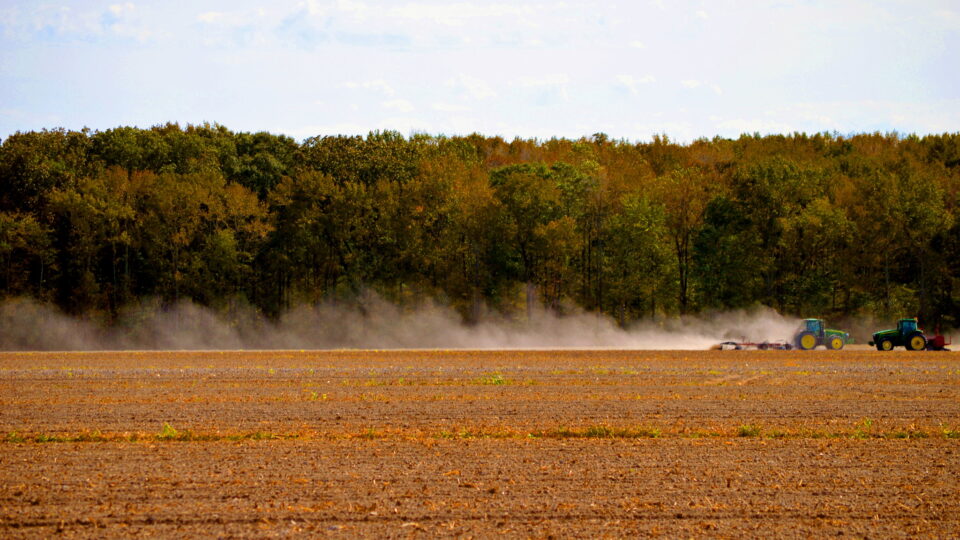
Food, timber, and climate change

October 1, 2024 By EarthWise Leave a Comment

Food and timber production will increasing be in conflict with one another as the climate warms

The sights of coffee plantations in California and vineyards in Britain are becoming more common as the climate changes. But behind what sounds like a success story is a sobering one: climate change is shifting the regions suitable for growing food all around the world. 

According to a new study by researchers from the University of Cambridge, as crop growing shifts northwards, a squeeze will be put on the land needed to produce timber.  The timber these trees produce is used to make everything from paper and cardboard to furniture and buildings.

According to the study, which was recently published in the journal Nature Climate Change, more than 25% of existing forestry land – an area equivalent in size to India – will become more suitable for agriculture by the end of the century if climate change continues unabated.  Approximately 90% of this current forestry land is located in Canada, China, Russia, and the United States.    

Global timber production is worth more than $1.5 trillion every year.  Recent heat waves and wildfires have caused huge losses of timber forests around the world. 

According to the World Bank, the value of the global food system is estimated to be roughly $8 trillion annually.  Scientists expect climate change to cause some areas to become too hot for growing food, particularly in the tropics and southern Europe. 

With the global demand for food and the global demand for wood both projected to double by 2050, the increasing climate change-driven competition between the two is set to be an emerging issue in the coming decades. 

**********

Web Links

Global timber supply threatened as climate change pushes cropland northwards

Do the costs of the global food system outweigh its monetary value?

Photo, posted October 24, 2018, courtesy of Bill Smith via Flickr.

Earth Wise is a production of WAMC Northeast Public Radio
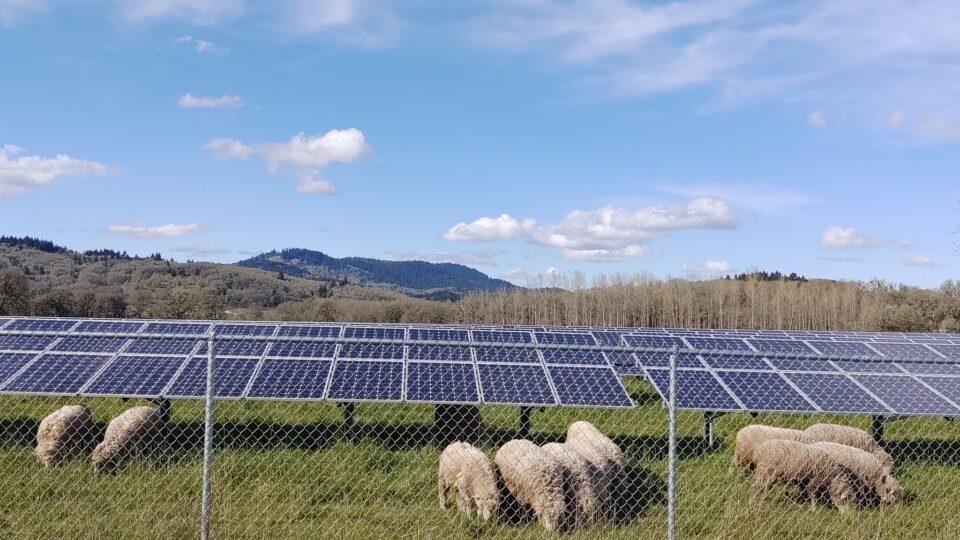
Solar grazing

September 16, 2024 By EarthWise Leave a Comment

Agrivoltaics is the combination of solar power generation with agriculture.  Generally, this has involved growing crops under and around solar panels harvesting both food and electricity.  More recently, there has been increasing interest in grazing animals to manage lands used for solar power.

Enel North America, a large operator of solar farms and utility-scale battery storage facilities in Texas, has announced a partnership with Texas Solar Sheep Company to deploy more than 6,000 sheep to chow down on the greenery on eight large Texas solar sites.  This is the largest known solar grazing agreement executed in the United States

Texas Solar Sheep’s flocks will graze on more than 10,000 acres of land being used for solar generation, an area roughly ¾ the size of Manhattan.  Most of these sites are situated in areas with high rainfall and long growing seasons. 

The American Solar Grazing Association, an organization with 950 members across 45 states, facilitates research, provides education, and develops best practices in support of a unique population of shepherds and solar developers.  Their recent survey estimates that 100,000 acres of U.S. solar sites are currently being chewed on by sheep.  Texas has the most installed utility-scale solar power in the country.

According to Enel, its existing solar grazing program has demonstrated substantial improvements in soil health by the additional of organic matter to the soil.  Managing vegetation with sheep is also better for pollinators because sheep don’t cut down all plants the way mowing does.

**********

Web Links

No more sheepless nights: Enel inks largest solar grazing contract

Photo, posted April 7, 2020, courtesy of Sean Nealon / Oregon State University via Flickr.

Earth Wise is a production of WAMC Northeast Public Radio
Industrial agriculture and the risk of pandemics

August 16, 2024 By EarthWise Leave a Comment

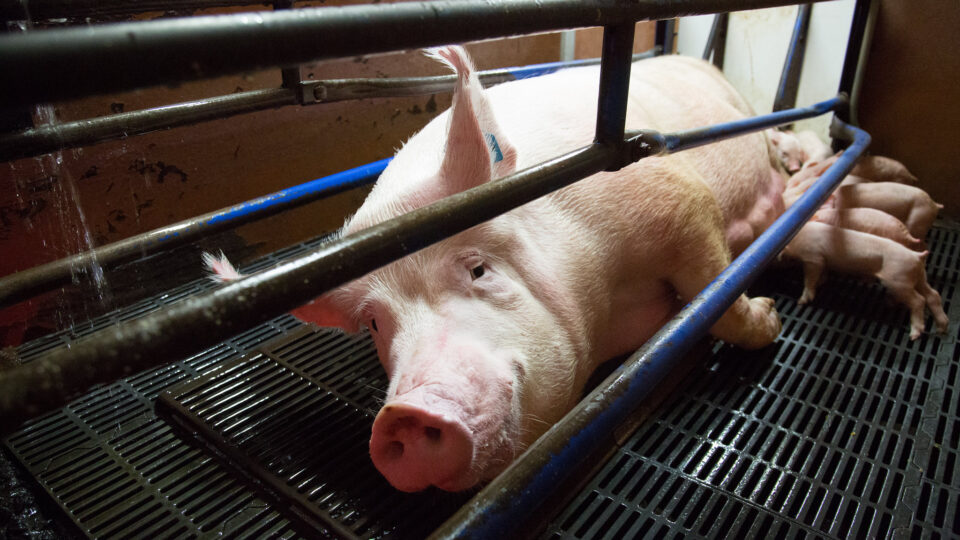
The domestication of pigs, cows, chickens, and other animals as livestock for their meat, milk, and eggs was historically revolutionary.  It boosted food security by giving people a readily-available means of feeding themselves as opposed to more traditional methods such as hunting and fishing.

But the industrialization of agriculture has led to horrendous conditions for animals.  Many are kept in huge quantities and packed together with little regard for their health and welfare.  This approach is designed to maximize production while minimizing costs.

With its chemical inputs and toxic outputs, intensive animal agriculture is also a major threat to the environment.  In fact, it’s a major driver of habitat degradation and biodiversity loss all around the globe.  

According to a new study led by researchers from the University of Exeter in the U.K., intensive livestock farming can also increase the risk of new pandemics.  These findings go against the widely held belief that industrialized farming reduces the risk of disease transmission between animals and humans. 

Zoonotic diseases are those that are spread from animals to humans.  According to the CDC, zoonotic infections account for three in every four new or emerging infectious diseases in humans.  The current bird flu outbreak in the U.S. is an example of this. 

In the paper, which was recently published in the journal Royal Society Open Science, the researchers conclude that the effects of intensifying animal agriculture “are at best uncertain and at worst may contribute to emerging infectious disease risk.”

Industrial animal agriculture is a threat to both human health and the health of our planet.

**********

Web Links

Intensive farming could raise risk of new pandemics

Photo, posted January 29, 2016, courtesy of Farm Watch via Flickr.

Earth Wise is a production of WAMC Northeast Public Radio
Wind farms and sea farms

August 5, 2024 By EarthWise Leave a Comment

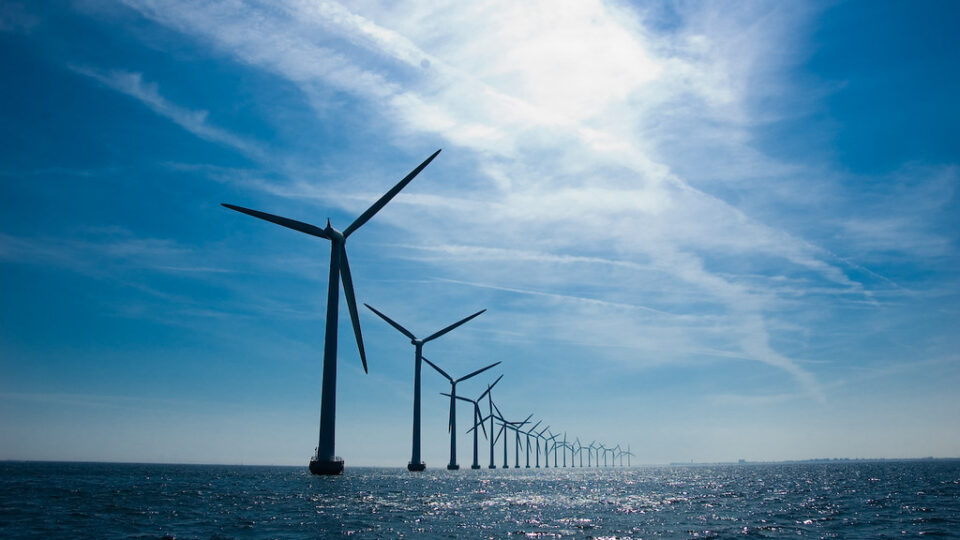
There has been increasing use of agriculture coexisting with solar farms.  This dual use of land is a win-win situation.  Recently, Danish researchers have been investigating the potential for farming marine products at offshore wind farms.

Scandinavia’s largest wind farm, Kriegers Flak, is the site of a four-year-old project in which long lines are stretched between the wind farm’s pylons and are used to grow mussels and seaweed.  With the first harvest that has taken place after 18 months, it is showing signs of early success.

Seaweed and mussels are low trophic aquaculture crops.  That means that that they don’t need to be fed or fertilized.  They take up nutrients from the sea and produce healthy foods.

The 328-foot lines spread between the turbines can be used to grow substantial quantities of the underwater seafood.  According to modeling by Aarhus University – the institution conducting the study – using just a tenth of Denmark’s wind park area could produce tons of seafood annually while using only the naturally-available resources.  This form of aquaculture captures emissions instead of producing them.

Researchers say that it is time to develop guidelines to encourage companies to plan for multiple uses of the ocean because countries are ramping up production of clean energy from offshore wind farms.  Denmark was the first country in the world to install a commercial offshore wind park in 1991.  Over 30 years later, nearly half of the country’s electricity comes from wind turbines.

The benefits of such sea farms combined with offshore wind farms go beyond food production and clean energy production.  They also help improve water quality and capture carbon.  It is another win-win situation.

**********

Web Links

Beneath offshore wind turbines, researchers grow seafood and seaweed

Photo, posted August 5, 2007, courtesy of Andreas Klinke Johannsen via Flickr.

Earth Wise is a production of WAMC Northeast Public Radio

  • « Go to Previous Page
  • Page 1
  • Page 2
  • Page 3
  • Page 4
  • Interim pages omitted …
  • Page 18
  • Go to Next Page »

Primary Sidebar

Recent Episodes

  • An uninsurable future
  • Clean energy and jobs
  • Insect declines in remote regions
  • Fossil fuel producing nations ignoring climate goals
  • Trouble for clownfishes

WAMC Northeast Public Radio

WAMC/Northeast Public Radio is a regional public radio network serving parts of seven northeastern states (more...)

Copyright © 2026 ·