energy storage
Storing Energy With Rocks
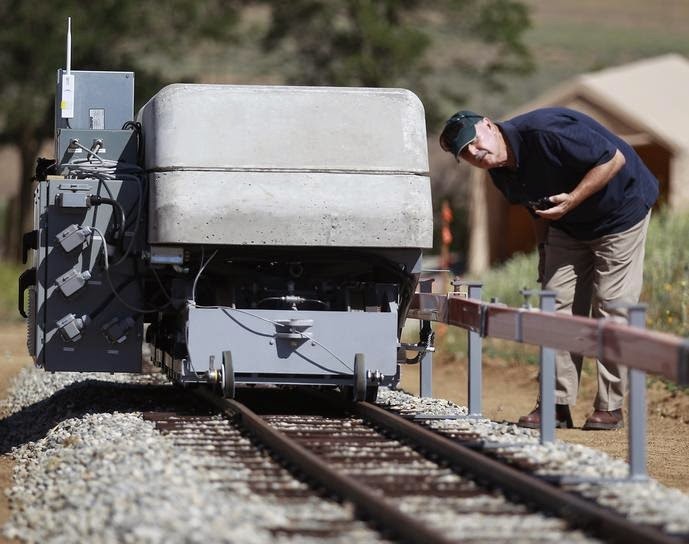
Energy storage is hot topic because more and more electricity is being generated from renewable sources like solar power and wind power that can’t operate all the time because the sun doesn’t always shine and the wind doesn’t always blow. So we need ways to store surplus energy when it is produced and be able to use it later when it is needed.
A Floating Wind Farm
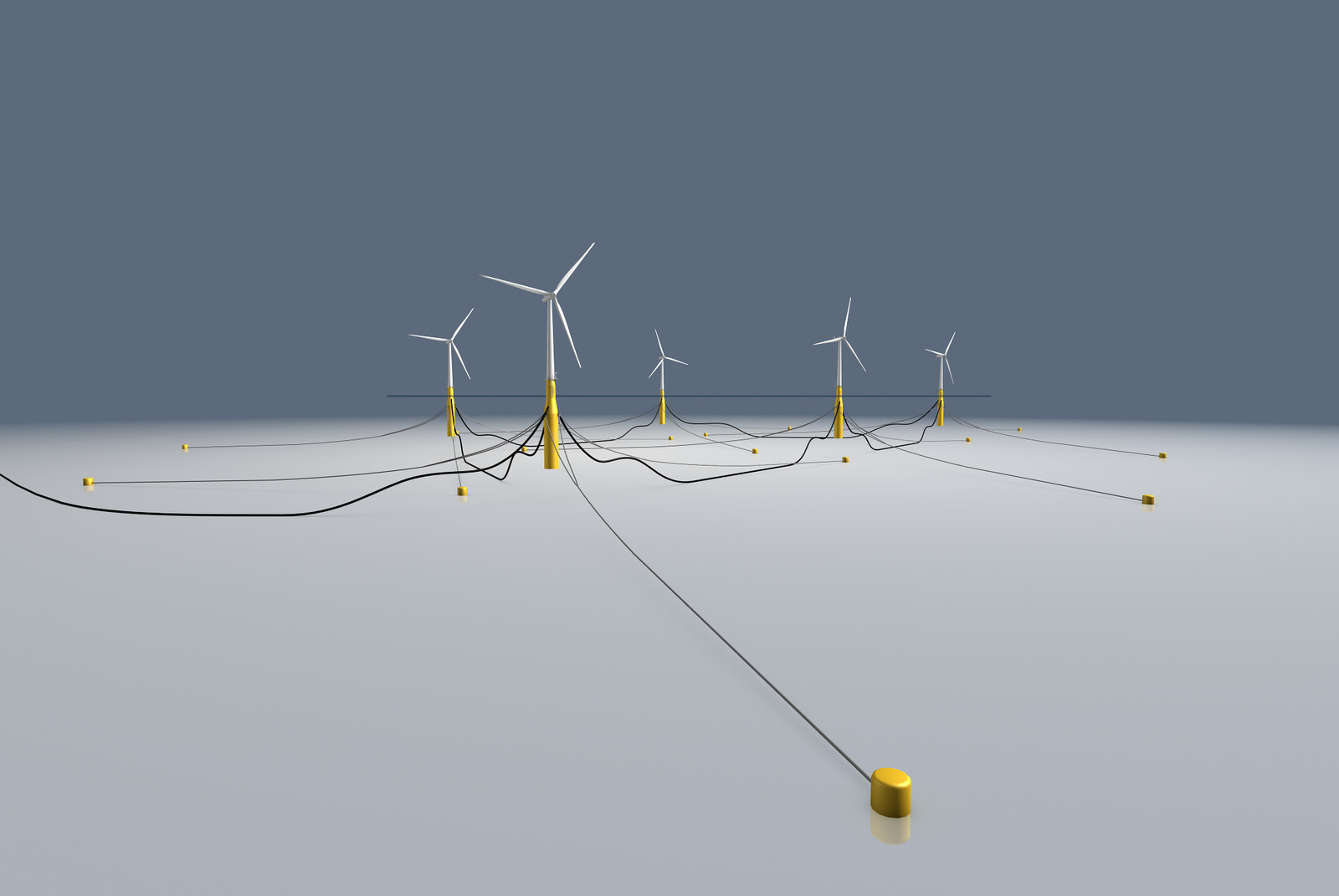
The world’s first floating wind farm is being built 15 miles off the northeast coast of Scotland. The Hywind pilot park, expected to come online late next year, will generate enough power for 20,000 homes. The location will take advantage of average local North Sea wind speeds in excess of 20 miles per hour.
The World’s Largest Solar Plant
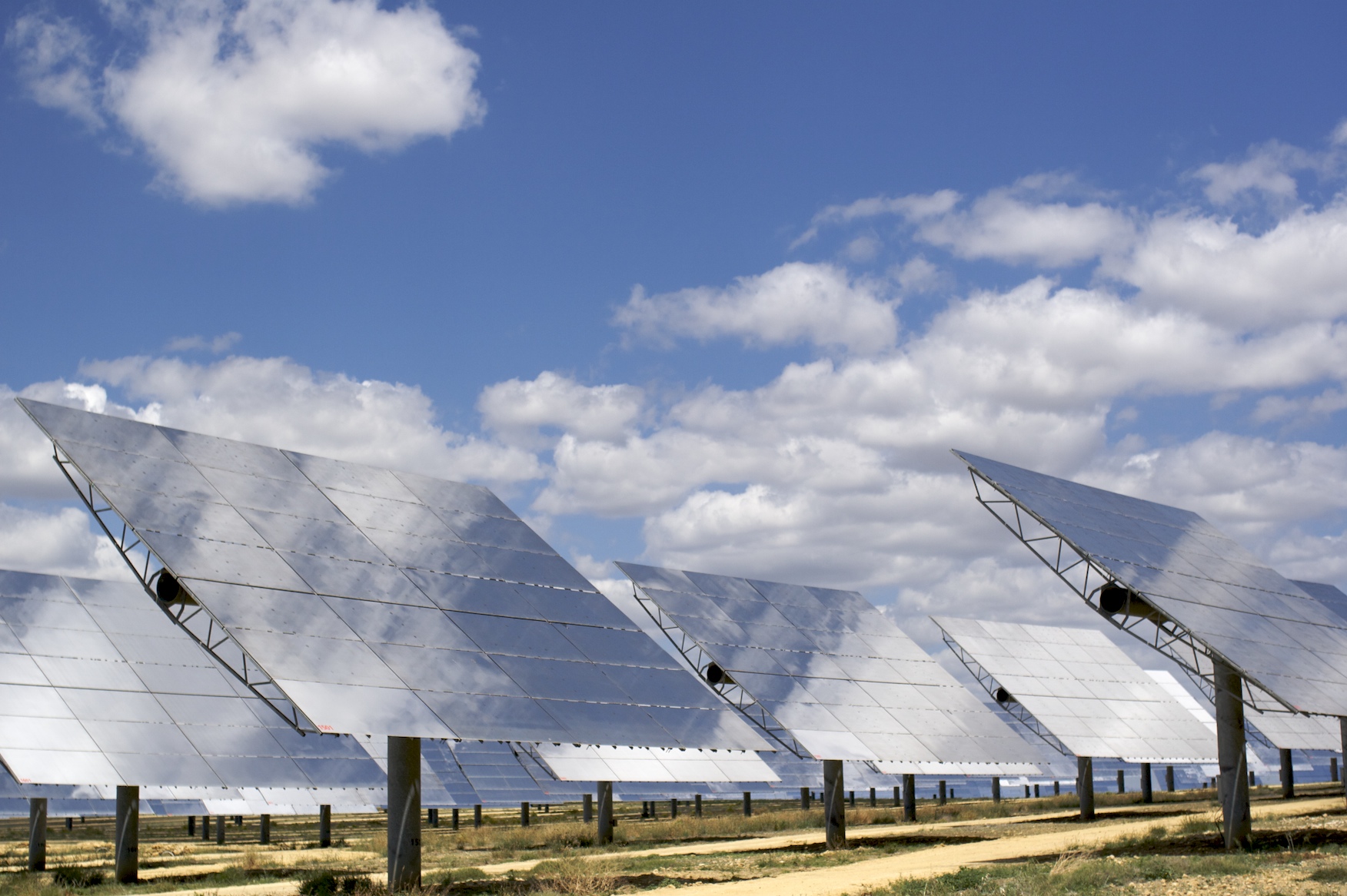
Morocco has switched on what is going to be the world’s largest concentrating solar power plant. The plant is located near the city of Ouarzazate, an area previously famous as a filming location for blockbusters like Lawrence of Arabia and Gladiator. When fully online in 2018, the plant will produce enough energy to power over a million homes. It will also cut carbon emissions by 760,000 tons a year.
Pumped Hydro Storage
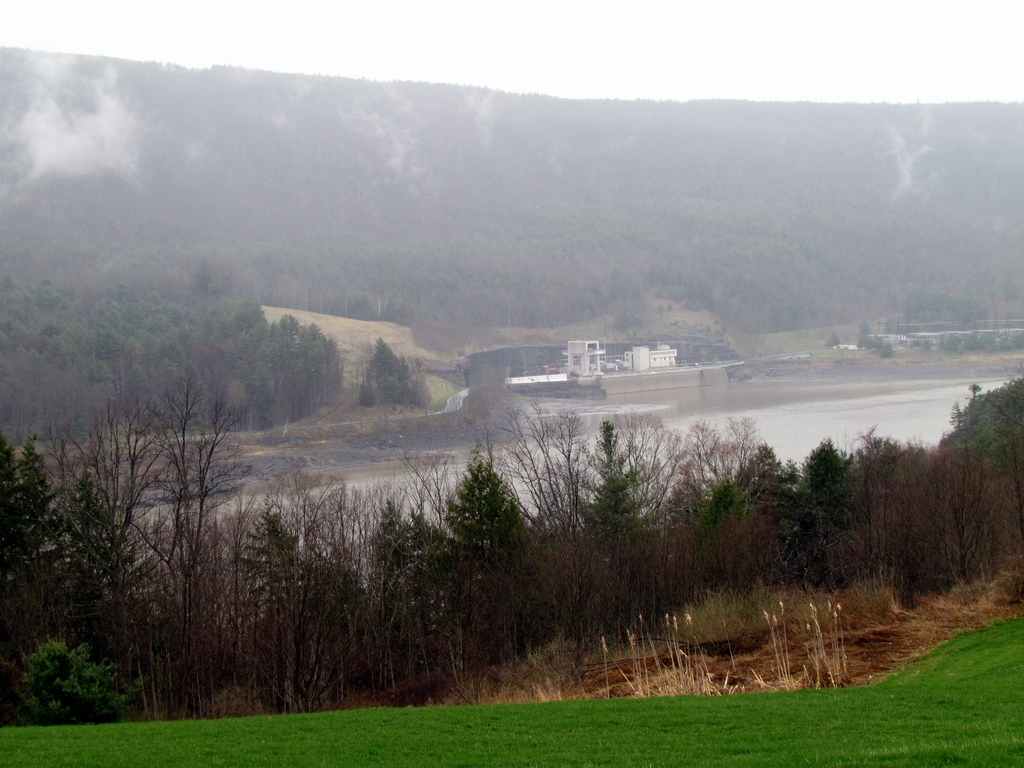
There is much talk these days about energy storage. As more and more wind and solar power enters the electrical grid, there is an increasing need to be able to store excess energy and have it available when the wind isn’t blowing or the sun isn’t shining. Much of the talk centers around battery technology, and having storage batteries distributed throughout the grid is the most versatile and widely applicable way to provide storage.
Storing Energy As Ice
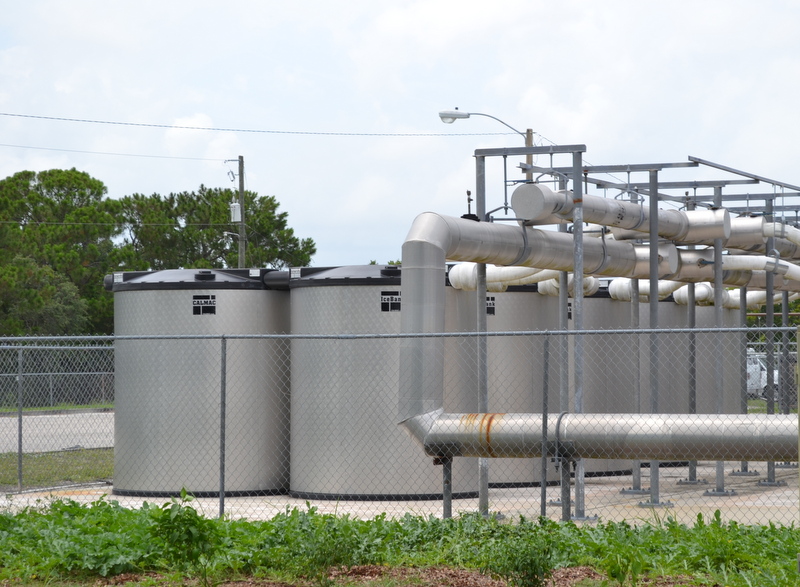
One of the challenges of operating the electricity grid is that there are times when everybody wants more electricity than usual – like during a hot afternoon in August – and the system struggles to keep up with the increased demand.
Artificial Leaf Progress

The Joint Center for Artificial Photosynthesis was established at Caltech and its partner institutions in 2010 with one main goal: to find a cost-effective way to produce fuels using only sunlight, water and carbon dioxide. The natural process of photosynthesis in plants accomplishes exactly the same thing. As a result, such a solar fuel generation system is generally described as an artificial leaf.
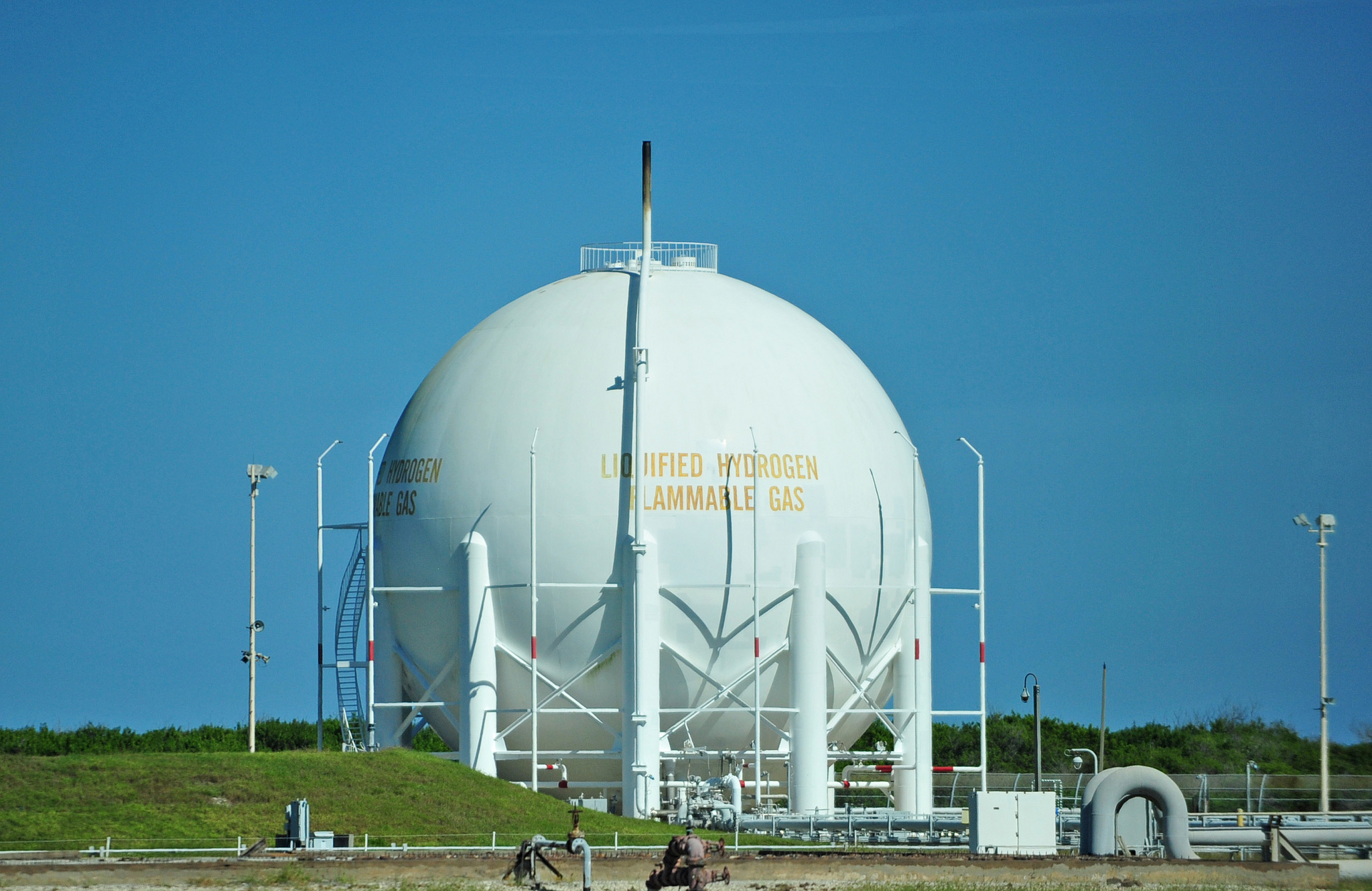
Solar-Powered Hydrogen Storage