The federal government now appears to be headed down the path of not honoring America’s commitments to tackle global warming, but many of the country’s cities and states as well as its corporations have no intention of breaking our promises to the world.
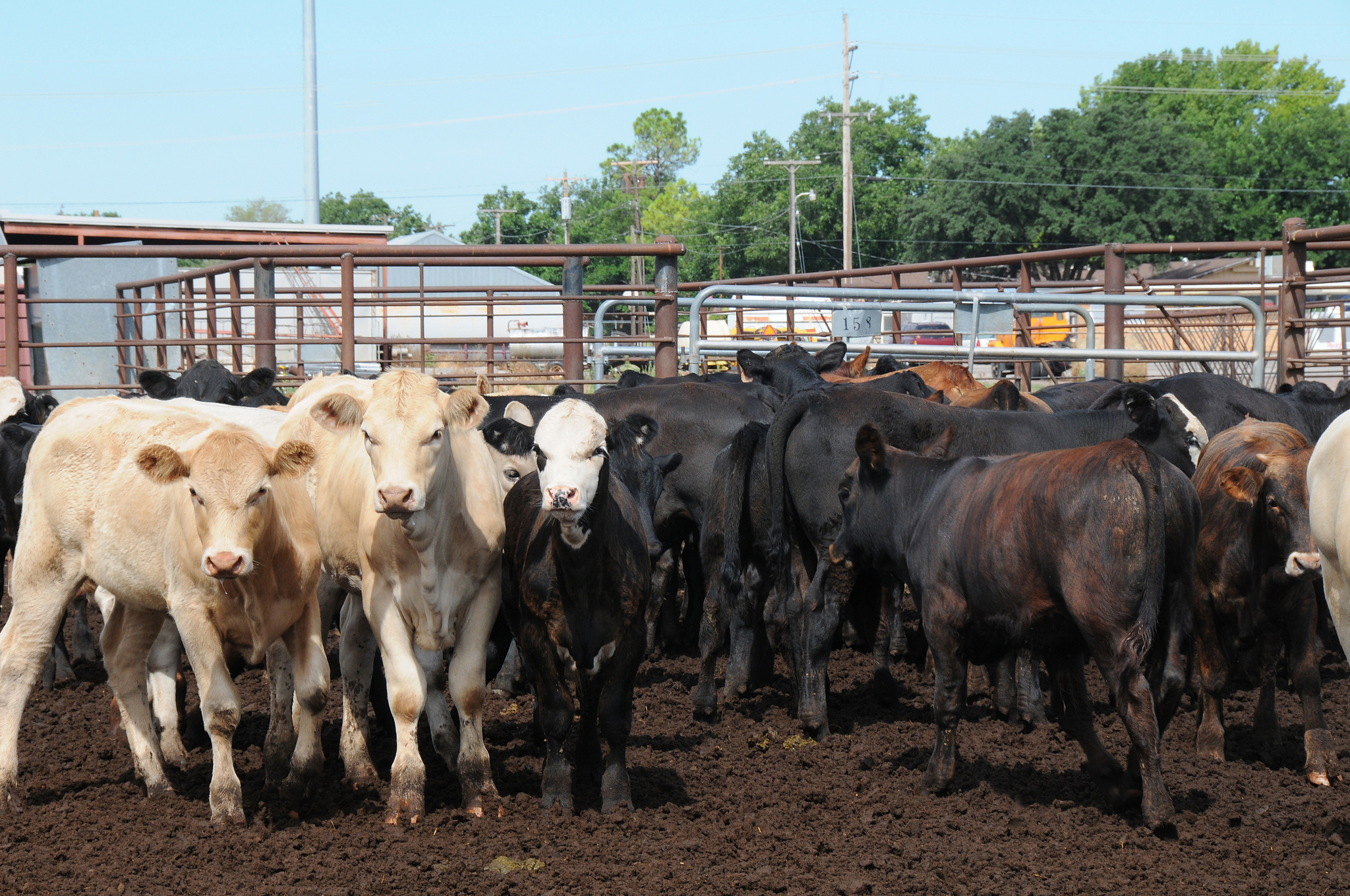
According to the FDA, approximately three-quarters of all antibiotics used in the U.S. are fed to livestock for non-therapeutic purposes. This routine administration of antibiotics promotes the development of antibiotic-resistant bacteria, which can spread to animals and humans. And as antibiotic-resistant bacteria spreads, medicines used to treat human diseases can become less effective. Antibiotic resistant infections kill 90,000 Americans each year.
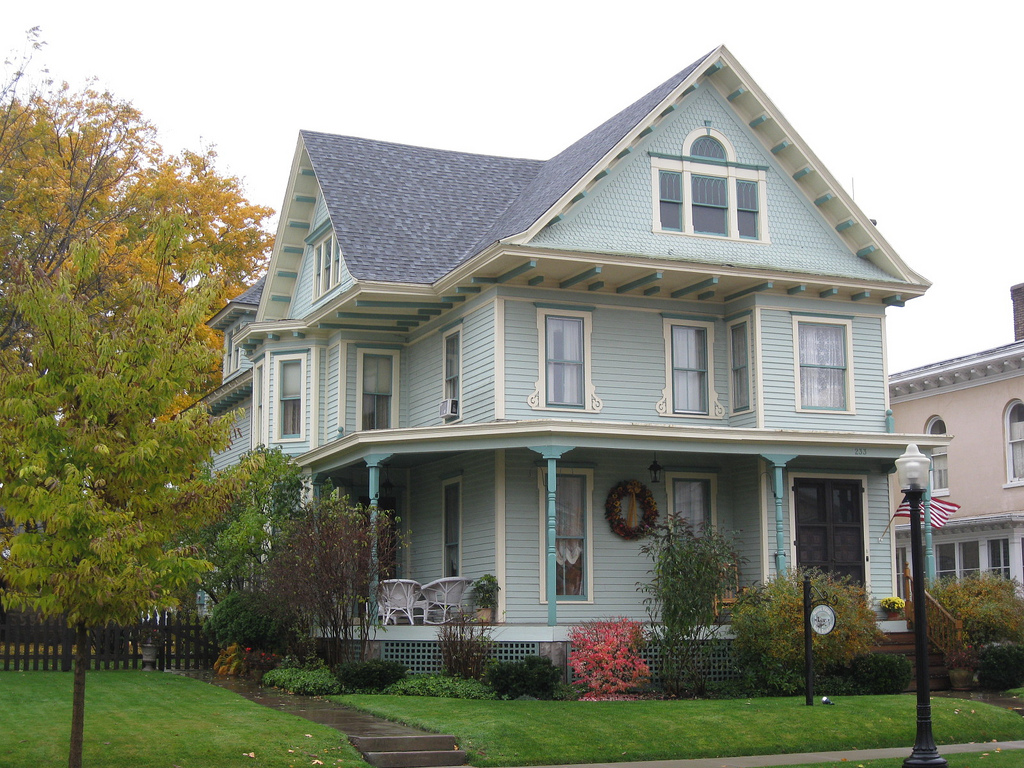
Americans comprise less than 5% of the world’s population, but we use almost 20% of its energy. This is a problem from many perspectives and it is one that we are at least trying to solve.
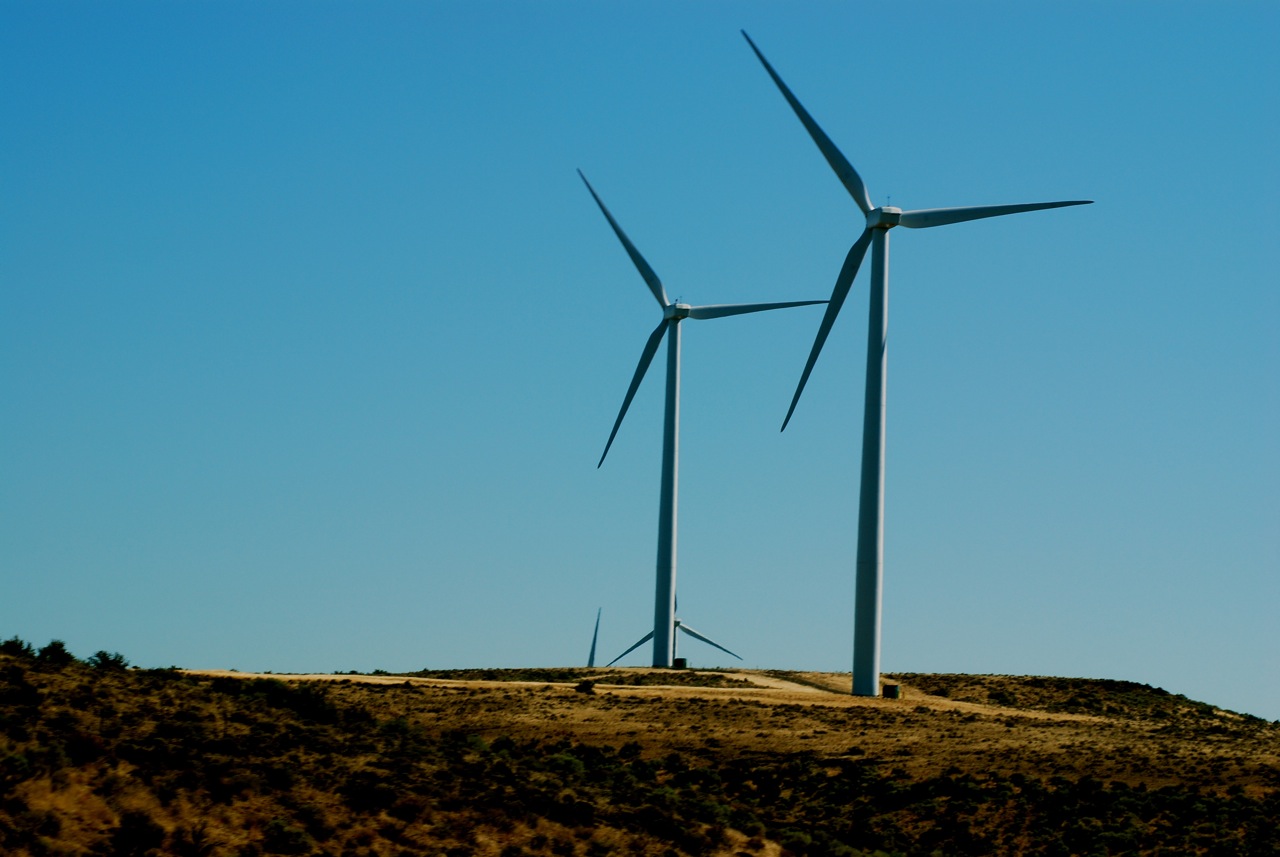
The traditional model of the electricity grid is one where centralized large power plants send power through transmission lines to substations and then on to homes and businesses. As localized renewable energy sources, energy storage systems, and efficiency systems proliferate throughout the system, a new concept is emerging: that of the virtual power plant.
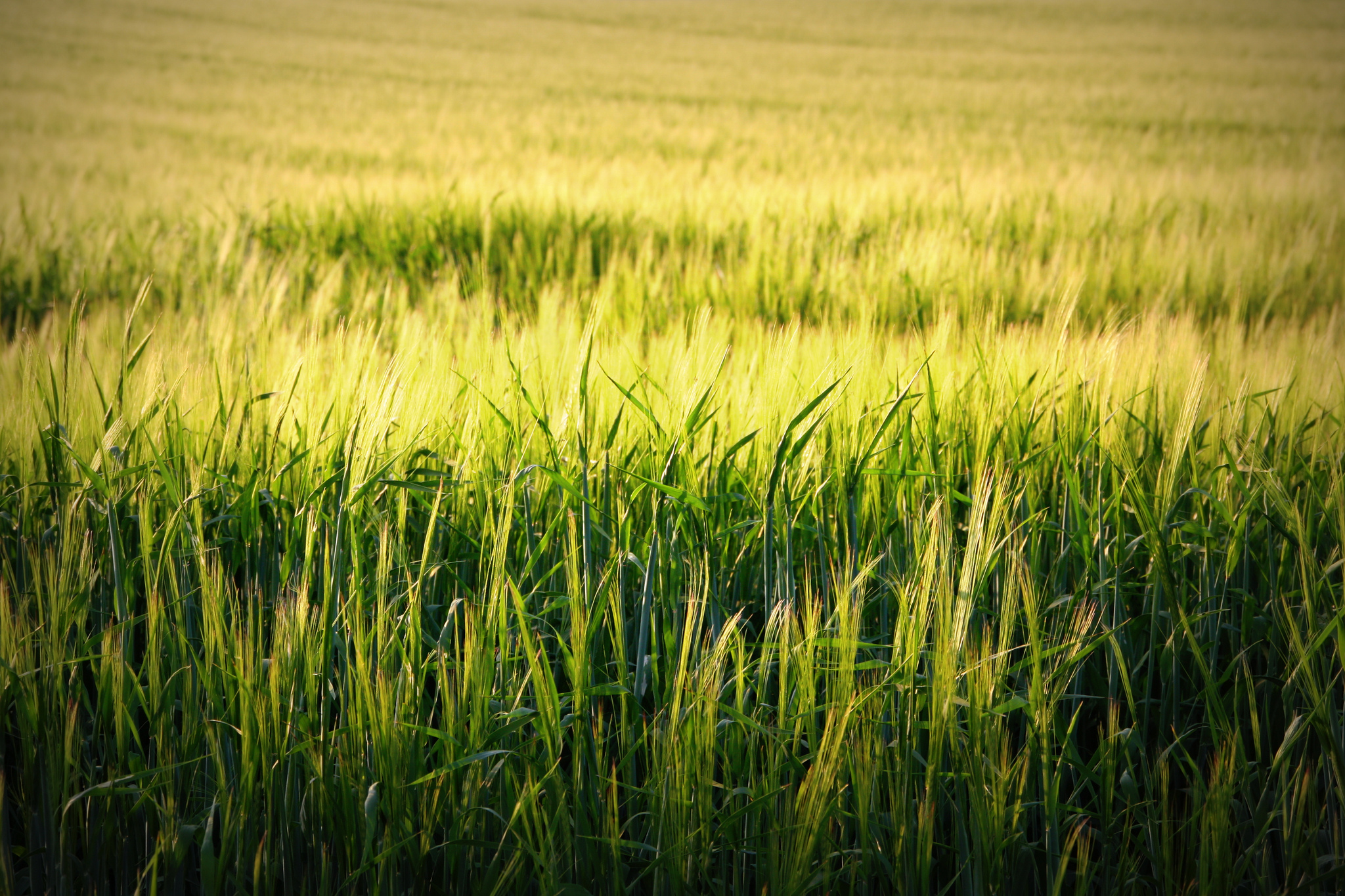
There are predictions that the world’s population could reach 10 billion by the year 2050. Whether population growth can be slowed down enough to prevent this remains to be seen. Regardless, it is clear that we need to figure out how to feed many more people than we have today and we are not even doing that good a job of feeding the current population.