
• Skip to primary navigation
  • Skip to main content
  • Skip to primary sidebar

Earth Wise

A look at our changing environment.

  • Home
  • About Earth Wise
  • Where to Listen
  • All Articles
  • Show Search
Hide Search
You are here: Home / Archives for coronavirus

coronavirus

Disposable Masks And The Environment | Earth Wise

August 12, 2021 By EarthWise Leave a Comment

Disposable masks have a huge financial and environmental cost

The Covid-19 pandemic has made face masks and other personal protective equipment essential for healthcare workers.  Disposable N95 masks became the key requirement to help prevent the spread of the coronavirus.  But the wide use of these masks has both financial and environmental costs.

The pandemic is estimated to generate over 7,000 tons of medical waste each day and much of that is in the form of disposable masks.  Even though the pandemic has slowed down in many places, health care workers are continuing to wear masks most of the time.

A new study at MIT has looked at the financial and environmental cost of several different mask usage scenarios with an eye on trying to reduce the toll created by the continued need for using them.

If every health care worker in the US used a new N95 mask for each patient they encountered during the first six months of the pandemic, the total number of masks required would be over 7 billion, at a cost of over $6 billion and would generate 92,000 tons of waste (the equivalent of 252 Boeing 747 jets.)

Decontaminating regular N95 masks so that health care workers can wear them for more than one day could drop costs and environmental waste by at least 75% compared with using a new mask for every patient encounter. 

Fully reusable N95 masks could offer an even greater reduction in waste, but such masks are not yet commercially available.  MIT researchers are developing a reusable N95 mask made of silicone rubber that contains an N95 filter than can either be discarded or sterilized after use.  They have started a new company with the goal of commercializing the masks.

**********

Web Links

The environmental toll of disposable masks

Photo, posted August 4, 2020, courtesy of the U.S. Navy / Mass Communication Specialist 3rd Class Jake Greenberg via Flickr.

Earth Wise is a production of WAMC Northeast Public Radio.
Record Carbon Dioxide Levels | Earth Wise

June 29, 2021 By EarthWise Leave a Comment

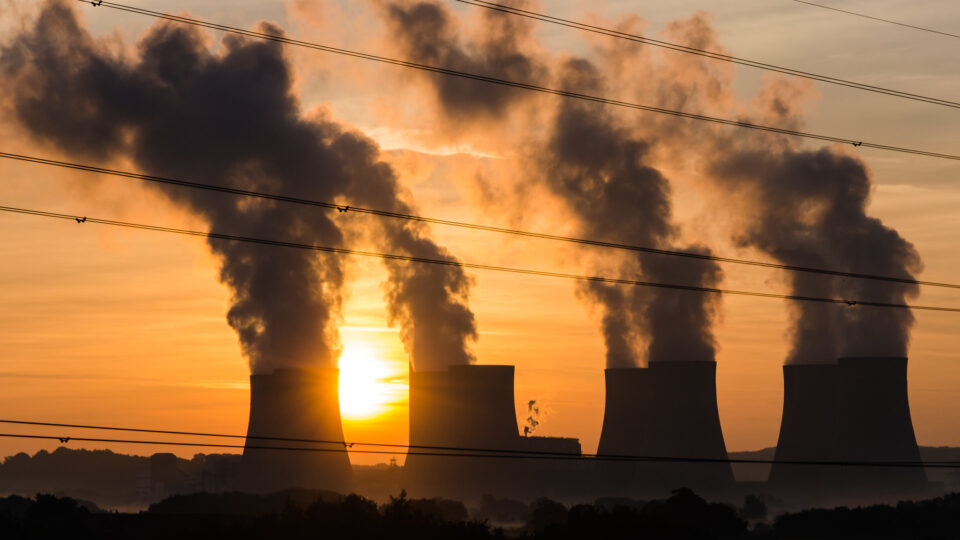
Carbon dioxide levels set another record despite pandemic shutdowns

The coronavirus pandemic caused a temporary dip in the burning of fossil fuels around the world as many human activities were diminished or curtailed entirely.  Despite this, the amount of carbon dioxide in the atmosphere set a record in May, reaching the highest levels in human history.

Scientific instruments atop the Mauna Loa volcano in Hawaii measured an average of 419 parts per million for the month, according to analysis from both the Scripps Institution of Oceanography and the National Oceanic and Atmospheric Administration.

This level is about half a percent more than the previous record of 417 ppm, set in May of 2020.  Carbon dioxide is the largest greenhouse gas contributor driving global warming and, according to scientists, there hasn’t been this much of it in the atmosphere for millions of years.

Global emissions of carbon dioxide were actually 5.8 percent lower in 2020 than 2019, as a result of pandemic lockdowns.  This was the largest one-year drop ever recorded.  But humanity was still responsible for emitting more than 31 billion tons of carbon dioxide last year.  About half of that CO2 is absorbed by the world’s trees and oceans, but the other half lingers in the atmosphere for thousands of years, gradually warming the planet via the greenhouse effect.

As long as we keep emitting carbon dioxide, it is going to continue to pile up in the atmosphere.  The only way to stop it is for the world’s nations to zero out their net emissions, mostly by switching away from fossil fuels to technologies that do not emit carbon dioxide, such as electric vehicles fueled by wind, solar, or nuclear power.

**********

Web Links

Carbon Dioxide in Atmosphere Hits Record High Despite Pandemic Dip

Photo, posted August 7, 2013, courtesy of Gerry Machen via Flickr.

Earth Wise is a production of WAMC Northeast Public Radio.
Climate Change And The Coronavirus | Earth Wise

March 19, 2021 By EarthWise Leave a Comment

Climate change may have played a role in the emergence of the Covid-19 pandemic

It’s no secret that our planet is heating up.  Scientists have concluded that the changing climate is primarily the result of increased human-caused (or anthropogenic) greenhouse gas emissions.  Some of the effects of global climate change include thawing permafrost, warming oceans, intensifying storms and wildfires, and rising seas.     

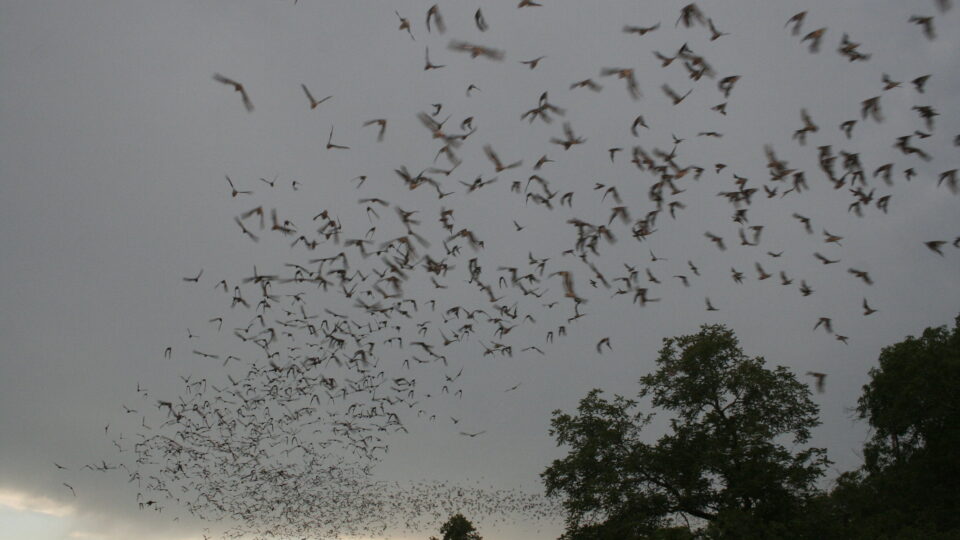
In southern China, the surge in greenhouse gas emissions over the past century has driven the growth of forest habitat favored by bats, leading to the creation of a hotspot for bat-borne coronaviruses in that region. 

According to a new study by researchers from the University of Cambridge in the UK, climate change could have played a direct role in the emergence of SARS-CoV-2, the virus that caused the COVID-19 pandemic.

The study, which was recently published in the journal Science of the Total Environment, revealed large-scale changes in the type of vegetation in the southern Chinese Yunnan province over the last century, as well as in the adjacent regions of Myanmar and Laos.  Increases in temperature, sunlight, atmospheric carbon dioxide and other climatic changes have transformed natural habitats from tropical shrubland to tropical savannah and deciduous woodland.  These changes have created ideal habitats for many bat species that predominantly live in forests.

According to the study, an additional 40 bat species moved into Yunnan province over the past century.  This is the region where genetic data suggests SARS-CoV-2 may have arisen.  Each bat species harbors an average of 2.7 coronaviruses. 

The researchers urge policymakers to acknowledge the role that climate change plays in outbreaks of viral diseases and to work together to reduce global greenhouse gas emissions. 

**********

Web Links

Climate change may have driven the emergence of SARS-CoV-2

Photo, posted July 21, 2013, courtesy of the U.S. Fish and Wildlife Service/Ann Froschauer via Flickr.

Earth Wise is a production of WAMC Northeast Public Radio.

The Pandemic And Global Temperatures | Earth Wise

March 12, 2021 By EarthWise Leave a Comment

The pandemic has done little to slow the rise in global tempertures

The early months of the Covid-19 pandemic last year saw dramatic reductions in travel and many forms of commerce.  With much of human activity greatly curtailed, greenhouse gas emissions were greatly reduced.   And yet, all of that did not slow down global warming: 2020 ended up tied with 2016 as the warmest year on record and atmospheric greenhouse gas levels reached a new high.

In order to understand how this came about, it is necessary to understand the complex climate influences of different types of emissions from power plants, motor vehicles, industrial facilities, and other sources.  The fact is that some types of pollution actually have a cooling effect rather than contributing to global warming.

Tiny industrial pollution particles called aerosols actually make clouds brighter, causing them to reflect away more solar heat from the surface of the planet.   During the drastic shutdown last year, the biggest emissions decline was from the most polluting industries.  The reduction of aerosols had immediate, short-term effects on temperatures.  These types of pollutants are very bad for human health, but when they are present, they do have the effect of reducing temperatures.

It is important to keep in mind that carbon dioxide spreads through the Earth’s atmosphere and stays there for a century or more, trapping heat on a global scale.  Industrial aerosols stay relatively concentrated in the region where they are emitted and are often removed by rain and winds within a few weeks.  So, their cooling effect doesn’t spread very far or last very long.

Overall, the initial pandemic slowdown probably didn’t have any real long-term impact on the climate but over the short term, the effects were not as simple as one might expect.

**********

Web Links

Covid-19 Cut Gases That Warm the Globe But a Drop in Other Pollution Boosted Regional Temperatures

Photo, posted July 7, 2020, courtesy of Joey Zanotti via Flickr.

Earth Wise is a production of WAMC Northeast Public Radio.
COVID-19 And The Wildlife Trade | Earth Wise

December 17, 2020 By EarthWise Leave a Comment

Disease outbreaks and the wildlife trade

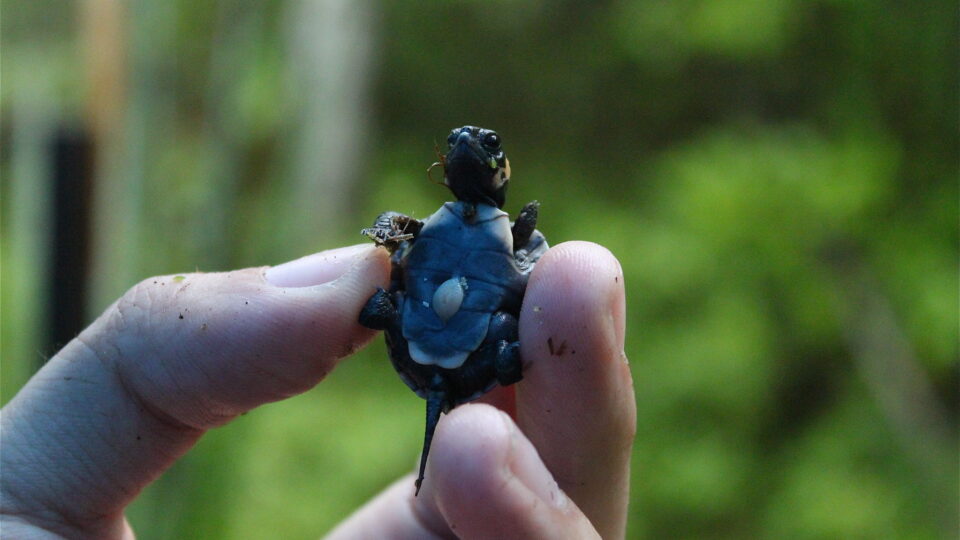
Historically, many diseases have jumped from animals to people with serious consequences for the human host.  In fact, coronaviruses alone have caused outbreaks in humans three times in the past 20 years:  SARS, MERS, and COVID-19.  The majority of human pathogens that caused substantial damage to human health and economies during the past three decades have originated from wildlife or livestock.

According to a team of researchers from the University of Göttingen and other international institutions, more epidemics from animal hosts are inevitable unless urgent action is taken.  In order to help  protect against future pandemics, which could be even more severe than the current one, the researchers published a series of suggestions for governments to consider in the journal Trends in Ecology & Evolution.

The research team calls for governments around the world to establish effective legislation to do three things:  address the wildlife trade, protect habitats, and reduce the interaction between people, wildlife, and livestock. 

The wildlife trade and habitat fragmentation both facilitate disease outbreaks by increasing the potential for contact between humans and animals. Animals in wildlife markets are often kept in crowded and unsanitary conditions, which creates fertile breeding grounds for pathogens to jump to humans. Animals and humans are also forced closer together when natural habitats are cleared or otherwise fragmented in order to meet the various needs of a growing global population.  

Since the Covid-19 outbreak, China, Vietnam, and South Korea have introduced regulations to better manage the wildlife trade as well as support wildlife conservation.  According to the researchers, these actions serve as examples for other countries to consider.  The status quo isn’t good enough. 

**********

Web Links

COVID-19 highlights risks of wildlife trade

Photo, posted August 23, 2010, courtesy of the U.S. Fish and Wildlife Service Northeast Region via Flickr. Photo credit: Rosie Walunas/USFWS.

Earth Wise is a production of WAMC Northeast Public Radio.
Reduced Air Travel And Weather Forecasts | Earth Wise

December 16, 2020 By EarthWise Leave a Comment

The pandemic is affecting weather forecasting

There have been countless stories about the major and minor changes in the world caused by the Covid-19 pandemic.  A few of those changes, such as reductions in pollution and traffic, have been positive.  Most have been decidedly negative.

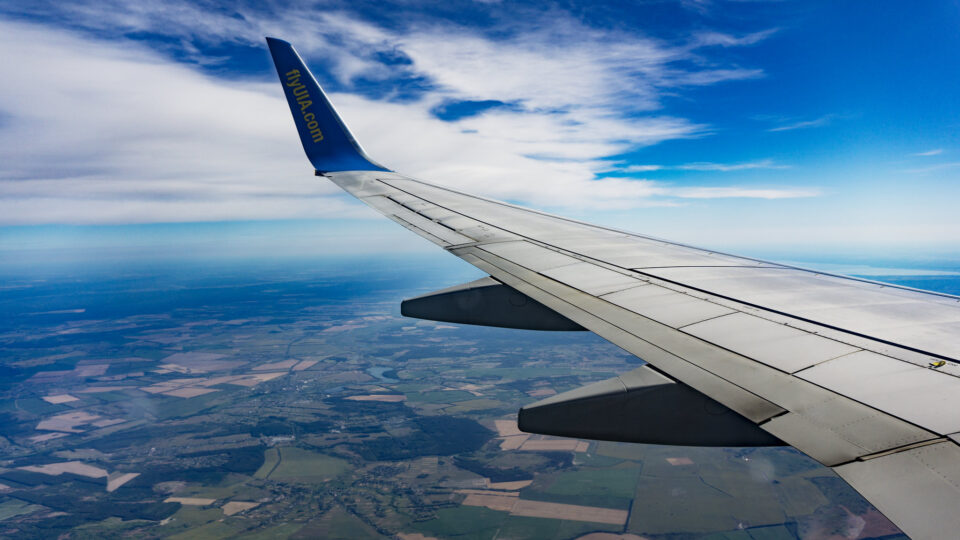
One of the stranger things that has happened is that the pandemic has affected the quality of weather forecasting by sharply reducing the amount of atmospheric data routinely collected by commercial airliners.

It turns out that atmospheric observations from passenger and cargo flights are among the most important data used in weather forecasting models.  These observations are made by instruments aboard thousands of airliners, mostly based in North America and Europe.  The observation program has been in place for decades.  The data is transmitted in real time to forecasting organizations around the world, including the National Weather Service.  About 40 airlines participate in the program, which has equipment aboard about 3,500 aircraft.  Here in the US, Delta, United, American, and Southwest Airlines participate, as do UPS and FedEx.

During the first few months of the pandemic, air traffic declined by 75% or more worldwide.  As a result, atmospheric observations dropped by the same percentage.  A government research study showed that when weather forecasting models receive less data on temperature, wind, and humidity from aircraft, the accuracy of forecasts was reduced.

The amount of data from aircraft has increased in recent months as air travel has picked up to roughly 50% of pre-pandemic levels.  So, the observation program is on the mend.  Nonetheless, impaired weather forecasting is just another unexpected result of the global pandemic.

**********

Web Links

Slump in Air Travel Hindered Weather Forecasting, Study Shows

Photo, posted July 15, 2017, courtesy of Daria Nepriakhina via Flickr. Photo by Photo by Daria / epicantus.

Earth Wise is a production of WAMC Northeast Public Radio.
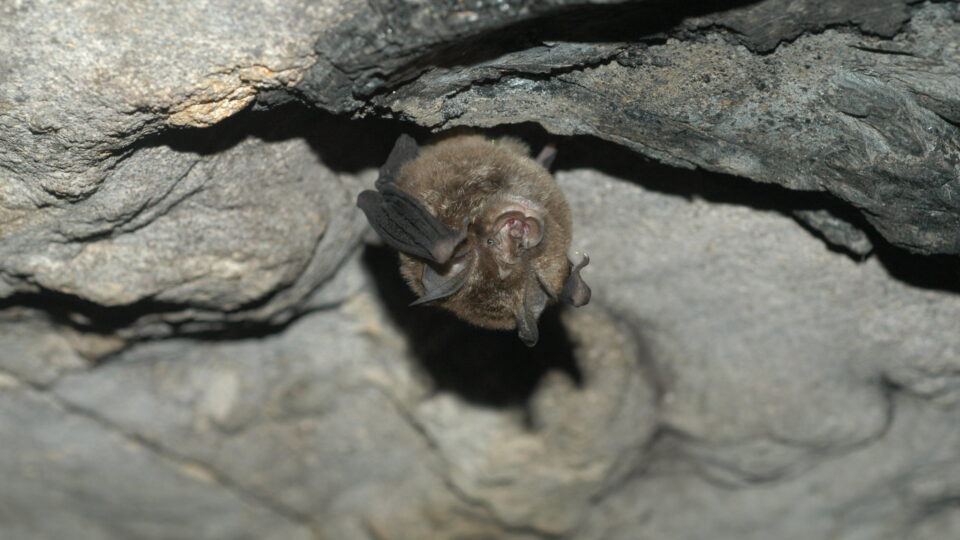
Monitoring Wildlife For Warning Signs of the Next Pandemic | Earth Wise

July 29, 2020 By EarthWise Leave a Comment

Monitoring wildlife to prevent the next pandemic

According to the World Health Organization, the coronavirus that causes COVID-19 likely originated in wild bats near Wuhan, China, and may have been passed to a second animal species before infecting people.  Since then, according to data from Johns Hopkins University, more than 13 million people around the world have been infected by COVID-19 and about 600,000 have died. 

But despite the ever-present threat of a new virus sparking the next pandemic, there is currently no global system to screen for viruses in wild animals that could eventually spill over to humans. 

In an article recently published in the journal Science, a group of scientists is calling for the creation of a decentralized global system of wildlife surveillance.  The establishment of this global system could help identify viruses in wild animals that have the potential to infect and sicken people before another global disease outbreak begins. 

According to the scientists, coronaviruses alone have caused outbreaks in humans three times in the last 20 years:  SARS (or Severe Acute Respiratory Syndrome), MERS (or Middle East Respiratory Syndrome), and COVID-19. 

While it’s impossible to know today how often viruses jump from animals to humans, human activity is making such spillover events more and more likely.  For instance, many continue to develop wild animal habitat to build new homes or businesses.  Some catch wild animals and re-sell them either for consumption or as exotic pets.  Parts from these wild animals are often shipped around the world as trinkets or as ingredients for traditional medicines. 

A global system that could identify potentially harmful viruses before they jump to humans is technologically feasible, affordable, and clearly necessary. 

**********

Web Links

COVID-19 Dashboard by the Center for Systems Science and Engineering (CSSE) at Johns Hopkins University (JHU)

Global wildlife surveillance could provide early warning for next pandemic

Photo, posted January 15, 2008, courtesy of Doug Beckers via Flickr.

Earth Wise is a production of WAMC Northeast Public Radio.
Renewables Surpass Coal | Earth Wise

July 3, 2020 By EarthWise Leave a Comment

Renewable energy surpasses coal

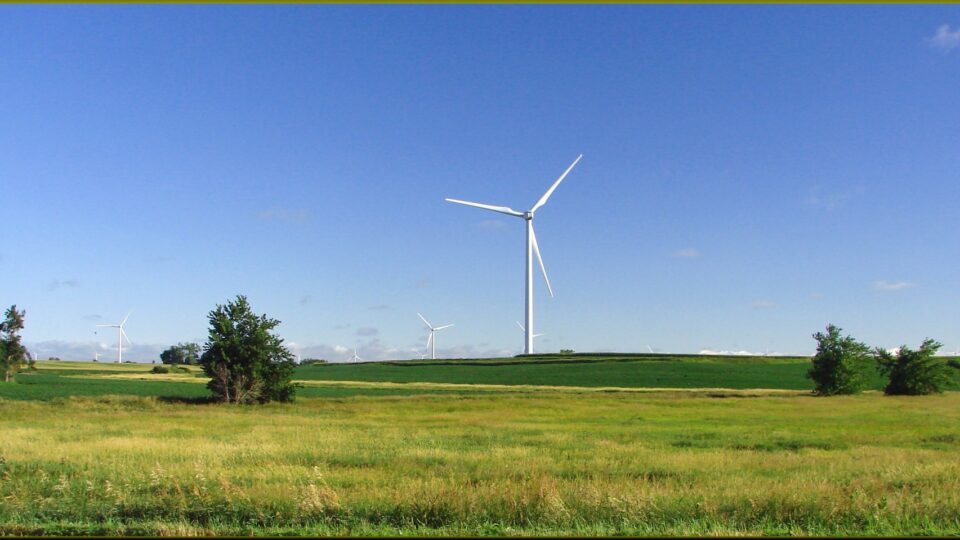
In 2019, energy consumption in the U.S. from renewable sources exceeded consumption from coal for the first time since before 1885.  This has come about from a combination of the continued decline in the amount of coal used for electricity generation as well as the continued growth in renewable energy, mostly from wind and solar.

Until the mid-1800s, burning wood was the main source of energy in the U.S. and, in fact, it was the only commercial-scale renewable energy source until the first hydroelectric plants came online in the 1880s.  Coal was used as fuel for steamboats and trains and making steel but only started to be used to generate electricity in the 1880s.

In 2019, U.S. coal consumption decreased for the sixth consecutive year and fell to its lowest level in 42 years.  Natural gas has displaced much of the energy generation from retired coal plants.

At the same time, renewable energy consumption in the U.S. grew for the fourth year in a row to a record high level, almost entirely as a result of the growing use of wind and solar power.  In 2019, wind power surpassed hydroelectric power for the first time and is now the most-used source of renewable energy for electricity generation in the U.S.

Coal was once commonly used in the industrial, transportation, residential, and commercial sectors.  Today, in the U.S., it is mostly used to generate electricity, and that use is rapidly declining.

Electricity consumption for 2020 is likely to be anomalous in many ways as a result of the Covid-19 pandemic shutdowns.  From all indications, however, the role of renewable energy will only have been increased during the shutdown period.

**********

Web Links

U.S. renewable energy consumption surpasses coal for the first time in over 130 years

Photo, posted July 26, 2013, courtesy of Don Graham via Flickr.

Earth Wise is a production of WAMC Northeast Public Radio.

Disappearing Rainforests | Earth Wise

July 2, 2020 By EarthWise Leave a Comment

rainforests continue to disappear

Forest loss is a major contributor to climate change, and it is continuing at a rapid pace.  The tropics lost about 30 million acres of tree cover in 2019, a third of which was within humid tropical primary forests, which are especially important for biodiversity and carbon storage.  To put that loss in a human-scale perspective, it is the equivalent of losing a football field of primary forest every six seconds for the entire year.

The losses last year were 2.8% higher than in the previous year, and these losses have continued over the past 20 years despite worldwide efforts to halt deforestation.  

Brazil single-handedly accounted for over a third of all global loss of humid tropical primary forests. Bolivia experienced record-breaking tree cover loss due to fires.  The losses in its forests were 80% greater than in any previous year.  The fires were often started by people who were trying to clear land for agriculture but had the fires go out of control. Several countries in Africa’s Congo Basin also experienced sustained or worsening forest loss. 

Indonesia, often the focus of the world’s attention for its deforestation activities, actually saw a 5% reduction in primary forest loss in 2019.  It was the third year in a row for lower losses.  The now-permanent moratorium on clearing forests for oil palm plantations and logging seems to be working.

Going forward, the coronavirus pandemic poses additional threats to the world’s forests in the near future.  There may be a tendency to sacrifice forests in pursuit of economic recovery, which will only lead to future complications for the health and livelihoods of millions of people around the world.

**********

Web Links

We Lost a Football Pitch of Primary Rainforest Every 6 Seconds in 2019

Photo, posted February 7, 2011, courtesy of Chad Skeers via Flickr.

Earth Wise is a production of WAMC Northeast Public Radio.
Unleash the power of Uniswap Exchange and elevate your crypto trading experience with its revolutionary decentralized exchange platform.

Global Emissions And The Coronavirus Shutdown | Earth Wise

June 10, 2020 By EarthWise Leave a Comment

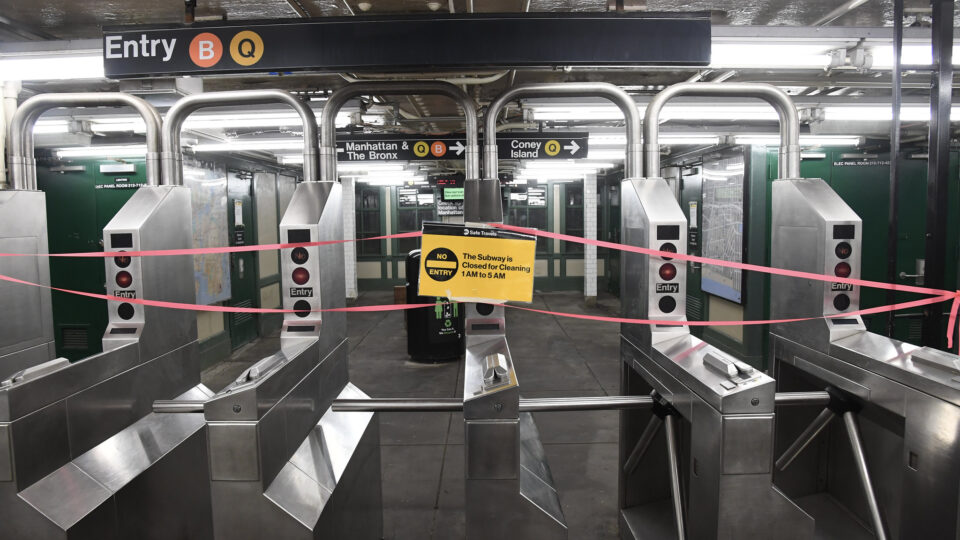
With so much of industry and personal activity curtailed by coronavirus shutdowns across the globe, it is no surprise that greenhouse gas emissions have declined.  According to new research published in the journal Nature Climate Change, average daily global greenhouse gas emissions declined 17% by early April compared to 2019 levels.

If the reopenings around the world continue and the world actually reaches pre-crisis levels by the middle of June, total CO2 emissions for the year would likely end up lower by about 4%.   If various restrictions continue until the end of the year, total global emissions could decline by 7%.

The study analyzed emissions estimates for three levels of coronavirus shutdowns and across six sectors of the economy.  It looked at trends in 69 countries, all 50 U.S. states, and 30 Chinese provinces, representing in total 86% of the world’s population and 97% of global CO2 emissions.

For the first 4 months of the year, emissions from industry declined 19%, the power sector 7%, and public buildings and commerce 21%, compared to last year.  Unsurprisingly, home energy use actually went up by about 3%.

The findings of this study only represent the effects of a short-lived decline in emissions.  As economies open back up, there is no doubt that greenhouse gas emissions will rise back to pre-Covid-19 levels.

The study also reveals that making real changes in emissions will require more than just behavior changes.  Despite billions of people staying home, companies shut down, planes grounded, and cars off the road, we still managed to pump more than 80% of the usual amount of greenhouse gases into the air for the first quarter of the year.

**********

Web Links

Global Emissions Fell 17 Percent Due to Coronavirus Shutdowns

Photo, posted May 7, 2020, courtesy of the MTA via Flickr.

Earth Wise is a production of WAMC Northeast Public Radio.

Environmental Injustice And the Coronavirus | Earth Wise

May 29, 2020 By EarthWise Leave a Comment

Environmental Injustice and coronavirus

Cities and towns across the United States continue to wrestle with the devastating impacts of the COVID-19 pandemic and none have been hit harder than low-income and minority communities.  Places like Detroit, Chicago, and St. James Parish in Louisiana have suffered from decades of economic inequality and pollution in their poorest neighborhoods and many of these same places have experienced some of the highest mortality rates from the virus.

Recent studies have shown a link between high levels of pollution and the risk of death from COVID-19.  Pollution of various kinds are higher in low-income communities and communities of color.  Such communities don’t have a strong political voice so that laws and environmental regulations are not enforced like there are in white, higher-income communities.  Thus, these communities have highways, landfills, factories, chemical facilities, paper mills, and other pollution sources that communities with economic power – and therefore political power – manage to avoid.

People living in low-income communities and communities of color tend to have higher rates of underlying health conditions like diabetes, heart disease, and asthma.  They have less healthy diets – more fast food and fewer grocery stores.  Part of the reason these communities have a higher risk of mortality from COVID-19 infection is that many people have reduced lung capacity as a result of exposure to pollutants.

The Trump administration has been suspending enforcement of environmental regulations during the pandemic.  Communities already affected by environmental injustice will bear the brunt of this decision.  Groups like nursing home populations, meat packers, prisoners and the poor are suddenly highly visible.  COVID-19 is exposing the real differences between the Haves and the Have-Nots in this country.

**********

Web Links

Connecting the Dots Between Environmental Injustice and the Coronavirus

Photo, posted May 2, 2006, courtesy of Sean Benham via Flickr.

Earth Wise is a production of WAMC Northeast Public Radio.

The Earth Itself Is Quieter | Earth Wise

May 15, 2020 By EarthWise Leave a Comment

Coronavirus quiets the earth

Our stories often discuss how human activities change the natural environment.  With most of us confined to our homes, the lack of human activities is having profound effects on the environment.  We are talking about some of these this week.

With about a third of the world’s population sheltering in place, our planet is much quieter these days.  It isn’t just our machines, vehicles, and factories that are making less noise.  The earth itself is quieter.  There has been a reduction in the earth’s seismic vibrations.

According to the journal Nature, various human-powered movements contribute to the persistent vibration of the earth’s crust.  Things like engines firing up in factories, trains pulling into stations, and trucks barreling down highways all make contributions to seismic activity.  Taken individually, such things are insignificant, but taken together, they produce a background of seismic noise that makes it difficult for seismologists to detect natural signals such as volcanic activity and earthquake aftershocks.

With much human activity on pause during the coronavirus outbreak, seismologists across the globe are seeing significant reductions in background seismic noise levels.

This respite in seismic noise, for as long as it lasts, represents an opportunity for scientists to better study the natural activity in the earth’s crust. Researchers studying the impact of ocean waves to predict volcanic activity and those who triangulate the location of earthquake epicenters may be able to make more sensitive measurements than under normal conditions.

There are very few positive things one can say about the coronavirus crisis, but it is providing opportunities to study and observe aspects of the natural world that are ordinarily drowned out by the bustle of humanity.

**********

Web Links

Coronavirus lockdowns across the globe are actually causing the Earth to move less

Photo, posted March 9, 2020, courtesy of Jeremy Segrottvia Flickr.

Earth Wise is a production of WAMC Northeast Public Radio.
Sea Turtles Prospering During The Shutdown | Earth Wise

May 14, 2020 By EarthWise Leave a Comment

Sea turtles thriving during Coronavirus shutdown

Our stories often discuss how human activities change the natural environment.  With most of us confined to our homes, the lack of human activities is having profound effects on the environment.  We are talking about some of these this week.

Seven different species of sea turtles are found in the world’s oceans and play important roles in marine ecosystems.  Over time, human activities have tipped the scales against the survival of these animals.  They have been hunted for their eggs, meat, skin, and shells and face habitat destruction and accidental capture in fishing gear.  Their nesting grounds in beaches are constantly disturbed and endangered by human activity.

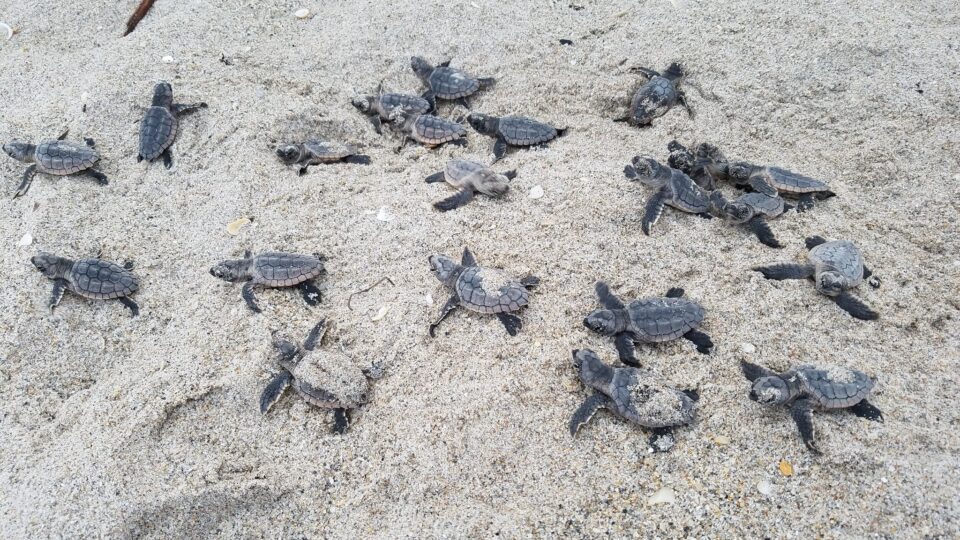
With the beaches in Florida closed in the effort to stop the spread of coronavirus, there is less plastic waste, fewer people and vehicles, and fewer artificial lights on the beach that disorient emerging turtle hatchlings.  Because of all of these factors, sea turtles have been building their nests without disruptions.

In April, it was nesting season for leatherback turtles, the largest of all sea turtles. In May, loggerhead turtles arrive in Florida.  Later in the summer, green turtles will arrive.

It takes about 60 days for sea turtle eggs to incubate and to hatch.  During that period, lots of things can happen to a nest on an active beach – it can get trampled, people can dig it up, and artificial light can confuse the hatchlings as they try to find their way to the water.  With the current shutdown, it should be a productive nesting season for sea turtles.

On the other hand, when beaches reopen, there may well be a major influx of people flocking to the beach because they have been stuck indoors for an extended period of time.

**********

Web Links

Sea turtles are thriving as coronavirus lockdown empties Florida beaches

Photo, posted August 9, 2016, courtesy of Florida Fish and Wildlife via Flickr.

Earth Wise is a production of WAMC Northeast Public Radio.

The Lockdown Cleans Up Indian Air | Earth Wise

May 13, 2020 By EarthWise Leave a Comment

Coronavirus lockdown cleans the air

Our stories often discuss how human activities change the natural environment.  With most of us confined to our homes, the lack of human activities is having profound effects on the environment.  We are talking about some of these this week.

India suffers from some of the worst air pollution in the world.  Of the most polluted cities in the world, 21 out of 30 were in India in 2019.  According to World Health Organization standards, at least 140 million people in India breathe air containing 10 times or more greater levels than the safe limit for pollutants.  Air pollution contributes to the premature death of 2 million Indians every year.

Half of India’s air pollution comes from industry, 27% from vehicles, and 17% from crop burning.  Crop burning is prevalent because it is much cheaper than mechanical tilling after the harvest.

On March 25, the Indian government placed its 1.3 billion citizens under a strict lockdown to reduce the spread of COVID-19.   The country-wide mandate decreased activity at factories and drastically reduced car, bus, truck, and airplane traffic.

Within one week, NASA satellite sensor observed aerosol levels at a 20-year low for this time of year in northern India.  Aerosols are tiny solid and liquid particles suspended in the air that reduce visibility and can damage the human lungs and heart.  Some aerosols have natural sources, such as dust storms, volcanic eruptions, and forest fires.  But many come from human activities such as the burning of fossil fuels and croplands.  Scientists expected to see changes in atmospheric conditions during the Indian lockdown, but the current changes are dramatic.  They also present a unique opportunity to separate how natural and human sources of aerosols affect the atmosphere.

**********

Web Links

Airborne Particle Levels Plummet in Northern India

Photo, posted April 29, 2020, courtesy of Flickr.

Earth Wise is a production of WAMC Northeast Public Radio.

Wildlife Reclaims Yosemite National Park | Earth Wise

May 12, 2020 By EarthWise Leave a Comment

Wildlife reclaim Yosemite National Park

Our stories often discuss how human activities change the natural environment.  With most of us confined to our homes, the lack of human activities is having profound effects on the environment.  We are talking about some of these this week.

Yosemite National park is normally awash in humanity – there were over 300,000 visitors in April of 2019 and typically 4 million people visit each year.  But as of March 20, the park was closed to tourists to prevent the spread of the coronavirus.  Only a skeleton crew of employees remains in the park.

Without all the people, wildlife is coming out of hiding.  It did so in previous park closures during government shutdowns, but those closures were pretty short.  This one is expected to be the longest on record.

The bear population within the park has quadrupled and many larger animals – such as bobcats and coyotes – are congregating outside of cabins and other buildings and prowling empty roads and walkways instead of hanging back at the edges of human settlements. 

In addition, the air at Yosemite is cleaner due to the lack of exhaust and diesel, and Yosemite Valley is nearly silent, apart from natural sounds from the river and the wind.  According to some observers, the park’s current condition is probably similar to what visitors in the 19th century witnessed. 

The few park employees sheltering in place are taking advantage of the virtually unimpeded natural amenities of the park.  Many are hiking to its lakes and waterfalls, enjoying trails that are empty apart from animals.  As some of the people staying in the park have noted, one could not ask for a better place to be isolated.

**********

Web Links

Coyotes, bobcats and bears: Wildlife is reclaiming Yosemite National Park

Photo, posted October 30, 2019, courtesy of Ania Mendrek via Flickr.

Earth Wise is a production of WAMC Northeast Public Radio.

Coronavirus Shutdowns And The Environment | Earth Wise

May 11, 2020 By EarthWise Leave a Comment

coronavirus shutdown and the environment

Our stories often discuss how human activities change the natural environment.  With most of us confined to our homes, the lack of human activities is having profound effects on the environment.  We are talking about some of these this week.

The COVID-19 pandemic is a global catastrophe, but it has ironically been a boon for the environment.  By taking billions of people off the streets around the globe and slashing all forms of travel, the global environment has seen dramatic changes.

Sea turtles in many countries are prospering by not having to compete with humans for precious beach space.  Animals everywhere have more freedom to roam and are taking advantage of the opportunity. The Himalayas are visible from parts of India for the first time in decades.

Satellite imagery has shown dramatic drops in nitrogen dioxide emissions in China, where pollution from vehicles is a serious public health problem.  Similar reductions in air pollution are evident in India, Italy and even in Los Angeles.  The city that is notorious for its smog suddenly has pristine air.

In Venice, water in the canals has become clear in the absence of heavy boat traffic stirring up sediments from the bottom.  Wildlife that normally is invisible such as jellyfish are being spotted.

Not all the changes to animal behavior are desirable.  Some wildlife that have become dependent on humans as a source of food are becoming aggressive and are taking to the streets of cities to look for food.  Monkeys in Thailand are mobbing towns and brawling, hunting for things to eat.  Rats in New York City are fighting over suddenly meager food supplies.

In many ways, the natural world is reacting to much of humanity sheltering in place.

**********

Web Links

On Earth Day 2020, coronavirus shutdowns are a gift to the environment

Photo, posted April 2, 2020, courtesy of Flickr.

Earth Wise is a production of WAMC Northeast Public Radio.
Coronavirus And European Energy | Earth Wise

April 23, 2020 By EarthWise Leave a Comment

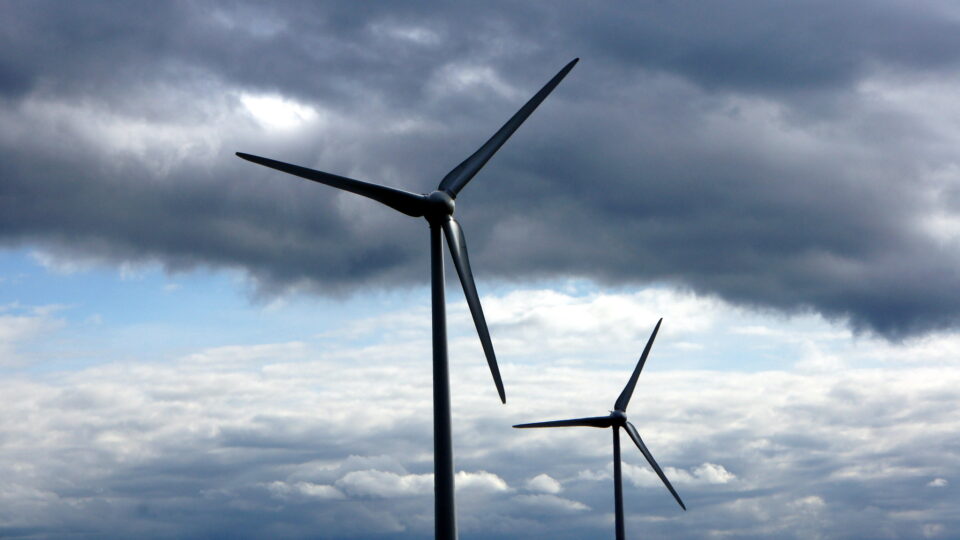
Coronavirus Boosts European Renewable Energy

As people all over the world shelter in place and much ordinary commerce and other activities have ground to a halt, there have been big changes in energy usage.   With production halted, offices shut down, schools closed, and public transport operated on reduced timetables, the demand for energy has decreased dramatically.

In Europe, as a result of all this, during the first quarter of this year, renewables’ share of total energy production was greater than 60%.  Wind farms provided more than 40% of the renewables’ share of total electricity generation.   During February, Denmark, Germany and Ireland saw nearly 50% of their electricity demand met with wind power.  Hydroelectric power was the second largest source of renewable energy during the first quarter, with Norway providing the largest share of this.  In contrast, generation from nuclear plants was at its lowest first quarter figure for the past five years.

The large shift to renewable generation was in great part due to the overall reduction in demand.  This impacts nuclear and fossil-fuel generation much more than renewables because those plants can be throttled back or shut down entirely so as not to needlessly consume costly fuels.   Generation that runs on sunlight, wind, or flowing water does not require fuel expenses, so it makes sense to prefer them when demand is reduced.

The reduction in demand has in turn had a major effect on fuel costs as oil reached low prices that haven’t been seen in years.

The decline in demand and fuel prices and the enhanced role of renewables are expected to continue in the current quarter as the timetable for renewed economic activity remains unknown.

**********

Web Links

Renewables achieve clean energy record as COVID-19 hits demand

Photo, posted June 25, 2010, courtesy of Martin Abegglen via Flickr.

Earth Wise is a production of WAMC Northeast Public Radio.

Shutting Down Pollution | Earth Wise

April 8, 2020 By EarthWise Leave a Comment

coronavirus temporarily reduces air pollution

With much of the country shut down as the coronavirus forces people to stay at home, there has naturally been a drastic reduction of traffic on roads and highways.   And with that decrease, there has been a dramatic reduction in pollution as well.

A satellite that detects emissions in the atmosphere linked to cars and trucks has observed huge declines in pollution in major metropolitan areas such as Los Angeles, Seattle, New York, Chicago, and Atlanta.

Los Angeles is infamous for its rush-hour traffic but that has pretty much ceased to exist. Similar changes can be seen in the San Francisco Bay Area, where nearly 7 million residents have been ordered to shelter in place.  New York City is less dependent on car travel than in other metro areas, but the shutdown of office buildings, schools, and restaurants has nonetheless resulted in a substantial reduction of traffic on the streets of the city.

While this sudden decline in air pollution over U.S. cities has some near-term health benefits, those benefits are likely to be fairly minor in the big picture.  When the coronavirus outbreak subsides and people are allowed to leave their homes and go back to their normal lives, air pollution will most certainly rebound to previous levels.  In any event, studies have shown that long-term exposure to air pollution has a larger impact on public health than any transient events.

Having much cleaner air for a while is certainly a good thing, but this shutdown is not a sustainable way to reduce air pollution and the long-term effects of the coronavirus crisis will certainly not be positive.

**********

Web Links

Traffic and Pollution Plummet as U.S. Cities Shut Down for Coronavirus

Photo, posted March 15, 2020, courtesy of Tom Collins via Flickr.

Earth Wise is a production of WAMC Northeast Public Radio.

Primary Sidebar

Recent Episodes

  • An uninsurable future
  • Clean energy and jobs
  • Insect declines in remote regions
  • Fossil fuel producing nations ignoring climate goals
  • Trouble for clownfishes

WAMC Northeast Public Radio

WAMC/Northeast Public Radio is a regional public radio network serving parts of seven northeastern states (more...)

Copyright © 2026 ·