• Skip to primary navigation
  • Skip to main content
  • Skip to primary sidebar

Earth Wise

A look at our changing environment.

  • Home
  • About Earth Wise
  • Where to Listen
  • All Articles
  • Show Search
Hide Search
You are here: Home / Archives for changing

changing

Assisting Evolution | Earth Wise

March 11, 2021 By EarthWise Leave a Comment

As the climate changes, choosing what species to protect is becoming more difficult

As plants and animals around the world grapple with climate change, invasive species, disease, and other threats, conservationists grapple with the issue of what it means to protect what is natural and how far to go to prevent extinctions.

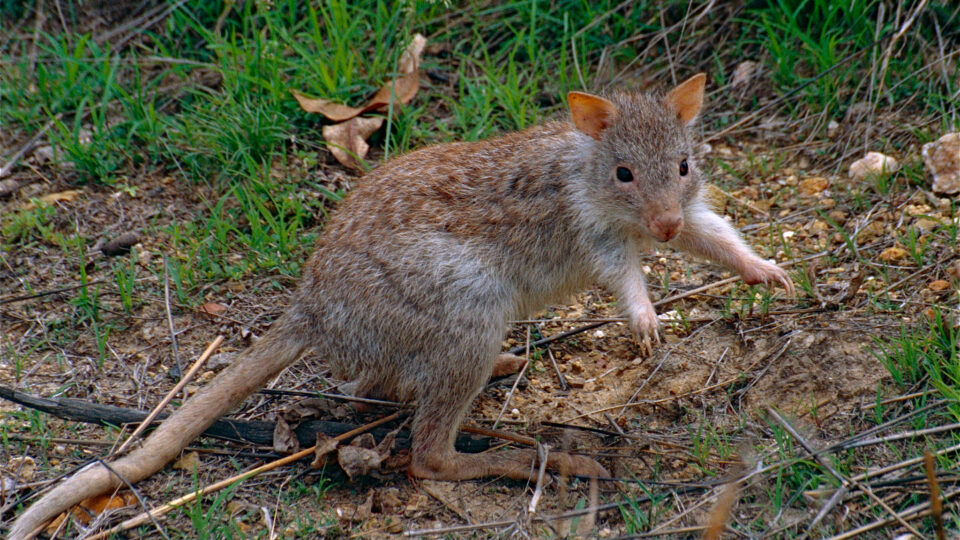
Australia is where many of these issues have risen to the forefront.  Imported mammals – particularly cats and foxes – have decimated many of Australia’s indigenous marsupials.  Much of the focus for decades has been on killing off the invaders and cordoning off protected animals.  In recent years, however, there have been efforts to expose prey animals to limited numbers of predators to develop prey populations that are better equipped to survive among predators.  Getting rid of all the predators is not realistic.  Saving species may require helping them to adapt.

On the Great Barrier Reef, where half its coral populations have perished because of rising water temperatures, scientists are breeding corals that are more heat tolerant.  They are even considering the use of gene editing technology to “assist evolution” in developing corals that can survive in a changing world.

At SUNY College of Environmental Science and Forestry in Syracuse, New York, researchers have produced a genetically modified American chestnut tree that is resistant to chestnut blight, the fungal pathogen that killed off nearly every chestnut tree in North America in the early 20th century.

The idea of conservation is to protect what is natural in our world.  However, at a time when there are unprecedented threats to so many species, the distinction between what is natural and what is artificial may no longer provide a sound guide to what should be done to protect life on earth.

**********

Web Links

Assisting Evolution: How Far Should We Go to Help Species Adapt?

Photo, posted November, 2000, courtesy of Bernard Dupont via Flickr.

Earth Wise is a production of WAMC Northeast Public Radio.
Rivers Changing Color | Earth Wise

February 10, 2021 By EarthWise Leave a Comment

Why do rivers change colors?

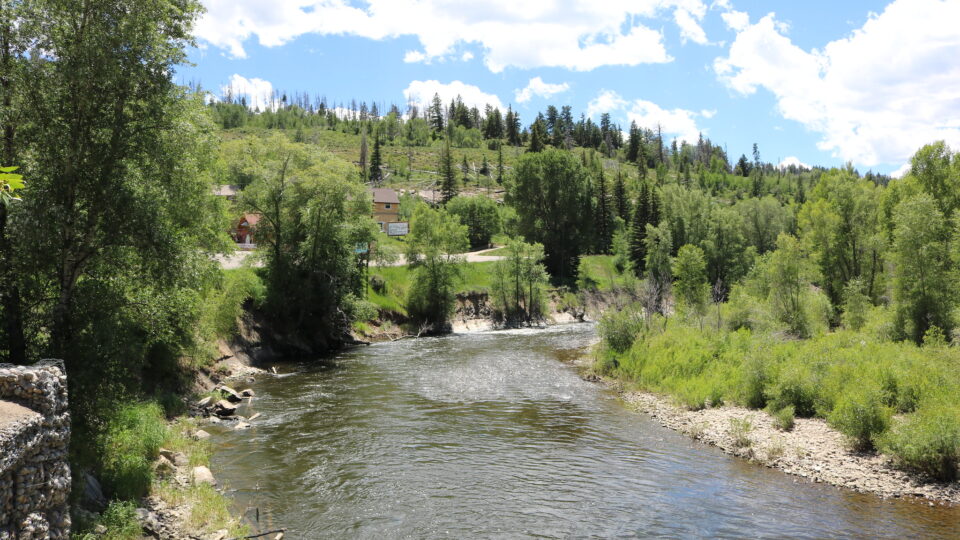
A recent study, published in Geophysical Research Letters, found that one-third of large American rivers have had significant changes of color over the past 30 years.  Rivers can appear to be shades of blue, green, and yellow and we tend to expect healthy rivers to have colors in shades of blue.  According to the new study, only 6% of American rivers are dominantly blue.

The study looked at 235,000 Landsat images taken from 1984 to 2018.  The results are that 56% of rivers studied were dominantly yellow, 38% dominantly green, and 6% blue.  Over the 34 years studied, 33% of the rivers had significant changes in color. About 21% became greener and 12% more yellow. 

The chief causes of color changes in rivers are farm fertilizer runoff, dams, efforts to fight soil erosion, and climate change.  Climate change increases water temperature and rain-related runoff.

Color changes are not necessarily a sign of poor river health, but dramatic changes could point to issues that need attention.  A river can change color based on the amount of sediment, algae, or dissolved organic carbon in the water.   If a river becomes greener, it can often mean large algae blooms are present that cause oxygen loss and can produce toxins.  On the other hand, rivers that are getting less yellow demonstrate the success of regulations to prevent soil erosion.

The study of river colors can pinpoint which rivers are undergoing rapid environmental change.  What the study does not provide is information on water quality.  Water quality measurements will be important to determine the health of many of the rapidly changing rivers.

**********

Web Links

One Third of U.S. Rivers Changed Their Color, Three Decades of Satellite Images Show

Photo, posted July 6, 2016, courtesy of Jeffrey Beall via Flickr.

Earth Wise is a production of WAMC Northeast Public Radio.
Shifting Climate Attitudes – Even In Texas | Earth Wise

January 25, 2021 By EarthWise Leave a Comment

Attitudes on climate change continue to evolve

Any conversation about climate policy and energy in the United States has to take Texas into consideration.  Texas leads the nation in energy production, providing more than one-fifth of U.S. domestically produced energy.  Texas also uses more energy than any other state and accounts for almost one-seventh of total U.S. energy consumption.  The state’s industrial sector, which includes petroleum refining and chemical manufacturing, accounts for almost half of Texas energy consumption.

As a result, longstanding skepticism among Texans toward the climate movement has represented a real impediment in developing and implementing effective climate policy in this country.  But according to new research at the University of Houston, attitudes in Texas have changed and now mirror those in the rest of the United States.

About 80% of Americans believe that climate change is happening, and now about 81% of Texans hold the same view.  Two out of three Americans are worried about climate change; more than 60% of Texans agree.

Nationwide, 55% agree that the oil and gas industries have deliberately misled people on climate change; 49% of Texans agree. 64% of Americans say hydraulic fracking has a negative effect on the environment and 61% of Texans agree.  People everywhere are willing to pay more for carbon-neutral energy, and a higher premium for gasoline as well.

Mitigation strategies for climate change are not well understood.  While 61% nationwide have heard of carbon taxes, less than half are familiar with carbon management, and only a third have heard of carbon pricing.

As the U.S. heads toward reengaging in efforts to address climate change, Texans appear to have caught up with the rest of the nation.

**********

Web Links

Attitudes About Climate Change Are Shifting, Even in Texas

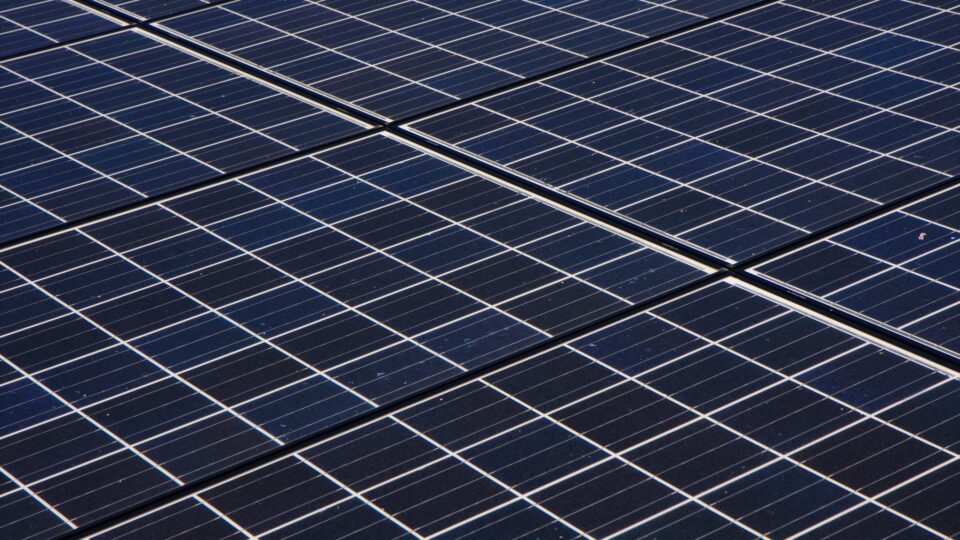
Photo, posted October 1, 2011, courtesy of Steve Rainwater via Flickr.

Earth Wise is a production of WAMC Northeast Public Radio.
Has Wheat Changed for the Worse? | Earth Wise

September 11, 2020 By EarthWise Leave a Comment

wheat and wheat allergies

In recent years, the number of people affected by celiac disease, wheat allergies, or gluten or wheat sensitivity has increased dramatically.  Why this should be is not well understood.  One theory is that modern wheat varieties contain more immunoreactive protein than those used in the past.  Researchers at two German research institutions investigated this issue in detail. 

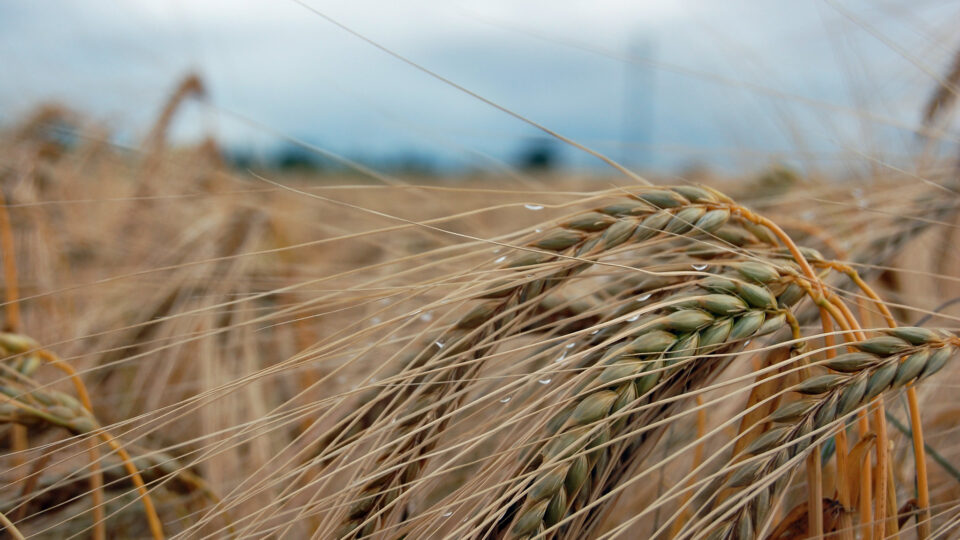
Wheat grains contain about 70% starch.  Proteins constitute 10 to 12% of wheat, and nearly 80% of that protein is gluten.  Gluten is a compound mixture of two types of protein subgroups:  gliadins and glutenins.

The researchers investigated the protein content of 60 preferred wheat varieties in use during the period between 1891 and 2010, making use of an extensive seed archive.  They selected 5 leading wheat varieties for each decade over that 120-year period and cultivated the plants under the same geographical and climate conditions.

The results were that the modern wheat varieties actually contain slightly less protein than old ones.  Gluten content itself has been essentially constant over the 120 years, although the proportion of gliadins (which are the prime suspect for causing undesired immune responses) was actually 18% lower while the proportion of glutenins was 25% higher.

Overall, they found no evidence that the immunoreactive potential of wheat has changed over the years as a result of the cultivation factors.

The researchers note that some of the other, less significant proteins in wheat have not been investigated with regard to their physiological effects, so there is more work to be done.  But so far, the culprit for increasing wheat sensitivity has not been found.

**********

Web Links

Is modern wheat off the hook?

Photo, posted July 3, 2009, courtesy of Clare Black via Flickr.

Earth Wise is a production of WAMC Northeast Public Radio.
Boutique Hotels For Birds | Earth Wise

April 28, 2020 By EarthWise Leave a Comment

building boutique hotels for threatened birds

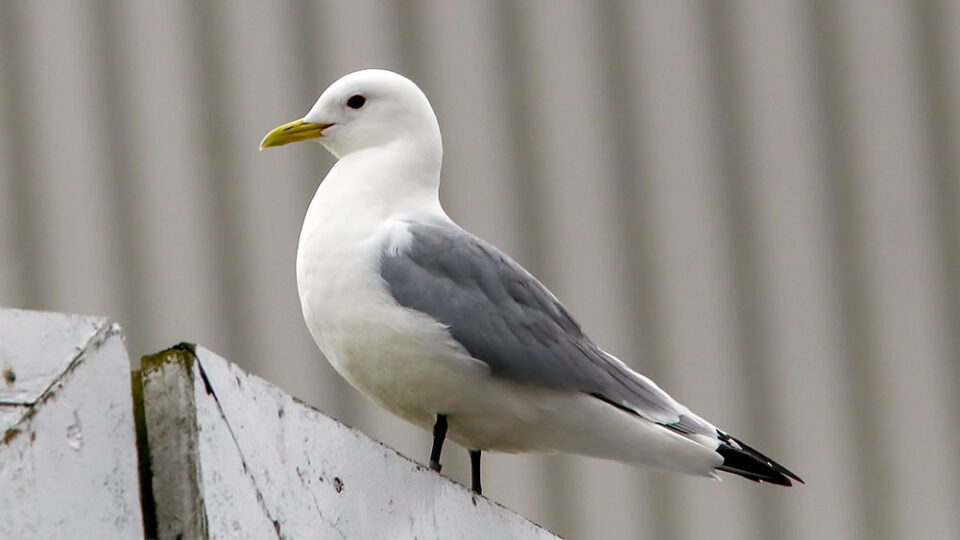
The changing Arctic climate has had a drastic effect on its seabirds.  In fact, seabirds worldwide are in crisis, with global populations plummeting nearly 70% over the past 70 years as a result of climate change, over-fishing, habitat loss, and other human impacts on their environment.

Above the Arctic circle in Norway, seabird behavior has changed dramatically.  Black-legged kittiwakes – which are the most seafaring member of the gull family – used to nest in cliffs over the ocean and seldom ventured inland.  But in recent years, that has changed.  Because of a warming ocean, increased storminess and other changes that are decimating chick populations in their normal habitat, the birds have been setting up housekeeping in places like shopping centers and office buildings in Tromsø and other towns along Norway’s north coast.

Tromsø, Hammerfest and other towns at the very north end of Norway have become very popular with tourists seeking the Northern Lights and wanting to see glaciers before they disappear.  The booming tourism has been put on hold for the moment as it has elsewhere, but when it returns, the regions growing hotels and shopping areas are facing a problem.

The birds taking up residence on these buildings are unpleasant neighbors.  They are especially noisy during the breeding season and people are having to put up nets or spikes on buildings to discourage the kittiwakes from settling there.

Local ecologists are now building boutique hotels just for kittiwakes. Using abandoned buildings on piers, they are adding ledges for nesting, materials for nest-building, and electronic speakers that croon kittiwake songs.  The hope is that the birds will stay in their own hotels and leave the other ones for the human tourists.

**********

Web Links

Norwegians are building boutique hotels for threatened Arctic birds

Photo, posted April 14, 2018, courtesy of Charlie Jackson via Flickr.

Earth Wise is a production of WAMC Northeast Public Radio.
Thoreau And Climate Change

March 27, 2019 By EarthWise Leave a Comment

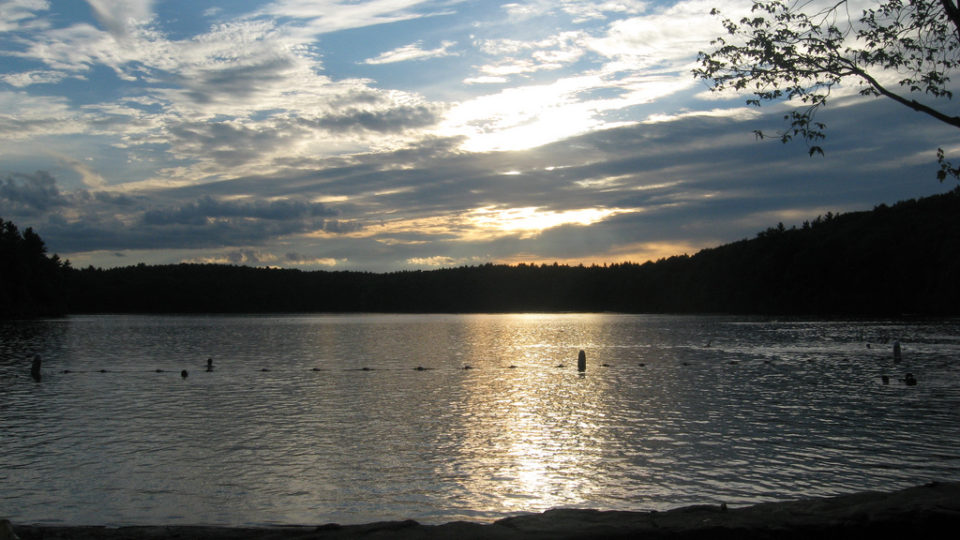
Henry David Thoreau was a 19th-century American naturalist, philosopher, poet, essayist, and social reformer.  He is best known for “Civil Disobedience,” an essay advocating for the rebellion against an unjust government, and for “Walden,” a book about his experiences living simply in nature.  Now, Thoreau’s observations from “Walden” are the foundation of a new study exploring the effects of climate change on tree leaf-out and the emergence of spring wildflowers. 

This research, which was recently published in the journal Ecology Letters, relies on Thoreau’s scientific observations gathered during the 1850s when he spent 26 months living in isolation at Walden Pond in Concord, Massachusetts.  These observations from Thoreau were combined with current research to measure tree and wildflower leaf-out dates for 37 different years between 1852 and 2018.  “Leaf out” refers to the time in spring when plants and trees begin producing leaves.  An alteration in this timing can have a domino effect throughout an ecosystem.

Over the past century, temperatures in Concord, Massachusetts have warmed five degrees Fahrenheit.  As a result, leaf-out dates have changed significantly.  According to researchers, wildflowers are leafing out about one week earlier, while trees are leafing out about two weeks earlier than they did 160 years ago. 

Ground-dwelling plants like wildflowers have a narrow window to accomplish growth, photosynthesis, and reproduction, before the canopy trees leaf out and block the sunlight.  Temperature-driven shifts in the timing of tree leaf-out between Thoreau’s time and now are likely already hindering wildflower abundance and flowering. 

As the climate continues to warm, the already small window of time between wildflower emergence and tree leaf-out will likely shorten further. 

**********

Web Links

Using Thoreau, scientists measure the impact of climate change on wildflowers

Photo, posted August 13, 2008, courtesy of Adam Pieniazek via Flickr.

Earth Wise is a production of WAMC Northeast Public Radio.
The Changing Face of Electricity

March 15, 2019 By EarthWise Leave a Comment

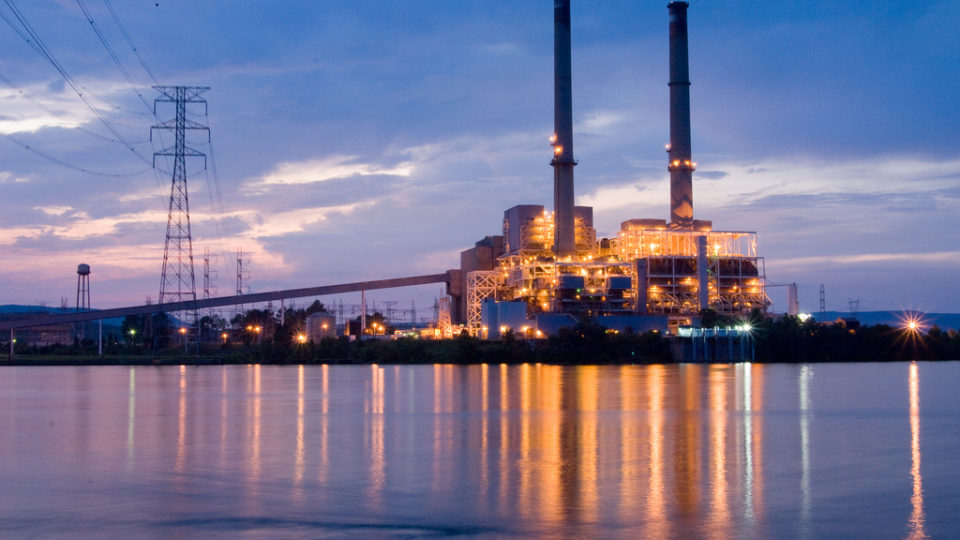
The New York Times recently published an article on how electricity is made in the United States on a state-by-state basis and how it has been changing over the past two decades.  Two conclusions to draw are that the mix of energy sources is wildly different from one state to another and that the mix has been changing rather dramatically in many places.

Overall, the past two decades have seen the dramatic rise in the use of natural gas and a dramatic drop in the use of coal.  Coal plants used to account for over half of the electricity produced in the U.S. at the turn of the 21st century.  Now natural gas has passed coal as the largest energy source at roughly 1/3 of the total generated.

Switching from coal to natural gas is a good thing since modern gas power plants emit only about half the carbon dioxide as modern coal plants.  But industry spin about “clean gas” is just spin.  Gas is not really clean; it is just cleaner than coal.  So, having the electric grid powered by gas is not really going to solve our emissions problems.

That being said, there are still states that make nearly all their electricity with coal.  Indiana, Kentucky, Missouri, Utah, Wyoming, and West Virginia are on that list.  Meanwhile, Delaware, Massachusetts, Mississippi, Nevada, and Rhode Island are powered mostly by gas. Idaho, Oregon, Washington, and Vermont rely heavily on hydropower.

Newer renewables like solar and wind are starting to make major contributions in many states.  Wind contributes only 6% nationwide but is much bigger in places like Iowa, Kansas, Minnesota, the Dakotas, Oklahoma and Texas. 

The face of electricity continues to change.

**********

Web Links

How Does Your State Make Electricity?

Photo, posted March 5, 2010, courtesy of Tennessee Valley Authority via Flickr.

Earth Wise is a production of WAMC Northeast Public Radio.
Energy Trends For A New Year

January 15, 2019 By EarthWise Leave a Comment

With a new year upon us, there are several energy trends to watch out for.

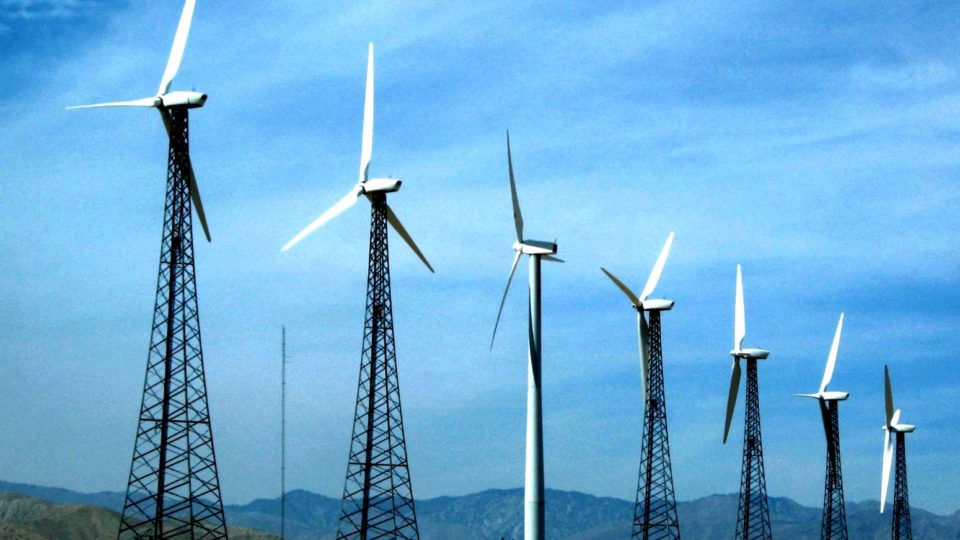
The most important one is that the fundamental shift toward slow-carbon technologies is continuing. This shift is taking place despite diminishing government policy support and even active government efforts to thwart it.  There is just too much momentum to stand in the way of low-carbon energy technologies.

Analysts at Bloomberg New Energy Finance estimate that over the next 30 years over 11 trillion dollars will be invested in energy power generation and power storage assets with 85% of it aimed at zero-carbon emission.  Dramatic reductions in green energy costs have resulted in legitimate cost competition between zero carbon sources of energy and fossil fuel generation.

In the coming year, battery technology will continue to play a growing role both as a storage medium for energy generated by sun and wind and for powering vehicles.

Another trend is that the world’s wealthiest economies are learning to grow without growing the demand for electricity.  This is important in the battle to reduce overall emissions.

Another key issue is addressing the energy needs of people who have no meaningful access to it and there are around 1.5 billion people in that category.   Emerging technologies based on solar power, wind energy, microgrids and other innovations mean that traditional power grids that remain out of reach to these people are not necessary.  There is the potential to address those needs without contributing to climate change.

The world is struggling to deal with the growing problem of the changing climate, but there are trends that provide at least some hope that we can move in the right direction.

**********

Web Links

Top 3 clean energy trends to watch out for in 2019

Photo, posted April 5, 2013, courtesy of Flickr. 

Earth Wise is a production of WAMC Northeast Public Radio.

  • « Go to Previous Page
  • Page 1
  • Page 2

Primary Sidebar

Recent Episodes

  • An uninsurable future
  • Clean energy and jobs
  • Insect declines in remote regions
  • Fossil fuel producing nations ignoring climate goals
  • Trouble for clownfishes

WAMC Northeast Public Radio

WAMC/Northeast Public Radio is a regional public radio network serving parts of seven northeastern states (more...)

Copyright © 2026 ·