• Skip to primary navigation
  • Skip to main content
  • Skip to primary sidebar

Earth Wise

A look at our changing environment.

  • Home
  • About Earth Wise
  • Where to Listen
  • All Articles
  • Show Search
Hide Search
You are here: Home / Archives for changing

changing

The world is warming and it’s happening faster

July 29, 2025 By EarthWise Leave a Comment

This summer has already seen unprecedented heat in many places.  It started with a record-breaking heat dome in June in the United States.  Alaska had its first-ever heat advisory that month.  Europe has seen triple-digit temperatures in cities like Paris, Madrid, and Rome and even in places like Austria, Sarjevo, Bulgaria, Croatia, and Serbia.  On June 28th, a temperature of 96.8 degrees was measured in Biasca, Switzerland.

According to the latest report by the Intergovernmental Panel on Climate Change, the world is getting hotter, faster.  Human-caused global warming is now increasing by 0.27 degrees Celsius per decade.  That rate was recorded at 0.2 degrees in the 1970s and has been increasing ever since.

Climate scientists have long predicted that the rate of warming in the atmosphere would speed up, which has been evident from measurements for quite a while.  But now, these trends that have mostly been seen in charts and graphs are playing a growing role in people’s lives.

Each increase in the global mean temperature brings about a relatively larger increase in atmospheric extremes that include powerful downpours and severe droughts and wildfires.  According to climate models, extreme rainfall intensifies by 7% with each degree Celsius of atmospheric warming.  But recent data indicates that such record-shattering events are increasing at double that rate.

The current US administration may not accept the reality of the changing climate, but the planet really doesn’t care what it believes.

**********

Web Links

The World Is Warming Up. And It’s Happening Faster.

Photo, posted August 28, 2013, courtesy of Tadas Balčiūnas via Flickr.

Earth Wise is a production of WAMC Northeast Public Radio

The human impact on biodiversity

April 28, 2025 By EarthWise Leave a Comment

Humans have a devastating impact on biodiversity

Biodiversity is under threat.  More and more plant and animal species are disappearing and humans are to blame.  Humans cause biodiversity loss through habitat destruction, invasive species, pollution, direct exploitation, and climate change, all of which are significantly influenced by human activities.

But until now, drawing broad conclusions about human impacts on biodiversity has been difficult because a clear, global overview of how human activity affects nature across all species did not exist. Most studies have focused on specific places, impacts, or time periods.

To fill these research gaps, a research team from the University of Zurich in Switzerland and the Swiss Federal Institute of Aquatic Science and Technology conducted an unprecedented synthesis study.  The researchers compiled data from around 2,100 studies that compared biodiversity at almost 50,000 sites affected by humans with similar places that hadn’t been affected by humans. 

The synthesis study, which was recently published in the journal Nature, found humans are having a highly detrimental impact on biodiversity worldwide.  In fact, not only is the number of species declining, but the composition of species communities is also changing.  On average, the number of species at impacted sites was almost 20% lower than at unaffected sites.

The study, which is one of the largest ever conducted on this topic, highlights the widespread negative impact of human activities on nature, and emphasizes the need to consider all forms of life when assessing biodiversity loss. 

**********

Web Links

The Devastating Human Impact on Biodiversity

Photo, posted November 19, 2014, courtesy of Green Mountain Girls Farm via Flickr.

Earth Wise is a production of WAMC Northeast Public Radio

The largest iceberg runs aground

April 10, 2025 By EarthWise Leave a Comment

The largest iceberg in the world, which has been slowly drifting for nearly 5 years, has finally come to a halt.  The iceberg – called the unexciting name A-23A – came into existence in 1986 when it broke off from another iceberg A-23 that had calved or torn off from Antarctica earlier that year.  For decades, A-23A sat in the Weddell Sea, east of the Antarctic Peninsula.  Then, in 2020, it came loose from the seafloor and began to move.  By 2023, it finally left Antarctic Waters.

Late last year, it began spinning in place caught in an ocean current called a Taylor column.  Finally, it headed for South Georgia, a British-owned island that is home to a couple dozen people and lots of seals and penguins.  A-23A is now stuck on the continental shelf, about 50 miles from the island.

A-23A is around 1,300 square miles in area.  By comparison, New York City is 300 square miles.

Four years ago, a large iceberg called A-68A also came to ground in the vicinity of South Georgia.  It quickly broke apart and ultimately added 150 billion metric tons of fresh water to the ocean as well as various nutrients.  A-23A is also likely to succumb to the warmer waters, winds, and currents it now encounters and will affect the flora and fauna in the area.

The climate is changing and is impacting how ice shelves melt.  Calving and the creation of mammoth icebergs are a normal part of the lifecycle of polar ice sheets, but we are likely to see even more events like this in the future.

**********

Web Links

World’s Largest Iceberg Runs Aground

Photo, posted January 29, 2011, courtesy of Drew Avery via Flickr.

Earth Wise is a production of WAMC Northeast Public Radio
Solar-powered desalination

November 7, 2024 By EarthWise Leave a Comment

People in remote, low-income regions far from the ocean often need to meet their water needs from groundwater and groundwater is becoming increasingly saline due to climate change.  Desalination of brackish groundwater is a huge and largely untapped source of drinking water, but there are challenges in making the process efficient and reliable.

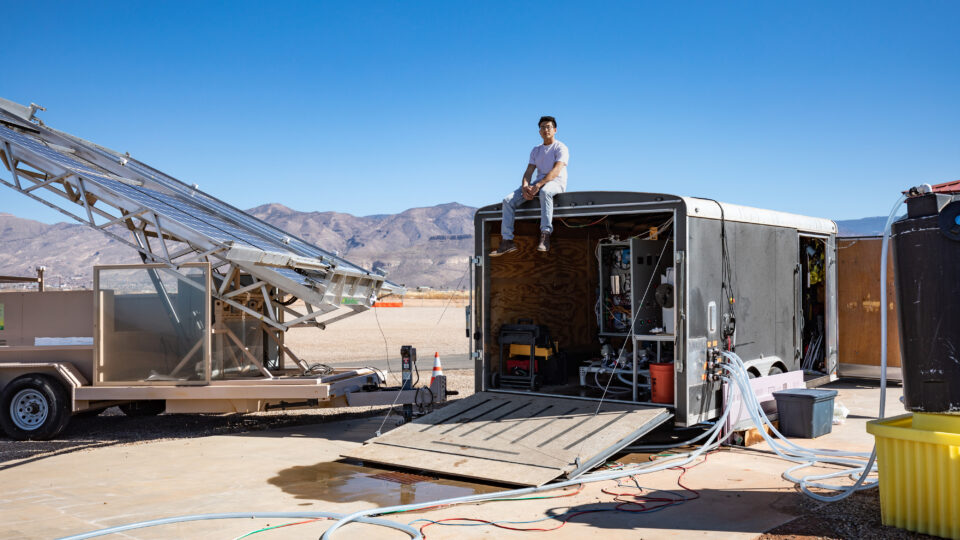
Engineers at MIT have developed a solar-powered desalination system that requires no batteries or external power sources and is capable of producing large quantities of clean water despite the variations of sunshine throughout the day.

The system is based on the process of electrodialysis and consists of water pumps, an ion-exchange membrane stack, and a solar panel array.  What is unique about it is that it makes use of sensors and a control system that predicts the optimal rate at which to pump water through the system based on the output of the solar panels.  As a result, it uses nearly all of the electricity generated to produce clean water and does not need stored or grid-based energy.

The MIT engineers tested a community-scale prototype on groundwater wells in New Mexico over a six-month period.  The system harnessed on average over 94% of the electricity generated by its solar panels and produced as much as 5,000 liters of water per day despite large variations in weather and sunlight.

The new renewable-powered, battery-free system could provide much-needed drinking water at low cost, especially for communities where access to seawater and to grid power are limited.  The team plans to further test and scale up the system so it can supply larger communities and even whole municipalities with low-cost drinking water.

**********

Web Links

Solar-powered desalination system requires no extra batteries

Photo courtesy of Shane Pratt.

Earth Wise is a production of WAMC Northeast Public Radio
Antarctic greening

November 6, 2024 By EarthWise Leave a Comment

Antarctica is warming faster than the rest of the world

The Antarctic Peninsula, like other polar regions, is warming faster than the rest of the world.  Ocean heatwaves and ice loss are becoming more common and more severe.

New research by the universities of Exeter and Hertfordshire in the UK along with the British Antarctic Survey used satellite data to assess how much the Antarctic Peninsula has been greening in response to climate change.  The Antarctic Peninsula is an 800-mile extension of Antarctica toward the southern tip of South America.

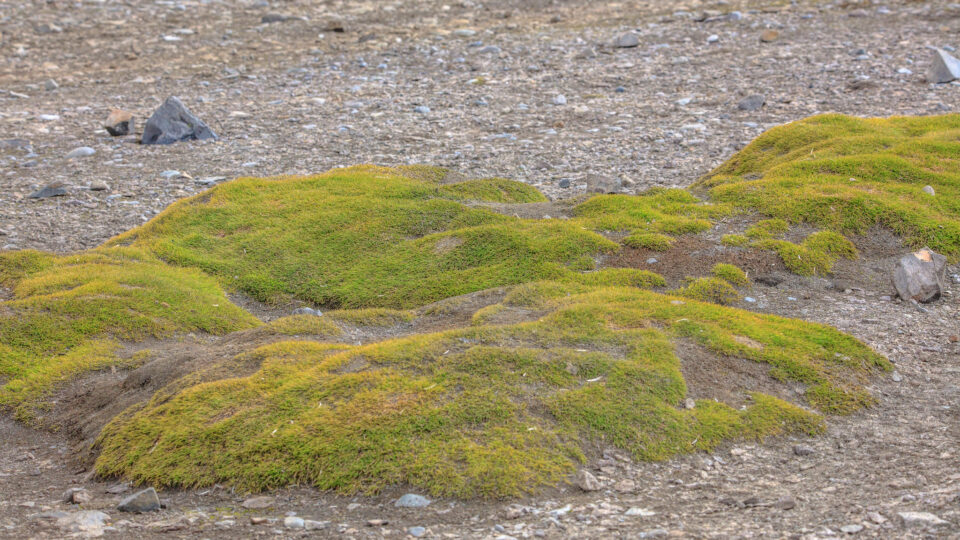
The study found that the area of vegetation cover across the Peninsula increased from less than one square kilometer in 1986 to almost 12 square kilometers in 2021.  This greening trend accelerated by more than 30% in the period 2016-2021 relative to the entire 1986-2021 period.

An earlier study also showed that the rates of plant growth on the Antarctic Peninsula has increased dramatically in recent decades.  The landscape is almost entirely dominated by snow, ice, and rock, with only a tiny fraction supporting plant life.  The plants found on the Peninsula – mostly mosses – grow in some of the harshest conditions on earth.  But that tiny fraction has greatly increased, showing that this isolated wilderness is being altered by climate change. 

The sensitivity of the Antarctic Peninsula’s vegetation to the changing climate is evident and as warming continues, there could be fundamental changes to the biology and landscape of this unique and vulnerable region.

**********

Web Links

Antarctic ‘greening’ at dramatic rate

Photo, posted June 2, 2018, courtesy of Murray Foubister via Flickr.

Earth Wise is a production of WAMC Northeast Public Radio
Where do states get their electricity?

September 3, 2024 By EarthWise Leave a Comment

Exploring how states produce their electricity

How the United States produces its electricity has changed dramatically over the past few decades.  Coal used to be the dominant source of power in this country, but natural gas surpassed it in 2016, and coal’s share has been shrinking ever since.  Fossil fuel still generates the majority of America’s electricity, but renewable power is increasing its contribution all the time.

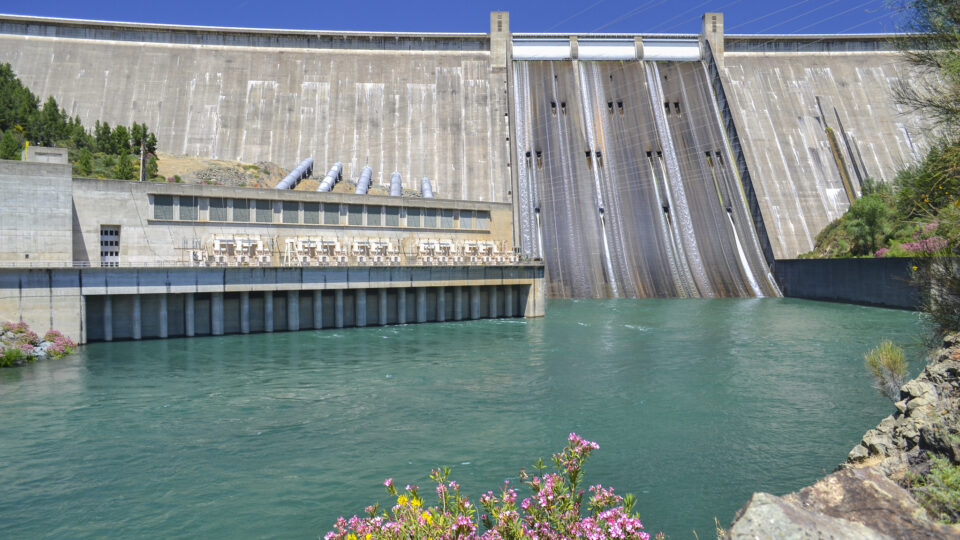
On a state-by-state basis, there are very large variations in the mix of power sources.  Ten states still get their largest amount of power from coal, but this is down from 32 states in 2001.  Four states have hydroelectric power as their largest source, including Vermont which gets more than half of its power that way. 

Texas produces more electricity than any other state by a wide margin.  It’s not just because it has a large population. It is because it uses huge amounts of power to refine petroleum products.  Coal produces only 13% of Texas’ electricity and the state is by far the country’s largest producer of wind power.

New York gets nearly half of its power from natural gas, 21% from hydroelectric power, and 21% from nuclear power.  Wind and solar power are still small, but both are growing in the state.

When people try to assess the climate impact of driving electric cars, based on the origins of the electricity they use to power the car, the results can vary dramatically based on what state they live in.  Nationwide, electricity is getting cleaner and greener, but the process is by no means uniform across the country.

**********

Web Links

How Does Your State Make Electricity?

Photo, posted March 17, 2021, courtesy of Bureau of Reclamation via Flickr.

Earth Wise is a production of WAMC Northeast Public Radio
Winegrowing regions and climate change

April 29, 2024 By EarthWise Leave a Comment

Climate change will impact winegrowing regions around the world

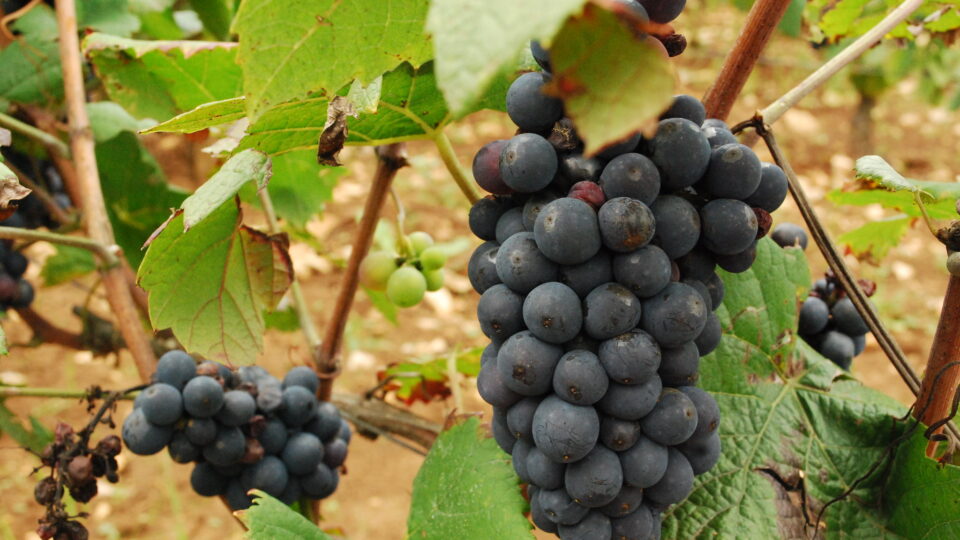
Grapes grown to make wine are sensitive to climate conditions including temperatures and amount of rainfall.  The warming climate is already having visible effects on yields, grape composition, and the quality of wine.  This has significant consequences on the geography of wine production and is of major concern for the $350 billion global industry.

Winegrowing regions are mostly at the mid-latitudes where temperatures are warm enough to allow grapes to ripen but not excessively hot.  The climates are relatively dry so that fungal diseases are not rampant.

Because of the warming climate, harvesting in most vineyards now begins two or three weeks earlier than it did 40 years ago and this affects the grapes and the resultant wines.  Temperature changes affect acidity, wine alcohol, and aromatic signatures.

If global temperature rise crosses the 2-degree level, 90% of all traditional winegrowing areas throughout Spain, Italy, Greece, and southern California may become unable to produce high-quality wines.  Conversely, areas of northern France, the states of Washington and Oregon, British Columbia, and Tasmania will see improved conditions for producing quality wines. 

As the climate warms, winegrowers face new challenges such as the emergence of new diseases and pests as well as an increasing number of extreme weather events.  Wine producers are using more drought-resistant grape varieties and are adopting management methods that better preserve soil water.

The changing climate poses many threats to the quality of wines produced in traditional vineyards.  In the future, the wine industry may look very different in terms of where and how the best wines are produced. 

**********

Web Links

A global map of how climate change is changing winegrowing regions

Photo, posted November 14, 2008, courtesy of Curtis Foreman via Flickr.

Earth Wise is a production of WAMC Northeast Public Radio
Skiing and climate change

April 12, 2024 By EarthWise Leave a Comment

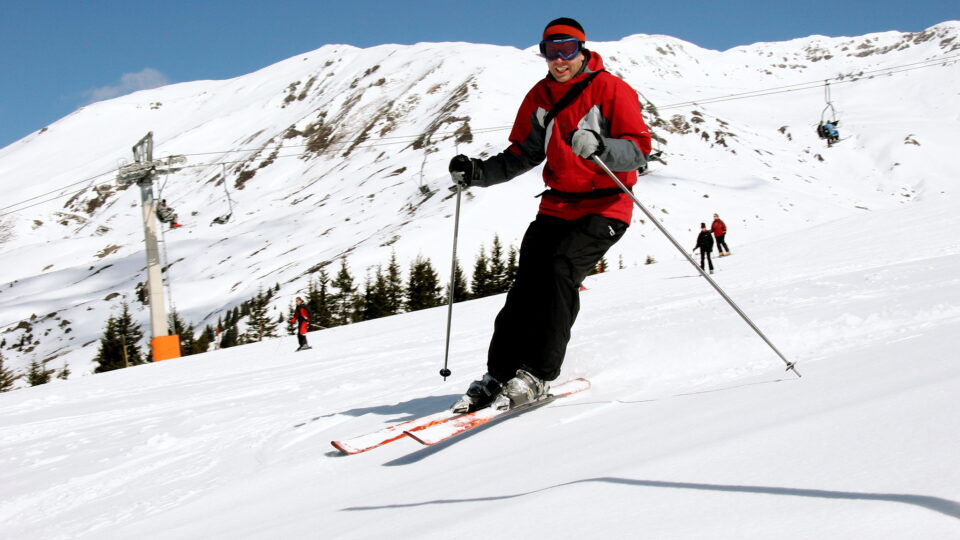
Climate change threatens the future of skiing

According to the National Oceanic and Atmospheric Administration, anthropogenic climate change resulting in higher average temperatures has caused a global decline in snowfall.  Less snow threatens to reinforce global warming, and to disrupt food, water, and livelihoods for billions of people.  

According to a new study recently published in the journal PLOS ONE, annual snow cover days in all major skiing regions are projected to decrease dramatically as a result of climate change.  In the study, the research team from the University of Bayreuth in Germany examined the impact of climate change on annual natural snow cover in seven major skiing regions.  Using the public climate database CHELSA, the researchers predicted annual snow cover days for each ski area for 2011-2040, 2041-2070, and 2071-2100 under low, high, and very high carbon emissions scenarios.

Under the high emissions scenario, 13% of ski areas are predicted to lose all natural snow cover by 2071-2100 relative to their historic baselines.  By 2071-2100, average annual snow cover days were predicted to decline by 78% in the Australian Alps, 51% in the Southern Alps, 50% in the Japanese Alps, 43% in the Andes, 42% in the European Alps, 37% in the Appalachians, and 23% in the the Rocky Mountains – all declines relative to their historic baselines.

The future losses of natural snow cover in ski areas around the world will be significant if global emissions continue unchecked.

**********

Web Links

The future is likely less skiable, thanks to climate change

New maps show where snowfall is disappearing

Photo, posted April 14, 2006, courtesy of Kallu via Flickr.

Earth Wise is a production of WAMC Northeast Public Radio
Canadian zombie fires

April 8, 2024 By EarthWise Leave a Comment

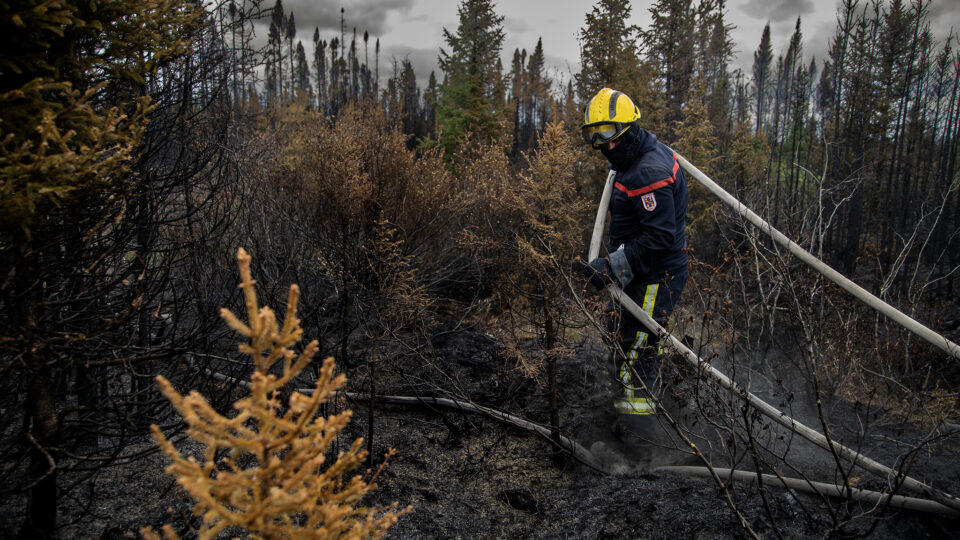
Canada’s 2023 wildfire season was the most destructive ever recorded.  Over 6,000 fires burned nearly 71,000 square miles of land from the West Coast to the Atlantic provinces.  The burned areas are roughly the size of the entire country of Finland and represent almost triple the amount burned in the previous year, which itself was a lot. Smoke from Canadian fires, particularly those in Quebec, blanketed many cities in the United States and made its way as far south as Florida.

An alarming aspect of the Canadian fire season is that it didn’t ever really end.  Late in the winter, 149 active wildfires are still burning across Canada.  92 are in British Columbia, 56 in Alberta, and one in New Brunswick.  In these places, the wildfire season is yearlong.

These overwintering fires have come to be known as zombie fires.  They burn slowly below the surface during the winter.  Many areas in the north contain porous peat and moss ground cover and these act as underground fuel for smoldering fires.

Wildfires have become more prevalent in Canada because the changing climate has brought about increases in the hot, dry, and gusty conditions that lead to drought.

Many of the zombie fires don’t pose an increased threat of triggering wildfires in the spring because they are in places that are already so charred that there is nothing left to burn.  But others are in drought areas that are basically tinder boxes ready to burst into flame once spring arrives.

Overall, Canadian government officials are warning that this year’s wildfire season is likely to be even worse than last year’s, particularly in the Western provinces of British Columbia and Alberta.

**********

Web Links

As ‘Zombie Fires’ Smolder, Canada Braces for Another Season of Flames

Photo, posted June 30, 2023, courtesy of P. McCabe / EU via Flickr.

Earth Wise is a production of WAMC Northeast Public Radio
Cyber protection for apple orchards

April 2, 2024 By EarthWise Leave a Comment

How best to protect apple orchards as weather changes

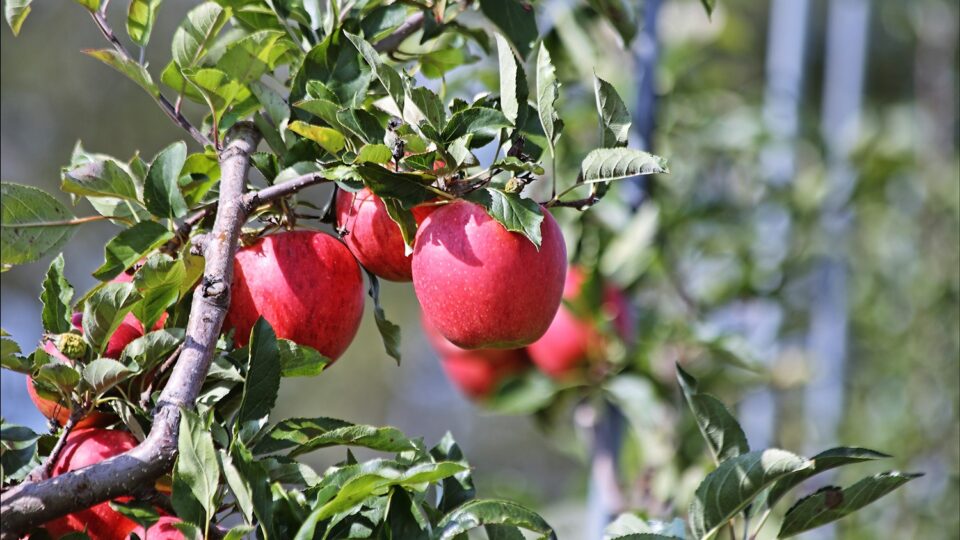
Spring frosts represent a real danger for apple orchards.  The changing climate has brought about periods of unusually warm weather at times early in the year that have caused trees and other flowering plants to bloom early.  For apple growers, this has made their orchards more susceptible to the damaging effects of extreme cold events.

Apple growers attempt to prevent this damage by heating the canopies of their orchards, but these efforts tend to be inefficient.  Applying heat is one of the most effective methods to prevent apple flower bud damage, but it is difficult to determine when and where to apply heat in orchards.

Researchers at Penn State University have developed a frost-protection cyber-physical system that autonomously makes heating decisions based on real-time temperature and wind-direction data.  Their system includes a temperature-sensing device, a propane-fueled heater that adjusts the direction where it provides heat, and an unmanned ground vehicle that moves the system through an apple orchard.

The results of tests of the system were published in the journal Computers and Electronics in Agriculture, and the findings show that it greatly reduced damage to apple tree buds in tests conducted at low temperatures, doubling or tripling the amount of time that trees were protected.

The equipment used for the study mostly consisted of off-the-shelf parts and cost about $5,000, most of which was for the vehicle.   The researchers envision that even a very large orchard could be protected by multiple units guided by an aerial drone monitoring canopy temperatures. Further research will aim to bring the technology to point where it can enter the marketplace and be available to apple growers.

**********

Web Links

Cyber-physical heating system may protect apple blossoms in orchards

Photo, posted September 6, 2017, courtesy of Sue Thompson via Flickr.

Earth Wise is a production of WAMC Northeast Public Radio
Shrinking African glaciers

March 27, 2024 By EarthWise Leave a Comment

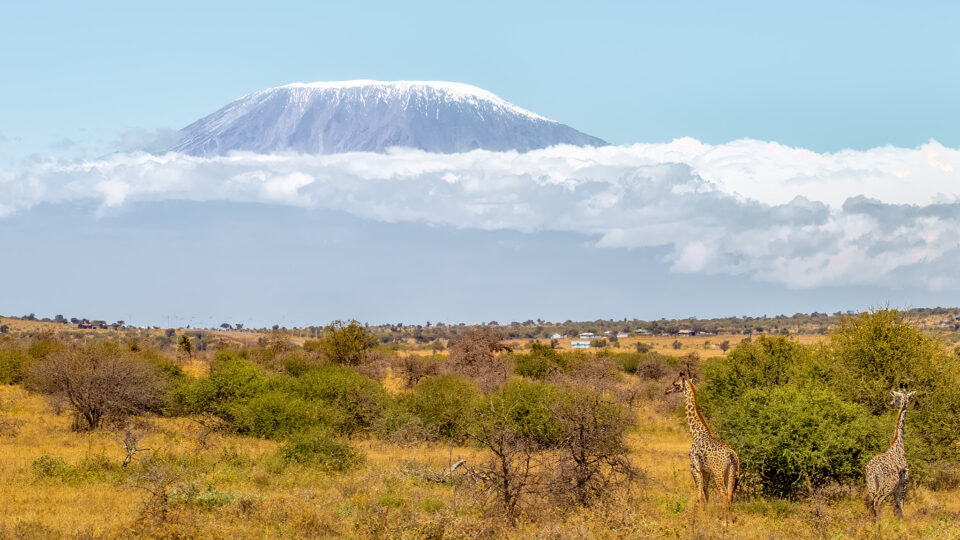
We don’t usually associate Africa with glaciers, but the continent has had glaciers on its highest peaks for the past 10,000 to 15,000 years.  Africa’s glaciers are found in three regions:  the Rwenzori Mountains along the border between Uganda and the Democratic Republic of the Congo, Mount Kilimanjaro, and Mount Kenya.  At the turn of the 20th century, there were 43 glaciers scattered across 6 peaks within the Rwenzori Mountains.  In the intervening years, things have greatly changed.

 Since the early 20th century, Africa’s glaciers have shrunk by 90%.  Because all these glaciers are close to the equator, they are especially vulnerable to warming.  According to a new study published in the journal Environmental Research: Climate, in the last two decades, Africa’s glaciers have lost roughly half their area.

This rapid decrease is alarming to climate scientists because they represent a clear indicator of the impact of climate change.  A major factor in the decline of the glaciers is the reduction in cloud cover over the mountains.  Sunshine is melting glaciers and turning ice directly into water vapor even when temperatures are below freezing.  Reductions in snowfall at the same time means that the melting glaciers are not being replenished.

Scientists believe that the tropical glaciers of Africa may all but disappear over the next 25 years.

Roughly three-quarters of the Earth’s freshwater is stored in the world’s more than 200,000 glaciers.  According to scientists, if the world reaches but maintains 1.5 degrees of warming, half of the world’s glaciers could be gone by the end of this century.  If the world continues to warm as it has been without slowing down, more than 80% of the glaciers will disappear.

**********

Web Links

Africa’s Tropical Glaciers Have Shrunk by 90 Percent, Research Shows

Photo, posted February 26, 2022, courtesy of Ray in Manila via Flickr.

Earth Wise is a production of WAMC Northeast Public Radio
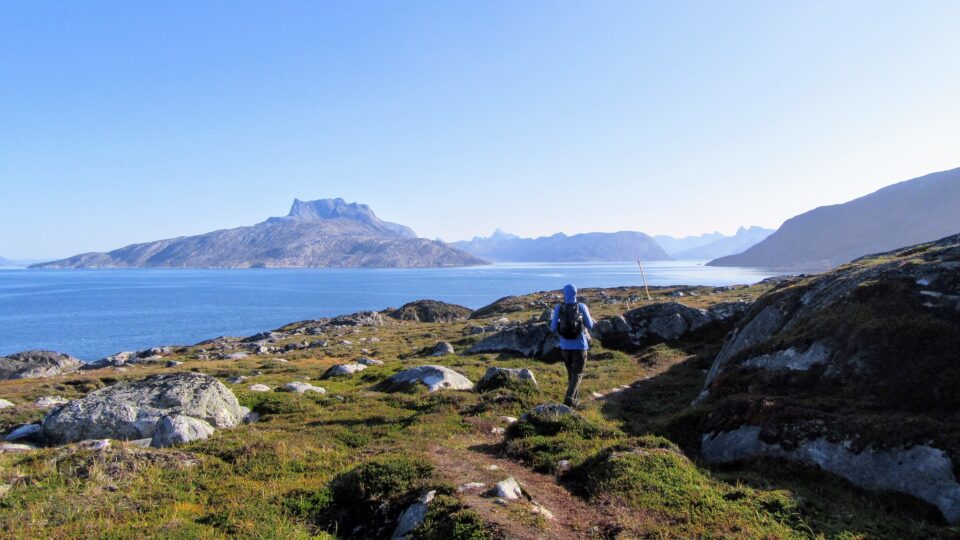
Greenland is greening

March 21, 2024 By EarthWise Leave a Comment

Greenland is greening

Despite their names, Iceland is very green, and Greenland is very icy.  But in Greenland, that is changing.  Temperatures in the world’s largest island are rising twice as fast as they are in the rest of the world and, as a result, the icy rocky landscape is turning increasingly green.

Satellite records reveal that over the last three decades Greenland has lost 11,000 square miles of ice, which is an area about the size of Massachusetts.  As the ice melts off, tundra and shrublands takes its place.  The ice melt moves sediment and silt and eventually wetlands and fenlands are formed.

Between the late 1980s and the late 2010s, the areas of Greenland covered by vegetation have more than doubled.  The new green areas cover roughly 33,000 square miles, which is an area the size of Maine.

Greenland’s dramatic changes are the result of the warming climate, but in turn, those changes are accelerating climate change.  Land covered with dark green vegetation absorbs more energy from the sun thereby warming the air whereas ice-covered landscapes reflect much of the sun’s energy back into space.  In addition, the rapidly expanding wetlands are a significant source of methane, which traps even more heat in the atmosphere.

Greenland is a poster child for the effects of climate change.  Its glaciers and icecaps are shrinking, glacier-fed lakes are expanding, permafrost lakes are draining, and rivers are transporting vast amounts of sediment and widening.  All of this is going on as its vegetation cover and species diversity is expanding.

**********

Web Links

In Icy Greenland, Area Covered by Vegetation Has More Than Doubled in Size

Photo, posted September 20, 2019, courtesy of Amanda via Flickr.

Earth Wise is a production of WAMC Northeast Public Radio
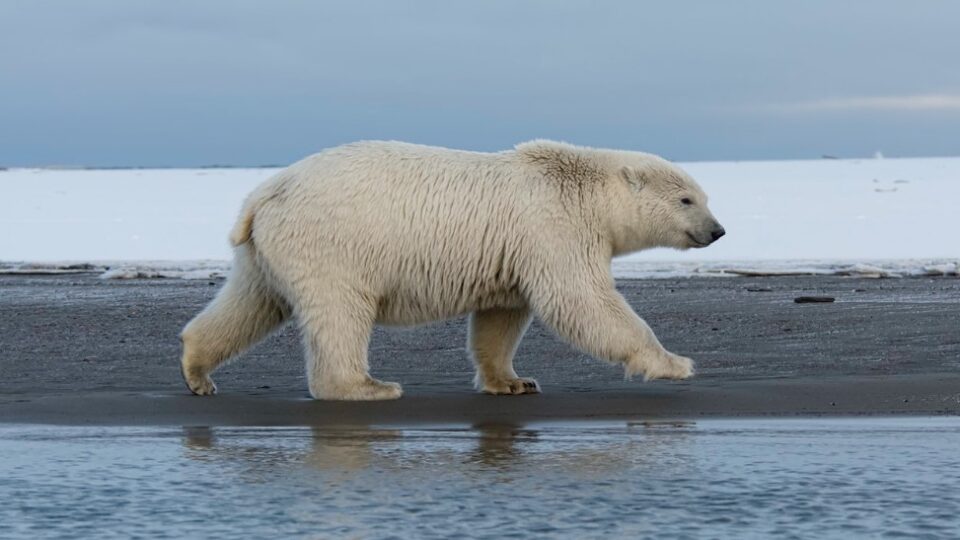
Polar bears and the changing climate

March 7, 2024 By EarthWise Leave a Comment

Polar bears struggling as the climate warms

The changing climate poses a major threat to polar bear survival.  Polar bears, whose native range lies largely within the Arctic Circle, depend on sea ice for nearly all of their lifecycle functions.  Rising global temperatures are causing this sea ice to disappear.

With less sea ice, polar bears are forced to stay longer on land.  However, according to a new study led by researchers from Washington State University, more time stranded on land leads to a greater risk of polar bear starvation. 

During three summer weeks in Manitoba, Canada, 20 polar bears observed by researchers tried different strategies to maintain energy reserves.  But the research team found that nearly all of them lost weight – losing about 2.2 pounds per day on average.     

Some scientists have speculated that polar bears might be able to adapt to the changing climate by acting more like grizzly bears by either resting or eating terrestrial food.  But the polar bears tried versions of both strategies – with little success.

Polar bears can weigh nearly twice as much as grizzly bears.  To maintain this size, polar bears rely on the energy-rich fat of seals, which they best catch on ice.

In the study, which was recently published in Nature Communications, the researchers found that some polar bears laid down to conserve energy, while others searched on land for food.  But neither the activity nor the lack thereof paid off.  In fact, only one bear out of the 20 gained weight after stumbling across a dead marine mammal on land.

Polar bears across the Arctic are at risk of starvation as the ice-free period continues to grow.

**********

Web Links

Polar bears unlikely to adapt to longer summers

Photo, posted November 16, 2015, courtesy of Anita Ritenour via Flickr.

Earth Wise is a production of WAMC Northeast Public Radio

Top Fish Predators And Climate Change | Earth Wise

September 12, 2023 By EarthWise Leave a Comment

Climate change is taking its toll on forests, farms, freshwater sources, and the economy, but ocean ecosystems remain the epicenter of global warming.  In fact, oceans have absorbed more than 90% of the excess heat from greenhouse gas emissions since the 1970s.

As a result, many marine fish species are responding to ocean warming by relocating towards the poles.  According to new research recently published in the journal Science Advances, climate change is causing widespread habitat loss for some of the ocean’s top fish predators, driving these species northward.

The research team studied 12 species of highly migratory fish predators, including sharks, tuna, and billfish, such as marlin and swordfish, inhabiting the Northwest Atlantic Ocean and the Gulf of Mexico.  These two regions are undergoing rapid changes in sea surface temperatures, and are among the fastest warming ocean regions on earth.

The research, which was led by researchers from Woods Hole Oceanographic Institution in Massachusetts, with collaboration from San Diego State University, NOAA, and several other U.S. institutions, found that most species will encounter widespread habitat losses by 2100.  Some species could lose upwards of 70% of suitable habitat by that year.  Areas offshore of the Southeast United States and Mid-Atlantic coasts were identified as likely hotspots of multi-species habitat loss. 

According to the researchers, strategies for managing fish have historically been static. But marine systems need to be treated as dynamic and changing.  This study helps provide the scientific data needed for marine conservation and fisheries management efforts.

**********

Web Links

Top fish predators could suffer wide loss of suitable habitat by 2100 due to climate change

Photo, posted March 18, 2015, courtesy of Kenneth Hagemeyer via Flickr.

Earth Wise is a production of WAMC Northeast Public Radio
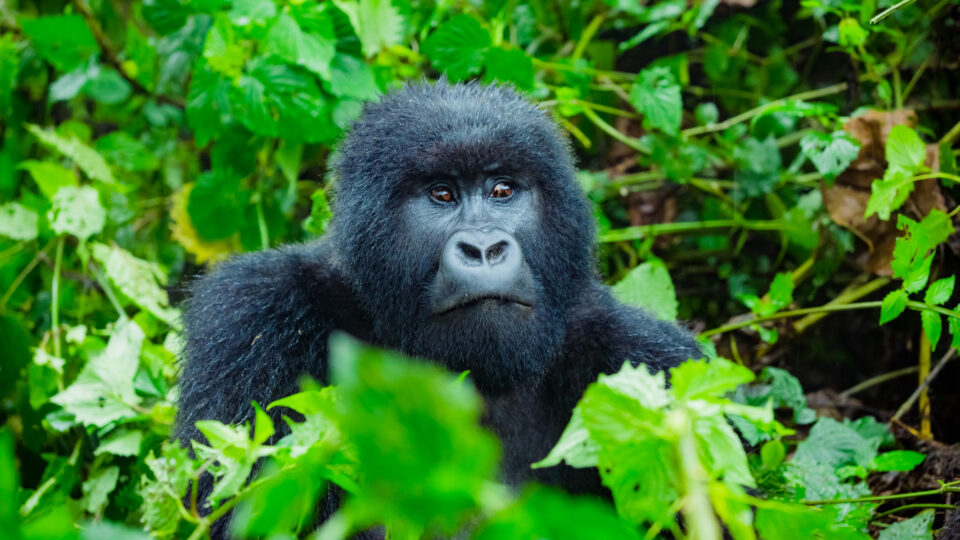
The Living Planet Index | Earth Wise

November 22, 2022 By EarthWise Leave a Comment

The World Wildlife Fund and the Zoological Society of London recently published the latest Living Planet Index, which is designed to measure how animal populations are changing through time.  The purpose is to provide an assessment of the health of ecosystems and the state of biodiversity.

The LPI only looks at the population of vertebrates:  birds, mammals, reptiles, amphibians, and fish.  The latest survey looked at how populations have changed between 1970 and 2018.  The results are that populations of these animal groups have declined by an average of 69% over that 48-year period.

This result highlights a very real and very severe crisis of biodiversity loss.  However, it does not mean that there are 2/3 fewer animals today than 48 years ago.  The way the index is calculated is to look at the changes in individual populations of over 5,000 different species.  Then these individual relative declines are averaged to get the result.  

There are shortcomings in the LPI.  For example, individual species that have seen massive population declines will bring the average down.  But even removing the outliers both of a negative and a positive impact does not dramatically change the result.

There is no perfect indicator for biodiversity and ecosystem health.  The Living Planet Index is nonetheless a useful metric and indicates that many species around the world are in decline.  Policymakers and environmental advocates need to make decisions about conservation and protection measures and this index is one tool they can use.

**********

Web Links

There’s a frightening new report about wildlife declines. But many are getting the story wrong.

Photo, posted October 12, 2019, courtesy of Visit Rwanda via Flickr.

Earth Wise is a production of WAMC Northeast Public Radio
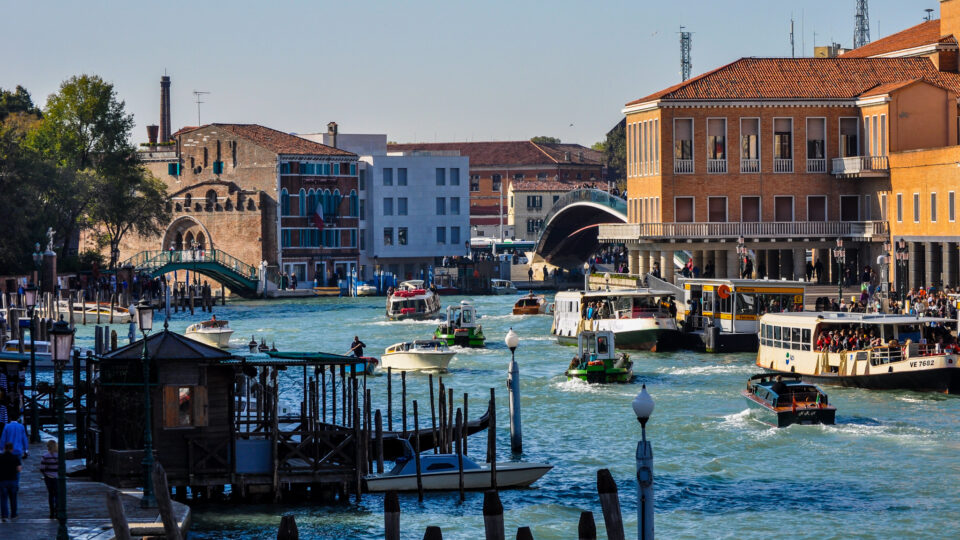
Sinking Cities | Earth Wise

October 24, 2022 By EarthWise Leave a Comment

Coastal cities are sinking

Sea levels across the globe are rising as a result of the changing climate.  Two factors are largely responsible: the melting of ice sheets in the polar regions and the fact that as the oceans get warmer, the water in them expands.  

Estimates are that by 2050, there will be over 800 million people living in 570 cities that will be at risk from rising sea levels.   The rising waters can drown neighborhoods, put people’s lives at risk, and wreck entire economies.  Unless global emissions can be reduced sufficiently, sea levels will continue to rise.

A new study, published in the journal Nature Sustainability by Nanyang Technical University in Singapore in collaboration with the University of New Mexico, ETH Zurich, and NASA’s Jet Propulsion Lab, has focused on yet another aspect of the threat to coastal cities.  They have found that many densely populated coastal cities worldwide are even more vulnerable to sea level rise because much of their land is sinking. 

The researchers processed satellite images of 48 cities from 2014 to 2020 using a system called Interferometric Synthetic Aperture Radar.  They found that land subsidence varied on a neighborhood and even individual block level but across all the cities studied, there was a median sinking speed of 6/10” a year.  Some places had land that is sinking at 1.7” per year.  Meanwhile, the global mean sea-level rise is about .15” per year.

The increasing prevalence of industrial processes such as the extraction of groundwater, and oil and gas, along with the rapid construction of buildings and other urban infrastructure are leading to the sinking of the urban areas. 

**********

Web Links

Rapid land sinking leaves global cities vulnerable to rising seas

Photo, posted October 24, 2015, courtesy of Jeffrey via Flickr.

Earth Wise is a production of WAMC Northeast Public Radio
Climate Change And The Color Of Lakes | Earth Wise

October 19, 2022 By EarthWise Leave a Comment

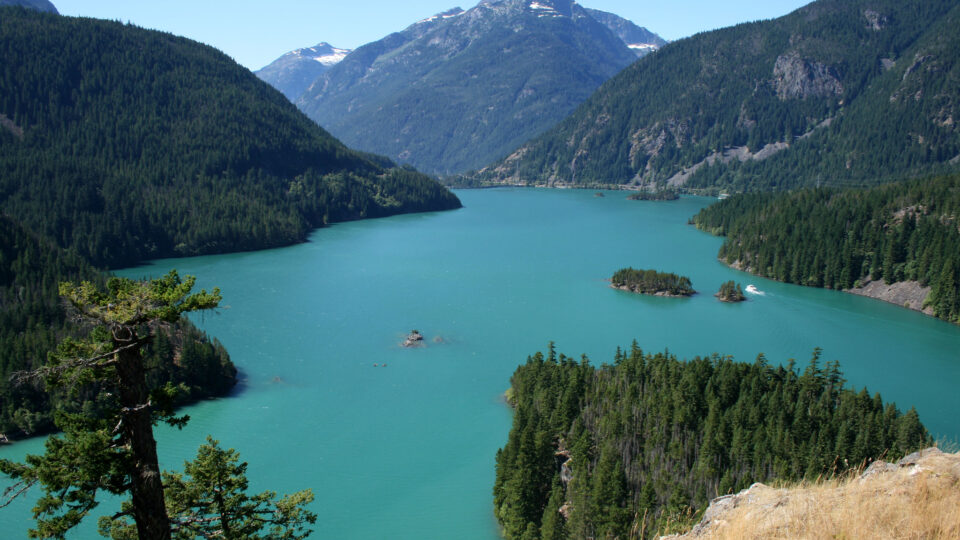
According to a new study recently published in the journal Geophysical Research Letters, blue lakes around the world are at risk of turning green-brown if climate change continues unabated. 

For the study, the research team used over five million satellite images of more than 85,000 lakes and reservoirs around the globe between 2013 and 2020 in order to determine each lake’s most common water color.  Since lake color can change seasonally, the researchers assessed the most frequent lake color during those seven years. 

Algae and sediments affect the color of lakes.  But the study found that precipitation, air temperature, lake depth, and elevation also play major roles in determining a lake’s most common water color. 

The research team found that blue lakes account for less than one-third of lakes worldwide.  Blue lakes tend to be deeper and are often found in cool, high latitude regions with high precipitation and winter ice cover.  Meanwhile, green-brown lakes, which account for 69% of all lakes, are found in drier regions, continental interiors, and along coastlines. 

As global temperatures rise, lakes will warm, and warmer water produces more algal blooms.  As a result, the researchers expect the changing climate to decrease the percentage of blue lakes, many of which are found in the Rocky Mountains, northeastern Canada, northern Europe and New Zealand. 

Water color is a simple but viable way to measure water quality that can be done on a global scale using satellites.  This approach provides researchers with a way to study how lakes – even the remote ones – are changing.  

**********

Web Links

Climate change is making lakes turn green-brown

Photo, posted August 27, 2011, courtesy of Paul Schultz via Flickr.

Earth Wise is a production of WAMC Northeast Public Radio

Living in a Carbon Bubble | Earth Wise

July 18, 2022 By EarthWise Leave a Comment

The earth’s atmosphere is a little over 0.04% carbon dioxide, currently about 420 parts per million.  That’s more than it’s been in millions of years and is changing our climate.  But these levels of CO2 are not enough to directly affect people.

However, people are sensitive to the amount of carbon dioxide they are breathing.  It is actually an indoor pollutant.  High concentrations have been shown to reduce our cognitive performance, our health, and our comfort.  For example, a study in 2012 showed that performance in a variety of cognitive function tests was reduced by 12% when CO2 levels reached 1,000 parts per million and by 51% at 2,500 ppm.

How common are high levels of carbon dioxide?  Pretty common.  Offices often have CO2 levels of 600 ppm or higher, but 5% of US offices have average concentration about 1000 ppm and some conference rooms can reach 1900 ppm.  Classrooms often reach average levels above 1000 ppm.  Passenger aircraft have average levels around 1400 ppm during flight, and can peak over 4,000 ppm.  Cars with one occupant with the windows closed and the air recirculating have levels above 4,000 ppm. 

Where does it all come from?  From us.  We exhale CO2 and if we are in enclosed spaces with insufficient air circulation and ventilation, we end up living in a carbon dioxide bubble.  Most of us live with high CO2 levels – all day and every day.  It is a form of indoor pollution that has not gotten enough attention.

**********

Web Links

I’m living in a carbon bubble. Literally.

Photo, posted October 24, 2013, courtesy of Cory W. Watts via Flickr.

Earth Wise is a production of WAMC Northeast Public Radio.

A Historic Western Drought | Earth Wise

April 1, 2022 By EarthWise Leave a Comment

A historic drought in the American west

The American Southwest has suffered from drought conditions since the year 2000.  The drought has reduced water supplies, devastated farmers and ranchers, and it has helped to fuel numerous wildfires across the region.  It has generally been considered to be worst in 500 years.

According to a recent analysis, the drought has become so severe that it has actually led to the driest two decades in at least 1,200 years and the changing climate is largely responsible.  The summer of 2021 was especially dry; about 2/3 of the West was in severe drought conditions.

Scientists at UCLA used tree ring data to gauge drought.  Based on that analysis, 2000-2021 is the driest 22-year period since 800 A.D. which is as far back as the data goes.

The study confirmed the role of temperature, more than precipitation, in driving exceptional droughts.  Precipitation levels can go up and down over time and can vary in different regions.  But the ongoing emissions of greenhouse gases into the atmosphere are causing temperatures to generally rise over time.  Warmer temperatures make the air more capable of pulling water out of the soil, out of vegetation, out of crops, and out of forests.  All of that makes drought conditions more severe.

A megadrought is generally considered to be one that is both severe and long.  But even during one, there can be wet years.  2005 was a notable one.  But there must be enough consecutive wet years to actually end a drought.

Several previous megadroughts over the past 1,200 years lasted as long as 30 years.  So, the current drought is in full swing and may go on for a long time to come.

**********

Web Links

How Bad Is the Western Drought? Worst in 12 Centuries, Study Finds.

Photo, posted September 25, 2021, courtesy of David Sierralupe via Flickr.

Earth Wise is a production of WAMC Northeast Public Radio.

Coastlines and Climate Change | Earth Wise

August 16, 2021 By EarthWise Leave a Comment

Scientists predict how climate change will affect coastlines

Climate change poses a fundamental threat to life on earth and has already left observable effects on the planet.  For example, glaciers have shrunk, oceans have warmed, heatwaves have become more intense, and plant and animal ranges have shifted. 

As a result of the changing climate, coastal communities around the world are confronting the increasing threats posed by a combination of extreme storms and the predicted acceleration of sea level rise. 

Scientists from the University of Plymouth in England have developed a simple algorithm-based model to predict how coastlines could be affected by climate change.  This model allows coastal communities to identify the actions they need to take in order to adapt to their changing environment.

The Forecasting Coastal Evolution (or ForCE)  model has the potential to be a game-changer because it allows adaptations in the shoreline to be predicted over timescales of anything from days to decades. As a result, the model is capable of predicting both the short-term impact of extreme storms as well as predicting the longer-term impact of rising seas.   

The ForCE model relies on past and present beach measurements and data showing the physical properties of the coast.  It also considers other key factors like tidal, surge, and global sea-level rise data to assess how beaches might be impacted by climate change.  Beach sediments form the frontline defense against coastal erosion and flooding, and are key in preventing damage to valuable coastal infrastructure.

According to the study, which was recently published in the journal Coastal Evolution, the ForCE model predictions have shown to be more than 80% accurate in current tests in South West England.

**********

Web Links

New model accurately predicts how coasts will be impacted by storms and sea-level rise

Photo, posted April 17, 2016, courtesy of Nicolas Henderson via Flickr.

Earth Wise is a production of WAMC Northeast Public Radio.

  • Page 1
  • Page 2
  • Go to Next Page »

Primary Sidebar

Recent Episodes

  • An uninsurable future
  • Clean energy and jobs
  • Insect declines in remote regions
  • Fossil fuel producing nations ignoring climate goals
  • Trouble for clownfishes

WAMC Northeast Public Radio
WAMC/Northeast Public Radio is a regional public radio network serving parts of seven northeastern states (more...)
Copyright © 2026 ·