• Skip to primary navigation
  • Skip to main content
  • Skip to primary sidebar

Earth Wise

A look at our changing environment.

  • Home
  • About Earth Wise
  • Where to Listen
  • All Articles
  • Show Search
Hide Search
You are here: Home / Archives for automobiles

automobiles

A Car-Free Zone In Berlin | Earth Wise

February 22, 2022 By EarthWise Leave a Comment

Berlin aims going car-free

The regional parliament in Berlin is considering the creation of a car-free zone in the German capital as a result of a petition from a local advocacy group.  The group – called the People’s Decision for Auto-Free Berlin – collected 50,000 signatures, which was enough to require the Berlin Senate to take up the issue.

The city ban would apply to the space ringed by the S-Bahn train line, which circles the city center.  Known as the Ringbahn, the area enclosed was already established as a low-emission zone in 2008.  It is 34 square miles in area, larger than Manhattan.  The ban would restrict vehicle use to trucks, taxis, emergency vehicles, and limited car-sharing programs.

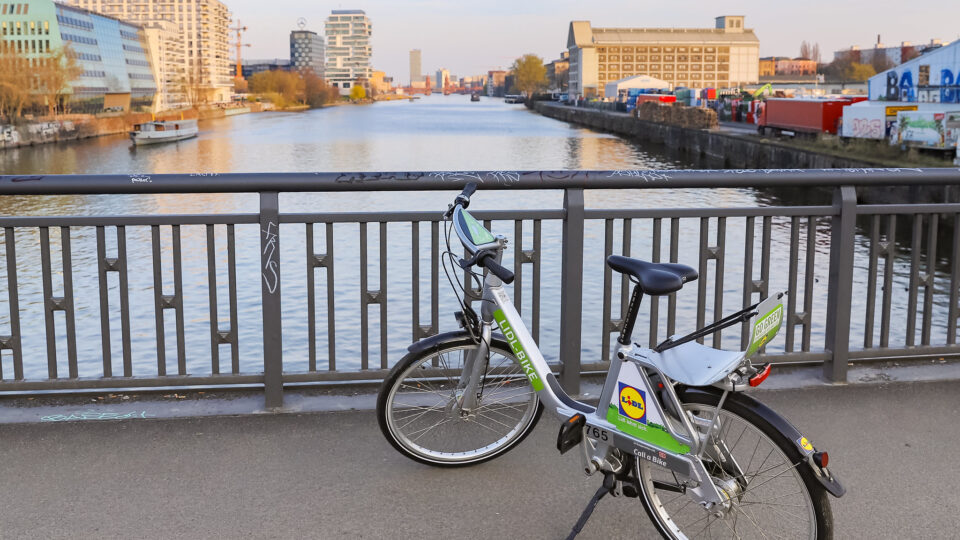
In Berlin, a combination of regular trains, ample bike lanes, and a robust network of public buses makes getting around without a car more practical than in many other major cities.  In fact, automobiles account for only 17% of trips inside of the Ringbahn.

Even so, there is still a lot of car traffic in the city center.  Advocates for the plan believe it would lead to a city with cleaner air and more livable spaces for its citizens.

If the Berlin Senate rejects the measure, the advocacy group will seek to collect 175,000 signatures, which would force the Senate to consider the matter for a second time.  If it is rejected again, it would automatically go to a referendum in 2023.

In Europe, it appears that the revolution in transportation may not just be one about electric vehicles, but in some places may be toward the removal of vehicles in general.

**********

Web Links

Berlin Looks to Create Car-Free Zone Larger Than Manhattan

Photo, posted March 30, 2019, courtesy of Falco Ermert via Flickr.

Earth Wise is a production of WAMC Northeast Public Radio.
Better Batteries For The Grid | Earth Wise

September 14, 2021 By EarthWise Leave a Comment

Building better batteries for energy storage

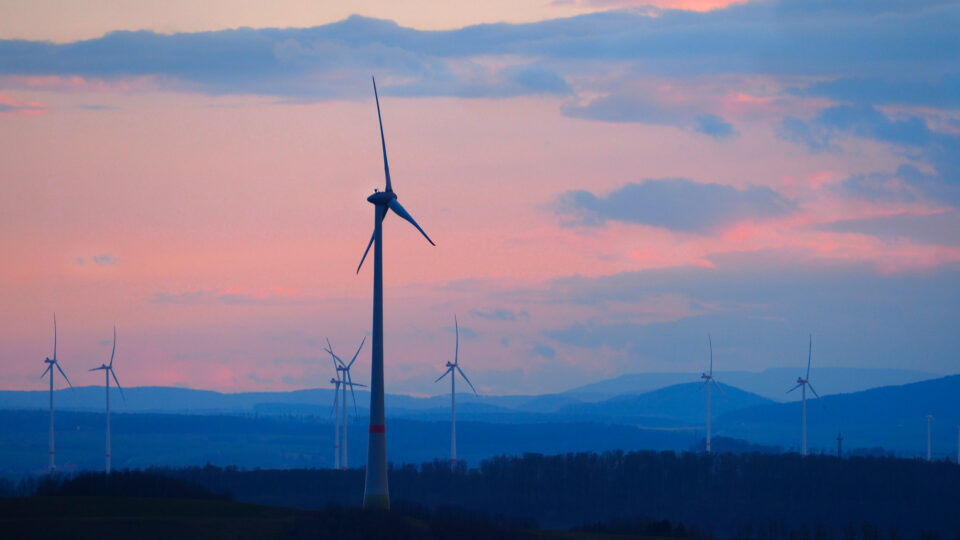
As more and more solar and wind power is added to the electric grid, the need for ways to store the energy produced increases.  Using batteries for this purpose is increasingly popular, mostly driven by the improving economics of the lithium-ion batteries used in electric vehicles as well as consumer electronics.

There are other battery technologies besides lithium ion that are not suitable for use in automobiles and cell phones but have potential advantages for the grid.  One such technology is molten sodium batteries.  These batteries have high energy density, a high efficiency of charge and discharge, and a long cycle life.  They are fabricated with inexpensive materials and they are especially suitable for large-scale grid energy storage because their economics improves with increasing size.

A drawback of molten sodium batteries is that they operate at 520-660 degrees Fahrenheit, which adds cost and complexity.  Researchers at Sandia National Laboratories have designed a new class of molten sodium batteries that operates at a much cooler 230 degrees Fahrenheit instead.

The battery chemistry that works at 550 degrees doesn’t work at 230 degrees. The Sandia group developed something they call a catholyte, which is a liquid mixture of two salts, in this case sodium iodide and gallium chloride.  (Gallium chloride is rather costly, so the researchers hope to replace it in a future version of the battery).

By lowering the operating temperature, there are multiple cost savings including the use of less expensive materials, the requirement for less insulation, and the use of thinner wire.

This work is the first demonstration of long-term, stable cycling of a low-temperature molten-sodium battery.  The hope is to have a battery technology that requires fewer cells, fewer connections between cells, and an overall lower cost to store electricity for the grid.

**********

Web Links

Sandia designs better batteries for grid-scale energy storage

Photo, posted March 14, 2021, courtesy of Michael Mueller via Flickr.

Earth Wise is a production of WAMC Northeast Public Radio.
Is Peak Oil Here? | Earth Wise

August 17, 2021 By EarthWise Leave a Comment

Has peak oil already come and gone?

For many years there has been talk of “peak oil”, the point at which rising world oil consumption would peak and then start declining.  Some analysts have been predicting that this could happen by the 2030s.   But the coronavirus pandemic drove a 9% slump in oil demand in 2020 that some economists are saying might never be entirely reversed.

There are three major forces driving down the world’s appetite for oil:  decarbonization of economies to meet the goals of the Paris climate agreement, declining demand for oil as renewable energy sources and electric vehicles are increasingly adopted, and detoxification as cities act to curb particulates and emissions from burning petroleum.

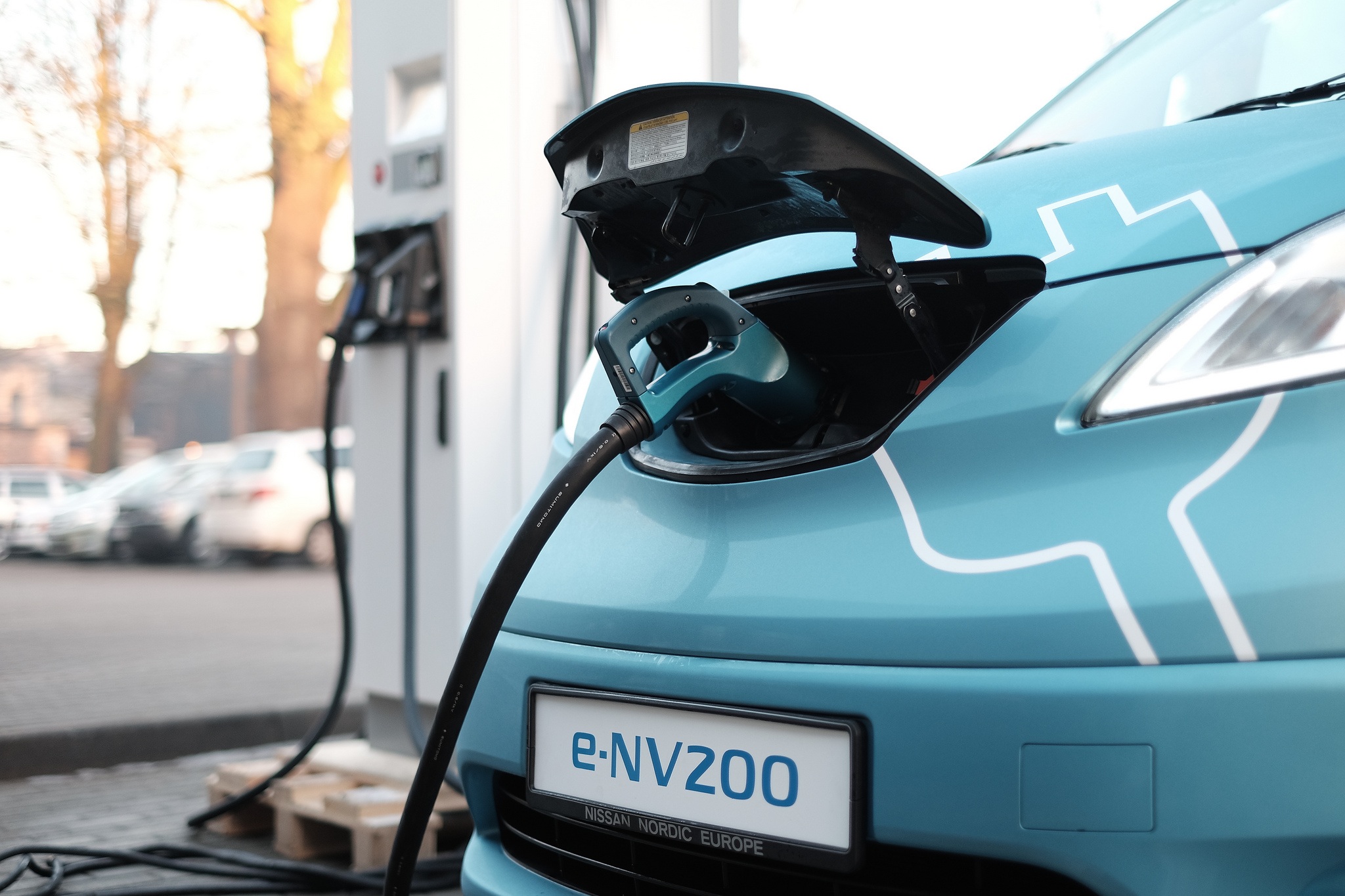
The largest single factor is electric vehicles.  Automobiles currently consume almost half of the world’s oil.  As of the end of 2020, there were an estimated 10 million electric cars as well as more than 600,000 electric buses and trucks.  This is still less than 1% of all vehicles, but 5% of all new cars being bought are now electric and the number is growing rapidly.  Experts estimate that nearly a quarter of global car sales will be electric vehicles by 2025 and many car manufacturers are promising to sell only electric cars within the next 10 years.

The decline in oil demand is pretty much inevitable at this point.  The main question is how quickly it will happen.  Road transport makes up 48% of global oil demand, petrochemicals account for 14%, aviation 7%, and shipping 6%.  Ultimately all these things are likely to diminish over time. 

Only time will tell, but the long-awaited arrival of peak oil may already have happened.

**********

Web Links

Amid Troubles for Fossil Fuels, Has the Era of ‘Peak Oil’ Arrived?

Photo, posted April 14, 2019, courtesy of Tony Webster via Flickr.

Earth Wise is a production of WAMC Northeast Public Radio.
Infinitely Recyclable Plastic | Earth Wise

May 25, 2021 By EarthWise 1 Comment

Making an infinitely recyclable plastic

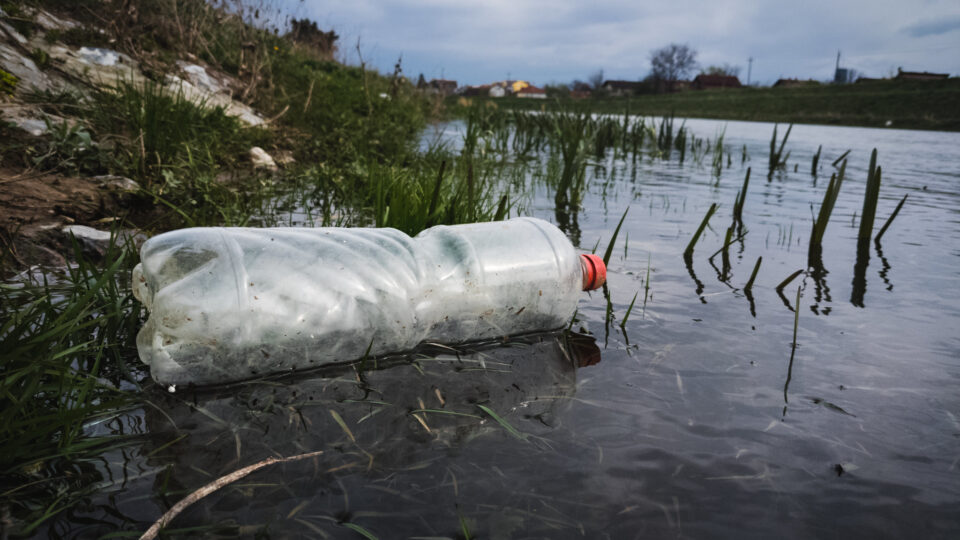
The glut of plastics is one of the world’s most challenging environmental problems.  The average American generates over 200 pounds of plastic waste each year and most of that ends up in landfills.  Researchers around the globe continue to work on potential solutions to the plastic waste problem.

Two years ago, scientists at Lawrence Berkeley National Laboratory announced the invention of a new plastic that could be an answer to the plastic waste problem.  The material is called polydiketoenamine or PDK and it differs from traditional plastics in a very important way:  it can be recycled indefinitely with no loss in quality because it can easily be broken down into its constituent component monomers and be used to make brand new plastic.

Only a small percentage of plastics are currently recycled.  When many plastics are melted down together, the polymers are mixed with a slew of incompatible additives, resulting in a new material with much lower quality than newly produced plastic.  As a result, less than 10% of plastic is recycled more than once.

Recently, the Berkeley Lab researchers released a study that shows what could be accomplished if manufacturers began using PDKs on a large scale.  They determined that PDK-based plastic could quickly become commercially competitive with conventional plastics and, furthermore, would get less expensive and more sustainable as time goes on.

PDK is starting to draw interest from companies needing to source plastic.  The best initial application for PDKs are markets where manufacturers have the most access to products at the end of their lifespans such as in the automobile industry and consumer electronics.  Making plastics part of a circular economy is a challenging task.

**********

Web Links

The Future Looks Bright for Infinitely Recyclable Plastic

Photo, posted April 19, 2021, courtesy of Ivan Radic via Flickr.

Earth Wise is a production of WAMC Northeast Public Radio.

How Green Are Electric Cars? | Earth Wise

April 12, 2021 By EarthWise Leave a Comment

Electric cars are becoming even greener

Environmental groups, governments, and automakers are all promoting electric vehicles as an important technology to combat climate change.  For example, GM plans to stop selling gas-powered cars by 2035 and Volvo intends to be all-electric by 2030.

There are still those who question how green electric vehicles actually are.  All products and technologies do have their environmental impacts.  In general, today’s electric cars produce significantly fewer planet-warming emissions than gas-powered cars, but there are factors that affect the results for specific vehicles.

The biggest issue is the source of electricity used to charge up the cars.  In places where coal still provides a substantial fraction of electric generation, electric cars don’t fare as well.  But coal’s contributions to the grid are declining rapidly and even cleaner fossil fuels like natural gas are gradually being replaced by green generation from wind and solar power.  If the grid was entirely carbon-free, then there would be no emissions associated with operating the vehicle.

MIT has created an interactive online tool that incorporates a comprehensive set of factors contributing to the emissions associated with cars:  what it takes to manufacture the cars, how much gasoline conventional cars burn, and where the electricity to charge electric vehicles comes from.

The tool provides information like the average amount of carbon dioxide emitted for every mile driven over a car’s lifetime. 

Results will vary with location and various other vehicle factors, but in the great majority of cases, electric cars are much greener than gasoline cars, and as the grid becomes greener, the cars will become greener as well.

**********

Web Links

CarbonCounter 2021

How Green Are Electric Vehicles?

Photo, posted January 29, 2020, courtesy of Tony Webster via Flickr.

Earth Wise is a production of WAMC Northeast Public Radio.

Cleaner Air Saves Lives

September 25, 2019 By EarthWise Leave a Comment

A new study by Columbia University has concluded that lower air pollution levels saved an estimated 5,660 lives in New York State in 2012, compared to 2002 mortality levels.

The study looked at New York State levels of the specific type of pollution known as fine particulate matter, referred to as PM2.5.  These microscopic particulates are a mixture of solid particles and liquid droplets that either come from burning fuel or are formed in the atmosphere as a result of complex reactions of chemicals such as sulfur dioxide and nitrogen oxides from power plants, industries, and automobiles.

Long-term exposure to PM2.5 can lead to respiratory and cardiovascular problems.

The study looked at extensive amounts of data to analyze trends in PM2.5 levels across New York State.  The data showed that PM2.5 levels dropped by 28 to 37% between 2002 and 2012.  This was a result of continued progress in cleaner vehicles, the reduction of high sulfur-dioxide emitting coal-burning power plants, and other air pollution reduction programs.  They calculated that this amount of reduction in PM2.5 reduced the air pollution mortality burden for New York State residents by 67% – from 8,410 premature deaths in 2002 to 2,750 deaths in 2012.

The study provides evidence that emission controls on air pollutants – which were initiated by the Clean Air Act of 1970 and later expanded in 1990 – have improved public health across New York State.  According to the researchers, the study is a key step to documenting the health benefits from cleaner air.

**********

Web Links

Air Pollution Cuts Are Saving Lives in New York State

Photo, posted June 29, 2014, courtesy of Paul Comstock via Flickr.

Earth Wise is a production of WAMC Northeast Public Radio.
A New Way To Store Hydrogen

September 20, 2018 By EarthWise Leave a Comment

https://earthwiseradio.org/wp-content/uploads/2018/09/EW-09-20-18-A-New-Way-to-Store-Hydrogen.mp3

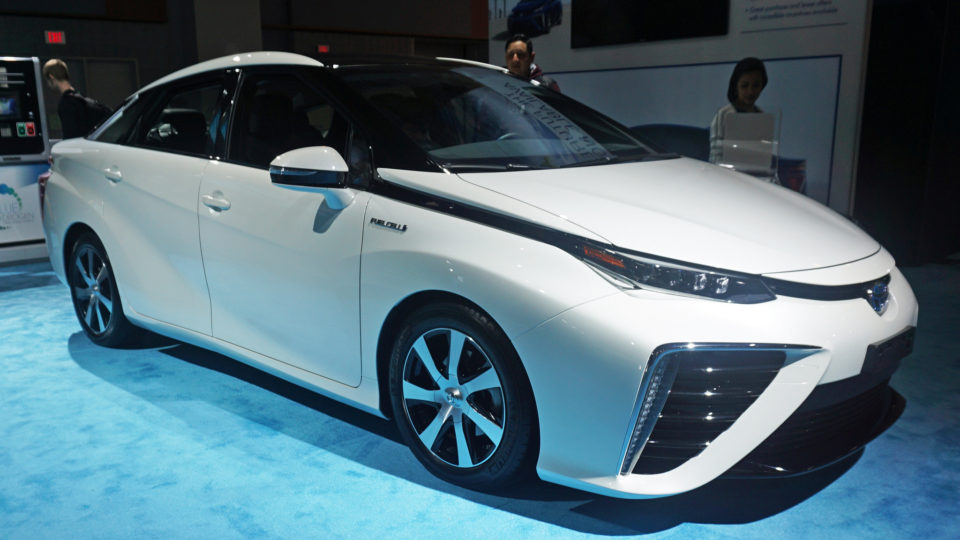
Several major automakers including Toyota, Honda and BMW are betting that hydrogen-fueled cars will be a dominant technology in the future.  There are a number of technical and economic problems to be solved before that can happen.  Producing hydrogen in an cost-effective and environmentally-friendly way is critical.  But beyond that, one of the biggest challenges is the transportation and storage of hydrogen.

[Read more…] about A New Way To Store Hydrogen

Electrifying Shipping Fleets

March 26, 2018 By EarthWise Leave a Comment

https://earthwiseradio.org/wp-content/uploads/2018/03/EW-03-27-18-Electrifying-Shipping-Fleets.mp3

Container ships, tankers, freighters, and cruise ships are a significant source of carbon dioxide emissions and other pollutants.  They currently account for 3% of global emissions – which doesn’t sound like much – but most other sectors such as power plants and automobiles are gradually decarbonizing.  As a result, experts believe that shipping could account for as much as 17% of global emissions by the year 2050.

[Read more…] about Electrifying Shipping Fleets

Sunshine To Fuel

March 15, 2018 By EarthWise Leave a Comment

https://earthwiseradio.org/wp-content/uploads/2018/03/EW-03-15-18-Sunshine-to-Fuel.mp3

Hydrogen is touted to be the fuel of the future, particularly for cars.  But a more acccurate view of it is that hydrogen is an energy storage medium.  And the most promising form of energy to store using hydrogen is solar energy.

[Read more…] about Sunshine To Fuel

How Green Are Green Cars?

December 9, 2016 By EarthWise

https://earthwiseradio.org/wp-content/uploads/2016/11/EW-12-09-16-How-Green-Are-Green-Cars.mp3

Electric cars are generally seen as the way to eliminate or at least dramatically reduce the disastrous effects of personal transportation on the environment.  They still constitute only a tiny fraction of the cars on the road, but their popularity and availability is growing.

[Read more…] about How Green Are Green Cars?

Primary Sidebar

Recent Episodes

  • An uninsurable future
  • Clean energy and jobs
  • Insect declines in remote regions
  • Fossil fuel producing nations ignoring climate goals
  • Trouble for clownfishes

WAMC Northeast Public Radio

WAMC/Northeast Public Radio is a regional public radio network serving parts of seven northeastern states (more...)

Copyright © 2026 ·