The Okinawa Institute of Science and Technology or OIST has been working on ways to generate electricity from the ocean for five years. Their initial project, known as “Sea Horse” uses submerged turbines anchored to the sea floor that convert the kinetic energy of sustained natural currents into useful electricity, which is then delivered by cables to the land. The project has been successful and OIST is now planning the next phase.
The changing climate has many effects upon the world’s ecosystems, some of which are surprising. One of these relates to the effect of the increasing melting of ice in the Arctic. The ice melt is leading to more life in the Arctic sea.
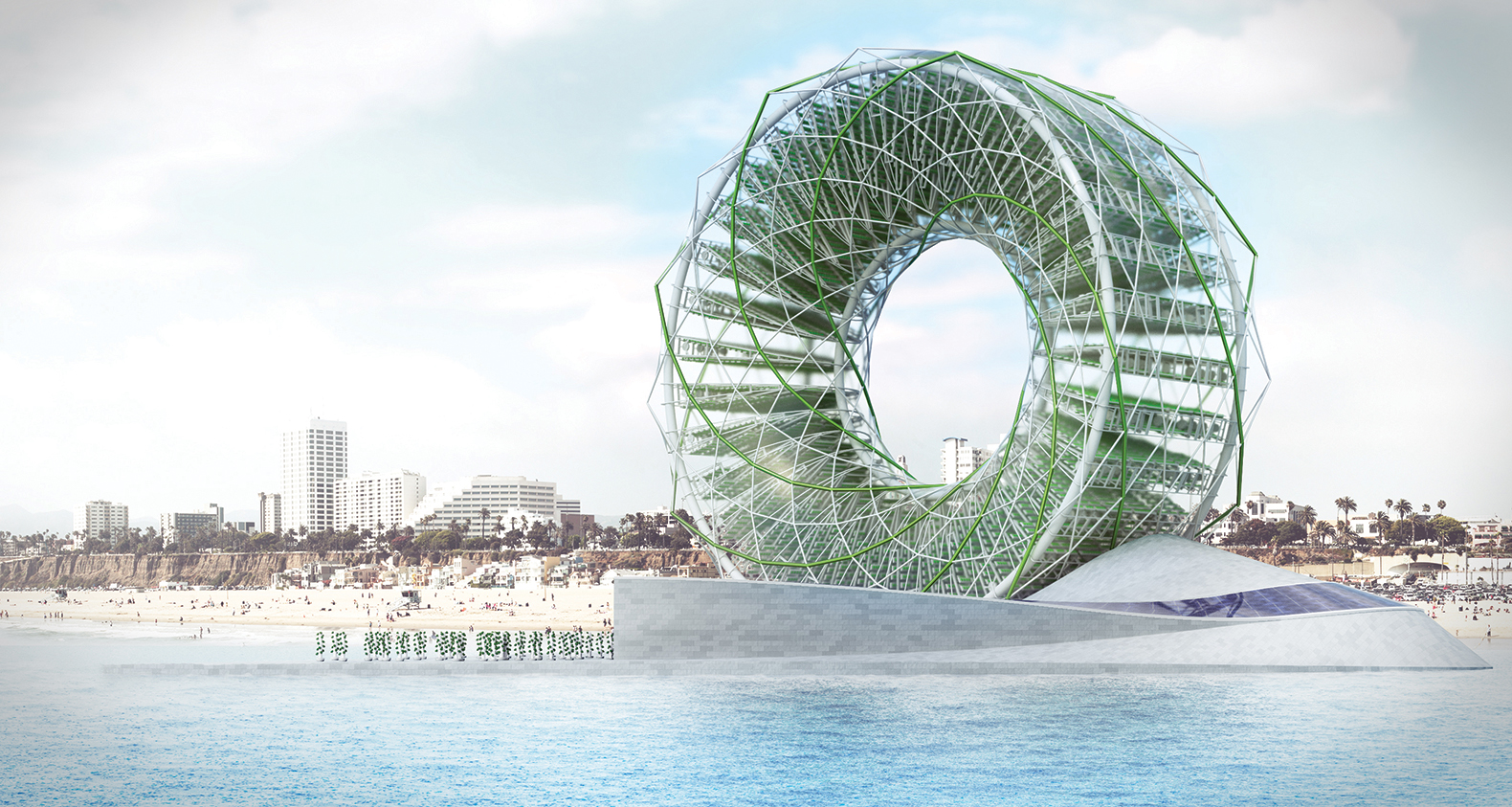
When we think about the visual impact of energy plants, we usually envision ugly smokestacks belching out toxic fumes. Of course, many people also consider wind turbines to be eyesores and even solar panels are often viewed unfavorably from an aesthetic point of view.
Ocean energy is still one of the biggest untapped clean energy sources on the planet. There are many studies that have shown that it could provide power for millions of homes in the U.S. alone. But despite this, the technology is still in its infancy and it is unclear when and if it can become a major contributor to our energy needs.
Ocean energy is about to take an important step towards making a real impact in Scotland. The MeyGen Tidal Array Project is reaching the final construction of its demonstration phase, which will be the first test of multiple underwater turbines sited together in a full-scale array.