wastewater
Preventing Toxic Algal Blooms
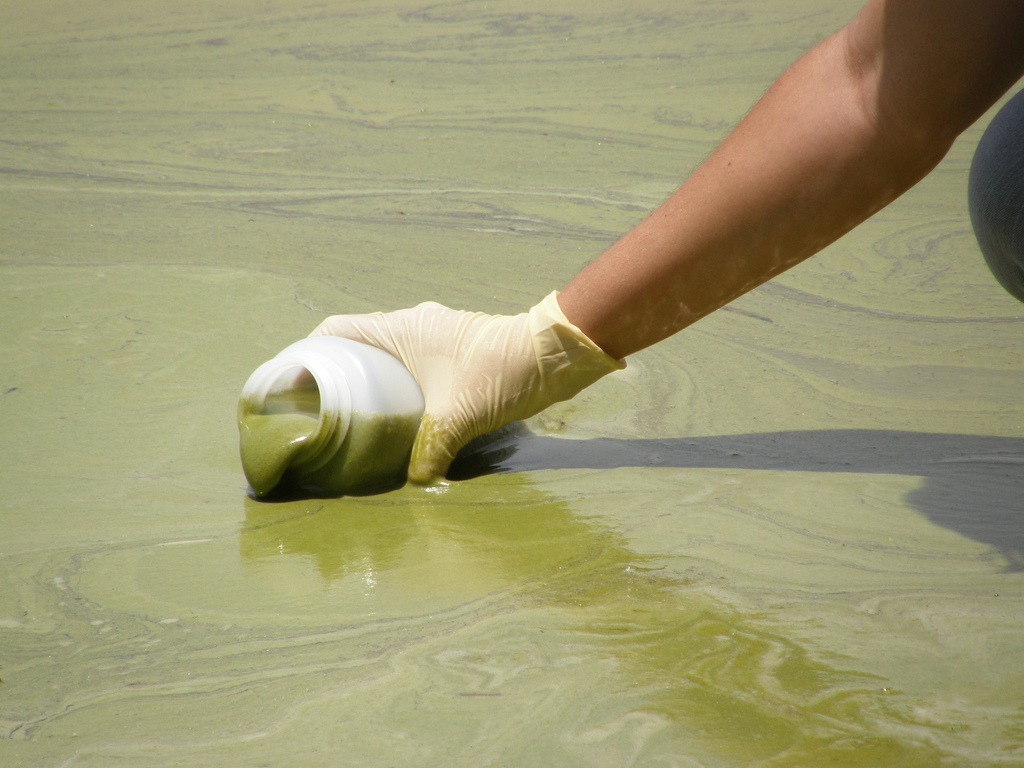
We have talked about the growing problem of toxic algal blooms on a number of occasions. The increasing occurrence of these blooms has been associated with rising temperatures and carbon dioxide levels as well as the presence of wastewater nutrients and agricultural fertilizers in rivers, lakes and reservoirs. The most notable incident occurred in the summer of 2014, when algae contamination in Lake Erie left 400,000 residents in Ohio and Michigan without water for 72 hours.
Human-Caused Earthquakes

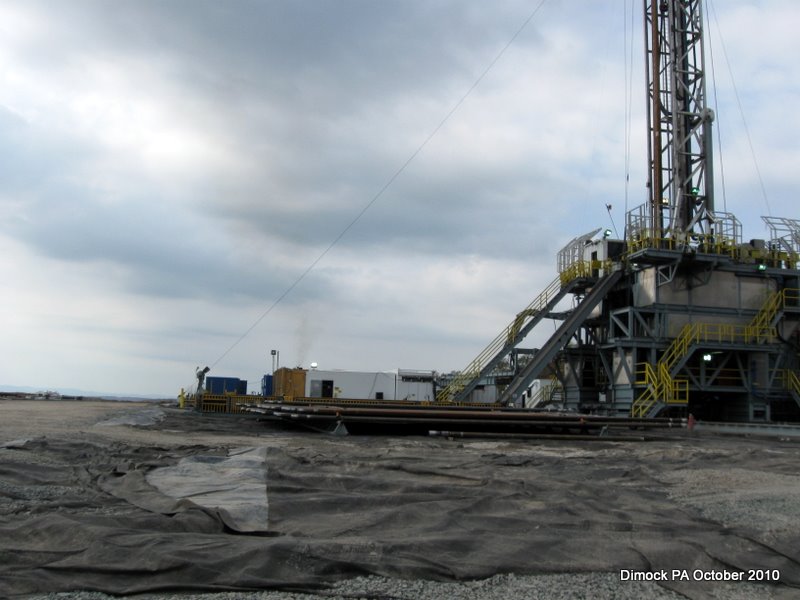
Oklahoma has had its share of disasters over the years. It has seen tornado outbreaks, massive wildfires, huge dust storms and even onslaughts of tumbleweeds. But one thing it was not known for is earthquakes.
Powering Fuel Cells With Wastewater
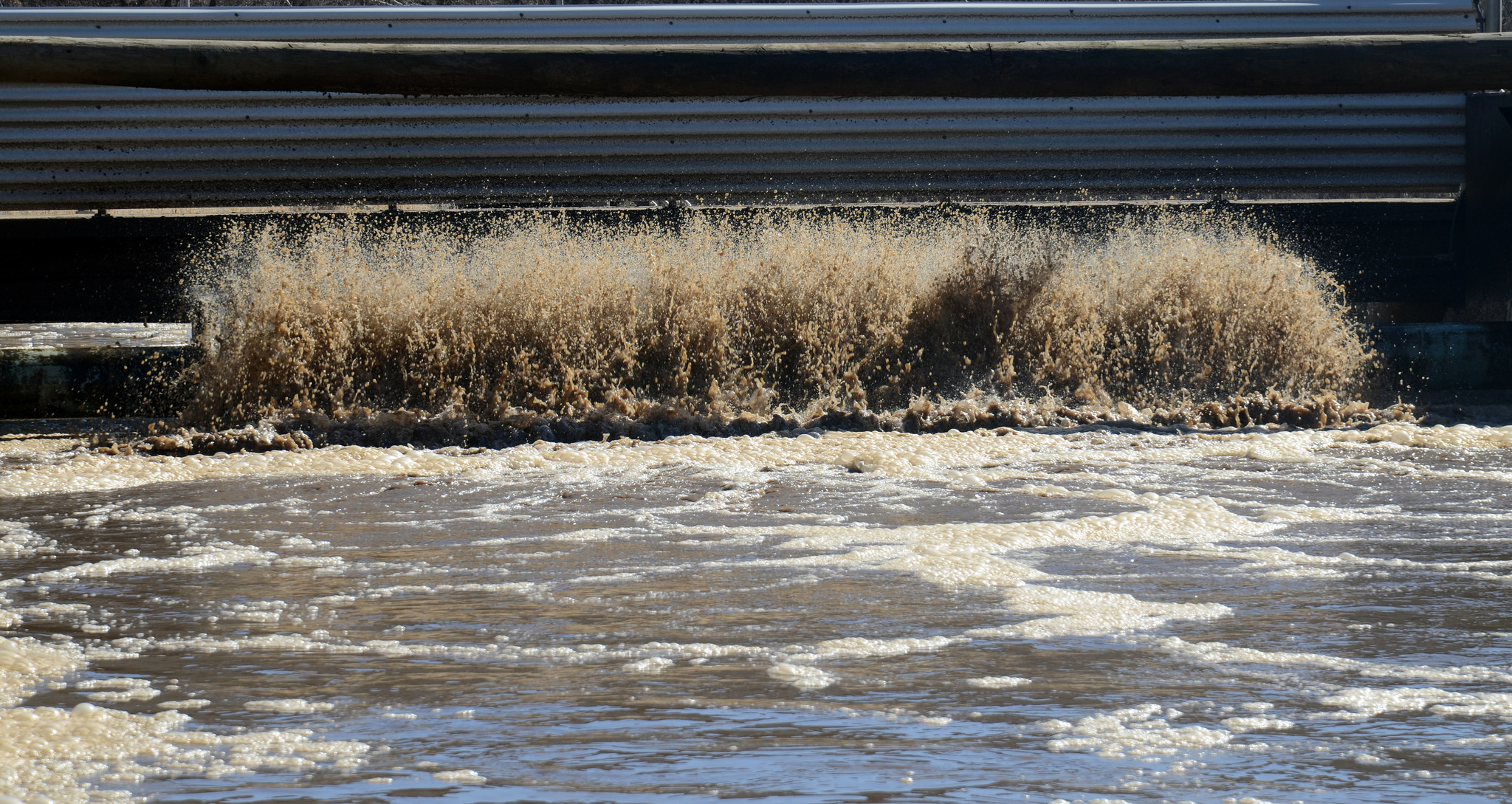
There are many renewable energy sources to be exploited. Solar and wind power justifiably get the most attention, but they are not the only game in town. There is a growing sustainability movement to capture energy from various kinds of waste, including even the wastewater we flush down the toilet.
New Places For Solar Power
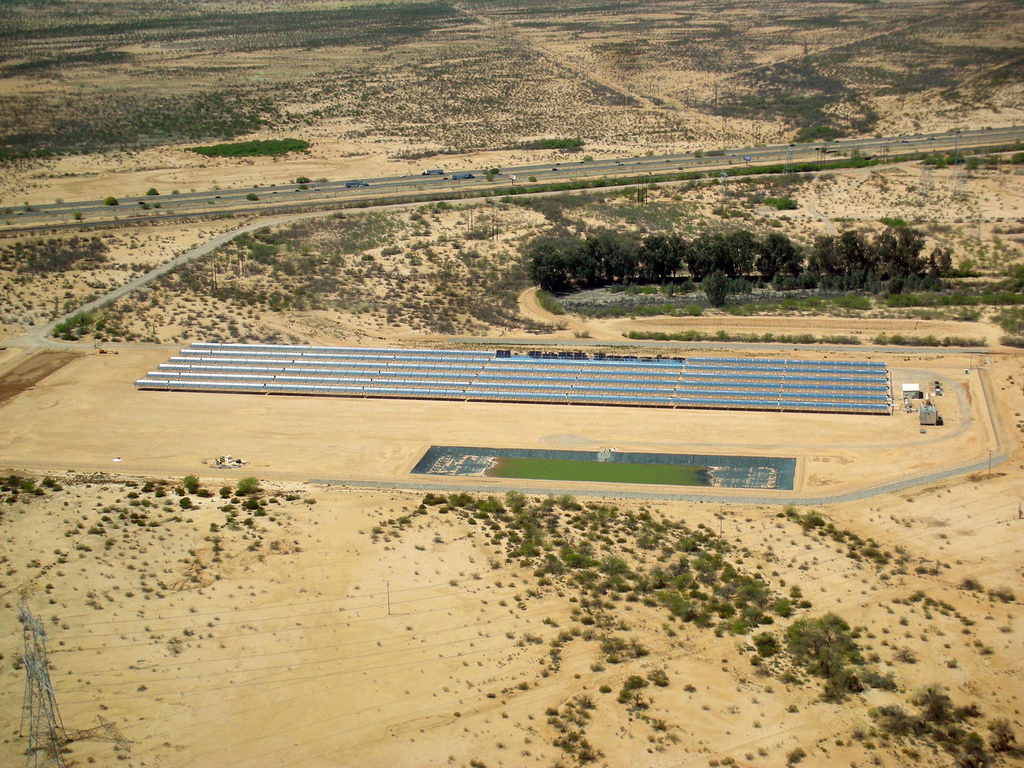
The modern face of solar energy is hundreds of thousands of rooftops covered with arrays of solar panels. It is also amazing expanses of solar panels and mirrors covering acres of desert land. Solar power capacity is expanding rapidly and is expected to at least triple over the next 10 years.
A New Labeling Initiative