• Skip to primary navigation
  • Skip to main content
  • Skip to primary sidebar

Earth Wise

A look at our changing environment.

  • Home
  • About Earth Wise
  • Where to Listen
  • All Articles
  • Show Search
Hide Search
You are here: Home / Archives for virus

virus

The global chocolate supply is threatened

May 16, 2024 By EarthWise Leave a Comment

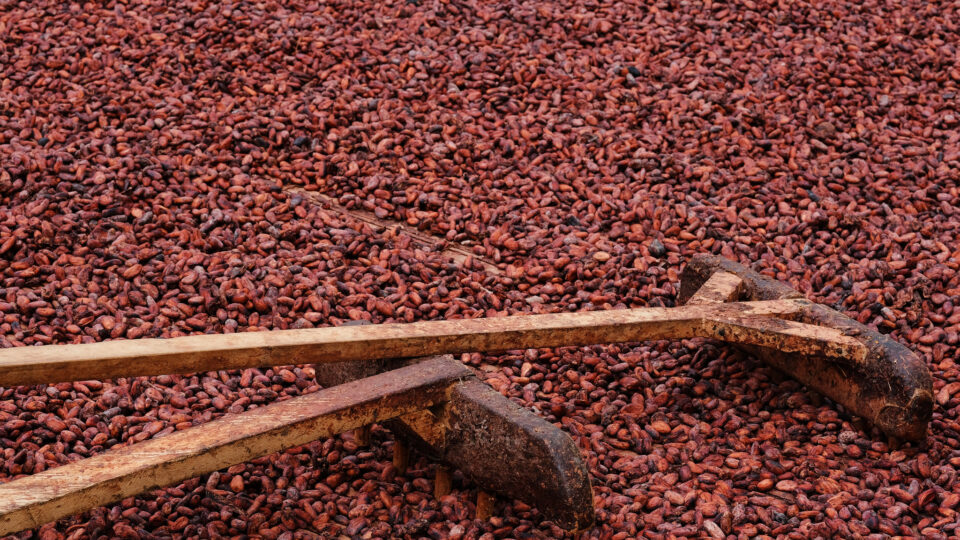
The global supply of chocolate is threatened

The world is facing the biggest deficit of cocoa in decades. Most cocoa beans are grown in West Africa, where climate change-induced drought has ravaged crops.  Harvests are forecasted to fall short for the third consecutive year. 

The harvest shortfall has triggered a steep rise in cocoa prices.  In fact, cocoa prices have more than doubled in the first four months of this year, and have more than tripled in the past 12 months.

But drought isn’t the only threat:  A rapidly spreading virus is also threatening the future of chocolate.   

Approximately half of the world’s chocolate originates from cacao trees in Ghana and the Ivory Coast.  The Cacao Swollen Shoot Virus Disease is spread by small insects called mealybugs, which eat the leaves, buds, and flowers of cacao trees.  The virus is attacking cacao trees in Ghana, resulting in harvest losses of 15-50%. 

Pesticides don’t work well against mealybugs.  Farmers can vaccinate trees to inoculate them from the virus.  But the vaccines are expensive, and the vaccinated trees produce a smaller harvest of cacao.

According to a new paper recently published in the journal PLOS ONE, an international team of researchers has developed a new strategy to combat these pests: using mathematical data to determine how far apart vaccinated trees need to be planted in order to stop mealybugs from hopping from tree to tree.  The researchers developed two models that allow farmers to create a defensive ring of vaccinated trees around unvaccinated trees

The research team hopes its models will help farmers protect their crops and achieve better harvests in the future. 

**********

Web Links

Cacao sustainability: The case of cacao swollen-shoot virus co-infection

Will rising cocoa prices trigger a chocolate crisis?

Photo, posted April 1, 2019, courtesy of Konrad Lembcke via Flickr.

Earth Wise is a production of WAMC Northeast Public Radio
Hope for amphibians

May 6, 2024 By EarthWise Leave a Comment

Discovery could end global amphibian pandemic

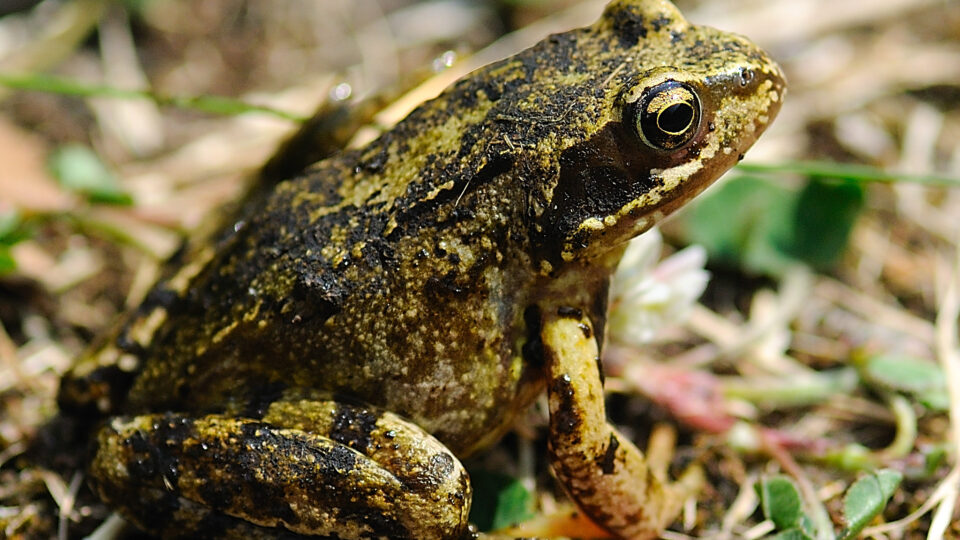
There are more than 7,000 known species of amphibians, the group of animals that includes frogs, toads, and salamanders.  Over the past 25 years, more than 90 species are believed to have gone extinct and at least 500 more have declining populations.

There are many factors contributing to the decline of amphibian populations but the most alarming is a fungus called Batrachochytrium dendrobatidis – or Bd – that ravages the skin of frogs and toads and eventually causes heart failure.  The fungus has been devastating amphibians on nearly every continent.

In a recent paper in the journal Current Biology, scientists at the University of California Riverside documented the discovery of a virus that infects Bd and could be engineered to control the fungal disease.

The researchers were studying the population genetics of the Bd fungus with DNA sequencing technology and uncovered the virus inside the fungal genome.  Some strains of the fungus are infected with the virus and others are not.  They are now looking for insights into the ways that the virus operates to see how it gets into the fungal cells.  The goal is to engineer the virus to infect more strains of the fungus and potentially end the global amphibian pandemic.

Frogs and toads control bad insects, crop pests, and mosquitos.  If their populations around the world collapse, it could be devastating.  They are already having difficulty coping with warmer temperatures, stronger UV light, and worsening water quality in many places. 

Some amphibian species are already acquiring resistance to Bd.  The UCR researchers are hoping to assist nature in taking its course.

**********

Web Links

Discovery could end global amphibian pandemic

Photo, posted August 25, 2010, courtesy of Kev Chapman via Flickr.

Earth Wise is a production of WAMC Northeast Public Radio
More mosquitoes in a warming climate

January 26, 2024 By EarthWise Leave a Comment

More mosquitoes likely as the climate warms

Over millions of years, Earth’s climate has warmed up and cooled down many times. However, today the planet is warming much faster than it ever has over human history.  According to scientists, the warming is primarily the result of increased anthropogenic greenhouse gas emissions.  In fact, human activities are responsible for nearly all of the increase in atmospheric greenhouse gas emissions over the last 150 years. 

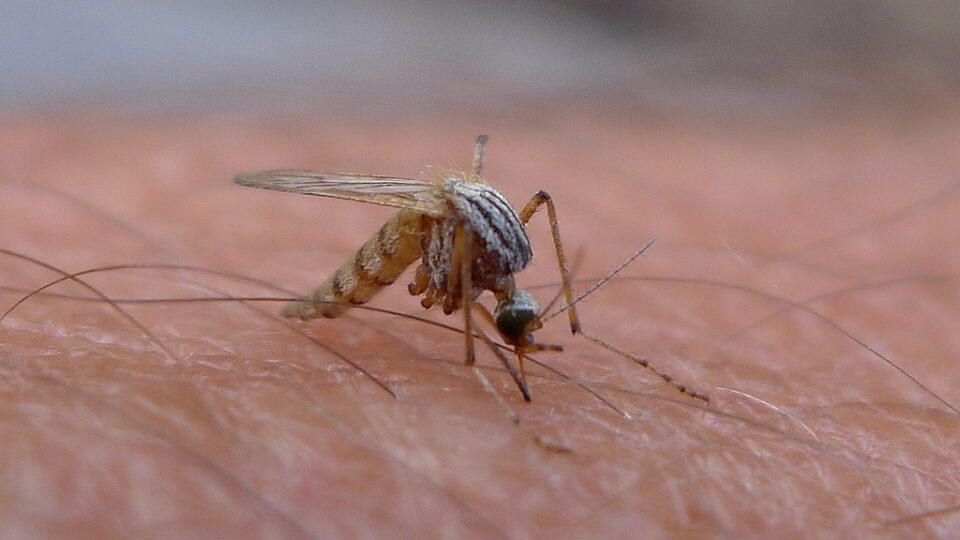
According to a new study published in the journal Ecology, the warming climate may soon mean more mosquitoes.  A research team, led by scientists from Virginia Commonwealth University, found that rising temperatures, often linked to climate change, can make predators of mosquito larvae less effective at controlling mosquito populations.  According to researchers, these warmer temperatures accelerate the development time of larvae, which leads to a smaller window of time in which predators like dragonflies could eat them.  As a result, twice as many mosquito larvae could make it to adulthood in the study area. 

Predators help stabilize ecosystems and food webs.  The study looked at predator-prey interactions between dragonfly nymphs and mosquito larvae.  In the study of Belle Isle along the James River in Richmond, Virginia, the research team found that warmer pools had more aquatic rock pool mosquito larvae – even when their predators that naturally control the populations were present.

While this species of mosquito is not an important disease vector, the researchers emphasize that these findings likely apply to other mosquito species that do act as vectors for diseases, such as West Nile or Zika virus.

The changing climate is creating the perfect environment for mosquitoes to thrive. 

**********

Web Links

Hotter weather caused by climate change could mean more mosquitos, according to VCU-led study

Photo, posted June 20, 2014, courtesy of John Tann via Flickr.

Earth Wise is a production of WAMC Northeast Public Radio
The Cost Of Invasive Species | Earth Wise

September 27, 2023 By EarthWise Leave a Comment

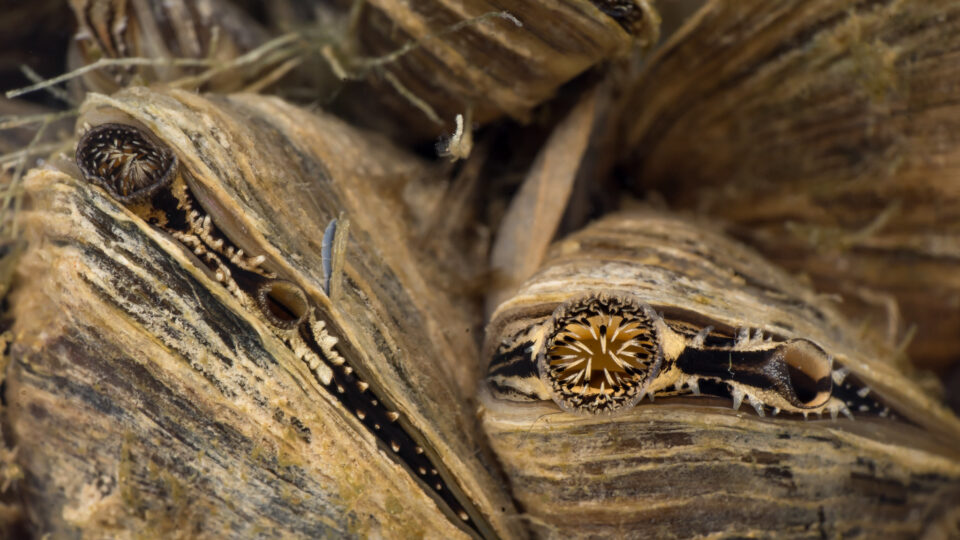
According to a new report published by the Intergovernmental Science-Policy Platform on Biodiversity and Ecosystem Services for the United Nations, invasive species introduced to new ecosystems around the world are causing more than $423 billion in estimated losses to the global economy every year.  These economic costs are incurred by harming nature, damaging food systems, and threatening human health.

According to the report, these costs have at least quadrupled every decade since 1970 and the estimates are actually conservative because it’s difficult to account for all of the effects of invasive species.

The report estimates that humans have intentionally or unintentionally introduced more than 37,000 species to places outside their natural ranges.  More than 3,500 of them are considered invasive because they are harmful to their new ecosystems.  Invasive nonnative species were a major factor in 60% of known extinctions of plants and animals.

Some species are relocated deliberately by the wildlife trade and international shipping.  Other plants and animals end up hitching a ride with ordinary travelers as they move about by car, boat, plane, or train. 

Invasions can damage human health.  Mosquitos that transmit diseases like malaria, dengue fever, and the Zika virus have become invasive around the world. The wildfires in Hawaii this summer were fueled by invasive nonnative grasses in a warming climate. 

Nearly every country in the world has agreed to participate in a sweeping agreement to preserve biodiversity and reduce invasive species.  It is an essential global goal.

**********

Web Links

Invasive Species Are Costing the Global Economy Billions, Study Finds

Photo, posted June 2, 2022, courtesy of Sam Stukel (USFWS) via Flickr.

Earth Wise is a production of WAMC Northeast Public Radio
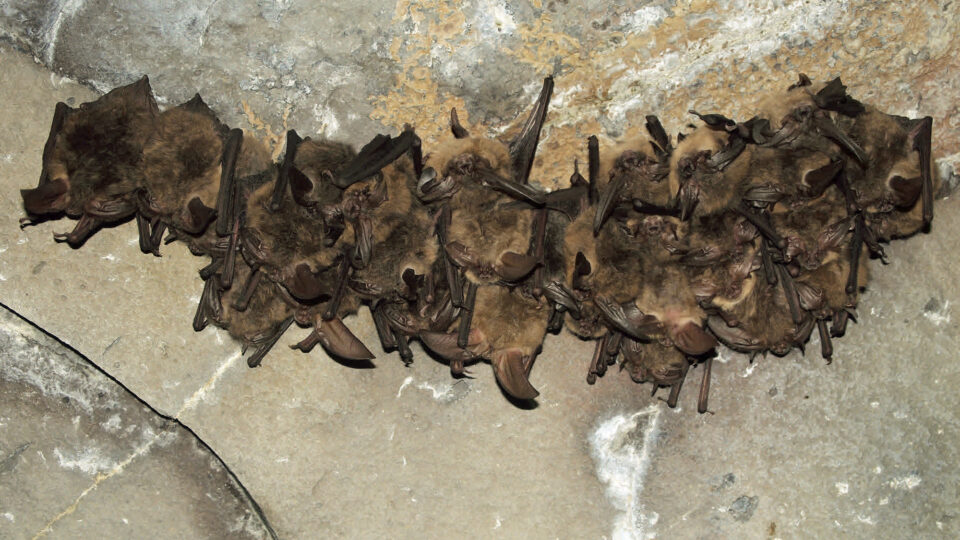
Climate Change And The Next Pandemic | Earth Wise

May 26, 2022 By EarthWise Leave a Comment

Climate change could lead to the next pandemic

As the planet continues to heat up, animals big and small are moving towards the poles to escape the heat.  According to researchers, these animals are likely to come into contact with other animals that they normally wouldn’t, and are likely to relocate to regions with large human populations.  These factors create opportunities for pathogens to get into new hosts, which dramatically increases the risk of a viral jump to humans.  Climate change could lead to the next pandemic.      

An international research team led by scientists at Georgetown University recently made this connection between climate change and viral transmission.  In the study, which was recently published in the journal Nature, researchers conducted the first comprehensive assessment of how climate change will restructure the global mammalian virome.  Their work focused on geographic range shifts. 

As animals eccounter other animals for the first time, the study projects that they will share thousands of viruses.  And as animals increasingly move into the same areas as humans, there will be greater opportunities for these viruses to jump to humans.  The research team says that the impact on conservation and human health could be alarming as viruses jump between species at unprecedented rates. 

In our warming world, much of this process may unfortunately already be underway.  And efforts to reduce greenhouse gas emissions may not be enough to stop these events from unfolding. 

According to the study, climate change will become the biggest upstream risk factor for disease emergence, eclipsing deforestation, industrial agriculture, and the wildlife trade.  Pairing wildlife disease surveillance with real-time studies of environmental change may be part of the solution to predicting and preventing the next pandemic. 

**********

Web Links

Climate change could spark the next pandemic, new study finds

Coronavirus and Climate Change

Photo, posted October 16, 2014, courtesy of Shawn Thomas / NPS via Flickr.

Earth Wise is a production of WAMC Northeast Public Radio.

Reducing COVID-19 Spread With UV Light | Earth Wise

November 24, 2021 By EarthWise 1 Comment

Using UV light to reduce COVID-19 spread

New research published by the University of Colorado Boulder analyzes the effects of different wavelengths of ultraviolet light on the SARS-CoV-2 virus.   The research found that a specific wavelength of UV light is not only extremely effective at killing the virus that causes COVID-19, but also that this wavelength is safer for use in public spaces.

UV light is naturally emitted by the sun and most forms of it are harmful to living things – including microorganisms and viruses.   The most harmful UV radiation from the sun is filtered out by the atmosphere’s ozone layer.   Human-engineered UV light sources screen out harmful UV rays with a phosphorus coating on the inside of the tube lamps.  Hospitals and some other public spaces already use UV light technology to disinfect surfaces when people are not present.

The new research found that a specific wavelength of far-ultraviolet-C, at 222 nanometers, was particularly effective at killing SARS-CoV-2, but that wavelength is blocked by the very top layers of human skin and eyes.  In other words, that light has essentially no detrimental health effects for people while it is very capable of killing off viruses.

The researchers argue that this safe wavelength of Far UV-C light could serve as a key mitigation measure against the COVID-19 pandemic.  They imagine systems that could cycle on and off in indoor spaces to routinely clean the air and surfaces or perhaps create an ongoing, invisible barrier between teachers and students, customers and service workers, and other places where social distancing is not practical.  Installing these specialized UV lights would be much cheaper than upgrading entire HVAC systems in buildings.

**********

Web Links

Specific UV light wavelength could offer low-cost, safe way to curb COVID-19 spread

Photo, posted January 18, 2008, courtesy of Phil Whitehouse via Flickr.

Earth Wise is a production of WAMC Northeast Public Radio.

Climate Change And Allergies | Earth Wise

March 23, 2021 By EarthWise Leave a Comment

Climate change is making allergy season worse

According to a new study published in the Proceedings of the National Academy of Sciences, an addition to the many hardships that climate change is causing around the world is the fact that it is making allergy season worse.

Researchers have found that there is a strong link between planetary warming and pollen seasons.  The combination of warming air and higher levels of carbon dioxide in the atmosphere has caused North American pollen seasons since 1990 to start some 20 days earlier, on average, and to have 21% more pollen.

The most pronounced effects were seen in Texas, the Midwest, and the Southeast.  The effects were less obvious in the northern United States, including New England and the Great Lakes states.  The greatest pollen increases came from trees, as opposed to grasses and weeds.

Allergies do not just trigger sniffles and sneezes; they have serious effects on public health in the form of asthma and other respiratory conditions.  Studies have shown that students do less well in school during peak pollen season.  Of special concern at the moment is that high-pollen periods have been associated with greater susceptibility to respiratory viruses.  The U.S. has nearly 25 million people with asthma and 19 million adults reported hay fever in the past 12 months.  Research suggests that the early onset of pollen season correlates with a higher risk of hospitalization for asthma.

There are far fewer pollen monitoring stations than those measuring particle pollutants and air quality.  As the climate warms, we need to pay more attention to pollen as an airborne pollutant.

**********

Web Links

Achoo! Climate Change Lengthening Pollen Season in U.S., Study Shows

Photo, posted May 18, 2012, courtesy of Forest Wander via Flickr.

Earth Wise is a production of WAMC Northeast Public Radio.

Monitoring Wildlife For Warning Signs of the Next Pandemic | Earth Wise

July 29, 2020 By EarthWise Leave a Comment

Monitoring wildlife to prevent the next pandemic

According to the World Health Organization, the coronavirus that causes COVID-19 likely originated in wild bats near Wuhan, China, and may have been passed to a second animal species before infecting people.  Since then, according to data from Johns Hopkins University, more than 13 million people around the world have been infected by COVID-19 and about 600,000 have died. 

But despite the ever-present threat of a new virus sparking the next pandemic, there is currently no global system to screen for viruses in wild animals that could eventually spill over to humans. 

In an article recently published in the journal Science, a group of scientists is calling for the creation of a decentralized global system of wildlife surveillance.  The establishment of this global system could help identify viruses in wild animals that have the potential to infect and sicken people before another global disease outbreak begins. 

According to the scientists, coronaviruses alone have caused outbreaks in humans three times in the last 20 years:  SARS (or Severe Acute Respiratory Syndrome), MERS (or Middle East Respiratory Syndrome), and COVID-19. 

While it’s impossible to know today how often viruses jump from animals to humans, human activity is making such spillover events more and more likely.  For instance, many continue to develop wild animal habitat to build new homes or businesses.  Some catch wild animals and re-sell them either for consumption or as exotic pets.  Parts from these wild animals are often shipped around the world as trinkets or as ingredients for traditional medicines. 

A global system that could identify potentially harmful viruses before they jump to humans is technologically feasible, affordable, and clearly necessary. 

**********

Web Links

COVID-19 Dashboard by the Center for Systems Science and Engineering (CSSE) at Johns Hopkins University (JHU)

Global wildlife surveillance could provide early warning for next pandemic

Photo, posted January 15, 2008, courtesy of Doug Beckers via Flickr.

Earth Wise is a production of WAMC Northeast Public Radio.

Environmental Injustice And the Coronavirus | Earth Wise

May 29, 2020 By EarthWise Leave a Comment

Environmental Injustice and coronavirus

Cities and towns across the United States continue to wrestle with the devastating impacts of the COVID-19 pandemic and none have been hit harder than low-income and minority communities.  Places like Detroit, Chicago, and St. James Parish in Louisiana have suffered from decades of economic inequality and pollution in their poorest neighborhoods and many of these same places have experienced some of the highest mortality rates from the virus.

Recent studies have shown a link between high levels of pollution and the risk of death from COVID-19.  Pollution of various kinds are higher in low-income communities and communities of color.  Such communities don’t have a strong political voice so that laws and environmental regulations are not enforced like there are in white, higher-income communities.  Thus, these communities have highways, landfills, factories, chemical facilities, paper mills, and other pollution sources that communities with economic power – and therefore political power – manage to avoid.

People living in low-income communities and communities of color tend to have higher rates of underlying health conditions like diabetes, heart disease, and asthma.  They have less healthy diets – more fast food and fewer grocery stores.  Part of the reason these communities have a higher risk of mortality from COVID-19 infection is that many people have reduced lung capacity as a result of exposure to pollutants.

The Trump administration has been suspending enforcement of environmental regulations during the pandemic.  Communities already affected by environmental injustice will bear the brunt of this decision.  Groups like nursing home populations, meat packers, prisoners and the poor are suddenly highly visible.  COVID-19 is exposing the real differences between the Haves and the Have-Nots in this country.

**********

Web Links

Connecting the Dots Between Environmental Injustice and the Coronavirus

Photo, posted May 2, 2006, courtesy of Sean Benham via Flickr.

Earth Wise is a production of WAMC Northeast Public Radio.

The Cockroaches Of The Ocean

December 14, 2018 By EarthWise Leave a Comment

https://earthwiseradio.org/wp-content/uploads/2018/12/EW-12-14-18-The-Cockroaches-of-the-Ocean.mp3

The coast of Northern California is home to underwater forests – huge, sprawling tangles of brown seaweed.  Kelp forests play a similar role in the oceans as the one that ordinary tree forests play on land.  Like trees, kelp absorbs carbon emissions and provides critical habitat and food for a wide range of species.

[Read more…] about The Cockroaches Of The Ocean

Zika Insecticides And Honeybees

November 30, 2018 By EarthWise Leave a Comment

https://earthwiseradio.org/wp-content/uploads/2018/11/EW-11-30-18-Zika-Insecticides-and-Honeybees.mp3

Honeybees, which play a critical role in agriculture by pollinating crops, are not native to the United States.  Beekeepers manage most honeybee colonies and they move the bees around to support farmers.        

[Read more…] about Zika Insecticides And Honeybees

Dangerous Diseases From The Past

June 9, 2017 By EarthWise

https://earthwiseradio.org/wp-content/uploads/2017/06/EW-06-09-17-Dangerous-Diseases-from-the-Past.mp3

Climate change is poised to transform life on Earth as we know it.  The higher temperatures, the rising seas, the more frequent floods and droughts, among the countless other consequences associated with climate change, threaten to do irreversible damage to the world in the coming decades.

[Read more…] about Dangerous Diseases From The Past

Increasing Biological Invasions

June 1, 2017 By EarthWise

https://earthwiseradio.org/wp-content/uploads/2017/06/EW-06-01-17-Increasing-Biological-Invasions.mp3

Invasive species have been a problem for quite some time.  Over the years, we have grappled with – among other things – invasive plants from Japan, zebra mussels from eastern Europe, and Asian fungus that kills off ash trees in our forests.

[Read more…] about Increasing Biological Invasions

Ebola And Bats

August 29, 2016 By WAMC WEB

https://earthwiseradio.org/wp-content/uploads/2016/08/EW-08-29-16-Ebola-and-Bats.mp3

Filoviruses have devastating effects on people and primates, as evidenced by the 2014 Ebola outbreak in West Africa. For nearly 40 years, preventing spillovers has been hampered by an inability to pinpoint which wildlife species harbor and spread the viruses.

[Read more…] about Ebola And Bats

Are Mosquitoes Necessary?

March 1, 2016 By WAMC WEB

https://earthwiseradio.org/wp-content/uploads/2016/02/EW-03-01-16-Are-Mosquitoes-Necessary.mp3

The Zika virus epidemic is yet another disease transmitted by mosquitoes.  Those tiny insects are responsible for spreading many of the world’s worst diseases such as malaria, dengue fever and yellow fever.   According to the World Health Organization, over 400,000 people worldwide died from malaria in 2015.

[Read more…] about Are Mosquitoes Necessary?

Primary Sidebar

Recent Episodes

  • An uninsurable future
  • Clean energy and jobs
  • Insect declines in remote regions
  • Fossil fuel producing nations ignoring climate goals
  • Trouble for clownfishes

WAMC Northeast Public Radio
WAMC/Northeast Public Radio is a regional public radio network serving parts of seven northeastern states (more...)

Copyright © 2026 ·